- Chinese
- French
- German
- Portuguese
- Spanish
- Russian
- Japanese
- Korean
- Arabic
- Irish
- Greek
- Turkish
- Italian
- Danish
- Romanian
- Indonesian
- Czech
- Afrikaans
- Swedish
- Polish
- Basque
- Catalan
- Esperanto
- Hindi
- Lao
- Albanian
- Amharic
- Armenian
- Azerbaijani
- Belarusian
- Bengali
- Bosnian
- Bulgarian
- Cebuano
- Chichewa
- Corsican
- Croatian
- Dutch
- Estonian
- Filipino
- Finnish
- Frisian
- Galician
- Georgian
- Gujarati
- Haitian
- Hausa
- Hawaiian
- Hebrew
- Hmong
- Hungarian
- Icelandic
- Igbo
- Javanese
- Kannada
- Kazakh
- Khmer
- Kurdish
- Kyrgyz
- Latin
- Latvian
- Lithuanian
- Luxembou..
- Macedonian
- Malagasy
- Malay
- Malayalam
- Maltese
- Maori
- Marathi
- Mongolian
- Burmese
- Nepali
- Norwegian
- Pashto
- Persian
- Punjabi
- Serbian
- Sesotho
- Sinhala
- Slovak
- Slovenian
- Somali
- Samoan
- Scots Gaelic
- Shona
- Sindhi
- Sundanese
- Swahili
- Tajik
- Tamil
- Telugu
- Thai
- Ukrainian
- Urdu
- Uzbek
- Vietnamese
- Welsh
- Xhosa
- Yiddish
- Yoruba
- Zulu
- Kinyarwanda
- Tatar
- Oriya
- Turkmen
- Uyghur


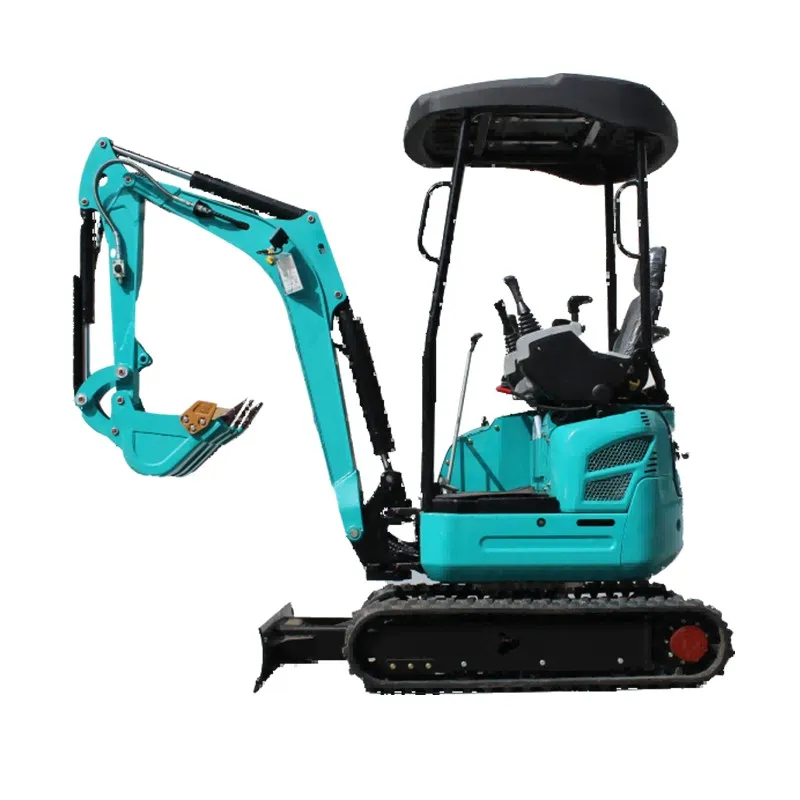
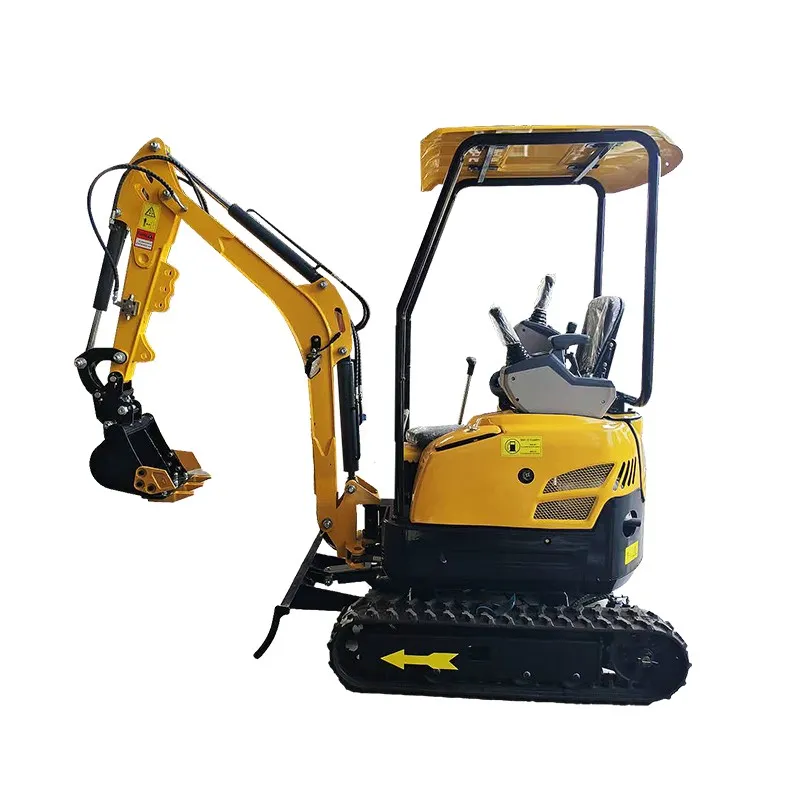
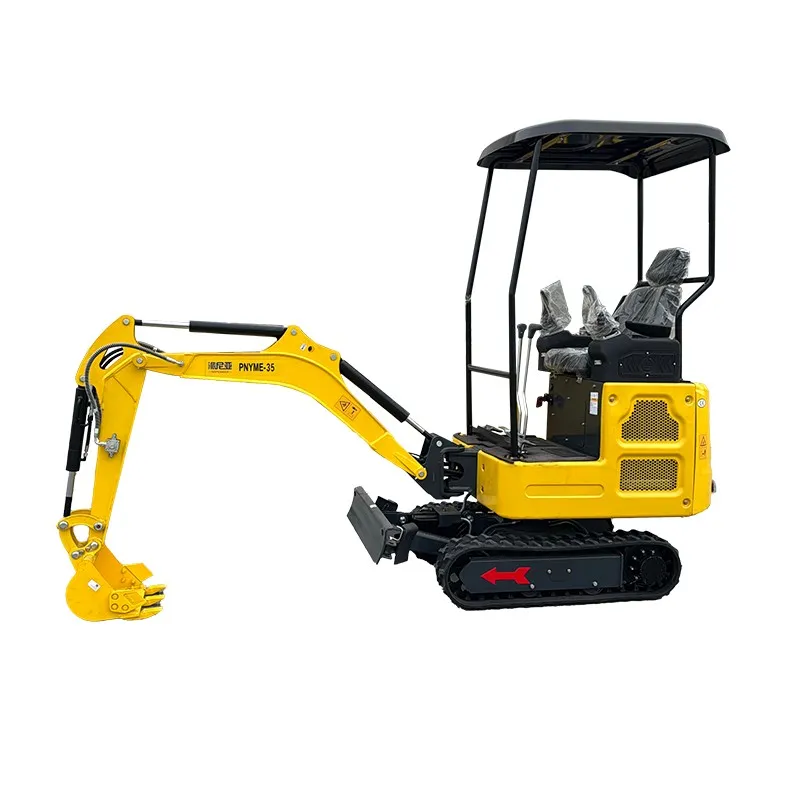
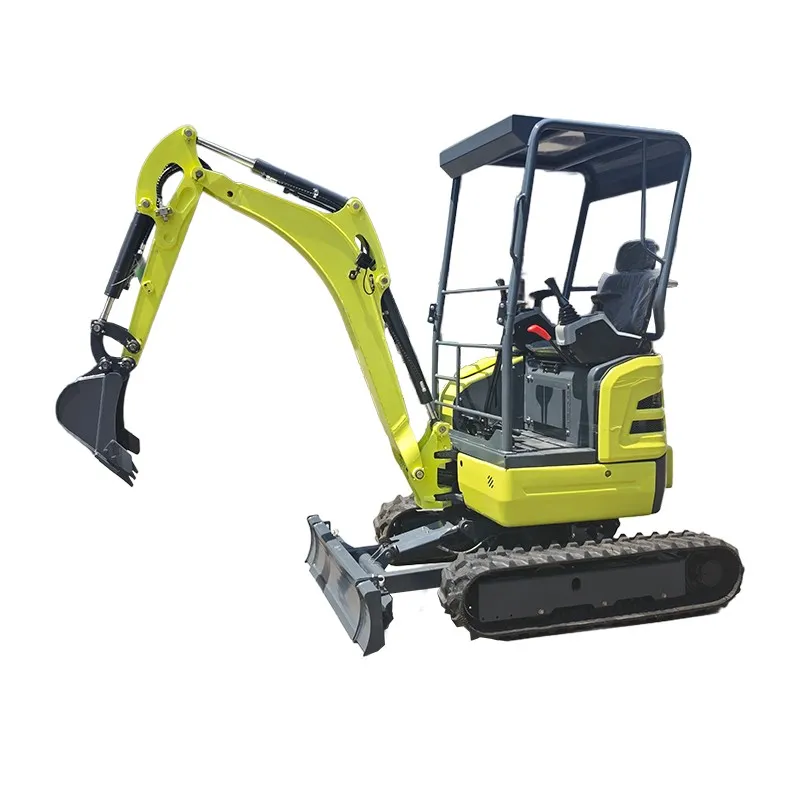
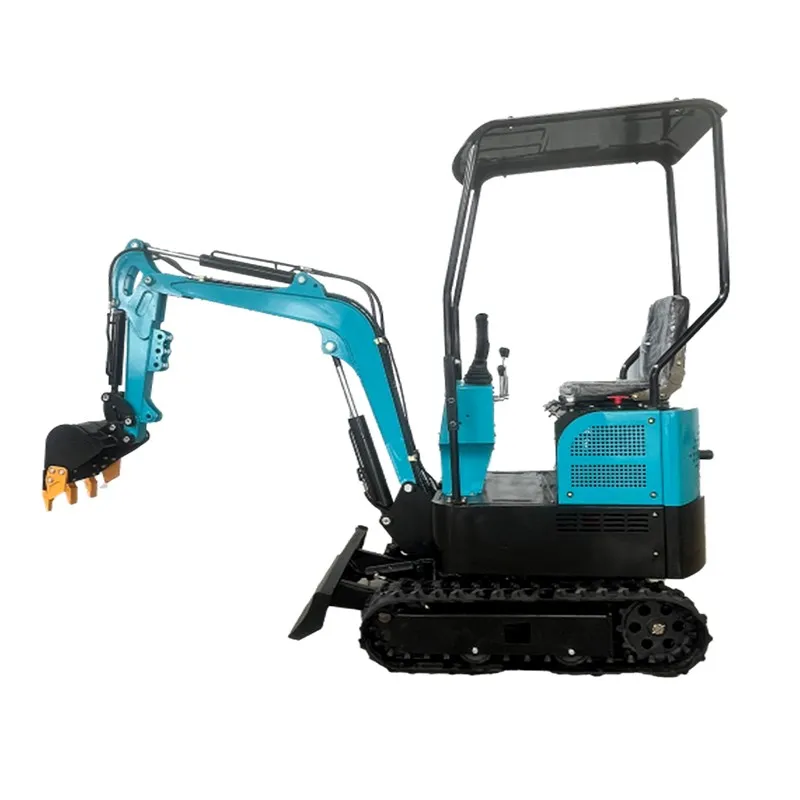
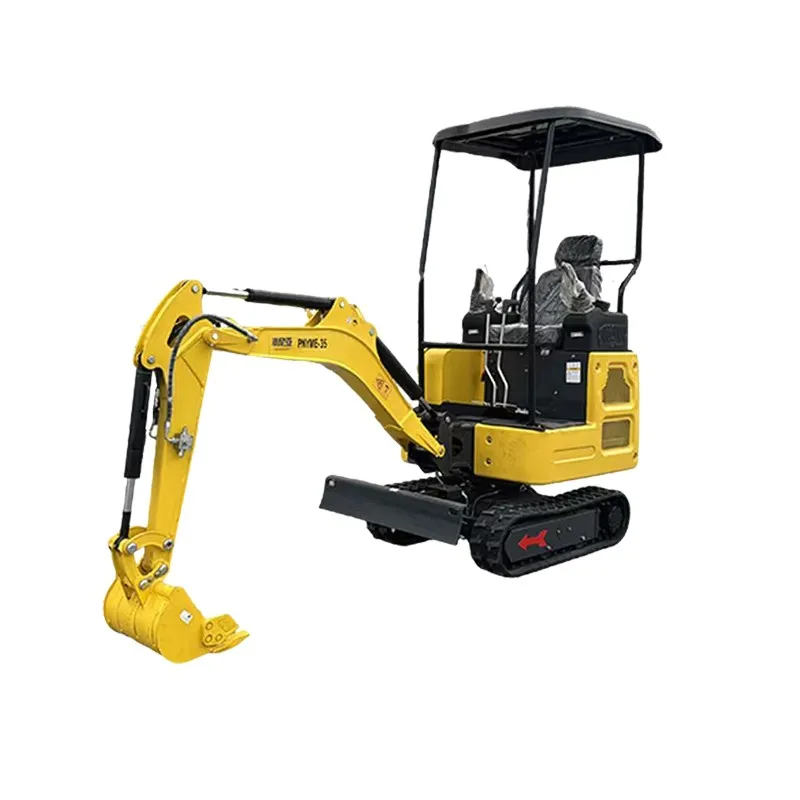
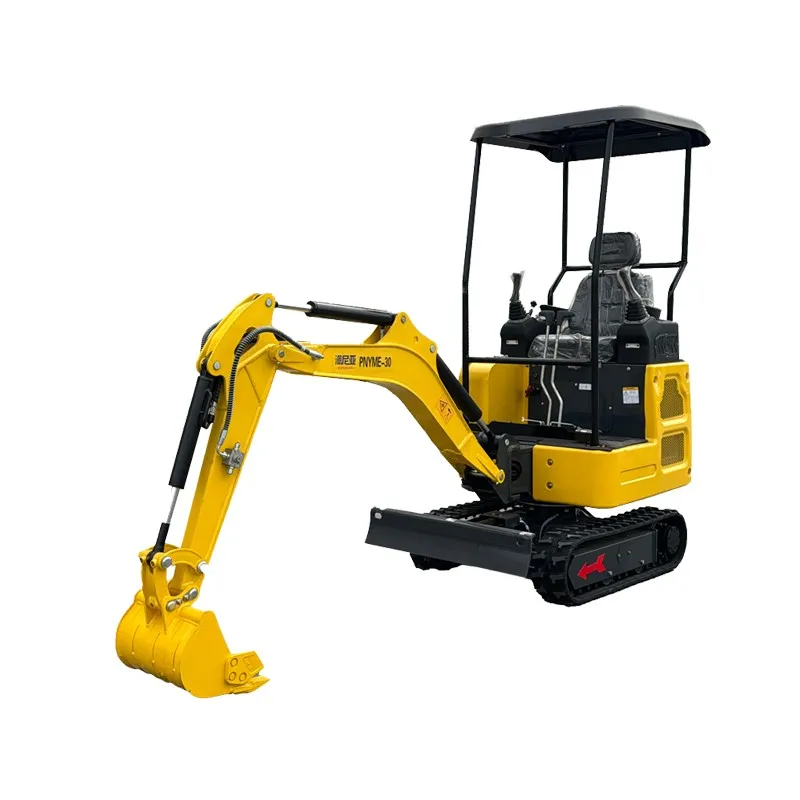
China small excavator
When most people hear 'China small excavator', they immediately think of low cost. That's the entry point, sure, but it's also the biggest trap for buyers who don't look deeper. The market is flooded with options, from backyard assembly shops to serious manufacturers with two decades of R&D under their belt. The real question isn't just about getting a machine, but getting one that won't become a permanent fixture in your yard waiting for spare parts.
The Manufacturing Landscape: It's Not All the Same
You have to understand the tiers. On one end, you've got countless small workshops. They buy generic components, bolt them together, slap on a decal, and it's ready to ship. The price is tempting, but consistency is a gamble. I've seen machines from the same factory have different hydraulic hose routings. It tells you there's no real assembly line, just guys putting things together as they see fit.
Then there are the established players, the ones who've been through multiple product cycles. They're not just assemblers; they're manufacturers. They invest in their own welding lines, paint booths, and final assembly stations. A company like Shandong Pioneer Engineering Machinery Co., Ltd exemplifies this evolution. Started in 2004 in Jining, they've moved through that phase of growing pains. Relocating to a new facility in Ningyang in 2023 isn't just about more space—it's a signal of scaling up a proper, controlled production process. That 1,600 square meters of early days was likely chaotic; the new plant probably has a flow.
The key differentiator here is the supply chain control. The better manufacturers don't just pick the cheapest pump and motor from a catalog. They develop relationships with major Chinese component brands like Hengli or Linde for hydraulics, and they do durability testing. It's the difference between a machine that runs for 2,000 hours before a major leak and one that goes 5,000. This is where the China small excavator market splits—the commodity versus the tool.
Export Realities and On-Ground Performance
Selling to markets like Germany or Australia changes everything. You can't fudge compliance. CE marking isn't just a sticker; it's a full technical file. I remember a shipment held up in Rotterdam because the operator's manual didn't have the specific warning pictograms in the right order. It sounds trivial, but it cost weeks and a small fortune in demurrage fees. Companies that consistently export, as Shandong Pioneer does to the US, Canada, and Europe, have internalized these protocols. Their manuals are actually usable, and the machines often come with a recognizable, if not globally top-tier, set of components.
Performance in different climates is another brutal teacher. A machine tuned for Southeast Asian humidity might have its engine derated for high-altitude work in South America. The cooling system needs to be oversized for the Middle East. I've seen failures where the hydraulic oil simply overheated and degraded in a matter of weeks because the oil cooler was underspecified for a 45°C ambient temperature. The manufacturers who listen to these field failures and iterate their designs are the ones that last.
Then there's the operator interface. Early Chinese models had levers that felt like stirring concrete. Now, the better ones have piloted controls or even joysticks from reputable suppliers. It's a detail that tells you they're thinking about the end-user, not just the bill of materials. When you check a site like https://www.sdpioneer.com, look for these nuances in the specs—the brand of the main hydraulic pump, the type of control valve, the engine make and tier. If those details are missing or vague, it's a red flag.
The Service Myth and Parts Logistics
This is where many importers get burned. Global service network often means a email address and a promise. The real test is parts availability. For a small excavator, downtime is catastrophic. The good manufacturers have moved beyond just selling machines; they're selling a parts ecosystem. They maintain strategic stock in key export regions or have partnerships with local dealers who hold critical spares.
We learned this the hard way. A simple swing bearing failure on a 3.5-ton model once grounded a project for 8 weeks. The manufacturer had to source the bearing, then ship it by sea. Air freight was quoted at more than the profit margin on the entire machine. Now, we insist on a pre-agreed parts list for common wear items—track chains, sprockets, hydraulic seals—and a guaranteed dispatch time from a regional warehouse.
Companies that have been in the trade game for 20 years, like the Shandong Pioneer overseas trade division, typically have this system more figured out. They've dealt with the complaints and the logistics nightmares. Their trust from global customers isn't won just by price, but by reducing the total cost of ownership, which is 80% about keeping the machine running.
Where the Value Really Is
So, is a China-made small excavator a value leader or a liability? It's both, depending on your source. The value isn't in the initial price—it's in the total package: a machine with traceable, quality components, built on a repeatable process, backed by a company that understands international trade's technical and logistical hurdles.
For a landscaping contractor in the Midwest or a utility crew in rural Australia, these machines hit a sweet spot. They offer 85-90% of the performance of a major brand at 50-60% of the capital cost. The trade-off is slightly higher maintenance vigilance and potentially longer parts lead times. But for many businesses, that math works.
The industry is maturing. It's no longer about who can make it cheapest, but who can make it reliably for a demanding global market. The manufacturers who survived the last decade, who invested in their facilities and their export compliance teams, are the ones defining what China small excavator means today. It's shifted from a generic category to a spectrum of quality, with serious contenders at the top. You just have to know how to tell them apart.
Related Products
Related Products