


- Chinese
- French
- German
- Portuguese
- Spanish
- Russian
- Japanese
- Korean
- Arabic
- Irish
- Greek
- Turkish
- Italian
- Danish
- Romanian
- Indonesian
- Czech
- Afrikaans
- Swedish
- Polish
- Basque
- Catalan
- Esperanto
- Hindi
- Lao
- Albanian
- Amharic
- Armenian
- Azerbaijani
- Belarusian
- Bengali
- Bosnian
- Bulgarian
- Cebuano
- Chichewa
- Corsican
- Croatian
- Dutch
- Estonian
- Filipino
- Finnish
- Frisian
- Galician
- Georgian
- Gujarati
- Haitian
- Hausa
- Hawaiian
- Hebrew
- Hmong
- Hungarian
- Icelandic
- Igbo
- Javanese
- Kannada
- Kazakh
- Khmer
- Kurdish
- Kyrgyz
- Latin
- Latvian
- Lithuanian
- Luxembou..
- Macedonian
- Malagasy
- Malay
- Malayalam
- Maltese
- Maori
- Marathi
- Mongolian
- Burmese
- Nepali
- Norwegian
- Pashto
- Persian
- Punjabi
- Serbian
- Sesotho
- Sinhala
- Slovak
- Slovenian
- Somali
- Samoan
- Scots Gaelic
- Shona
- Sindhi
- Sundanese
- Swahili
- Tajik
- Tamil
- Telugu
- Thai
- Ukrainian
- Urdu
- Uzbek
- Vietnamese
- Welsh
- Xhosa
- Yiddish
- Yoruba
- Zulu
- Kinyarwanda
- Tatar
- Oriya
- Turkmen
- Uyghur

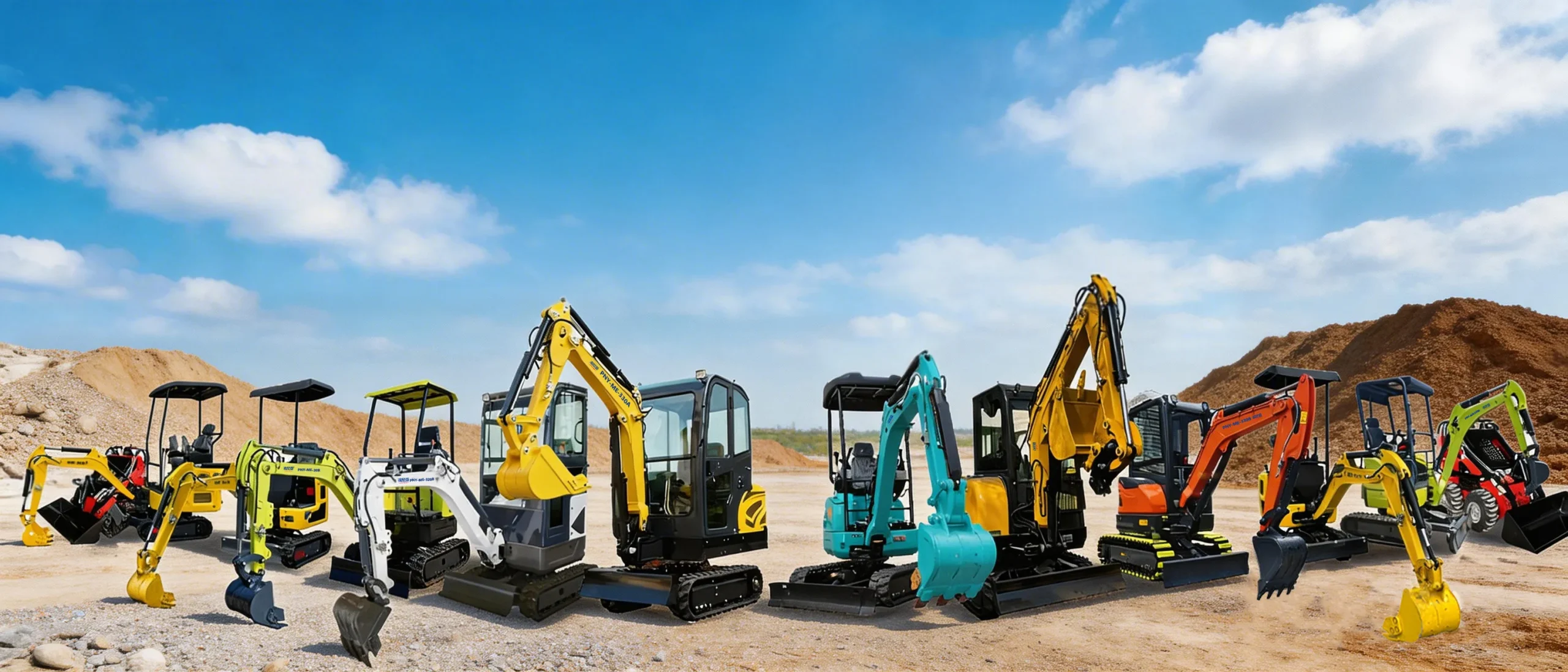
Chinese micro excavator exporter
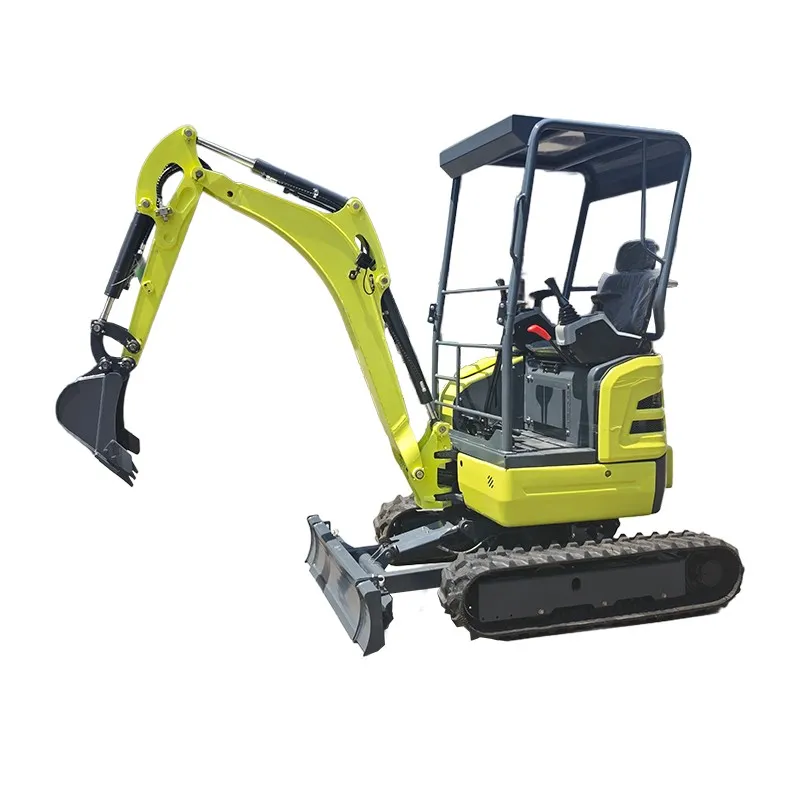
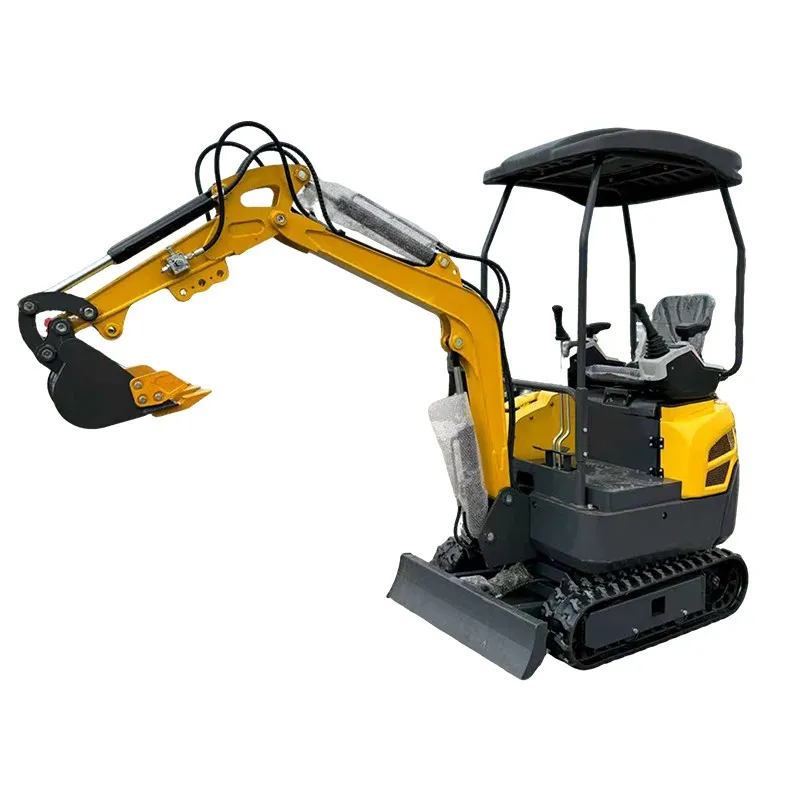
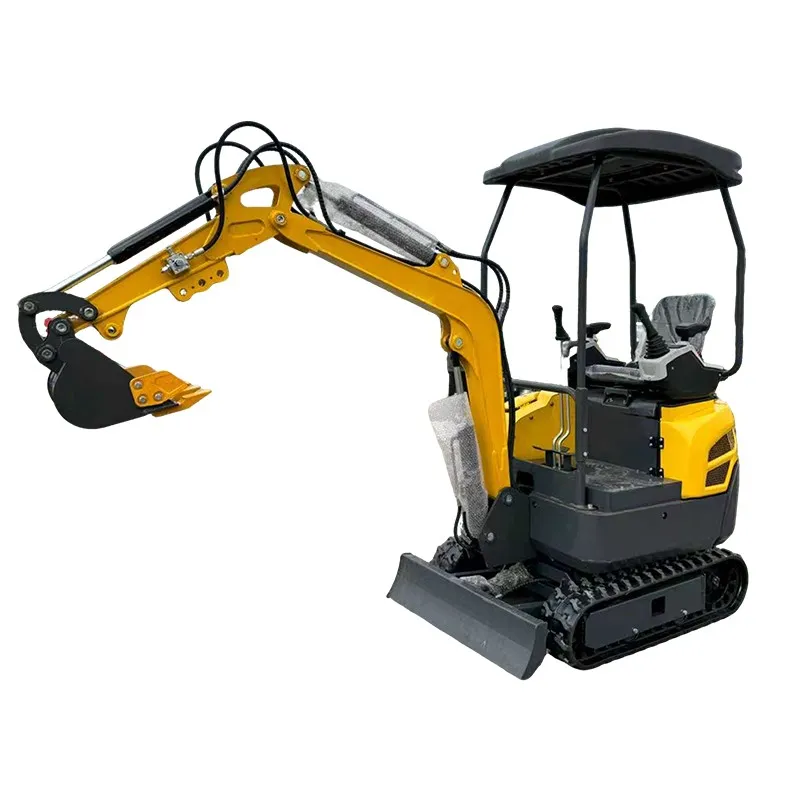
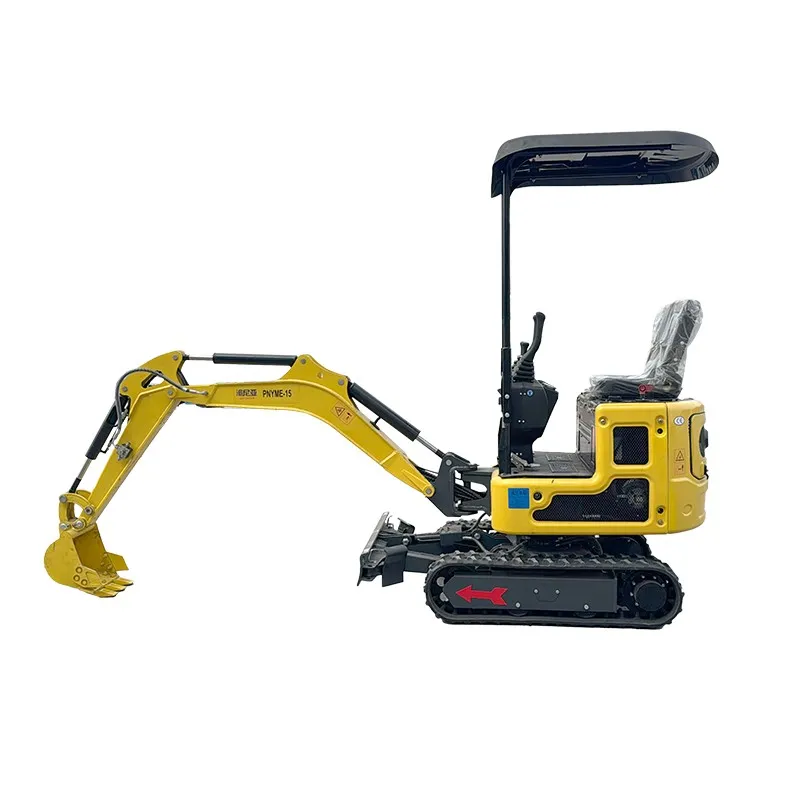
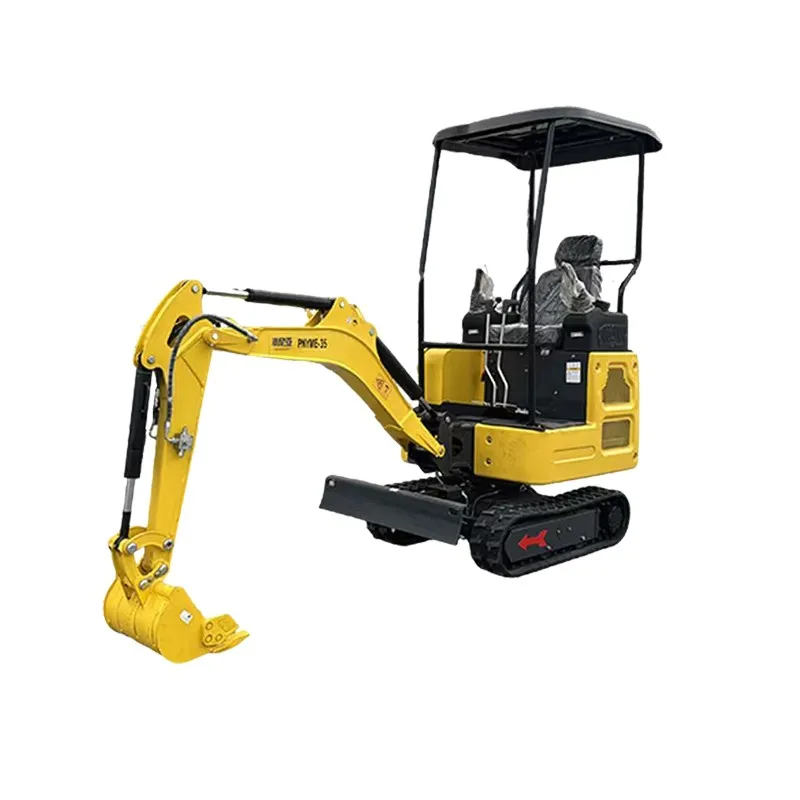
When you hear 'Chinese micro excavator exporter', the immediate image might be a vast, faceless factory churning out identical yellow machines. That's the first misconception. The reality is far more fragmented and nuanced. It's not just about manufacturing; it's about understanding which of the hundreds of models—from the 0.8-ton mini diggers to the 6-ton compact excavators—actually fit the soil conditions, regulatory quirks, and operator habits in, say, rural Germany versus a landscaping project in Australia. The label 'exporter' glosses over the critical middle layer: the companies that have evolved from pure trading to having real skin in the game, managing quality control, after-sales, and sometimes even the painful process of product adaptation.
The Foundation: More Than Just a Factory Floor
Take a company like Shandong Pioneer Engineering Machinery Co., Ltd. Their story is pretty typical of the serious players. Started in 2004 in Jining, that's right in the heart of Shandong's machinery belt. A 1,600 sqm facility back then isn't a giant operation; it speaks to a start that was likely hands-on, focused on specific components or assembly. That scale forces a practical mindset. You're not designing a hundred models; you're probably perfecting the hydraulic linkages on two or three. This phase is where a lot of future export problems get rooted or solved. A poorly welded boom in 2005 might lead to a total redesign of the stress points by 2010, a lesson learned the hard way that later becomes a selling point.
Their recent move to Ningyang in 2023 is a telling detail. Relocation after nearly 20 years isn't just about more space; it's a strategic consolidation. It often means integrating the manufacturing arm (like their associated Shandong Hexin) closer with the trade operations. This physical move reduces the internal friction between production and export teams. When the sales guy in Europe complains about a hose routing that snags on branches, the engineering team can walk to the prototype shop and mock up a fix in days, not weeks of emails. This integration is what separates a commodity supplier from a reliable Chinese micro excavator exporter.
The dual-entity structure they mention—Hexin for manufacturing, Pioneer for trade—is a common, smart play. It creates a clear internal customer-supplier relationship. The trade company doesn't just accept what the factory gives it; it has to 'buy' the machines, which means it critically assesses cost, quality, and delivery time against market demands. This setup pushes the export team to be more than order-takers. They become product specifiers, which is crucial for markets like the US or Canada where auxiliary hydraulic flow rates or ROPS/FOPS certification aren't optional.
Market Fit: It's Never One-Size-Fits-All
Exporting to a list of countries like the US, Germany, Australia sounds impressive on a website, but each of those wins comes with a pile of adjustments. The trust they mention isn't won by having the lowest price on Alibaba. It's won by surviving the first container shipment to a dealer in Texas. For instance, the CE-marked machine for Germany might need its exhaust after-treatment tweaked for EPA Tier 4 Final in the US. The quick couplers popular in Australia might be completely different from the standard European style. A competent exporter has to manage this complexity without making every custom request a months-long, budget-busting project.
I remember a case, not with Pioneer specifically but emblematic of the industry, where a shipment to Scandinavia was held up because the emergency stop button wasn't the mandated luminous red. A tiny, sub-$5 component halted $150,000 worth of machinery. The lesson? Export compliance isn't just about the big-ticket items like engines. It's about the minutiae of control panels, safety decals, and operator manual translations. The companies that last build a checklist from these painful, small failures.
Then there's the issue of attachments. A micro excavator is often sold as a system. An exporter that just sells the bare machine is leaving value on the table and creating a headache for the end-user. The real test is whether they can reliably supply matching hydraulic breakers, augers, or tilt rotators. Can they ensure the auxiliary circuit has the right pressure and flow for a specific brand of hammer? This is where the practical experience shows. The website might list attachments, but the real question is: are they tested as a system, or just sourced from another random factory and bolted on?
The Logistics and After-Sales Quagmire
This is where many aspiring exporters fail spectacularly. Securing the order is phase one. Getting it to the customer's yard in working order is phase two, and it's a phase full of hidden costs. Container optimization for micro excavators is an art form. Do you ship them with the boom detached to save space? If so, who reassembles them at the destination, and are the hydraulic connection points designed for easy, leak-free reconnection? I've seen machines arrive with reassembly instructions that are literal hieroglyphics, leading to hydraulic fluid spills and immediate warranty claims.
After-sales is the ultimate filter. Anyone can sell a machine. Can you support it? This means having a realistic parts inventory strategy. It's impossible to stock every single part for every model in every country. The good exporters identify the 20-30 high-wear or high-failure items—track motors, hydraulic seals, joystick controllers—and ensure these are available in regional hubs or can be air-freighted within 48 hours. They also provide clear, exploded-view parts diagrams that aren't just translated, but are technically accurate. The address https://www.sdpioneer.com becomes critical here—it's not just a brochure site; for a serious buyer, it's a first look to see if they have a dedicated parts portal or technical documentation section.
Warranty handling is another brutal honesty test. The standard one-year warranty is almost meaningless without clear terms. Does it include labor? Who pays for the technician's flight? The better exporters work on a parts-replacement basis with reputable local dealers, sharing the cost of critical initial repairs to build the dealer's confidence. It's a loss leader that builds the long-term trust they mention.
Evolution from Trader to Partner
The trajectory for a company like Shandong Pioneer, with two decades in the game, is a move from transactional exports to partnership. This might involve collaborating with importers on exclusive models—a slightly different cab configuration, a branded color scheme. It moves the relationship from price negotiation to joint product development. This is how you lock in markets and move up the value chain, competing on specs and support rather than just on FOB Qingdao price.
This also means sometimes saying no. If a potential client in a new market wants 100 machines but demands a radical design change with no testing or commitment to future orders, a seasoned exporter might walk away. The cost of a poorly executed custom job that leads to a fleet-wide failure can destroy a reputation built over years. The judgment to know which opportunities are real and which are traps is the intangible asset you gain from experience.
Looking at their listed markets—US, Canada, Germany, Australia—these are all high-compliance, high-expectation regions. Success there, even if modest, is a strong signal. It suggests they've navigated the maze of certifications and have at least a basic support network. It doesn't mean they're the biggest, but it likely means they're past the stage of shipping hopelessly non-compliant machines that get stuck at customs. Their 20-year development points to this accumulation of tacit knowledge, the kind you don't get from a trade manual but from resolving a thousand small crises.
Final Reality Check
So, what does it mean to be a Chinese micro excavator exporter today? It's a continuous balancing act. You're balancing the cost pressures from the factory floor against the quality demands of international dealers. You're balancing the desire to offer a wide catalog against the operational nightmare of supporting too many SKUs. The companies that endure, like the one we've been referencing, understand that their product isn't just the excavator. Their product is the entire package: the machine that meets spec, the documentation that makes sense, the parts that arrive on time, and the willingness to fix problems when they inevitably occur.
The industry is maturing. The future belongs to exporters who act as true extensions of their overseas partners, not just distant suppliers. It's about building machines with serviceability in mind from the first CAD drawing, not as an afterthought. For a buyer, the key is to look past the glossy photos and probe into these operational realities. Ask about the last major design change and why it was made. Request the parts manual for a specific model before ordering. The responses will tell you more than any website ever could.
In the end, the keyword is just a starting point. The substance lies in the accumulated decisions, the solved problems, and the adapted designs over those 20 years. It's a business built not on hype, but on the slow, hard work of making a reliable piece of equipment that works thousands of miles away from where it was built, with minimal fuss. That's the real export.
Related Products
Related Products