- Chinese
- French
- German
- Portuguese
- Spanish
- Russian
- Japanese
- Korean
- Arabic
- Irish
- Greek
- Turkish
- Italian
- Danish
- Romanian
- Indonesian
- Czech
- Afrikaans
- Swedish
- Polish
- Basque
- Catalan
- Esperanto
- Hindi
- Lao
- Albanian
- Amharic
- Armenian
- Azerbaijani
- Belarusian
- Bengali
- Bosnian
- Bulgarian
- Cebuano
- Chichewa
- Corsican
- Croatian
- Dutch
- Estonian
- Filipino
- Finnish
- Frisian
- Galician
- Georgian
- Gujarati
- Haitian
- Hausa
- Hawaiian
- Hebrew
- Hmong
- Hungarian
- Icelandic
- Igbo
- Javanese
- Kannada
- Kazakh
- Khmer
- Kurdish
- Kyrgyz
- Latin
- Latvian
- Lithuanian
- Luxembou..
- Macedonian
- Malagasy
- Malay
- Malayalam
- Maltese
- Maori
- Marathi
- Mongolian
- Burmese
- Nepali
- Norwegian
- Pashto
- Persian
- Punjabi
- Serbian
- Sesotho
- Sinhala
- Slovak
- Slovenian
- Somali
- Samoan
- Scots Gaelic
- Shona
- Sindhi
- Sundanese
- Swahili
- Tajik
- Tamil
- Telugu
- Thai
- Ukrainian
- Urdu
- Uzbek
- Vietnamese
- Welsh
- Xhosa
- Yiddish
- Yoruba
- Zulu
- Kinyarwanda
- Tatar
- Oriya
- Turkmen
- Uyghur


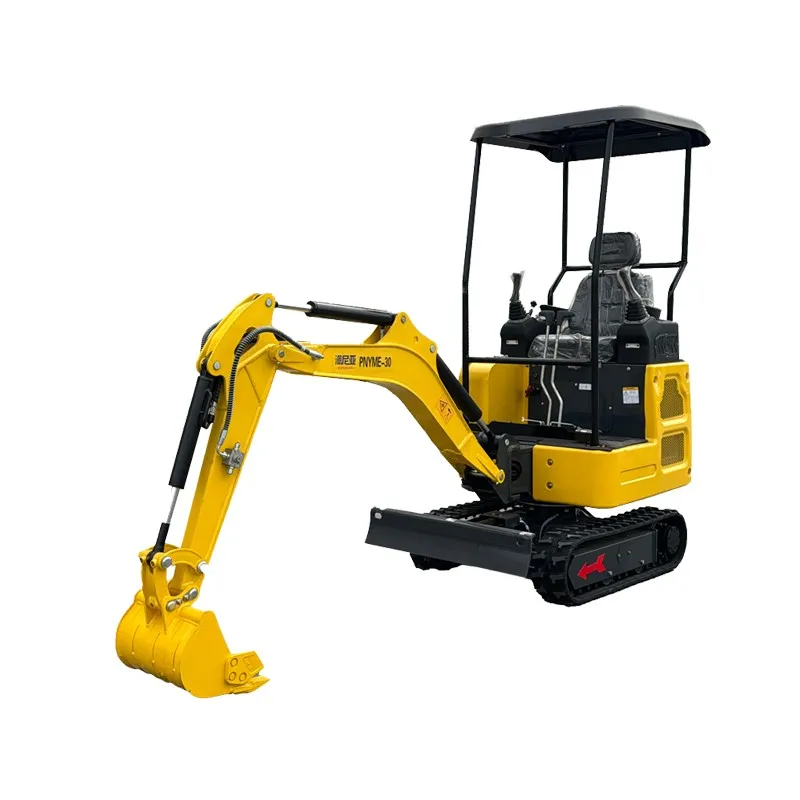
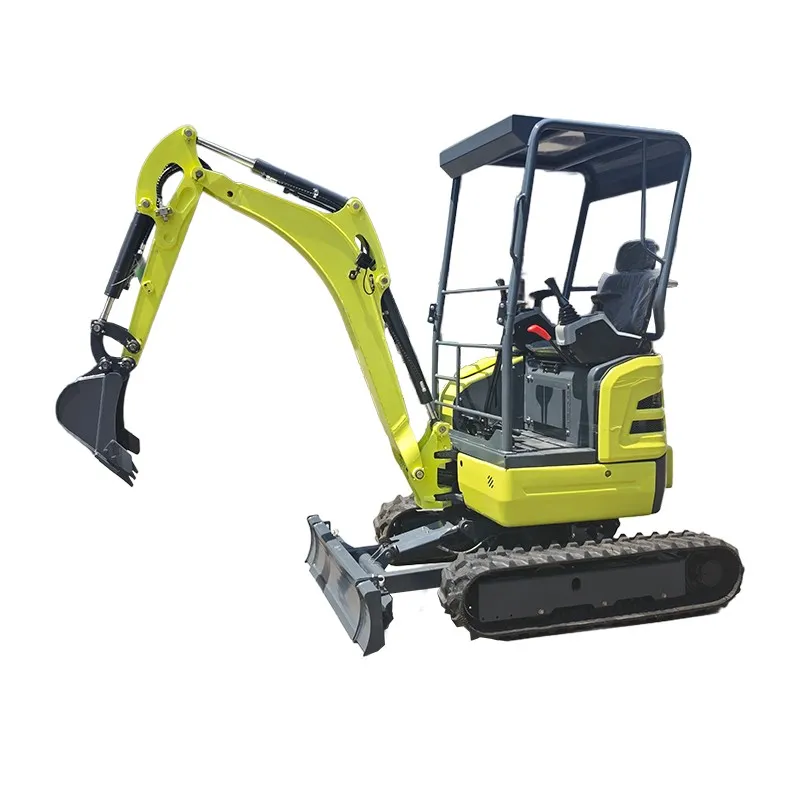
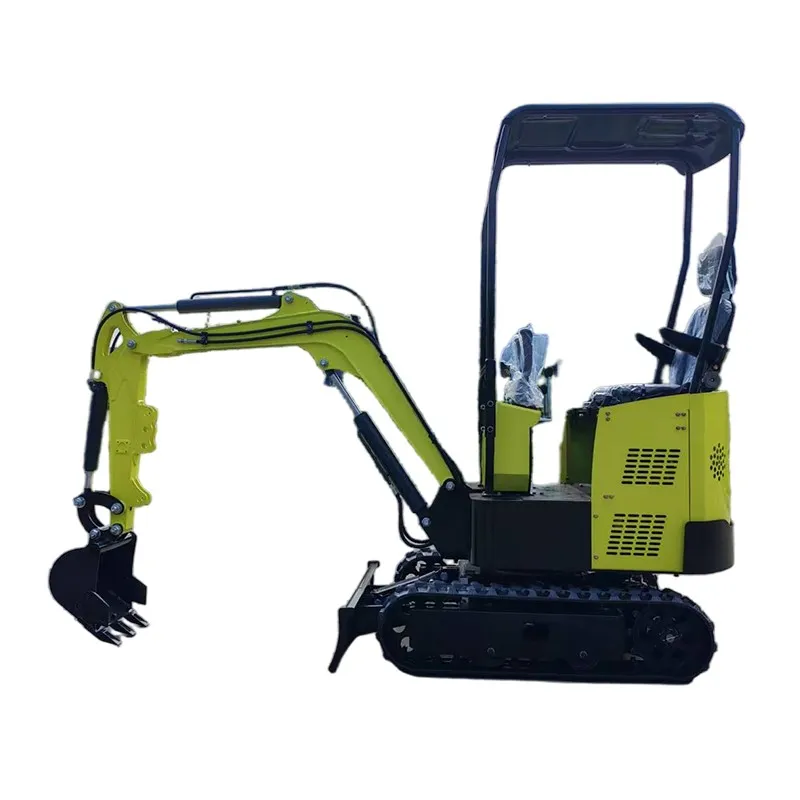
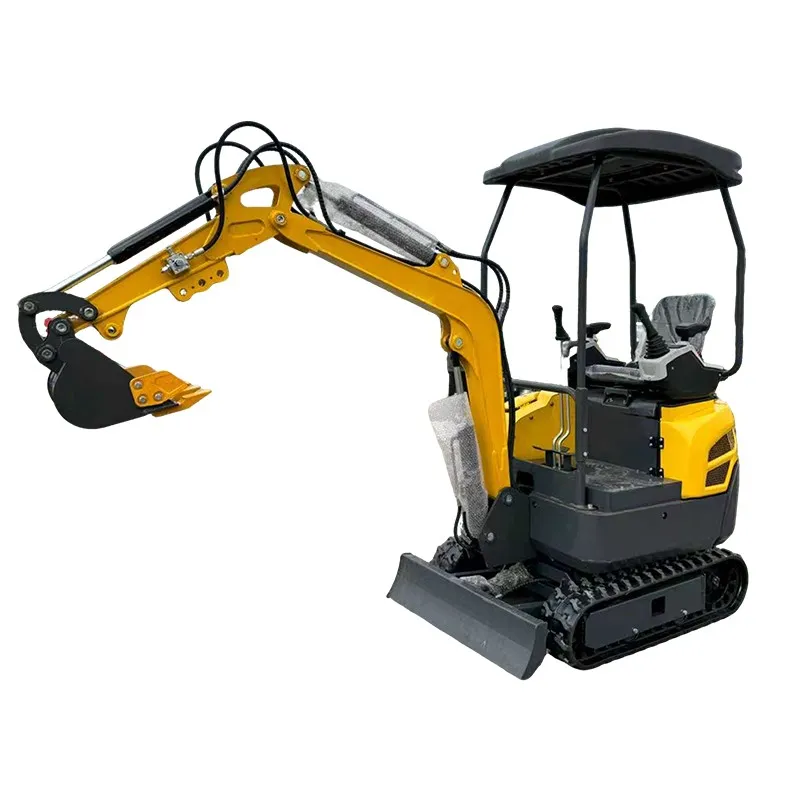
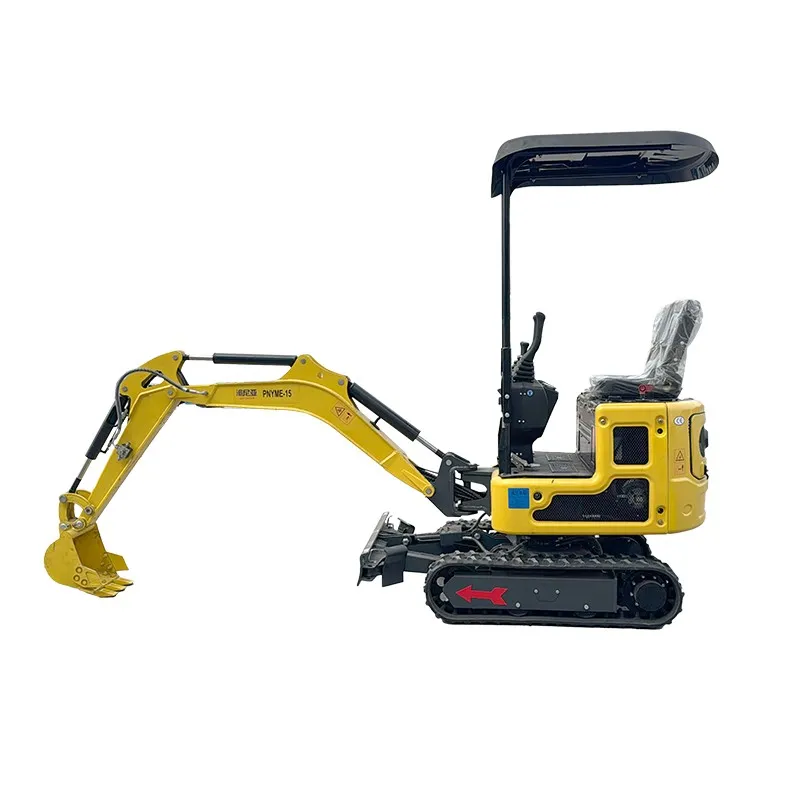
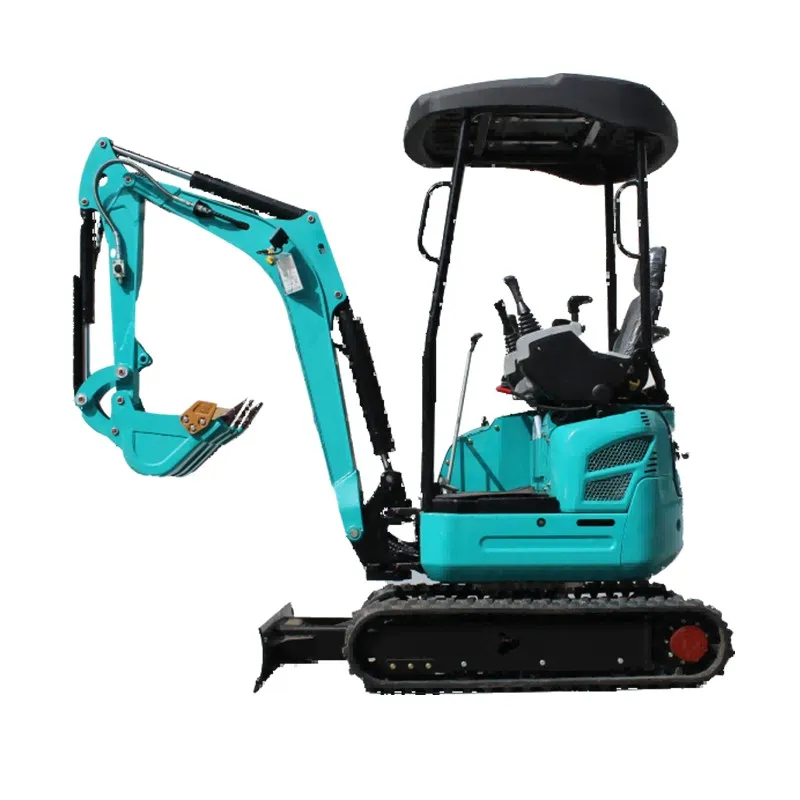
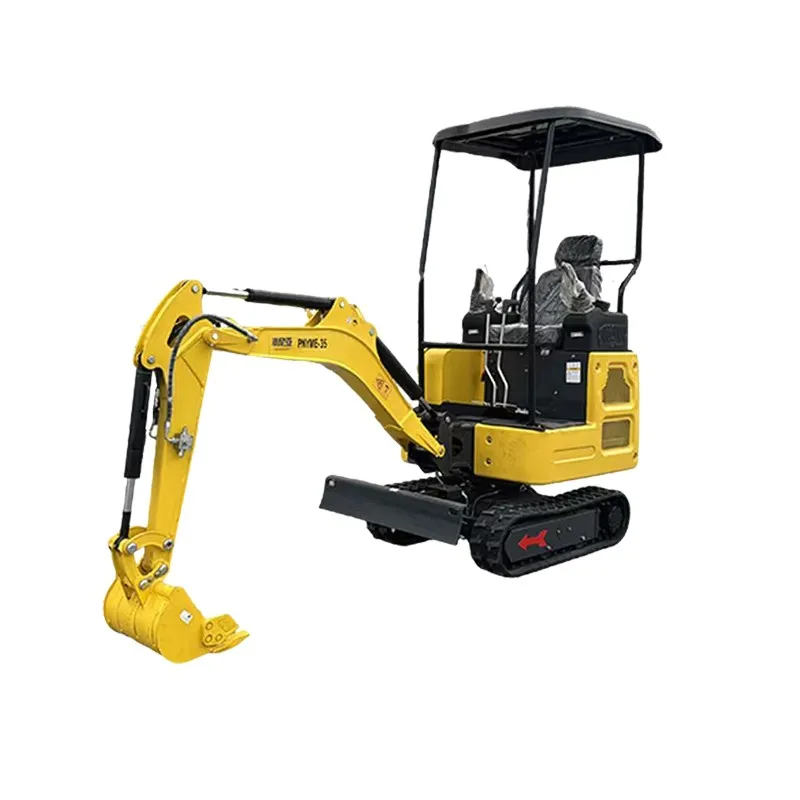
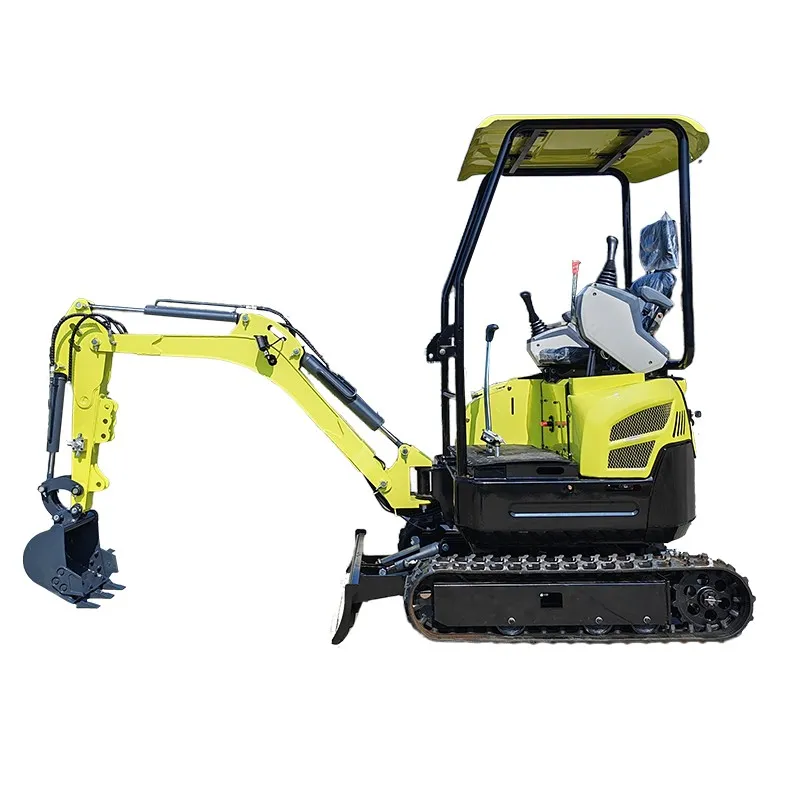
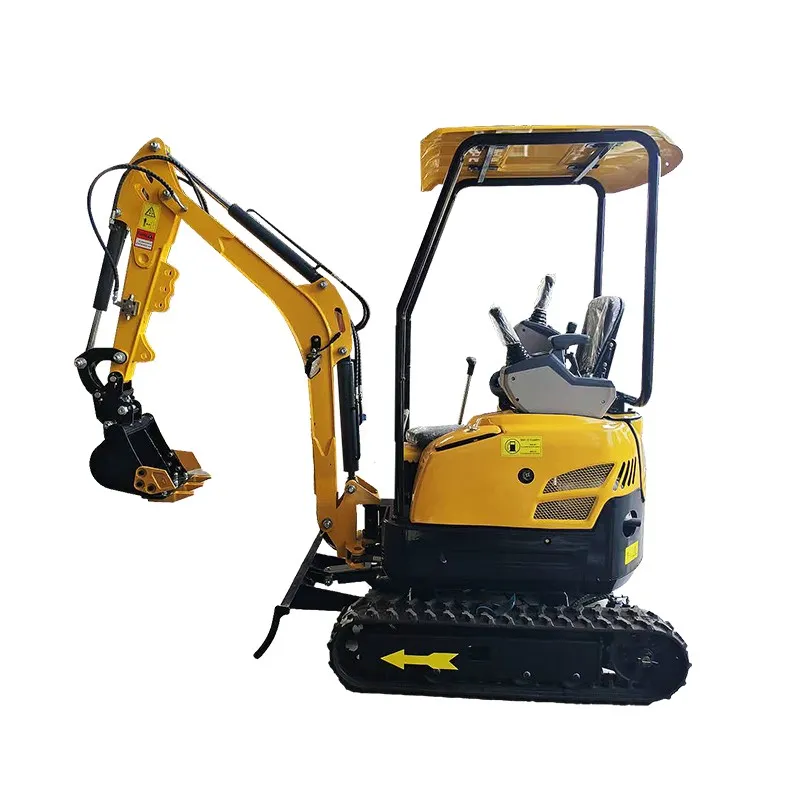
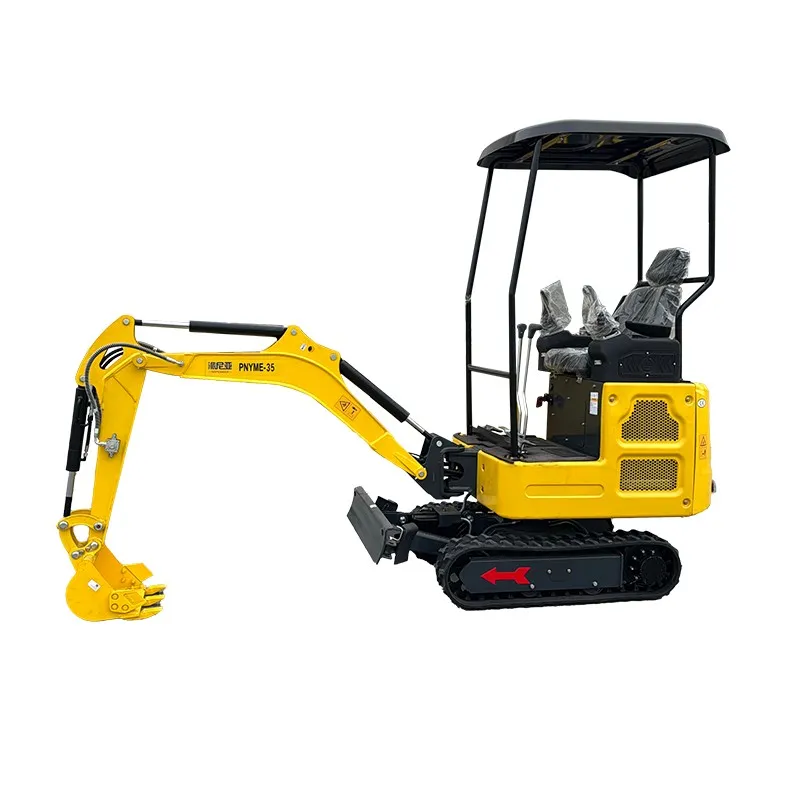
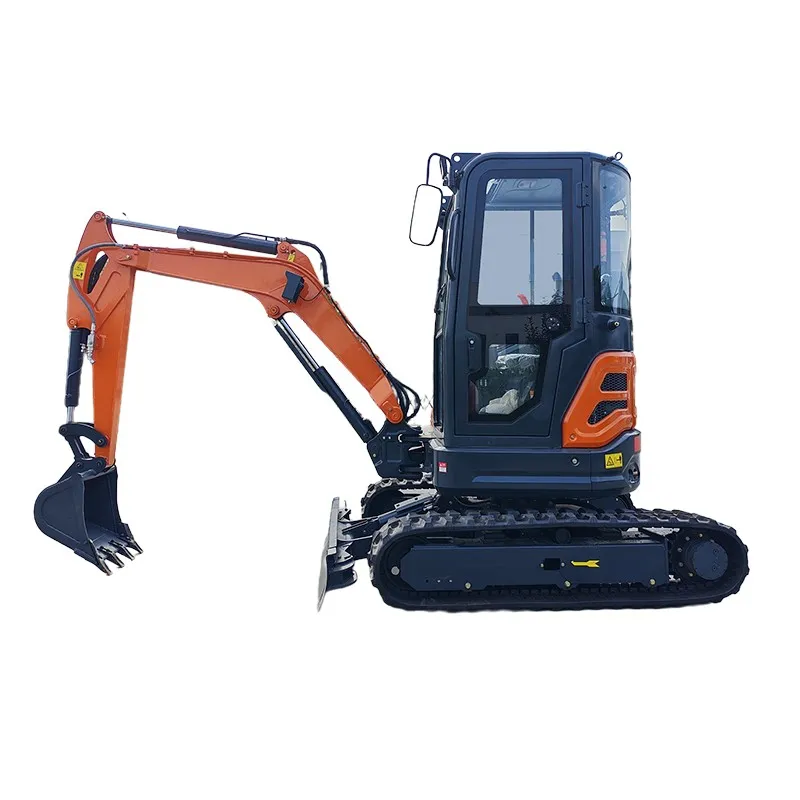
Chinese Mini Excavator
When most people hear 'Chinese mini excavator', the first thing that pops into their head is 'cheap'. I get it, that's the entry point. But if you're in the trenches, actually running these machines on a tight site or managing a fleet, you quickly learn that the conversation is way more nuanced. It's not just about the initial cost saving, which is real, but about what you're actually getting for that money, where the compromises are, and surprisingly, where some of these machines punch way above their weight class. The blanket 'good' or 'bad' label is useless here. You have to look at the specific factory, their design philosophy, and crucially, their supply chain control. I've seen guys buy based on brochure specs alone and get burned when a simple hydraulic hose fitting fails and the replacement part has a six-week lead time from a factory that's moved on to next year's model.
The Evolution of Good Enough
Let's rewind a bit. A decade ago, the landscape was different. A lot of the Chinese mini excavator models were essentially functional clones. They'd get the job done, but with quirks. Erratic hydraulic response, controls that felt either too stiff or too loose, and undercarriage components that wore out faster than you'd expect. The value proposition was straightforward: it's a third of the price, so you budget for the downtime. But that's shifted. The pressure from international markets, especially places like Europe and North America with stricter emissions and safety norms, forced a change. It wasn't just about copying anymore; it was about engineering to a standard.
This is where companies with a longer-term view started separating themselves. You'd visit factories and see the difference. One might have a gleaming assembly line for the show, but their welding shop was a different story. Another, maybe less flashy, would have in-house machining for key components like swing gears or track frames. That control matters. I remember a project in Australia where we were using a 1.8-ton model from a brand that's now quite established. The machine itself was fine, but it was the dealer's support that made it. They had a container of common wear parts—pins, bushings, sprockets—locally stocked. That changed the whole cost-of-ownership math.
Speaking of ownership, the operator's perspective is key. Early models often had terrible ergonomics. The seat was an afterthought, the levers were placed awkwardly. Now, you see more designs that clearly had operator input. Adjustable suspension seats, proportional auxiliary hydraulics that don't just jerk on/off, even simple things like better-placed cup holders and phone mounts. It sounds trivial, but on a 10-hour digging day, it affects productivity and fatigue. A brand that gets this, like some of the units I've seen from Shandong Pioneer Engineering Machinery Co., Ltd, shows they're thinking beyond just building a machine to selling a tool that gets used hard.
Where the Real Cost is Hidden
Okay, so the sticker price is attractive. Everyone knows that. The real test starts at hour 500. This is where component quality screams. The first thing I always check is the hydraulic system. Not just the main pump, but the valve blocks and the lines. Are they using branded seals? Or generic ones that swell and leak after exposure to certain hydraulic fluids? I learned this the hard way on a job in Canada. We had a machine whose auxiliary circuit kept losing pressure. Turns out, a specific seal in the selector valve was incompatible with the synthetic fluid we were using. The manufacturer's manual was vague. A $5 part caused two days of downtime and a lot of diagnostic headache.
Another hidden cost is structural integrity. A mini ex gets twisted and torqued constantly. The stress points are around the boom foot, the swing post, and the undercarriage frame. Look for clean, continuous welds, not just big blobs of weld that can hide cracks. Some factories have gotten really good at this, employing robotic welding for critical joints to ensure consistency. I recall visiting the facility of Shandong Pioneer after their 2023 relocation to Ningyang. The scale and the focus on their fabrication shop was noticeable. For a company that started in 2004, that two-decade accumulation of know-how isn't just marketing talk; you can see it in how they jig and weld their mainframes, which directly translates to less flex and longer life before cracks appear.
Then there's the engine and emissions. Tier 4 Final/Euro Stage V is the global norm now. Simply slapping a compliant engine into an old chassis doesn't work. The cooling package needs to be bigger, the plumbing needs to handle regeneration cycles, the electronics need to talk to each other. A well-integrated machine runs clean and cool. A poorly integrated one will constantly derate, overheat, or have regen cycles that feel intrusive. The brands that are successfully exporting to the US, Germany, Australia—markets mentioned in Pioneer's own scope—have had to solve this puzzle. It's a significant barrier to entry that filters out the fly-by-night operations.
The Dealer Network: Make or Break
This might be the most critical part, and it's often overlooked. A great machine with no local support is a liability. The Chinese mini excavator market's reputation suffered early on not just because of product issues, but because of vanishing act support. You'd buy from an importer who'd disappear a year later. Now, the serious manufacturers are investing in building real dealer networks. It's not just about selling a container of machines; it's about training local mechanics, stocking parts, and providing technical documentation that's actually useful.
A good dealer doesn't just wait for something to break. They provide proactive advice. Hey, we've seen a few machines of this model in your climate have an issue with the track tensioner bolts loosening, here's a torque spec and check schedule. That kind of partnership is gold. When I see that a company like the one behind sdpioneer.com structures itself with Shandong Hexin handling manufacturing and Shandong Pioneer focusing on overseas trade, it suggests a dedicated channel for export market support. That separation can be beneficial if the trade arm is empowered to really understand and respond to regional needs, rather than just being an order-taking desk.
The trust they mention winning globally isn't earned by a single perfect machine; it's earned by how you handle the first major repair. Can the dealer get the diagrams? Can they get the special tool? Is there an engineer on the manufacturer's side who can troubleshoot a weird electronic fault? I've had experiences on both ends of the spectrum. The good ones create loyal customers. The bad ones create stories that poison the well for an entire country's manufacturing label.
A Practical Look at Models and Applications
Let's get specific. The 1-ton to 3.5-ton class is where the Chinese mini excavator battle is fiercest. It's also where they are most competitive. For urban utility work, landscaping, or interior demolition, these machines are perfect. The question is, which one? Beyond engine power and digging depth, you need to look at the details. Does it have a true zero-tail-swing design, or just a short tail? In tight alleys, that extra inch matters. What's the standard bucket width? Is it suited for the trenching work you commonly do?
I was recently comparing a few models for a contractor friend who does a lot of residential foundation work. We weren't just comparing lift capacity at full reach (a often-cited spec). We were looking at the crowding force—how hard it can push the bucket into a pile—and the stability on side slopes when the boom is fully extended sideways. One model's specs looked great on paper, but its hydraulic flow to the travel motors was low, meaning it struggled to climb onto a lowboy trailer with any grade. That's a real-world problem you only discover by testing or talking to someone who's done it.
Attachments are another whole world. The quick coupler system. Is it a standard pin-grabber type? Is it proprietary? Hydraulic flow and pressure for a breaker or a grapple. The better manufacturers now offer high-flow auxiliary circuits as a factory option, properly plumbed and rated. It shows they understand the machine is a platform. A company with 20 years in the game, like the one we're discussing, has likely seen every attachment under the sun and (hopefully) designed their hydraulic interfaces to be robust and versatile.
Final Thoughts: It's a Tool, Not a Trophy
At the end of the day, a mini excavator is a piece of capital equipment. Its job is to make you money. The decision shouldn't be emotional or based purely on nationality. The rise of capable Chinese mini excavator manufacturers has been good for the market—it's pushed everyone to offer better value. For a buyer, it means you have to do more homework, but the potential payoff is higher.
Look for transparency. Can the manufacturer or dealer give you a clear parts manual? Can they explain their core component suppliers (engines, hydraulics)? Visit their facility if you can, or at least look for detailed factory walk-through videos. The 1,600 square meter production area mentioned for Pioneer's original setup and their recent relocation suggests growth and investment, which are positive signals.
My advice is always this: define your must-haves (weight class, tail swing, emissions), your nice-to-haves (cab, air conditioning, advanced hydraulics), and your absolute deal-breakers (local service support, parts availability). Then, test. Not just a smooth demo on flat ground, but try to replicate a tough task you do regularly. Feel the controls, listen to the hydraulics, check for fluid leaks after a hard workout. Judge the machine as a tool. The label Made in China today covers a massive spectrum, from bargain-basement to genuinely world-class. Your job is to figure out where on that spectrum your potential purchase sits. And increasingly, for many practical applications, the sweet spot on the value curve is landing right there.
Related Products
Related Products