- Chinese
- French
- German
- Portuguese
- Spanish
- Russian
- Japanese
- Korean
- Arabic
- Irish
- Greek
- Turkish
- Italian
- Danish
- Romanian
- Indonesian
- Czech
- Afrikaans
- Swedish
- Polish
- Basque
- Catalan
- Esperanto
- Hindi
- Lao
- Albanian
- Amharic
- Armenian
- Azerbaijani
- Belarusian
- Bengali
- Bosnian
- Bulgarian
- Cebuano
- Chichewa
- Corsican
- Croatian
- Dutch
- Estonian
- Filipino
- Finnish
- Frisian
- Galician
- Georgian
- Gujarati
- Haitian
- Hausa
- Hawaiian
- Hebrew
- Hmong
- Hungarian
- Icelandic
- Igbo
- Javanese
- Kannada
- Kazakh
- Khmer
- Kurdish
- Kyrgyz
- Latin
- Latvian
- Lithuanian
- Luxembou..
- Macedonian
- Malagasy
- Malay
- Malayalam
- Maltese
- Maori
- Marathi
- Mongolian
- Burmese
- Nepali
- Norwegian
- Pashto
- Persian
- Punjabi
- Serbian
- Sesotho
- Sinhala
- Slovak
- Slovenian
- Somali
- Samoan
- Scots Gaelic
- Shona
- Sindhi
- Sundanese
- Swahili
- Tajik
- Tamil
- Telugu
- Thai
- Ukrainian
- Urdu
- Uzbek
- Vietnamese
- Welsh
- Xhosa
- Yiddish
- Yoruba
- Zulu
- Kinyarwanda
- Tatar
- Oriya
- Turkmen
- Uyghur


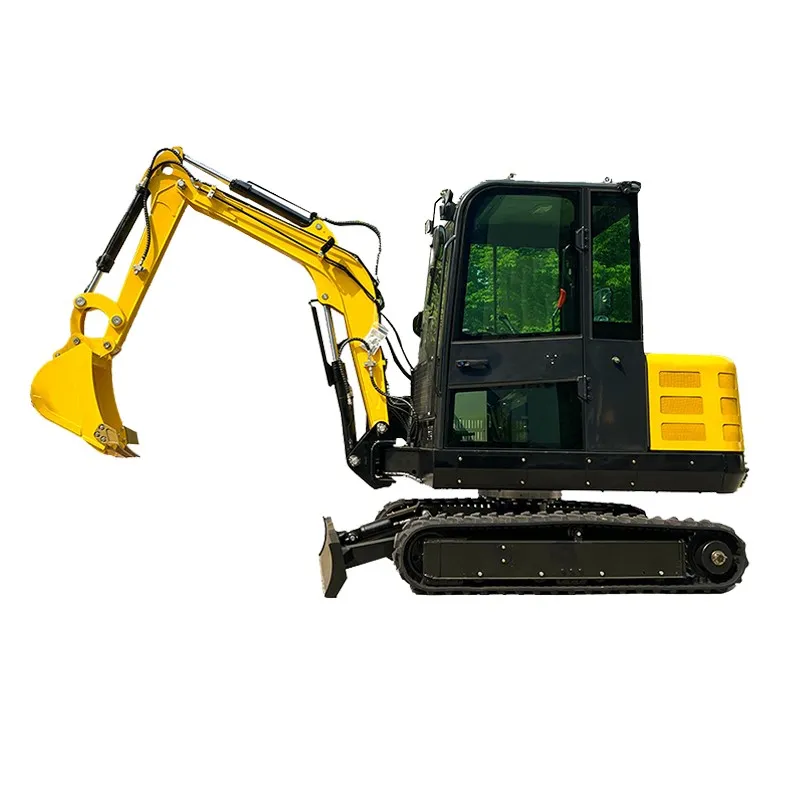
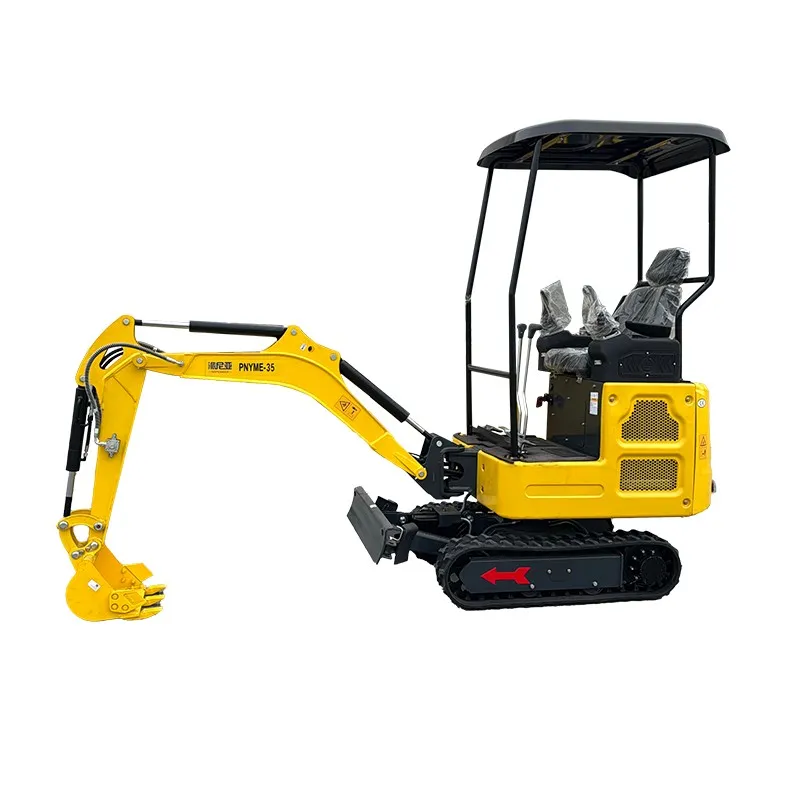
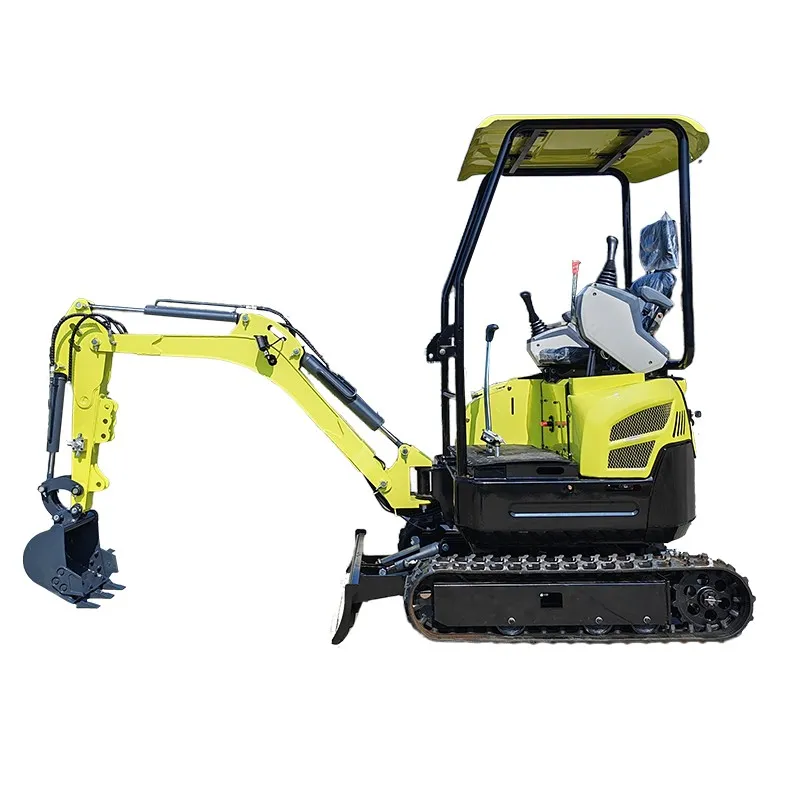
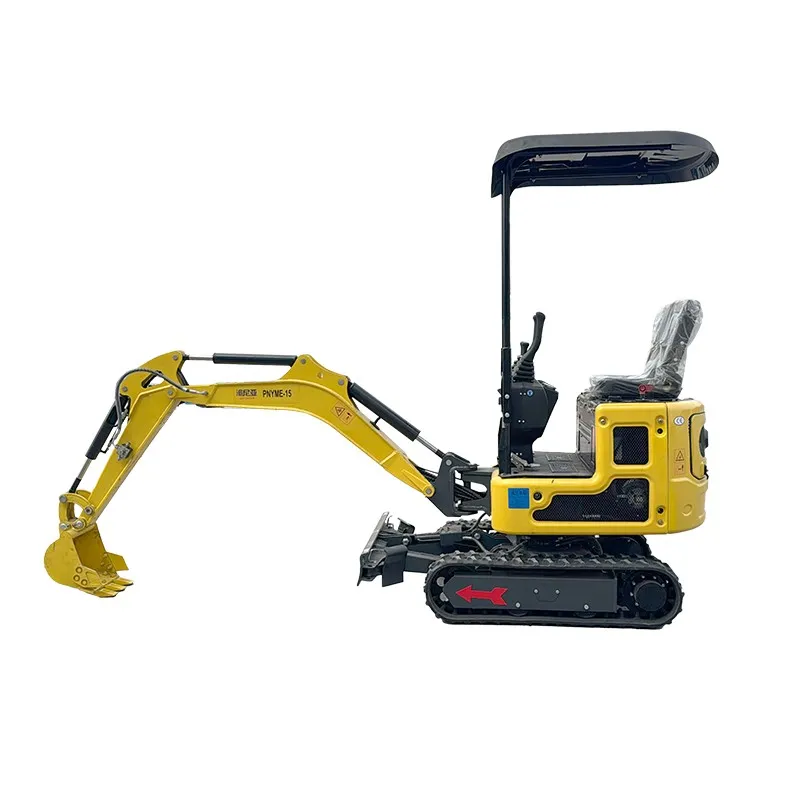
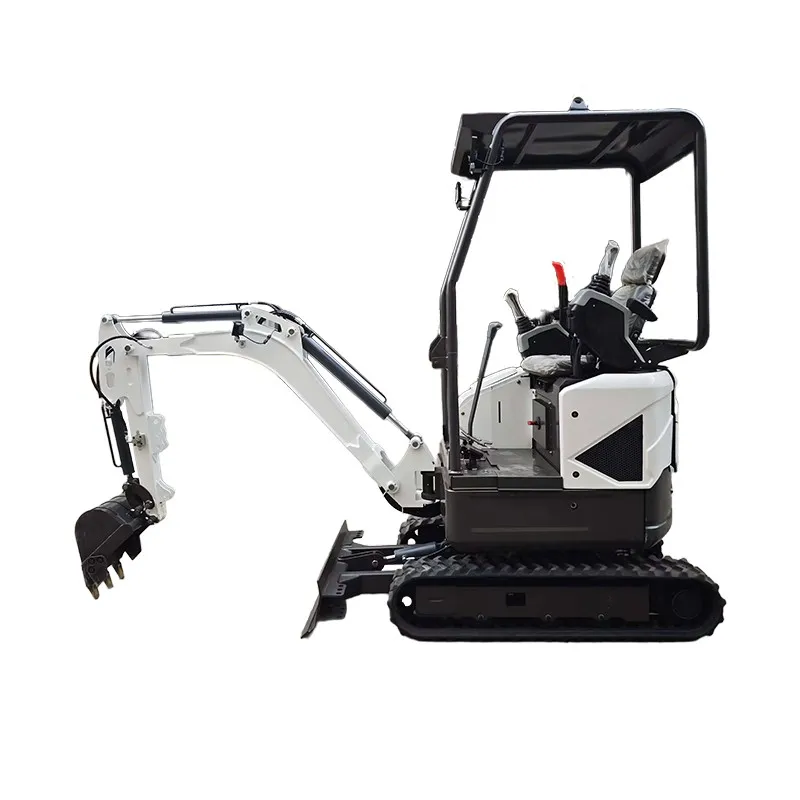
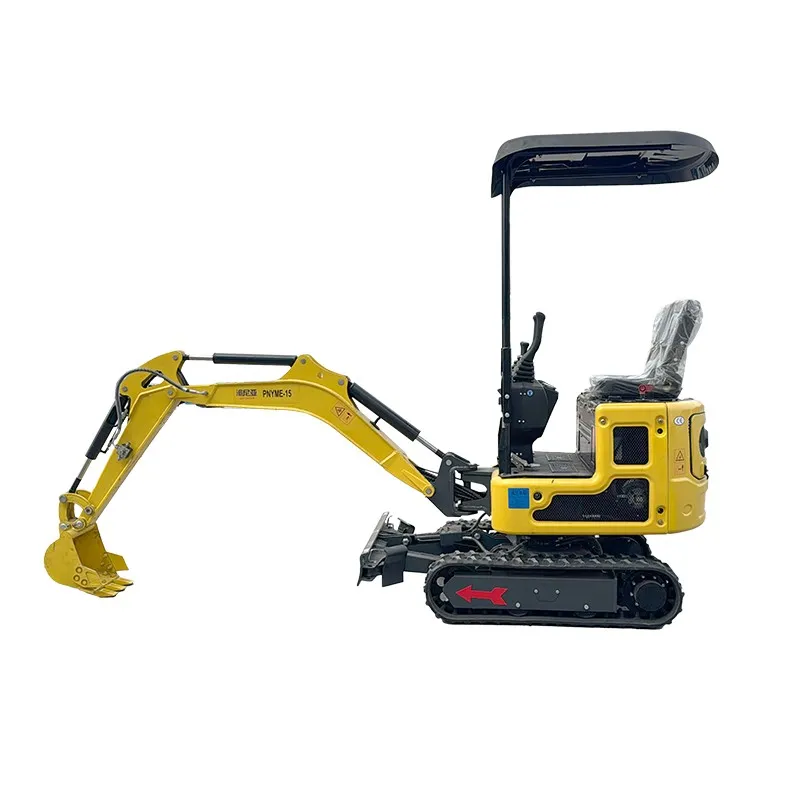
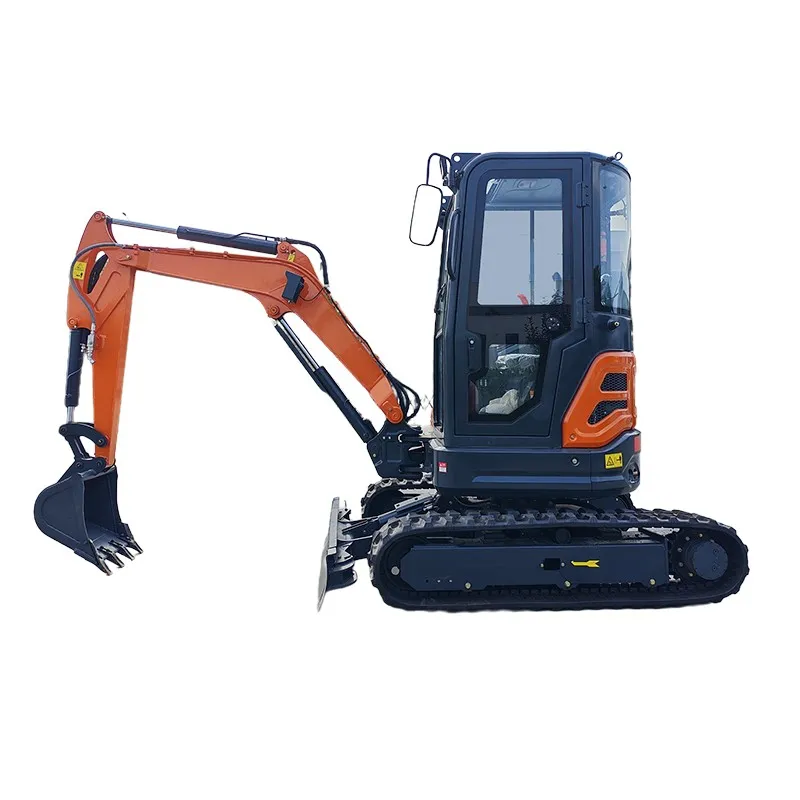
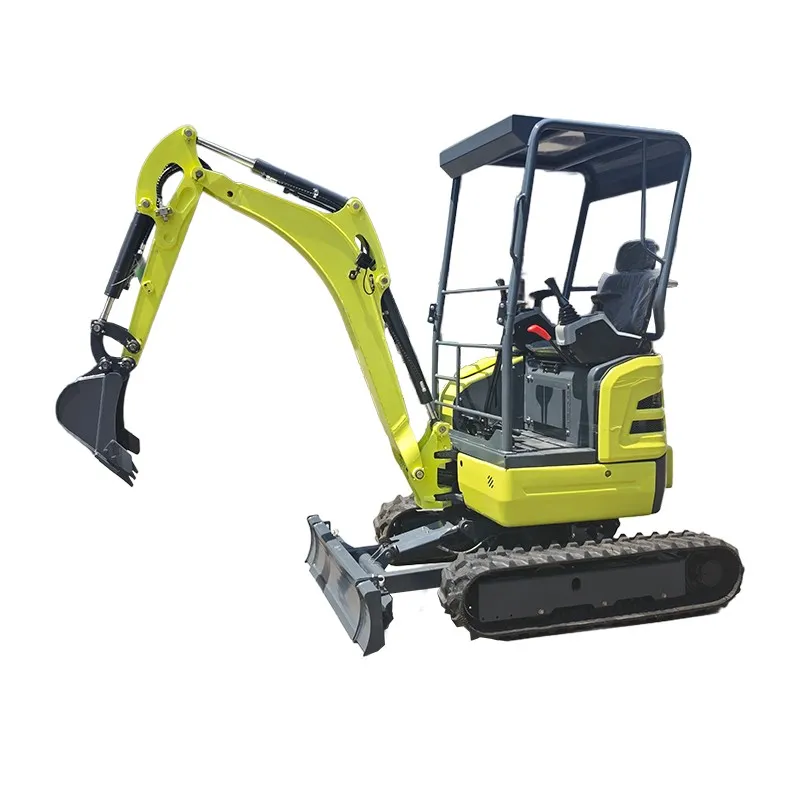
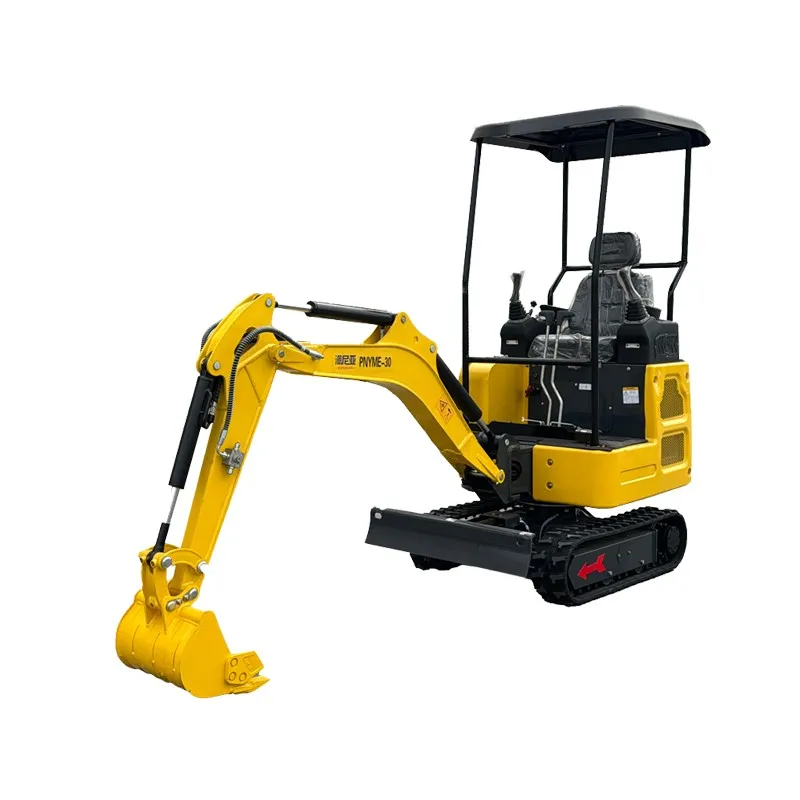
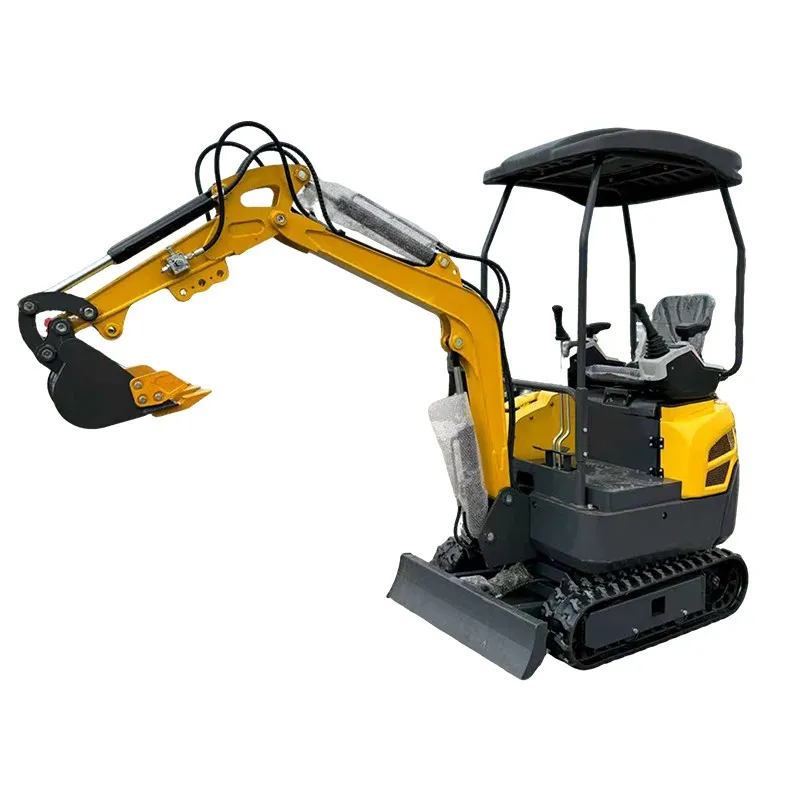
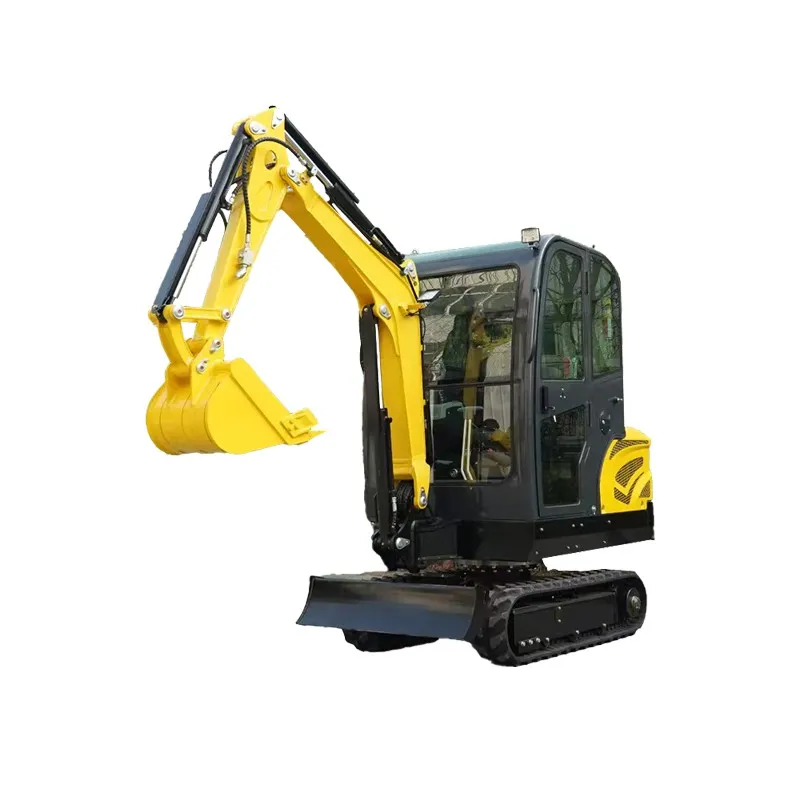
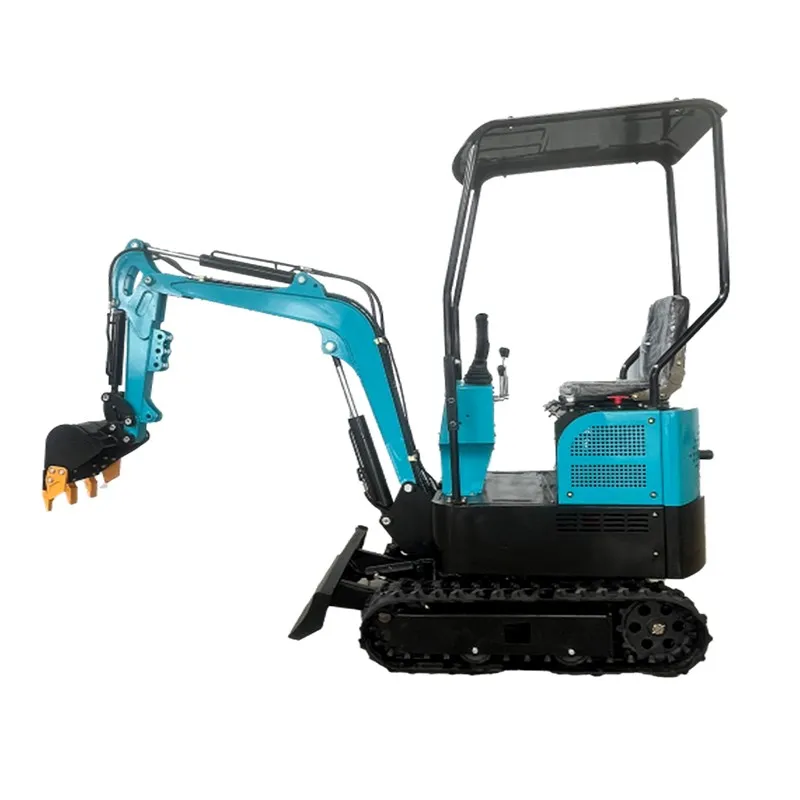
chinese mini excavator for sale
When someone types 'Chinese mini excavator for sale' into a search bar, I know exactly what they're hoping for: a reliable, dirt-cheap machine that magically outperforms brands costing three times as much. Having been in the trenches of sourcing and deploying these units across small-scale farms and urban construction sites for years, I can tell you that's the first and biggest misconception. The real story isn't just about finding a sale; it's about understanding what you're actually buying into. The market is flooded with options, from alarmingly low-priced online listings to more established factory-backed exports, and the gap between them is where projects succeed or budgets get obliterated.
The Landscape: More Than Just a China Price
Let's cut to the chase. The term Chinese mini excavator isn't a monolith. You've got tier-one assemblers who might just be bolting together sourced components with minimal QC, and then you've got integrated manufacturers who actually engineer and cast their own major parts. The price difference reflects that. I learned this the hard way early on, buying a 1.8-ton machine from a trading company that looked perfect on paper. It arrived, and the hydraulic fittings started weeping within 20 hours of light duty. The after-sales support was an email address that went unanswered. That experience cost me more in downtime and repair than the initial savings.
This is where digging into a company's background matters. You want to see a history, a physical footprint. For instance, I've followed the trajectory of a manufacturer like Shandong Pioneer Engineering Machinery Co., Ltd. They've been around since 2004, which in this fast-churning market is a lifetime. They recently moved to a new facility in Ningyang—a sign of growth and reinvestment, not just a fly-by-night operation. Their setup with Shandong Hexin handling manufacturing and Pioneer handling overseas trade is a common but effective model when done right. It suggests a focus on the export market's specific needs, which is crucial.
The point is, your search shouldn't start with the lowest price listing. It should start with filtering out the pure trading houses with no manufacturing backbone. A company having a direct export arm, like Pioneer with its site at https://www.sdpioneer.com, at least indicates a channel for (theoretically) better technical communication and parts logistics. I'm not saying it's a guarantee, but it's a necessary first filter in a sea of Alibaba storefronts.
Critical Details You Only Learn On-Site (Or From Failure)
Spec sheets lie. Or rather, they tell a selective truth. Everyone quotes engine horsepower, digging depth, and bucket capacity. The devil is in the steel grade, the hydraulic pump sourcing, and the wiring harness quality. A mini excavator for sale might list a renowned-brand hydraulic pump, but is it the main pump or just the swing motor? I've seen that trick. The undercarriage is another money pit. Are the track links forged or cast? Cast might be cheaper upfront but can crack under torsional stress on uneven ground. For compact urban work, a zero-tail-swing design is almost non-negotiable now, but check the actual swing radius—some claim zero but still have a few centimeters of overhang that can catch on fences.
Then there's the operator's station. This sounds minor until you're in it for an 8-hour day. Are the controls ISO-pattern? Are the levers adjustable? Is there any basic suspension on the seat? A machine I evaluated from a newer brand had the auxiliary hydraulic controls placed where your knee constantly bumped them, leading to accidental bucket movement. It's a small design flaw that renders the machine frustrating and potentially unsafe. These are things you won't see in a glossy product video.
My rule now is to demand a video of the exact unit, not a stock promo. Ask them to cold-start the engine, cycle all the functions, and show the engine compartment. Look for tidy wiring, branded filters (like Fleetguard or Baldwin), and check for fluid leaks. If a supplier balks at this, walk away. This practical scrutiny is what separates a real purchase from a hopeful gamble.
The Export & Support Equation: Where Trust is Built or Broken
Exporting to markets like the US, Canada, or Australia isn't just about shipping a container. It's about compliance, documentation, and crucially, creating a support pipeline. A company stating they export to these regions, as Shandong Pioneer does, implies they navigate customs, potential EPA tier regulations for engines, and basic certification. But winning the trust of customers worldwide, as their intro says, is the outcome, not the claim. Trust is built when a hose bursts in rural Oregon and you can get a replacement part within a week, not six.
Here's a practical insight: The better manufacturers are now establishing parts depots in key import countries or partnering with regional equipment dealers. This is the single biggest factor for long-term viability. When I source now, my first question after price is, Where is your nearest parts inventory to [my location]? If the answer is We ship from Qingdao, I factor in at least 4 weeks of downtime for any non-major repair. Some companies are getting smarter, offering starter parts kits with common wear items—another good sign.
The relocation of a factory, like Pioneer's move to a new site in Tai'an, can be a double-edged sword. It can mean growth and modernized production lines, which is positive. But it can also temporarily disrupt supply chains and quality control during the transition. If you're buying during such a period, it's fair to ask about it. A transparent supplier will acknowledge it and may even offer more stringent pre-shipment inspection.
Making the Decision: A Framework, Not a Formula
So, you're looking at a Chinese mini excavator for sale. How do you decide? First, align the machine with your actual duty cycle. Are you doing light landscaping 50 hours a year, or are you running it 8 hours a day, 5 days a week in demolition? For the former, a simpler, cost-effective model from a stable factory might be perfect. For the latter, you need to invest in the higher tier, even within the Chinese market. Look for factories that list specific OEM partners for critical components like engines (Yanmar, Kubota) and hydraulic systems (Kawasaki, Parker).
Second, treat the communication process as a proxy for future support. Are your technical questions answered clearly and quickly? Do they provide detailed manuals, parts diagrams, and wiring schematics before purchase? I use this as a key test. A company invested in long-term business will provide these. The ones just looking for a one-time sale will be vague.
Finally, always, always budget beyond the FOB price. Factor in shipping, import duties, port handling, and a contingency fund for immediate fixes and spare parts—at least 15% of the machine cost. The true cost of a mini excavator for sale is its purchase price plus the cost of keeping it running for the first two years. If that total cost still presents a compelling value against a used major brand, then you've likely found a viable option. It's not about finding the cheapest machine; it's about finding the most cost-reliable one for your specific grind. That's the real search behind the search.
Related Products
Related Products