


- Chinese
- French
- German
- Portuguese
- Spanish
- Russian
- Japanese
- Korean
- Arabic
- Irish
- Greek
- Turkish
- Italian
- Danish
- Romanian
- Indonesian
- Czech
- Afrikaans
- Swedish
- Polish
- Basque
- Catalan
- Esperanto
- Hindi
- Lao
- Albanian
- Amharic
- Armenian
- Azerbaijani
- Belarusian
- Bengali
- Bosnian
- Bulgarian
- Cebuano
- Chichewa
- Corsican
- Croatian
- Dutch
- Estonian
- Filipino
- Finnish
- Frisian
- Galician
- Georgian
- Gujarati
- Haitian
- Hausa
- Hawaiian
- Hebrew
- Hmong
- Hungarian
- Icelandic
- Igbo
- Javanese
- Kannada
- Kazakh
- Khmer
- Kurdish
- Kyrgyz
- Latin
- Latvian
- Lithuanian
- Luxembou..
- Macedonian
- Malagasy
- Malay
- Malayalam
- Maltese
- Maori
- Marathi
- Mongolian
- Burmese
- Nepali
- Norwegian
- Pashto
- Persian
- Punjabi
- Serbian
- Sesotho
- Sinhala
- Slovak
- Slovenian
- Somali
- Samoan
- Scots Gaelic
- Shona
- Sindhi
- Sundanese
- Swahili
- Tajik
- Tamil
- Telugu
- Thai
- Ukrainian
- Urdu
- Uzbek
- Vietnamese
- Welsh
- Xhosa
- Yiddish
- Yoruba
- Zulu
- Kinyarwanda
- Tatar
- Oriya
- Turkmen
- Uyghur

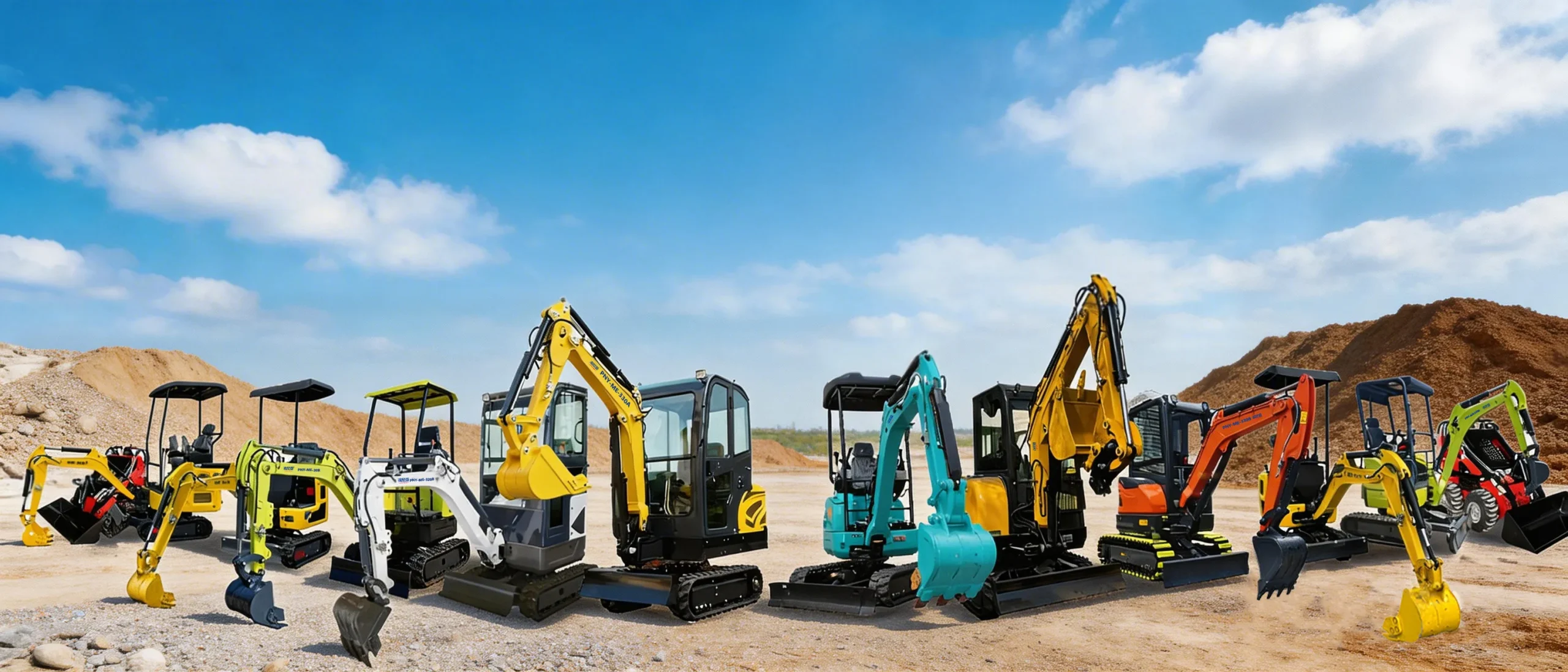
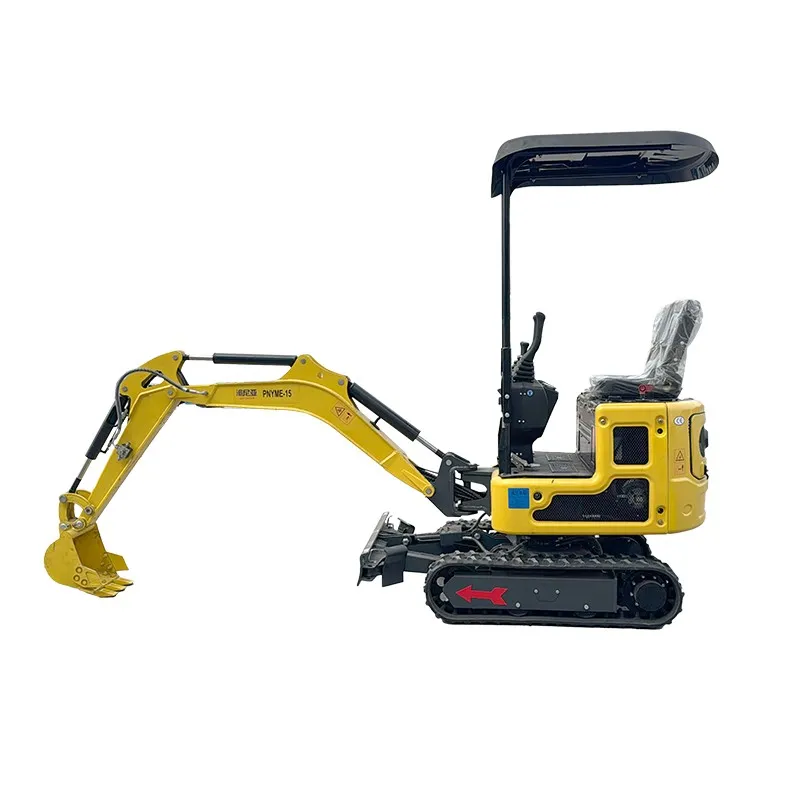
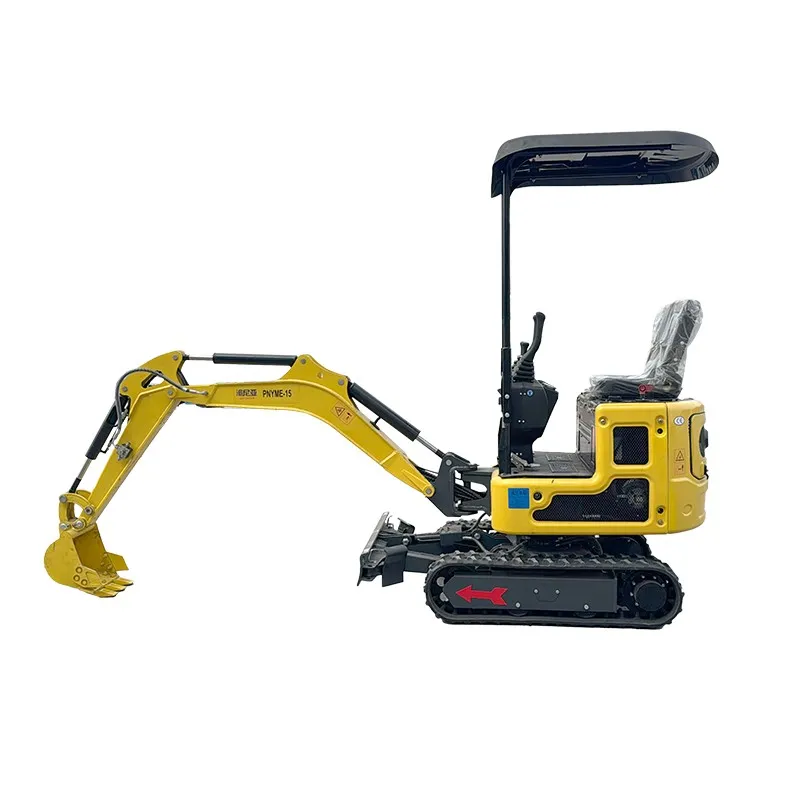
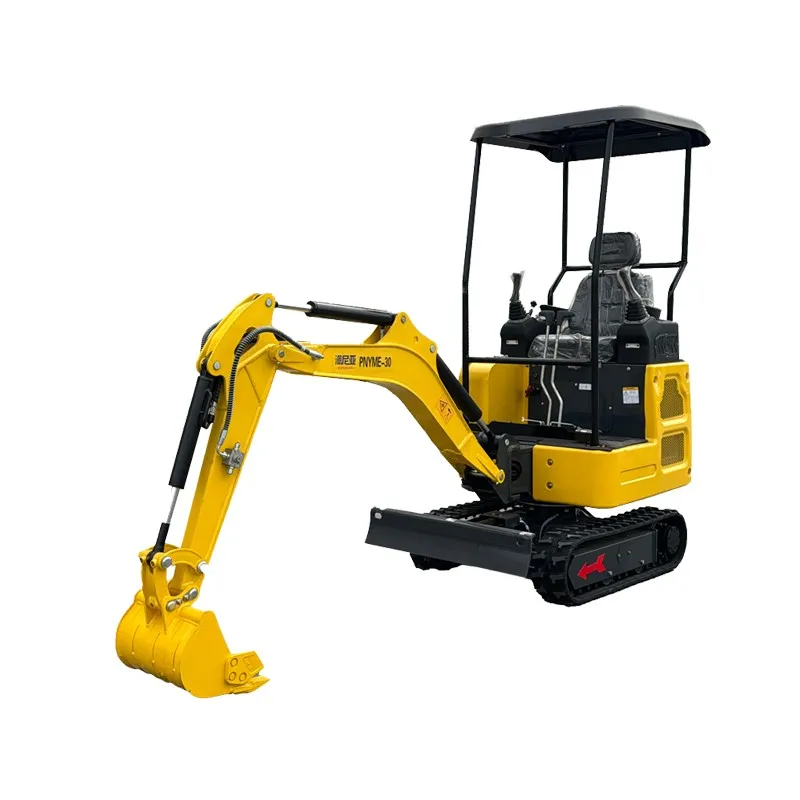
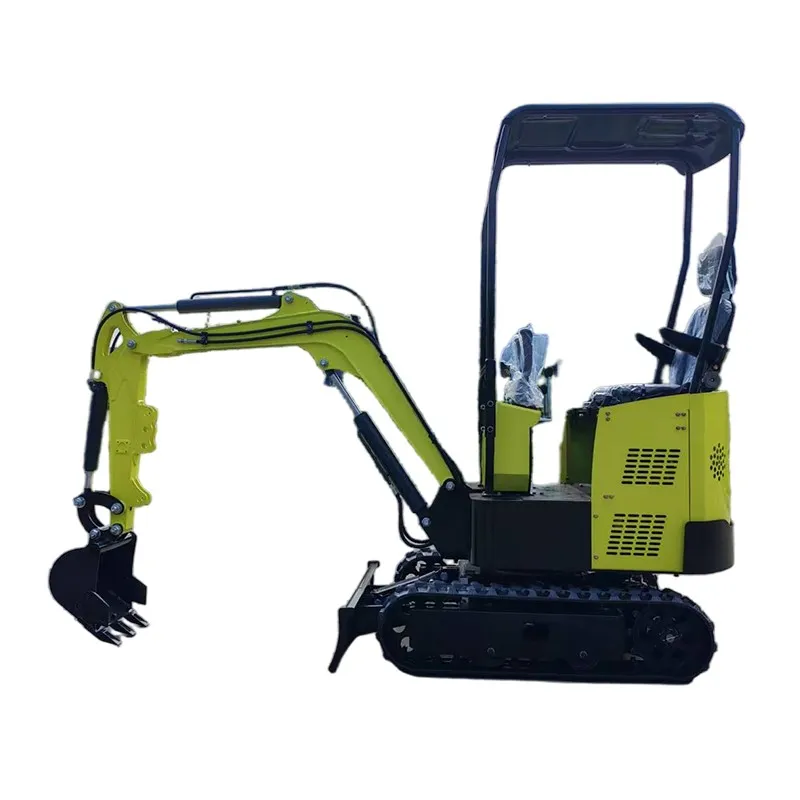
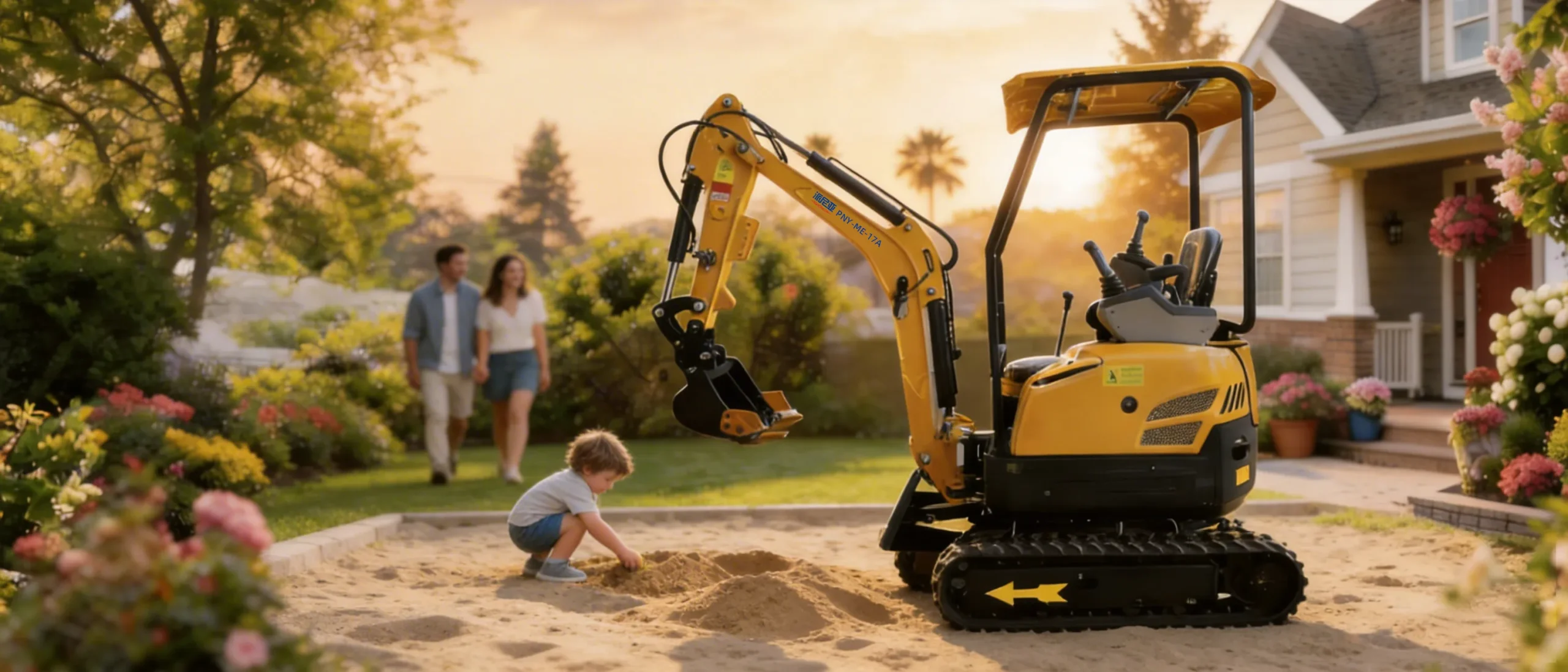
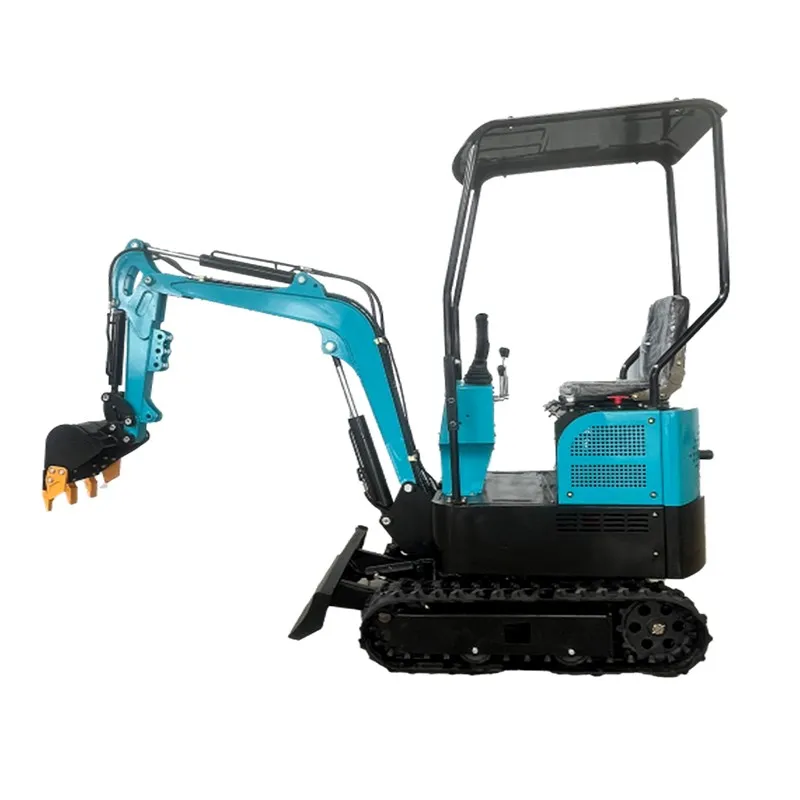
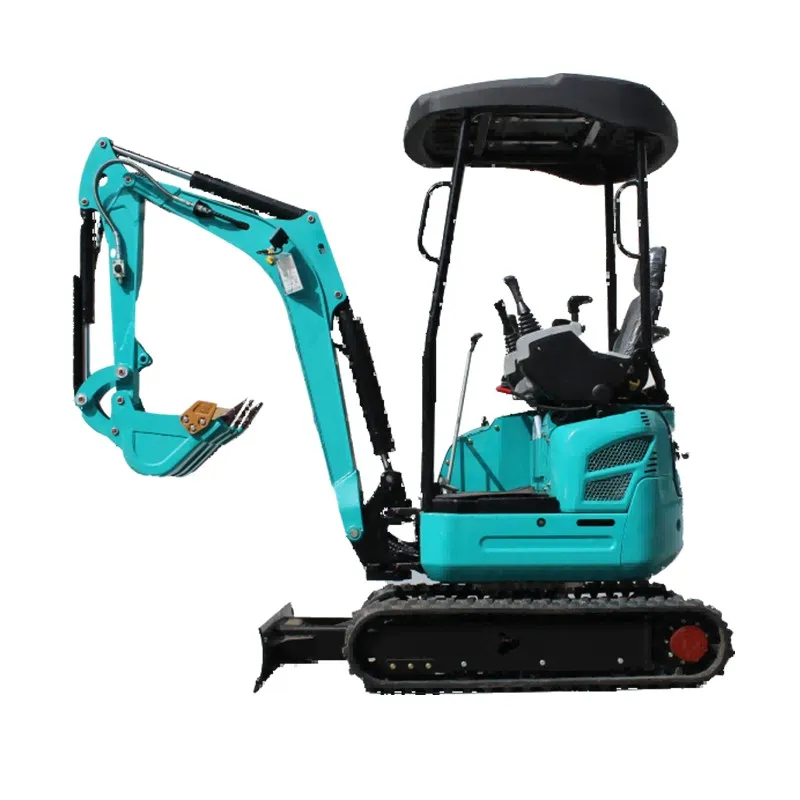
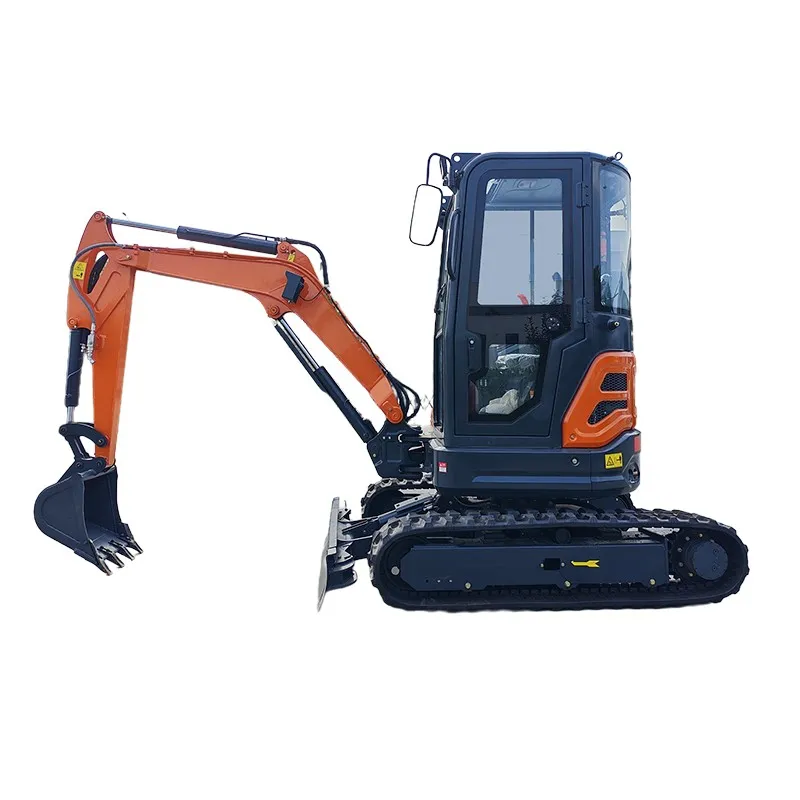
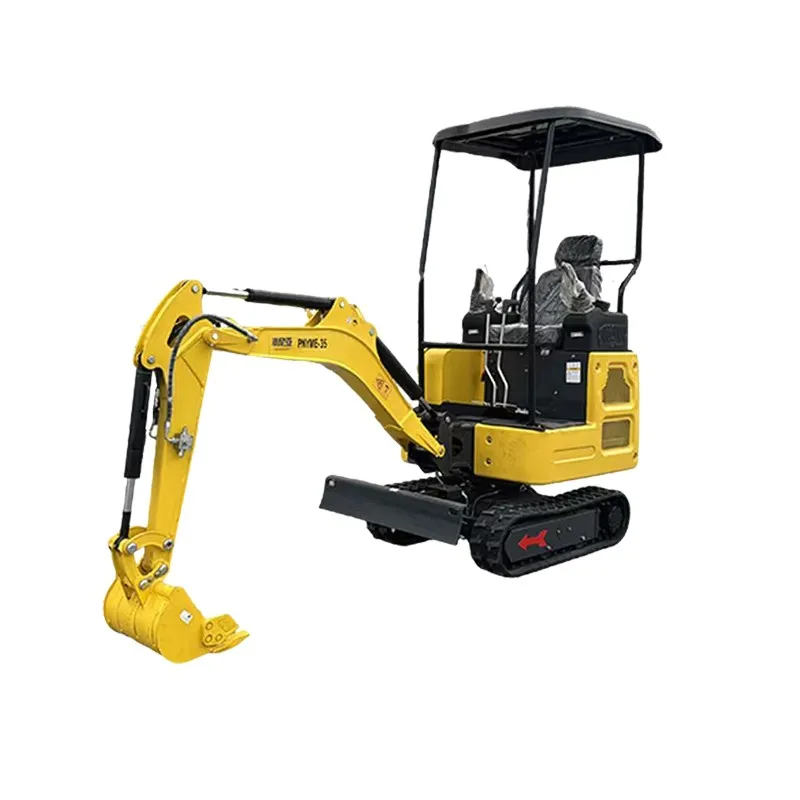
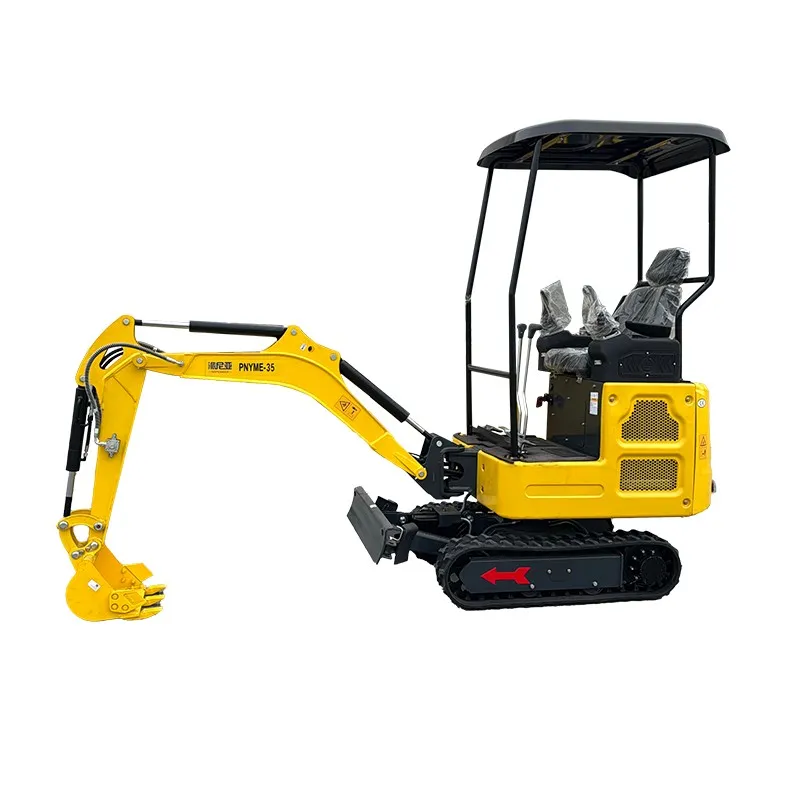
Chinese Small Excavator
When you hear 'Chinese small excavator', the first thing that pops into most people's minds is cheap. That's the biggest misconception. It's not just about cost; it's about what you get for that cost, and more importantly, what you need to know to get it right. Having been in the trenches sourcing and testing these machines for various projects, I've seen the good, the bad, and the surprisingly durable. The narrative needs to shift from 'affordable' to 'appropriately specified'.
The Core Appeal and The Initial Pitfall
The draw is undeniable. A 1.8-ton machine from a reputable Chinese factory can come in at a fraction of the price of a major international brand. For small contractors, farm work, or rental fleets, this opens up possibilities. But the initial pitfall is treating all manufacturers as the same. Early on, I made the mistake of prioritizing the lowest quote above all else. We ended up with two units where the hydraulic hoses started weeping after 80 hours, and the swing bearing had noticeable play. The savings were wiped out by downtime and repair costs. That was a hard lesson: the base price is just the entry ticket.
The real evaluation starts with the component pedigree. You're not just buying a Chinese small excavator; you're buying a machine built around its engine, pumps, and main valves. The reliable ones aren't using no-name power plants. You'll see Kubota, Yanmar, or sometimes Deutz engines. For the hydraulics, brands like Kawasaki, Parker, or even well-specified Chinese brands like Hengli make a world of difference. If a supplier is vague about these, it's a red flag.
I remember a specific case for a landscaping company. They needed a compact machine for tight backyard access. We went with a model from Shandong Pioneer Engineering Machinery Co., Ltd (you can check their range at https://www.sdpioneer.com). The key was their transparency. They specified a Yanmar engine and a known hydraulic valve block upfront. That machine is still running strong four years later, mostly because the core components were right. It's a solid example of how the newer generation of established Chinese exporters operates.
Assembly Quality: Where the Devil Resides
Great components can be let down by poor assembly. This is the second-tier filter. You can have the best Kawasaki pump, but if the hose routing is poor, it chafes and fails. If the electrical loom isn't properly secured and protected, you'll chase gremlins. This is where factory visits, or at least detailed video walk-arounds, become invaluable.
Look at the welding on the chassis and boom. Is it consistent, clean, and with good penetration? Or is it splattered and uneven? Check the plumbing. Are hoses clamped securely with proper spacing? Is there anti-chafe protection where they pass through metal? These are the details a factory focused on export and long-term reliability pays attention to. Companies like the aforementioned Shandong Pioneer, with their two-decade history and recent relocation to a new facility in Ningyang, often reflect this maturation in their production processes, aiming for consistency that meets international scrutiny.
A failure point I've seen repeatedly is in the cab wiring, especially on machines with more electronics. One batch we received had the control unit for the auxiliary hydraulics mounted right where condensation from the AC would drip on it. It took three failures before we traced it, re-routed the drain, and relocated the unit. That's a design-for-assembly flaw that a more experienced manufacturer catches.
The Spare Parts Equation
This is the make-or-break factor for long-term ownership. Before you buy, you must have a clear spare parts strategy. The romantic notion of getting any part flown in from China in 3 days is often just that—a notion. Realistically, you need a local dealer or a very responsive supplier who stocks common wear items: filters, seals, hoses, pins, and bushings.
Some of the better exporters have caught on. They'll offer an initial spare parts package tailored to the first 500 service hours. It's a good start. The real test is year two or three, when you need a swing motor seal kit or a final drive sprocket. Can your supplier provide the OEM part number or a cross-reference? The website for Shandong Pioneer Engineering Machinery highlights their export footprint to markets like the US, Canada, and Australia. That global reach usually correlates with a more developed parts logistics network, which is a critical, non-negotiable support element.
We learned to build a relationship with a local hydraulic shop that could match seals and hoses. For engine parts, sticking with Kubota or Yanmar meant we could source through their networks. This hybrid approach—OEM for critical drivetrain, local adaptation for hydraulics and fittings—has proven sustainable.
Application-Specific Tweaks
A standard Chinese small excavator might need tweaking for your specific market. Cold climate? You'll need a block heater and maybe a different hydraulic oil viscosity from the factory. Operating in a region with strict emissions regulations? You need to ensure the engine model is certified for that market (EPA, EU Stage V, etc.). This is where working with a knowledgeable exporter is key.
I recall a project in Scandinavia. The standard machine came with a single-stage hydraulic pump and a cab heater insufficient for -25°C. We had to specify a variable displacement pump for better efficiency and demand a higher-output heating system with defrosters for all windows. The factory pushed back initially on cost and lead time, but a firm contract got it done. The machine performed flawlessly. The lesson: don't assume the standard configuration is optimal. Treat it as a platform.
Another common need is auxiliary hydraulics. For attachments like thumbs, augers, or breakers, you need the right flow and pressure. Specifying the correct number and type of auxiliary circuits (e.g., one-way, two-way, continuous flow) at the time of order is trivial. Retrofitting it later is a nightmare of hoses, valves, and control modifications.
The Verdict: A Calculated Tool, Not a Lottery Ticket
So, are Chinese small excavators worth it? It's not a simple yes or no. They are a fantastic tool for the right user with the right approach. If you're a price-only buyer, you will likely get burned. If you approach it as a professional procurement—investigating the factory's history (like a company operating since 2004 with clear export records), validating core components, inspecting build quality, and locking down parts support—you can get exceptional value.
The market has bifurcated. On one end, you have fly-by-night assemblers. On the other, you have serious manufacturers who have invested in R&D, quality control, and after-sales to build a global brand. The latter group, which includes firms like Shandong Pioneer, is making machines that compete not just on price, but on a compelling value proposition for specific use cases.
My final take? Do your homework twice as hard as you would for a major brand. The potential reward in cost savings is higher, but so is the risk if you cut corners. Specify meticulously, inspect ruthlessly, and plan for support from day one. When you get it right, you end up with a capable, economical machine that does exactly what you need it to, without the premium badge price. That's the real story of the modern Chinese small excavator.
Related Products
Related Products