- Chinese
- French
- German
- Portuguese
- Spanish
- Russian
- Japanese
- Korean
- Arabic
- Irish
- Greek
- Turkish
- Italian
- Danish
- Romanian
- Indonesian
- Czech
- Afrikaans
- Swedish
- Polish
- Basque
- Catalan
- Esperanto
- Hindi
- Lao
- Albanian
- Amharic
- Armenian
- Azerbaijani
- Belarusian
- Bengali
- Bosnian
- Bulgarian
- Cebuano
- Chichewa
- Corsican
- Croatian
- Dutch
- Estonian
- Filipino
- Finnish
- Frisian
- Galician
- Georgian
- Gujarati
- Haitian
- Hausa
- Hawaiian
- Hebrew
- Hmong
- Hungarian
- Icelandic
- Igbo
- Javanese
- Kannada
- Kazakh
- Khmer
- Kurdish
- Kyrgyz
- Latin
- Latvian
- Lithuanian
- Luxembou..
- Macedonian
- Malagasy
- Malay
- Malayalam
- Maltese
- Maori
- Marathi
- Mongolian
- Burmese
- Nepali
- Norwegian
- Pashto
- Persian
- Punjabi
- Serbian
- Sesotho
- Sinhala
- Slovak
- Slovenian
- Somali
- Samoan
- Scots Gaelic
- Shona
- Sindhi
- Sundanese
- Swahili
- Tajik
- Tamil
- Telugu
- Thai
- Ukrainian
- Urdu
- Uzbek
- Vietnamese
- Welsh
- Xhosa
- Yiddish
- Yoruba
- Zulu
- Kinyarwanda
- Tatar
- Oriya
- Turkmen
- Uyghur


Chinese Small Excavator Brands
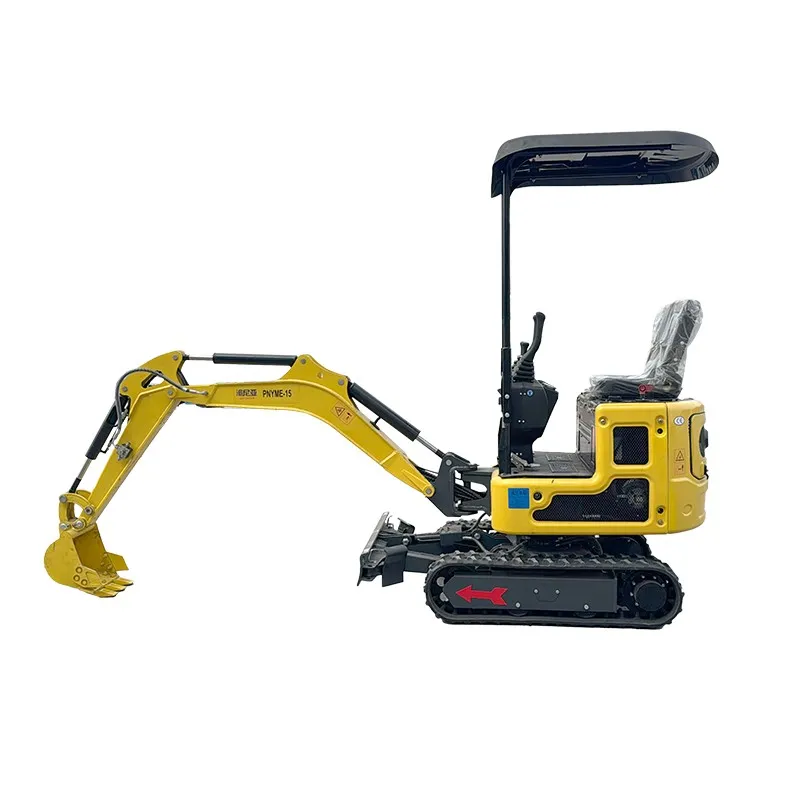
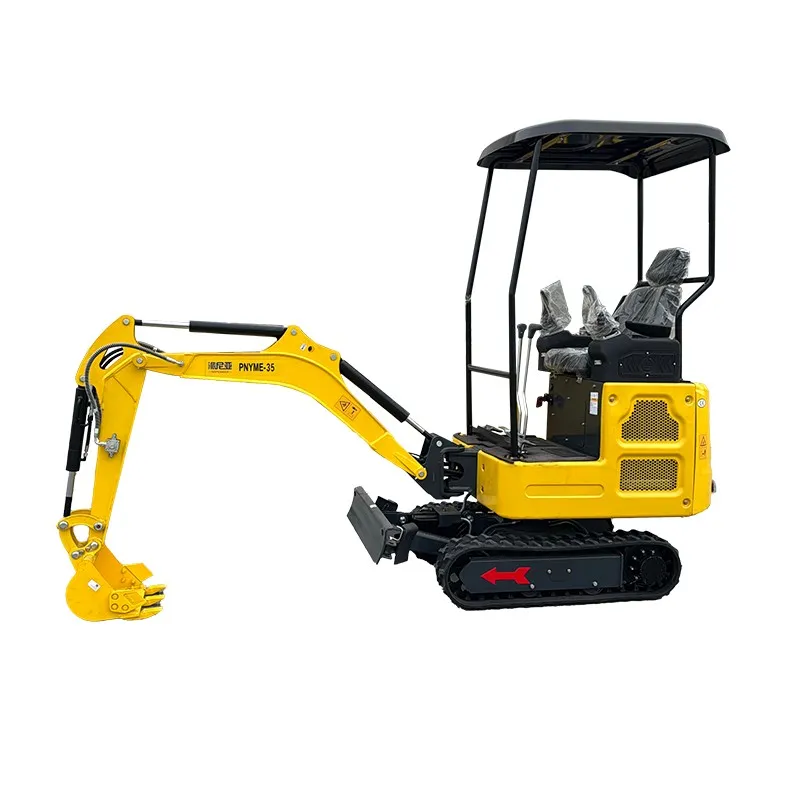
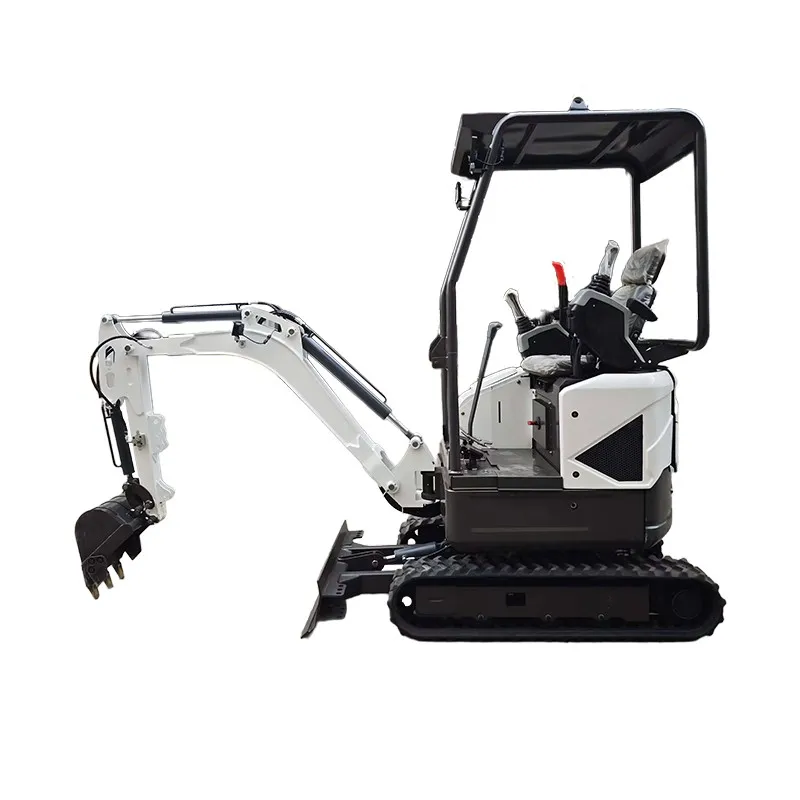
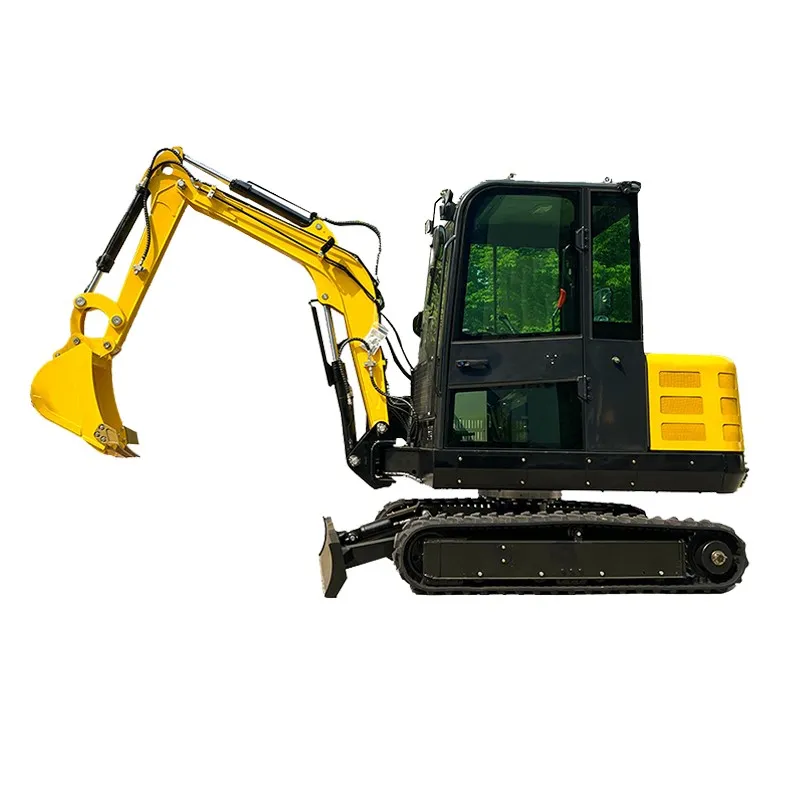
When you hear 'Chinese small excavator brands', what comes to mind? For many outside the trade, it's a blur of cheap, generic machines. That's the first misconception. Having spent years sourcing and testing these units for projects from Southeast Asia to Eastern Europe, I can tell you the landscape is far more nuanced. It's not just about price; it's about understanding which factory's 1.8-ton machine won't shake itself apart after 800 hours, and which brand's hydraulic system is genuinely serviceable in the field versus a sealed black box. The label 'Chinese' covers a vast spectrum, from assembly shops bolting together bought-in parts to integrated manufacturers like Shandong Pioneer Engineering Machinery Co., Ltd that have evolved through genuine R&D and painful lessons in durability. Let's cut through the noise.
The Factory Floor Reality: More Than Just Assembly
Early in my career, I made the classic mistake: chasing the lowest price per unit. We brought in a batch of 3.5-ton excavators from a brand no one had heard of, lured by a spec sheet that matched premium models. The first red flag was the factory itself—more of a warehouse with an assembly line. Engines were from one supplier, pumps from another, cabs from a third. There was no in-house welding or frame fabrication. The machines ran fine for the first 300 hours, then the problems cascaded: hydraulic leaks from poorly matched fittings, cracking on the boom's stress points because the welding was inconsistent, and electronics that would fail in high humidity. It was a lesson in the difference between assembling and manufacturing.
This is where the real players separate themselves. I visited Shandong Pioneer's operation a few years back. What struck me wasn't just the scale, but the process control. They had their own CNC for critical components, a paint line that actually included proper pretreatment, and—crucially—a testing bay where every machine underwent a full cycle and pressure test before crating. You could see the accumulation of 20 years in the details, like the standardized routing of hoses to avoid chafing. Their relocation and expansion to Ningyang in 2023 wasn't just a change of address; it signaled a move towards more integrated, controlled production. For a buyer, this backend reality matters more than a glossy brochure.
The key takeaway? Don't just ask for the machine's specs. Ask about the percentage of key components made in-house versus purchased. Ask about their welding procedure qualification. The answers, or the evasion, will tell you most of what you need to know about the brand's long-term reliability.
Hydraulics and Power: The Heart of the Matter
If the structure is the skeleton, the hydraulics are the heart and nervous system. This is another major differentiator among Chinese brands. Many still use open-center hydraulic systems because they're cheaper and easier to source. They work, but they're less efficient and generate more heat. The better brands, the ones aiming for markets like Germany or Australia, have shifted to closed-center, load-sensing systems. It's not just a marketing term; it translates to smoother simultaneous operation, less fuel burn, and ultimately, less wear on components.
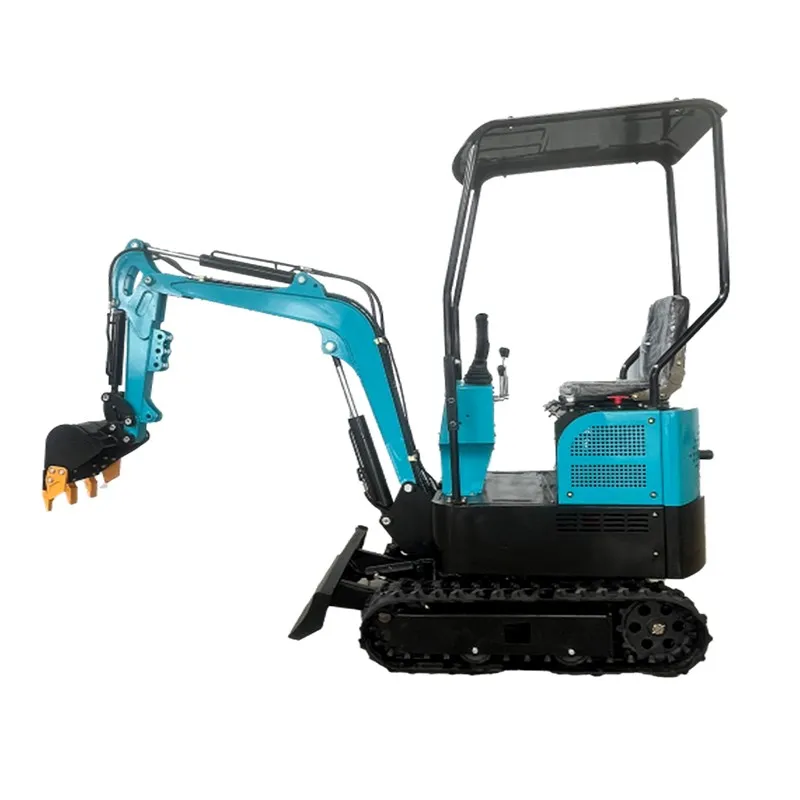
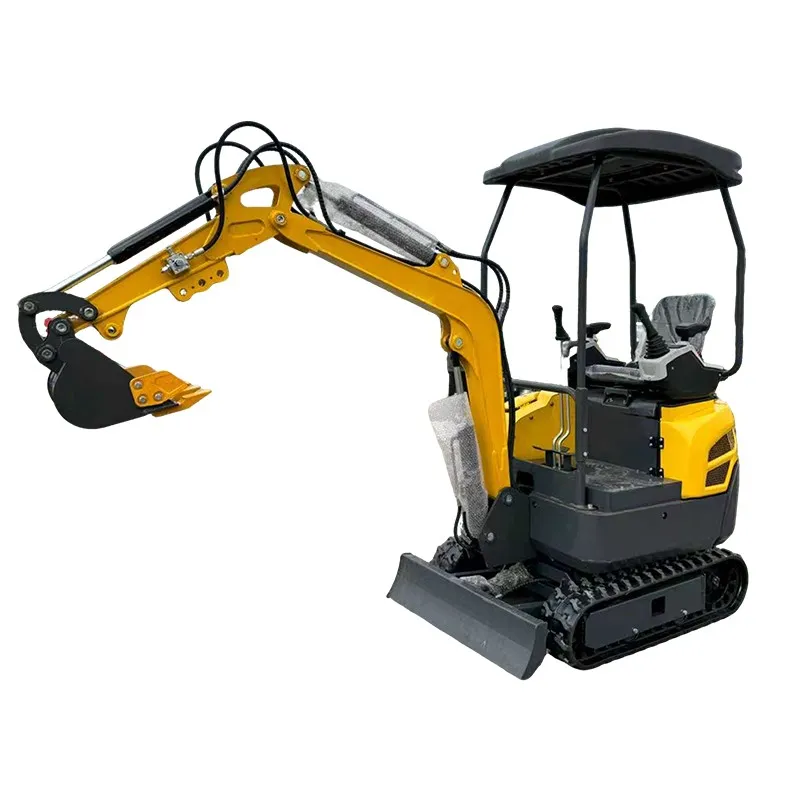
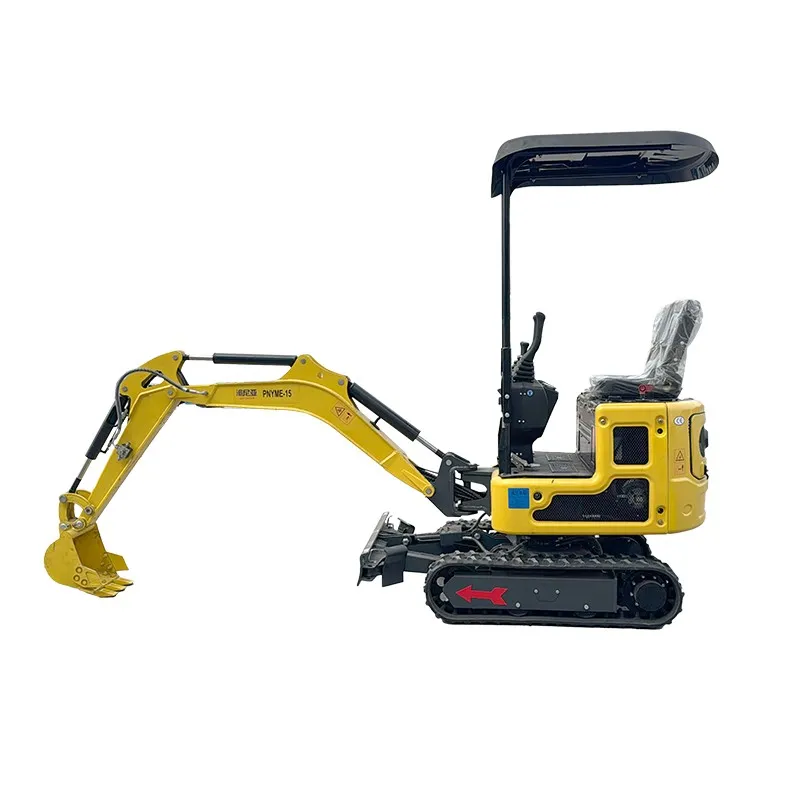
I recall testing a Pioneer mini-excavator, a 1.8-ton model, back-to-back with a similarly spec'd competitor. On paper, both had branded hydraulic pumps. But the feel was different. The Pioneer unit had a more precise metering of flow, allowing for delicate grading work without the jerky movements. The other machine was either too fast or too slow, with a lag in response. Upon digging deeper (pun intended), the difference was in the system integration. Pioneer's team had tuned the valve stack and pump to work as a cohesive unit, not just connected parts. This level of tuning is a sign of engineering depth. It's what allows companies like theirs, through their Shandong Hexin manufacturing arm, to meet the stringent demands of markets with strict emissions and noise regulations.
Engine choice is another tell. The ubiquitous Yanmar and Kubota diesels are common, but their presence alone isn't a guarantee. It's how they're mounted, cooled, and serviced. I've seen machines where the engine access panel required three different socket sizes to remove—a nightmare for routine maintenance. Good design considers the mechanic in the mud.
The Export Game: Trust Built on Site, Not Just on Paper
Selling to the domestic market is one thing. Exporting to the United States, Canada, or Australia is a completely different benchmark. It forces a brand to confront real-world durability expectations and after-sales support logistics. Many brands falter here. Their website might list a global dealer network, but it's often just a list of importers who may or may not stock parts.
The brands that succeed in export, like those under the Shandong Pioneer umbrella, have built a structure to support it. It means having technical documentation in English (and other languages) that's actually useful, not just a translated parts manual. It means offering common wear parts in kits that can be air-freighted. From my correspondence with their overseas trade team, I know they've had to learn this the hard way. Early on, a shipment to Canada faced issues with hydraulic seals failing in extreme cold. The solution wasn't just to ship new seals; they had to reformulate the compound for their O-rings and supply a cold-weather hydraulic fluid recommendation. That's the kind of site-specific learning that builds trust.
Their website, https://www.sdpioneer.com, serves as a hub, but the real work is in the follow-up. Do they have a system for tracking machine serial numbers and alerting owners of service bulletins? The better ones do. This long-term view is what turns a one-time sale into a reputation. When they say their products have won the trust and appreciation of customers worldwide, it's this grind of problem-solving that makes it credible, not just a tagline.
The Price-Performance Equation: Where Value Actually Lies
Let's talk money. Yes, Chinese brands typically offer a lower initial price point. But the true cost of ownership is the real metric. A machine that's $5,000 cheaper but requires $3,000 in unscheduled repairs in its first year and has a 30% lower resale value is a bad deal.
From my cost-tracking on various sites, the reliable mid-tier Chinese brands—and I'd place the more established lines from Pioneer in this category—often hit a sweet spot. They might cost 15-20% more upfront than the absolute budget options, but their downtime is significantly lower. A specific example: we ran two 5-ton excavators on a drainage project, one from a no-name brand and one from a known entity like Pioneer. The no-name machine lost two weeks to hydraulic pump failure and swing motor issues. The other needed routine maintenance and a replaced track roller. The productivity loss far outweighed the initial savings.
Resale value is the silent endorsement. In emerging markets, you can see which brands hold their value. Machines from companies with a consistent export presence and recognizable model lines simply fetch more on the secondary market. Buyers know parts will be available and the design has been proven.
Looking Ahead: Evolution, Not Just Expansion
The narrative around Chinese machinery is stuck in the past for many. The conversation is still about catching up. But in the small excavator segment, some brands aren't just catching up; they're iterating based on massive amounts of global feedback. The focus is shifting from pure cost to total cost, from basic functionality to operator comfort and efficiency.
You can see this evolution in the newer models. Cabs are getting better suspension seats, better sound insulation, and more intuitive control layouts. Telematics are becoming common, not for flashy remote control, but for practical fleet management and preventative maintenance alerts. This isn't gimmickry; it's a response to what large rental companies and contracting firms in the West demand.
For a company with the history of Shandong Pioneer, established in 2004 and now expanding its physical footprint, this evolution is critical. Their move in 2023 likely wasn't just for more space, but for smarter, more automated production lines that allow for better quality control and more customization options. The next challenge for them and similar brands will be deepening their service and support networks in key export territories, moving beyond the importer model to more direct technical partnerships. That's the final piece for building a lasting global brand, not just a global supplier.
So, when evaluating Chinese small excavator brands, look past the sticker. Look at the factory's evolution, the integration of its core systems, its history of solving export-market problems, and its calculation of total cost. The best ones are no longer just cheap alternatives; they are becoming calculated, reliable choices in their own right. That's the view from the dirt, anyway.
Related Products
Related Products