- Chinese
- French
- German
- Portuguese
- Spanish
- Russian
- Japanese
- Korean
- Arabic
- Irish
- Greek
- Turkish
- Italian
- Danish
- Romanian
- Indonesian
- Czech
- Afrikaans
- Swedish
- Polish
- Basque
- Catalan
- Esperanto
- Hindi
- Lao
- Albanian
- Amharic
- Armenian
- Azerbaijani
- Belarusian
- Bengali
- Bosnian
- Bulgarian
- Cebuano
- Chichewa
- Corsican
- Croatian
- Dutch
- Estonian
- Filipino
- Finnish
- Frisian
- Galician
- Georgian
- Gujarati
- Haitian
- Hausa
- Hawaiian
- Hebrew
- Hmong
- Hungarian
- Icelandic
- Igbo
- Javanese
- Kannada
- Kazakh
- Khmer
- Kurdish
- Kyrgyz
- Latin
- Latvian
- Lithuanian
- Luxembou..
- Macedonian
- Malagasy
- Malay
- Malayalam
- Maltese
- Maori
- Marathi
- Mongolian
- Burmese
- Nepali
- Norwegian
- Pashto
- Persian
- Punjabi
- Serbian
- Sesotho
- Sinhala
- Slovak
- Slovenian
- Somali
- Samoan
- Scots Gaelic
- Shona
- Sindhi
- Sundanese
- Swahili
- Tajik
- Tamil
- Telugu
- Thai
- Ukrainian
- Urdu
- Uzbek
- Vietnamese
- Welsh
- Xhosa
- Yiddish
- Yoruba
- Zulu
- Kinyarwanda
- Tatar
- Oriya
- Turkmen
- Uyghur


Chinese Small Excavator Market
When people talk about the Chinese small excavator market, the first thing that often comes to mind is sheer volume and aggressive pricing. That's not wrong, but it's a surface-level take that misses the real texture—the fragmentation, the regional quirks, and the brutal operational realities that separate the survivors from the also-rans. Having been involved in sourcing and logistics for this sector, I've seen too many overseas buyers get burned by focusing solely on the sticker price from a glossy Alibaba listing, without understanding what's happening on the factory floor and in the domestic distribution channels.
Beyond the Price Tag: What Small Really Means Here
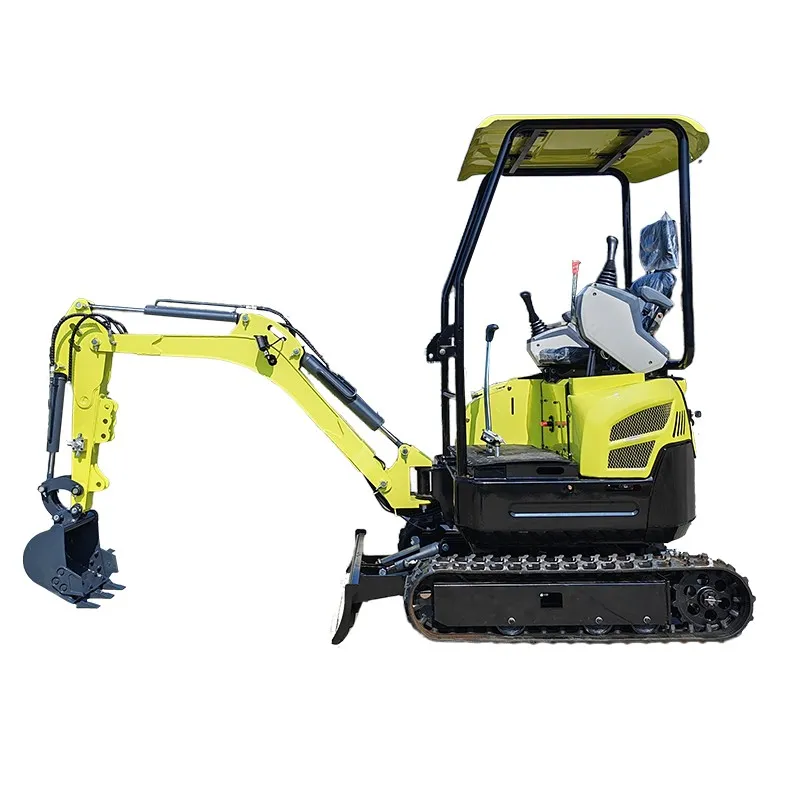
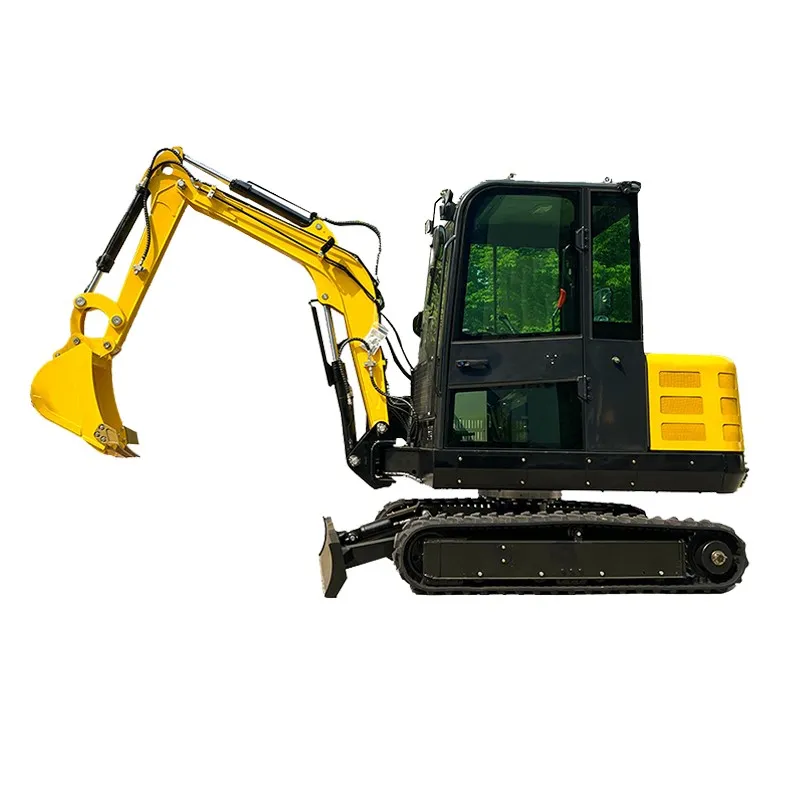
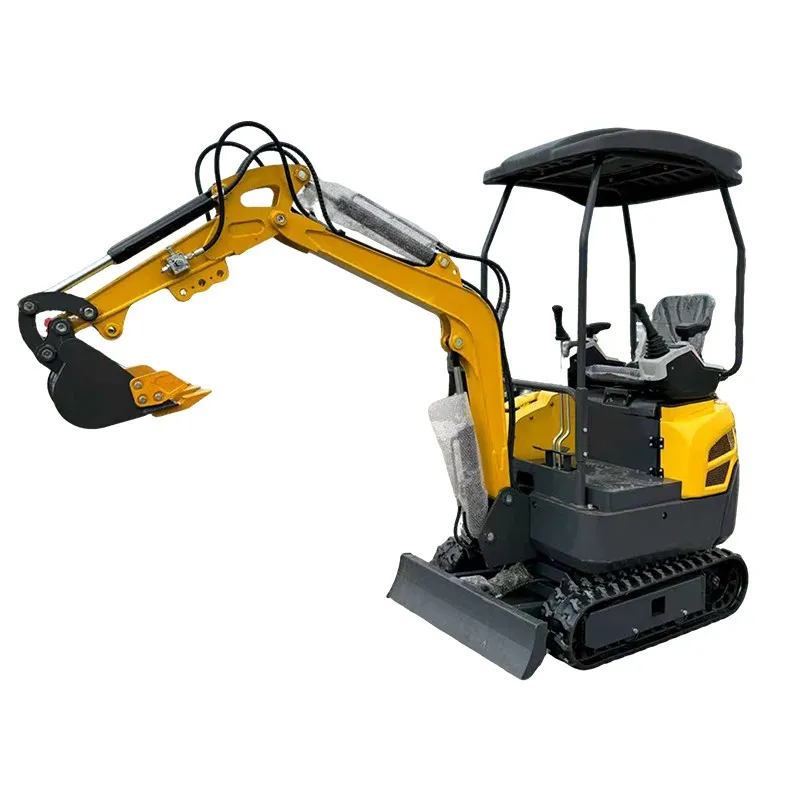
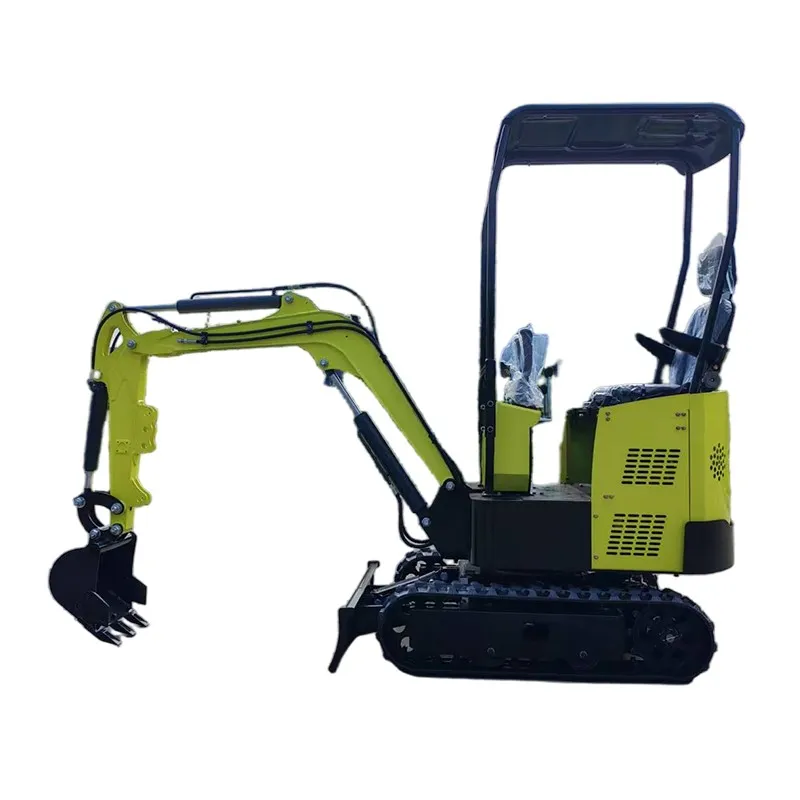
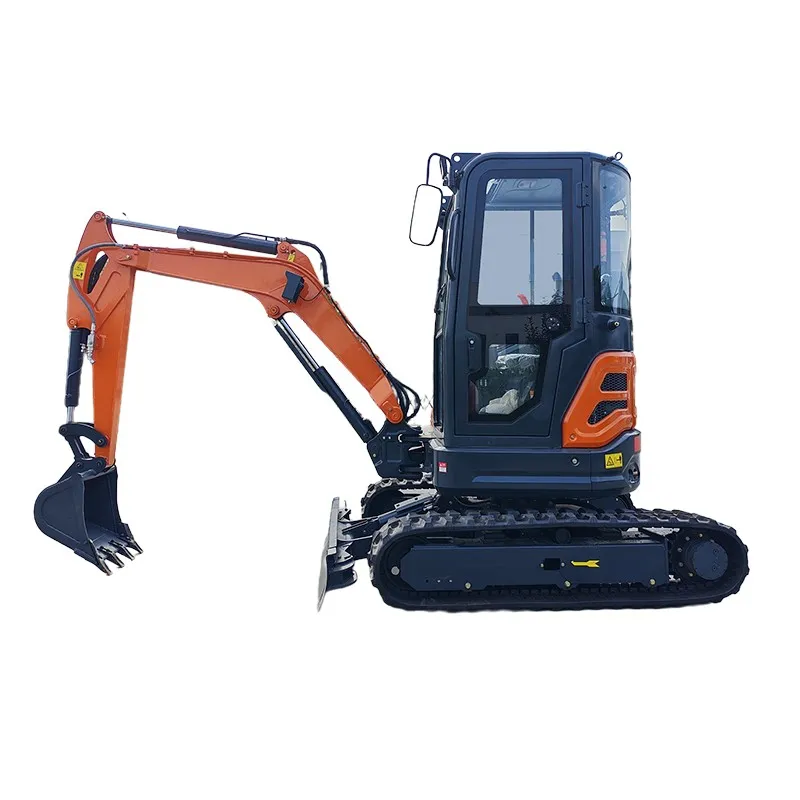
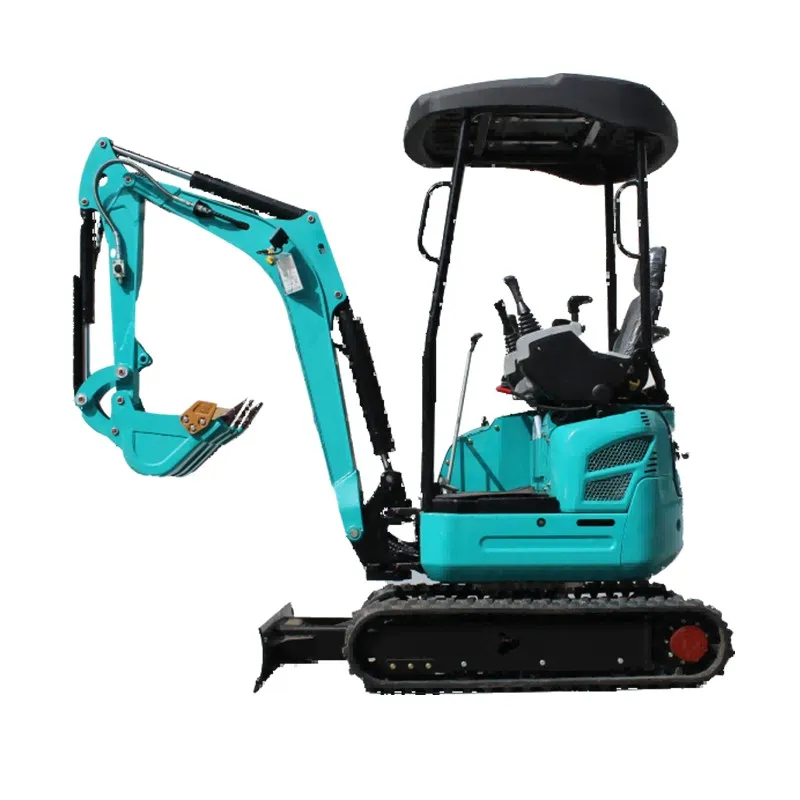
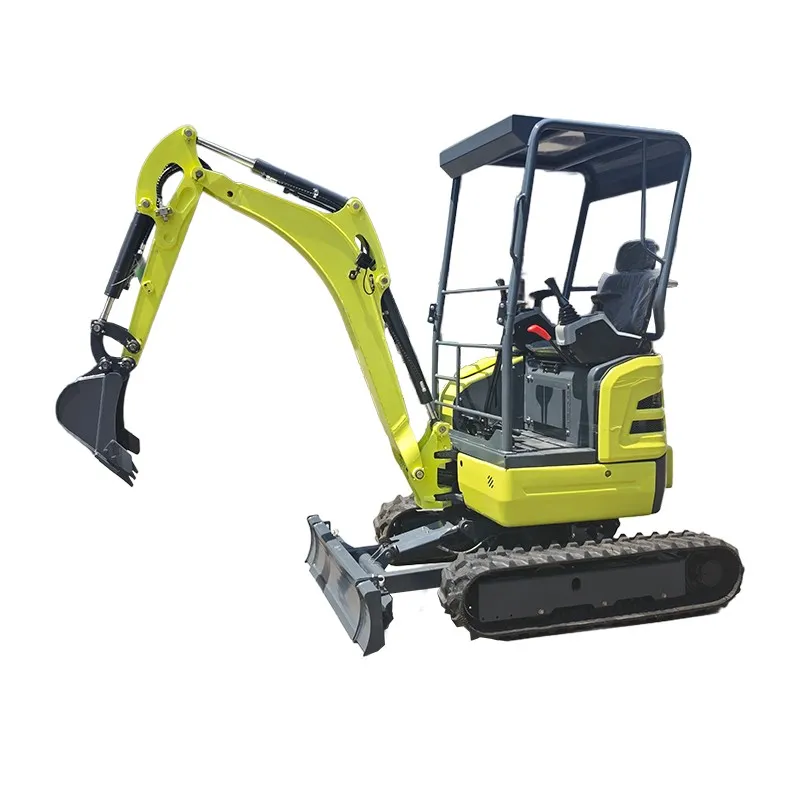
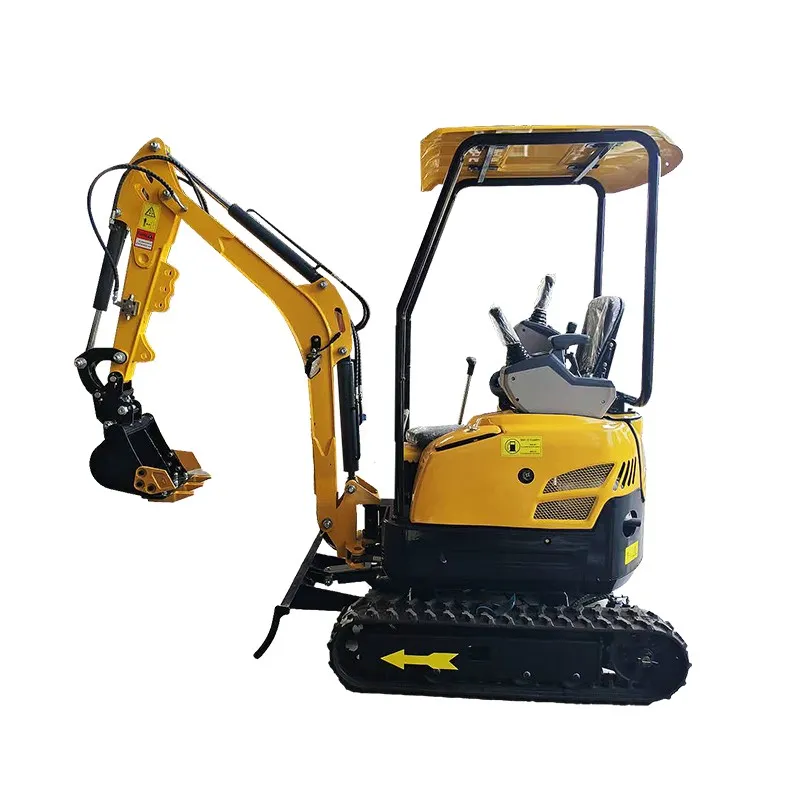
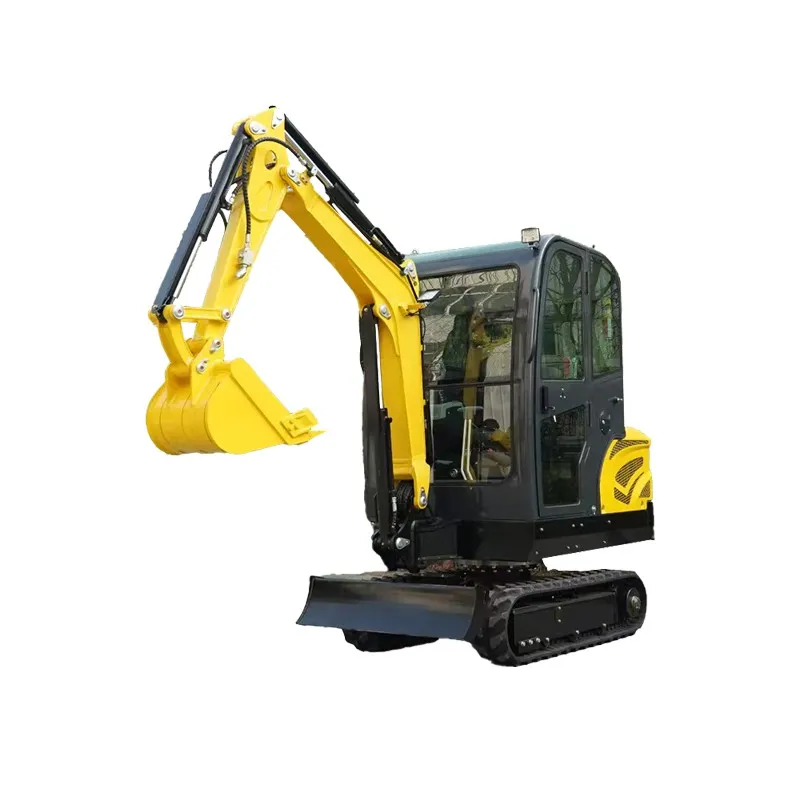
The term small excavator in China covers a dizzying range. We're not just talking about 1-ton mini diggers for backyard landscaping, though that's a huge segment. The sweet spot for export, in my experience, has consistently been in the 3.5 to 6-ton range. This is where you see the fiercest competition among hundreds of manufacturers. The machines in this category aren't just scaled-down versions of larger ones; the design priorities are different. Fuel efficiency, ease of transport on a trailer, and versatility with attachments like augers or breakers are paramount. A common mistake is to assume all these machines are essentially the same, just with different brand stickers. The variance in hydraulic system quality, for instance, between a tier-2 and a tier-3 manufacturer, can dictate whether a machine is still running smoothly after 2,000 hours or is a constant headache.
I remember a project a few years back where we sourced a batch of 5-tonners for a rental fleet in Southeast Asia. The initial supplier offered a price that was 15% below everyone else. The machine looked fine on paper—standard Yanmar engine, decent specs. The failure point was in the undercarriage. They'd used lower-grade steel for the track links and rollers. In a mild, dry climate, it might have been okay. But in the muddy, abrasive conditions on-site, the undercarriage wore out at nearly double the expected rate, obliterating any upfront savings. That's the kind of detail you only learn by either failing or by having a partner on the ground who knows which factories cut corners and where.
This is where companies with long-term export focus differentiate themselves. Take Shandong Pioneer Engineering Machinery Co., Ltd. They've been at this since 2004, and their recent relocation to a new facility in Ningyang in 2023 isn't just about more space—it's a signal of consolidation and a commitment to scaling up a structured operation. When a company maintains a dedicated overseas trade arm (Shandong Pioneer) separate from its manufacturing (Shandong Hexin), it usually indicates a deeper understanding of export compliance, documentation, and the specific after-sales support international buyers need. It’s a different mindset from a pure domestic sales shop.
The Manufacturing Ecosystem: Clusters and Constraints
Production is heavily clustered, with Shandong province being the undeniable epicenter. Jining, Qingzhou, Linyi—these cities are thick with excavator parts suppliers and assembly plants. This concentration creates efficiency but also a kind of internal pressure cooker. Walk the industrial zones, and you'll see factories specializing solely in hydraulic cylinders, another in cabs, another in welding booms. The level of vertical integration a brand has directly impacts its cost control and quality consistency.
The relocation of a company like Pioneer, from its original 1,600-square-meter setup in Jining to a new base, is a microcosm of the market's evolution. The early 2000s were the wild west: get a shed, source parts from the neighboring street, assemble, and sell. Today, to be credible for exports to markets like Germany or Australia, you need more systematic production lines, better QC stations, and proper paint shops. That 2023 move likely reflects an investment in that upgraded capability. It’s not just about making more excavators; it’s about making them to a standard that can pass muster in regulated environments.
However, this ecosystem has its pain points. Supply chain hiccups for specific components, like high-quality hydraulic pumps or controllers, can delay entire production runs. During the post-pandemic crunch, lead times for some European-sourced sensors stretched to 8 months, forcing many manufacturers to scramble for local alternatives, with mixed results on performance. You learn to build buffer time into your procurement plans, or you work with exporters who have the clout to secure stable component supply.
The Export Game: Trust, Specifications, and the Deal-Killer Details
Exporting small excavators isn't just about shipping a product; it's about shipping a compliant asset. The requirements for the United States (EPA Tier 4), Canada, or Australia are stringent and non-negotiable. I've seen containers held at customs because the engine emission documentation didn't precisely match the serial number on the physical unit. A professional exporter gets this right from the start. Their website, like https://www.sdpioneer.com, becomes a first checkpoint. Does it clearly address certifications? Do they list specific model variations for different regions? Or is it just a gallery of generic photos?
The real trust is built on handling the deal-killer details. For instance, the factory needs to understand that for North America, you need fully illuminated instrument panels, ROPS/FOPS-certified cabs as standard, and often, specific quick-coupler hydraulics. For Germany, the CE mark paperwork must be impeccable, down to the noise level test reports. A company that has consistently shipped to these destinations, as Pioneer notes it has to the US, Canada, Germany, and Australia, has presumably navigated these hurdles repeatedly. They've internalized the checklist.
A practical case: we once modified a standard 3.8-ton model for a Scandinavian buyer who needed a special high-flow auxiliary hydraulic circuit for a forestry mulching head. This wasn't an off-the-shelf option. It required engineering time, testing, and recalibration of the hydraulic system. The factory that agreed to do it wasn't the cheapest, but they had a small engineering team willing to engage. That project was only possible because the trading company (Shandong Pioneer in this context) acted as a competent liaison, translating the client's technical needs into actionable instructions for the manufacturing side (Shandong Hexin). That bridge function is critical for anything beyond basic commodity sales.
On-the-Ground Realities and After-Sales Ghosts
Here's the uncomfortable truth many brochures omit: the Chinese small excavator market produces some incredibly reliable machines and some absolute junk, and the difference isn't always obvious at first glance. The real test is in the after-sales support and parts availability. A machine will break down. A seal will blow. A sensor will fail. What happens then?
The dominant failure mode for export isn't the machine dying completely; it's downtime due to parts delay. If a hydraulic hose bursts in Poland, can the local dealer get a replacement in three days or three months? Many manufacturers treat parts as a secondary revenue stream, with high markups and slow shipping. The better ones have established parts depots in key regions or have standardized common components (like hoses, filters, seals) to match globally available brands. When a company says they've won the trust and appreciation of customers worldwide, the proof is in their parts logistics map, not just a sales tally.
I learned this the hard way early on. We sold a dozen machines to a contractor in Chile. Two years in, several needed new track motors. The original factory had switched suppliers, and the new motor didn't bolt right on. We spent weeks engineering an adapter plate and sourcing alternatives. The client was understanding but frustrated. Now, part of our due diligence is asking factories for a 5-year parts availability guarantee and a bill of materials showing the OEM sources for major components. It’s a boring, unsexy part of the business, but it's everything.
Looking Ahead: Consolidation and Niche Survival
The market is maturing, which means consolidation. The era of 500+ tiny assemblers is fading. Costs for compliance, technology (like simple GPS tracking now becoming standard), and raw materials are rising. The survivors will be those with scale, like the major brands, or those with a sharp, defensible niche. This niche could be extreme customization, exceptional dealer support networks, or dominating a specific weight class.
For a firm with two decades of history like the one behind Shandong Pioneer, the challenge is to leverage that accumulated experience into a defined market position. Their longevity suggests they've navigated multiple industry cycles. The recent relocation and expansion could be a play for greater scale to compete on cost, or it could be about creating space for more sophisticated, higher-margin production lines. Often, it's both.
The future of the Chinese small excavator market for global customers won't be about finding the absolute cheapest price. It will be about identifying the partners who offer the optimal blend of cost, reliable quality, and—most importantly—predictable, professional support. The market data is easy to find. The real intelligence, the kind that prevents costly mistakes, comes from understanding the operational DNA of the manufacturers and exporters on the ground. It's messy, nuanced, and never static, which is what makes it both frustrating and fascinating to work in.
Related Products
Related Products