- Chinese
- French
- German
- Portuguese
- Spanish
- Russian
- Japanese
- Korean
- Arabic
- Irish
- Greek
- Turkish
- Italian
- Danish
- Romanian
- Indonesian
- Czech
- Afrikaans
- Swedish
- Polish
- Basque
- Catalan
- Esperanto
- Hindi
- Lao
- Albanian
- Amharic
- Armenian
- Azerbaijani
- Belarusian
- Bengali
- Bosnian
- Bulgarian
- Cebuano
- Chichewa
- Corsican
- Croatian
- Dutch
- Estonian
- Filipino
- Finnish
- Frisian
- Galician
- Georgian
- Gujarati
- Haitian
- Hausa
- Hawaiian
- Hebrew
- Hmong
- Hungarian
- Icelandic
- Igbo
- Javanese
- Kannada
- Kazakh
- Khmer
- Kurdish
- Kyrgyz
- Latin
- Latvian
- Lithuanian
- Luxembou..
- Macedonian
- Malagasy
- Malay
- Malayalam
- Maltese
- Maori
- Marathi
- Mongolian
- Burmese
- Nepali
- Norwegian
- Pashto
- Persian
- Punjabi
- Serbian
- Sesotho
- Sinhala
- Slovak
- Slovenian
- Somali
- Samoan
- Scots Gaelic
- Shona
- Sindhi
- Sundanese
- Swahili
- Tajik
- Tamil
- Telugu
- Thai
- Ukrainian
- Urdu
- Uzbek
- Vietnamese
- Welsh
- Xhosa
- Yiddish
- Yoruba
- Zulu
- Kinyarwanda
- Tatar
- Oriya
- Turkmen
- Uyghur


Compact Excavator
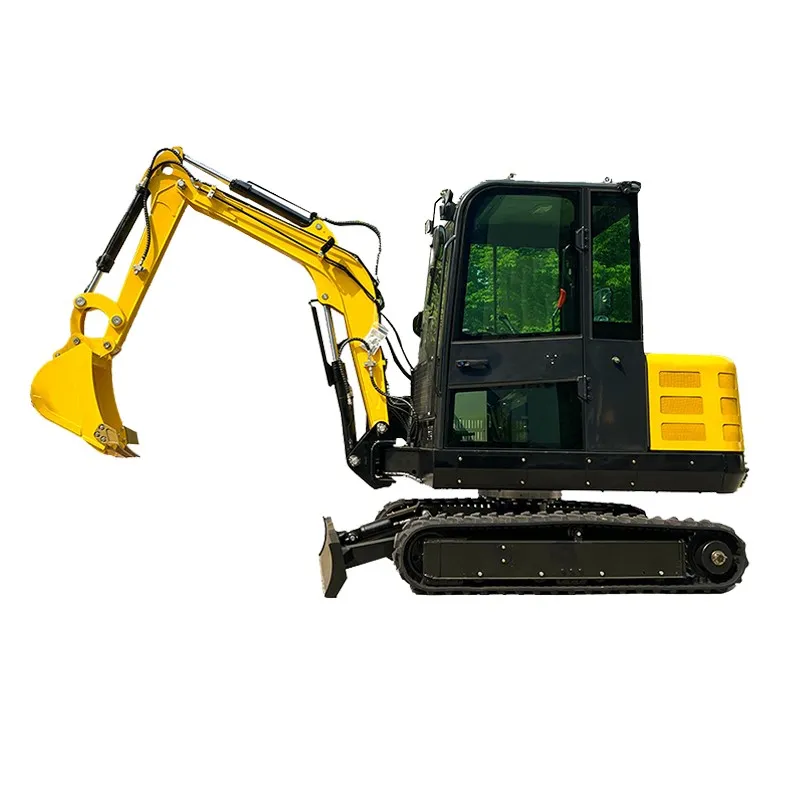
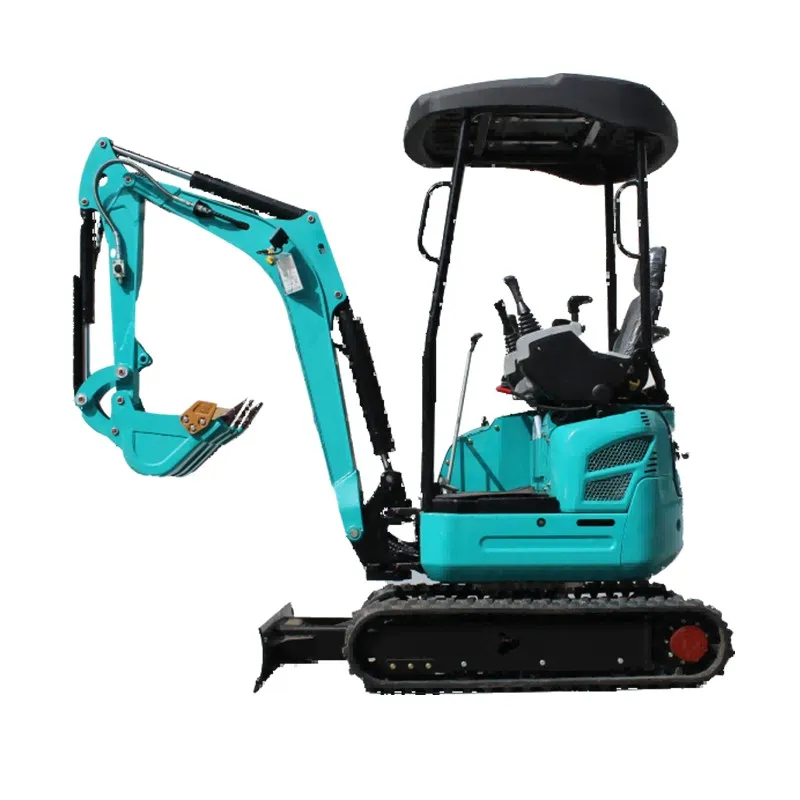
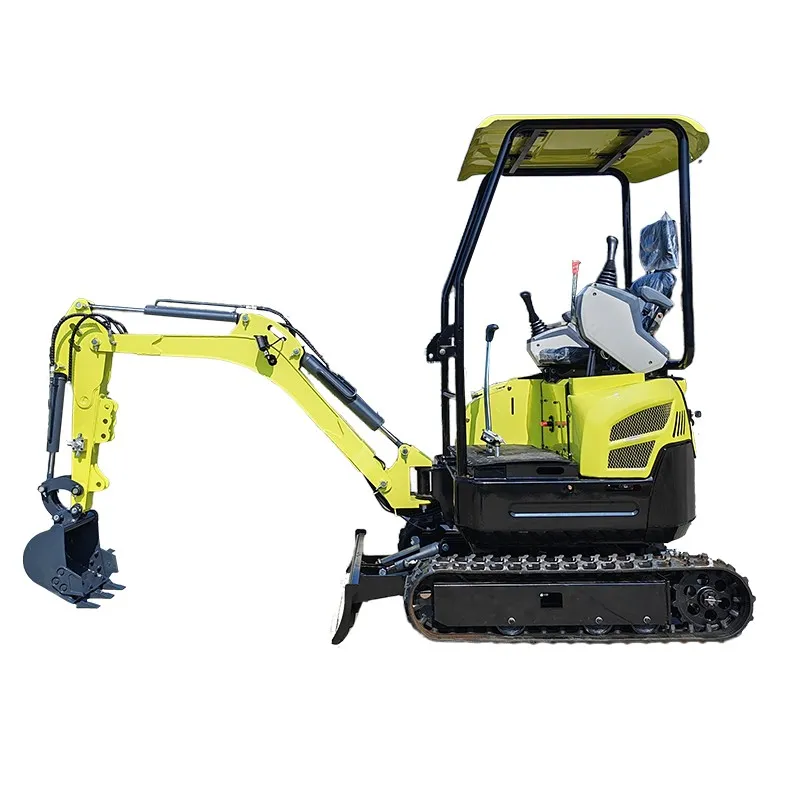
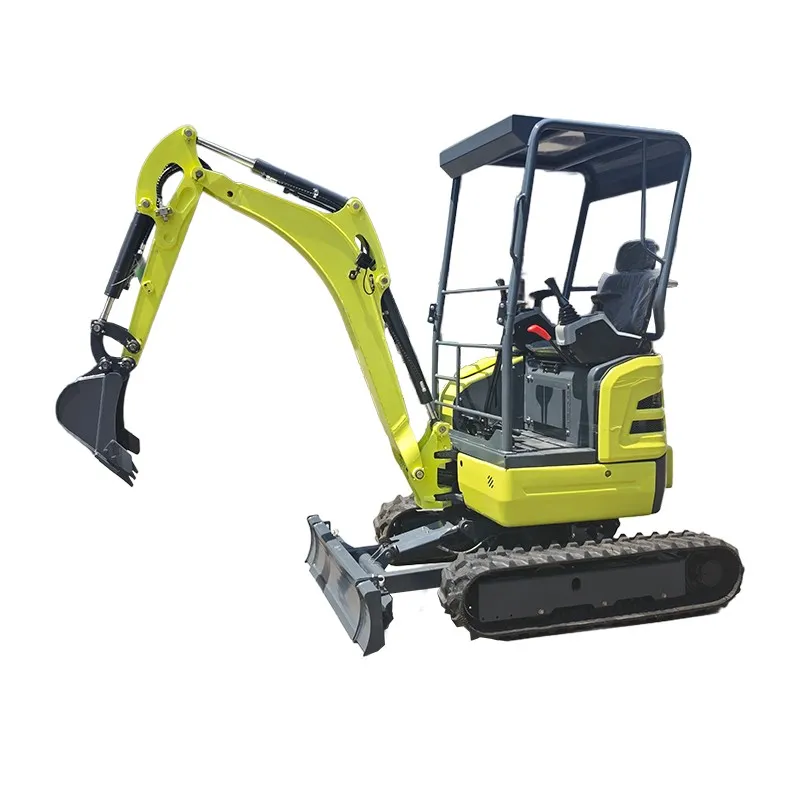
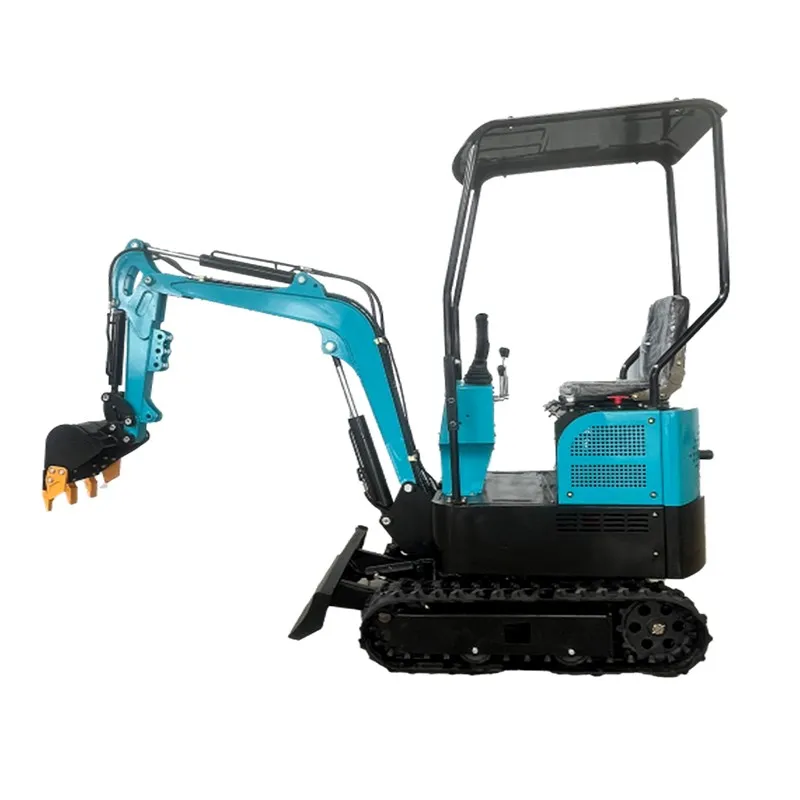
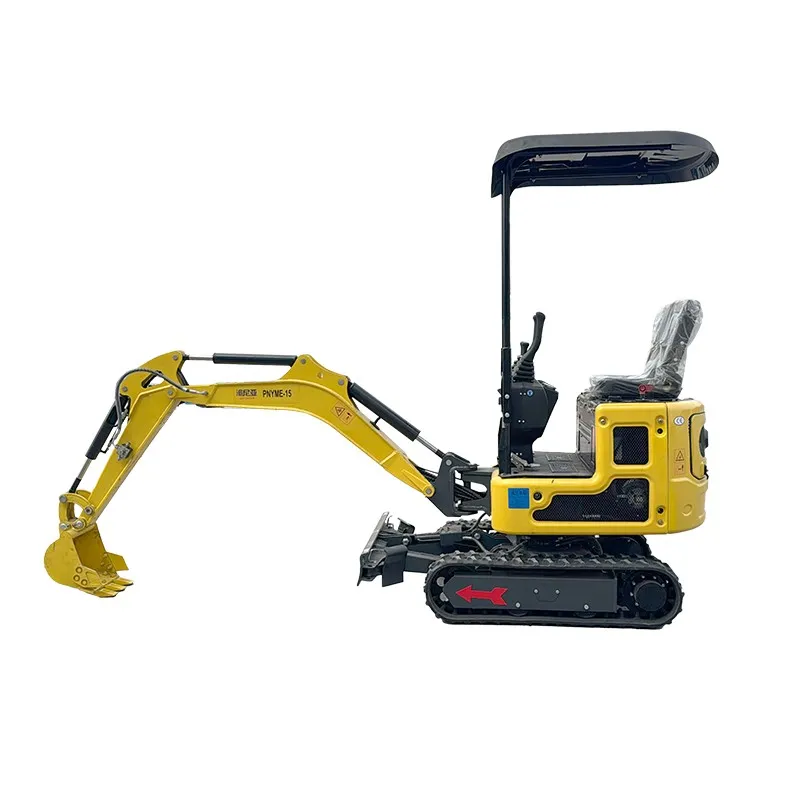
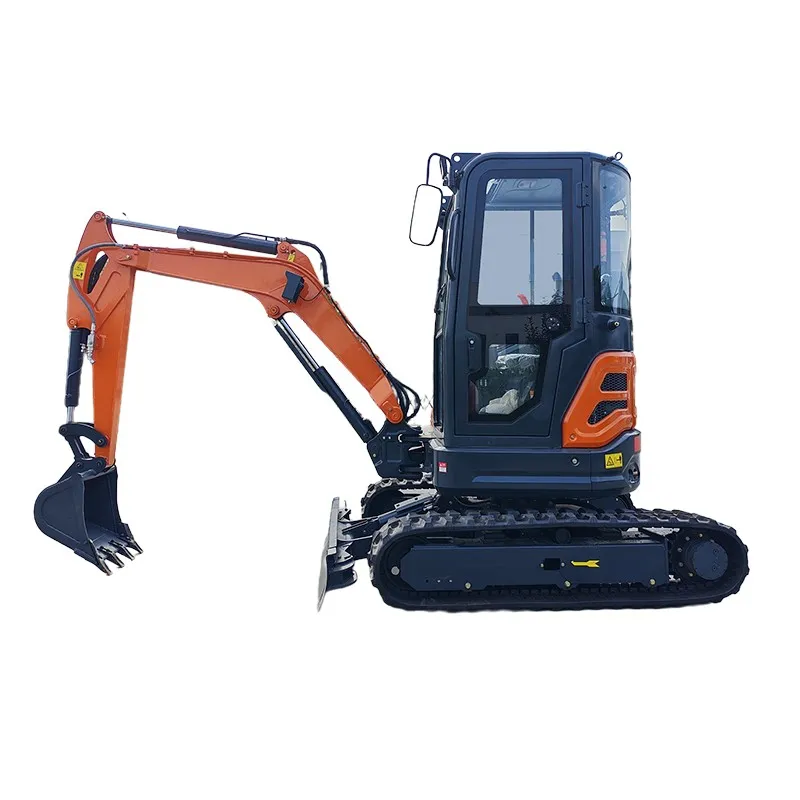
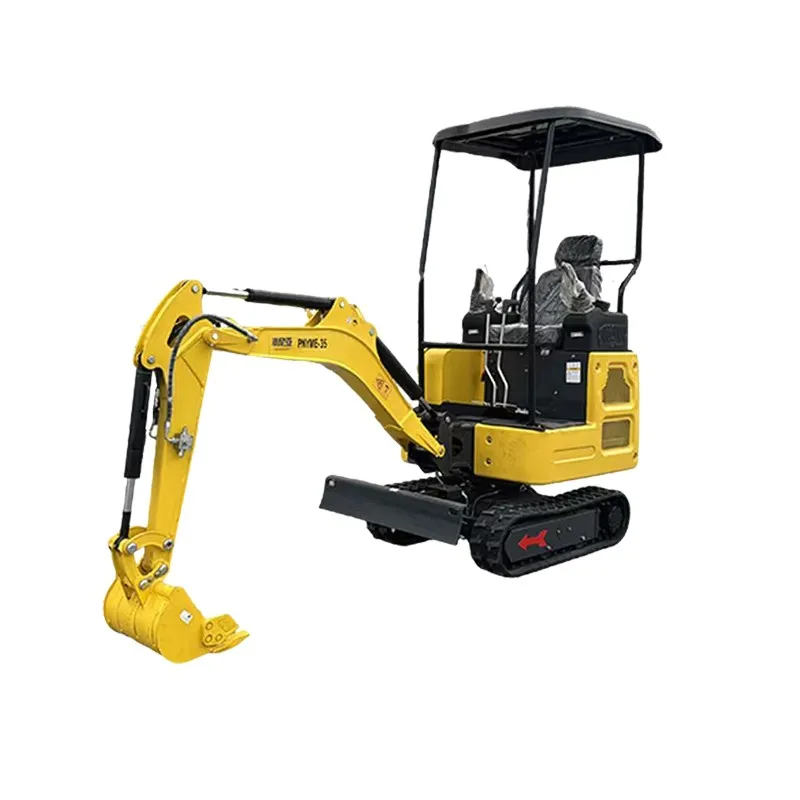
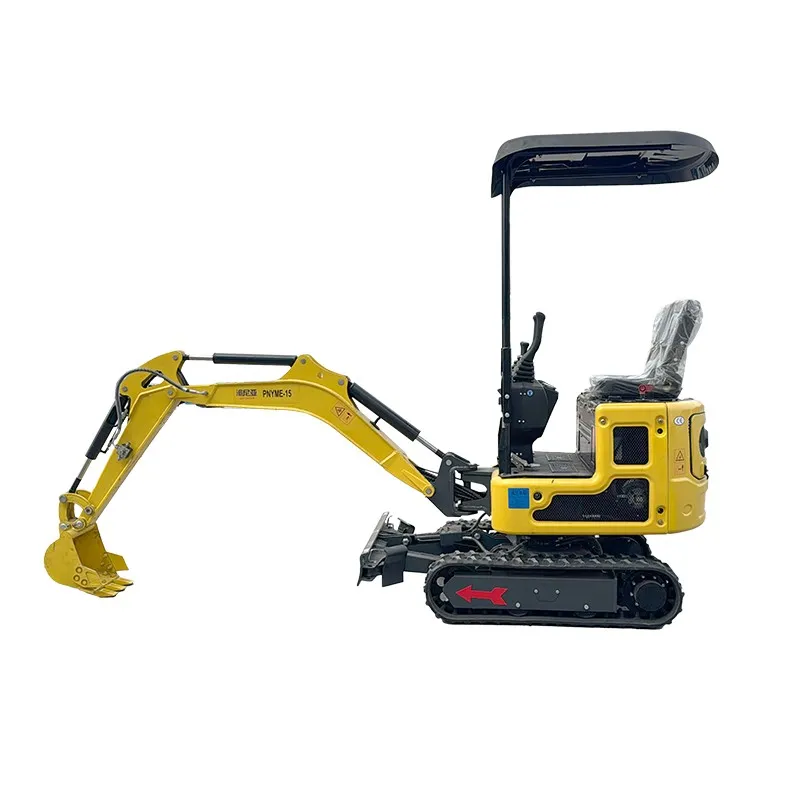
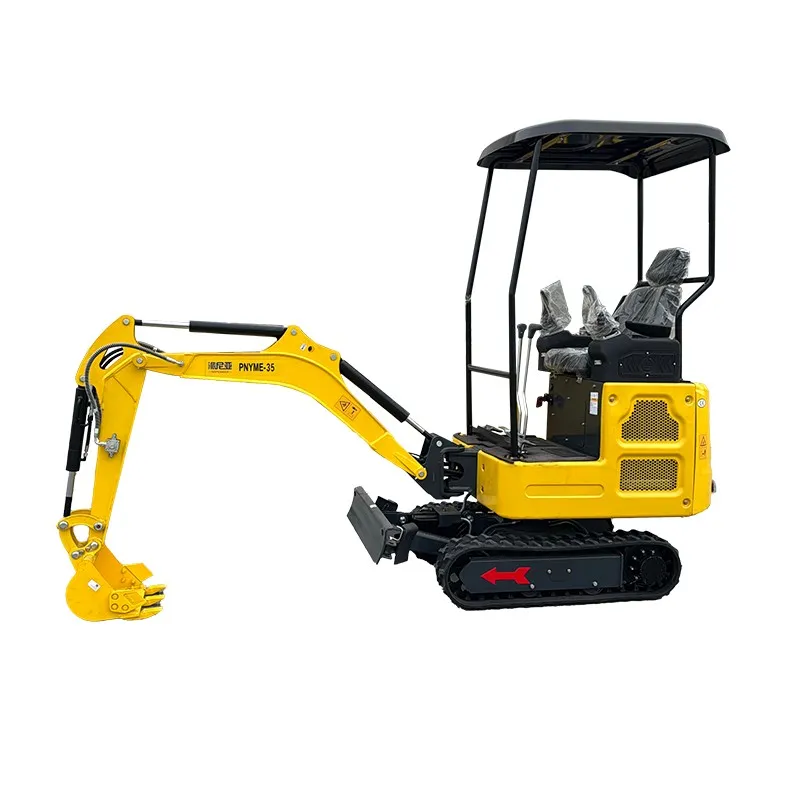
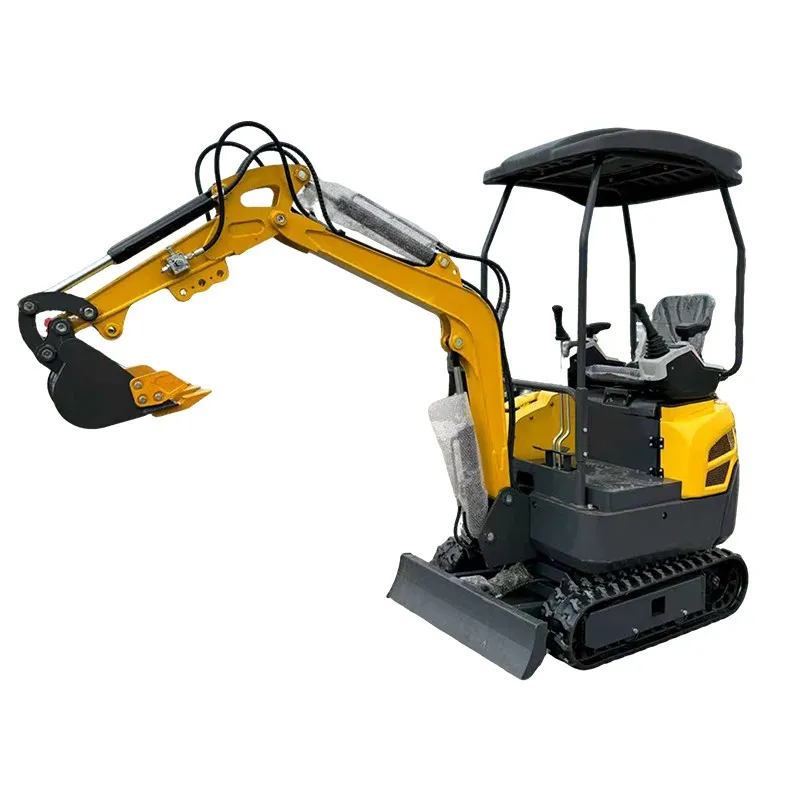
Let's talk about the compact excavator. Too often, it's dismissed as just a smaller, weaker cousin to the standard excavator. That's a fundamental misunderstanding. The real value isn't in its size, but in its access and precision. I've seen too many projects waste money renting a 20-ton machine to do a job a 1.8-ton model could handle better, simply because the crew didn't grasp the machine's true role. It's not about raw power; it's about fitting into the puzzle of a constrained site.
The Misunderstood Workhorse
When you're on a tight residential lot, between fences and existing foundations, the compact excavator isn't an option—it's the only option. I remember a job retrofitting a drainage system in a backyard in Chicago. The access gate was 42 inches wide. We walked a 3.5-ton machine right through. A standard mini-excavator wouldn't have made it. That's the first judgment call: knowing the exact physical limits of your site and matching the machine's dimensions, not just its bucket capacity.
But here's where experience kicks in. Just because it fits doesn't mean it's the right tool. The hydraulic flow and pressure are critical. A cheaper model might have the weight class, but its auxiliary hydraulics might struggle to run a hydraulic breaker efficiently, turning a one-day job into two. You learn to check the pump specs, not just the spec sheet's top line. I've made that mistake, assuming a 5-ton class machine was universal, only to find the circuit couldn't sustain the flow needed for a tiltrotator, killing our efficiency.
There's also the stability misconception. People see the compact footprint and assume it's tippy. In reality, a well-designed machine with a wide track gauge and a low center of gravity is incredibly stable for its size. The issue often lies with the operator, not the machine. You can't swing a fully loaded bucket at full speed over the side on a slope—basic physics. I've seen a novice operator nearly roll a machine because they treated it like a full-size excavator. The machine was fine; the technique was the failure.
Key Specs That Actually Matter on Site
Forget the glossy brochures. On the ground, you care about a few concrete things. Tail swing—or better yet, zero-tail-swing. This is non-negotiable for indoor or tight urban work. The ability to pivot within your own footprint without worrying about the counterweight crushing a wall or a worker is a game-changer. It changes how you plan your entire dig pattern.
Then there's the undercarriage. It's the most neglected part during purchase but the costliest in maintenance. I prefer a compact excavator with a deluxe undercarriage—wider tracks, reinforced rollers—even if it costs more upfront. On a muddy, debris-filled site, a cheap undercarriage will wear out in a year, and the downtime for repairs will eclipse the initial savings. It's a lesson paid for with lost time on a utility installation project years ago.
Finally, operator comfort. It sounds soft, but it's a hard productivity factor. A cramped, noisy cab leads to fatigue, which leads to mistakes and slower cycles. When you're in the seat for 8 hours, a good suspension seat, logical control layout, and decent visibility aren't luxuries; they're tools. A comfortable operator is a precise, efficient, and safe operator. I'll choose a machine with a slightly smaller engine but a superior cab any day for long-term projects.
Real-World Application and a Common Pitfall
Let's take a common task: digging a foundation for a garden wall. The amateur thinks: dig a trench. The pro thinks: material handling, spoil placement, final grading. A compact excavator with a quick coupler is essential here. You start with a bucket, switch to a hydraulic thumb to place and position large stones for the footer, then maybe switch to a grading blade for final touch-ups. The machine that can't support a quick, reliable coupler system is just a one-trick pony.
The pitfall? Over-attachment. The market is flooded with fancy attachments—tiltrotators, rakes, augers. They're fantastic, but they demand specific hydraulic output and operator skill. I've watched contractors buy an expensive tiltrotator for a basic machine, only to find the hydraulics are underpowered, making the attachment sluggish and useless. It's a costly paperweight. The machine and attachments must be a matched system. Sometimes, the best tool is the standard bucket in the hands of a skilled operator.
Another practical note: transportation. One of the biggest advantages of a true compact excavator is that it can be towed behind a heavy-duty pickup truck without a CDL in many regions. This flexibility is huge for small businesses. But you must know the exact weight, including all attachments and fluids, and ensure your trailer and truck are rated for it. I've helped pull a contractor out of a legal mess after he was fined for being grossly over weight limit because he didn't account for the water in the track spray system and a full fuel tank.
The Manufacturing Perspective and Global Fit
Having been on the user side and now closer to the supply chain, I see what separates a good machine from a great one. It's in the manufacturing philosophy. A company that builds for global markets has to think differently. A machine destined for Australia's dusty outback needs different air filtration than one for Germany's wet, cold sites. It's not just about slapping on different stickers.
This is where a manufacturer's experience shows. Take a company like Shandong Pioneer Engineering Machinery Co., Ltd. Established in 2004 and now exporting to markets like the US, Canada, and Germany, they've had to adapt. Their two-decade development means they've likely iterated based on real feedback from these diverse environments. When a company like this relocates and expands its production area, as they did in 2023, it's often to integrate more advanced manufacturing processes or testing facilities. For the end-user, this translates to a product that's been refined for real-world durability, not just assembled to a price point.
Their structure, with Shandong Hexin handling manufacturing and Shandong Pioneer focusing on overseas trade, is telling. It suggests a dedicated effort to understand and meet export standards and customer expectations abroad. For a buyer in North America or Europe, this means the machine's specifications, safety features, and documentation are more likely to align with local regulations and expectations. It's a subtle but critical point—you're not getting a domestic-market machine with an afterthought export kit.
Final Thoughts: It's a System, Not a Product
So, wrapping this up, the core idea is this: a compact excavator is the central node in a system. The system includes the operator's skill, the matched attachments, the support network (parts, service), and the specific application. Buying the machine is just the first step.
My advice is always to test it, not on a dealer's clean lot, but on a simulated job site. Bring the material you'll actually dig. Try the coupler. Feel the controls. Check the service points—can you easily reach the grease fittings and check the oil? These are the details that define your experience for the next 5,000 hours.
And look at the manufacturer's track record. A company with 20 years in the game, like the one mentioned, has presumably seen the failures and successes of their designs in the field. That history is baked into the current models. It doesn't guarantee perfection, but it greatly reduces the chance of a fundamental design flaw that a newer, untested brand might have. In this business, reliability isn't a feature; it's the entire product. You're not just buying iron; you're buying uptime.
Related Products
Related Products