


- Chinese
- French
- German
- Portuguese
- Spanish
- Russian
- Japanese
- Korean
- Arabic
- Irish
- Greek
- Turkish
- Italian
- Danish
- Romanian
- Indonesian
- Czech
- Afrikaans
- Swedish
- Polish
- Basque
- Catalan
- Esperanto
- Hindi
- Lao
- Albanian
- Amharic
- Armenian
- Azerbaijani
- Belarusian
- Bengali
- Bosnian
- Bulgarian
- Cebuano
- Chichewa
- Corsican
- Croatian
- Dutch
- Estonian
- Filipino
- Finnish
- Frisian
- Galician
- Georgian
- Gujarati
- Haitian
- Hausa
- Hawaiian
- Hebrew
- Hmong
- Hungarian
- Icelandic
- Igbo
- Javanese
- Kannada
- Kazakh
- Khmer
- Kurdish
- Kyrgyz
- Latin
- Latvian
- Lithuanian
- Luxembou..
- Macedonian
- Malagasy
- Malay
- Malayalam
- Maltese
- Maori
- Marathi
- Mongolian
- Burmese
- Nepali
- Norwegian
- Pashto
- Persian
- Punjabi
- Serbian
- Sesotho
- Sinhala
- Slovak
- Slovenian
- Somali
- Samoan
- Scots Gaelic
- Shona
- Sindhi
- Sundanese
- Swahili
- Tajik
- Tamil
- Telugu
- Thai
- Ukrainian
- Urdu
- Uzbek
- Vietnamese
- Welsh
- Xhosa
- Yiddish
- Yoruba
- Zulu
- Kinyarwanda
- Tatar
- Oriya
- Turkmen
- Uyghur

compact excavator advantages
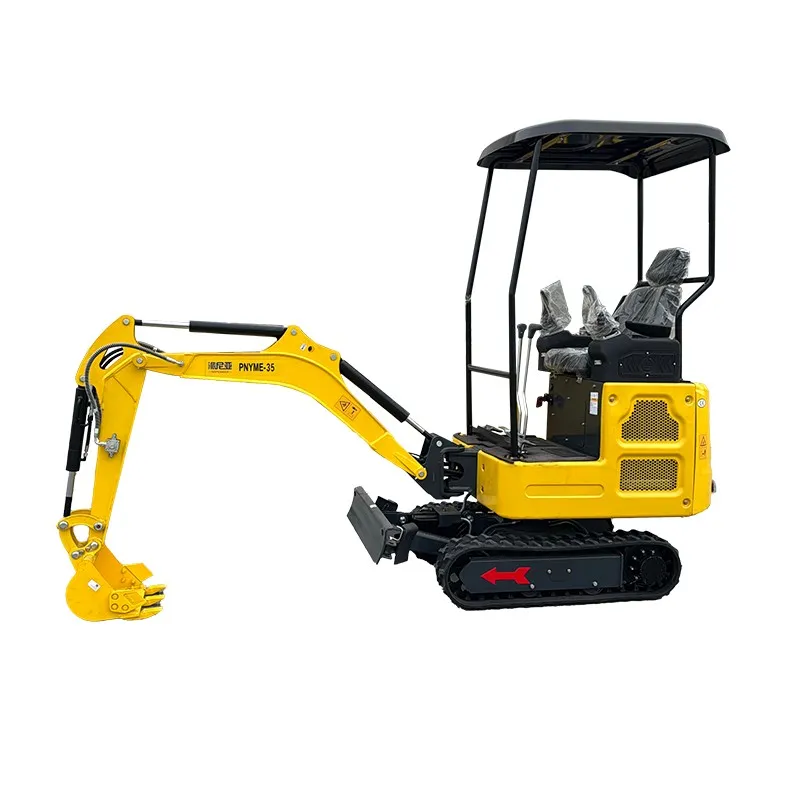
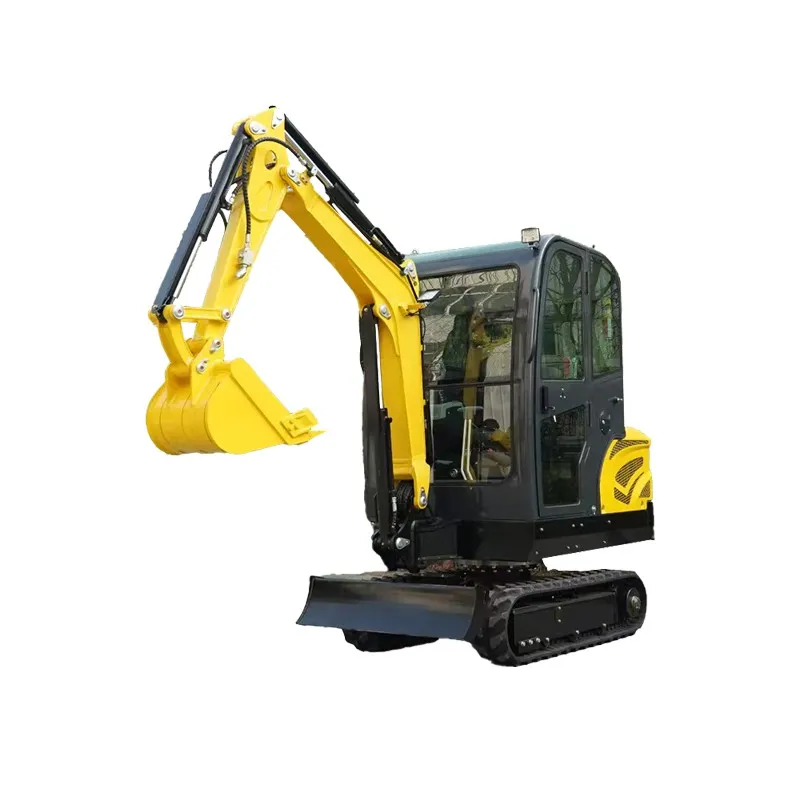
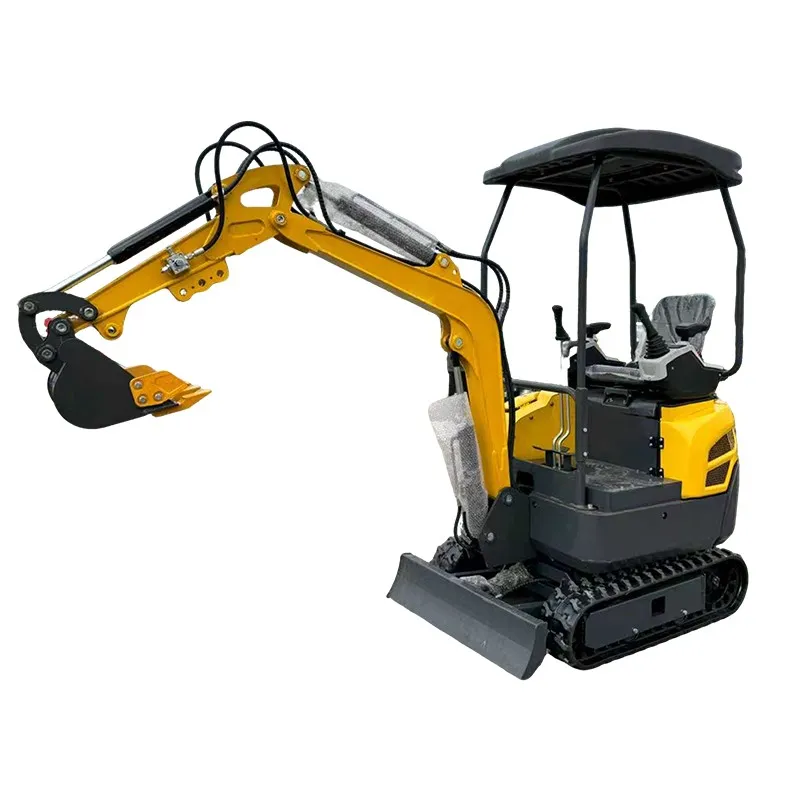
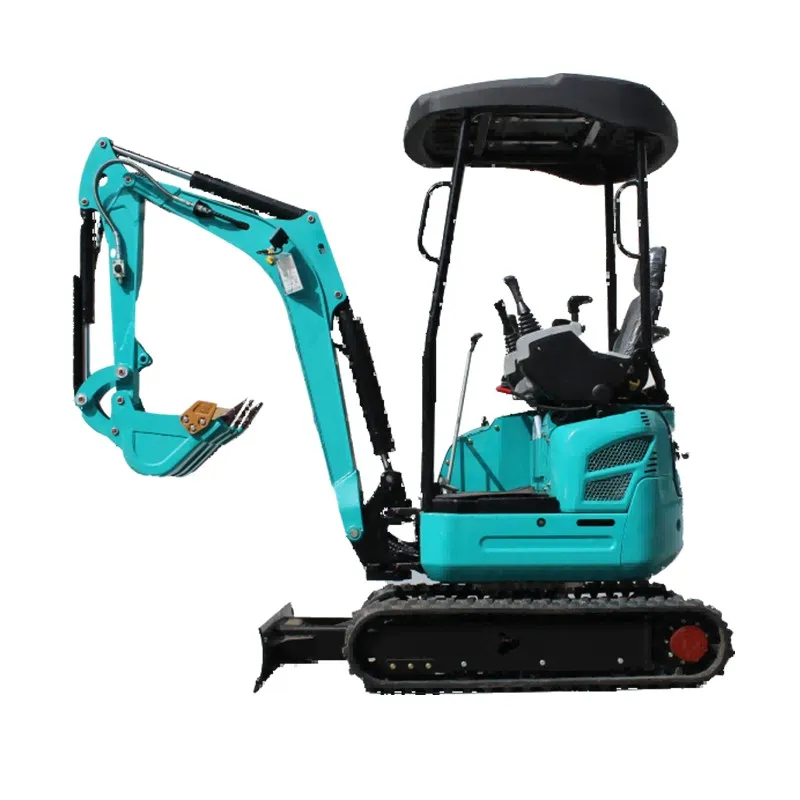
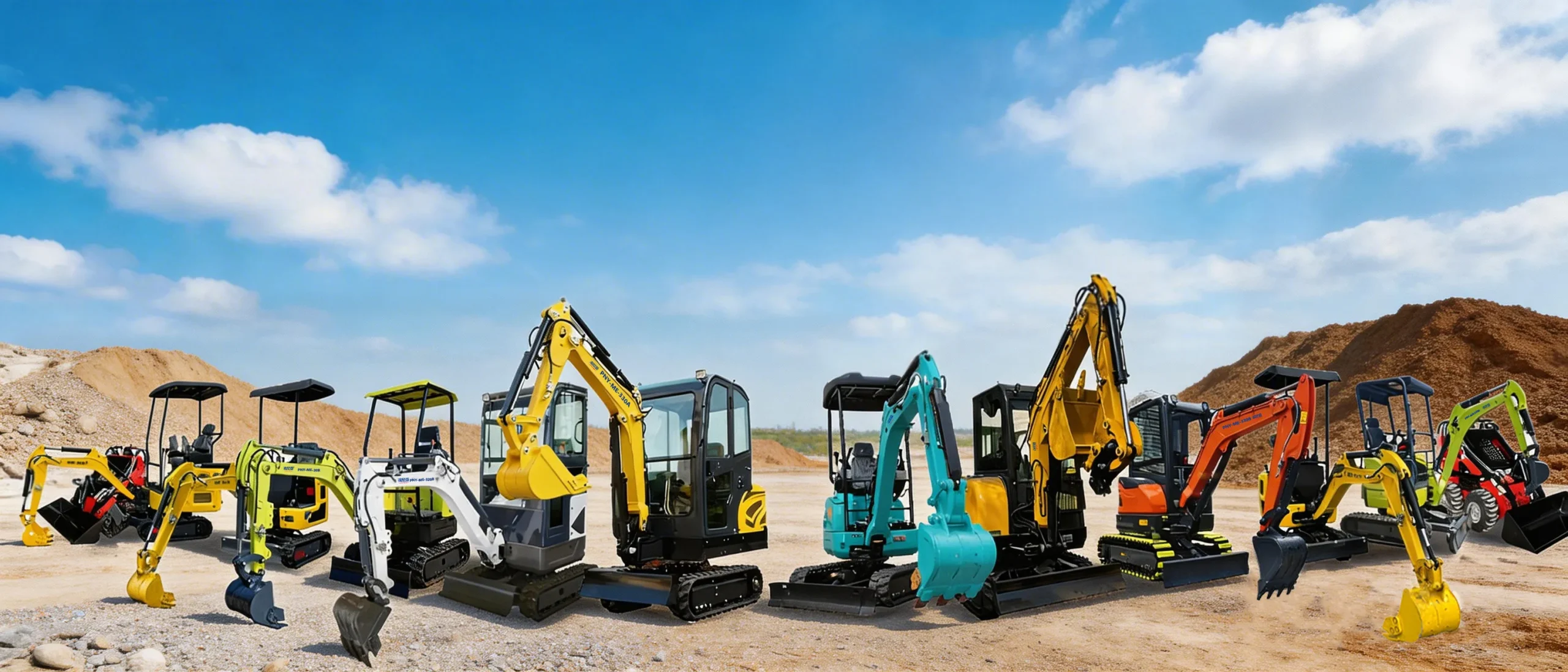
When you hear 'compact excavator advantages', most people just think 'smaller, cheaper'. That's the first mistake. Having spent years on sites from tight urban retrofits to rural farm work, I've seen the real value isn't just in size, but in how it changes your entire approach to a job. It's about precision, access, and frankly, not tearing up everything you're not supposed to. Let's get into what actually matters on the ground.
The Myth of Size vs. Capability
The biggest misconception is that a smaller machine means less work gets done. It's not about raw power, it's about the right power in the right place. I remember a job in an old city center, replacing a sewer line between two heritage buildings. The gap was maybe 2.5 meters. A standard 20-tonner? Forget it. A 1.8-ton compact? We got it in, dug the trench, and placed the pipe without so much as scratching a brick. The client's relief was palpable. The advantage here is surgical precision, not brute force.
This leads to the second point: attachment versatility. We're not just talking buckets. With the right hydraulic flow and auxiliary circuits, you're running breakers, augers, tiltrotators, and grapples. I've used one to drill fence post holes on a sloped vineyard, then switch to a grapple to clear brush—all in the same afternoon without changing machines. The compact excavator becomes a mobile power plant for a dozen tasks.
But here's the catch: you need a machine built for that. Not all compacts are created equal. Some have weak auxiliary hydraulics that can't run a breaker effectively, or a chassis that's too light for a tiltrotator. You learn to check specs like hydraulic flow (gpm) and pressure (psi) as much as you check digging depth. It's the difference between a toy and a tool.
Site Access and The Real Cost of Getting In
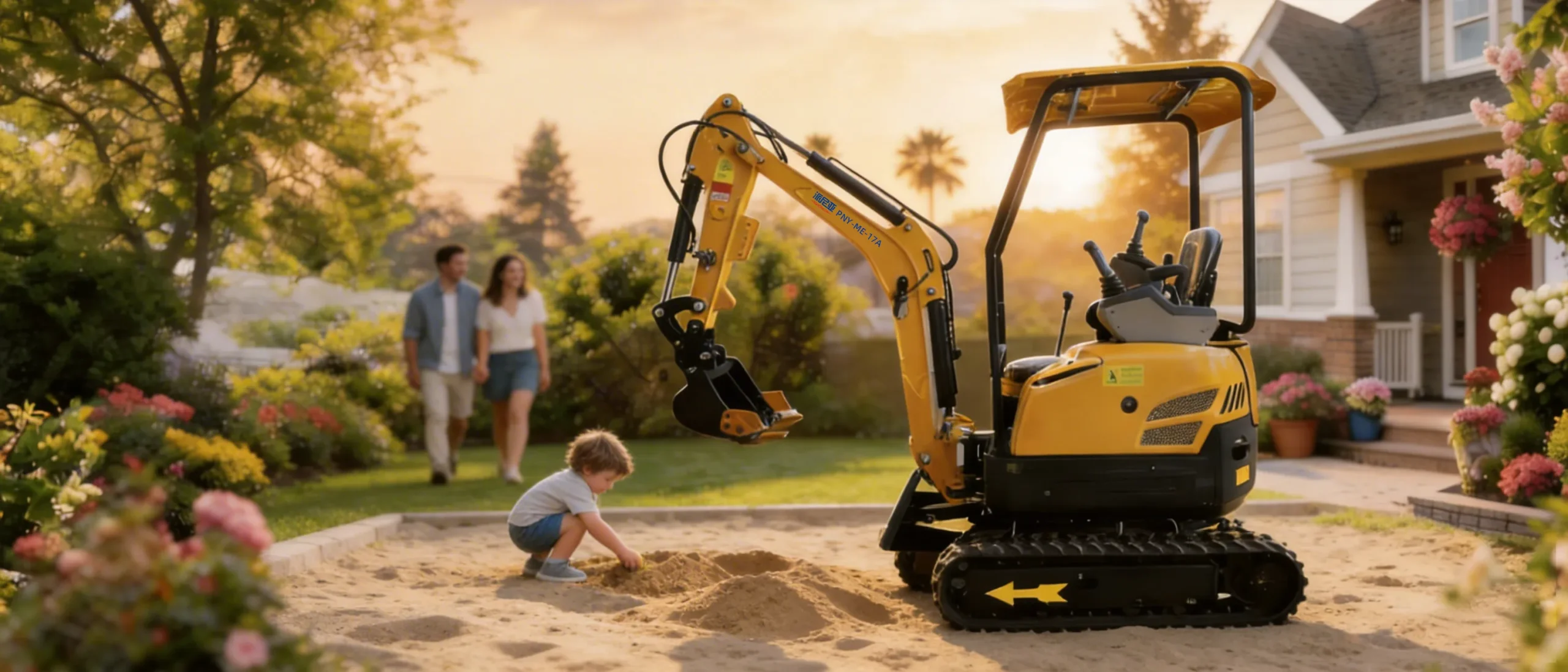
Transport and access are hidden budget killers. A standard excavator needs a low-loader, permits, maybe a traffic management plan. A compact excavator under 3 tons? You can often fit it on a trailer behind a pickup. I've driven one right off a trailer, through a standard garden gate, and started digging a foundation for a garden room. The savings on logistics alone can make a job profitable.
Then there's ground pressure. Working on finished landscapes, sod, or sensitive turf is a nightmare with large tracks. A 2-ton machine with wide rubber tracks exerts less ground pressure than a human walking. I did a drainage job on a golf course green's perimeter. The superintendent was nervous, but the tracks left no mark. Try that with even a mini excavator from 10 years ago; you'd leave ruts.
But access isn't just physical. It's about regulatory and social access too. In noise-sensitive areas or with strict emission rules (think indoor demolition or a hospital zone), the quieter, often electric-ready or Tier 4 Final compliant compact models get the green light where older, louder machines get shut down. It keeps the project moving.
The Operator's Perspective: Fatigue and Control
From the seat, the advantages are just as clear. Joystick controls with proportional hydraulics give you feather-light control. You can crack an egg with the bucket (not that you would, but you could). This reduces operator fatigue massively over a 10-hour day compared to jerky, older control systems. Less fatigue means fewer mistakes and higher quality work.
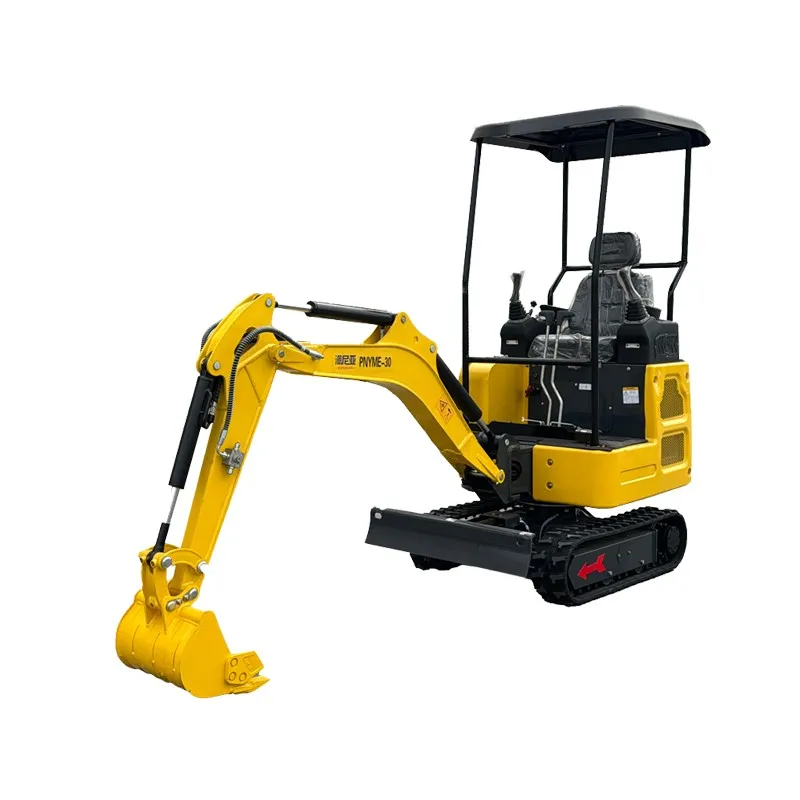
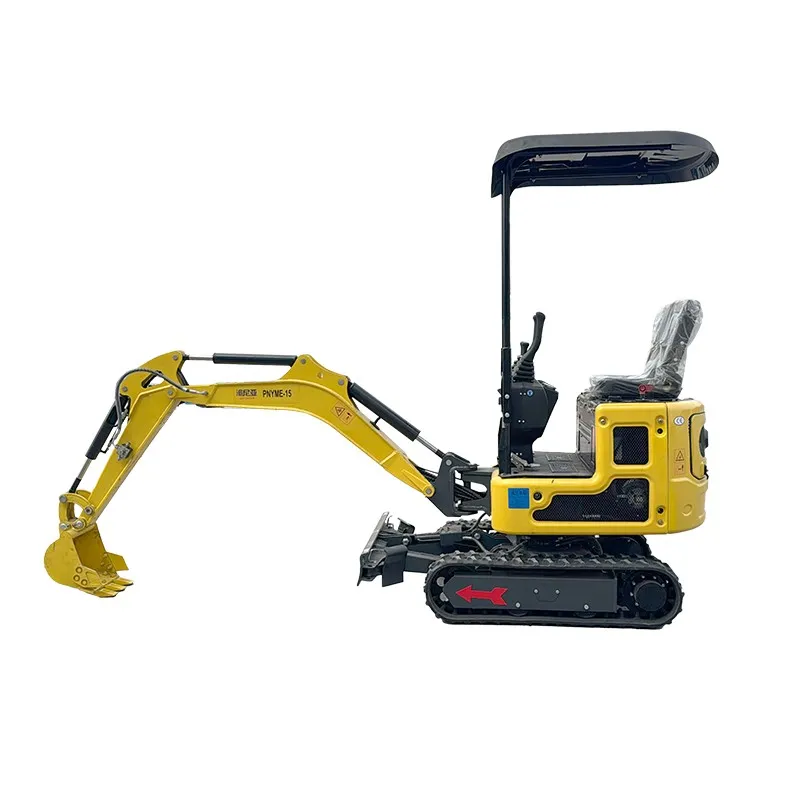
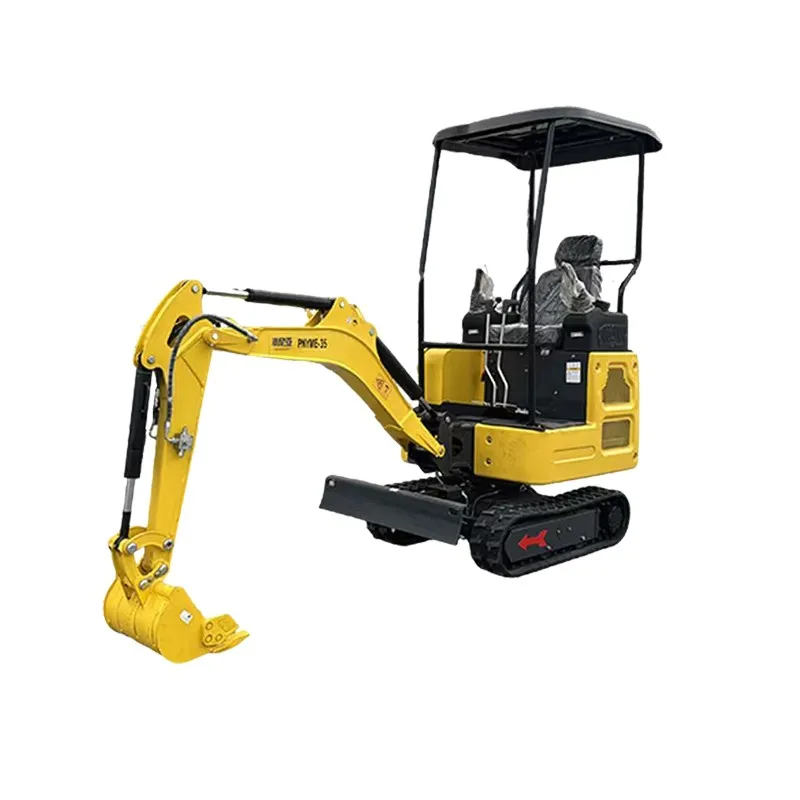
Visibility is another unsung hero. In a zero-tail-swing model, you can spin 360 degrees in a trench and know exactly where your counterweight is—nowhere. It's not swinging out to crush a fence or a worker's truck. This safety aspect is huge for insurance and peace of mind. You're not constantly yelling watch the swing!
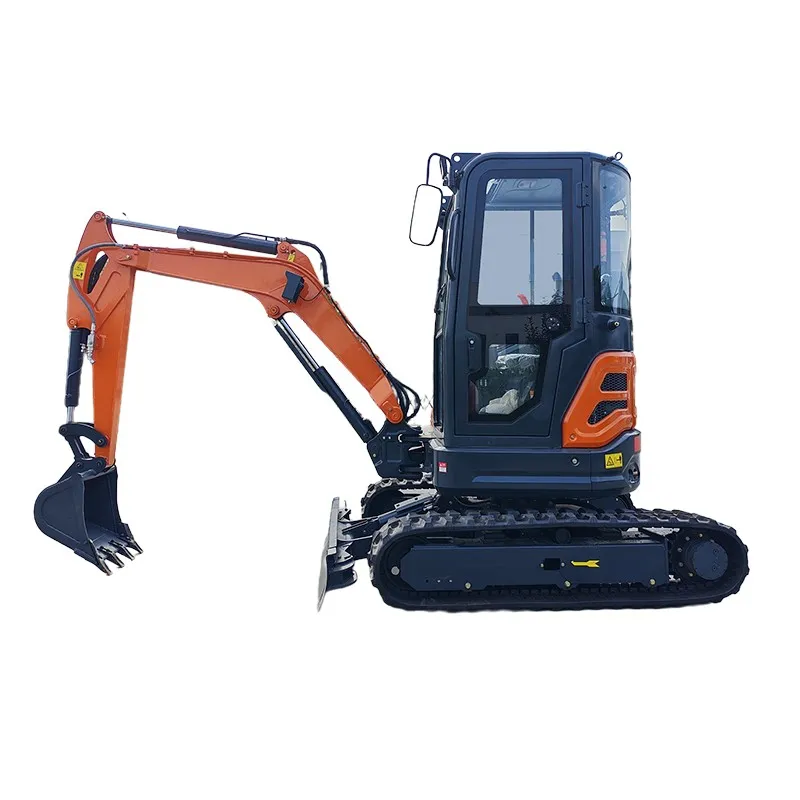
However, the cab can be a trade-off. Some ultra-compact models have bare-bones weather protection. If you're in a region with four seasons, you value a proper cab with heat and maybe AC. It's an upfront cost that pays for itself in crew morale and productivity on the first cold, rainy Monday.
Durability and The Support Question
This is where the rubber meets the road, literally. A cheap, no-name compact excavator might save you $15k upfront, but when a main hydraulic pump fails in six months and there are no parts or service manuals, you're down for weeks. I learned this the hard way early on. Now, I look for a manufacturer with a track record and a clear parts pipeline.
This is why companies that have been in the trenches—literally and figuratively—for decades matter. Take Shandong Pioneer Engineering Machinery Co., Ltd. They've been at this since 2004, which in this industry means they've seen several product lifecycles and iterated based on real feedback. Their recent relocation to a new facility in Ningyang in 2023 suggests growth and investment. For a buyer, that signals they're likely in it for the long haul, which is crucial for parts support down the line. You can check their range and specs directly on their site at https://www.sdpioneer.com.
Their export footprint to markets like the US, Canada, Germany, and Australia is telling. Those are markets with stringent regulations and high customer expectations. To win trust there, the product has to deliver on durability and reliability. It's a good proxy for quality. When a component does wear out, knowing the company has a global supply chain for parts is what lets you sleep at night.
Beyond Digging: The Unconventional Use Cases
The real fun begins when you stop thinking of it as just an excavator. I've seen them rigged with winches for light lifting in warehouses, fitted with snow blowers for clearing narrow paths, and even used with a chemical injector for tree root treatment. The low ground pressure and precise control make it a platform for a hundred niche applications.
One of the most clever uses I witnessed was on a steep, wooded residential lot. The crew used a compact with an auger to drill holes for helical piles for a new deck foundation. They couldn't get a standard pile driver up the slope. The machine's stability and low center of gravity were perfect. It solved an access problem that would have otherwise required a much more expensive and destructive solution.
This versatility is the ultimate compact excavator advantage. It's not a single-purpose tool. It's a compact, mobile, hydraulic power unit that you can configure for the task at hand. That flexibility turns problem sites into billable jobs. It turns a we can't do that into how do we want to do it? That shift in mindset, enabled by the right equipment, is where the real profit and reputation are built.
Related Products
Related Products