- Chinese
- French
- German
- Portuguese
- Spanish
- Russian
- Japanese
- Korean
- Arabic
- Irish
- Greek
- Turkish
- Italian
- Danish
- Romanian
- Indonesian
- Czech
- Afrikaans
- Swedish
- Polish
- Basque
- Catalan
- Esperanto
- Hindi
- Lao
- Albanian
- Amharic
- Armenian
- Azerbaijani
- Belarusian
- Bengali
- Bosnian
- Bulgarian
- Cebuano
- Chichewa
- Corsican
- Croatian
- Dutch
- Estonian
- Filipino
- Finnish
- Frisian
- Galician
- Georgian
- Gujarati
- Haitian
- Hausa
- Hawaiian
- Hebrew
- Hmong
- Hungarian
- Icelandic
- Igbo
- Javanese
- Kannada
- Kazakh
- Khmer
- Kurdish
- Kyrgyz
- Latin
- Latvian
- Lithuanian
- Luxembou..
- Macedonian
- Malagasy
- Malay
- Malayalam
- Maltese
- Maori
- Marathi
- Mongolian
- Burmese
- Nepali
- Norwegian
- Pashto
- Persian
- Punjabi
- Serbian
- Sesotho
- Sinhala
- Slovak
- Slovenian
- Somali
- Samoan
- Scots Gaelic
- Shona
- Sindhi
- Sundanese
- Swahili
- Tajik
- Tamil
- Telugu
- Thai
- Ukrainian
- Urdu
- Uzbek
- Vietnamese
- Welsh
- Xhosa
- Yiddish
- Yoruba
- Zulu
- Kinyarwanda
- Tatar
- Oriya
- Turkmen
- Uyghur


Compact excavator dealer China
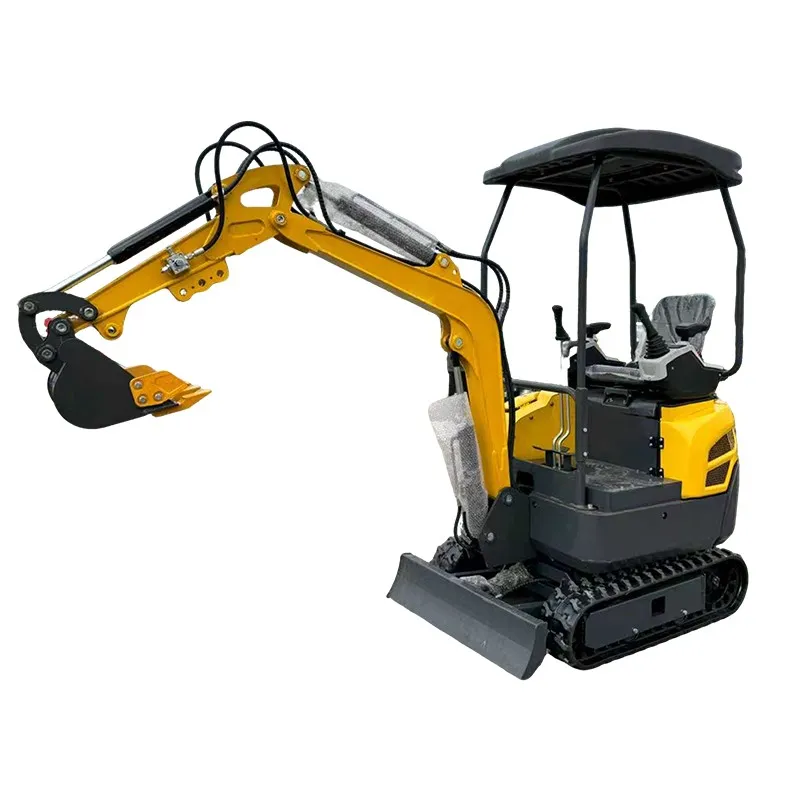
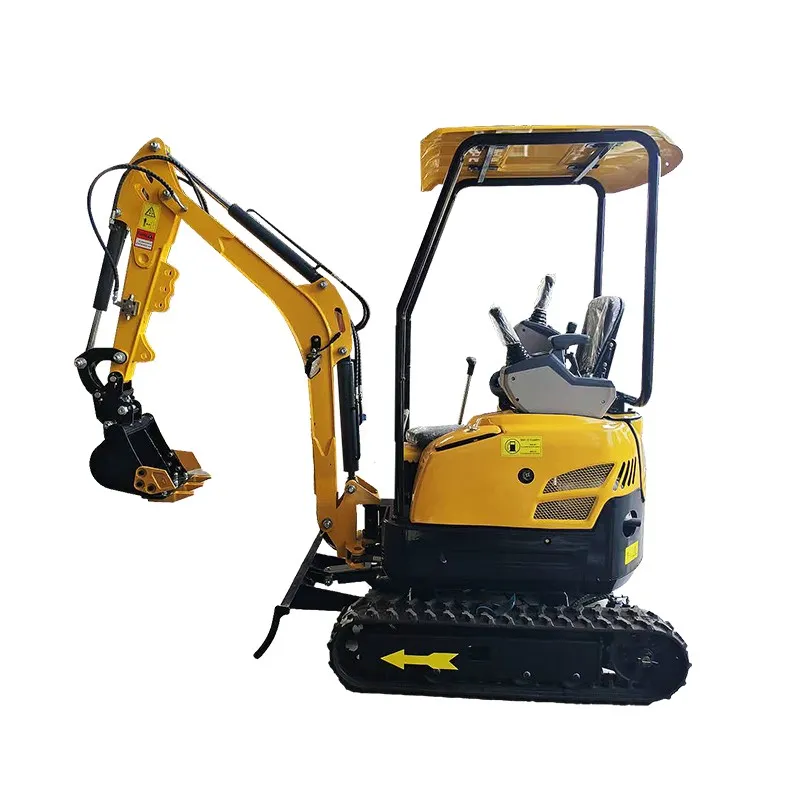
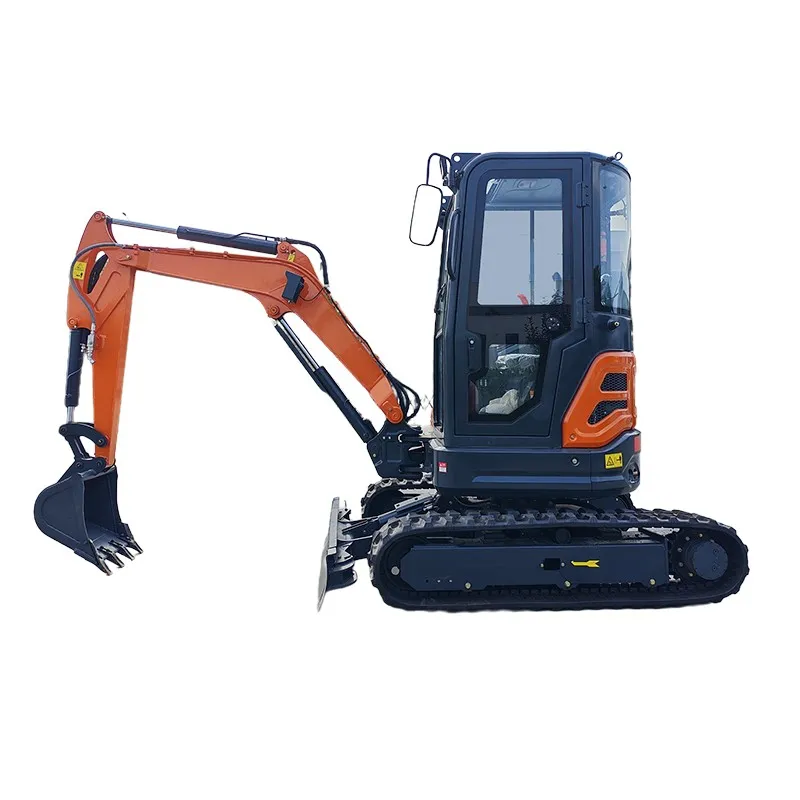
When you hear 'compact excavator dealer China', most people immediately think of massive online marketplaces or sprawling industrial parks in Shanghai. That's the first misconception. The real action, and often the real value, isn't always in the most obvious places. It's in the regional hubs, the manufacturing towns you've probably never heard of, where companies have grown from workshops into global suppliers. The dealer network here is less about flashy showrooms and more about deep, often complex, supply chain relationships and manufacturing pedigree. It's a world where a company's history on the ground—its literal square meters of production space and its relocation journeys—can tell you more about its reliability than a slick website ever could.
Beyond the Port Cities: Where the Real Manufacturing Lives
Everyone targets the big names in Jiangsu or Zhejiang. But some of the most resilient suppliers I've worked with are based in Shandong. It's a province with a gritty, industrial backbone, and the companies here often have a different operational tempo. They're embedded in the local component ecosystem. For instance, take a company like Shandong Pioneer Engineering Machinery Co., Ltd. You find their site at https://www.sdpioneer.com and see they've been around since 2004, starting in Jining. That's nearly two decades of navigating the cycles of this industry. That longevity, especially for a compact excavator dealer and manufacturer, isn't just a number. It means they've survived the quality shakeouts, the export slumps, and have likely built a stable network of sub-suppliers for hydraulics and undercarriages. Their recent relocation in 2023 to a new facility in Ningyang signals growth, a need for more space—a tangible, physical investment you don't see from every trading company.
This move is a critical detail. In China, a factory relocation is a massive undertaking, not just logistically but in terms of re-qualifying production lines and supply routes. When a company invests in that, it's betting on its future. For a buyer, it hints at stability. You're not dealing with a fly-by-night operation operating from a shared warehouse. Their 1,600 square meters of production area, while not the largest, suggests a focused operation, possibly specializing in a certain range of compact machines. It's a scale where quality control can be more hands-on.
The partnership model they mention—Shandong Hexin handling manufacturing and Shandong Pioneer handling overseas trade—is a classic and effective structure for many Chinese machinery exporters. It allows the manufacturing arm to focus purely on production, while the trading arm, the dealer face to the world, handles market adaptation, certifications, and client relationships. When you engage with Pioneer, you're tapping into this bifurcated expertise. It's a setup that, when it works well, provides a single point of contact for international buyers while ensuring the factory isn't distracted by export paperwork.
The Dealer's Actual Role: More Than a Middleman
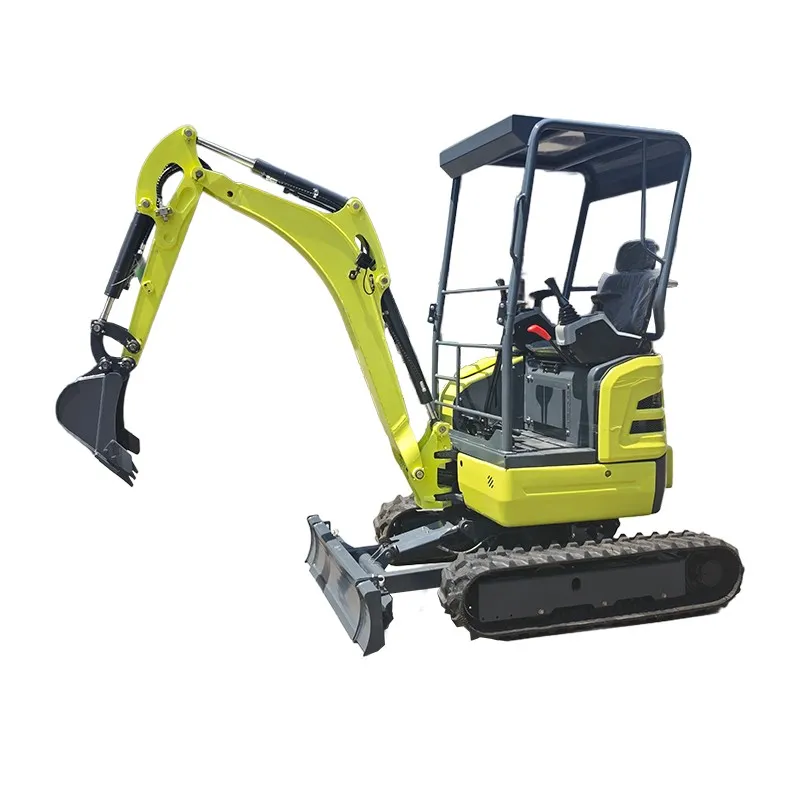
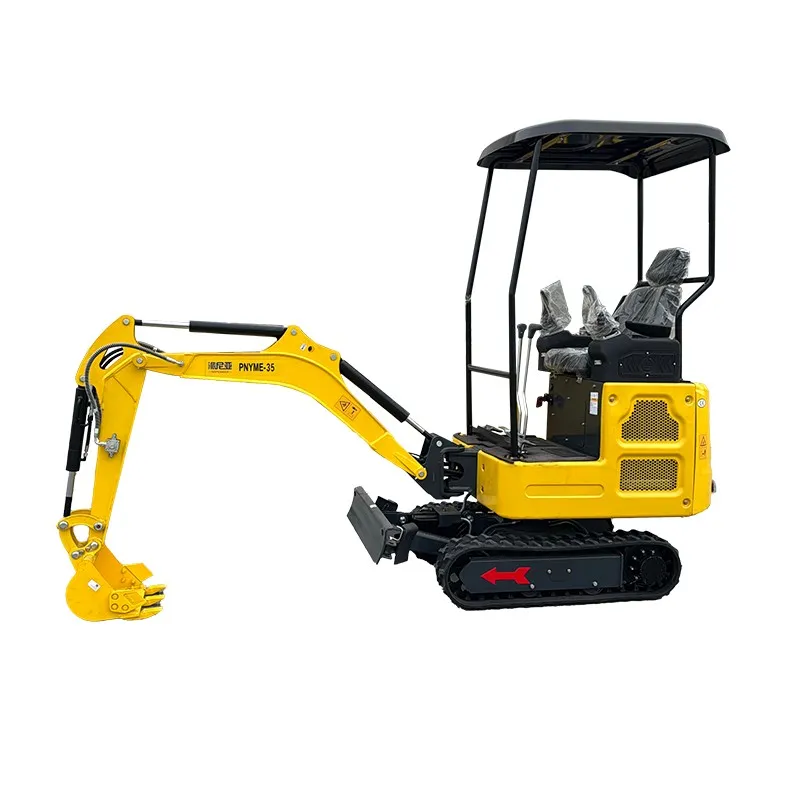
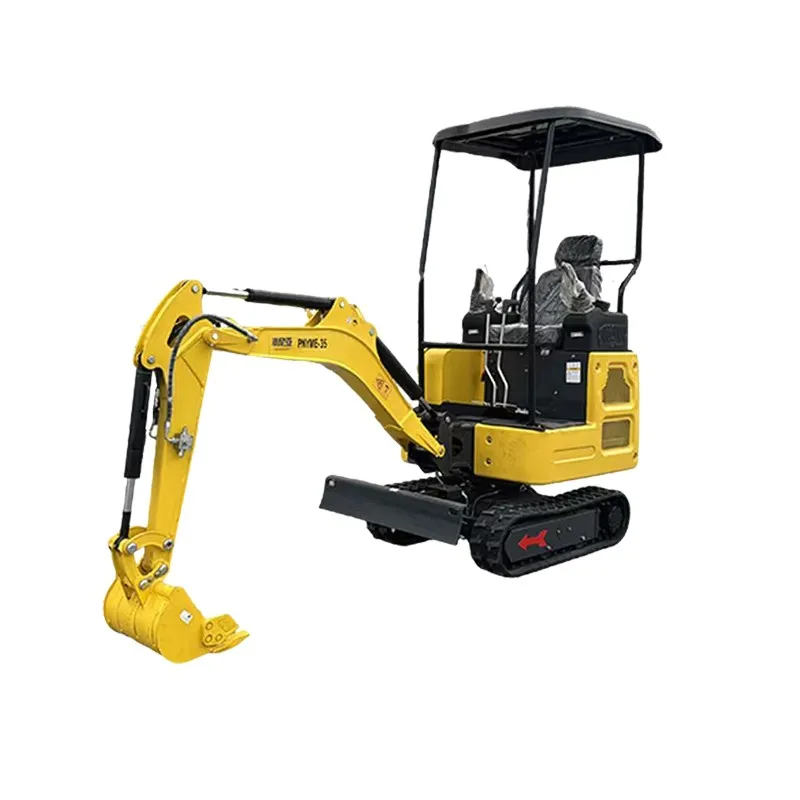
The term 'dealer' in the Chinese context can be misleading. Many are integrated manufacturers. So, you're often buying directly from the source, but the interface is a trading company with dealer functions. Their real value isn't just in moving a machine from point A to B. It's in configuration. Can they tailor the auxiliary hydraulic circuit for your specific breaker attachment? Will they source and fit the right brand of rubber tracks for predominantly pavement work? A good dealer/manufacturer combo does this. Pioneer's export footprint to places like the US, Canada, and Germany implies they've had to navigate CE, EPA, and other certifications. That's a non-trivial hurdle and a sign they're serious about regulated markets.
I recall a project for a rental fleet in Australia. The client needed machines with very specific counterweight configurations for stability on slopes, and a quick-coupler system that was not the Chinese standard. We approached several compact excavator suppliers. The ones who were merely order-takers faltered, quoting long lead times for custom work. The capable ones, those with engineering teams sitting near the factory floor, engaged immediately. They discussed modifying the bracket weldment points on the boom and reprogramming the hydraulic flow settings. That's the level of support you need. A company with 20 years of development and accumulation, as Pioneer notes, should have this ingrained problem-solving capacity.
Where many fail is in after-sales support for the dealer network abroad. Supplying the machine is one thing; ensuring a technician in Germany or a parts warehouse in Canada has the right diagrams and components is another. The trust they mention winning worldwide is earned or lost right here. It's about having a logical, accessible parts numbering system and providing comprehensive service manuals, not just poorly translated pamphlets. This is an area where you have to dig deep in conversations, asking for specific examples of how they've resolved a complex field failure for an overseas client.
Product Evolution and Market Fit
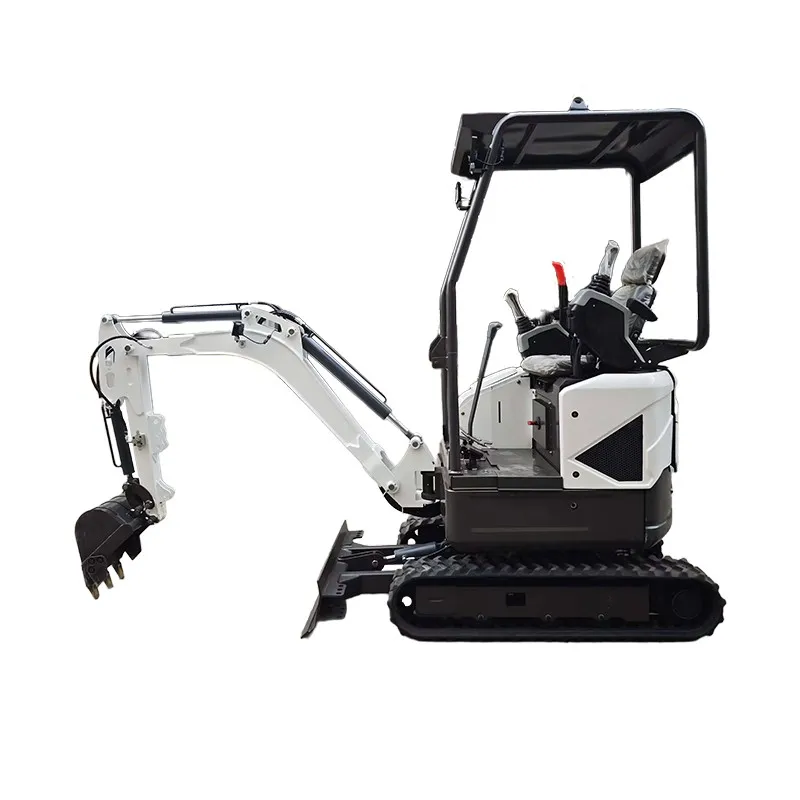
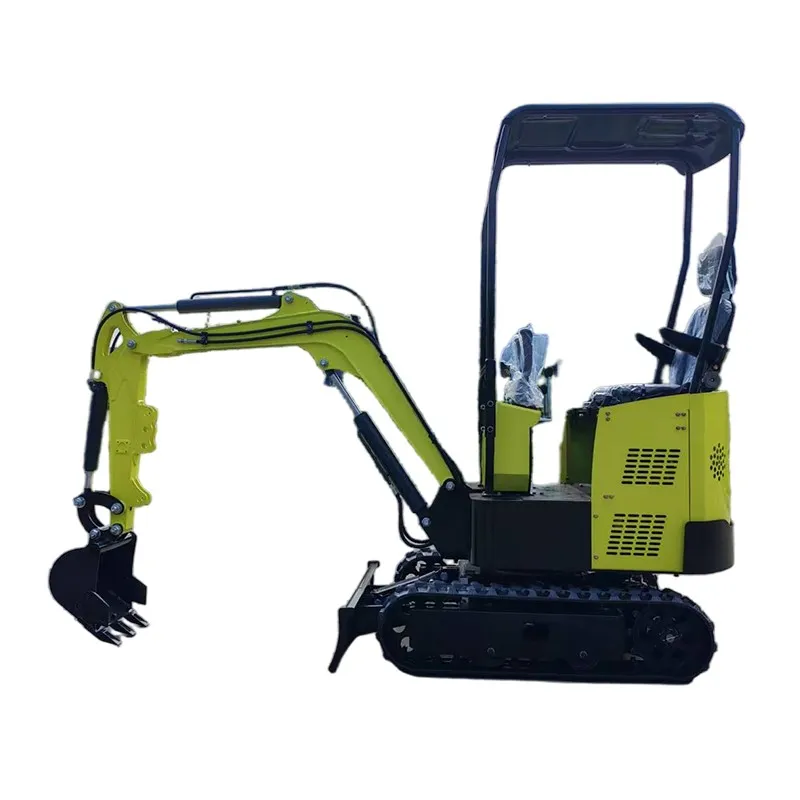
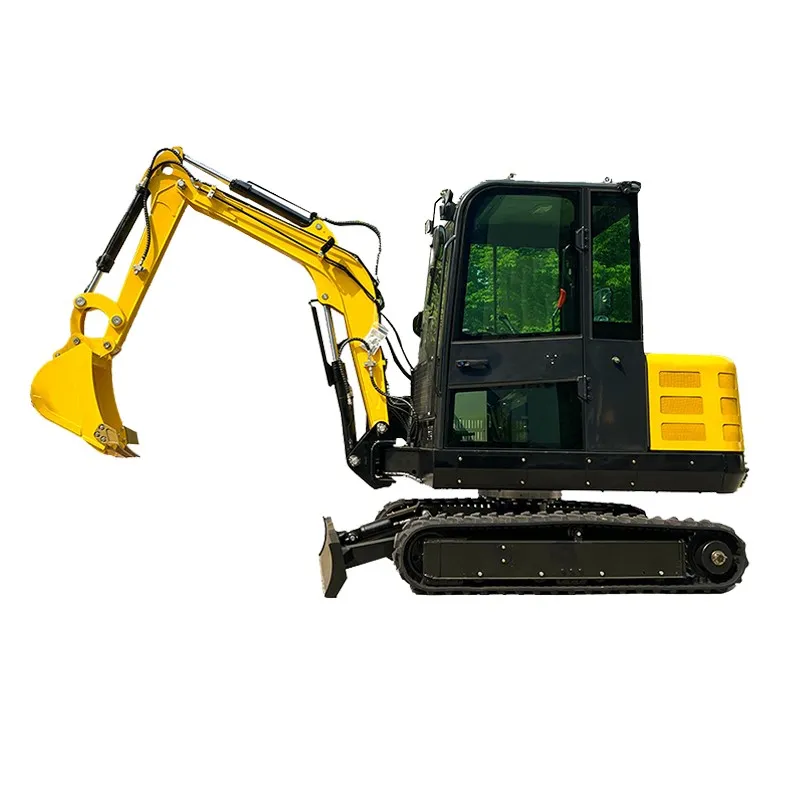
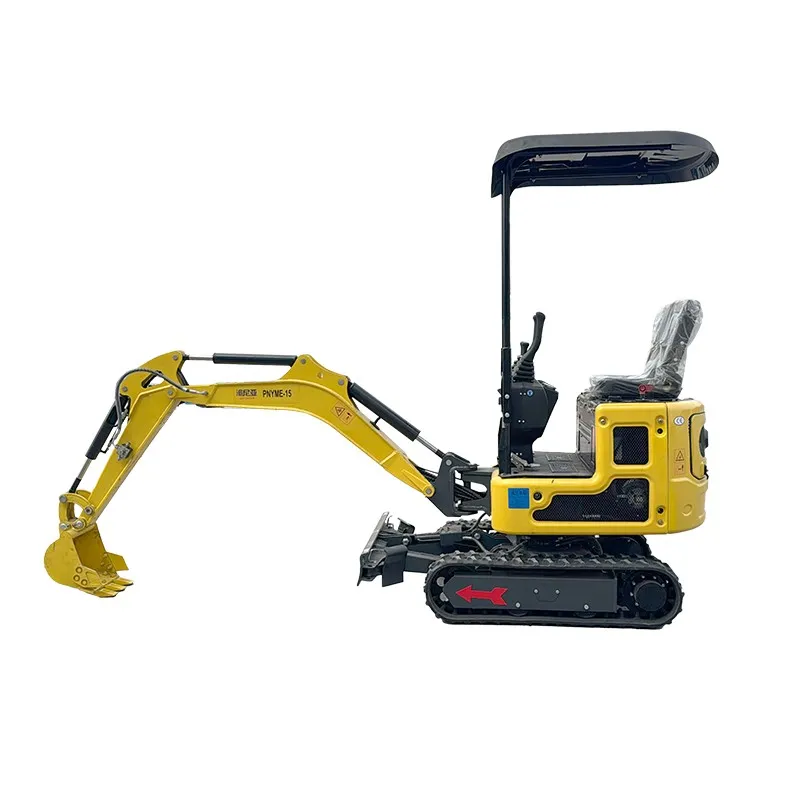
The compact excavator coming out of China today is not the machine from 2010. The evolution has been stark. Early on, the focus was on price, almost exclusively. Now, for exporters aiming at Western markets, it's about features: emission-compliant engines, advanced hydraulic systems for smoother operation, and operator comfort. A dealer like Pioneer, through its Hexin manufacturing arm, has had to ride this wave. Their ability to sell into Germany and Australia suggests their product meets a certain threshold of performance and reliability.
However, it's not uniform. You still see a spread. Some models are clearly built for price-sensitive emerging markets, while others are configured for rental fleets in Europe. A sharp dealer will guide you to the right model based on your end-use, not just sell you the most expensive or the cheapest option. For example, a machine destined for a landscaping business in the US Midwest needs different specs (perhaps more emphasis on air conditioning and a high-flow auxiliary circuit) than one for light utility work in Southeast Asia. The manufacturer's experience in diverse regions directly informs this guidance.
One practical observation: the control patterns. This is a tiny detail that causes huge on-site frustration. A professional dealer China based operation will ask you upfront: ISO or SAE control pattern? Do you need a pattern changer? It's a simple question that shows they understand the operator's world. Neglecting this is a hallmark of an inexperienced exporter. It's these granular, operational details that separate a transactional supplier from a partner.
Pitfalls and Realistic Expectations
Let's be frank. Not every engagement is smooth. Communication remains the biggest hurdle, even with established companies. Time zone differences are a given, but it's the technical communication that can bottleneck. You might discuss low noise levels, but without agreeing on a decibel measurement standard and point, you can receive a machine that's technically quiet but not to your local site regulations. This is where a dealer's technical English proficiency and willingness to engage in deep specification reviews are critical.
Lead times are another area for managed expectations. 45 days might be standard, but if you need a Tier 4 Final engine or a specific brand of hydraulic pump, it can stretch. A transparent dealer will explain this, tying it to their supply chain. The good ones have buffer stock of common components or long-standing agreements with key suppliers like Yanmar or Kawasaki for engines. The company's long history, as cited by Pioneer, typically correlates with more stable and predictable supply chains, which is a huge advantage in today's volatile global logistics environment.
My own early misstep was not visiting the factory. I relied on videos and specs. Big mistake. Now, I always insist, if the order volume justifies it, on a pre-shipment inspection or, better yet, a factory audit. You need to see the welding bays, the paint booth, the final inspection process. Does the company welcome this? A confident one does. Their physical presence—from that initial 1,600 sqm plant to a new, presumably larger facility—is a testament to their substance and is worth seeing.
The Path Forward: Building a Relationship, Not Just Placing an Order
Ultimately, finding the right compact excavator dealer in China is about building a supply relationship. It starts with a single container, maybe. But the goal is to find a partner who can grow with your business, who will alert you to component upgrades or regulatory changes affecting your market. You want a dealer who sees beyond the immediate invoice.
Companies that have sustained exports for 20 years, like the Shandong Pioneer structure, have likely learned this. They've seen customers come and go, and they know the ones who stay are those they treat as partners. It's in the proactive communication, the willingness to handle a warranty claim swiftly, and the continuous, quiet improvement of their product based on field feedback from places like Canada and Australia.
So, when you're searching, look past the glossy images. Scour the 'About Us' for concrete history and physical details. Look for evidence of long-term market presence. And then start a conversation that drills into the specifics of your needs. The response will tell you if you've found a genuine player in the complex, competitive world of compact excavator dealer China, or just another website.
Related Products
Related Products