


- Chinese
- French
- German
- Portuguese
- Spanish
- Russian
- Japanese
- Korean
- Arabic
- Irish
- Greek
- Turkish
- Italian
- Danish
- Romanian
- Indonesian
- Czech
- Afrikaans
- Swedish
- Polish
- Basque
- Catalan
- Esperanto
- Hindi
- Lao
- Albanian
- Amharic
- Armenian
- Azerbaijani
- Belarusian
- Bengali
- Bosnian
- Bulgarian
- Cebuano
- Chichewa
- Corsican
- Croatian
- Dutch
- Estonian
- Filipino
- Finnish
- Frisian
- Galician
- Georgian
- Gujarati
- Haitian
- Hausa
- Hawaiian
- Hebrew
- Hmong
- Hungarian
- Icelandic
- Igbo
- Javanese
- Kannada
- Kazakh
- Khmer
- Kurdish
- Kyrgyz
- Latin
- Latvian
- Lithuanian
- Luxembou..
- Macedonian
- Malagasy
- Malay
- Malayalam
- Maltese
- Maori
- Marathi
- Mongolian
- Burmese
- Nepali
- Norwegian
- Pashto
- Persian
- Punjabi
- Serbian
- Sesotho
- Sinhala
- Slovak
- Slovenian
- Somali
- Samoan
- Scots Gaelic
- Shona
- Sindhi
- Sundanese
- Swahili
- Tajik
- Tamil
- Telugu
- Thai
- Ukrainian
- Urdu
- Uzbek
- Vietnamese
- Welsh
- Xhosa
- Yiddish
- Yoruba
- Zulu
- Kinyarwanda
- Tatar
- Oriya
- Turkmen
- Uyghur

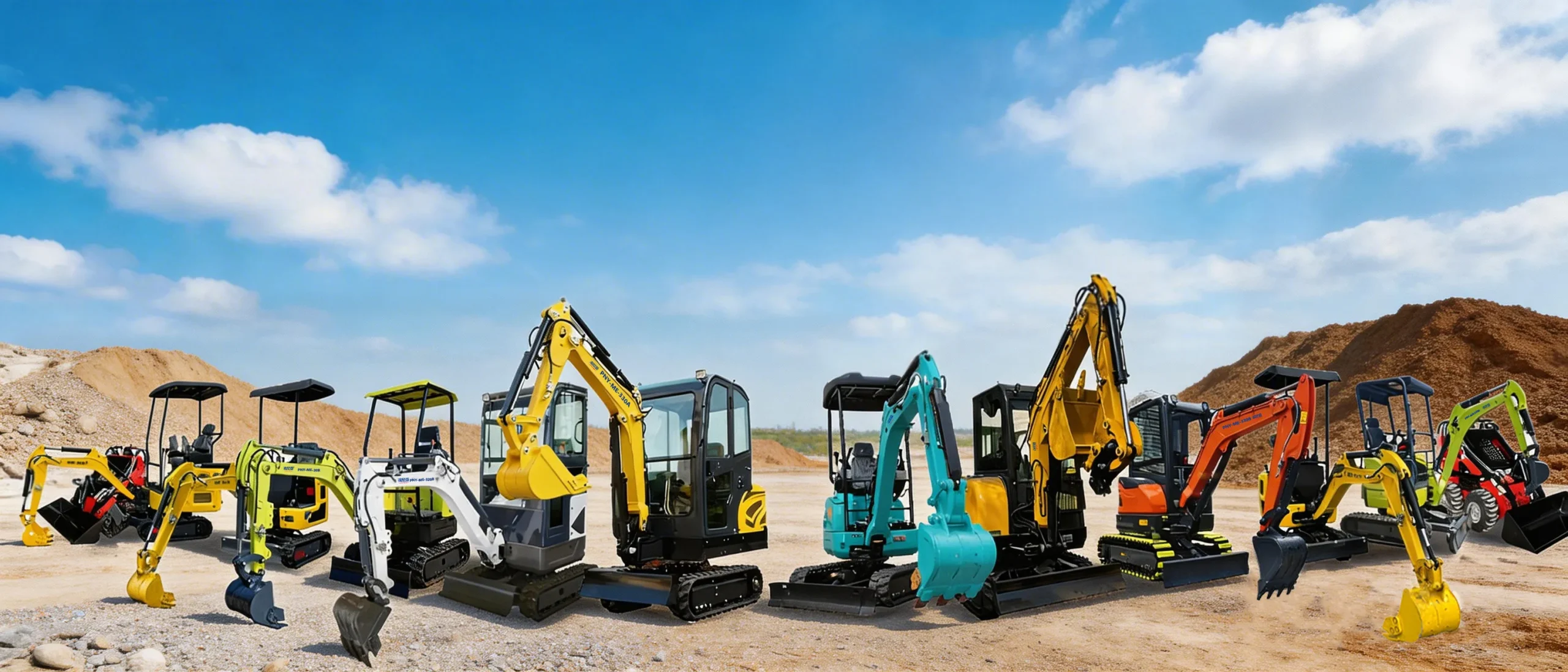
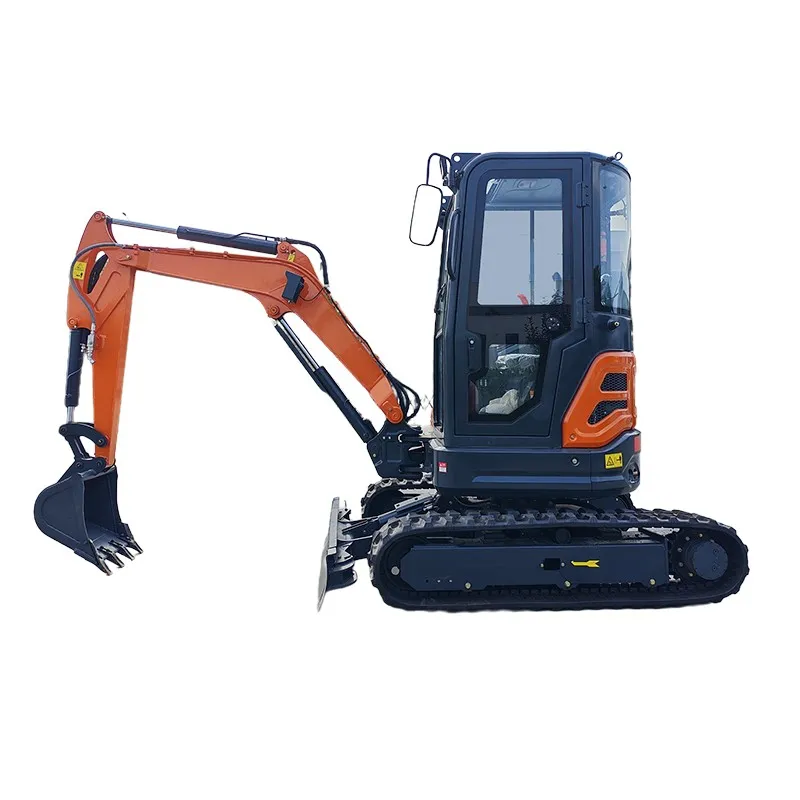
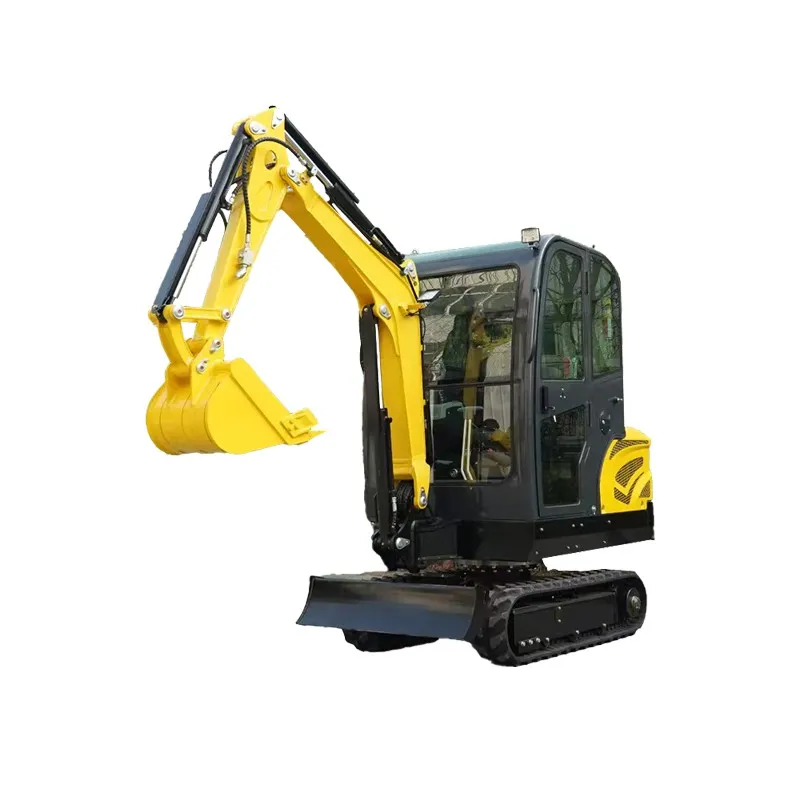
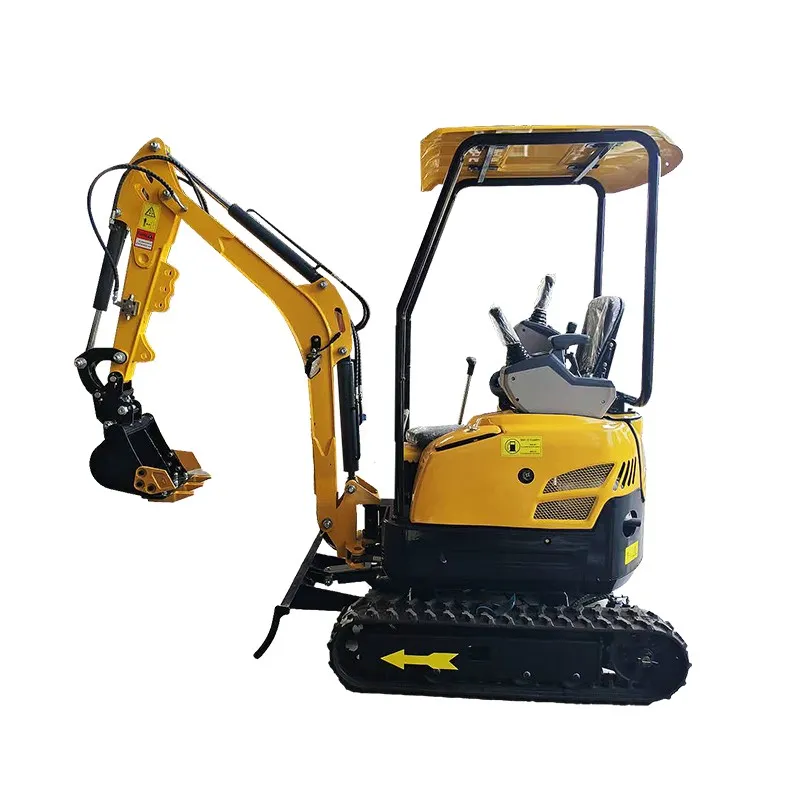
compact excavator factory
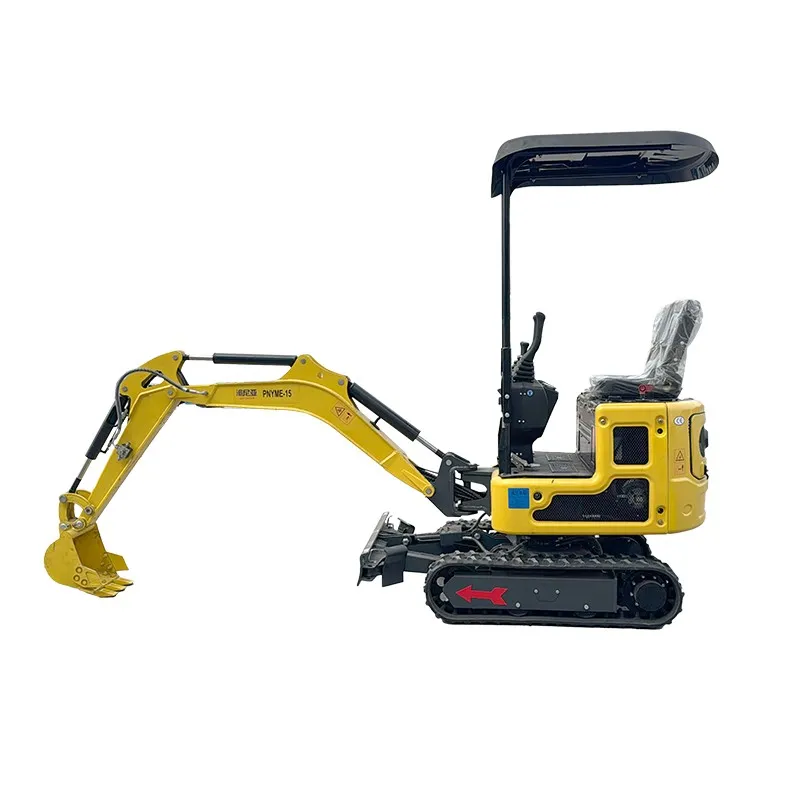
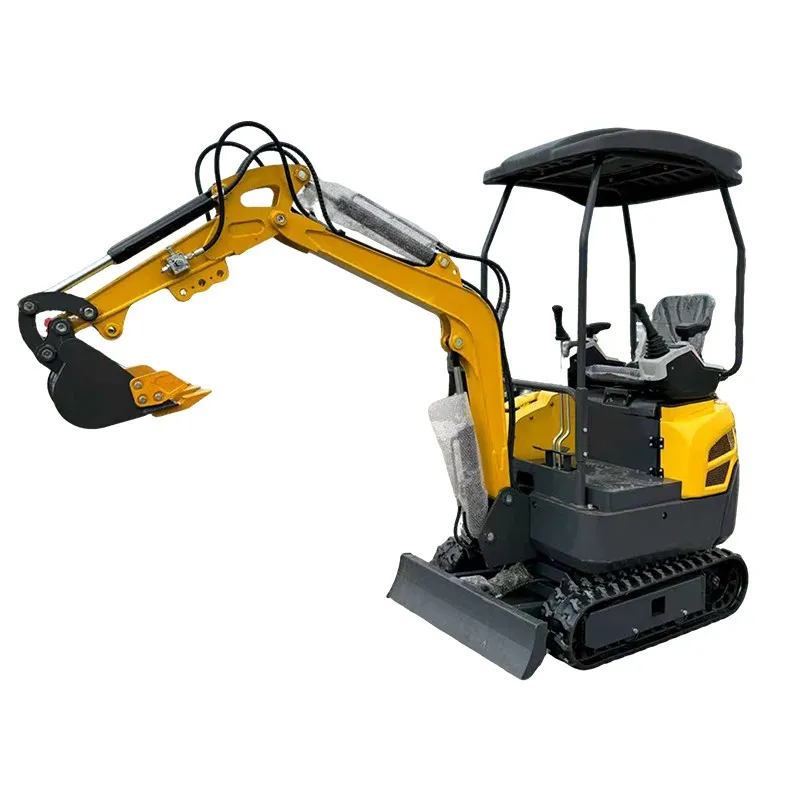
When most people hear 'compact excavator factory,' they picture rows of yellow machines on a conveyor belt. That's part of it, sure, but it misses the core. The real challenge isn't just putting parts together; it's about engineering a machine that holds up when the ground is unforgiving and the operator is pushing it hard. I've seen too many factories focus on specs on paper, only to have machines fail on their first real job because a hydraulic hose routing was poor or the undercarriage couldn't handle side-slope work. The difference lies in the details you only learn from field feedback and, frankly, from getting things wrong.
The Foundation: It Starts with the Frame
You can't build a reliable machine on a weak foundation. The main frame isn't just a welded box; it's the skeleton. In our early days, we sourced frames from a local fabricator. The welds looked clean, but after a few hundred hours of operation, we started seeing stress cracks near the swing post mounting. The issue wasn't the weld quality per se, but the design of the joint and the grade of steel. We learned the hard way that saving a few dollars per unit on material cost leads to massive warranty claims and a damaged reputation.
That's why the move for Shandong Pioneer Engineering Machinery Co., Ltd to a new, larger facility in Ningyang in 2023 was so critical. It wasn't just about more space. It was about bringing critical fabrication in-house. Now, we control the entire process for the main frame and boom—from laser cutting the high-tensile steel to robotic welding and stress-relieving. You can feel the difference in the machine's rigidity. It's a lesson in vertical integration that pays off in durability.
This control extends to the painting process. A good powder coat system isn't for looks; it's the first line of defense against corrosion. We spent months testing different pre-treatment formulas for the Chinese climate, where humidity can be brutal. The standard chromate conversion coating wasn't cutting it. We switched to a more advanced zirconium-based process. It's a small detail most buyers never see, but it directly impacts the machine's lifespan, especially for export to coastal regions like Australia or the Pacific Northwest.
The Heart: Hydraulics and Power Match
This is where the magic—or the misery—happens. Slapping a name-brand pump and a Japanese engine into a chassis doesn't guarantee performance. The synergy is everything. I recall a prototype where we used a perfectly good Kawasaki pump and a Yanmar engine, but the machine felt sluggish. The issue was in the valve block's pressure settings and the pump's flow characteristics. We were losing efficiency in the translation between power generation and power application.
Our approach now is more holistic. We work with our hydraulic partners to tune the system for the specific tasks a compact excavator performs. For instance, the flow priority for the swing motor versus the travel motors needs to be balanced differently for a machine destined for tight urban demolition work versus one for general farm use. It's not a one-size-fits-all map. We build several standard power profiles, but we also have the capability to tweak them for large OEM orders, which is a key reason clients in places like Germany and Canada come back.
Cooling is another silent killer. An undersized oil cooler in a compact machine packed with components will lead to overheating, especially in Middle Eastern markets. We oversized our cooler and redesigned the fan shroud to create a more efficient air path. It seems simple, but it required rearranging several components in the engine bay, a puzzle that took three design iterations to solve without compromising service access.
The Reality of Global Compliance
Exporting isn't just about shipping containers. Every market has its own maze of regulations. CE marking for Europe, EPA Tier 4 Final/Stage V for North America and Europe, and Australian ADRs. Each one is a project in itself. Early on, we underestimated the cost and time for EPA certification. We failed the first noise test because our exhaust silencer design, while fine for China, didn't account for a specific frequency range the test picks up.
Now, compliance is baked into the initial design phase. For our main export models, we design the engine compartment and exhaust layout with these standards as a fixed parameter. Working with Shandong Hexin on the manufacturing side and Shandong Pioneer on the trade side streamlines this. The factory builds to the certified spec, and the trade team handles the documentation labyrinth. It's the only way to reliably get machines to the US, Canada, and Australia without costly delays at the port.
But regulations keep changing. The upcoming wave will be around emissions monitoring and even potential hybrid/electric mandates in certain cities. We're already running pilot projects with battery-powered compact units. The challenge isn't the battery pack; it's designing a hydraulic system that remains efficient without the constant RPM of a diesel engine. It's a different world.
On the Ground: What Dealers and Operators Really Care About
Brochure specs get you in the door, but real-world performance keeps you there. Through Shandong Pioneer's network, we get direct feedback from rental companies in Texas and contractors in Germany. They don't talk about theoretical digging forces. They talk about serviceability. Can you check the hydraulic oil level easily? How many steps to replace a track roller? We redesigned our side door to be a single, gas-strut-assisted panel that opens fully, giving clear access to daily checkpoints. It seems trivial, but for a mechanic servicing ten machines a day, it matters.
Another common request was for more auxiliary hydraulic flow options. Landscape contractors want to run mulchers, post drivers, and brush cutters. We increased the standard auxiliary flow and made the plumbing for a second circuit a factory-ready option, with the ports already in the boom. This saves the dealer or end-user from a complicated and expensive retrofit. It's about anticipating the machine's use case.
Operator comfort is finally getting the attention it deserves. A simple, intuitive joystick layout with minimal dead play is crucial. We switched to a shorter-throw joystick with a more linear feel based on operator trials. The cab isn't just a steel canopy anymore; it's about sightlines to the bucket and the right-side track, reduced vibration, and logical control placement. A comfortable operator is a productive, safe operator.
The Future is Niche and Connected
The market for a standard 1.8-ton machine is crowded. The differentiation is moving towards specialized applications and smart features. We're seeing strong demand for compact excavators with zero-tail-swing designs for interior demolition, and wider-track, low-ground-pressure models for landscaping on sensitive turf.
Telematics is becoming standard, even on smaller machines. It's not just GPS theft recovery. Contractors want to monitor fuel consumption, idle time, and maintenance alerts remotely. For a compact excavator factory, this means designing in the wiring harness and mounting points for these modules from the start. It's an added complexity in assembly, but it's now a cost of doing business.
Looking ahead, the factory's role is evolving. It's no longer just a production center. It needs to be agile enough for higher customization, integrated with R&D for continuous improvement based on field data, and robust in its quality systems to ensure every machine that leaves the line—whether bound for Jining or Toronto—is built to the same standard. That's the real output of a modern factory: not just machines, but reliability and trust. After twenty years, that's the only thing that really scales.
Related Products
Related Products