- Chinese
- French
- German
- Portuguese
- Spanish
- Russian
- Japanese
- Korean
- Arabic
- Irish
- Greek
- Turkish
- Italian
- Danish
- Romanian
- Indonesian
- Czech
- Afrikaans
- Swedish
- Polish
- Basque
- Catalan
- Esperanto
- Hindi
- Lao
- Albanian
- Amharic
- Armenian
- Azerbaijani
- Belarusian
- Bengali
- Bosnian
- Bulgarian
- Cebuano
- Chichewa
- Corsican
- Croatian
- Dutch
- Estonian
- Filipino
- Finnish
- Frisian
- Galician
- Georgian
- Gujarati
- Haitian
- Hausa
- Hawaiian
- Hebrew
- Hmong
- Hungarian
- Icelandic
- Igbo
- Javanese
- Kannada
- Kazakh
- Khmer
- Kurdish
- Kyrgyz
- Latin
- Latvian
- Lithuanian
- Luxembou..
- Macedonian
- Malagasy
- Malay
- Malayalam
- Maltese
- Maori
- Marathi
- Mongolian
- Burmese
- Nepali
- Norwegian
- Pashto
- Persian
- Punjabi
- Serbian
- Sesotho
- Sinhala
- Slovak
- Slovenian
- Somali
- Samoan
- Scots Gaelic
- Shona
- Sindhi
- Sundanese
- Swahili
- Tajik
- Tamil
- Telugu
- Thai
- Ukrainian
- Urdu
- Uzbek
- Vietnamese
- Welsh
- Xhosa
- Yiddish
- Yoruba
- Zulu
- Kinyarwanda
- Tatar
- Oriya
- Turkmen
- Uyghur


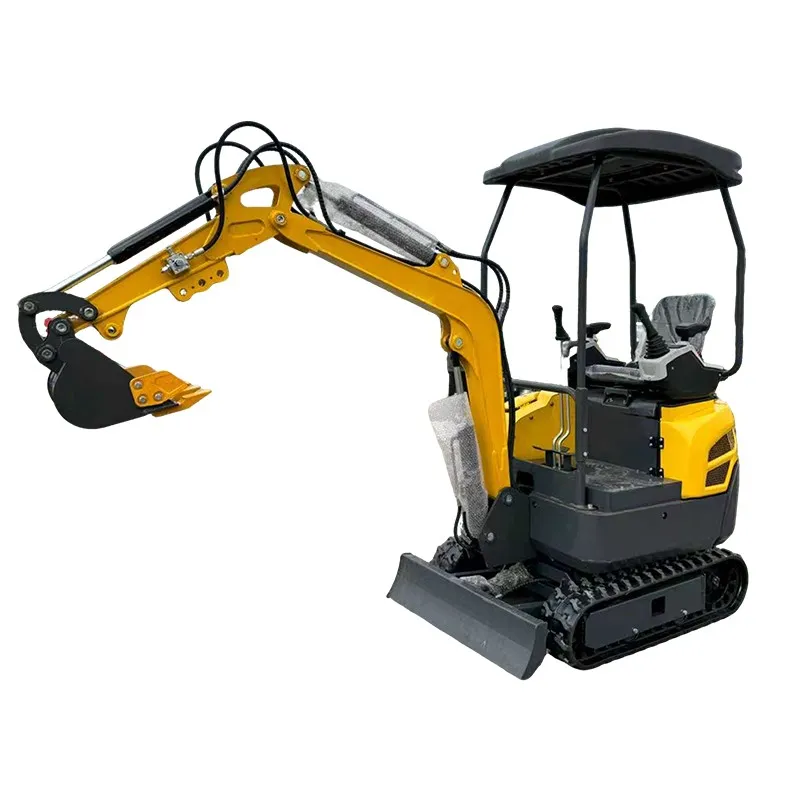
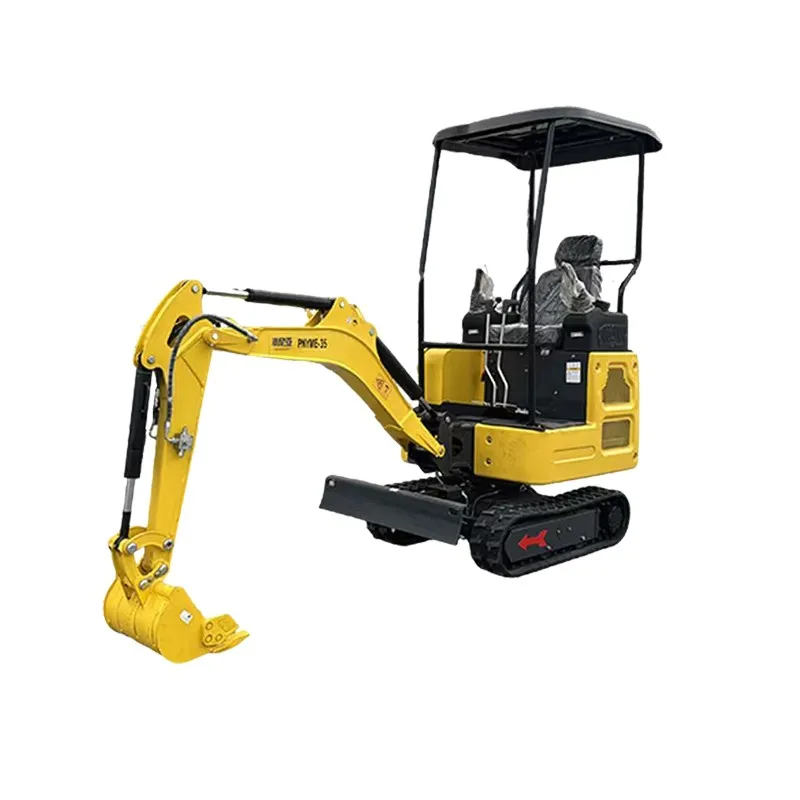
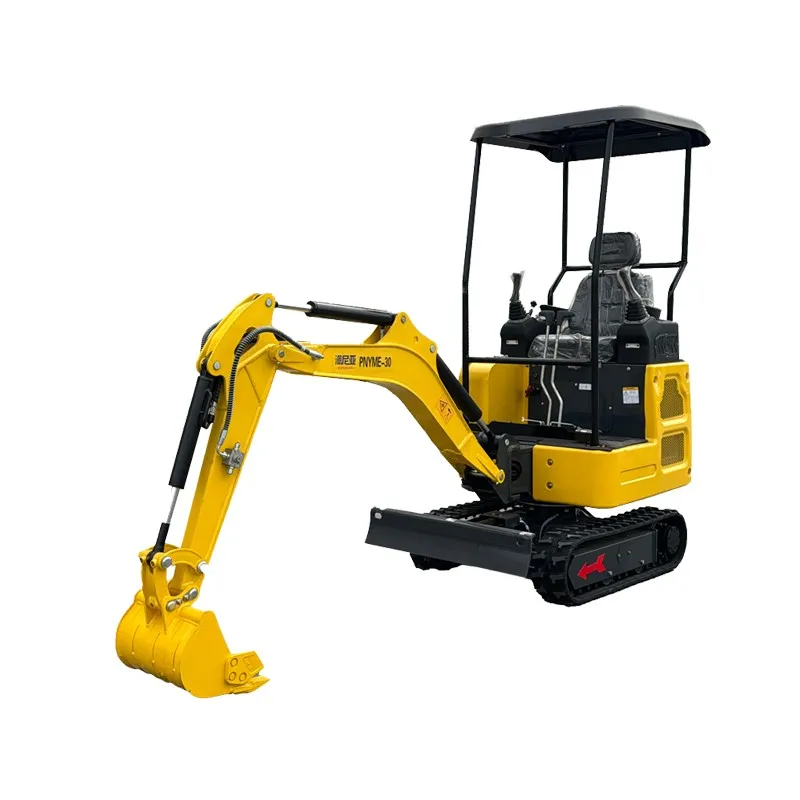
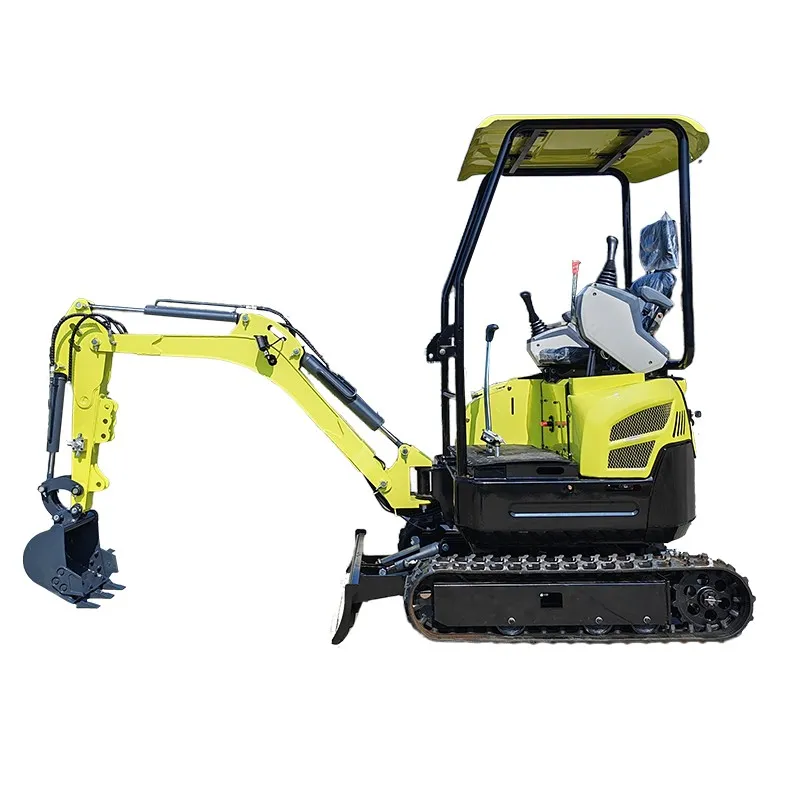
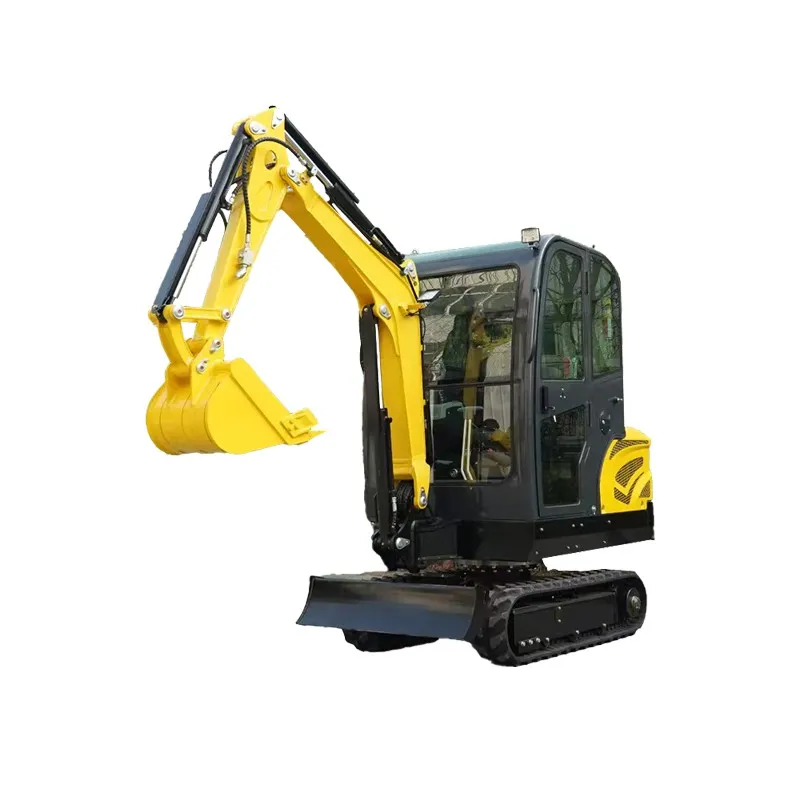
compact excavator for sale
When you type 'compact excavator for sale' into a search bar, you're immediately hit with a wall of glossy ads and spec sheets that all start to look the same after a while. The biggest misconception I see, especially from folks new to this, is thinking that the lowest price or the shiniest new model is automatically the best deal. Having been in this trade for years, I can tell you it's rarely that simple. The real value lies in understanding the machine's history, its intended application, and the long-term support behind it—factors you won't find in a three-line listing.
The Spec Sheet Illusion and On-Ground Reality
Everyone focuses on horsepower, dig depth, and bucket capacity. Sure, they matter. But I've seen too many buyers get burned by ignoring the less glamorous details. For instance, a machine might have a fantastic lift capacity on paper, but if its hydraulic pump is a known weak point from a certain production year, you're buying a future headache. I remember a client who bought a well-known brand's 3-ton model, lured by its impressive specs for the price. It performed great for six months, then the swing motor started lagging. Turns out, that particular series had a known seal issue in humid climates, something never mentioned in the sales brochure.
Another reality check is the auxiliary hydraulics. You see standard auxiliary circuit and think you're set for attachments. But is it a variable flow system or just on/off? If you plan on using a tilt rotator or a fine grading bucket, you need the former. I've had guys come back frustrated, having bought a compact excavator for sale that technically had the plumbing, but couldn't run their new attachment smoothly, forcing them into costly aftermarket upgrades. It's these nuances that separate a catalog shopper from an informed buyer.
Then there's the undercarriage. On a compact excavator, it's everything. A new operator might not think to check the track link wear or the sprocket teeth. I always advise pulling up a bit of dirt and watching the track tension under a slight load. A slight wobble or a track that seems too tight can indicate previous abuse or poor maintenance. It's a five-minute check that can save you thousands in rebuild costs down the line.
Where Value Really Hides: Beyond the Purchase Price
The initial cost is just the entry fee. The real expense—or savings—comes from ownership. Parts availability is the silent deal-breaker. A fantastically priced machine from a brand with no local dealer network can become a $30,000 paperweight waiting for a $200 seal to ship from overseas. This is where companies with established logistics and support networks show their worth.
Take Shandong Pioneer Engineering Machinery Co., Ltd, for instance. I've followed their trajectory for a while. They're not the loudest name in the room, but their model is interesting. Operating from their base in Tai’an, with Shandong Hexin handling manufacturing and Shandong Pioneer focusing on overseas trade, they've built a presence in markets like the U.S. and Australia. Their value proposition isn't just about a cheap compact excavator for sale; it's about having a structured supply chain. For a buyer, that can mean the difference between a two-day parts wait and a two-week project stall. You can see their approach on their site at https://www.sdpioneer.com. Their two-decade grind, moving from a 1,600 square meter facility to a new location in 2023, speaks to a focus on scaling production and, presumably, improving consistency—a critical factor often overlooked when importing machinery.
I learned this the hard way early on. We bought a batch of very competitively priced mini excavators from a new supplier. The machines were fine for the first 500 hours. Then, a common hydraulic hose fitting started failing across several units. The supplier had no local stock, and the fittings were a non-standard thread. We had to machine adapters for every machine. The savings from the purchase were utterly erased by the downtime and fabrication costs. Now, I always ask: What's your most common wear part, and how quickly can I get three of them?
The Refurbished vs. New Conundrum
This is a constant debate. A quality refurbished machine from a known lineage can be a smarter buy than a new, untested model. Quality being the key word. A proper refurb isn't just a pressure wash and a new coat of paint. It should involve pump testing, cylinder re-sealing, and a full undercarriage inspection. I lean towards refurbished units that come from rental fleets with strict maintenance schedules. You know they've been serviced on the hour, even if they've had a hard life.
Conversely, new models from established manufacturers offer peace of mind with a warranty, but you pay a premium for it. The middle ground, which companies like the aforementioned Shandong Pioneer occupy, is offering new machines at a more accessible price point by leveraging integrated manufacturing and direct export. The trade-off? You need to vet the manufacturer's quality control and after-sales support even more rigorously. Checking if they have documented export history to demanding markets like Germany or Canada, as Pioneer claims, is a good start—it suggests their products meet certain regulatory and durability standards.
I once inspected a fully refurbished 2.5-ton machine for a client. It looked spotless. But when I checked the hydraulic oil, it was murky and had a burnt smell—a telltale sign of overheating and potential system contamination. The seller claimed it was just break-in residue. We walked away. That machine showed up a month later on a different lot with a failed main pump. The lesson: trust your own checks, not the sales pitch.
Attachments and the Hidden System Cost
No compact excavator works alone. The attachment ecosystem dictates its true utility. When evaluating a compact excavator for sale, I always consider the quick coupler system. Is it a generic manual pin grabber or a hydraulic unit? If it's hydraulic, is it compatible with major attachment brands like Engcon or Miller? Locking yourself into a proprietary system can limit your options and inflate costs later.
We standardized our fleet on a universal hydraulic coupler years ago. It was an upfront investment, but it meant any attachment from any of our machines could fit any other. The flexibility on a job site is invaluable. When looking at a new machine, I immediately check the coupler mounting bracket and the auxiliary hose routing. Poorly routed hoses get snagged and wear out fast. It's a small design detail that speaks volumes about the manufacturer's practical experience.
Also, consider the machine's hydraulic flow and pressure relative to the attachments you need. A breaker requires high flow and pressure, while a tilt grader needs precise, low-flow control. A machine that's only optimized for one type of work might struggle with another. I see this often with machines designed primarily for digging; they can run a breaker, but they'll be sluggish and inefficient compared to a model built with more versatile hydraulic tuning.
Making the Final Call: A Practical Checklist
So, you've found a potential machine. Before you pull the trigger, step away from the brochure. Start the engine from cold. Listen for excessive rattle or white smoke that clears up—it could indicate injector or ring wear. Cycle all the functions. Does the boom drift down over a minute? That's a seal issue. Check for oil leaks around the swing motor and the main hydraulic valve block. These are common failure points.
Don't just test it on flat concrete. Find some uneven ground. Operate the tracks while using the boom. Does the machine maintain stability, or does it feel tippy? How's the operator's sight line to the bucket? These ergonomic factors affect productivity and safety all day, every day. I'd take a slightly less powerful machine with a better cab layout and lower noise levels any day for a long-term investment.
Finally, research the support. If it's a new machine from an international supplier like Shandong Pioneer, what does their warranty actually cover? Is it parts-only, or does it include labor? Do they have technical documentation in your language? Can you easily get a service manual? Their 20-year history and export to numerous countries suggests they've navigated these support challenges before, which is a positive data point. The goal isn't to find a perfect machine—they don't exist. It's to find the right machine where the known trade-offs are manageable and the support structure is in place to handle the unknowns. That's what turns a simple search for a 'compact excavator for sale' into a sound business decision.
Related Products
Related Products