- Chinese
- French
- German
- Portuguese
- Spanish
- Russian
- Japanese
- Korean
- Arabic
- Irish
- Greek
- Turkish
- Italian
- Danish
- Romanian
- Indonesian
- Czech
- Afrikaans
- Swedish
- Polish
- Basque
- Catalan
- Esperanto
- Hindi
- Lao
- Albanian
- Amharic
- Armenian
- Azerbaijani
- Belarusian
- Bengali
- Bosnian
- Bulgarian
- Cebuano
- Chichewa
- Corsican
- Croatian
- Dutch
- Estonian
- Filipino
- Finnish
- Frisian
- Galician
- Georgian
- Gujarati
- Haitian
- Hausa
- Hawaiian
- Hebrew
- Hmong
- Hungarian
- Icelandic
- Igbo
- Javanese
- Kannada
- Kazakh
- Khmer
- Kurdish
- Kyrgyz
- Latin
- Latvian
- Lithuanian
- Luxembou..
- Macedonian
- Malagasy
- Malay
- Malayalam
- Maltese
- Maori
- Marathi
- Mongolian
- Burmese
- Nepali
- Norwegian
- Pashto
- Persian
- Punjabi
- Serbian
- Sesotho
- Sinhala
- Slovak
- Slovenian
- Somali
- Samoan
- Scots Gaelic
- Shona
- Sindhi
- Sundanese
- Swahili
- Tajik
- Tamil
- Telugu
- Thai
- Ukrainian
- Urdu
- Uzbek
- Vietnamese
- Welsh
- Xhosa
- Yiddish
- Yoruba
- Zulu
- Kinyarwanda
- Tatar
- Oriya
- Turkmen
- Uyghur


Compact excavator rental service
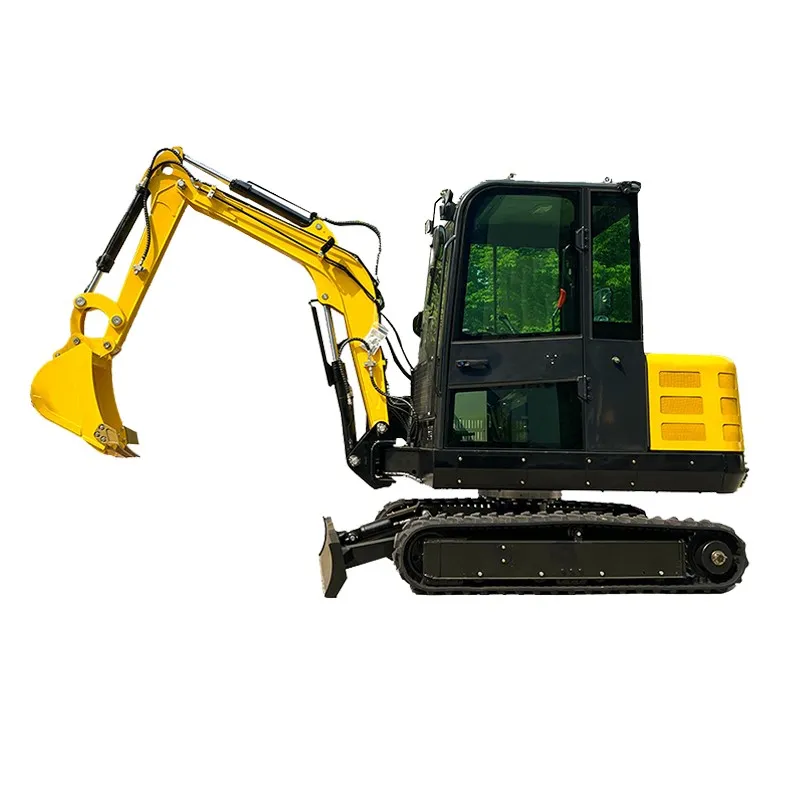
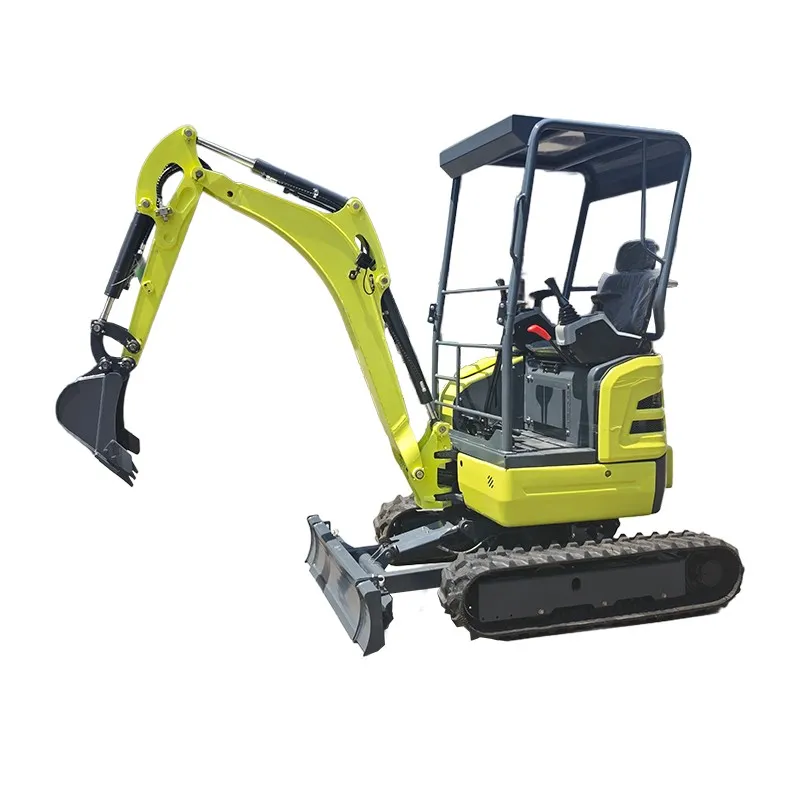
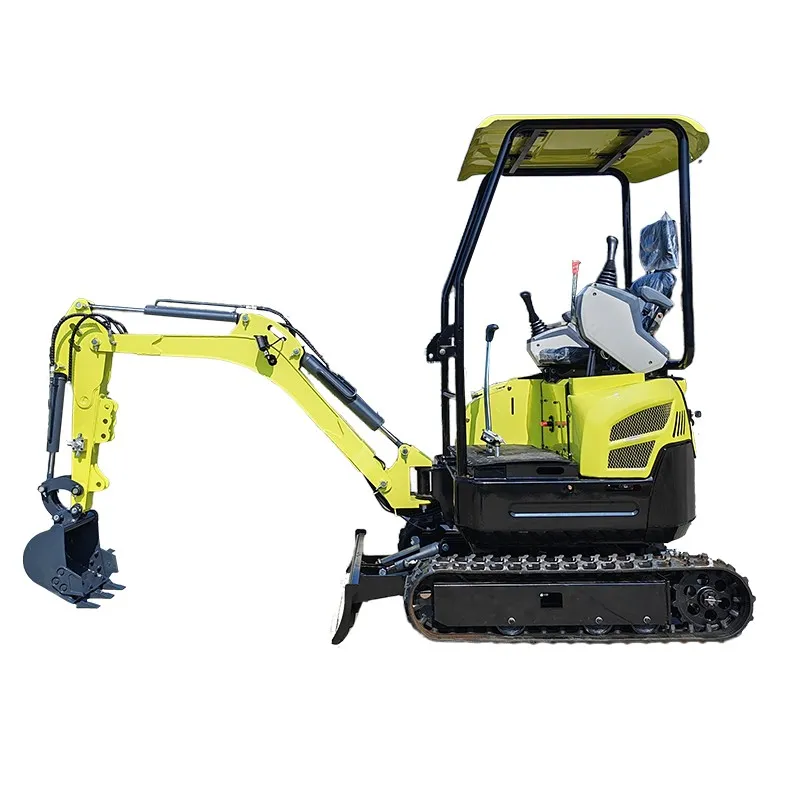
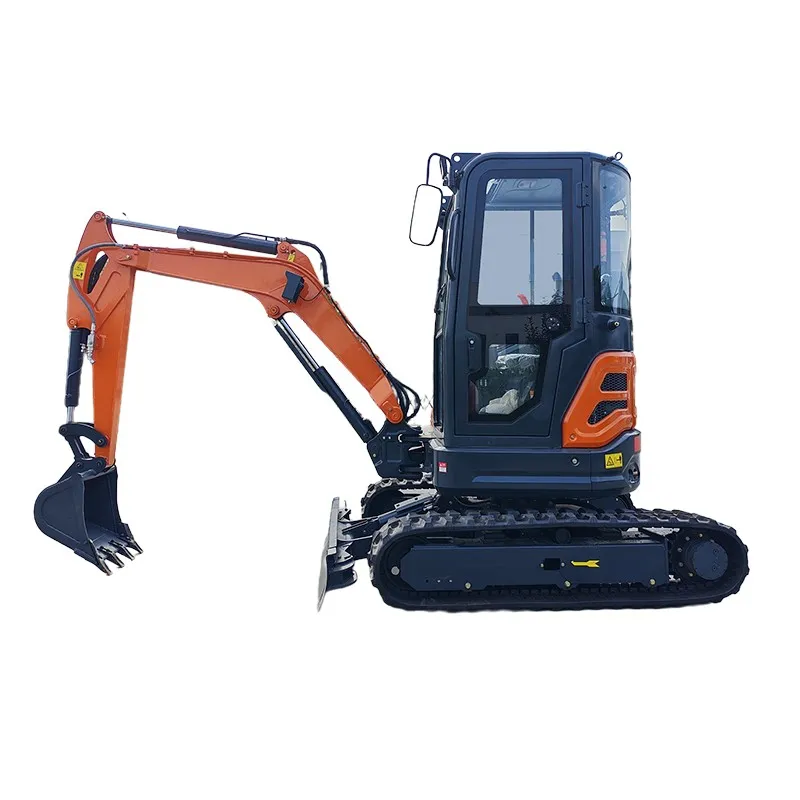
When most contractors think about compact excavator rental service, the first thing that comes to mind is just getting a machine delivered. But that's where the real work—and the real cost—starts. It's not just about the daily rate you see online; it's about matching the machine's capability to your specific ground conditions, understanding the true cost of attachments, and knowing what happens when a hydraulic line blows at 2 PM on a Friday. I've seen too many projects bleed money because the rental was treated as a simple commodity transaction, not a strategic partnership.
The Devil's in the Details: Specs vs. Site Reality
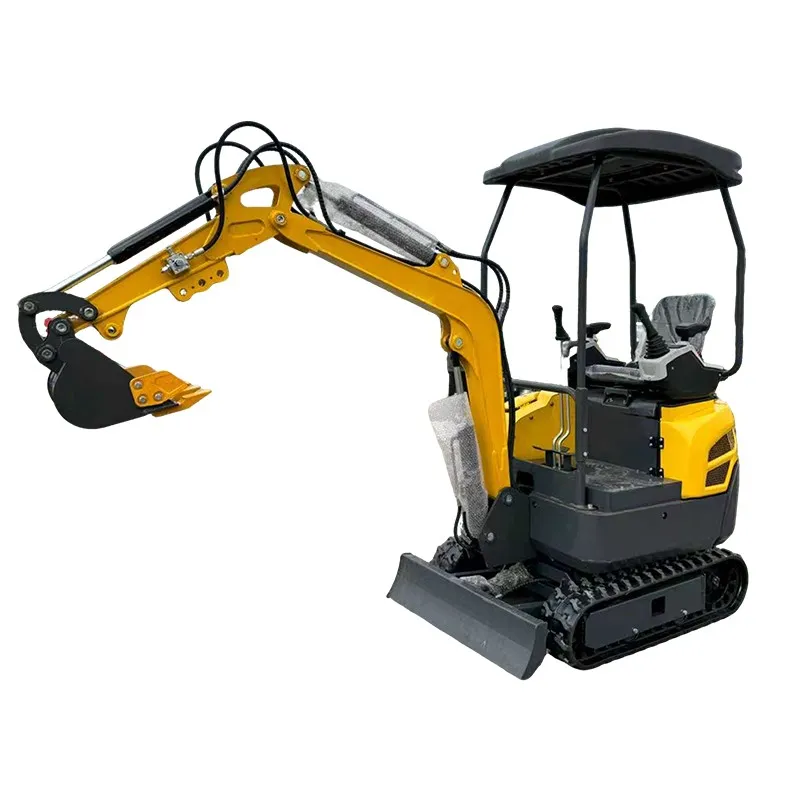
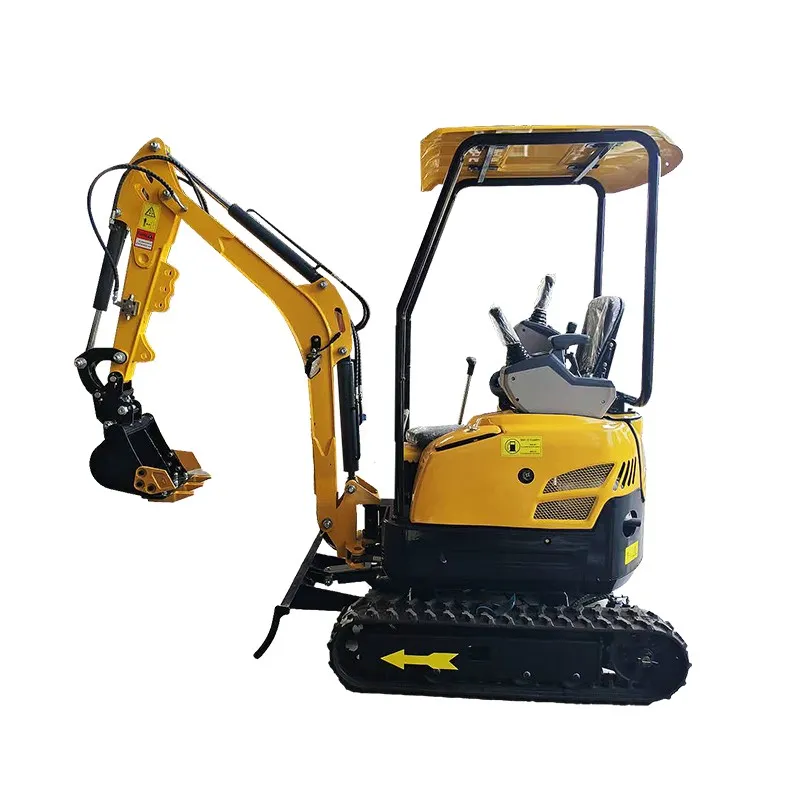
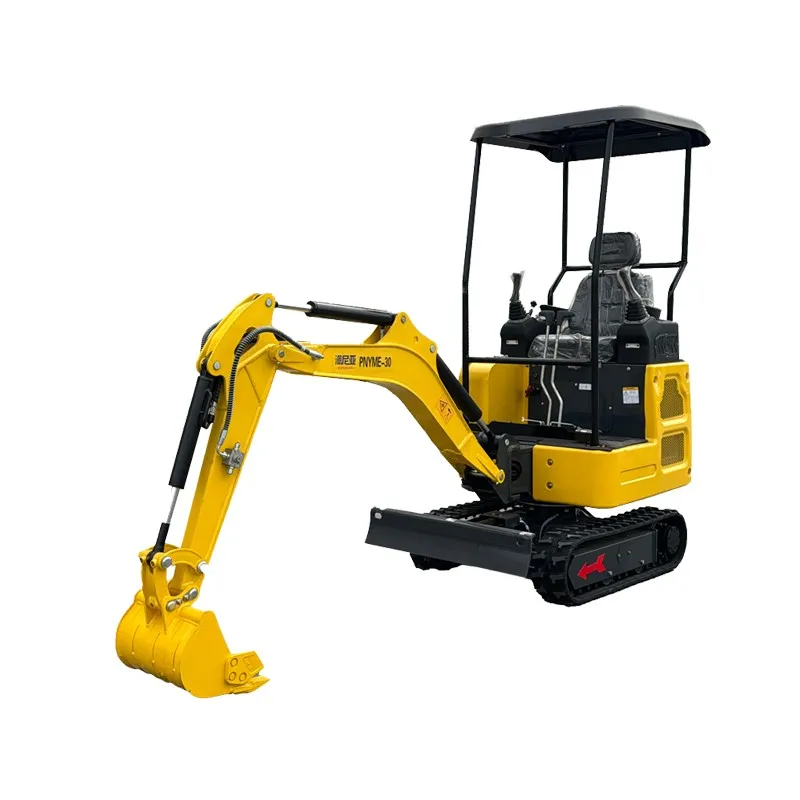
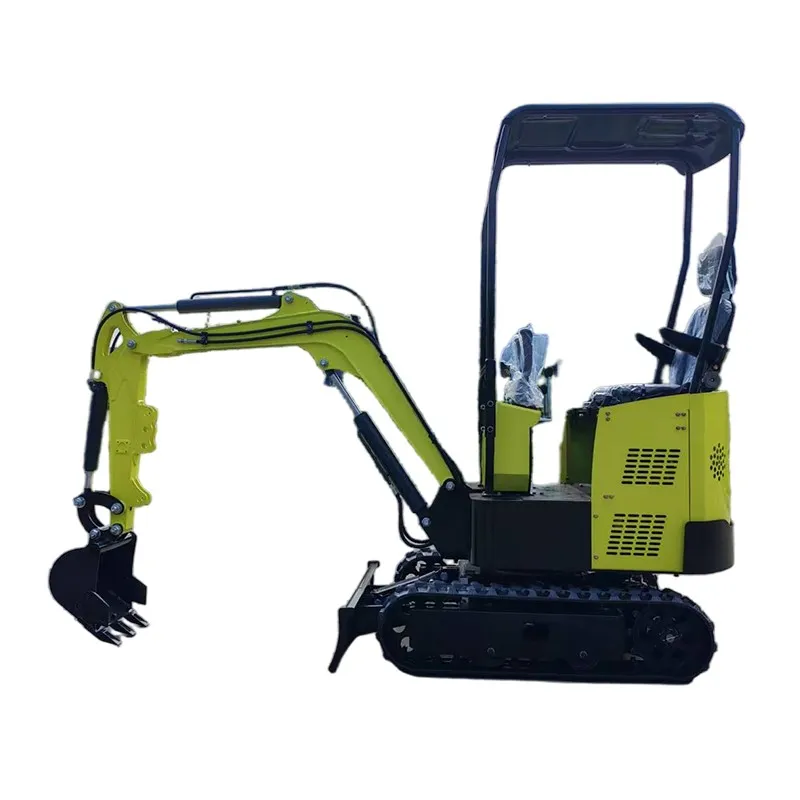
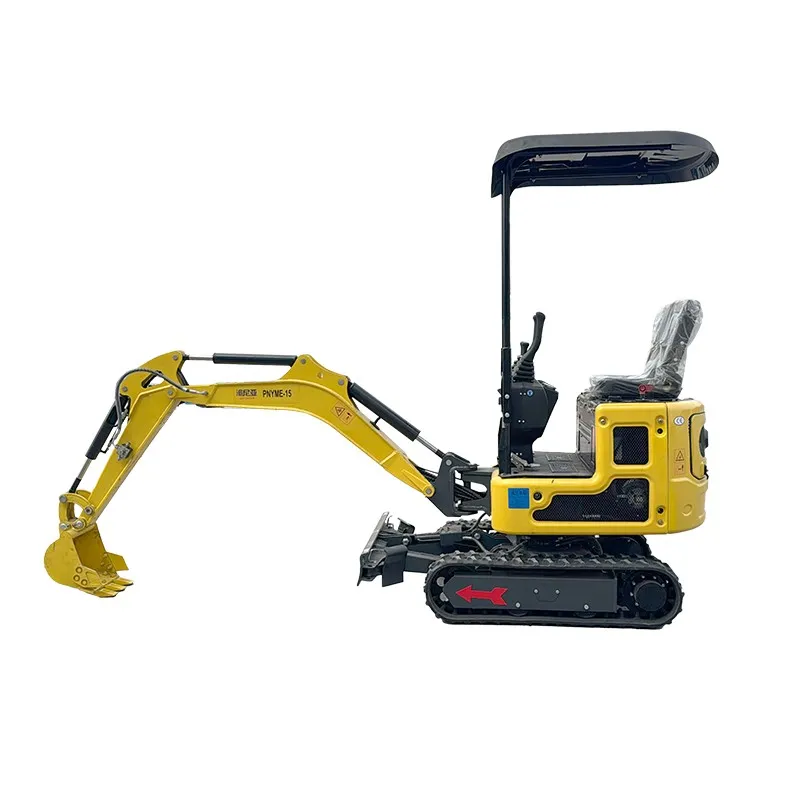
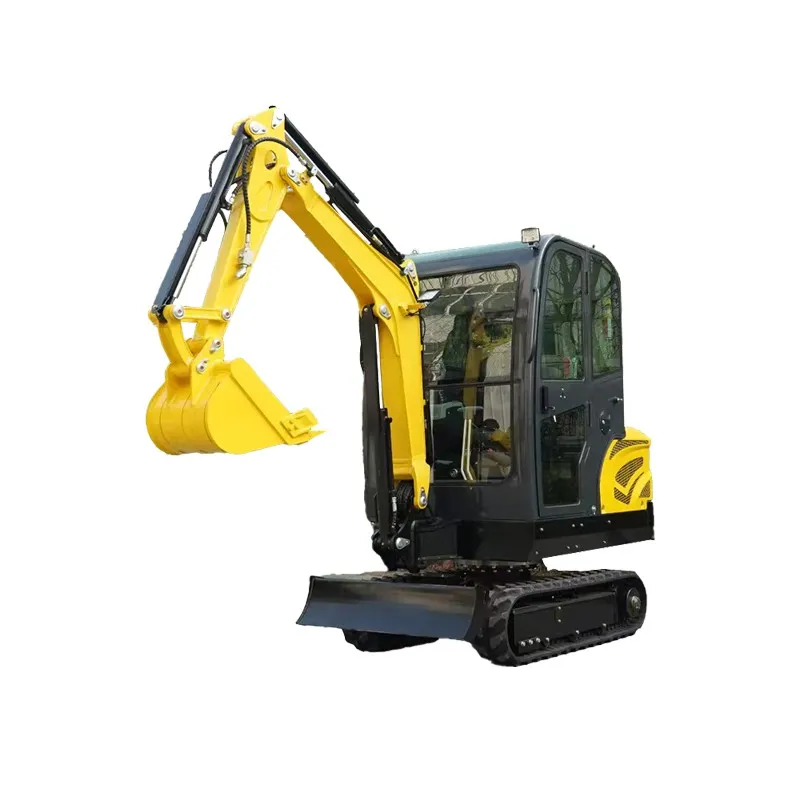
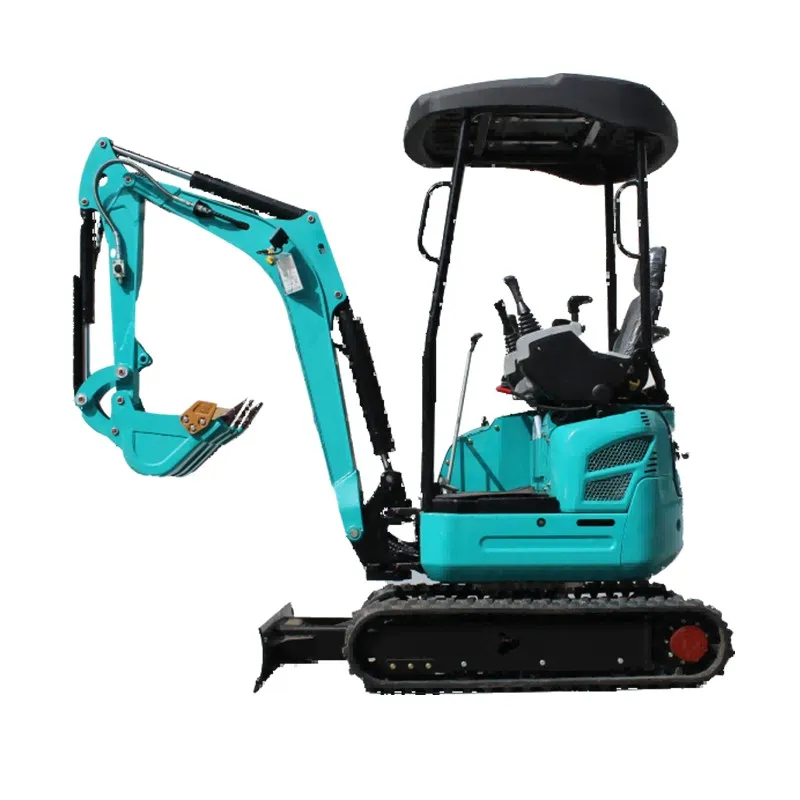
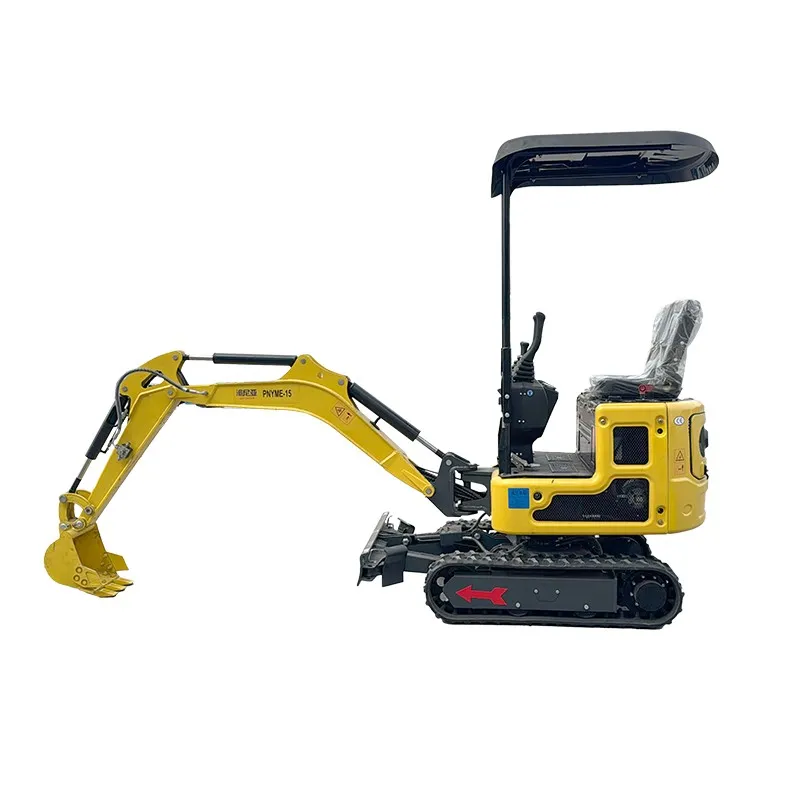
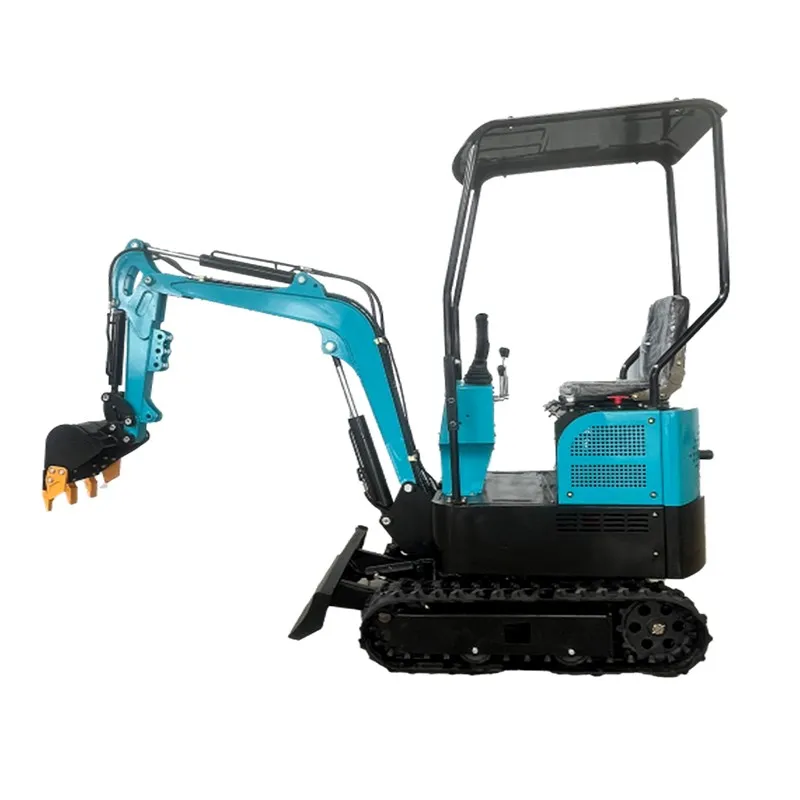
Take the common 1.8-ton class. On paper, they all look similar: zero-tail swing, X horsepower, Y digging depth. But put a compact excavator from a manufacturer like Kubota or Takeuchi in heavy, wet clay, and then try one from another brand. The difference in stability and hydraulic responsiveness isn't in the spec sheet. It's in the seat-of-your-pants feel. A renter once insisted on the cheapest 1.8-ton unit for a drainage job. We delivered it, but the machine constantly struggled, bogging down and overheating. The job took nearly twice as long. Was the rental cheaper? Not when you factor in the extended rental period and labor costs.
This is why I pay close attention to manufacturers with a track record of building for varied conditions. I've followed the growth of companies that focus on this export durability. For instance, Shandong Pioneer Engineering Machinery Co., Ltd has been manufacturing and exporting machinery since 2004. Seeing a company like that, which started in Jining and now operates from a newer facility in Ningyang, consistently get its products into markets like Australia and Germany tells me they're solving real-world durability problems. Their machines are often part of rental fleets overseas because they're built to handle different job sites, not just a single regional condition. That engineering philosophy matters when you're renting out equipment that needs to work day-in, day-out without fuss.
Attachment compatibility is another silent killer. You rent a machine, then realize the auxiliary hydraulic circuit isn't set up for the breaker you need, or the quick coupler system is proprietary. Suddenly, you're paying for an on-site mechanic or a machine swap. A professional rental service should interrogate these details before the machine ever leaves the yard. What are you digging? What are you breaking? What's the access like? The answers dictate the machine and attachment package far more than just tonnage.
The Hidden Cost Structure of a Simple Rental
Everyone focuses on the weekly rate. Smart operators look at the total cost of possession for the rental period. This includes transport. Moving a 3-ton machine across town isn't cheap, and if your site access is tight, you might need a low-loader or even a crane—costs that are almost always extra. Then there's insurance. The rental house's insurance covers the machine, but what about damage it causes? Or if you dig through a fiber line? Clarifying liability upfront is non-negotiable.
Fuel and fluid management is another area. You typically get it full of fuel and return it full. But what about hydraulic oil? A minor leak over a two-week rental can lead to a hefty top-up charge if you return it low. I advise clients to do a quick visual check of fluid levels every morning; it takes two minutes and can save a nasty surprise. Also, understand the wear-and-tear policy. Tracks are consumables. Are you responsible for track wear or damage from rebar? Get it in writing.
The most critical hidden cost is downtime. A professional rental company's value is in its backup. When a machine goes down, how fast do they respond? Do they have a replacement ready to roll, or do you wait two days for a diagnosis? I've built relationships with services that prioritize uptime over everything else. Their margins might be slightly higher, but the cost of a stalled site crew dwarfs any rental savings. This reliability is often rooted in the quality of the fleet. Well-maintained machines from manufacturers with solid global part supply chains, like those exported by entities such as Shandong Pioneer's trade division, simply fail less often. Their two-decade focus on international markets suggests an understanding of the need for reliability in rental operations where downtime is catastrophic.
Operational Wisdom: What You Only Learn on Site
There's a technique to using a compact excavator in tight spaces that no manual teaches. It's about spatial awareness—using the boom and arm to walk the machine sideways inches from a fence, or knowing how to grade a slope by feel when you can't see the bucket from the cab. A good rental experience includes a basic operational check with the delivery driver, if needed. Don't be afraid to ask.
Ground preparation is everything. Placing mats for stability on soft ground isn't optional; it's a requirement for safety and efficiency. I've seen machines sink, leading to a costly recovery operation that completely negated the project's profit. The rental company should advise on this, but the ultimate responsibility is yours.
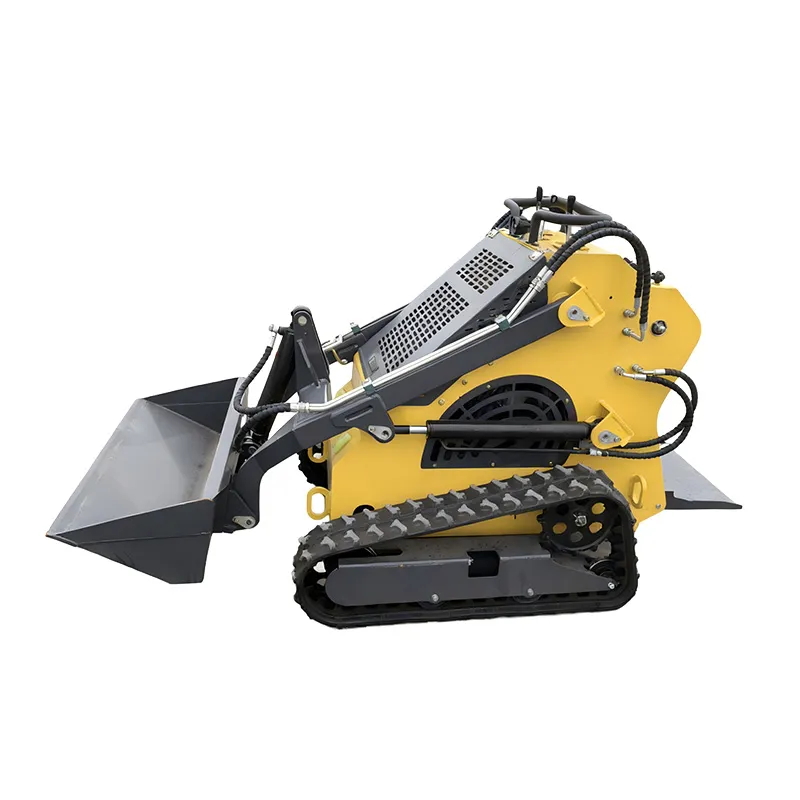
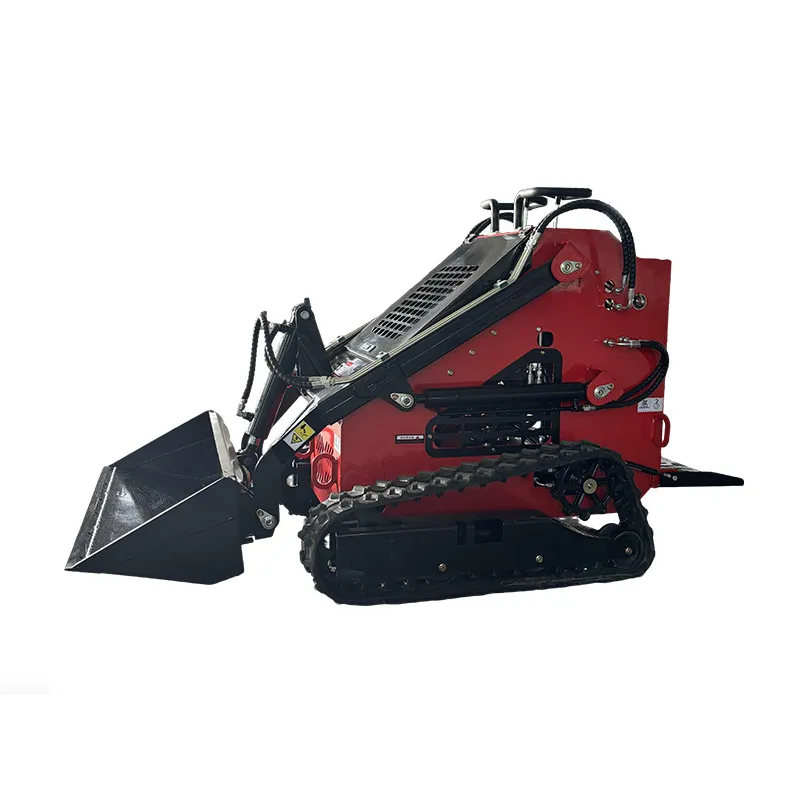
Finally, know when not to rent a compact excavator. For a one-day job moving a few yards of dirt, a skid-steer might be faster and cheaper. The compact excavator shines in precision digging, trenching, and working in confined areas. Using it as a general-purpose earthmover is often a misuse of its design and your budget. The choice hinges on the task's core requirement: brute force or precise, confined-space capability.
Building a Relationship, Not Just a Transaction
The best rental experiences come from repeat business with a provider who knows your work. They start anticipating your needs. You've got that series of backyard pool jobs coming up—we'll keep a 1.5-ton with rubber tracks prepped. This level of service comes from rental companies that invest in their fleet and their people, not just in marketing.
It also comes from dealing with suppliers who understand the full lifecycle of the machine. A company that both manufactures and supports its equipment internationally, like the model followed by Shandong Pioneer, often has a deeper insight into long-term reliability and total cost of ownership. For a rental yard, that translates to lower maintenance costs and higher machine availability. For me as a renter, it means the machine I get is less likely to have been problem child in the fleet.
In the end, a successful compact excavator rental service is a blend of mechanical reliability, logistical precision, and operational partnership. It's about providing the right tool, with the right support, at the right time. The cheap rate on a website is just the opening line of a much longer conversation. The real value is in everything that happens after you click book now—the questions asked, the advice given, the machine's condition, and the speed of response when things don't go to plan. That's what separates a commodity service from a genuine business asset.
Related Products
Related Products