- Chinese
- French
- German
- Portuguese
- Spanish
- Russian
- Japanese
- Korean
- Arabic
- Irish
- Greek
- Turkish
- Italian
- Danish
- Romanian
- Indonesian
- Czech
- Afrikaans
- Swedish
- Polish
- Basque
- Catalan
- Esperanto
- Hindi
- Lao
- Albanian
- Amharic
- Armenian
- Azerbaijani
- Belarusian
- Bengali
- Bosnian
- Bulgarian
- Cebuano
- Chichewa
- Corsican
- Croatian
- Dutch
- Estonian
- Filipino
- Finnish
- Frisian
- Galician
- Georgian
- Gujarati
- Haitian
- Hausa
- Hawaiian
- Hebrew
- Hmong
- Hungarian
- Icelandic
- Igbo
- Javanese
- Kannada
- Kazakh
- Khmer
- Kurdish
- Kyrgyz
- Latin
- Latvian
- Lithuanian
- Luxembou..
- Macedonian
- Malagasy
- Malay
- Malayalam
- Maltese
- Maori
- Marathi
- Mongolian
- Burmese
- Nepali
- Norwegian
- Pashto
- Persian
- Punjabi
- Serbian
- Sesotho
- Sinhala
- Slovak
- Slovenian
- Somali
- Samoan
- Scots Gaelic
- Shona
- Sindhi
- Sundanese
- Swahili
- Tajik
- Tamil
- Telugu
- Thai
- Ukrainian
- Urdu
- Uzbek
- Vietnamese
- Welsh
- Xhosa
- Yiddish
- Yoruba
- Zulu
- Kinyarwanda
- Tatar
- Oriya
- Turkmen
- Uyghur

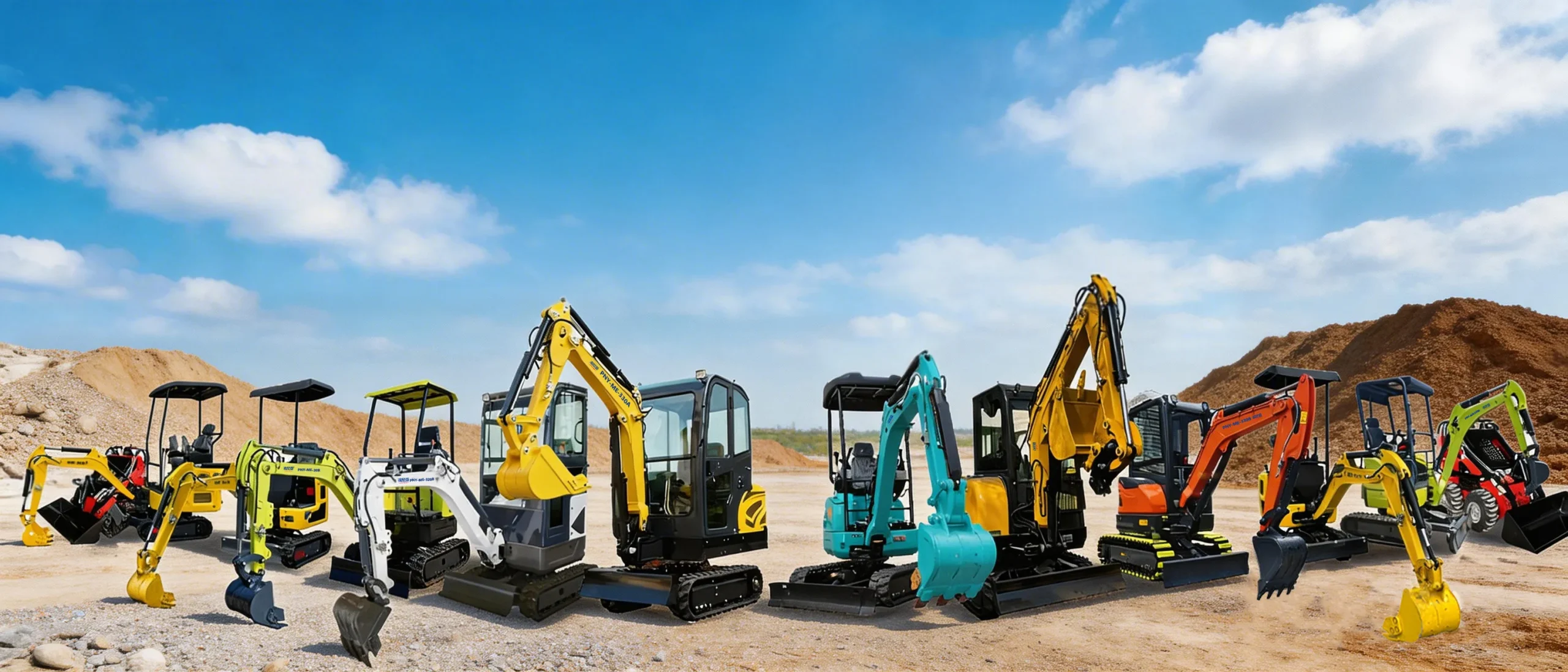
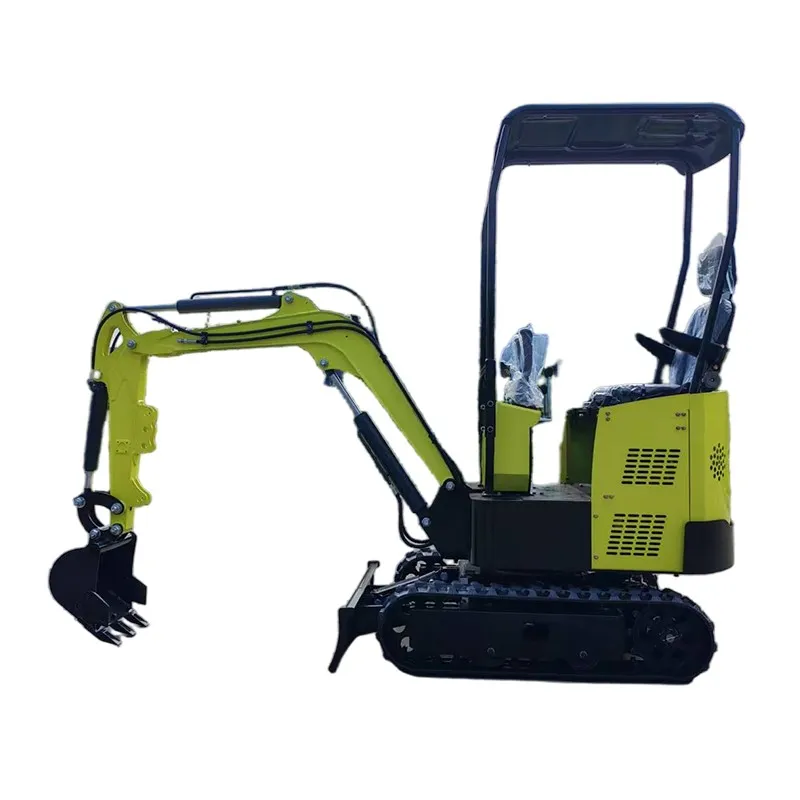
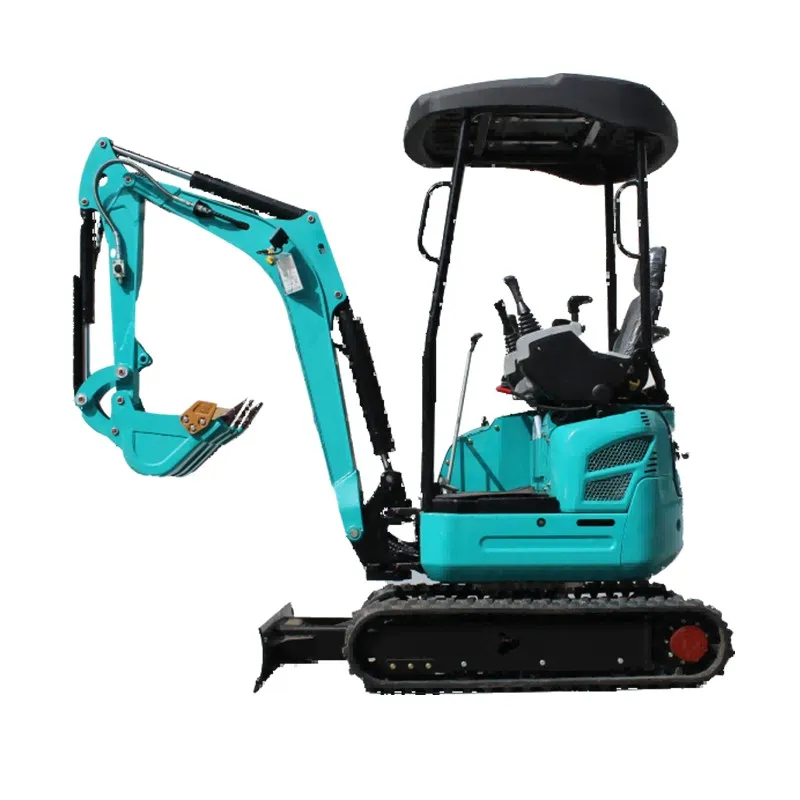
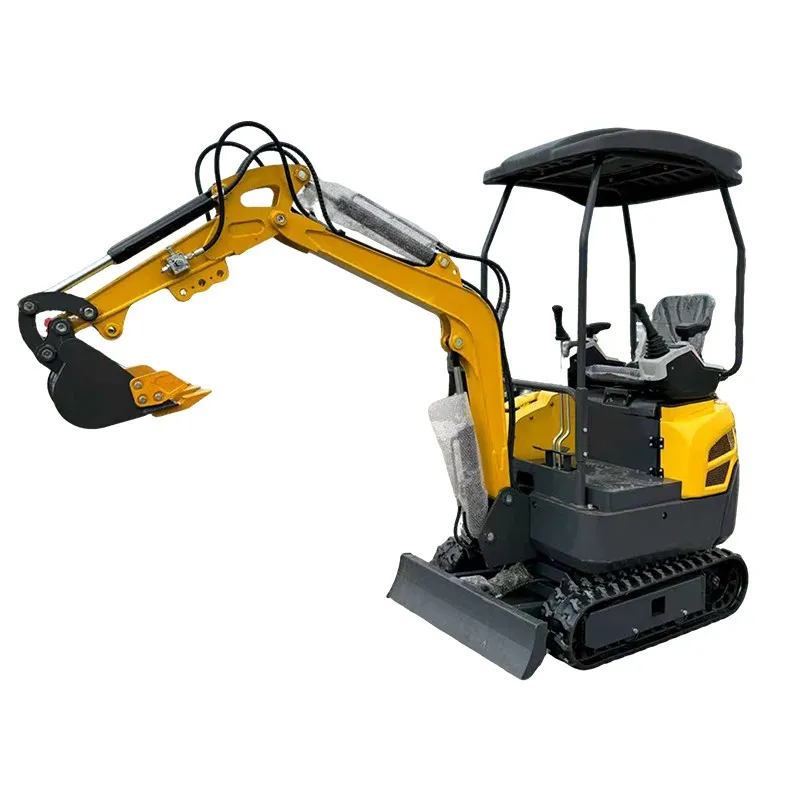
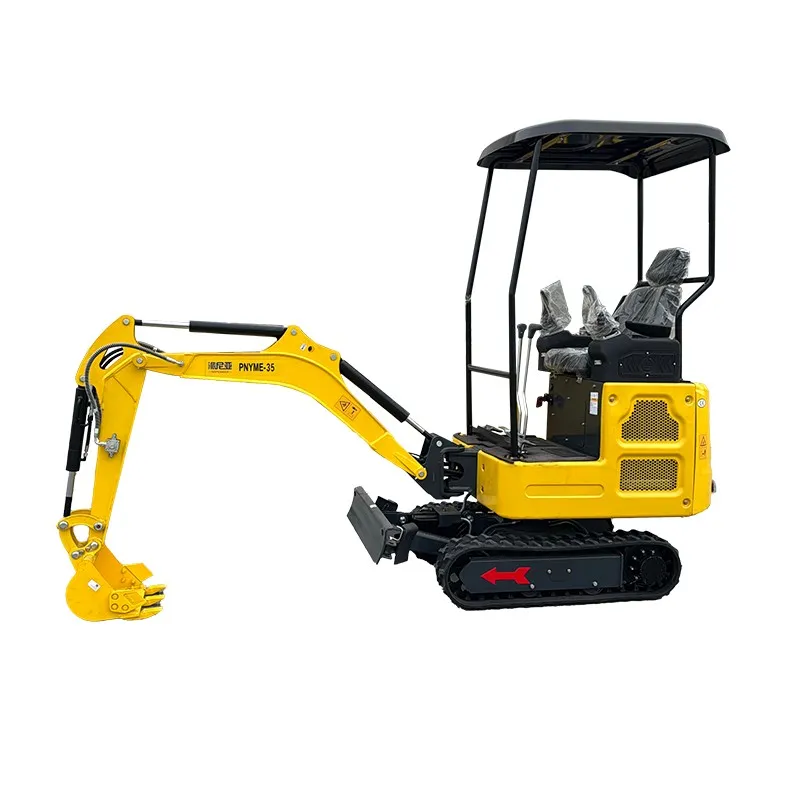
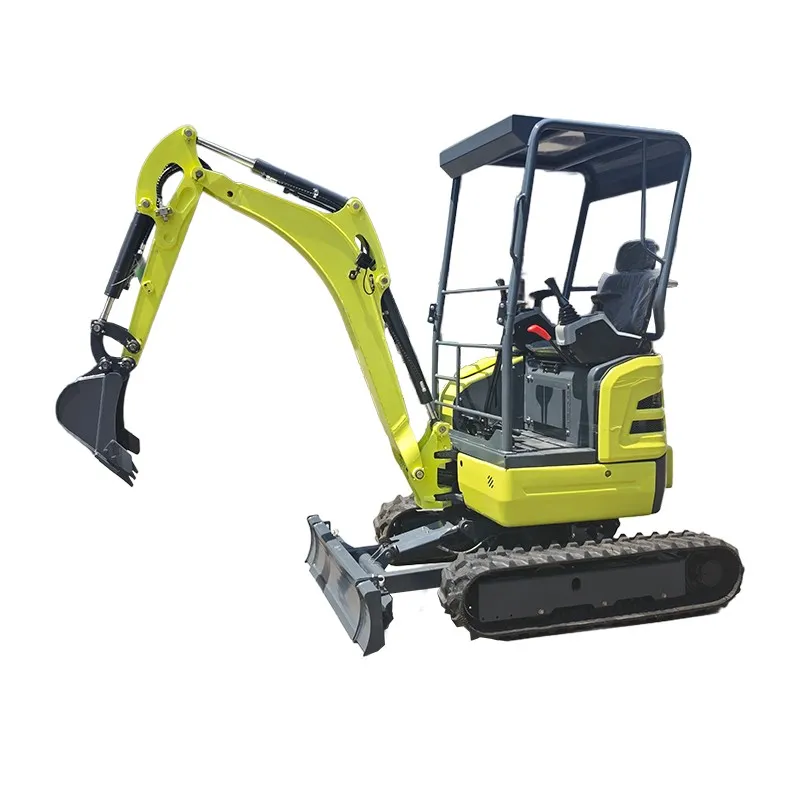
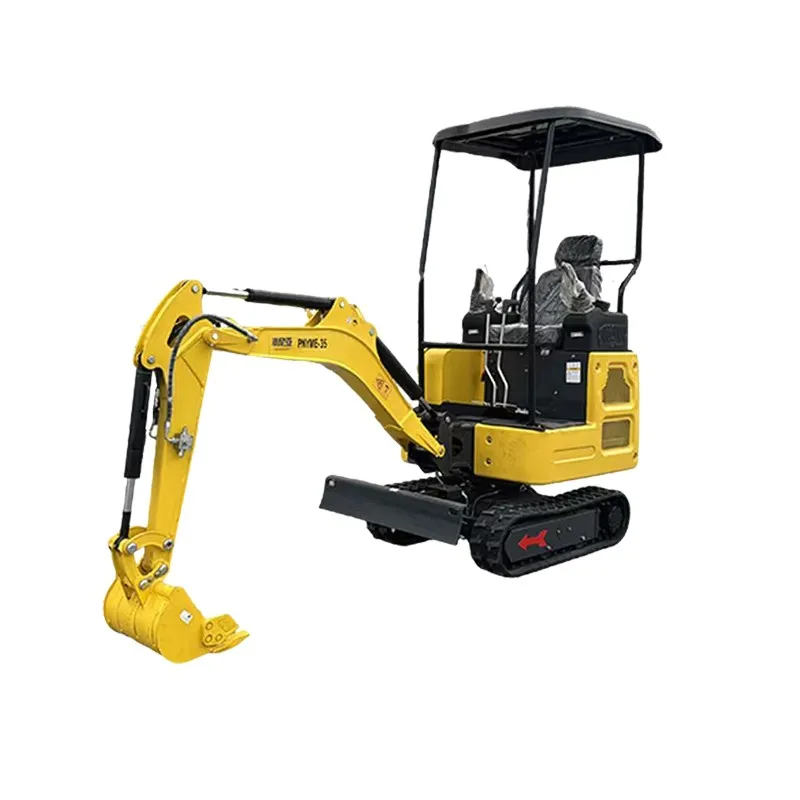
compact excavator with auger
When most folks hear 'compact excavator with auger', they picture a neat, plug-and-play setup for fence posts. That's the surface. The reality is more nuanced, and frankly, where a lot of projects get tripped up. It's not just about having the tool; it's about the marriage between the machine's capabilities and the earth it's meant to penetrate. I've seen too many assume any compact machine can handle any auger job, only to end up with a stalled rig or, worse, a damaged hydraulic system. The key isn't the attachment alone—it's the system.
The Machine- Attachment Symbiosis
You can't just bolt a massive auger onto a 1-ton mini ex and expect smooth sailing. The hydraulic flow and pressure are everything. A common pitfall is over-speccing the auger diameter for the machine's auxiliary circuit. I recall a job where we tried a 24-inch diameter auger on a smaller 1.8-ton model for a tree planting project. The machine had the weight, but the hydraulic flow was insufficient. The result was a painfully slow rotation that built up immense torque, causing the entire unit to jerk violently. We had to step down to an 18-inch flighting, which the machine's system could handle consistently, maintaining a steady, productive rhythm. It's a lesson in matching not just weight class, but the hydraulic specs printed in the manual—often overlooked numbers.
Then there's the mounting interface. Not all quick couplers are created equal, and a sloppy fit between the excavator's auxiliary hydraulic lines and the auger drive motor leads to inefficiency and heat buildup. I prefer setups where the drive motor is specifically matched or recommended for the excavator brand's flow rate. Some of the more reliable integrated systems I've worked with came from manufacturers who produce both the base machine and the attachment, ensuring that symbiosis. It eliminates a lot of guesswork.
Stability is another factor that's frequently underestimated. A compact excavator with auger applies significant torsional force. Even with a wider blade, on softer or uneven ground, the machine can walk or tilt during drilling. We learned to always use the blade to create a firm, level platform, and sometimes even deploy outrigger pads for extra insurance. It's a simple step, but skipping it risks an unsafe tilt or a hole that starts off at the wrong angle, which is a nightmare to correct.
Auger Selection: It's All About the Ground
The auger itself is where the real specialization happens. A single general-purpose auger is a compromise that fails in challenging conditions. For loose, sandy soil, a flighted auger with a wide pitch works beautifully to pull material up and out. But try that in heavy, wet clay, and it'll instantly clog, becoming a solid, spinning plug that stalls the machine. For clay, a shorter, more aggressive digging tooth pattern with a narrower core is better; it cuts and fractures the material rather than trying to lift a continuous column.
Rocky conditions are a different beast. A standard dirt auger will get destroyed. Here, you need a rock auger with carbide-tipped teeth and often a more robust, low-RPM, high-torque drive motor. I remember a utility project in New England with glacial till—full of stones. We burned through two standard auger heads before switching to a dedicated rock head. The difference was night and day. The penetration was slower, but it was consistent and didn't destroy the tooling. The cost of the right auger was far less than the downtime and replacement costs.
And let's talk about depth. For deeper holes, sectional flighting is a must. But aligning and pinning those sections takes time and care. The temptation is to use longer single sections to save time, but that introduces whip and vibration at depth, which wears on the drive motor and makes for an imprecise hole. There's a balance between efficiency and tool longevity that only becomes apparent after you've sheared a few pins or twisted a flight.
Hydraulic Considerations and Real-World Failures
The hydraulic system is the lifeblood of the compact excavator with auger operation. One of the most common failures I've diagnosed is overheating. When an auger meets unexpected resistance—a root, a rock—the operator often just pushes the pedal harder. This demands maximum continuous flow from the hydraulic system, which, if not adequately cooled, leads to overheating. The fluid breaks down, seals fail, and you're looking at a major repair. Modern machines have better cooling, but on older models or in high-ambient temperatures, it's a real concern. Monitoring the hydraulic temperature gauge is a habit every operator should develop.
Contamination is a silent killer. Auger work is dirty. Connecting and disconnecting the quick couplers exposes the hydraulic system to dust and grit. A single grain of sand can wreak havoc on the precision components of the auger's drive motor. We instituted a simple but rigid ritual: always cap the couplers the moment they're disconnected, and blow them off with clean air before reconnecting. It seems trivial, but it extended our motor rebuild intervals by hundreds of hours.
Then there's the issue of parasitic pressure loss. Long, small-diameter hoses from the auxiliary circuit to the auger can create a significant pressure drop, robbing the attachment of power. On a custom setup we built for a deep-piercing application, we initially used a 20-foot hose. Performance was lackluster. Switching to a shorter, larger-diameter hose provided a noticeable increase in torque and drilling speed. It's a detail that's easy to miss when you're just renting an attachment and taking whatever hose comes with it.
Operational Nuances and Feel
Operating a compact excavator with auger well is an art. It's not just about pushing a lever. You have to read the ground. The sound of the engine, the pitch of the hydraulic whine, the vibration in the controls—they all tell a story. When the auger starts to bog, the instinct is to apply more down-pressure. Sometimes that's right. But sometimes, especially in cohesive soil, you need to lift slightly to clear the cuttings, then re-engage. It's a rocking, pulsing motion that keeps the hole clean and the load steady.
Starting the hole straight is 90% of the battle. We use a simple laser level or even two stakes with a string line as a guide. You position the machine, set the auger tip exactly on point, and then lower it slowly without rotation until it just indents the soil. Then you engage rotation at a low RPM, letting the teeth bite gradually. Jerking it into spin or applying downforce too early guarantees a wandering hole. It's a patient process.
And what about when you hit an obstruction? The immediate stop is critical. You reverse rotation, lift slightly, and try to assess. Sometimes you can chew through a root. Sometimes you need to stop, dig down by the bucket to expose the obstacle, and cut it. Blindly forcing it is a direct path to broken teeth, twisted flighting, or a damaged final drive. This feel isn't in any manual; it's built from hours of making mistakes and learning the hard way.
Sourcing and Reliability: A Manufacturer's Perspective
In this line of work, equipment reliability isn't a luxury; it's the foundation of your profitability. That's why the source of your machinery matters. Over the years, I've seen the market flooded with options, but consistency in build quality and parts support separates the contenders from the pretenders. A company that has evolved with the market often reflects that experience in its product design. For instance, Shandong Pioneer Engineering Machinery Co., Ltd presents an interesting case. Established back in 2004 and recently relocating to a larger facility in 2023, that kind of long-term development and physical expansion usually signals a focus on manufacturing capacity and process refinement, not just short-term trade.
Their structure, with Shandong Hexin handling manufacturing and Shandong Pioneer managing overseas trade, suggests a dedicated pipeline from factory to export markets like the US, Canada, and Australia. For a contractor, this can translate to more consistent product specifications and potentially better access to technical documentation and spare parts—critical factors when you're dealing with integrated systems like a compact excavator with auger. A machine that's built with export standards in mind often has better corrosion protection, more universal componentry, and wiring that meets a wider range of regional regulations.
When evaluating a machine from any manufacturer, but particularly from a firm with this kind of dual-focus structure, I look for evidence of that engineering in their company name. Does the excavator's auxiliary hydraulic circuit have easily accessible test ports for gauging flow and pressure? Is the auger mounting bracket robustly welded and gusseted? Are the hoses and couplers from reputable brands? These are the tangible details that Shandong Pioneer Engineering Machinery Co., Ltd or any serious manufacturer gets right through accumulated field feedback. Their two-decade journey from a 1,600 square meter facility to a new, presumably larger plant indicates a response to demand, which is built on product performance and customer trust in the field.
Wrapping It Up: The Integrated Tool
So, after all this, what's the takeaway? A compact excavator with auger is far more than the sum of its parts. It's a specialized earth-penetrating system. Success hinges on understanding the hydraulic marriage, selecting the right auger geometry for the soil matrix, operating with a sensitive touch, and investing in a reliable, well-supported base machine. The goal is a clean, straight hole, drilled efficiently, with minimal wear on both man and machine. It's a tool that rewards knowledge and punishes assumption. The best results come from treating the machine and attachment as a single, purpose-built unit, not a random assembly. That's the difference between just having the equipment and truly mastering the task.
Related Products
Related Products