- Chinese
- French
- German
- Portuguese
- Spanish
- Russian
- Japanese
- Korean
- Arabic
- Irish
- Greek
- Turkish
- Italian
- Danish
- Romanian
- Indonesian
- Czech
- Afrikaans
- Swedish
- Polish
- Basque
- Catalan
- Esperanto
- Hindi
- Lao
- Albanian
- Amharic
- Armenian
- Azerbaijani
- Belarusian
- Bengali
- Bosnian
- Bulgarian
- Cebuano
- Chichewa
- Corsican
- Croatian
- Dutch
- Estonian
- Filipino
- Finnish
- Frisian
- Galician
- Georgian
- Gujarati
- Haitian
- Hausa
- Hawaiian
- Hebrew
- Hmong
- Hungarian
- Icelandic
- Igbo
- Javanese
- Kannada
- Kazakh
- Khmer
- Kurdish
- Kyrgyz
- Latin
- Latvian
- Lithuanian
- Luxembou..
- Macedonian
- Malagasy
- Malay
- Malayalam
- Maltese
- Maori
- Marathi
- Mongolian
- Burmese
- Nepali
- Norwegian
- Pashto
- Persian
- Punjabi
- Serbian
- Sesotho
- Sinhala
- Slovak
- Slovenian
- Somali
- Samoan
- Scots Gaelic
- Shona
- Sindhi
- Sundanese
- Swahili
- Tajik
- Tamil
- Telugu
- Thai
- Ukrainian
- Urdu
- Uzbek
- Vietnamese
- Welsh
- Xhosa
- Yiddish
- Yoruba
- Zulu
- Kinyarwanda
- Tatar
- Oriya
- Turkmen
- Uyghur


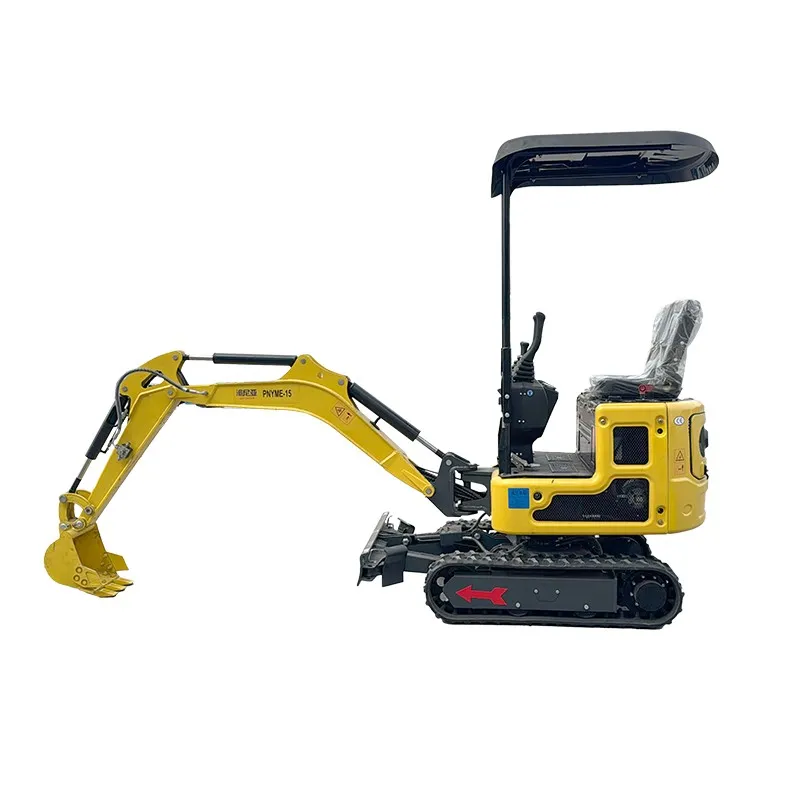
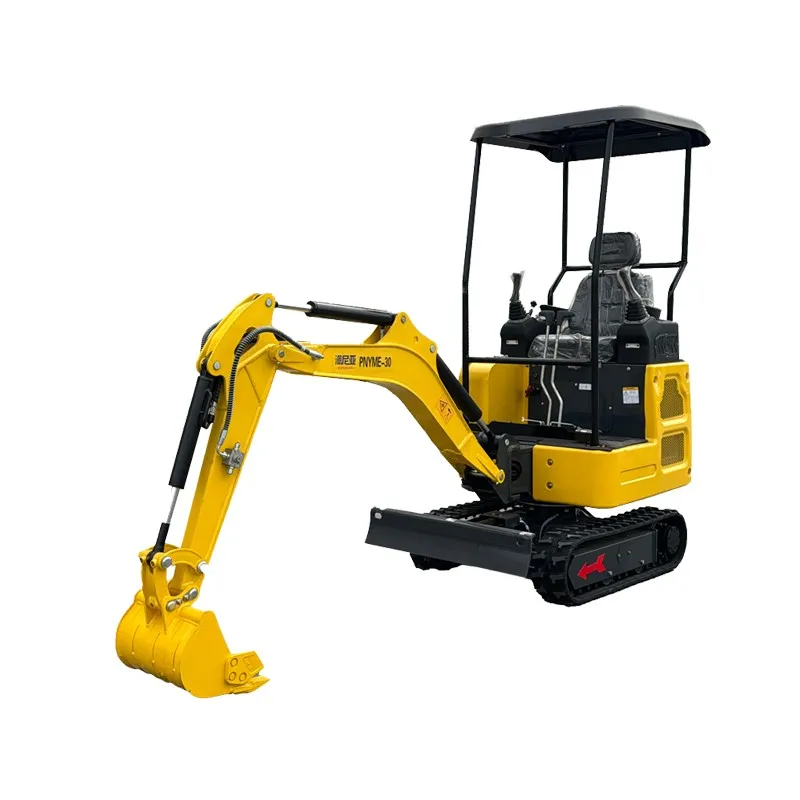
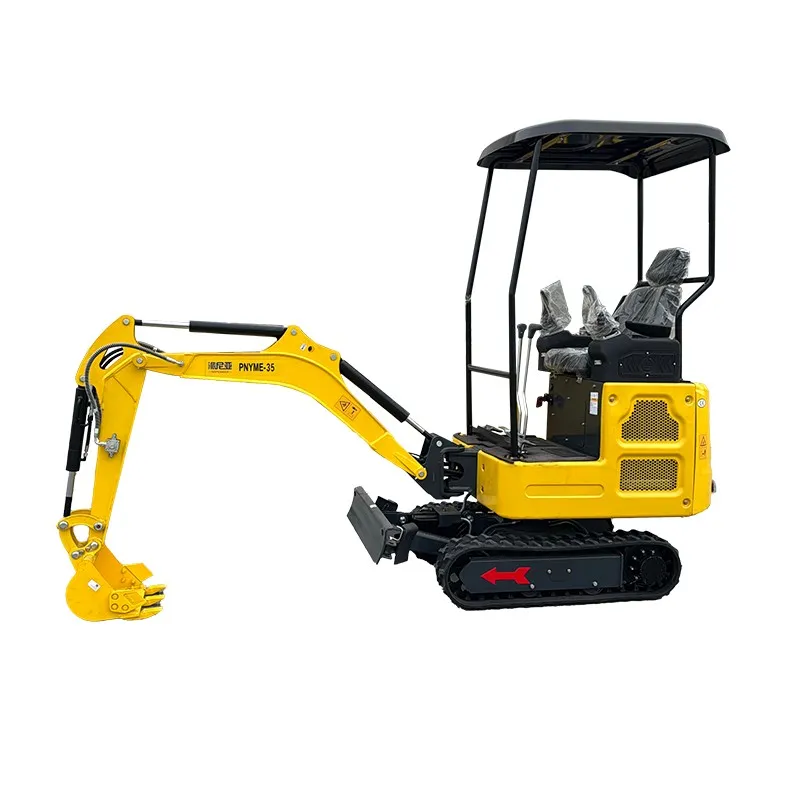
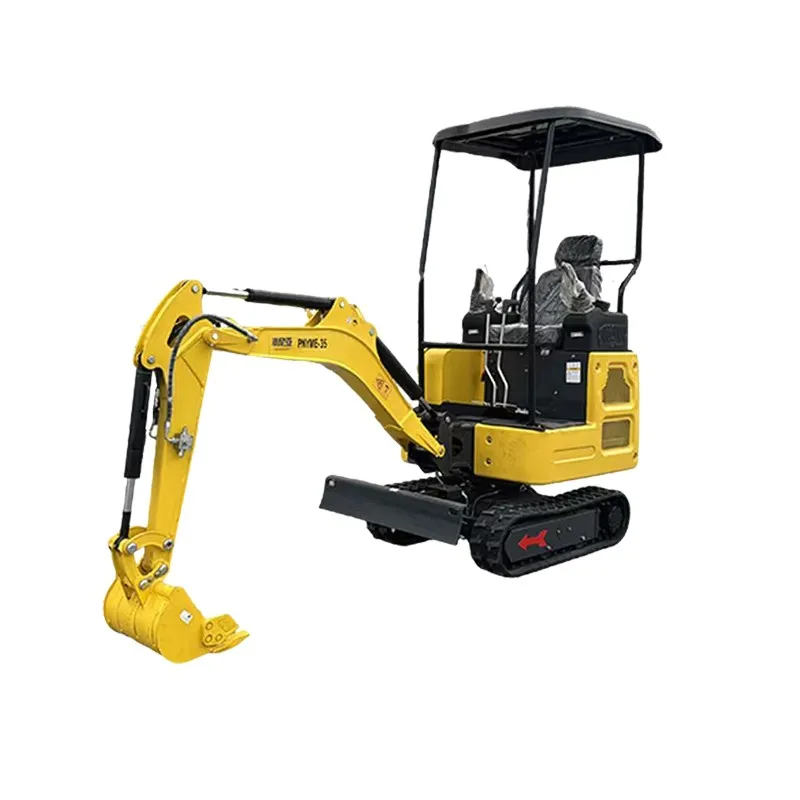
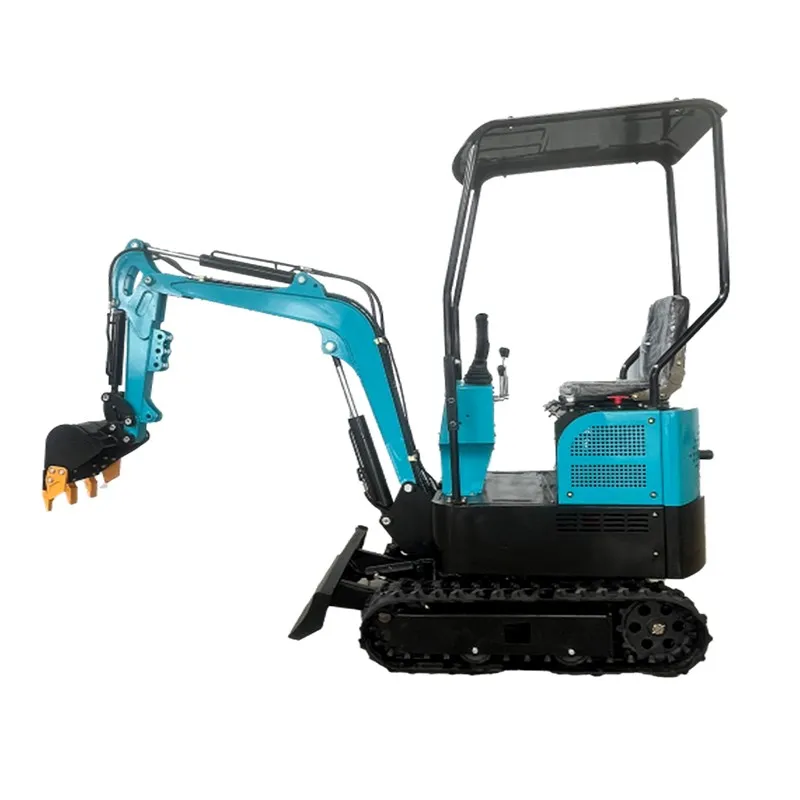
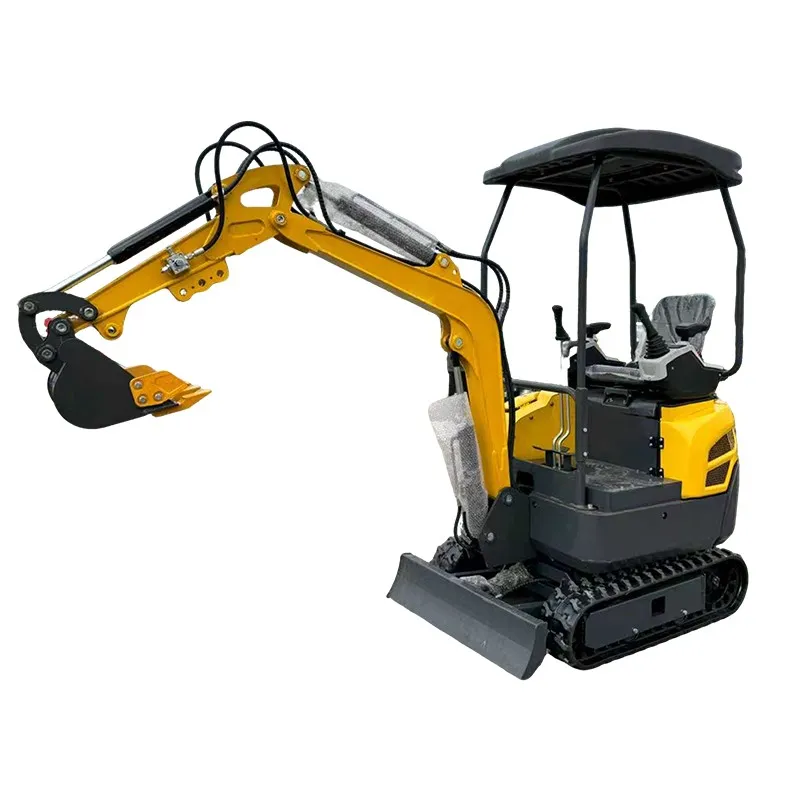
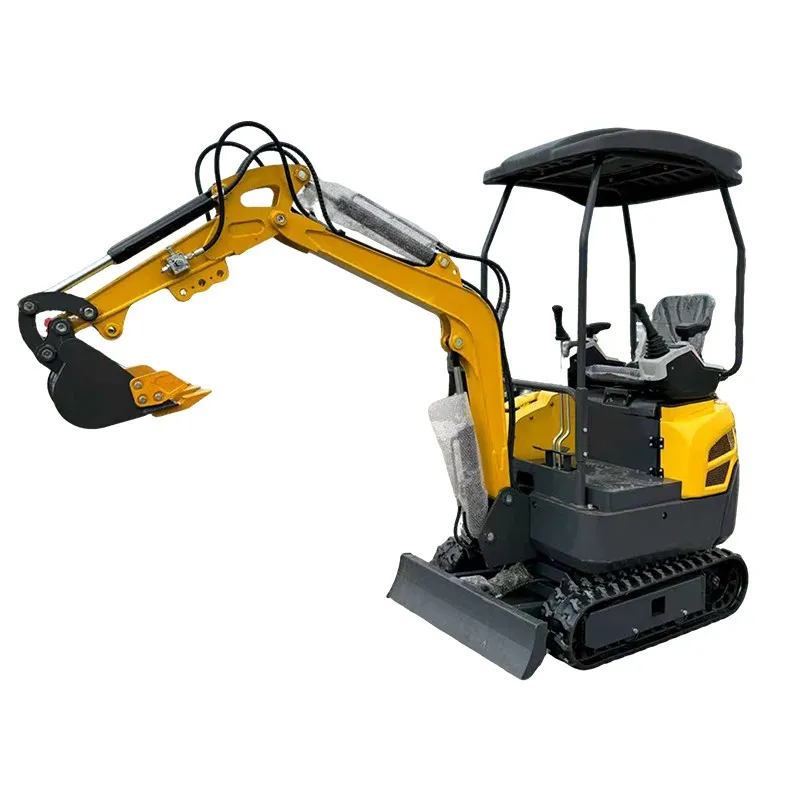
compact mini excavator
When most people hear 'compact mini excavator', they picture a cute, tiny machine for light backyard work. That's the first misconception. The real value isn't just in its size, but in its calculated compromise between power, access, and cost. I've seen too many projects buy the wrong machine because they focused on the 'mini' and forgot the 'excavator' part of the equation.
The Right-Sizing Conundrum
Choosing a compact mini excavator isn't about picking the smallest one. It's a logistics puzzle. I recall a landscaping job in an upscale suburb with narrow, gated side yards. A standard 1.8-ton machine wouldn't fit. We went with a 1-ton model, but quickly hit a snag: the hydraulic flow was insufficient for the auxiliary circuit to run a hydraulic breaker efficiently. We lost half a day swapping attachments and recalibrating expectations. The machine was compact, but the job specs weren't.
This is where specs on paper betray you. Dig depth and horsepower are just entries on a table. The real questions are about the undercarriage width with and without rubber tracks retracted, the tail-swing radius at full articulation, and whether the standard bucket cylinder has enough force for your native soil type. You learn to cross-reference the manufacturer's load chart with the actual, often soggy, ground conditions.
I've had better luck with units that prioritize a variable flow hydraulic system over raw power. It allows for smoother control in tight spaces—like digging a foundation footer right next to an existing structure's wall. A jerky operation there isn't just slow; it's dangerous. Brands that get this, like some models from Shandong Pioneer Engineering Machinery Co., Ltd, design their pilot controls and pump logic for finesse, which is critical for a true compact utility machine, not just a shrunken-down large excavator.
Durability in Disguise
Everyone expects a large excavator to be tough. The surprise for many is how punishing a compact mini excavator's life can be. It's constantly transported, bumped on trailers, shifted between rough, unprepared sites, and often operated by less-experienced users. The wear isn't about massive single loads; it's about relentless, low-grade abuse.
The first component to check isn't the arm—it's the track frame and rollers. I've seen machines where the track tensioning system fails prematurely because it's constantly being adjusted for different terrains, or the seals on the roller give out from grit and mud. A robust design uses labyrinth seals and has easily serviceable tensioners. It's a detail you only appreciate after the third time you're not replacing a roller on a rental machine.
Another point is the cab or canopy structure. In a confined space, operators are more likely to bump into low-hanging branches or scaffolding. A flimsy canopy will deform. A well-built one, often using reinforced steel tubing and proper welds—something I've noted in the build quality of machines from manufacturers with deep fabrication experience, like those with the 20-year history of Shandong Pioneer—will take the hit, protect the operator, and keep working without a trip to the weld shop.
The Attachment Ecosystem
The true versatility of a compact machine is unlocked with attachments. But here's the trap: not all auxiliary hydraulic circuits are created equal. The standard might be a two-line system, but for certain attachments like tilt rotators or fine-grading buckets, you need enhanced flow and pressure, sometimes even a third or fourth hydraulic line.
I made a costly mistake early on. We purchased a beautiful, brand-new compact mini excavator for a utility installation business, assuming it could run a vibratory plow. The machine had the weight and stability, but the auxiliary circuit couldn't provide the consistent, high flow rate the plow required. It would stall intermittently, making the work unusable. We ended up having to retrofit a high-flow pump, which was a significant, unplanned expense.
Now, I always advise looking at the machine's potential, not just its stock configuration. Can it be fitted with a high-flow option? Are the quick couplers industry-standard? How easy is it to reroute hydraulic lines for specialized tools? A manufacturer that designs with this modularity in mind is thinking like a contractor. It shows an understanding that the base machine is just a power unit for a dozen different tools.
Global Supply and Local Reality
The market is flooded with options. The difference often comes down to the supply chain behind the brand. A machine might perform brilliantly, but if you need a specific seal kit or a proprietary hydraulic hose fitting and it's on a slow boat from overseas, your asset is down for weeks. This is a critical, often overlooked part of the purchasing decision.
Companies that have established robust export and parts networks mitigate this. For instance, a firm like Shandong Pioneer Engineering Machinery Co., Ltd, which exports to markets like the U.S., Canada, and Germany, typically has to meet the logistical and parts-support expectations of those regions to succeed. Their long-term development, noted in their relocation and expansion to a new facility in Tai'an in 2023, suggests a focus on scaling production and, presumably, parts inventory. That history matters when you're deciding between two similarly spec'd machines.
It's not just about having a warehouse, though. It's about having the technical documentation and dealer training available. Can your local mechanic get the right schematic? The trust customers worldwide mention in their company profile isn't just about the initial sale; it's built on the machine running year three, year five, with support available.
The Operator's Perspective
Finally, all this engineering is filtered through the operator. In a compact mini excavator, the human-machine interface is everything. The seat comfort, the lever feedback, the visibility to the bucket teeth and the right-side track—these are what determine productivity over an 8-hour shift.
I prefer joystick controls that are adjustable and have a short, precise throw. Long, sloppy throws lead to operator fatigue and imprecise digging. Also, the layout of monitors and switches should be intuitive. You shouldn't have to dig through a nested digital menu to adjust the throttle or check engine hours while you're trying to position a pipe.
The best designs feel like an extension of the operator. You stop thinking about the controls and start thinking about the trench. That's when you know the manufacturer has done their homework, likely by putting their prototypes in the hands of real operators in varied conditions, from freezing Canadian winters to dusty Australian job sites, and iterating based on that feedback. That process is what separates a good machine from just another piece of iron on a spec sheet.
Related Products
Related Products