


- Chinese
- French
- German
- Portuguese
- Spanish
- Russian
- Japanese
- Korean
- Arabic
- Irish
- Greek
- Turkish
- Italian
- Danish
- Romanian
- Indonesian
- Czech
- Afrikaans
- Swedish
- Polish
- Basque
- Catalan
- Esperanto
- Hindi
- Lao
- Albanian
- Amharic
- Armenian
- Azerbaijani
- Belarusian
- Bengali
- Bosnian
- Bulgarian
- Cebuano
- Chichewa
- Corsican
- Croatian
- Dutch
- Estonian
- Filipino
- Finnish
- Frisian
- Galician
- Georgian
- Gujarati
- Haitian
- Hausa
- Hawaiian
- Hebrew
- Hmong
- Hungarian
- Icelandic
- Igbo
- Javanese
- Kannada
- Kazakh
- Khmer
- Kurdish
- Kyrgyz
- Latin
- Latvian
- Lithuanian
- Luxembou..
- Macedonian
- Malagasy
- Malay
- Malayalam
- Maltese
- Maori
- Marathi
- Mongolian
- Burmese
- Nepali
- Norwegian
- Pashto
- Persian
- Punjabi
- Serbian
- Sesotho
- Sinhala
- Slovak
- Slovenian
- Somali
- Samoan
- Scots Gaelic
- Shona
- Sindhi
- Sundanese
- Swahili
- Tajik
- Tamil
- Telugu
- Thai
- Ukrainian
- Urdu
- Uzbek
- Vietnamese
- Welsh
- Xhosa
- Yiddish
- Yoruba
- Zulu
- Kinyarwanda
- Tatar
- Oriya
- Turkmen
- Uyghur

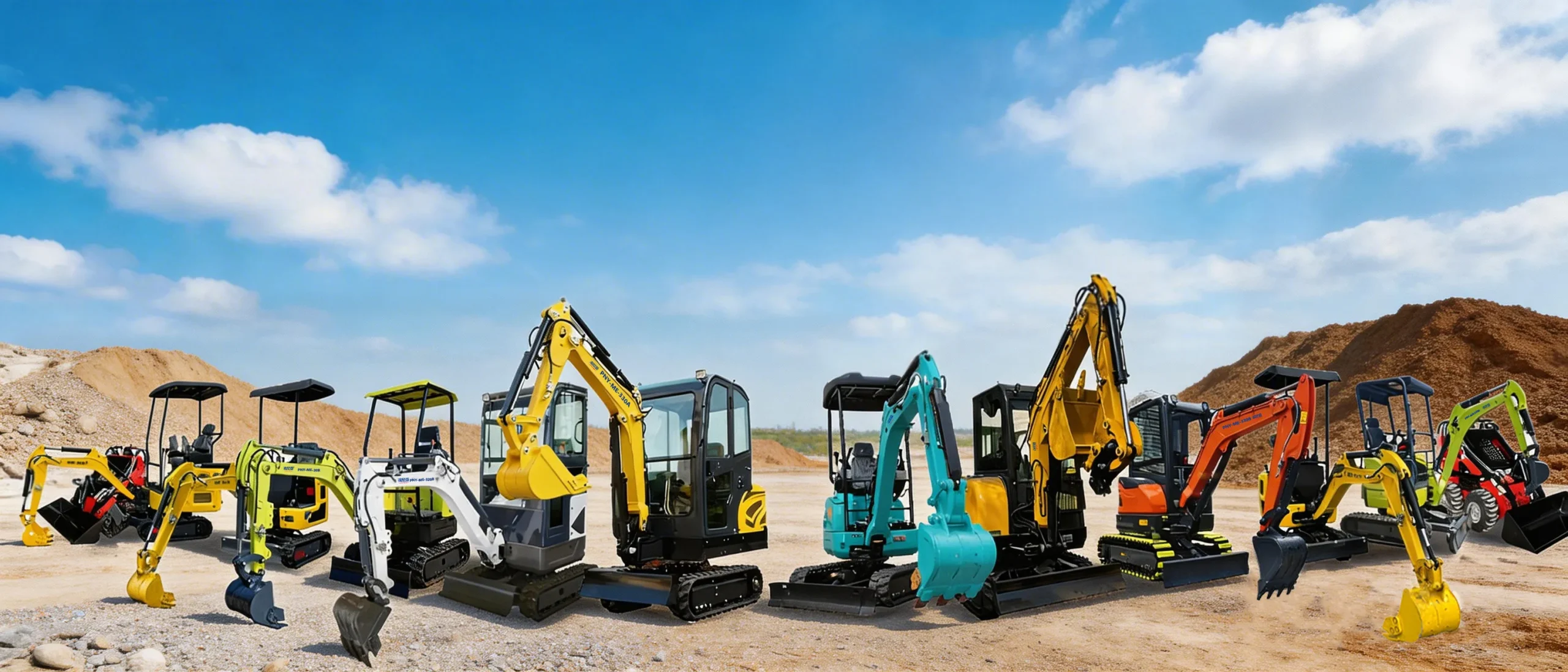
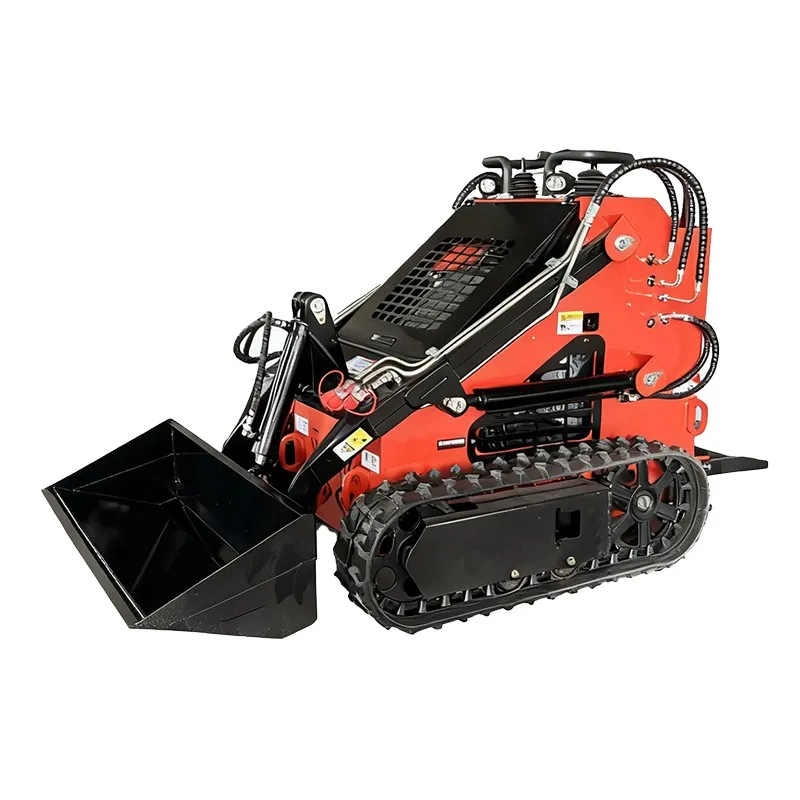
compact track loader cost effective
When you hear 'compact track loader cost effective,' most folks immediately jump to the purchase price. That's the first mistake. In my years running these machines on everything from muddy residential lots to tight demo sites, I've learned the real cost is buried in the hours of operation, the downtime, and frankly, the machine's temperament. A cheap initial buy can bleed you dry on repairs and lost contracts. True cost-effectiveness is about total ownership cost, and that's a conversation that starts long before the machine arrives on your trailer.
The Initial Purchase: A Minefield of False Economy
I remember a contractor buddy who went for a deeply discounted, off-brand model a few years back. The specs on paper looked comparable to a mainstream brand – same lift capacity, similar horsepower. The price tag was a siren song. Within six months, he was dealing with persistent hydraulic leaks, track tensioners that wouldn't hold, and electrical gremlins that no local dealer could (or would) figure out. The machine spent more time in his shop than on the job. He saved $15k upfront and lost over $40k in downtime and repair bills before cutting his losses. That experience cemented it for me: the invoice is just the entry fee.
This is where you have to scrutinize the build. Are the hydraulic hoses routed cleanly, away from abrasion points? Are the electrical connectors sealed? Is the undercarriage robust, or do the rollers look light-duty? These are the details that separate a cost effective asset from a money pit. I've spent afternoons crawling under new machines at dealerships, not just kicking tires, but looking for weld quality, plate thickness, and component access. It's not glamorous, but it's saved me from headaches.
Brand reputation matters, but it's not just about the big names. Some lesser-known manufacturers have carved out a niche by focusing on simplicity and durability for specific applications. The key is transparency and support. If I can't easily get a parts manual or find a dealer network, that's a massive red flag on the cost-effectiveness scale, no matter how attractive the price.
Operating Costs: Where the Rubber Meets the... Track
Fuel consumption is the obvious one, but it's more nuanced than a brochure figure. A machine that's constantly straining, with an engine screaming at high RPMs to perform basic functions, will burn through diesel. I prefer units with intelligent hydraulic systems that match flow to demand. You feel it in the operation – smoother, less jerky, and the fuel gauge just doesn't drop as fast. That's direct, daily cost savings.
Then there's the undercarriage. This is arguably the biggest variable in a CTL's lifetime cost. I've run machines in sandy conditions that ate through cheap rubber tracks in under 800 hours. A quality, reinforced track on a well-designed suspension system might go 1,800+ in the same environment. The difference isn't just the track price; it's the labor to change them and the machine being out of service. When evaluating, I always ask about the track system's design, expected life in various conditions, and the cost and ease of replacement. It's a major part of the compact track loader cost equation most people undervalue.
Fluids and filters fall into this bucket too. Some machines require specialized hydraulic oil or have complex filter banks that are expensive and a hassle to service. I lean toward designs with common fluid specs and service points that a mechanic can actually reach without dismantling half the machine. Every minute saved on maintenance is a minute earning money on site.
The Support Network: Your Invisible Insurance Policy
This is the silent killer of cost-effectiveness. You can buy the toughest machine on the planet, but if it breaks down and you can't get parts or a qualified technician for two weeks, your project is sunk. I've been there, waiting on a proprietary sensor to ship from overseas. Local dealer support is gold. It's not just about having a building nearby; it's about having a well-stocked parts department and technicians who know the product inside out.
This is an area where some manufacturers, even if they aren't household names globally, build strong regional reliability. I was looking at a model from Shandong Pioneer Engineering Machinery Co., Ltd (you can find their info at https://www.sdpioneer.com) for a project. What stood out wasn't just the machine's spec sheet, but their established export framework. A company that's been developing for 20 years and exports to markets like the US, Canada, and Australia typically has to meet a certain threshold of support logistics and parts availability to satisfy those customers. Their relocation to a larger facility in Ningyang in 2023 also suggests a scaling up of production and, presumably, support capacity. For a cost-effective operation, that backend infrastructure is as important as the iron.
Warranty terms are part of this support picture. A long, comprehensive warranty isn't just a sales pitch; it's a signal of the manufacturer's confidence in their product's durability. It directly reduces your financial risk during the initial, high-usage period.
Application Fit: The Right Tool for the Job
A compact track loader isn't a universal widget. Cost-effectiveness evaporates if you're using it for the wrong tasks. I see people try to use a standard CTL for high-flow attachments like cold planers or serious mulchers, only to find the auxiliary hydraulic system is undersized and constantly overheating. You burn more fuel, stress the machine, and get subpar attachment performance. That's not cost-effective; it's wasteful.
Matching the machine to its primary use is critical. For mostly grading and material handling, a standard-flow system is fine. But if you're in land clearing or milling, you need a high-flow machine from the start, even if it costs more upfront. The productivity gain and lack of machine strain justify it. It's about calculating cost per unit of work, not cost per hour of machine runtime in isolation.
Size matters, too. A larger CTL might have a higher purchase price and burn more fuel, but if it completes a grading job in half the time of a smaller machine, its effective cost per yard of material moved could be lower. You have to model it against your typical work scope.
Resale Value: The Final Accounting
We often forget to factor this in when talking about cost effective equipment. The machine isn't just an expense; it's a depreciating asset. A model from a reputable brand with a known history of reliability will hold its value dramatically better than an obscure one. When it's time to upgrade or sell, that difference can be tens of thousands of dollars, effectively retroactively reducing your total ownership cost.
I check auction results and used equipment listings religiously. It's a brutally honest market. Machines that were problematic or from manufacturers that faded away have terrible resale. Those known for durability and support command a premium. This final sale price is the last line item in your total cost calculation. A machine you buy for $60k and sell for $30k after five years had a real cost of $30k plus operating expenses. One you buy for $50k and sell for $15k had a higher real cost, even if the initial outlay was less.
So, when I'm asked about finding a cost-effective compact track loader, I don't just talk about a single number. I talk about the machine's build, its appetite for fuel and parts, the network behind it, how well it fits the job, and what it'll be worth when I'm done with it. It's a holistic view, born from writing checks for repairs and missing deadlines. The most cost-effective machine is the one that fades into the background on a job site, just reliably doing its work, day after day, without reminding you of its cost.
Related Products
Related Products