- Chinese
- French
- German
- Portuguese
- Spanish
- Russian
- Japanese
- Korean
- Arabic
- Irish
- Greek
- Turkish
- Italian
- Danish
- Romanian
- Indonesian
- Czech
- Afrikaans
- Swedish
- Polish
- Basque
- Catalan
- Esperanto
- Hindi
- Lao
- Albanian
- Amharic
- Armenian
- Azerbaijani
- Belarusian
- Bengali
- Bosnian
- Bulgarian
- Cebuano
- Chichewa
- Corsican
- Croatian
- Dutch
- Estonian
- Filipino
- Finnish
- Frisian
- Galician
- Georgian
- Gujarati
- Haitian
- Hausa
- Hawaiian
- Hebrew
- Hmong
- Hungarian
- Icelandic
- Igbo
- Javanese
- Kannada
- Kazakh
- Khmer
- Kurdish
- Kyrgyz
- Latin
- Latvian
- Lithuanian
- Luxembou..
- Macedonian
- Malagasy
- Malay
- Malayalam
- Maltese
- Maori
- Marathi
- Mongolian
- Burmese
- Nepali
- Norwegian
- Pashto
- Persian
- Punjabi
- Serbian
- Sesotho
- Sinhala
- Slovak
- Slovenian
- Somali
- Samoan
- Scots Gaelic
- Shona
- Sindhi
- Sundanese
- Swahili
- Tajik
- Tamil
- Telugu
- Thai
- Ukrainian
- Urdu
- Uzbek
- Vietnamese
- Welsh
- Xhosa
- Yiddish
- Yoruba
- Zulu
- Kinyarwanda
- Tatar
- Oriya
- Turkmen
- Uyghur


Compact Track Loader for Construction
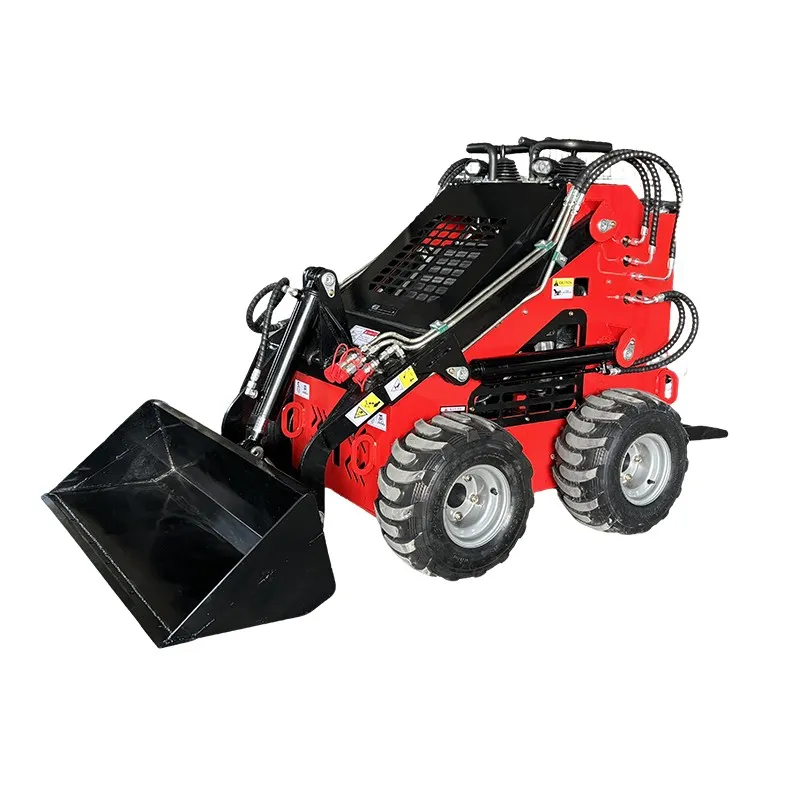
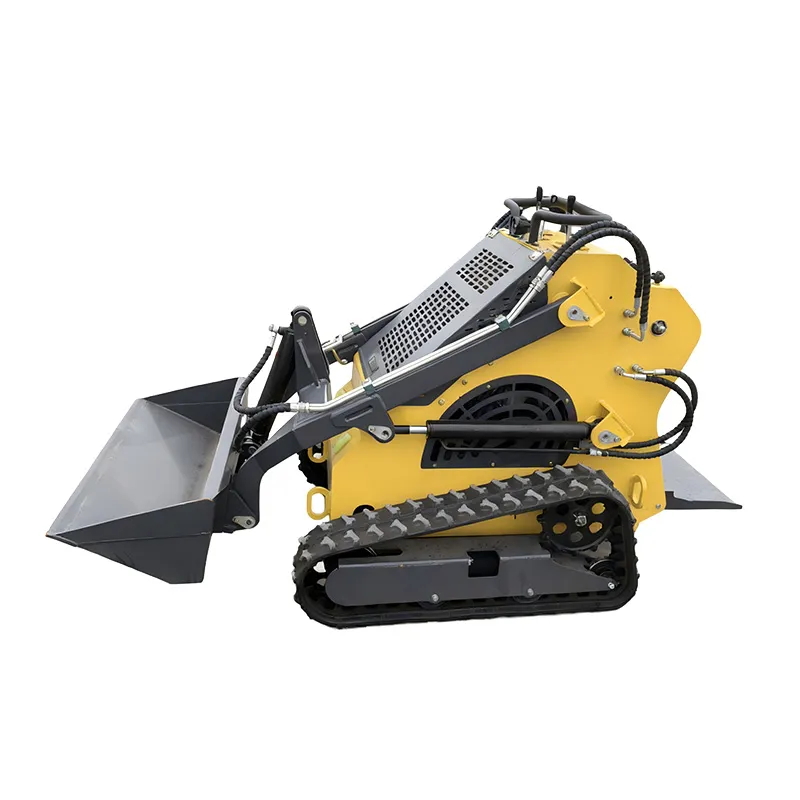
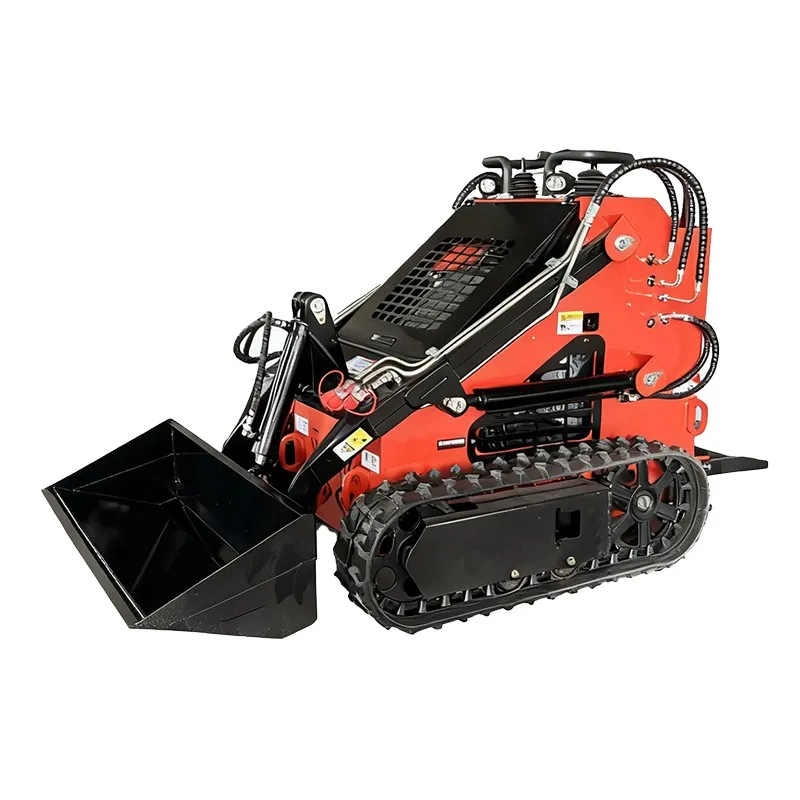
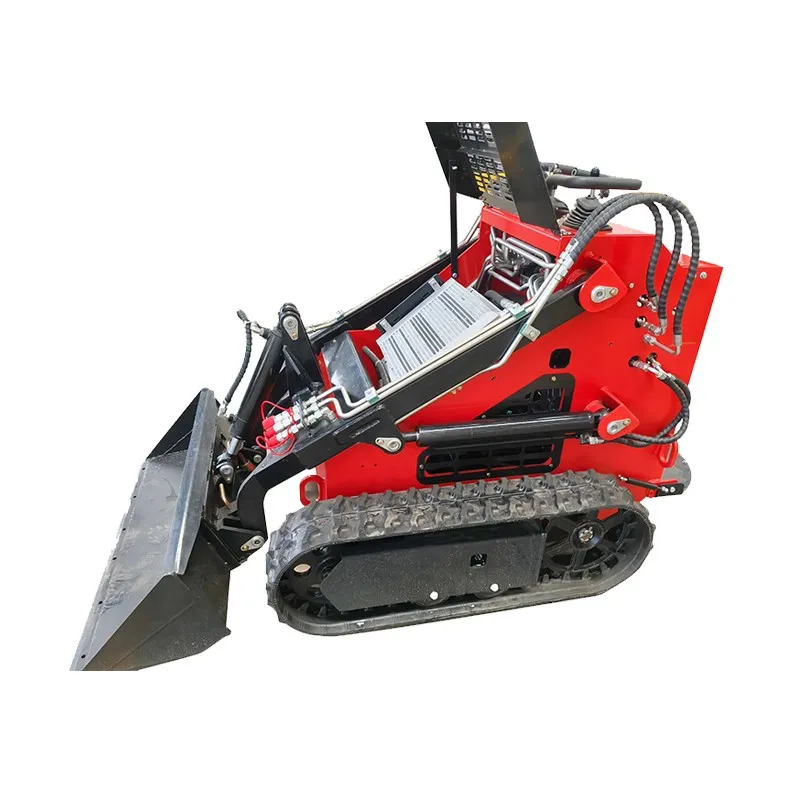
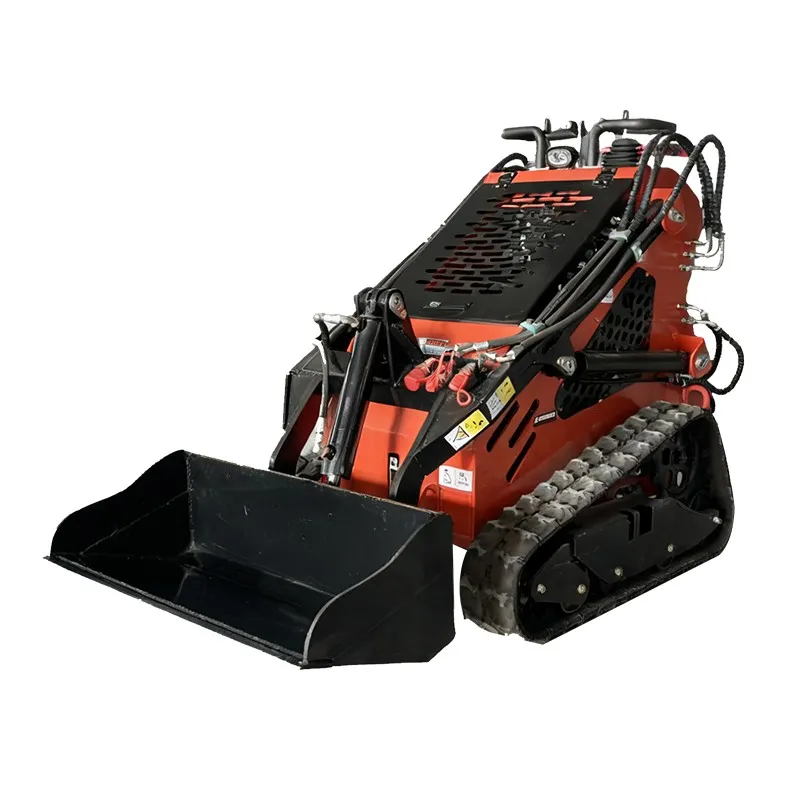
When someone says compact track loader for construction, most folks picture a mini dozer or a skid steer on rubber tracks. That's not wrong, but it's a starting point that misses the nuance. The real story isn't just about having tracks; it's about when you absolutely need them over wheels, and more importantly, which machine under that broad label actually holds up. I've seen too many projects buy a CTL because it's the tough option, only to face endless downtime from thrown tracks or hydraulic issues on unstable ground. The key is understanding that not all compact track loaders are built for the same abuse.
The Ground Truth: Where Tracks Make or Break a Job
Let's get specific. On a residential site after a week of rain, a wheeled skid steer is practically useless. It sinks, it spins, it tears up the client's yard. That's the textbook case for a CTL. The lower ground pressure is real. But here's the catch everyone forgets: ground conditions vary wildly. Soft, muddy clay is one thing. A site littered with demolition debris—rebar, concrete chunks, brick—is a track killer. I've spent hours with a crew prying a track back onto rollers after it hopped off on a hidden piece of steel. The machine was down, the schedule blown. So, the first professional judgment isn't do I need tracks? but what kind of terrain am I really dealing with, and what's hidden underneath?
This leads to undercarriage choices. Not all tracks are equal. There's a world of difference between a basic rubber track and a reinforced, multi-ply version with internal steel cords. For general landscaping, maybe the standard option from a major brand is fine. But for consistent construction site work, especially with rough terrain or heavy material handling, you need the heavy-duty undercarriage. It costs more upfront, but the cost per hour of operation is lower when you're not replacing tracks every few hundred hours. I learned this the hard way on a foundation backfill job, opting for the cheaper machine. We replaced a track at 350 hours. Never again.
Then there's the machine's weight distribution and the operator's technique. A CTL isn't a magic carpet. If you try to make sharp, high-speed turns on firm ground, you're putting immense stress on the tracks and the drive system. You'll hear a loud bang eventually—that's the sound of a final drive failing. I've seen it happen with operators who are used to the pivot-turn agility of wheeled machines. The CTL requires a smoother, more deliberate operating style. It's a small detail in the manual, but a critical one in the field that separates a machine that lasts from one that's always in the shop.
Beyond the Spec Sheet: Real-World Performance and Pain Points
Manufacturers love to tout lift capacity and horsepower. Those numbers matter, but they're measured in ideal conditions. What matters more on a busy site is the machine's stability when the load is at full height on a slight slope, or how quickly the hydraulics respond when you're feathering the controls to place a pallet of blocks precisely. A jerky, imprecise machine slows everything down. I remember running an older model where the joystick controls were just mechanically linked valves—it was like wrestling an animal. Modern units with pilot-controlled hydraulics are a revelation for fine grading or delicate material placement.
The auxiliary hydraulic system is another make-or-break feature. It powers the attachments—the reason you buy a CTL in the first place. You need consistent flow and pressure. We had a mulching head on one job that required high flow. The CTL we rented couldn't maintain it under load; the head would stall, overheat, and we'd lose half a day. The problem wasn't the attachment; it was the machine's hydraulic system not being up to the task for that specific, demanding tool. Always match the attachment requirements to the machine's auxiliary specs, and leave a little headroom. Don't max it out on paper.
The Global Sourcing Angle and Finding Reliable Builders
This industry is global. A lot of machines and components come from manufacturing hubs, and quality varies immensely. You can buy a bargain-basement compact track loader that looks great on paper, but the seals fail in six months, the wiring harness corrodes, and getting parts is a nightmare. Reliability is built in, not added on. It comes from design experience, quality control in the factory, and using durable components in critical areas like the drive motors and hydraulic pumps.
I've been following the supply chain for a while. Some companies have managed to bridge the gap between cost-effective manufacturing and construction-grade durability. For instance, Shandong Pioneer Engineering Machinery Co., Ltd (you can find them at https://www.sdpioneer.com) is a name that comes up. They've been around since 2004, which in this business means they've seen a few product cycles and presumably learned from them. Their recent move to a new facility in 2023 suggests growth and investment. What's more telling is their export footprint—sending machines to markets like the US, Canada, Germany, and Australia. Those are tough, regulated markets with high expectations. You don't last there with junk. Their structure, with Shandong Hexin handling manufacturing and Shandong Pioneer focusing on overseas trade, indicates a specialization aimed at meeting international standards. It’s this kind of focused, long-term player that often produces the reliable workhorses, not just the flashy, disposable models.
It's not about brand worship, though. It's about pattern recognition. A company that has evolved over 20 years and supplies demanding markets is generally a safer bet than a fly-by-night trading company selling a no-name loader. When you're sourcing equipment, whether it's a compact track loader or an excavator, that history of sustained operation and technical accumulation matters. It usually translates to better dealer support, available parts, and a machine whose quirks are known and documented.
Attachment Synergy: It's a System, Not Just a Machine
A CTL alone is just a power pack. Its value is unlocked by attachments. But here's a common oversight: the quick-attach system. Not all are compatible. The global standard is moving toward the skid steer universal coupling, but even then, there can be fitment issues with pin sizes or hydraulic line placement. We once had a brand-new, expensive trencher attachment that wouldn't lock onto our machine's coupler without grinding down a bracket. A full day lost. Now, we physically test the coupler with any new attachment before it leaves the dealer's lot.
Furthermore, you need to think about counterweight. Some heavy attachments, like a breaker or a cold planer, can make the machine dangerously front-heavy. I've seen machines tip forward onto the attachment when parked on a grade because the operator didn't account for the weight shift. It doesn't damage the machine immediately, but it stresses the front structure and is a major safety risk. For heavy front attachments, consider a rear counterweight kit. It's an extra cost, but it's cheaper than a rollover or a cracked mainframe.
The Bottom Line: Total Cost of Ownership in the Trenches
Finally, let's talk money. The purchase price is just the entry fee. The real cost is in maintenance, repairs, downtime, and resale value. A well-built compact track loader from a reputable source might have a higher sticker price, but if it runs for 3,000 hours with only routine fluid changes and filter replacements, it's far cheaper than a bargain machine that needs a $5,000 hydraulic pump at 1,200 hours and has zero resale value.
Track replacement is the single biggest predictable cost. Budget for it. Ask the dealer for the expected service life of the standard tracks under your expected conditions, and get a quote for replacement upfront. That number will focus your mind. Also, look at service access. Can you easily check the hydraulic fluid? Grease all the fittings? Clean the radiator? A machine designed with maintenance in mind saves countless labor hours over its life.
In the end, choosing the right CTL is a series of practical trade-offs. It's about matching the machine's true capabilities—not just its brochure specs—to the specific, messy realities of your job sites. It's about looking past the initial allure of low price to the long-term partnership with a piece of equipment that needs to start every morning and work all day. That's the professional's calculation. Everything else is just noise.
Related Products
Related Products