


- Chinese
- French
- German
- Portuguese
- Spanish
- Russian
- Japanese
- Korean
- Arabic
- Irish
- Greek
- Turkish
- Italian
- Danish
- Romanian
- Indonesian
- Czech
- Afrikaans
- Swedish
- Polish
- Basque
- Catalan
- Esperanto
- Hindi
- Lao
- Albanian
- Amharic
- Armenian
- Azerbaijani
- Belarusian
- Bengali
- Bosnian
- Bulgarian
- Cebuano
- Chichewa
- Corsican
- Croatian
- Dutch
- Estonian
- Filipino
- Finnish
- Frisian
- Galician
- Georgian
- Gujarati
- Haitian
- Hausa
- Hawaiian
- Hebrew
- Hmong
- Hungarian
- Icelandic
- Igbo
- Javanese
- Kannada
- Kazakh
- Khmer
- Kurdish
- Kyrgyz
- Latin
- Latvian
- Lithuanian
- Luxembou..
- Macedonian
- Malagasy
- Malay
- Malayalam
- Maltese
- Maori
- Marathi
- Mongolian
- Burmese
- Nepali
- Norwegian
- Pashto
- Persian
- Punjabi
- Serbian
- Sesotho
- Sinhala
- Slovak
- Slovenian
- Somali
- Samoan
- Scots Gaelic
- Shona
- Sindhi
- Sundanese
- Swahili
- Tajik
- Tamil
- Telugu
- Thai
- Ukrainian
- Urdu
- Uzbek
- Vietnamese
- Welsh
- Xhosa
- Yiddish
- Yoruba
- Zulu
- Kinyarwanda
- Tatar
- Oriya
- Turkmen
- Uyghur

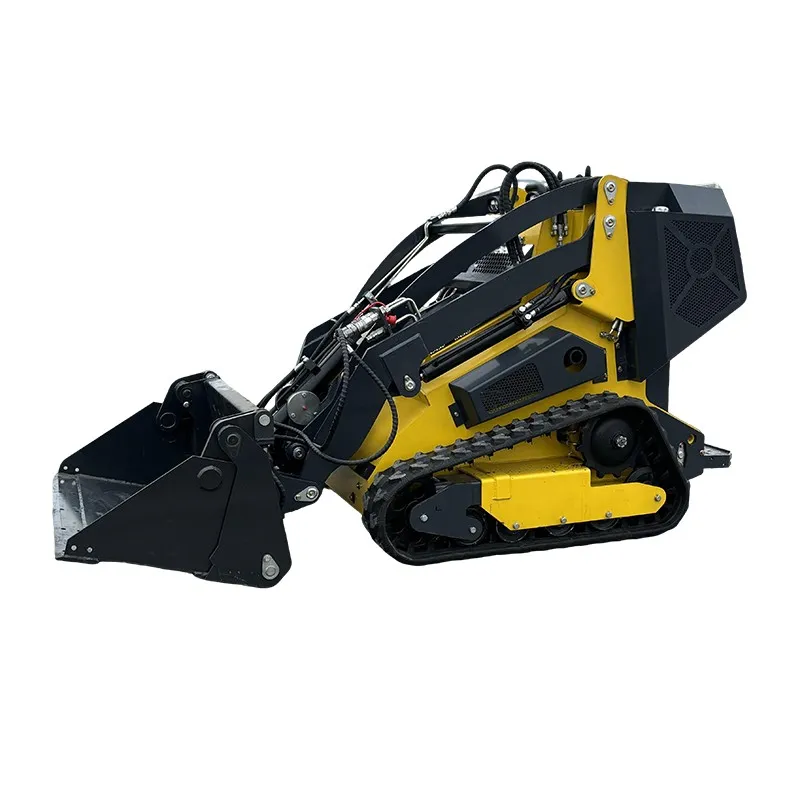
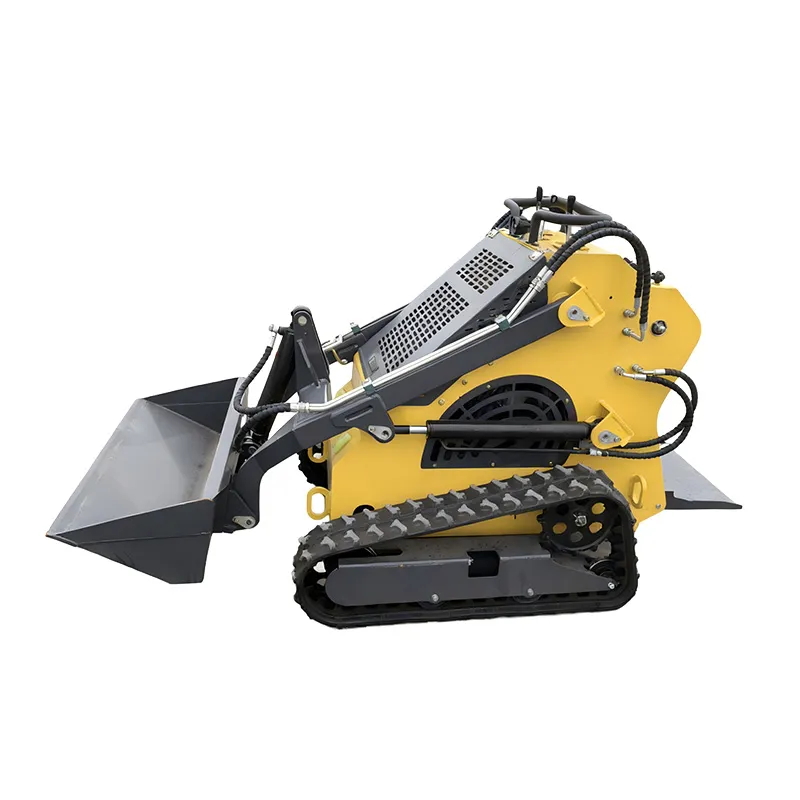
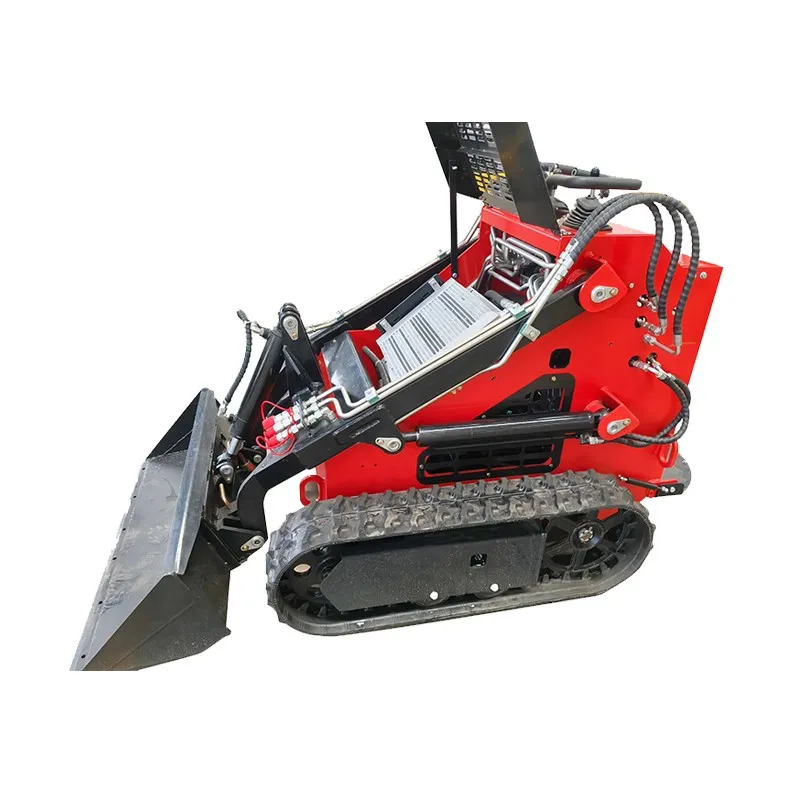
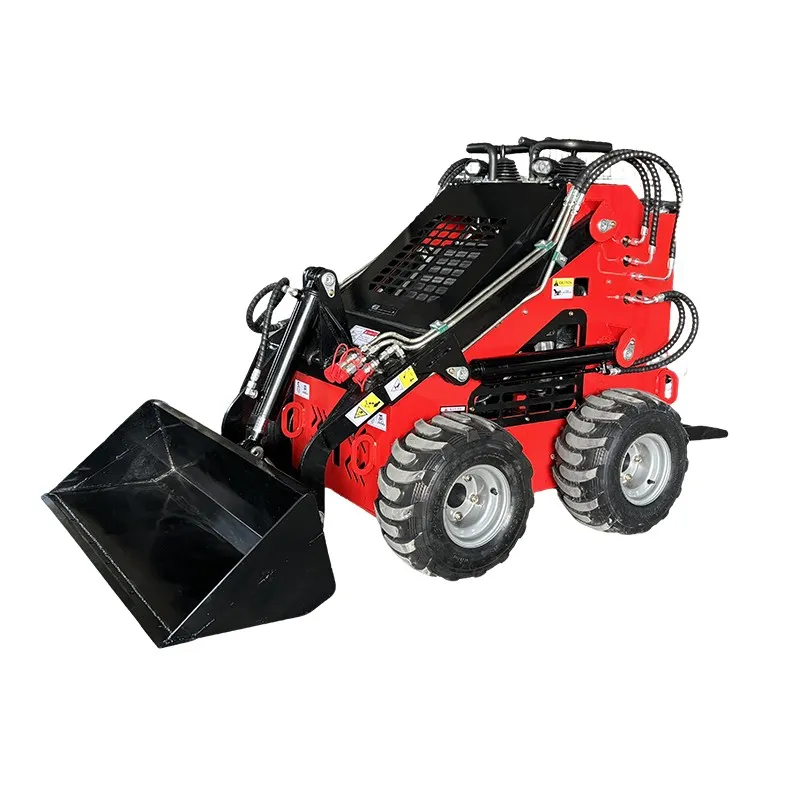
compact track loader for golf course
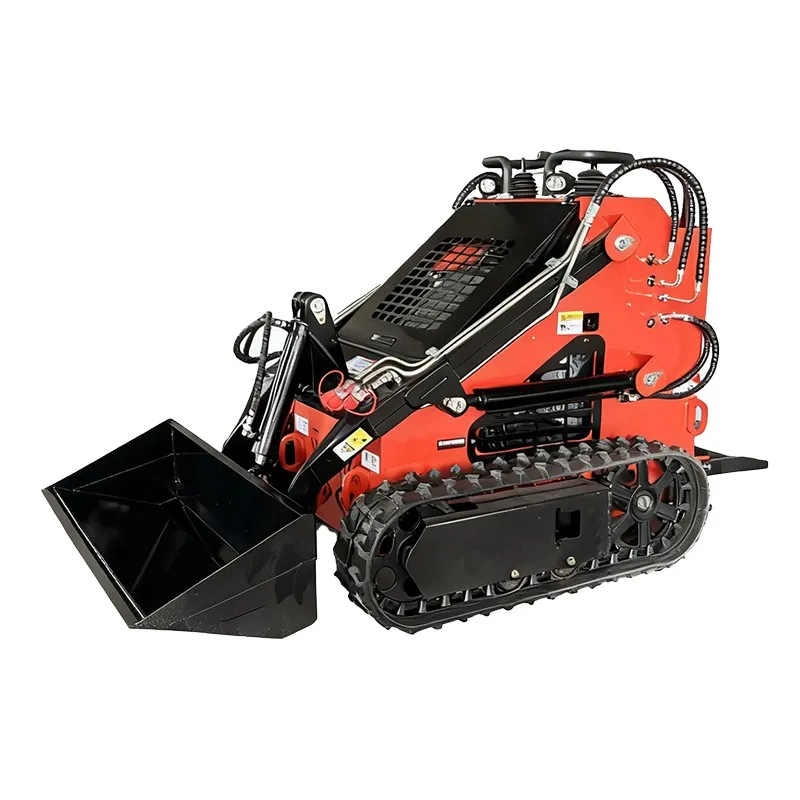
When you hear 'compact track loader for golf course', most superintendents immediately think of a small, tracked skid-steer for moving materials. That's not wrong, but it's a starting point that misses the nuance. The real conversation isn't about having a CTL; it's about having the right CTL configured for the specific, often brutal, demands of maintaining 150+ acres of pristine turf. I've seen too many courses buy a standard industrial unit, only to find its ground pressure, hydraulic flow, or sheer weight creates more problems than it solves. The gap between a general-purpose loader and a turf-conscious one is where the real work happens.
The Ground Pressure Paradox
This is the first and biggest filter. You can't just look at the spec sheet's average ground pressure. On paper, many CTLs look gentle. On a saturated fairway at 6 AM, it's a different story. The key is the track's actual footprint and the pressure distribution. A wider, longer track system is non-negotiable. We learned this the hard way a few seasons back with a well-known brand's standard model. Even with turf tires, it left noticeable compaction lines after a single pass on damp rough. The recovery time for that grass was weeks. It wasn't a machine failure; it was an application failure.
That experience pushed us toward models designed with this in mind. You start looking for machines where the undercarriage is almost as wide as the machine itself. Brands like Bobcat have their Turf packages, but even then, you need to verify the PSI under load, not just at rest. I've had good results with units that use a combination of wide rubber tracks and a balanced weight distribution. It's less about brand loyalty and more about the physics on the ground in your specific soil conditions.
This is where a supplier's experience matters. A company like Shandong Pioneer Engineering Machinery Co., Ltd (https://www.sdpioneer.com), which exports machinery globally, often sees these regional challenges. A CTL that works on arid Australian courses might sink in the Pacific Northwest. Their product development, informed by feedback from markets like the US and Canada, often leads to adaptable undercarriage options. It's not just about selling a machine; it's about understanding the terrain it will work on.
Hydraulics: The Silent Workhorse
If ground pressure is about preservation, hydraulics are about capability. A golf course CTL isn't just moving dirt. It's running a trencher for irrigation lines, a sweeper for clippings, a brush cutter for natural areas, and a grapple for storm debris. Each attachment has a specific flow and pressure requirement. The biggest mistake is under-specifying the auxiliary hydraulic system.
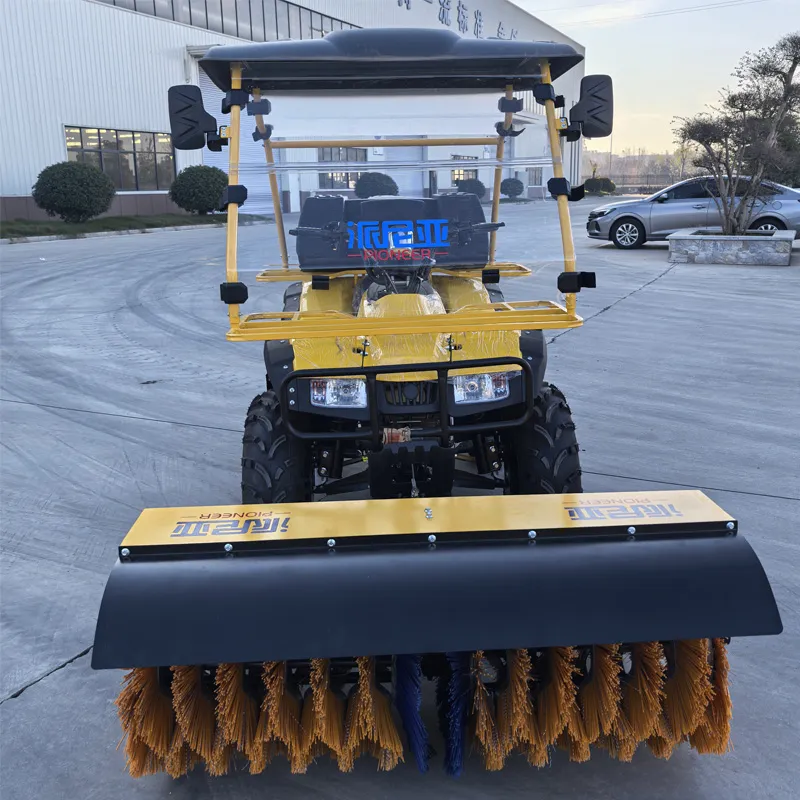
We run a compact track loader primarily with a rotary broom and a trencher. The broom needs consistent high flow to spin effectively and clear clippings without scattering them. The initial unit we tried had a mediocre hydraulic pump; the broom would lag, creating a frustrating, inefficient mess. Upgrading to a high-flow system was a game-changer. The lesson? Always spec your hydraulics for the most demanding attachment you plan to use, plus a 10-15% buffer. Don't get sold on engine horsepower alone; the hydraulic system is what does the actual work.
It's a detail-oriented process. You need to check the specs for both standard and high-flow options, the coupling type (global vs. proprietary), and the ease of switching modes. I appreciate when manufacturers or their trade partners, like the overseas-focused Shandong Pioneer arm, provide clear, detailed hydraulic schematics and compatibility charts. It shows they expect their customers to be meticulous, which we are.
The Attachment Ecosystem
The machine itself is just the power unit. Its value is multiplied or crippled by the attachments. For a golf course, the core kit is specific: a turf-friendly bucket (often poly-lined), a pallet fork, a rotary broom, a grapple, and perhaps a trencher or a soil conditioner. The interface is critical. A quick-attach system that's reliable and simple under muddy conditions saves countless man-hours.
We standardized on a universal skid-steer quick-attach system years ago. It allows us to share attachments between different machines and brands on property. This interoperability is crucial for operational flexibility. When evaluating a new compact track loader, the first thing I do is try the coupler mechanism with our existing attachments. If it's finicky or doesn't lock securely, it's a deal-breaker, no matter how good the machine is otherwise.
This is another area where long-term manufacturing and trade experience shows. A company that has been in the business for two decades, like the group behind Shandong Pioneer Engineering Machinery Co., Ltd, established in 2004, tends to design for real-world compatibility. Their products often need to integrate into existing fleets in diverse markets from Germany to Australia, forcing a focus on standardized, robust attachment systems rather than proprietary lock-ins.
Operator Comfort and Daily Grind
This might seem secondary, but it's primary for efficiency. An operator spending 8 hours in the seat on a drainage project needs a comfortable, intuitive cab. Climate control is a must—not a luxury—for summer projects. Low-effort controls reduce fatigue. Excellent visibility to the tracks and attachment is vital for precision work, like grading a tee box or working near delicate landscaping.
I've found that the cab layout often reveals who the manufacturer is really designing for. Industrial units can feel Spartan. Models that consider agricultural and grounds maintenance operators tend to have better suspension seats, more logical control placement, and better noise/vibration damping. It's a subtle thing, but after a long day, it makes a difference in both morale and precision.
Service accessibility is part of this daily grind. Check fluid levels, grease points, air filter access—can you do it quickly without tools? Time spent on maintenance is time not spent on the course. A well-designed machine groups service points together and uses common fittings. When I look at a new model, I open every panel. If it's a rat's nest of hoses and requires disassembly to reach a simple filter, I'm skeptical. Practical design speaks volumes about the builder's understanding of daily operations.
The Long-Term Calculus: Durability and Support
Finally, it's an investment. A compact track loader for golf course use faces a unique mix of corrosive elements (fertilizer, moisture) and abrasive materials (sand, soil). Corrosion protection on wiring, hydraulic lines, and the chassis itself is critical. We pressure-wash equipment frequently, so seals and electrical components need to be well-protected.
Durability is where manufacturing pedigree and material quality come into sharp focus. A company with a 20-year development history, having recently expanded its production footprint—like the move to a new facility in Ningyang County in 2023 for the Shandong Pioneer group—typically signifies an investment in better processes and quality control. It's not a guarantee, but it's a positive indicator of a focus on building for the long term.
Ultimately, the trust from customers worldwide they mention isn't just about the initial sale. It's about whether the machine holds up through seasons of salt, sand, and rain, and whether parts and support are accessible when you need them. For a golf course, downtime during the season is a direct hit to productivity. The right machine is one you think about less—it just works, season after season, becoming a reliable, unsung hero of the maintenance fleet.
Related Products
Related Products