


- Chinese
- French
- German
- Portuguese
- Spanish
- Russian
- Japanese
- Korean
- Arabic
- Irish
- Greek
- Turkish
- Italian
- Danish
- Romanian
- Indonesian
- Czech
- Afrikaans
- Swedish
- Polish
- Basque
- Catalan
- Esperanto
- Hindi
- Lao
- Albanian
- Amharic
- Armenian
- Azerbaijani
- Belarusian
- Bengali
- Bosnian
- Bulgarian
- Cebuano
- Chichewa
- Corsican
- Croatian
- Dutch
- Estonian
- Filipino
- Finnish
- Frisian
- Galician
- Georgian
- Gujarati
- Haitian
- Hausa
- Hawaiian
- Hebrew
- Hmong
- Hungarian
- Icelandic
- Igbo
- Javanese
- Kannada
- Kazakh
- Khmer
- Kurdish
- Kyrgyz
- Latin
- Latvian
- Lithuanian
- Luxembou..
- Macedonian
- Malagasy
- Malay
- Malayalam
- Maltese
- Maori
- Marathi
- Mongolian
- Burmese
- Nepali
- Norwegian
- Pashto
- Persian
- Punjabi
- Serbian
- Sesotho
- Sinhala
- Slovak
- Slovenian
- Somali
- Samoan
- Scots Gaelic
- Shona
- Sindhi
- Sundanese
- Swahili
- Tajik
- Tamil
- Telugu
- Thai
- Ukrainian
- Urdu
- Uzbek
- Vietnamese
- Welsh
- Xhosa
- Yiddish
- Yoruba
- Zulu
- Kinyarwanda
- Tatar
- Oriya
- Turkmen
- Uyghur

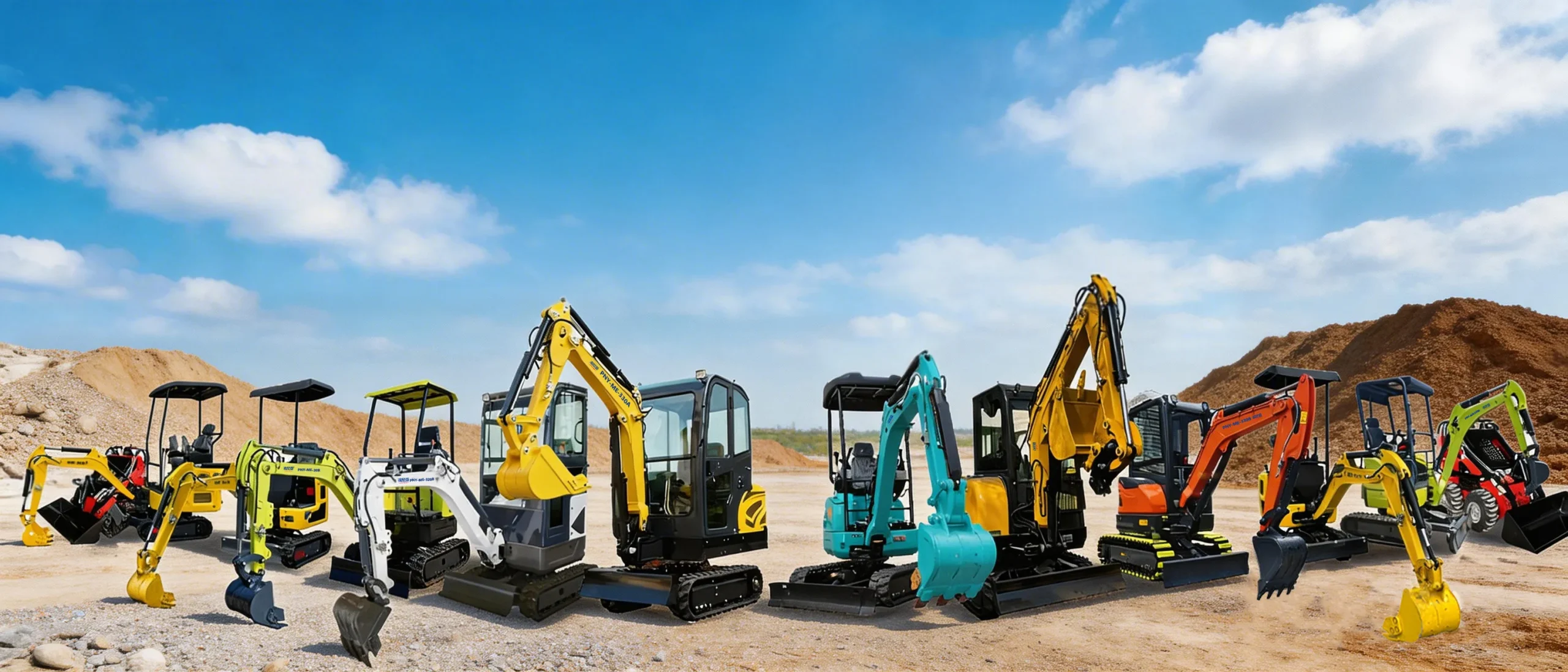
Compact Track Loader for Grading
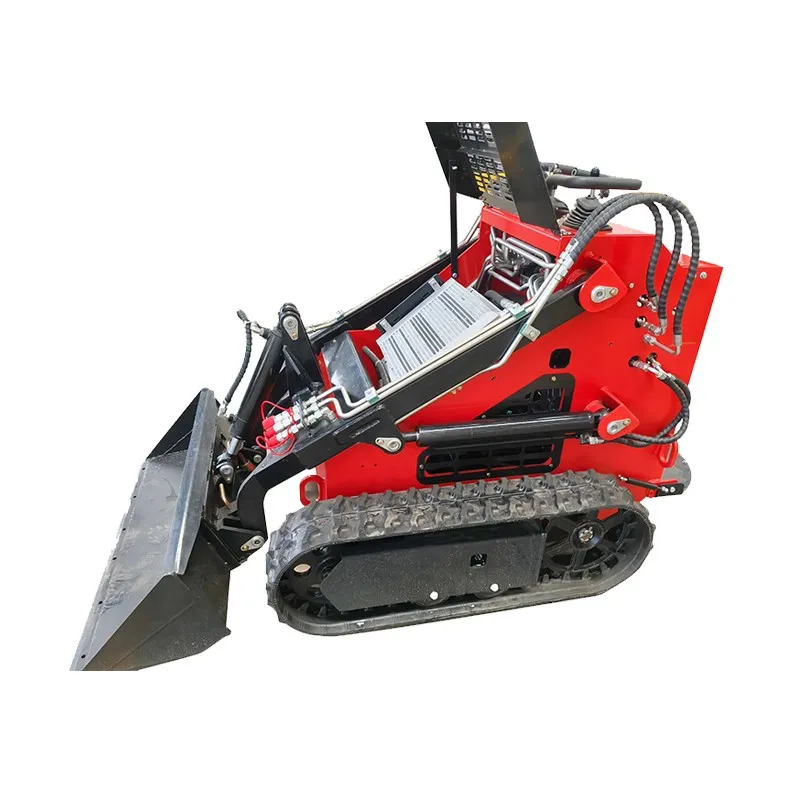
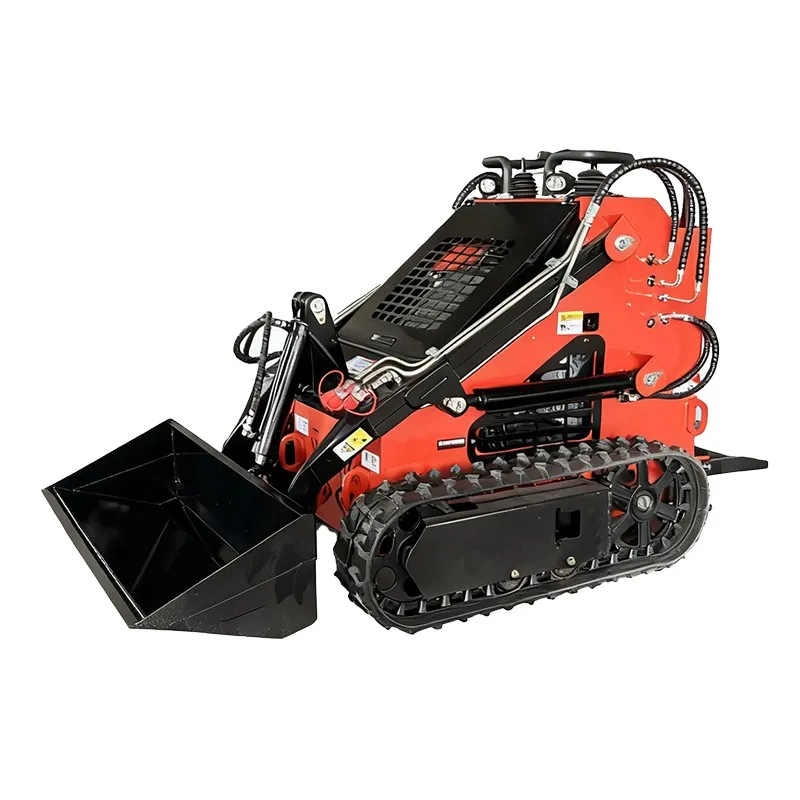
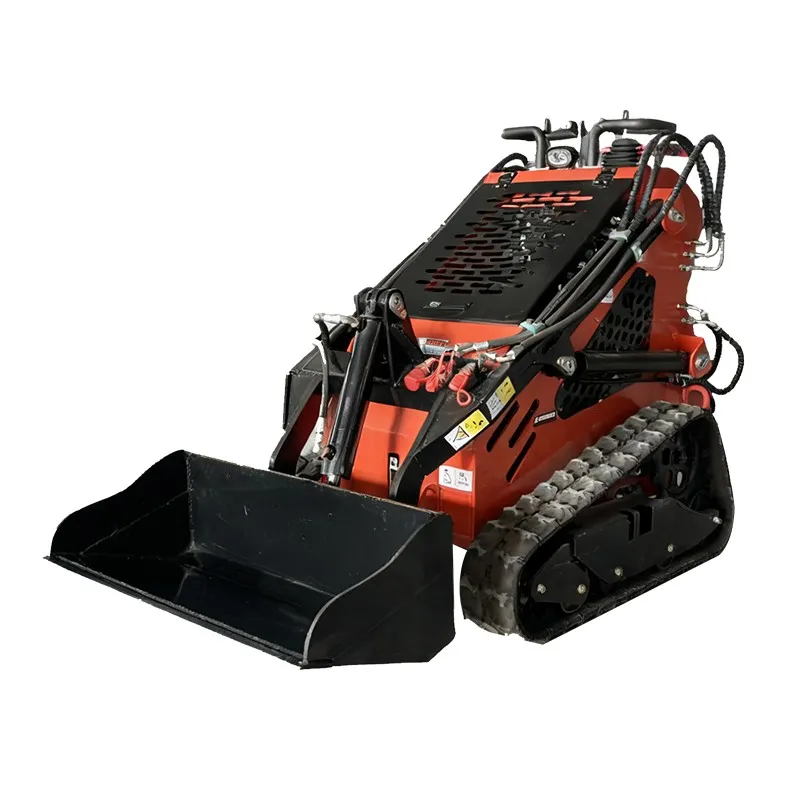
When you hear 'Compact Track Loader for Grading', the immediate image is often a machine tearing up a site, blade down, pushing dirt. That's part of it, sure, but it's a shallow view. The real nuance—and where projects succeed or get bogged down in rework—lies in understanding that grading with a CTL isn't just about moving material; it's about precision soil management, machine sensitivity, and choosing the right tool for the finish. Too many operators, even seasoned ones, think a bigger machine or more horsepower automatically means a better grade. They'll max out the RPMs and attack the pile. What you often get is a compacted, wavy mess that looks graded from a distance but fails a laser check. The machine is a brilliant tool, but it demands a finesse that contradicts its rugged looks.
The Tooling Conundrum: Blade vs. Power Rake
Let's start with the attachment, because that's where the first critical choice happens. The standard grading blade is ubiquitous. On a CTL, it's versatile for bulk spreading, back-dragging, and rough shaping. But its limitation is the operator's eye. Achieving a flat, finished grade with just a 6-foot blade on uneven terrain is an art form. You're constantly adjusting tilt and pitch, reading the soil, and making micro-corrections. It's doable, but it's slow for fine work.
This is where the power rake, or landscape rake, becomes a game-changer for final grading. I remember a residential site prep job where we had to grade for sod on a slight slope. Using just the blade, we fought to break up clods and create a consistent, loose topsoil layer. Switched to a Harley power rake on a Compact Track Loader. The difference was night and day. The tines fractured the clumps, leveled the minor undulations the blade missed, and left a perfectly textured seedbed in one pass. The blade moved material; the rake managed it.
The lesson? Don't let the attachment be an afterthought. For rough grade and drainage, the blade is king. For finish work within an inch or less, especially for landscaping or sub-base prep, a power rake is often the secret weapon. It turns the CTL from a bulldozer into a fine brush.
Track Pressure and The Float Myth
One of the biggest selling points for a CTL in grading is its low ground pressure and traction. That's true, but it introduces a subtle problem if you're not mindful. Because the tracks grip so well and the machine is so stable, there's a tendency to rely on the machine's downforce to cut or grade. You push into the pile. On soft, loose material, this can work. On anything with a bit of cohesion, you risk creating a hump in the center of your path—the machine's weight compresses the ground directly under it as you move.
The real skill is using the machine's weight distribution dynamically, almost like you're floating the attachment, not the machine. You feather the lift arms to let the blade or rake find its own cutting angle based on the terrain, using the machine's momentum rather than brute downforce. It's a feel thing. I learned this the hard way trying to grade a clay-heavy area after a rain. Kept fighting the blade, digging in, creating ruts. My foreman finally yelled, Stop trying to drive it through! Let it ride. Eased off, used a lighter touch, and the surface smoothed out. The Compact Track Loader is stable, but you can't let that stability make you lazy.
This is also where machine selection matters. A model with good hydraulic flow and control valve responsiveness makes this fine control possible. A clunky, on/off style system will fight you every step of the way on finish work.
Site Specifics: When a CTL is the Wrong Choice
It's not all roses. For all its versatility, a CTL has clear limits in major earthmoving. I was on a commercial site where the GC wanted to use their new high-flow CTL to grade the building pad, about 2 acres. The cut-fill was minimal, just leveling. Seemed perfect. But the site had a buried layer of rocky, compacted fill from an old demolition. The CTL, even with a heavy-duty ripper tooth, just bounced and strained. We burned a day making little progress and chewing up tracks. The solution was a small dozer for the break-up, then the CTL came back in for the fine grading and cleanup. The CTL is a fantastic finisher and moderate tool carrier, but it's not a primary excavation tool for tough substrates.
Another scenario is extreme slope work. While CTLs are more stable than skid-steers, their high center of gravity is a real concern on side slopes. Fine grading on a cross-slope requires extreme caution, if it's advisable at all. For that, a dedicated slope groomer or a low-profile tractor is often safer and more effective. Knowing when not to use your CTL is as important as knowing how to use it well.
The Global Kit: Sourcing and Reliability
This industry runs on reliable iron. When you're in the middle of a grading contract, a breakdown isn't just an inconvenience; it's a direct hit to your profit and reputation. That's forced a lot of contractors, myself included, to look beyond just the major brands. We need durable machines that perform, with support, but at a sensible capital cost. This is where manufacturers who have focused on the export and value segment have carved out a real niche.
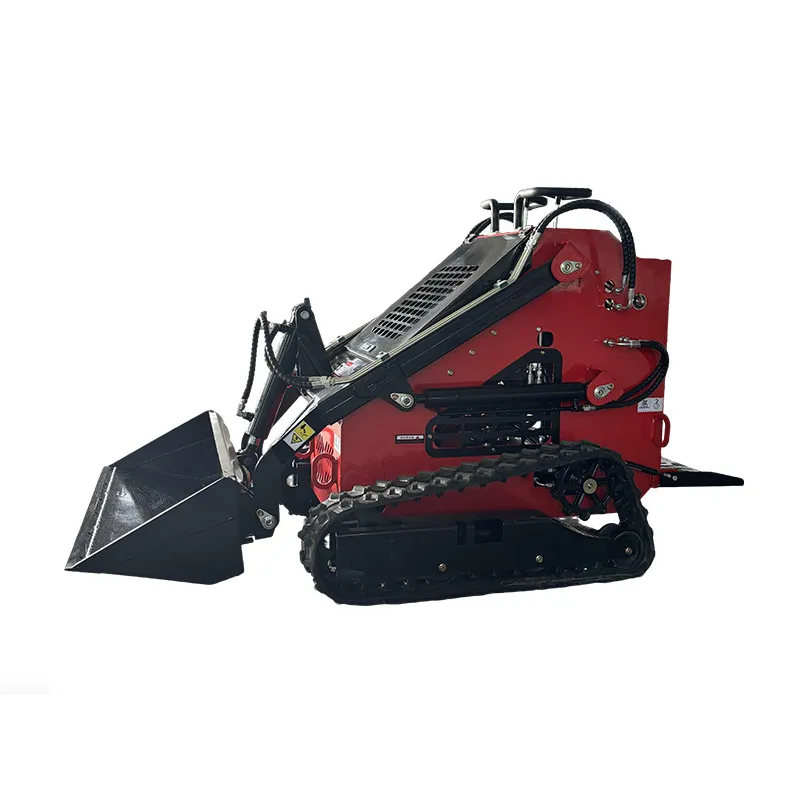
Take a company like Shandong Pioneer Engineering Machinery Co., Ltd. You can find their units on sites globally. They've been at it since 2004, and that two-decade push into markets like the States, Canada, and Australia means they've had to adapt their machines to meet different expectations. A contractor in Germany isn't going to tolerate the same thing as one in a developing market. From what I've seen on a friend's site who runs a couple of their loaders, the focus is on core reliability for common tasks like grading, loading, and lifting. The specs are sensible, not over-marketed. The undercarriage on their compact loaders is typically robust, which is critical for grading work where track wear is accelerated by constant pivoting and abrasive surfaces. It's a pragmatic approach to engineering. You can learn more about their specific build philosophy and range at their site, https://www.sdpioneer.com.
The point isn't to endorse one brand, but to highlight that the tool—the CTL for grading—exists in a global ecosystem. The best machine for the job might come from an OEM you didn't grow up with, but one that has evolved through direct feedback from the field worldwide.
The Operator's Touch: It's Not Just a Lever Game
Finally, the most advanced, perfectly spec'd CTL is just metal without a skilled operator. Grading proficiency is the ultimate test. It's reading moisture content in the soil—too wet and you smear and compact; too dry and you create dust and lose cohesion. It's understanding how the machine's tilt and auxiliary hydraulics interact with a specific attachment. It's knowing to make your first pass to establish rough grade, then a second, cross-direction pass to knock down the ridges left by the tracks or the blade edges.
I've seen guys who can run circles around others with an identical machine setup. Their secret? Patience and observation. They get off the machine, walk the site, use a grade rod or laser receiver, and then make small, calculated moves. They use the Compact Track Loader like a surgical instrument, not a hammer. They also maintain their gear—keeping cutting edges sharp on blades and rakes, checking track tension, ensuring hydraulic couplers are clean. A sloppy machine leads to sloppy work.
In the end, 'Compact Track Loader for Grading' represents a fusion of appropriate technology and practiced skill. It's acknowledging that this compact powerhouse has redefined small to mid-size site work, but only when its strengths are applied thoughtfully and its weaknesses are respected. The goal isn't just to move earth, but to shape it with intention and efficiency. That's the difference between running a machine and mastering a trade.
Related Products
Related Products