


- Chinese
- French
- German
- Portuguese
- Spanish
- Russian
- Japanese
- Korean
- Arabic
- Irish
- Greek
- Turkish
- Italian
- Danish
- Romanian
- Indonesian
- Czech
- Afrikaans
- Swedish
- Polish
- Basque
- Catalan
- Esperanto
- Hindi
- Lao
- Albanian
- Amharic
- Armenian
- Azerbaijani
- Belarusian
- Bengali
- Bosnian
- Bulgarian
- Cebuano
- Chichewa
- Corsican
- Croatian
- Dutch
- Estonian
- Filipino
- Finnish
- Frisian
- Galician
- Georgian
- Gujarati
- Haitian
- Hausa
- Hawaiian
- Hebrew
- Hmong
- Hungarian
- Icelandic
- Igbo
- Javanese
- Kannada
- Kazakh
- Khmer
- Kurdish
- Kyrgyz
- Latin
- Latvian
- Lithuanian
- Luxembou..
- Macedonian
- Malagasy
- Malay
- Malayalam
- Maltese
- Maori
- Marathi
- Mongolian
- Burmese
- Nepali
- Norwegian
- Pashto
- Persian
- Punjabi
- Serbian
- Sesotho
- Sinhala
- Slovak
- Slovenian
- Somali
- Samoan
- Scots Gaelic
- Shona
- Sindhi
- Sundanese
- Swahili
- Tajik
- Tamil
- Telugu
- Thai
- Ukrainian
- Urdu
- Uzbek
- Vietnamese
- Welsh
- Xhosa
- Yiddish
- Yoruba
- Zulu
- Kinyarwanda
- Tatar
- Oriya
- Turkmen
- Uyghur

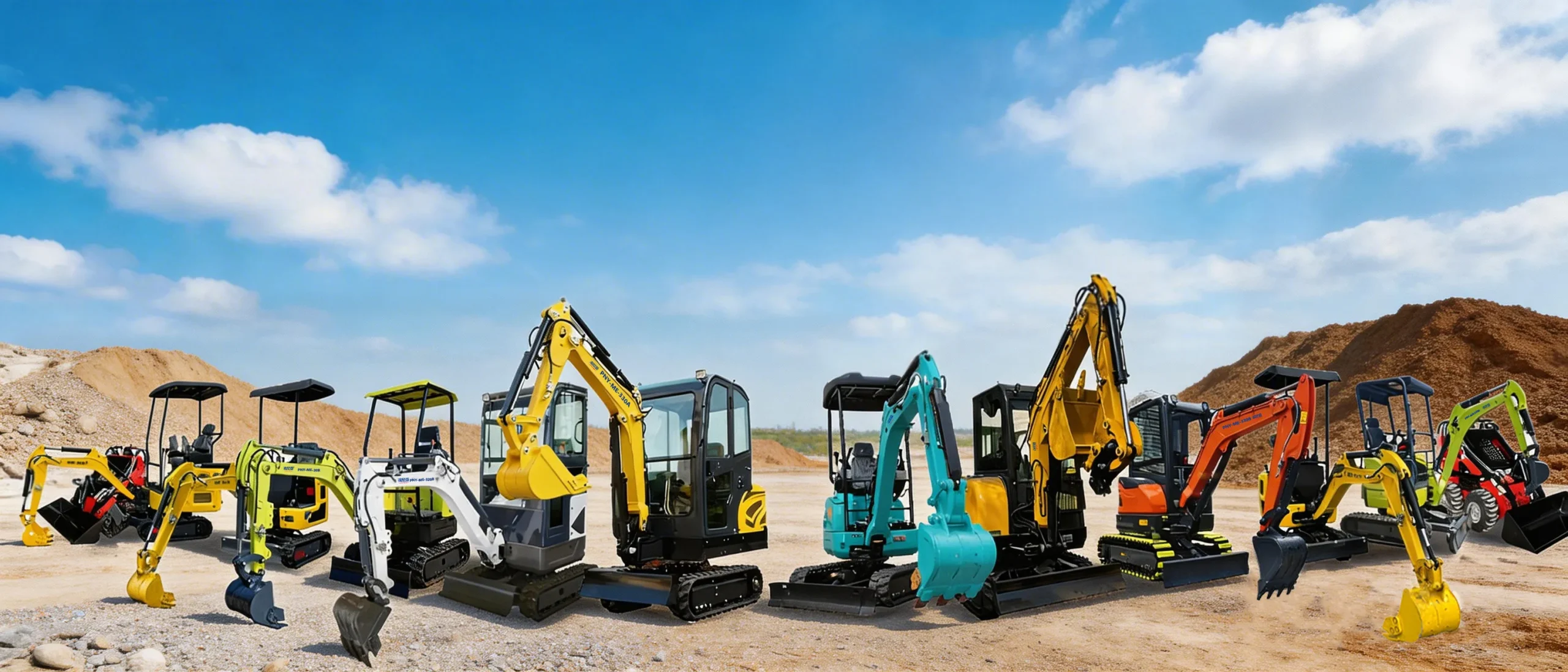
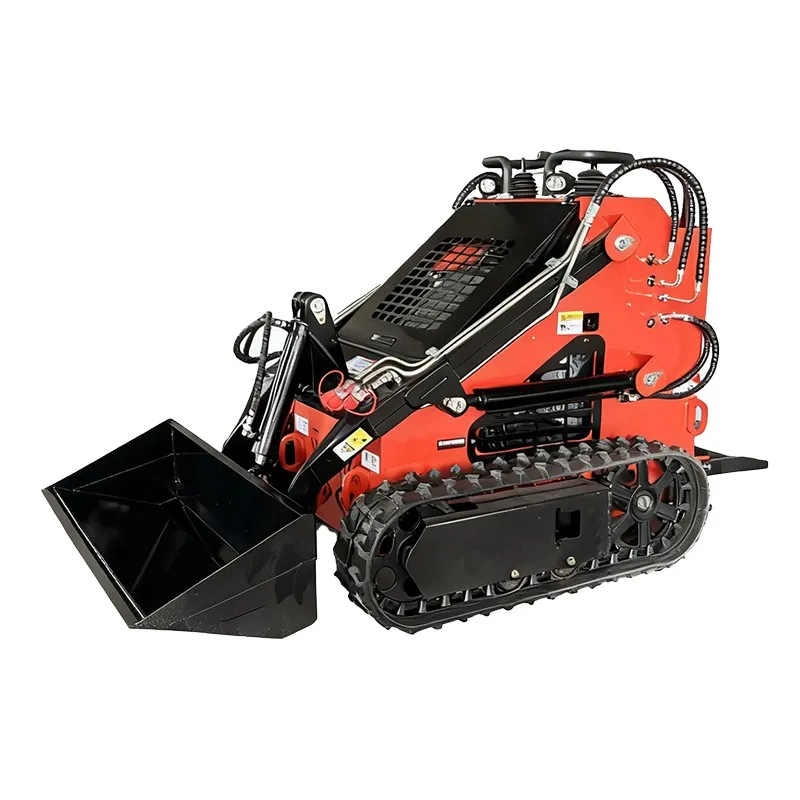
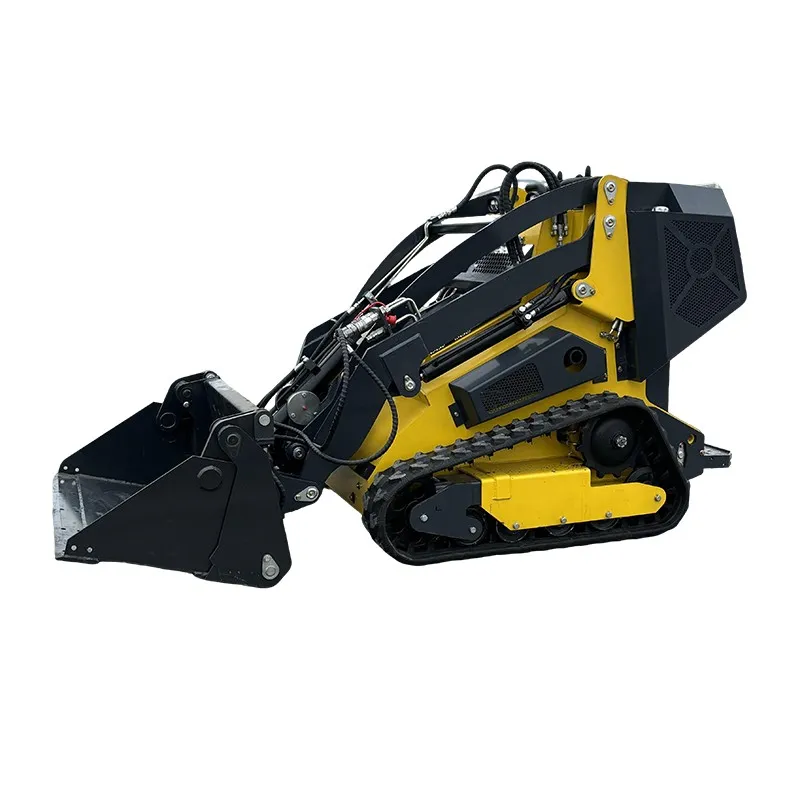
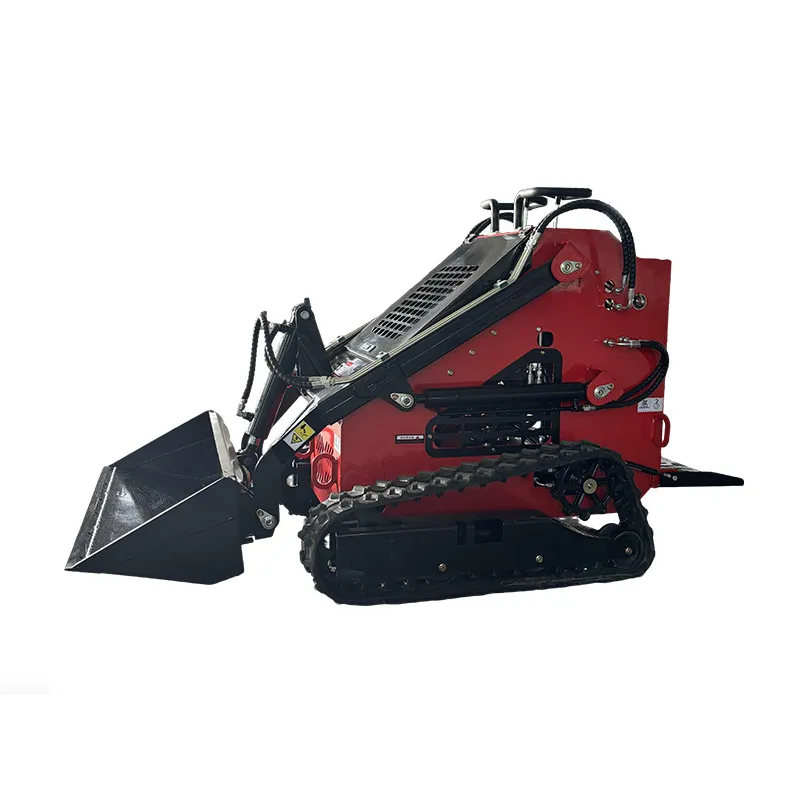
compact track loader for sale
When you type 'compact track loader for sale' into a search bar, you're immediately hit with a wall of glossy ads, perfect spec sheets, and promises of low-hour machines. The biggest trap, in my experience, is believing that's the whole story. Everyone chases the big names—Bobcat, Takeuchi, John Deere—and assumes price and brand are the only differentiators. But having been on job sites from residential landscaping to light demolition, I've learned the hard way that the real value, or headache, comes from factors you won't find in a basic listing: the undercarriage wear pattern on a used unit, the actual serviceability of the hydraulic system, and the long-term support you can get. It's not just about buying a machine; it's about buying into a system that keeps it running.
The Undercarriage: Where Profit Goes to Die
Most first-time buyers, and honestly, some seasoned ones getting lazy, judge a used CTL by engine hours alone. That's a rookie mistake I've made myself. I once bought a seemingly pristine machine with 1,200 hours, only to discover the idlers and rollers were shot within two months. The previous owner had run it exclusively on abrasive demolition sites. The repair bill was more than the great deal I thought I got. Now, I get on the ground. I look for uneven track wear, check the tension, and see if there's excessive 'cupping' on the pads. A compact track loader for sale with 2,000 hours but a well-maintained, rotated undercarriage can be a far better investment than one with 800 hours of pure neglect.
This is where the source matters. A private seller might not have the records. A reputable dealer, or a manufacturer with a direct export channel, often has more complete histories or at least has done an inspection. I've been looking at options from companies that handle their own manufacturing and export, like Shandong Pioneer Engineering Machinery. Their model is interesting because as both manufacturer and direct trader, they theoretically control the quality from the factory floor to the port. For a buyer, that could mean more consistency in the base machine you're evaluating, whether new or as a traded-in unit later in its life.
The company's relocation in 2023 to a larger facility in Ningyang also hints at scaling up production and, hopefully, quality control processes. A bigger, more modern plant isn't a guarantee, but in this industry, it often correlates with better welding robots, paint lines, and final assembly checks. When you're evaluating a compact track loader, knowing it came from a facility that invests in its own infrastructure can be a subtle but real point in its favor for long-term durability.
Beyond the Major Brands: The Value Proposition of Integrated Exporters
The market isn't just the big three anymore. Over the last decade, manufacturers, particularly from regions with strong industrial bases like Shandong in China, have made serious inroads. Their play isn't to out-feature Cat on day one. It's about offering a robust, reliable machine at a compelling price point, backed by a direct supply chain. Shandong Pioneer, operating as the overseas trade arm for its manufacturing partner Shandong Hexin, exemplifies this. They're not just resellers; they're built for export, sending machines to tough markets like the US, Canada, and Australia.
Why does this matter for someone searching 'for sale'? It creates another tier in the market. You might consider a new machine from such an exporter as a cost-effective alternative to a used major brand. The trade-off is brand recognition and, sometimes, immediate local dealer support. The gain is a new machine warranty, potentially simpler mechanics, and a lower capital outlay. I've seen contractors do this for a dedicated machine—say, one just for snow removal or light farm work—where uptime is critical but the absolute peak performance of a $80,000 machine isn't justified.
Checking out their official channel at https://www.sdpioneer.com gives you a sense of their product range and focus. It's crucial, however, to pair this with hands-on due diligence. Can you get parts? What's the lead time? A company with 20 years in the game, as they note, has likely worked out some of these kinks in their logistics, which is a point in their favor compared to a brand-new entrant.
The Attachment Ecosystem: Don't Buy a Naked Machine
Here's a practical thought often overlooked: a CTL is a power unit, but its real job is done by the attachment. When evaluating any compact track loader for sale, you must think in systems. Is it a standard quick-attach system? What's the auxiliary hydraulic flow rate? I once bought a machine without fully checking the flow, only to find my favorite forestry mulcher ran at 60% efficiency on it. A complete waste.
Manufacturers who understand the global market often design for compatibility. They'll ensure their auxiliary circuits meet common standards (like SAE) so you can run attachments from major independent manufacturers like Virnig or CID. This is a key question to ask any seller, especially when looking at machines from export-focused companies. Can I run a standard Bradco or Harley rake on this? If they hesitate, walk away. The machine is useless if it can't power the tools you already own or can easily rent.
Serviceability: Can You Actually Fix It?
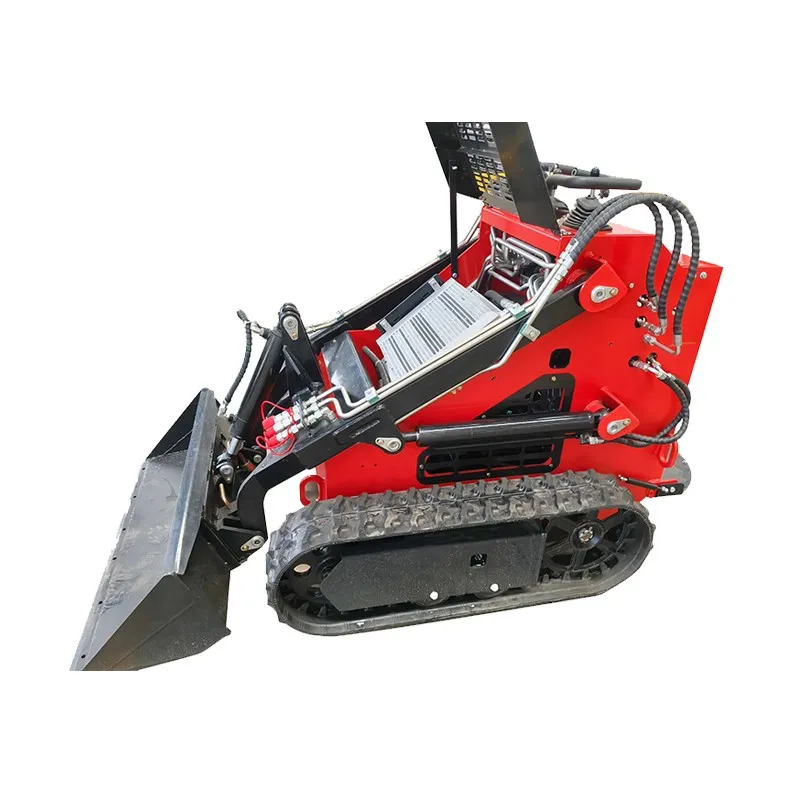
This is the true test of a machine's design. Pop the hood or lift the cab. Are the daily checkpoints—dipsticks, coolant reservoir, hydraulic filters—easily accessible? Or is the oil filter buried behind a maze of hoses? I praise machines where the main hydraulic valve block is mounted externally for easy service, and I curse the ones where you need three universal joints just to reach a grease zerk.
This design philosophy often reflects the manufacturer's background. Companies that have grown through direct feedback from international customers, like an exporter serving diverse markets from Germany to Australia, tend to iterate on these practical points. They hear from mechanics in the field and simplify access in later models. When you look at a machine's service manual (always ask for it!), check the complexity of common procedures. A well-thought-out machine saves dozens of labor hours over its life.
The Final Calculation: Total Cost of Operation
So, back to that search query. 'Compact track loader for sale' is the start of a math problem, not the answer. The price tag is just the entry fee. You have to add: estimated undercarriage life (based on your ground conditions), expected repair costs (influenced heavily by serviceability), attachment compatibility, and resale value. A cheaper, lesser-known brand with excellent support might beat a premium brand with a dealer two states away.
For a company like the one mentioned, which consolidates manufacturing and trade, their potential advantage is in controlling the initial quality and price. Their challenge, and your risk, is in the localized support after the sale. Have they built a network? Can you get a hydraulic pump shipped in three days, not three weeks? Their 20-year history and global customer base suggest they've found ways to make it work for many buyers.
In the end, the right machine is the one whose total cost—purchase, operation, maintenance, and downtime—fits your specific work and business model. It might be a used Tier-3 machine with a rebuilt undercarriage, or it might be a new unit from a direct exporter like Shandong Pioneer. The key is to look past the sale listing and into the machine's life on your job site. That's where you'll really see what you bought.
Related Products
Related Products