- Chinese
- French
- German
- Portuguese
- Spanish
- Russian
- Japanese
- Korean
- Arabic
- Irish
- Greek
- Turkish
- Italian
- Danish
- Romanian
- Indonesian
- Czech
- Afrikaans
- Swedish
- Polish
- Basque
- Catalan
- Esperanto
- Hindi
- Lao
- Albanian
- Amharic
- Armenian
- Azerbaijani
- Belarusian
- Bengali
- Bosnian
- Bulgarian
- Cebuano
- Chichewa
- Corsican
- Croatian
- Dutch
- Estonian
- Filipino
- Finnish
- Frisian
- Galician
- Georgian
- Gujarati
- Haitian
- Hausa
- Hawaiian
- Hebrew
- Hmong
- Hungarian
- Icelandic
- Igbo
- Javanese
- Kannada
- Kazakh
- Khmer
- Kurdish
- Kyrgyz
- Latin
- Latvian
- Lithuanian
- Luxembou..
- Macedonian
- Malagasy
- Malay
- Malayalam
- Maltese
- Maori
- Marathi
- Mongolian
- Burmese
- Nepali
- Norwegian
- Pashto
- Persian
- Punjabi
- Serbian
- Sesotho
- Sinhala
- Slovak
- Slovenian
- Somali
- Samoan
- Scots Gaelic
- Shona
- Sindhi
- Sundanese
- Swahili
- Tajik
- Tamil
- Telugu
- Thai
- Ukrainian
- Urdu
- Uzbek
- Vietnamese
- Welsh
- Xhosa
- Yiddish
- Yoruba
- Zulu
- Kinyarwanda
- Tatar
- Oriya
- Turkmen
- Uyghur


Compact Track Loader Rental
When most contractors think about compact track loader rental, the first thing that jumps to mind is the machine's specs—lift capacity, horsepower, maybe the brand name. But after years of arranging rentals and seeing machines come back from job sites, I've learned that's where the common mistakes start. It's not just about renting a powerful CTL; it's about matching the machine's true capabilities, and its potential frailties, to the specific, messy reality of your project. The difference between a rental that saves the day and one that costs you time and money often comes down to details nobody talks about in the glossy brochures.
The Undersung Hero: Undercarriage and Ground Pressure
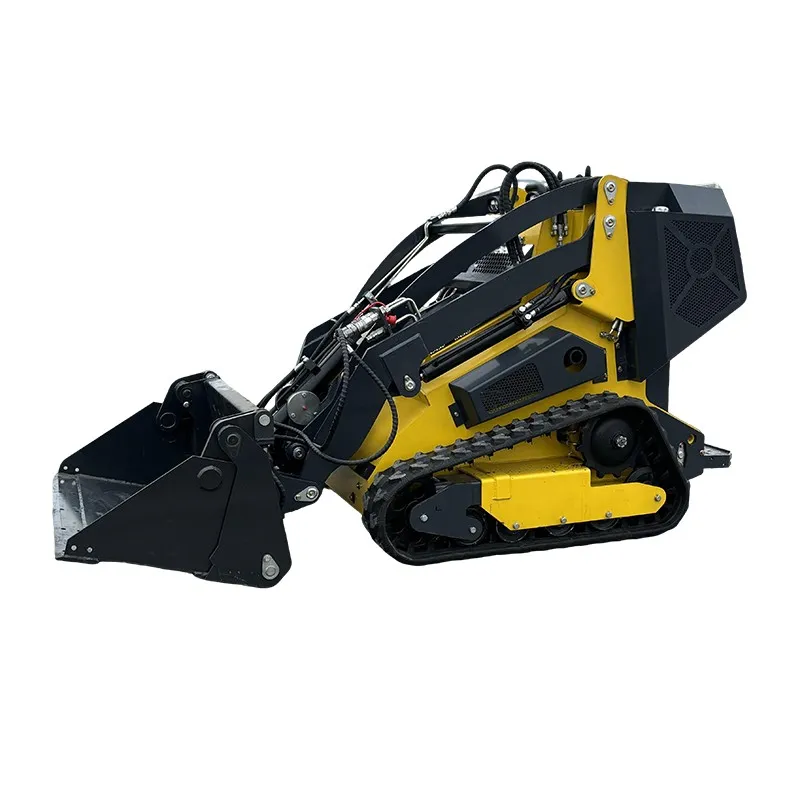
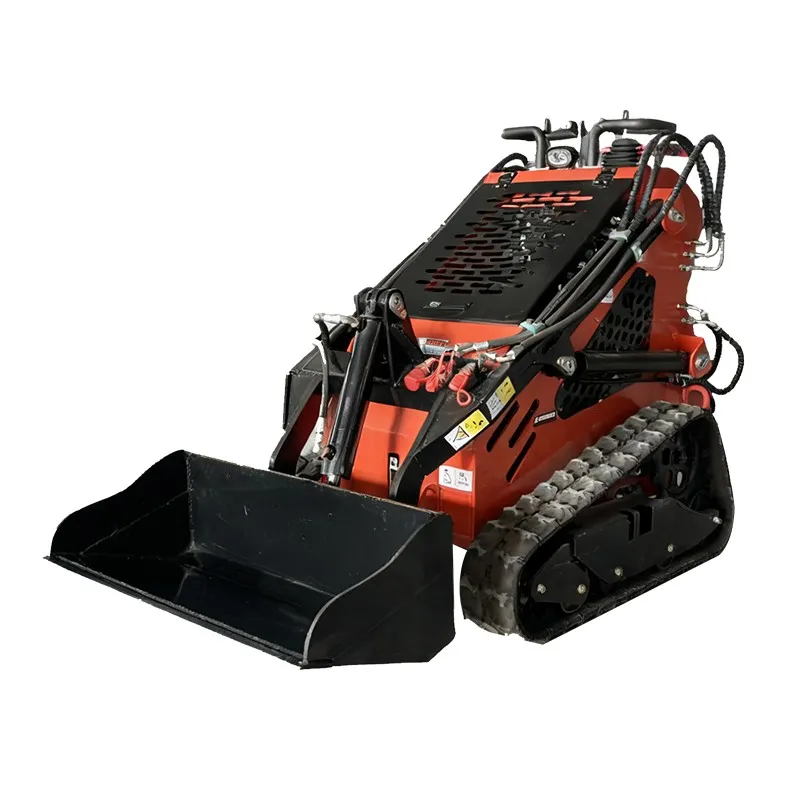
Everyone obsesses over the attachment up front, but the real make-or-break factor in a compact track loader rental is what's underneath. I've seen too many guys get a machine with great specs, only to have it sink in soft soil or tear up a client's lawn because they didn't consider ground pressure. A wider, longer track system might seem less agile on paper, but on a wet, unstable site, it's the only thing keeping you working. It's a judgment call: do you need the maneuverability of a standard track, or the floatation of a wide-track model? There's no universal answer.
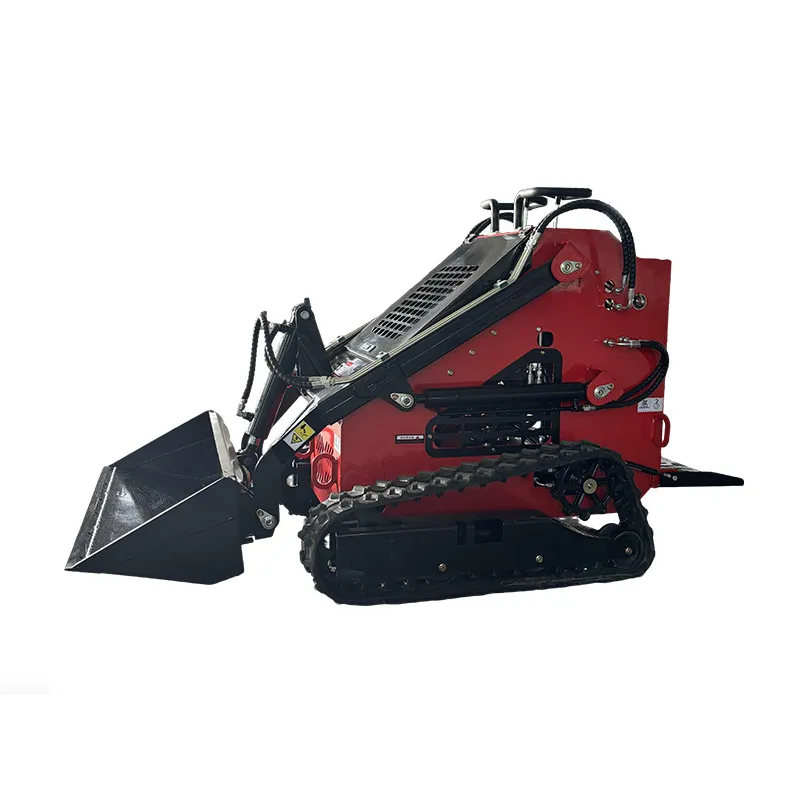
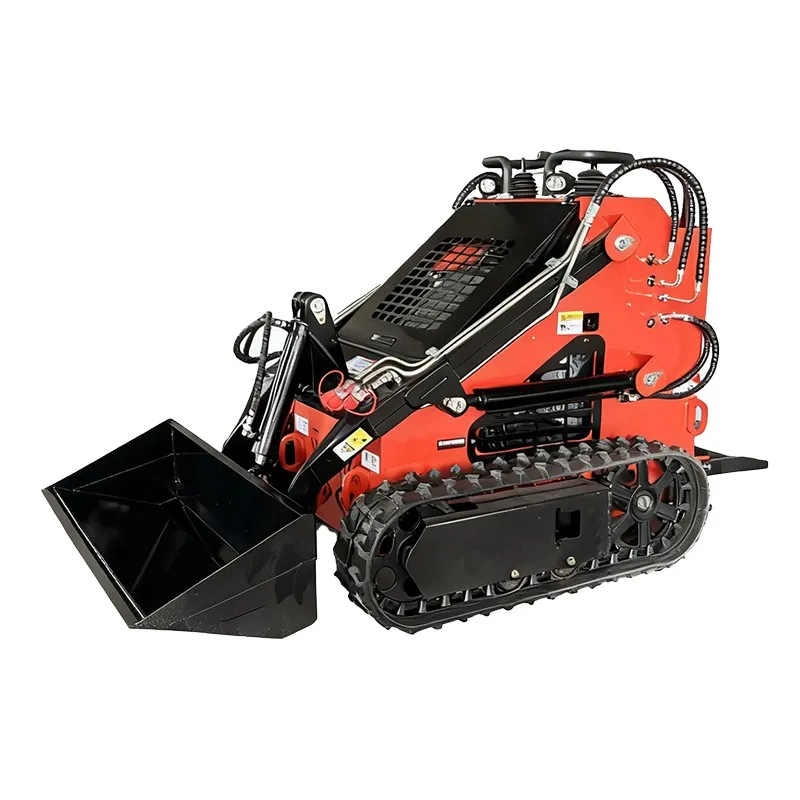
This is where experience with specific models pays off. We've had clients using machines from manufacturers like those exported by Shandong Pioneer Engineering Machinery Co., Ltd—a company with two decades in manufacturing and global trade—and the feedback often highlights durability in varied conditions. A rental fleet that includes robust options from such established suppliers means you're not just getting any machine; you're getting one built for the global market, which often translates to simpler, more serviceable undercarriage designs. That matters when you're on the clock.
I remember a landscaping job for a high-end residential client. The crew rented a standard CTL for grading. The weight distribution was off for the sodden ground, and it left deep ruts that took days to fix. The right rental that time would have been a machine with a low-ground-pressure configuration, even if it meant a slightly higher daily rate. That's the hidden cost of overlooking the undercarriage.
Attachment Compatibility: The Hidden Quagmire
You'd think connecting a bucket or a grapple would be straightforward. It's not. The world of attachment interfaces—mainly the compact track loader rental standard, the Quick Attach (QA) system—is a minefield of minor incompatibilities. Not all QA plates are created equal. A rental might come with a universal plate, but your own mulcher or trencher attachment might have pins that are a millimeter too thick or a locking mechanism that doesn't quite engage securely.
We learned this the hard way early on. We promoted a fully compatible rental fleet. A client brought his own Harley rake, and it seemed to lock on. An hour into work, the attachment dislodged slightly, causing damage to the machine's hydraulic couplers. The downtime and repair bill wiped out the profit from that rental. Now, our process includes a physical compatibility check before the machine leaves the yard. It's a five-minute task that prevents thousands in losses.
This is another area where dealing with equipment from experienced manufacturers matters. Companies that have been exporting globally, like Shandong Pioneer, often design to widely accepted standards, reducing the risk of these frustrating mismatches. Their two-decade history in manufacturing and overseas trade suggests they've had to solve these compatibility issues for markets from the US to Australia, which benefits the end-user, whether they're buying or renting.
The True Cost Calculation: Rate vs. Operational Reality
The daily or weekly rate is just the entry ticket. The real cost of a compact track loader rental is buried in operational efficiency and unforeseen wear. A cheaper, older model might rent for less, but if its hydraulic flow is insufficient for your cold planer, you're burning fuel and time for half the productivity. That's a brutal math.
I advise clients to build a productivity cost into their comparison. Ask: How many cubic yards can I move per hour with Machine A vs. Machine B? Does the cab have good climate control for an operator working a 10-hour day in summer? Fatigue leads to mistakes and slower work. A slightly more expensive rental with a superior cab might pay for itself by the second day through sustained operator efficiency.
We once had a client doing demo work inside a warehouse. They went for the budget CTL option. The machine lacked a high-flow hydraulic option and a sealed, pressurized cab. Dust ingestion choked the engine filters within two days, causing overheating and shutdowns. The dust in the cab was unbearable. They lost a day and a half to cleaning and filter changes. The premium rental with a pressurized cab and high-flow hydraulics would have completed the job faster and with less downtime. The initial savings were utterly false.
Logistics and Support: What Happens at 2 PM on a Friday?
This is the moment that separates a professional rental operation from a mere equipment listing. Your rented CTL throws a track, or a hydraulic line starts weeping. Who do you call? What's the response time? Is there a service technician who can talk you through a quick fix over the phone, or is it just a voicemail?
The quality of support is often tied to the depth of the rental company's relationship with its suppliers. A company that sources from established manufacturers with a global support network, like Shandong Pioneer, often has better access to technical diagrams, common fault guides, and even expedited parts. Their 20-year development means they've likely built a framework for after-sales support that trickles down to the rental channel.
Our policy is to have a basic troubleshooting guide for each model in the cab. It includes common error codes, how to safely re-track the machine, and our direct field support number. We also try to standardize our fleet around a few reliable models to make our own support knowledge deeper. It's not perfect—sometimes you still need to send a truck—but it builds trust. Clients remember when you help them solve a problem on-site, not just when you hand over the keys.
The Niche Case: When Renting is Smarter Than Owning
Ownership has its place, but the flexibility of a compact track loader rental is unbeatable for specific scenarios. The obvious one is a one-off project requiring a specialty attachment you'll never use again, like a concrete breaker or a tree transplanter. But the less obvious case is for testing a new machine model or brand before a major purchase.
We've had small to mid-sized contractors use our rental program as a try before you buy lab. They'll rent a model for a week on a real job to gauge operator comfort, fuel consumption, and service accessibility. It's a low-risk due diligence. Given that manufacturers like Shandong Pioneer export to demanding markets, renting their equipment can be a practical way for a contractor in, say, Europe or North America to evaluate its performance against more familiar local brands without a capital commitment.
Another niche is covering for scheduled maintenance or unexpected downtime on your owned fleet. Having a go-to rental source for a reliable CTL keeps your projects moving. The key is building a relationship with a rental provider who understands your typical work and can recommend the right tool, not just the available one. It turns a transactional rental into a strategic partnership.
Related Products
Related Products