


- Chinese
- French
- German
- Portuguese
- Spanish
- Russian
- Japanese
- Korean
- Arabic
- Irish
- Greek
- Turkish
- Italian
- Danish
- Romanian
- Indonesian
- Czech
- Afrikaans
- Swedish
- Polish
- Basque
- Catalan
- Esperanto
- Hindi
- Lao
- Albanian
- Amharic
- Armenian
- Azerbaijani
- Belarusian
- Bengali
- Bosnian
- Bulgarian
- Cebuano
- Chichewa
- Corsican
- Croatian
- Dutch
- Estonian
- Filipino
- Finnish
- Frisian
- Galician
- Georgian
- Gujarati
- Haitian
- Hausa
- Hawaiian
- Hebrew
- Hmong
- Hungarian
- Icelandic
- Igbo
- Javanese
- Kannada
- Kazakh
- Khmer
- Kurdish
- Kyrgyz
- Latin
- Latvian
- Lithuanian
- Luxembou..
- Macedonian
- Malagasy
- Malay
- Malayalam
- Maltese
- Maori
- Marathi
- Mongolian
- Burmese
- Nepali
- Norwegian
- Pashto
- Persian
- Punjabi
- Serbian
- Sesotho
- Sinhala
- Slovak
- Slovenian
- Somali
- Samoan
- Scots Gaelic
- Shona
- Sindhi
- Sundanese
- Swahili
- Tajik
- Tamil
- Telugu
- Thai
- Ukrainian
- Urdu
- Uzbek
- Vietnamese
- Welsh
- Xhosa
- Yiddish
- Yoruba
- Zulu
- Kinyarwanda
- Tatar
- Oriya
- Turkmen
- Uyghur

Compact Track Loader Used
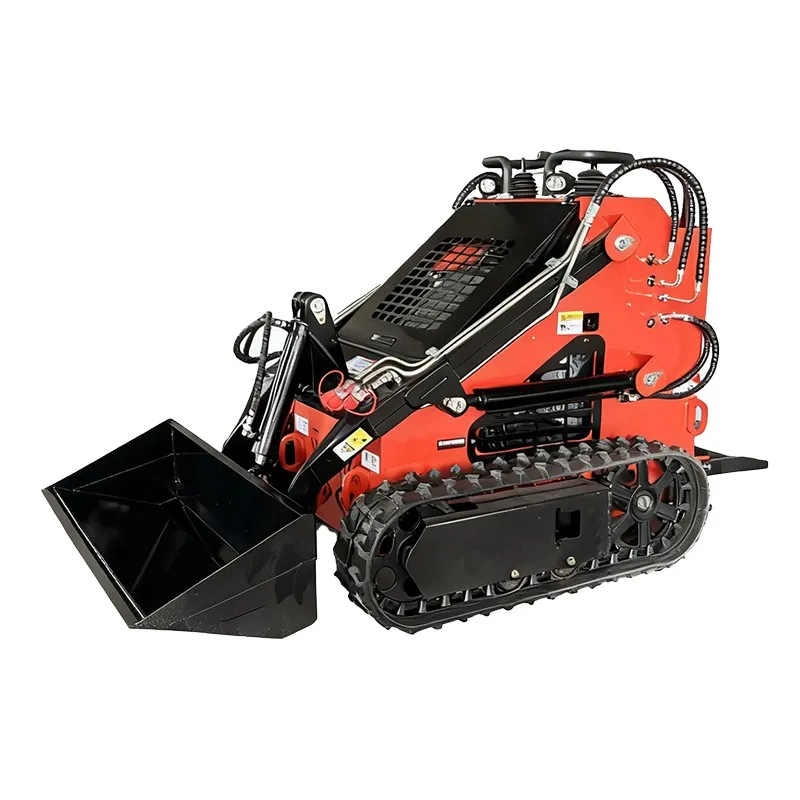
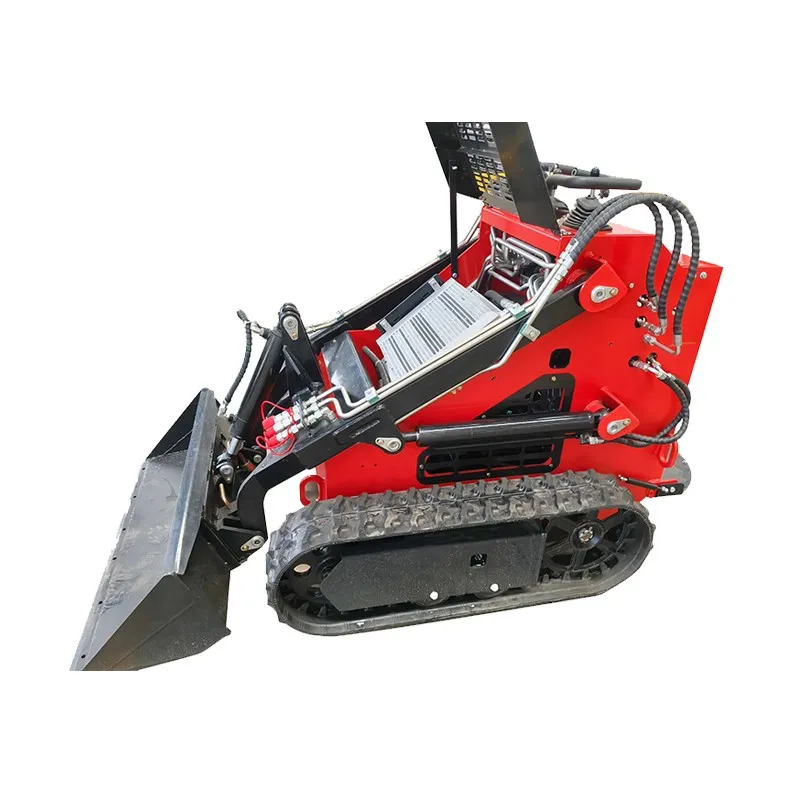
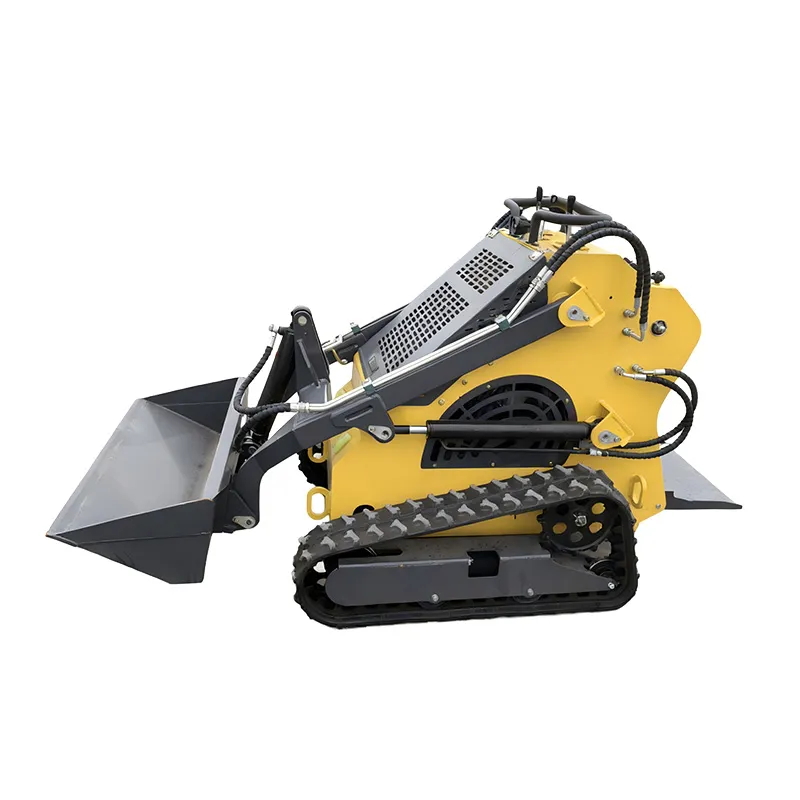
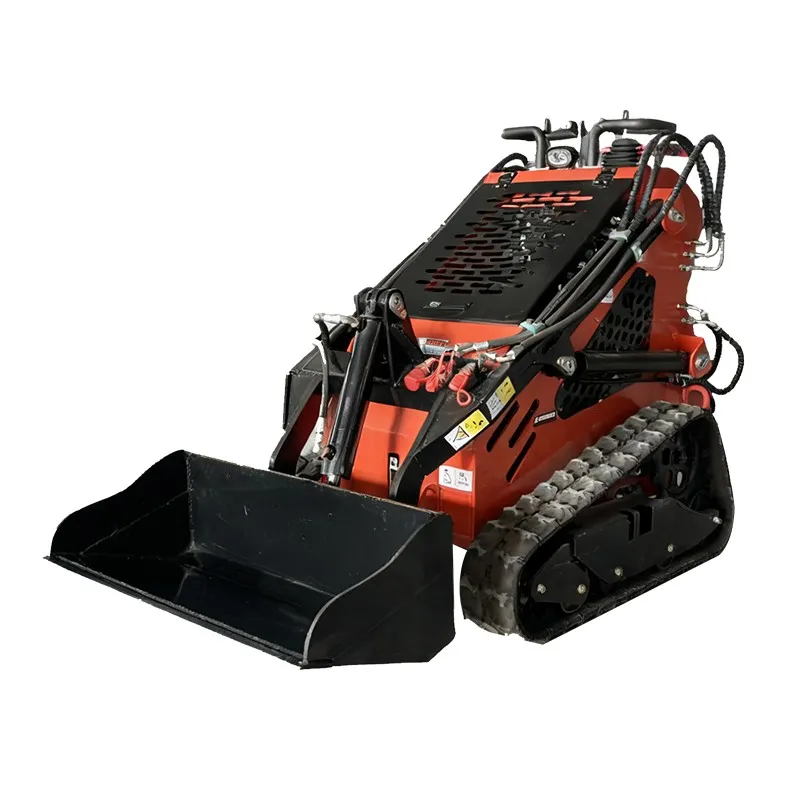
When you see 'compact track loader used' in a listing, your first thought shouldn't be about the price tag. It should be about the tracks. I've seen too many guys get burned because they looked at the hours and the paint job, but didn't get down on their knees to check the undercarriage wear. That's the heart of it. A used CTL isn't just a cheaper machine; it's a story of past jobs, maintenance habits, and sometimes, hidden stress points that a quick walk-around won't reveal. The common mistake is treating it like buying a used truck. The dynamics are entirely different—the loads, the pivots, the constant strain on a compact frame. You're not just buying a machine; you're inheriting its history.
The Undercarriage: Where the Real Cost Hides
Let's start with the obvious. Tracks and rollers. A machine with 2,000 hours might look great, but if it spent its life on abrasive demo sites, the undercarriage could be at 80% wear. I learned this the hard way on a Bobcat T870 I picked up a few years back. The price was right, the engine purred. But within three months, I was looking at a $7,000 bill for rollers and idlers. The sprockets were hooked. The previous owner clearly ran it on a lot of crushed concrete. Now, I carry a caliper to measure pin and bushing protrusion. If you don't know what that is, you shouldn't be buying a used CTL alone.
It's not just about wear, but mismatch. You see machines where someone replaced one track with a new one and left the old one on the other side. That creates a differential effect in the drive system, putting extra stress on the final drives. I always check for matching brand and wear patterns on both sides. If they don't match, it tells a story of reactive, not proactive, maintenance. That's a red flag for the entire machine's history.
Then there's the tension. Too tight, and you overwork the drive motors and burn fuel. Too loose, and you risk a derailment. On a cold morning, you check it. A track that's been run hot and then sat will have different tension. It's a simple thing, but overlooking it speaks volumes about the seller's knowledge. Was this machine a cared-for tool, or just a disposable asset?
Hydraulics and Auxiliary Circuits: The Silent Storytellers
Beyond the tracks, the hydraulics tell the next chapter. Start it up, get it to operating temperature, and then cycle every function. Not just once—do it repeatedly. Listen for chatter in the pumps. Watch for jerky cylinder movement. That often points to contaminated fluid or worn pump components. A cheap fix turns into a major overhaul fast.
The auxiliary hydraulic circuit pressure is critical, especially if you're buying it for attachments. Hook up a pressure gauge if you can. I've seen used machines where the previous owner cranked up the auxiliary relief valve to get more power out of a mulcher, for instance. That puts immense, unintended stress on the entire hydraulic system. It's a shortcut that leads to blown seals and failed motors down the line. Check the quick couplers, too. Are they scratched, beaten, leaking? It shows how attachments were treated—slammed on and off. That abuse travels inward.
Also, pay attention to hose routing. Are there rub points where a hose is wearing against the frame? That's often a sign of a field repair, not a shop repair. It shows the level of care. Original factory routing is usually clean. A spaghetti mess of zip-ties and rubbed hoses suggests a life of quick fixes.
The Financial Logic (and Pitfalls) of Used vs. New
Everyone looks at the depreciation curve. A three-year-old compact track loader might be 40% cheaper than new. That's the lure. But you have to factor in the 'unknown' liability. With a new machine from a major dealer, you have a warranty, a known service history from day one. With a used one, you're self-insuring against potential breakdowns. Does your cash flow allow for a $10,000 surprise repair? Sometimes, that new machine payment is really a predictable cost of doing business.
That said, for niche or seasonal work, a quality used unit makes perfect sense. I used a used Takeuchi TL12 for a two-year land clearing project. Bought it right, ran it hard, sold it for nearly what I paid. The key was buying a model known for durability and verifying its service records. The profit was in avoiding the massive first-year depreciation hit.
But beware of orphaned models. If a manufacturer discontinued a line or changed dealers, parts can become a nightmare. I'd rather buy a higher-hour John Deere or Cat with full dealer support than a low-hour, obscure brand with no local parts inventory. Downtime costs more than the machine.
Sourcing and Verification: Beyond the Online Listing
This is where the real work happens. Auction sites are a gamble. Private sellers can be hit or miss. I've had better luck with established equipment dealers who specialize in used iron and stand behind their inspections. They often have the history—lease returns, trade-ins from known contractors. The paperwork matters. A file full of invoices from a reputable shop is worth more than a thousand promises.
I also look at companies that have a long-term stake in the industry. For instance, a firm like Shandong Pioneer Engineering Machinery Co., Ltd (https://www.sdpioneer.com), which has been in the manufacturing and export game since 2004, often has a different perspective on machine longevity. They've seen what works globally, from the US to Australia. When a company with that kind of history—relocating and expanding their production facility as they did in 2023—deals in used equipment or trades, they tend to understand total lifecycle value, not just the quick flip. Their insight into what makes a machine hold up for export markets can be revealing about build quality and common failure points.
Always, always do a serial number check. Contact the manufacturer's dealer with the PIN. They can often tell you if there are any open recalls, major repairs done under warranty, or if the machine was even stolen. It's a five-minute call that can save you from a world of legal and financial trouble.
The Final Decision: A Personal Checklist
So, you've looked it over. Here's my mental checklist before money changes hands. One: Undercarriage wear percentage (my caliper is my best friend). Two: Hydraulic pressure test and function smoothness. Three: Engine hours vs. hydraulic hours—if it's a high-flow machine, were those hours spent running a hammer at max RPM? Four: Service records. No records? Assume the worst and price it accordingly. Five: Structural cracks. Check the loader arm mounts, the frame where the cab meets the chassis, especially around the tilt cylinder mounts. Stress cracks are deal-breakers.
Finally, operate it. Load the bucket. Lift it to max height. Listen for strain. Swing the machine on its tracks. Feel for hesitation. A used compact track loader should feel tight, not sloppy. There's a feedback through the controls in a healthy machine.
Buying used isn't about finding perfection. It's about finding honesty—an honest machine with an honest history at an honest price. The rest is just mechanics and money. But get that balance right, and a used CTL isn't a liability; it's the smartest piece of iron in your yard.
Related Products
Related Products