- Chinese
- French
- German
- Portuguese
- Spanish
- Russian
- Japanese
- Korean
- Arabic
- Irish
- Greek
- Turkish
- Italian
- Danish
- Romanian
- Indonesian
- Czech
- Afrikaans
- Swedish
- Polish
- Basque
- Catalan
- Esperanto
- Hindi
- Lao
- Albanian
- Amharic
- Armenian
- Azerbaijani
- Belarusian
- Bengali
- Bosnian
- Bulgarian
- Cebuano
- Chichewa
- Corsican
- Croatian
- Dutch
- Estonian
- Filipino
- Finnish
- Frisian
- Galician
- Georgian
- Gujarati
- Haitian
- Hausa
- Hawaiian
- Hebrew
- Hmong
- Hungarian
- Icelandic
- Igbo
- Javanese
- Kannada
- Kazakh
- Khmer
- Kurdish
- Kyrgyz
- Latin
- Latvian
- Lithuanian
- Luxembou..
- Macedonian
- Malagasy
- Malay
- Malayalam
- Maltese
- Maori
- Marathi
- Mongolian
- Burmese
- Nepali
- Norwegian
- Pashto
- Persian
- Punjabi
- Serbian
- Sesotho
- Sinhala
- Slovak
- Slovenian
- Somali
- Samoan
- Scots Gaelic
- Shona
- Sindhi
- Sundanese
- Swahili
- Tajik
- Tamil
- Telugu
- Thai
- Ukrainian
- Urdu
- Uzbek
- Vietnamese
- Welsh
- Xhosa
- Yiddish
- Yoruba
- Zulu
- Kinyarwanda
- Tatar
- Oriya
- Turkmen
- Uyghur


Construction Excavator
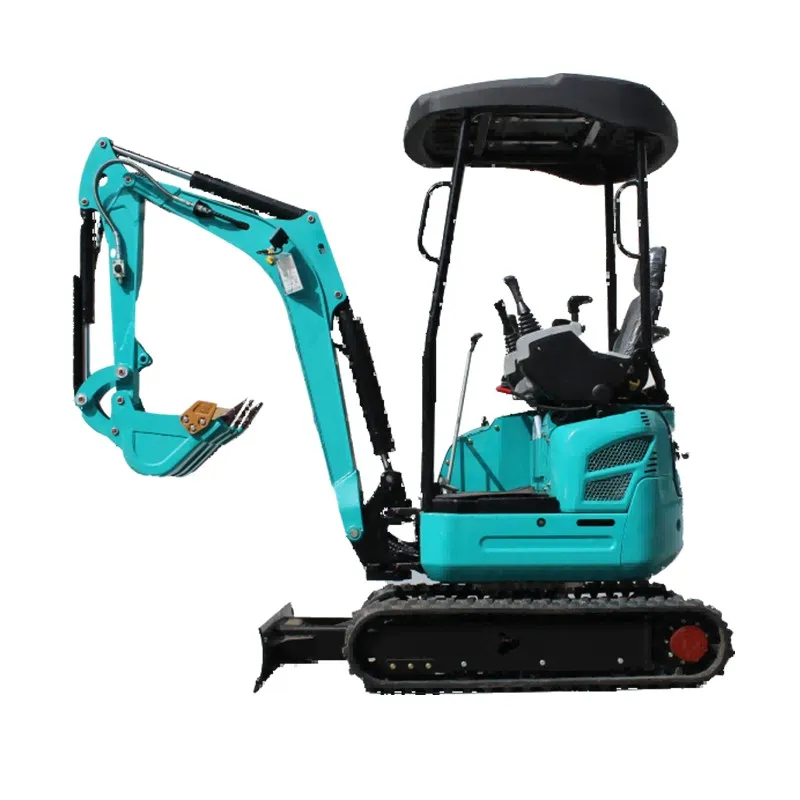
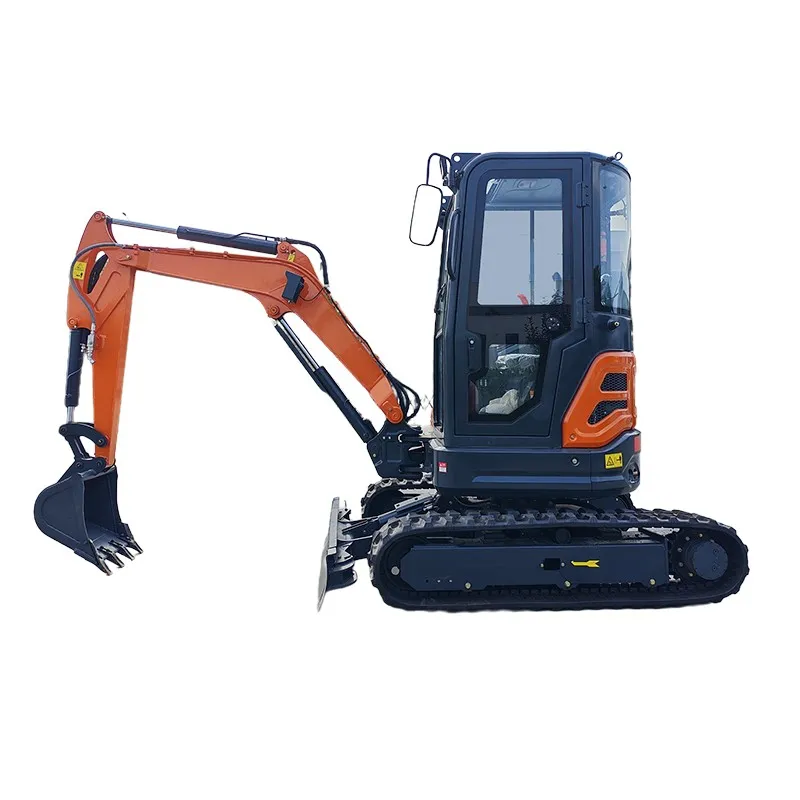
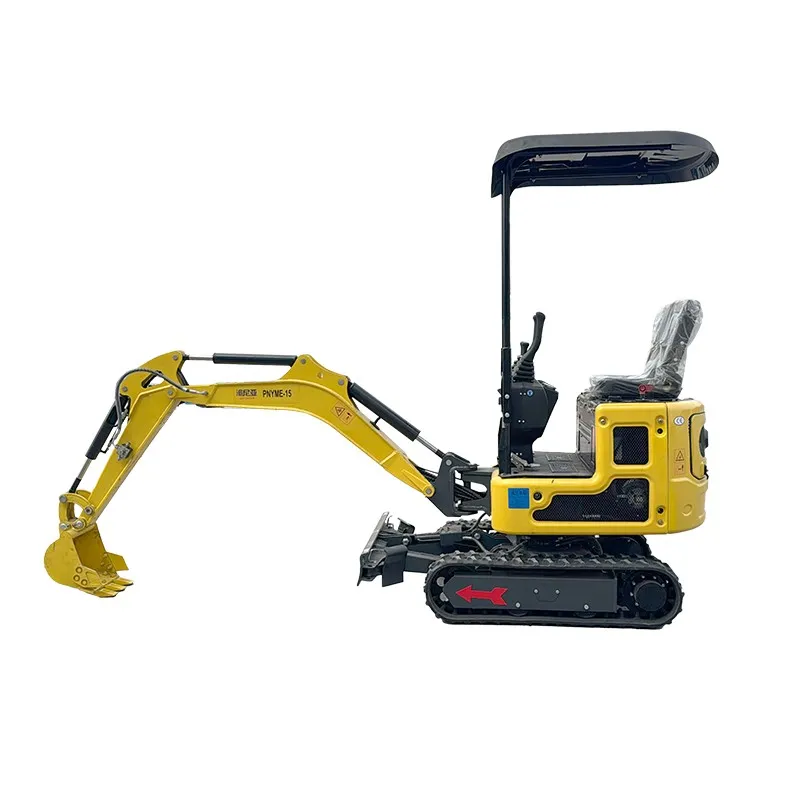
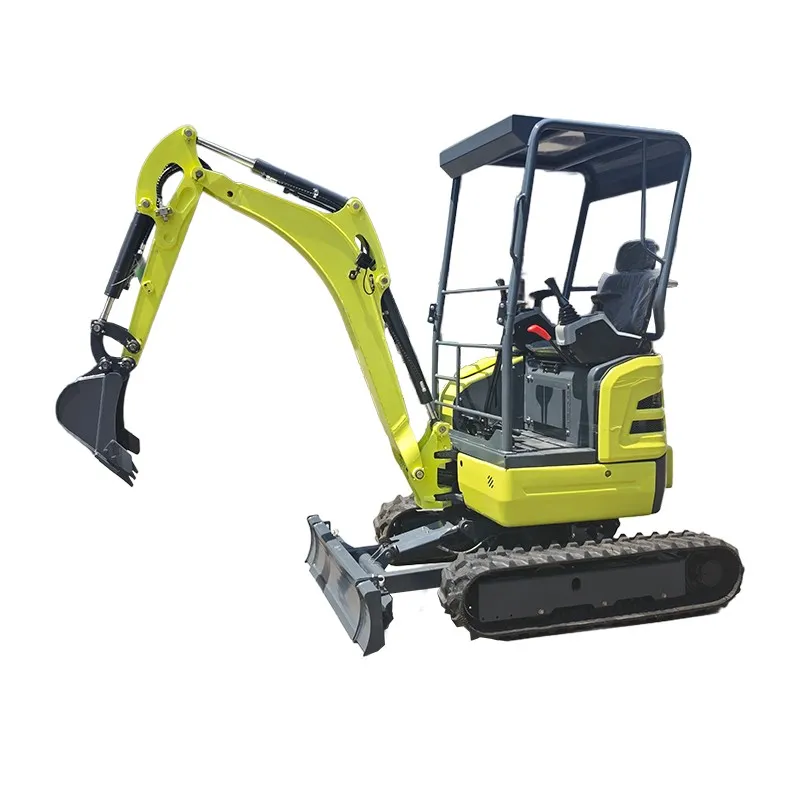
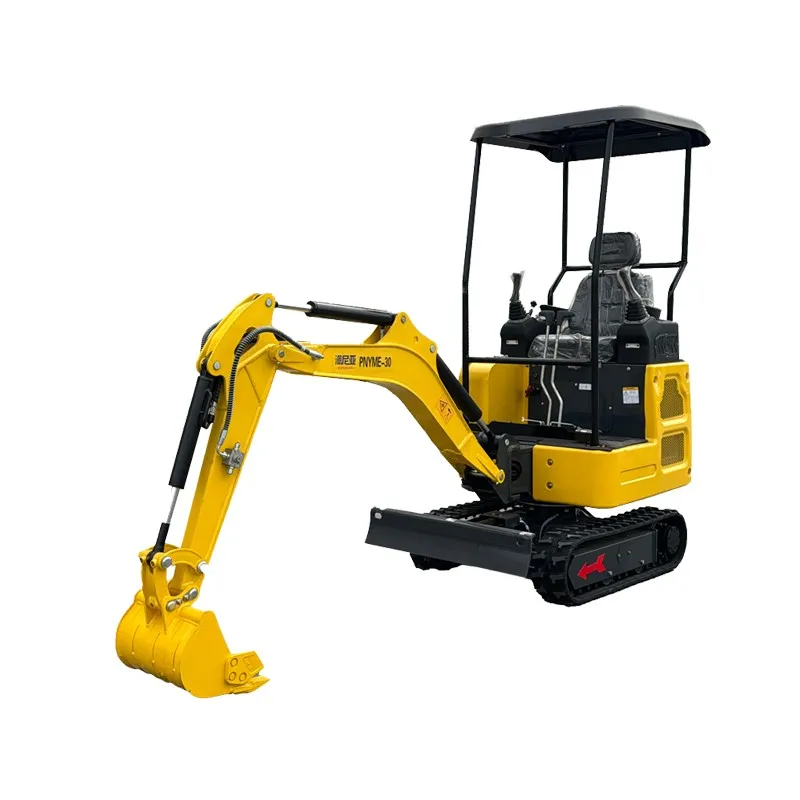
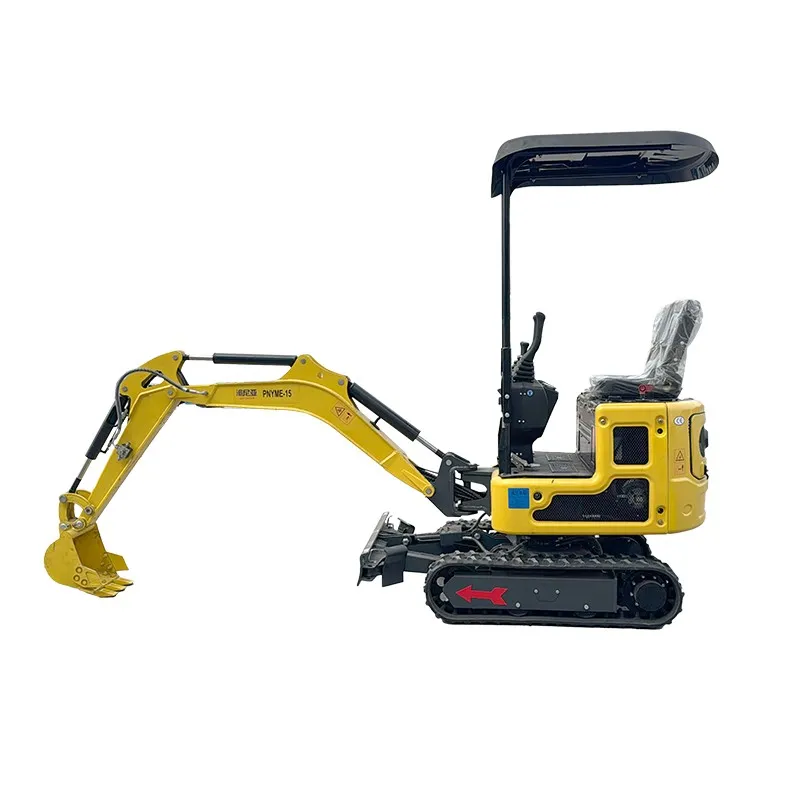
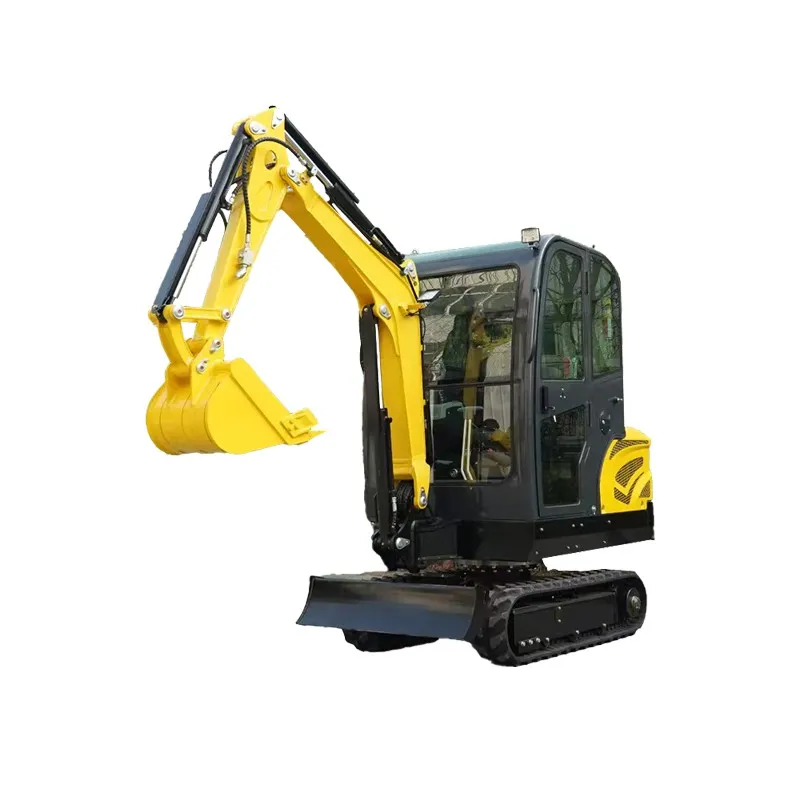
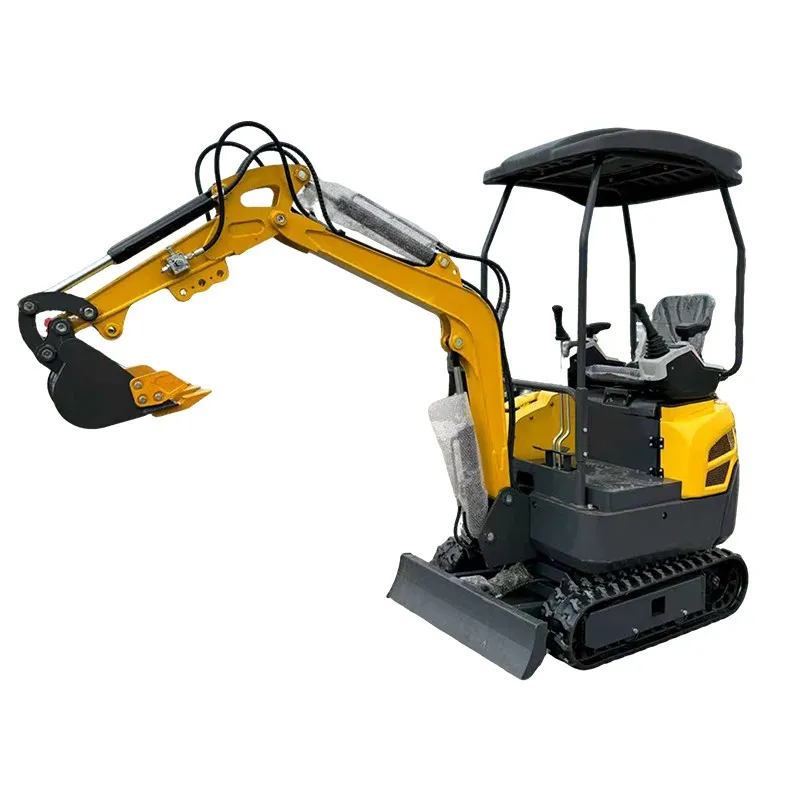
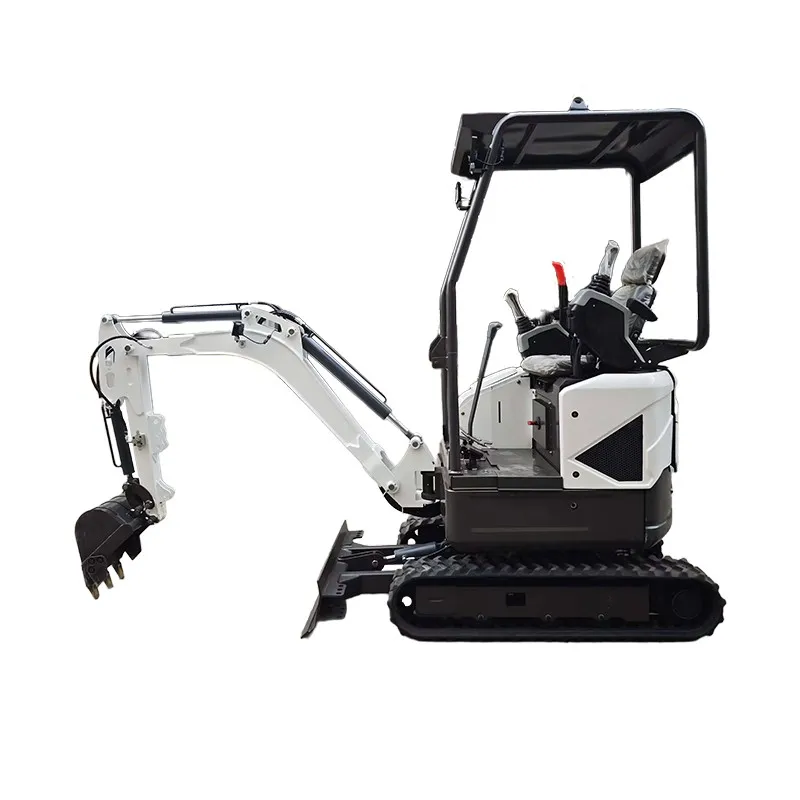
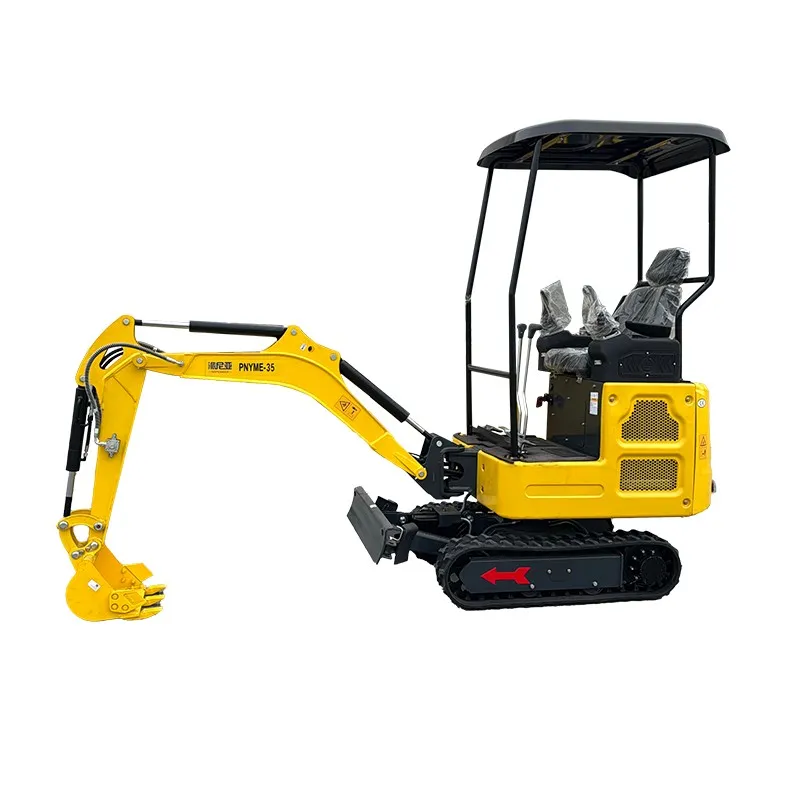
When most folks hear 'construction excavator', they picture the classic yellow machine digging a hole. That's not wrong, but it's a starting point that misses the depth. In the field, the excavator isn't just a digger; it's the Swiss Army knife of the site. The real conversation begins when you stop seeing it as a single tool and start understanding it as a carrier for a dozen different attachments and a hundred different applications. A common pitfall, even for some seasoned project managers, is specifying the machine based purely on bucket size or brand reputation, without considering the actual material, the site constraints, or the secondary tasks it'll need to handle. I've seen too many projects where a perfectly good machine sits idle because it can't efficiently switch from trenching to loading trucks or handling concrete pipes.
The Heart of the Matter: Hydraulics and Operator Input
Let's get technical for a second. The soul of a modern construction excavator is its hydraulic system. Not just the pump flow, but the control logic. A machine with poor metering or jerky controls will fatigue an operator in two hours and ruin the precision needed for, say, laying delicate drainage lines. I remember running an older model on a utility job—we had to finish a precise grading task around existing fiber optic conduits. The machine's hydraulics were all-or-nothing; the slightest joystick movement sent the bucket flying. We ended up having an operator do micro-movements by 'feathering' the controls, a skill that takes years to master. It got the job done, but it was inefficient and stressful. That's why when I look at specs now, I spend as much time asking about the pilot control system and variable displacement pumps as I do about engine horsepower.
This ties directly into operator skill. A great machine in mediocre hands is a liability. I've witnessed a highly experienced op take a standard 20-ton machine and use the back of the bucket to tamp trench bedding with a finesse that a laser-guided compactor would envy. Conversely, a novice with a top-tier machine can cause thousands in damage by applying force incorrectly. The machine doesn't work alone; it's an extension of the person in the cab. Training isn't a checkbox item; it's a continuous investment.
Which brings me to a practical observation on maintenance. The hydraulic system is also the most failure-prone if neglected. Contamination is the killer. A single failed seal or a dirty filter can lead to cascading valve failures. On a remote site years ago, we lost a primary pump because a tech used the wrong grade of hydraulic fluid during a top-up. The downtime cost more than the pump itself. The lesson? The machine's sophistication demands an equally sophisticated maintenance culture. It's not just about greasing pins anymore.
Attachments: Transforming the Core Machine
This is where the excavator truly earns its keep. The standard bucket is maybe used 60% of the time on a complex site. We're talking about rotating grapples for sorting demo debris, hydraulic breakers for concrete demolition, augers for piling, and even specialized grapples for handling pipe. I was involved in a municipal project where we used a single construction excavator fitted with a tiltrotator and a grading bucket to do final slope work on a drainage swale. The flexibility saved us from mobilizing a dedicated grader and a smaller tool carrier.
But here's the catch: not every machine is set up for quick attachment changes. The older, non-universal hitch systems are a time-sink. You need a second machine or a crane to swap tools, which defeats the purpose. The industry is moving toward quick couplers as standard, and for good reason. The ROI on a quick coupler is calculated in minutes saved per day, not over years.
There's also a weight and hydraulic flow calculation that's often miscalculated. Slapping a massive forestry mulcher on a standard 30-ton excavator might seem okay on paper if the weight limits match, but if the machine's auxiliary hydraulic flow is insufficient, you'll burn up the mulcher's motor or severely underperform. I've seen this mistake made by rental companies trying to offer a 'one-size-fits-all' solution. You must match the attachment to the machine's specific hydraulic capabilities, not just its size class.
Site Specifics and the Feel of Operation
Operating on soft, reclaimed land versus solid bedrock changes everything. It's not just about track pads or counterweights. On a soft site, you're constantly fighting for stability. You might need to work with the boom extended further out, which drastically reduces your effective lifting capacity. I recall a foundation dig on a wet, clay-heavy site. The machine, a 36-tonner, kept sinking its tracks despite using wide pads. We ended up creating a working platform with crushed rock—a simple, old-school solution that the initial site plan had overlooked. The machine could then operate safely. The specs sheet doesn't tell you that story.
Noise and vibration are another underrated factor. In urban infill projects, a machine with a pronounced cab shake or a high-pitched hydraulic whine will draw complaints fast. Some of the newer electric and hybrid prototypes are interesting not just for fuel savings, but for drastically reducing this operational 'noise footprint'. It's a tangible benefit for crews working 10-hour days, too—less fatigue.
The cab environment itself has evolved from a basic metal box to a climate-controlled command center. But all the screens and joystick buttons mean nothing if the basic ergonomics are off. Can the operator easily see the bucket tip and the right-side track from a normal seated position? On some models, the pillar design creates a blind spot. You only discover this on day one of a real job.
The Global Supply Chain and Real-World Reliability
This industry runs on global manufacturing. A machine might have a Japanese engine, German hydraulics, and be assembled in China. The key is the integration and the quality control over the final product. I've followed the work of manufacturers who focus on this export integration, like Shandong Pioneer Engineering Machinery Co., Ltd. You can see their details at https://www.sdpioneer.com. Established in 2004 and now operating from a newer facility in Tai'an, they represent a segment of manufacturers that have evolved from basic production to understanding the specific needs of international markets, exporting to places like the U.S., Canada, and Australia. Their longevity—20 years of development—suggests a focus on building relationships and adapting products, which is crucial in this business.
Why does this matter to someone on a site in Texas or Queensland? Because the aftermarket support and parts availability for these globally-traded machines are critical. A machine's value isn't just its purchase price; it's the total cost of ownership over 10,000 hours. Can you get a replacement hydraulic hose assembly or a track roller in less than a week? Manufacturers with a dedicated trade arm, as noted in Shandong Pioneer's structure with its overseas trade focus, are often better positioned to ensure that supply chain works for the end-user, not just the initial dealer.
Reliability is tested in extreme conditions. I've seen machines from various origins in the Australian outback and Canadian winter. The ones that last aren't always the most famous brands; they're the ones whose design accounted for thermal expansion in the heat, or used seals and fluids rated for -30°C. It's these granular engineering choices, often invisible on a brochure, that define a machine's true capability as a construction excavator.
Looking Forward: The Jobsite is Changing
The future isn't just about autonomy, though that's coming. It's about connectivity and data. Machine control systems that use GPS to guide the bucket are becoming more common, reducing staking time and rework. But they add complexity. I was skeptical until I saw a system used for bulk excavation to a precise grade. The operator could work faster with more confidence, especially in low-visibility conditions like dust or rain. However, it's another system to maintain and calibrate.
The push for electrification is real, especially for indoor demolition or work in emission-sensitive zones. The torque characteristics of an electric drive are different—instant and massive. It requires a slight re-learning of control feel for veteran operators. The limitation remains runtime and charging infrastructure on a remote, generator-powered site. It's a solution for specific applications right now, not a universal replacement.
Ultimately, the core role of the construction excavator won't change. It will still be the primary earth-moving, lifting, and processing tool. But the way we specify, operate, and maintain it is in constant flux. The best practitioners are the ones who respect the mechanical fundamentals while staying open to the technologies and global supply chains that make the machine more productive, more versatile, and more integrated into the modern digital workflow. It's a tool, but it's never just a tool.
Related Products
Related Products