


- Chinese
- French
- German
- Portuguese
- Spanish
- Russian
- Japanese
- Korean
- Arabic
- Irish
- Greek
- Turkish
- Italian
- Danish
- Romanian
- Indonesian
- Czech
- Afrikaans
- Swedish
- Polish
- Basque
- Catalan
- Esperanto
- Hindi
- Lao
- Albanian
- Amharic
- Armenian
- Azerbaijani
- Belarusian
- Bengali
- Bosnian
- Bulgarian
- Cebuano
- Chichewa
- Corsican
- Croatian
- Dutch
- Estonian
- Filipino
- Finnish
- Frisian
- Galician
- Georgian
- Gujarati
- Haitian
- Hausa
- Hawaiian
- Hebrew
- Hmong
- Hungarian
- Icelandic
- Igbo
- Javanese
- Kannada
- Kazakh
- Khmer
- Kurdish
- Kyrgyz
- Latin
- Latvian
- Lithuanian
- Luxembou..
- Macedonian
- Malagasy
- Malay
- Malayalam
- Maltese
- Maori
- Marathi
- Mongolian
- Burmese
- Nepali
- Norwegian
- Pashto
- Persian
- Punjabi
- Serbian
- Sesotho
- Sinhala
- Slovak
- Slovenian
- Somali
- Samoan
- Scots Gaelic
- Shona
- Sindhi
- Sundanese
- Swahili
- Tajik
- Tamil
- Telugu
- Thai
- Ukrainian
- Urdu
- Uzbek
- Vietnamese
- Welsh
- Xhosa
- Yiddish
- Yoruba
- Zulu
- Kinyarwanda
- Tatar
- Oriya
- Turkmen
- Uyghur

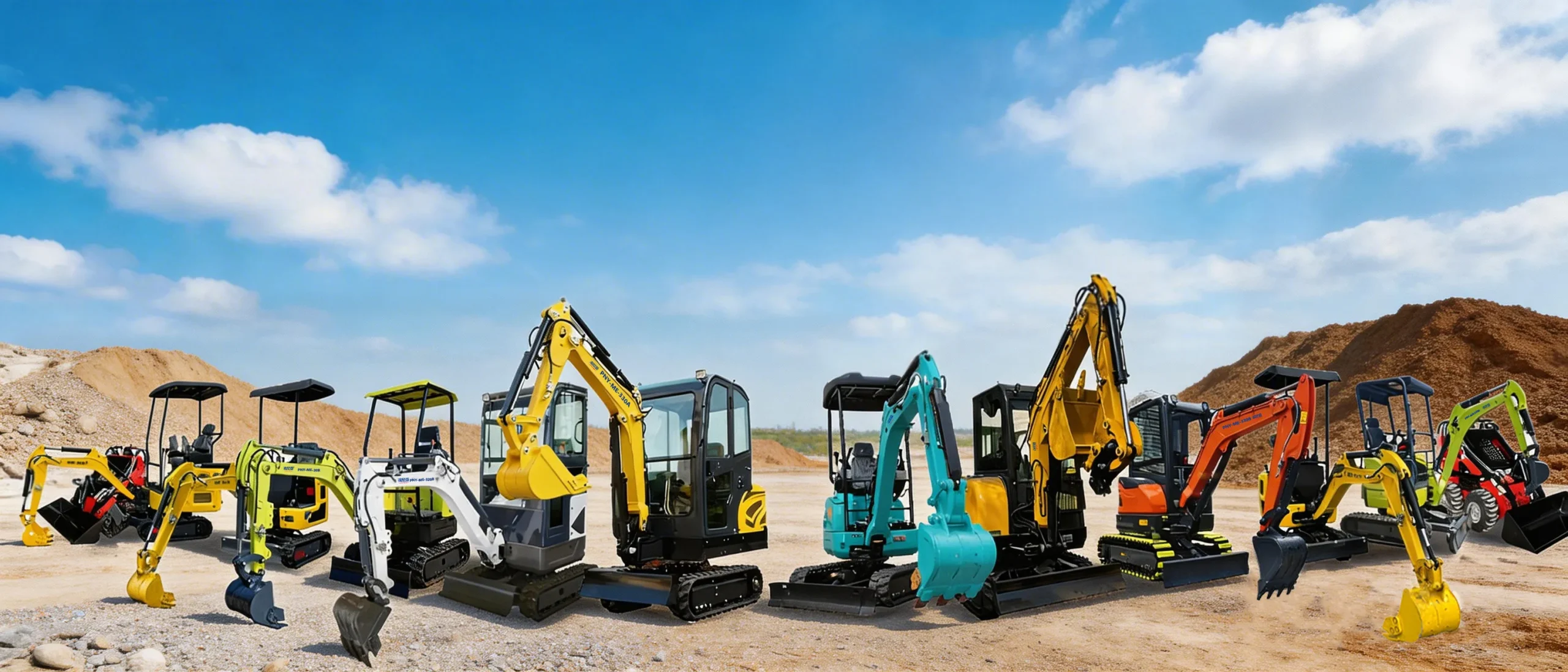
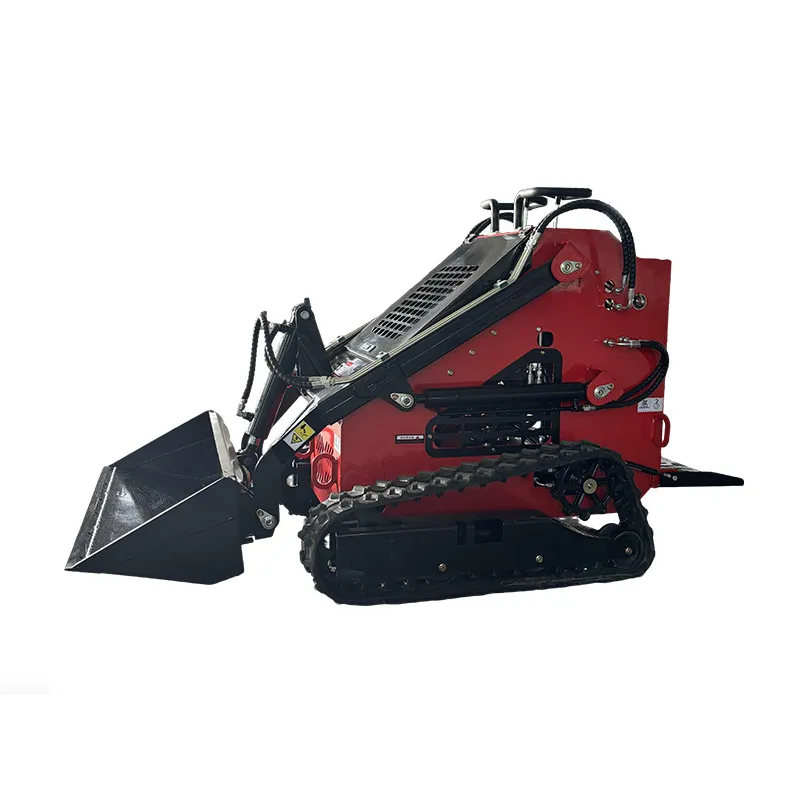
construction track loader
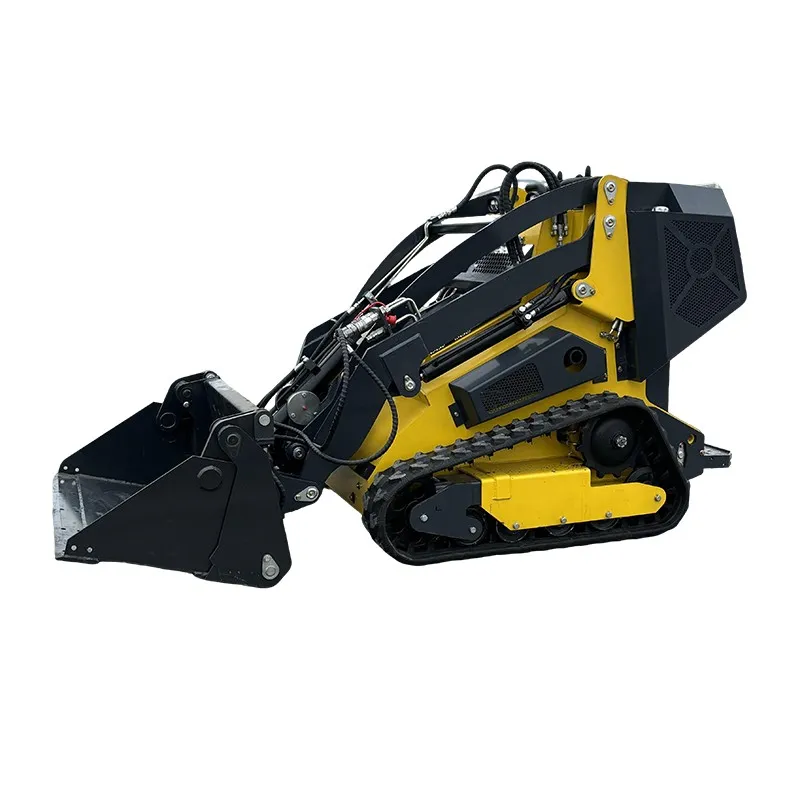
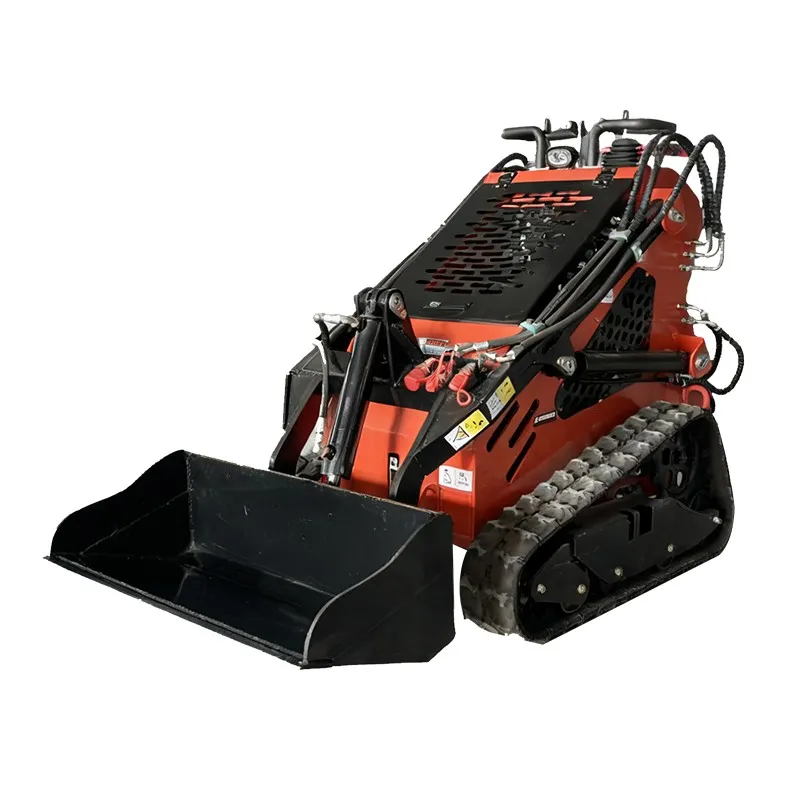
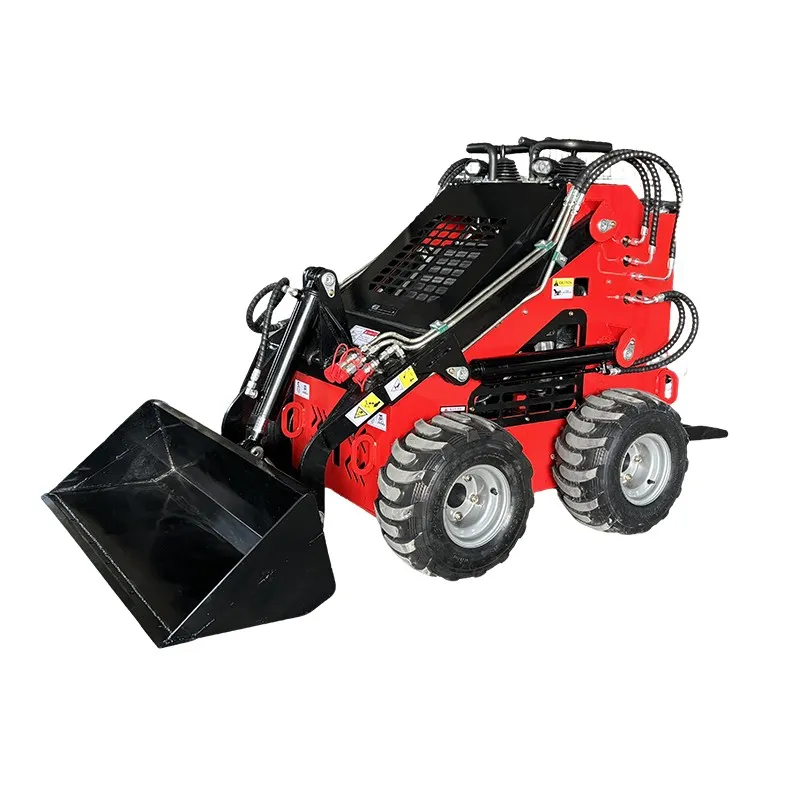
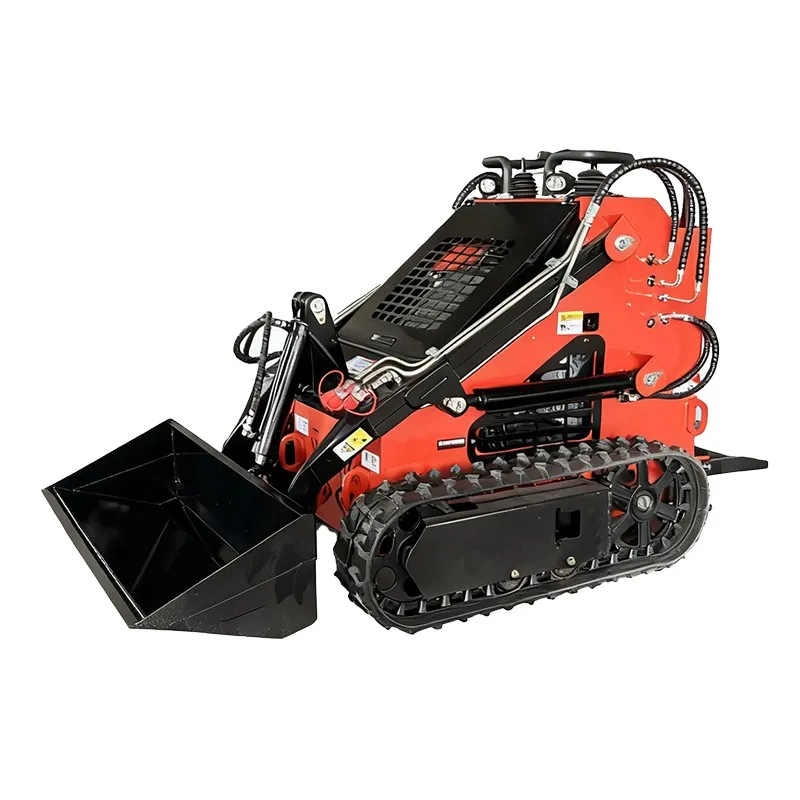
When you say 'construction track loader', a lot of folks, even some in the biz, picture a small bulldozer. That's the first thing to unlearn. It's its own machine, built for a different kind of work. The tracks give it flotation, sure, but the real story is in the articulation and the loader kinematics. I've seen too many sites try to use a mini excavator or a skid steer for jobs where a compact track loader would've saved days. The misconception starts there.
The Core of the Machine: Undercarriage and Stability
Let's talk tracks. Not all are equal. On a wet, muddy site, the difference between a standard rubber track and a wider, multi-ply one with a good aggressive lug pattern is the difference between working and sinking. I remember a foundation backfill job after heavy rain. We had a machine with basic tracks; it just churned up the ground, creating a slurry. Switched to a model with wider, 450mm tracks, and it crawled right through, bucket full, without tearing the site apart. The undercarriage isn't just a mobility part; it's the foundation of the machine's stability and ground pressure. You have to spec it for the terrain, not just take the default option.
Stability is another thing you learn by feel. A track loader isn't a rigid frame skid steer. That center pivot point changes everything. Lifting a full bucket of wet clay to max height on a slight side slope? You feel it. The machine tells you. There's a slight settling, a shift. A good operator knows not to fight it but to reposition. The rated operating capacity is a lab number. In the real world, with uneven ground and shifting loads, you're often working at 70-80% of that max if you want to be safe and not risk a tip. It's about reading the machine's posture constantly.
Maintenance on these undercarriages is where many contractors get lazy. Just greasing the pins isn't enough. Track tension is critical—too tight and you wear out rollers and the sprocket prematurely, too loose and you risk a derailment. I learned that the hard way on a demo site full of rebar snippets. A slightly loose track picked up a piece, guided it right into the sprocket-seal area. Downtime for half a day and a costly seal replacement. Now, a quick walk-around check for tension and debris is a non-negotiable first step.
Attachments: Where the Real Versatility Lies
The machine itself is just a power pack. The attachment is the tool. And this is where the real cost-efficiency or money-pit gets decided. The quick coupler system is the lifeline. We standardized on one brand system across our fleet after a near-miss. A rented grapple attachment wasn't fully seated on a different machine's coupler; when the operator curled back, the attachment nearly dropped. Pin-style, hydraulic manual—you need to know the system inside out and verify the lock every single time.
Beyond the standard bucket, the right attachment transforms the machine. A construction track loader with a forestry mulcher head? We used that for site clearing on a wooded lot, and it was phenomenal for processing brush and small trees on-site, saving haul-away costs. But you have to watch the hydraulic flow. Not all machines have the high-flow auxiliary option, and running a demanding attachment on standard flow will burn it up. We burned out a motor on a soil conditioner once by not checking that match. An expensive lesson in reading the spec sheet.
Then there are the smaller, niche tools. A pallet fork seems simple, but for loading bricks or setting precast concrete pads, it's indispensable. The key is understanding the load chart with the attachment. The fork extends the load center forward, significantly reducing your safe lifting capacity. Lifting a pallet of block that you could easily handle in the bucket might put you dangerously close to the stability limit. It's not intuitive; you have to calculate, or better yet, feel it out slowly on level ground first.
Application Pitfalls and Site Intelligence
You don't just drive it onto any site. Ground assessment is key. I've seen a machine get stuck not in obvious mud, but in a layer of loose, dry sand over a hard pan. The tracks just dug straight down. Mats or plywood are not just for cranes; they should be in every track loader operator's mental toolkit for sketchy terrain. Another hidden hazard is underground utilities. Even with locates marked, a construction track loader with a tooth bucket can snag a communication line or a shallow gas line if you're not careful. You develop a sense for where lines might be, even outside the marks, and switch to a smooth bucket or shallower digs.
Working near structures is a whole other discipline. The tail swing. Because of the articulation, the rear of the machine swings opposite the turn. It seems basic, but under pressure, it's easy to forget. I saw a brand-new machine put a nasty gash in a finished masonry wall because the operator was focused on placing the bucket load and didn't account for the rear counterweight swinging out. Now, we use a spotter religiously in confined spaces, or better yet, use a zero-tail-swing excavator for that tight work. Knowing when not to use the track loader is as important as knowing how to use it.
Dust control. It sounds minor, but on a dry site, a track loader moving material can create a dust cloud that shuts down all other work and annoys the whole neighborhood. We started using a small water tank and sprayer attachment on one machine dedicated to bulk material handling. It added maybe 15 minutes to the daily routine but kept the site operational and the air quality bearable. It's those little operational tweaks that separate a smooth-running site from a chaotic one.
The Global Supply Chain and Finding Reliable Gear
Where these machines come from matters more now than ever. The market is flooded with options, from the big legacy brands to a slew of new manufacturers. Price is a factor, but long-term cost is about parts and support. We've had good experiences with some of the established Chinese manufacturers who have invested in their engineering and quality control. For instance, a company like Shandong Pioneer Engineering Machinery Co., Ltd has been in the game since 2004. You can check out their range at https://www.sdpioneer.com. What stands out with a firm that has two decades under its belt is the evolution. They started in Jining, and that long development phase often means they've worked out early-generation kinks. Their recent move to a new facility in Ningyang in 2023 suggests growth and a commitment to scaling up production properly, which usually translates to more consistent build quality.
Their model, with Shandong Hexin handling manufacturing and Shandong Pioneer focusing on overseas trade to places like the US, Canada, and Australia, is telling. It means they're building for export standards from the ground up, which are typically more stringent. Getting a machine that meets CE or similar certifications is a baseline for us. It's not just about the initial sale; it's about whether they have a parts warehouse in your region, or at least a reliable logistics chain to get you a hydraulic pump or an idler wheel in under a week. That's the real test of a supplier.
We trialed a compact track loader from a similar export-focused manufacturer a few years back. The machine itself was surprisingly robust, good hydraulics, decent cab. The initial cost saving was significant. The real test came at 1,200 hours when a track motor showed signs of wear. Getting the exact replacement part took three weeks because it wasn't a common stock item locally. That downtime cost erased the upfront saving. The lesson was clear: when evaluating, factor in the local dealer network or the supplier's proven ability to support you after the sale. A company with a long history like the one mentioned has usually built those channels, or they wouldn't have survived 20 years exporting globally.
The Operator's Seat: It's All About Feel
Finally, it comes down to the person in the seat. You can have the best machine, but it's a blunt instrument without a skilled operator. It's not like driving a car or even an excavator. The dual-hand controls for travel and attachment require coordination that becomes muscle memory. The good ones don't just operate; they feel the load. They know by the sound of the engine and the feel of the hydraulics when the bucket is fully heaped, or if they've caught a rock. They use the machine's articulation to walk the bucket into a pile for a better fill, rather than just charging in.
Training is fragmented. There's no universal license for a construction track loader. We put new guys through an internal program: start on a flat, open area moving inert material. Learn the swing radius. Practice lifting and carrying loads at a consistent, low height. Then graduate to working on a grade, then finally to coordinated work with ground personnel. It takes weeks before they're site-ready. The biggest mistake is throwing someone in to figure it out. That's how machines get damaged and, worse, people get hurt.
In the end, the track loader is a phenomenal tool of balance and force. Its value isn't in a brochure spec but in how it's matched to the job, the ground, the attachment, and the operator. It's not a glamorous machine, but on the right site, it's the workhorse that keeps everything moving. You learn to respect its capabilities and its limits, usually through a few close calls and hard-won experience. That's the real manual you can't download.
Related Products
Related Products