- Chinese
- French
- German
- Portuguese
- Spanish
- Russian
- Japanese
- Korean
- Arabic
- Irish
- Greek
- Turkish
- Italian
- Danish
- Romanian
- Indonesian
- Czech
- Afrikaans
- Swedish
- Polish
- Basque
- Catalan
- Esperanto
- Hindi
- Lao
- Albanian
- Amharic
- Armenian
- Azerbaijani
- Belarusian
- Bengali
- Bosnian
- Bulgarian
- Cebuano
- Chichewa
- Corsican
- Croatian
- Dutch
- Estonian
- Filipino
- Finnish
- Frisian
- Galician
- Georgian
- Gujarati
- Haitian
- Hausa
- Hawaiian
- Hebrew
- Hmong
- Hungarian
- Icelandic
- Igbo
- Javanese
- Kannada
- Kazakh
- Khmer
- Kurdish
- Kyrgyz
- Latin
- Latvian
- Lithuanian
- Luxembou..
- Macedonian
- Malagasy
- Malay
- Malayalam
- Maltese
- Maori
- Marathi
- Mongolian
- Burmese
- Nepali
- Norwegian
- Pashto
- Persian
- Punjabi
- Serbian
- Sesotho
- Sinhala
- Slovak
- Slovenian
- Somali
- Samoan
- Scots Gaelic
- Shona
- Sindhi
- Sundanese
- Swahili
- Tajik
- Tamil
- Telugu
- Thai
- Ukrainian
- Urdu
- Uzbek
- Vietnamese
- Welsh
- Xhosa
- Yiddish
- Yoruba
- Zulu
- Kinyarwanda
- Tatar
- Oriya
- Turkmen
- Uyghur


cost to rent a mini excavator
When most folks search for 'cost to rent a mini excavator', they're just looking for a number. $250 a day, $800 a week, whatever. That's the first mistake. The real cost isn't the rate on the website; it's everything that happens between signing the contract and returning the keys. I've seen too many small contractors blow their budget because they budgeted for the rental fee and forgot about the rest. Let's talk about what that number actually includes, and more importantly, what it often doesn't.
The Sticker Price is a Starting Point, Not the Finish Line
Okay, so you see an ad for a 1.8-ton machine at $179 a day. Looks good. But is that with insurance? Probably not. The rental house will offer their damage waiver, which can add 15-20% to that base rate instantly. You can sometimes use your own insurance, but the paperwork has to be perfect, and they'll still put a hefty hold on your credit card. Then there's delivery. Unless you have the right trailer and truck, you're paying for that. In a metro area, that's easily another $100-150 each way. So your $179 day is pushing $400 before you've even dug a trench.
Fuel is another one people forget. They'll send it out with a full tank, and you're expected to return it full. No big deal, but if you're running it hard for a week, that's a few hundred dollars in diesel right there. And God forbid you track mud all over the tracks and cab. Some places will hit you with a cleaning fee if you bring it back caked. The point is, the headline rate is just the bait.
I remember a job where we needed a mini ex for just two days to dig some footings in a tight backyard. The rental was cheap, but access was a nightmare. We ended up paying for four hours of an operator's time just to walk the machine through a neighbor's property (with permission, after a fee). That cheap rental cost doubled in hidden labor and access costs. That's the stuff you learn the hard way.
Machine Condition & The Downtime Gamble
This is where the real risk lives. You can rent from a big national chain or a local yard. The big guys have newer fleets, usually, but their machines are run hard and often poorly maintained by the last guy who didn't care. A local independent might have older iron, but if they're good, they know each machine intimately. The cost difference isn't just in the rate; it's in the risk of downtime.
Nothing kills profit faster than a machine that quits at 10 AM. You're still paying the daily rate, your crew is standing around, and the clock is ticking. If the rental company can't get a service tech out fast, you're stuck. I always ask about their service response time before I sign. A slightly higher daily rate from a company with a dedicated mechanic on call is worth every penny. I'd rather pay $50 more a day than lose a whole $2000 day of labor.
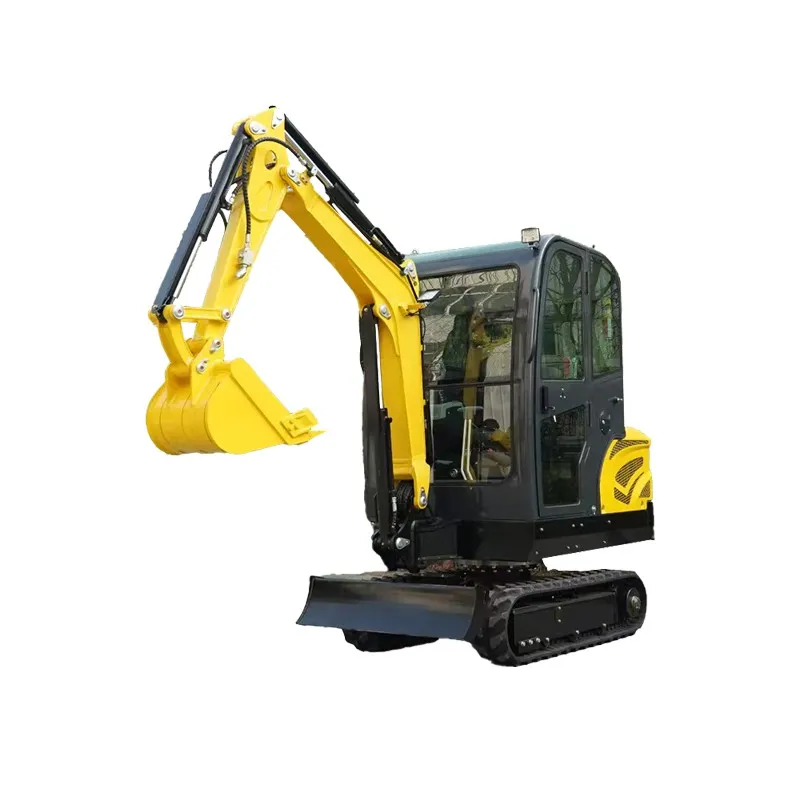
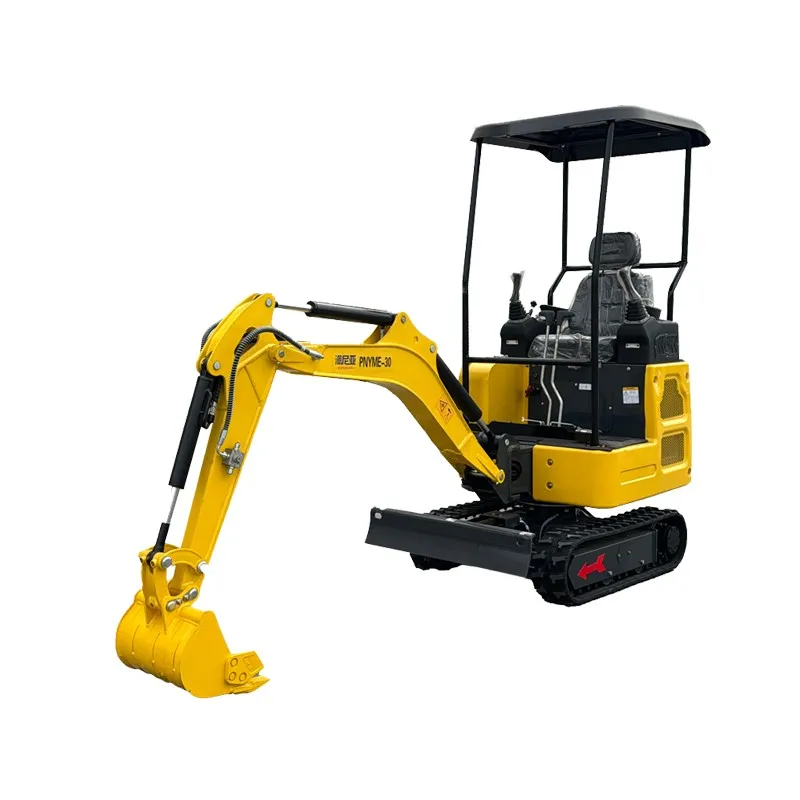
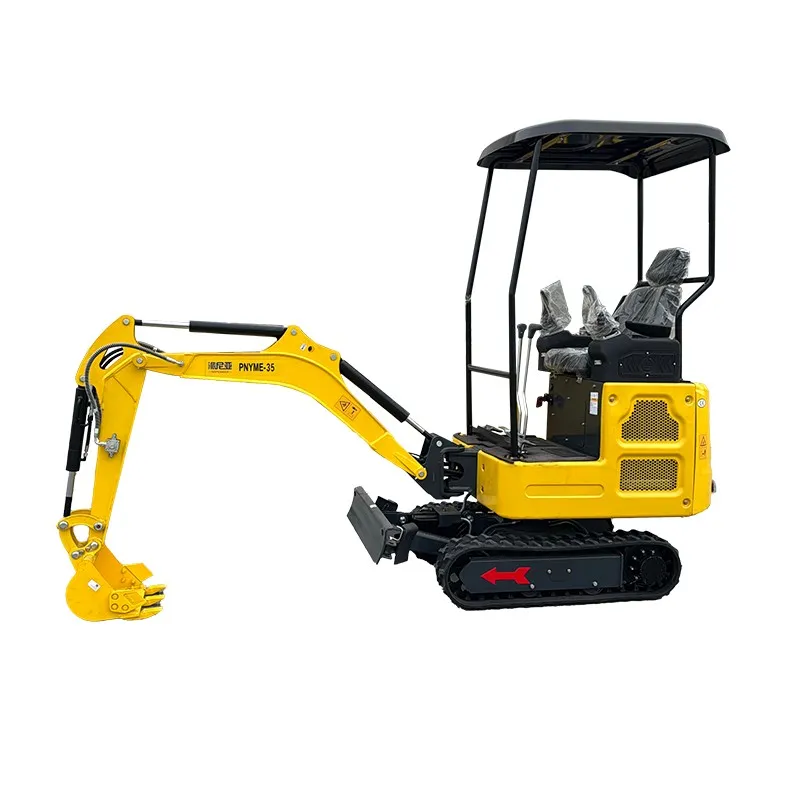
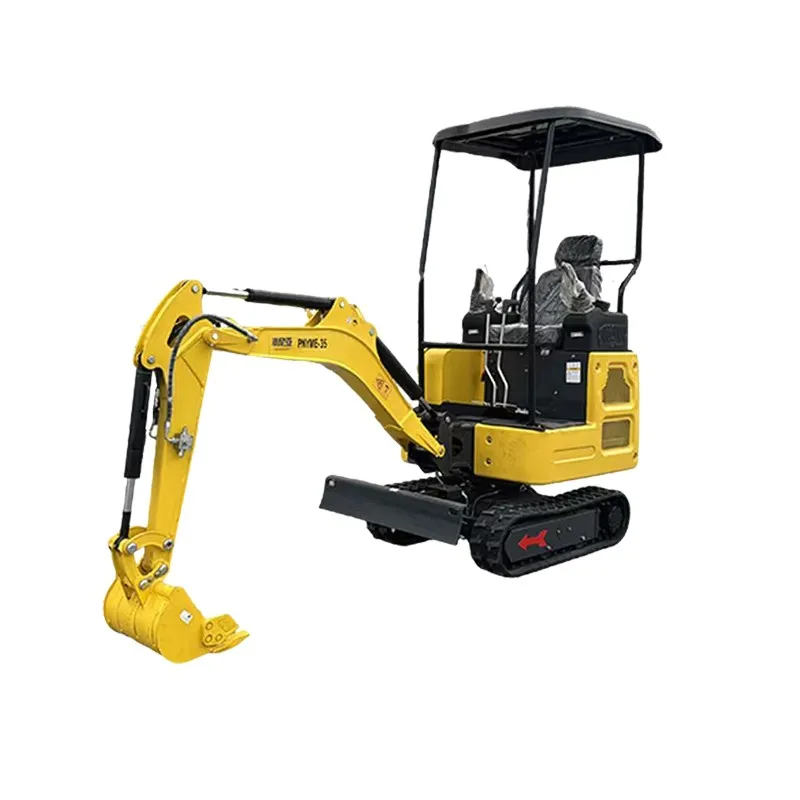
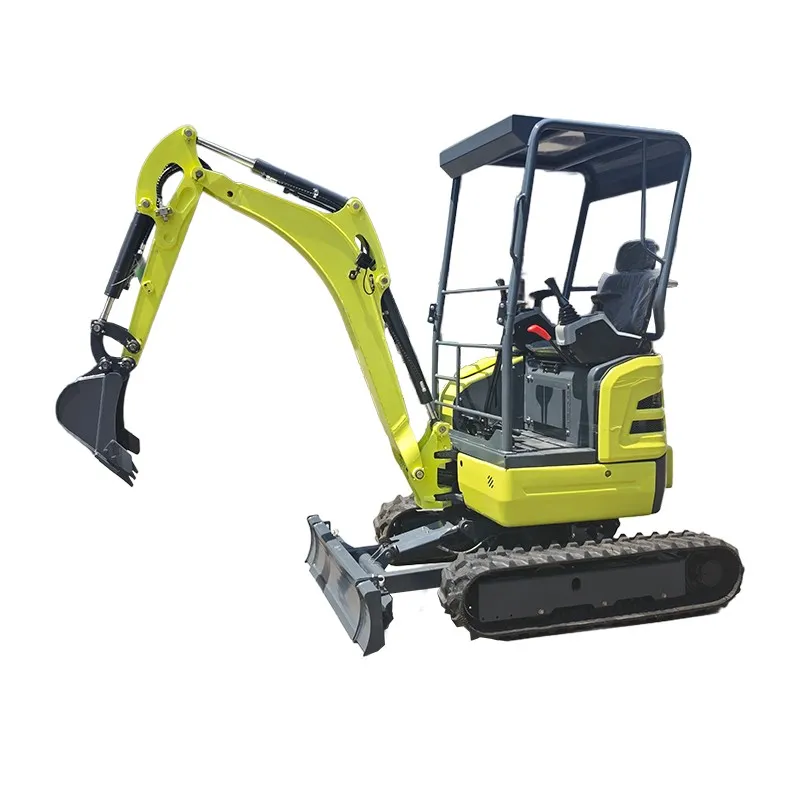
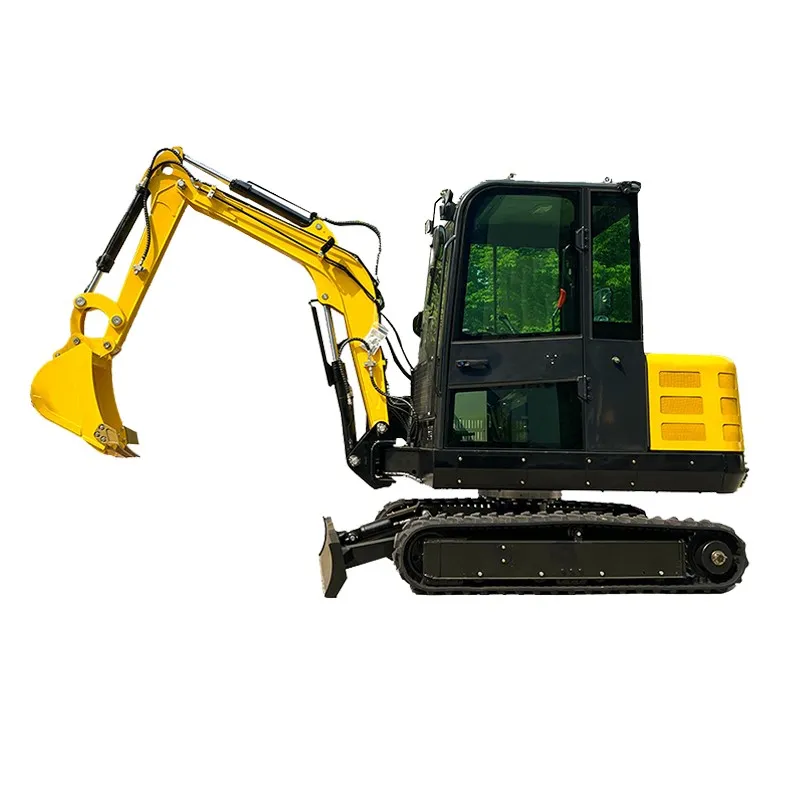
This is where specs matter, too. You're not just renting a mini excavator. Are you getting a standard tail swing or a zero-tail-swing model for tight spaces? What's the digging depth and reach? Attachments? A hydraulic thumb is a game-changer for handling rocks and debris, but it's often an extra $75 a day. Renting the wrong machine for the job is a hidden cost that shows up as slower production.
The Long-Term Play: Weekly vs. Monthly Rates & The Gray Area of Purchase
The rate drop from daily to weekly to monthly is significant. If your job spans 8-9 days, it's almost always cheaper to pay for two weeks. But here's a pro tip: always clarify the monthly rate. Sometimes it's for 28 days, sometimes a calendar month. It matters. And what about long-term projects? I've had jobs where we needed a machine for 3-4 months. At that point, the math changes completely.
You start flirting with the idea of just buying one. But capital is tight. This is where companies that both manufacture and have a rental or retail channel get interesting. You're not just dealing with a middleman. Take a company like Shandong Pioneer Engineering Machinery Co., Ltd. They've been in the game since 2004, manufacturing under Shandong Hexin and trading globally. When you see their machines for rent or sale, there's a direct line back to the factory floor in Ningyang County. That can mean two things: better parts availability and a different kind of long-term value proposition.
I'm not saying their machines are the only option, but it's a different calculation. If you're renting long-term, you might be able to negotiate a lease-to-own or a rent-to-own deal that applies a portion of your rental fees toward a purchase. This blurs the line between cost to rent a mini excavator and the cost of eventual ownership. For a growing outfit, that can be a smarter move than endlessly pouring cash into rental fees with nothing to show for it. Their export experience to markets like the US and Australia suggests they're building to specs that contractors here can actually use.
Attachment Avalanche: The Silent Budget Killer
You've got your machine cost sorted. Now you need a breaker for that concrete slab, or a grading bucket for the final backfill. Attachments are where rental yards make a huge chunk of their margin. A hydraulic breaker can cost as much to rent per day as the mini excavator itself. You have to be ruthless about scheduling.
Plan all your breaker work for one or two days, even if it's spread across the project timeline. Don't rent the breaker for the whole week. Same with specialty buckets. Swapping them takes time, so you need to factor that labor in, but it's almost always cheaper than the extra rental days. Also, check compatibility. Not all auxiliary hydraulic circuits are the same flow rate. Renting a breaker that's too big or too small for your machine's hydraulics is a waste of money and can damage the machine.
I learned this the hard way on a demo job. We rented a medium-duty breaker for a week. It was overkill for half the work, and on the thick foundation footings, it was underpowered. We burned two days and added a ton of wear to the machine's hydraulics. We should have rented a heavy-duty breaker for one day to knock out the tough stuff and used the bucket and thumb for the rest. That was a $1200 lesson in attachment strategy.
The True Bottom Line: It's About Total Job Cost
So, after all this, what's the answer to cost to rent a mini excavator? There isn't one. There's only the cost to complete a specific scope of work with that machine. You have to build a real budget: Base rental + insurance + delivery/fuel + estimated attachment costs + a contingency for downtime (at least 10%) + operator labor (even if it's you, your time has value).
That final number is what you should be thinking about. Sometimes, it makes the case for buying. Sometimes, it makes the case for subbing the whole excavation part out to a guy with his own machine. And sometimes, it confirms that renting is the right, flexible choice.
The goal is to move past the sticker shock and see the rental as a tool in your overall project financials. Check out the specs and background of the equipment you're considering, whether it's from a local dealer or a global manufacturer-exporter like the folks at Shandong Pioneer. Their two-decade journey from a 1,600 square meter shop to an international trader tells you they're focused on the long haul, which is the same mindset you need when calculating true costs. In the end, the cheapest rental isn't the one with the lowest daily rate; it's the one that gets your job done on time, without surprises, and lets you move on to the next one profitably.
Related Products
Related Products