- Chinese
- French
- German
- Portuguese
- Spanish
- Russian
- Japanese
- Korean
- Arabic
- Irish
- Greek
- Turkish
- Italian
- Danish
- Romanian
- Indonesian
- Czech
- Afrikaans
- Swedish
- Polish
- Basque
- Catalan
- Esperanto
- Hindi
- Lao
- Albanian
- Amharic
- Armenian
- Azerbaijani
- Belarusian
- Bengali
- Bosnian
- Bulgarian
- Cebuano
- Chichewa
- Corsican
- Croatian
- Dutch
- Estonian
- Filipino
- Finnish
- Frisian
- Galician
- Georgian
- Gujarati
- Haitian
- Hausa
- Hawaiian
- Hebrew
- Hmong
- Hungarian
- Icelandic
- Igbo
- Javanese
- Kannada
- Kazakh
- Khmer
- Kurdish
- Kyrgyz
- Latin
- Latvian
- Lithuanian
- Luxembou..
- Macedonian
- Malagasy
- Malay
- Malayalam
- Maltese
- Maori
- Marathi
- Mongolian
- Burmese
- Nepali
- Norwegian
- Pashto
- Persian
- Punjabi
- Serbian
- Sesotho
- Sinhala
- Slovak
- Slovenian
- Somali
- Samoan
- Scots Gaelic
- Shona
- Sindhi
- Sundanese
- Swahili
- Tajik
- Tamil
- Telugu
- Thai
- Ukrainian
- Urdu
- Uzbek
- Vietnamese
- Welsh
- Xhosa
- Yiddish
- Yoruba
- Zulu
- Kinyarwanda
- Tatar
- Oriya
- Turkmen
- Uyghur


craigslist mini excavator for sale by owner
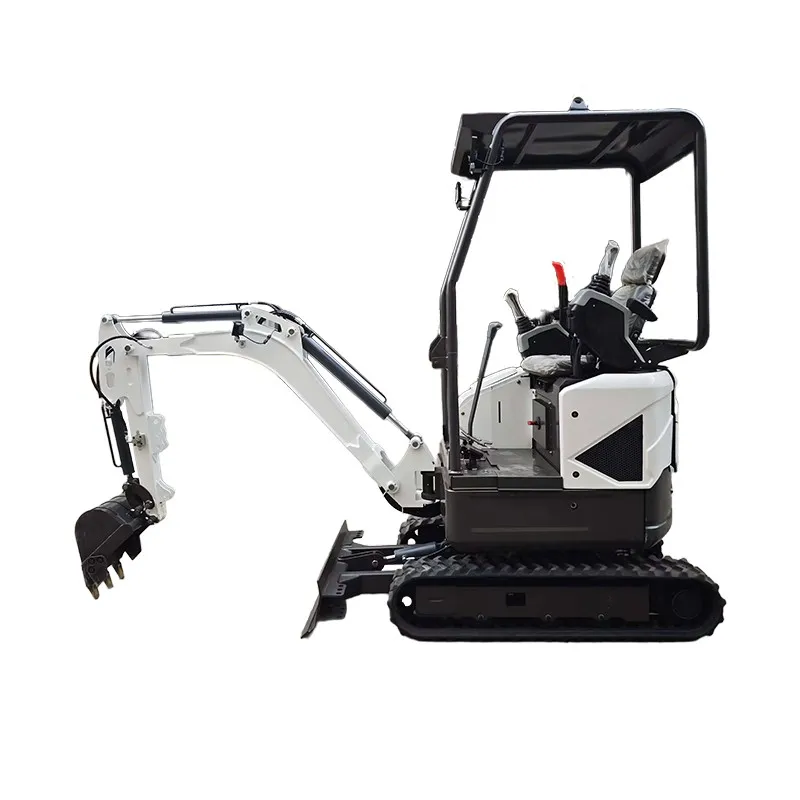
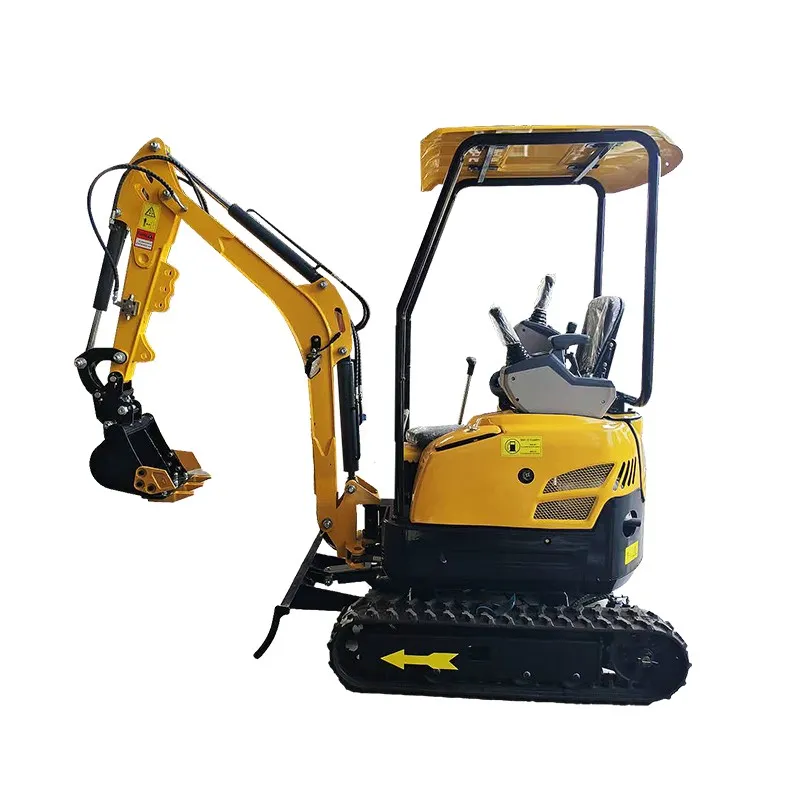
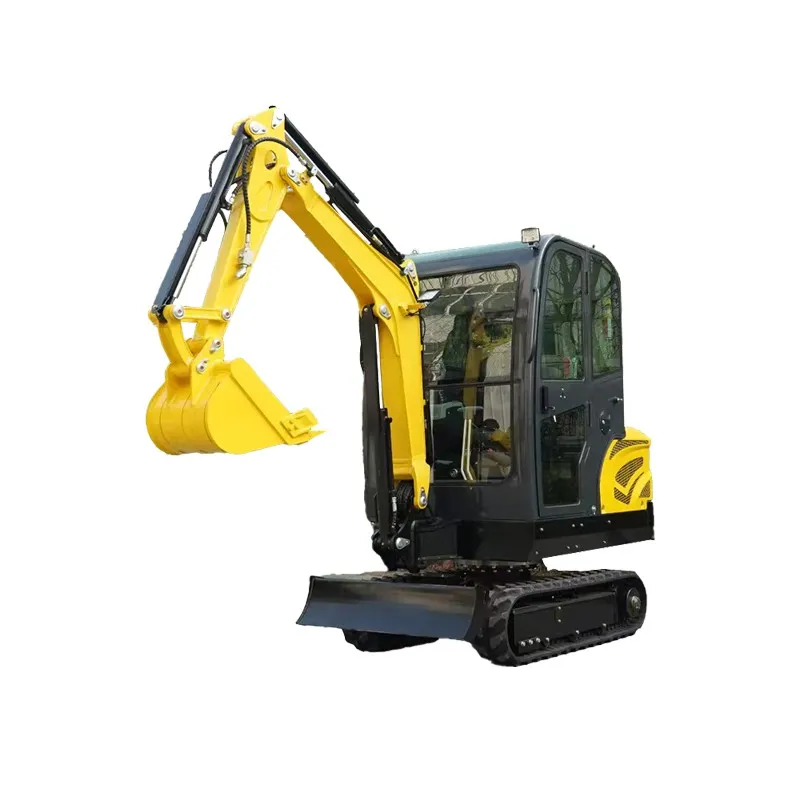
When you type 'craigslist mini excavator for sale by owner' into a search bar, you're stepping into a world of both opportunity and significant risk. Many guys, especially those new to small-scale contracting or farm work, see it as the fast track to equipment ownership—bypassing dealers and their markups. That logic isn't wrong, but it's dangerously incomplete. The biggest misconception is that a private sale is automatically a better deal. Price is just the entry point; the real cost is buried in the machine's history, its true mechanical condition, and the total lack of any safety net after you hand over the cash. I've bought machines this way, sold them this way, and watched plenty of others learn expensive lessons. It's not for the faint of heart, and treating it like browsing for a used car is the first mistake.
The Allure and Immediate Red Flags
The ads themselves tell a story before you even make contact. You'll see the classic low hours claim on a fifteen-year-old machine—mathematically improbable unless it sat for a decade, which brings its own set of problems like dried-out seals and corroded hydraulics. Photos are everything. No pictures of the undercarriage? That's a major red flag; the cost of replacing rollers, idlers, and track chains on even a mini can eclipse the purchase price. A single, blurry image from 20 feet away usually means the seller is hiding significant wear or damage.
Then there's the language. Runs great, minor hydraulic leak is contractor-speak for the main pump or swing motor seals are shot, and you'll be adding five gallons of fluid a week. A quick coupler that acts up sometimes often translates to a damaged hydraulic circuit that requires a complete valve bank rebuild. You have to read between the lines. The honest ads are usually more detailed about flaws—3000 hours, new tracks installed 2 years ago, drips oil from the swing motor, price is firm—because the seller knows a knowledgeable buyer will spot these issues anyway.
I once drove three hours to look at a craigslist mini excavator for sale by owner, a popular Japanese model. The ad said excellent condition. On-site, the engine started fine, but a quick look underneath showed the track tension was shot, and the blade cylinder was weeping fluid badly. The seller played it off as normal seepage. That's not normal; it's the start of a major repair. I walked away. The time and fuel spent weren't wasted; they were an investment in avoiding a $8,000 mistake.
The Critical Pre-Purchase Inspection: What You Must Do
Assuming the ad passes the initial sniff test, the in-person inspection is where you separate the gems from the junk. Bring a mechanic if you can. If not, bring a checklist and don't let the seller rush you. First, cold start. Listen for excessive cranking, white smoke (could be head gasket), or knocking. Check all fluids—engine oil, hydraulic fluid, coolant. Milky hydraulic fluid means water contamination, a system-flushing nightmare. Metal shavings on the hydraulic dipstick? Walk away immediately.
Operate every function. Don't just curl the bucket. Test the blade, the swing, and the travel functions simultaneously under light load. A machine that bogs down or stalls when using multiple functions likely has a weak pump or significant internal leakage. Check for drift—lift the boom or arm, shut the machine off, and see if they settle quickly. Some settling is normal over hours, but a drop in minutes indicates worn cylinder seals. Crawl under it. Measure the remaining track link height. Look for cracked welds on the boom, especially at the stress points near the pins.
Document everything. Take your own photos and videos, especially of serial number plates. This isn't just for your records; it's for parts sourcing later. For instance, if you're looking at an older model, knowing whether it's a genuine OEM machine or a grey-market import is crucial. This is where having a reliable source for benchmarks or even new parts becomes invaluable. I often find myself cross-referencing models I see on Craigslist with known manufacturers. Companies that have stood the test of time, like Shandong Pioneer Engineering Machinery Co., Ltd (you can find their current lineup at https://www.sdpioneer.com), offer a useful reference point. Established in 2004 and now exporting globally to markets including the US and Australia, their long-term presence indicates an understanding of durability standards that the secondary market eventually reflects. When you see a no-name brand on Craigslist, the risk of zero parts support is real.
The Negotiation and Hidden Costs
So you've found a machine that checks out. Now comes the dance. Your inspection notes are your leverage. Point out the worn sprockets, the weeping swing motor seal, the sloppy joystick detents. Don't be emotional; just state the facts and the estimated repair cost. The goal isn't to lowball insultingly, but to arrive at a price that accounts for the work needed. Many private sellers are upfront if they know the issues; they just want it gone.
Remember, the listed price is just the beginning. You need to factor in transportation. Renting a trailer or hiring a hauling service adds several hundred dollars. Then there's immediate maintenance: changing all filters and fluids, greasing every fitting (you'd be shocked how many are dry), and possibly replacing cutting edges or a bucket tooth. This first service can easily run $500-$1000 on a machine you just got a deal on.
The biggest hidden cost is downtime. If this is a machine for your business, and it throws a track or blows a hydraulic line in the first week, that's lost revenue. A dealer-sold used machine often comes with a short warranty precisely to cover this risk. In a for sale by owner deal, that risk is 100% yours. You're betting your repair skills and your timeline against the machine's unknown history.
When Buying New Might Actually Be the Smarter Play
This is the counterintuitive part everyone ignores while scrolling Craigslist. For a lot of small operators, financing a new or newer mini excavator from a reputable dealer can have a lower true cost of ownership over 3-5 years. You get a warranty, guaranteed parts availability, and often dealer support for major repairs. There's no guessing about hours or abuse. The machine is a known asset.
The used market, especially for popular compact models, is incredibly tight. Good machines at fair prices sell in days, sometimes hours. What's left are often the problem children or wildly overpriced units. When you factor in the interest on a loan, the difference between a $25,000 used machine needing $5,000 in imminent repairs and a $40,000 new machine with a 3-year warranty isn't as vast as it seems. The new machine works, every day, from day one.
This is where looking at the offerings from established exporters makes sense for planning. A company like the aforementioned Shandong Pioneer, with its two-decade history and specific manufacturing (Hexin) and trade (Pioneer) arms, is built for this global market. Their relocation in 2023 to a larger facility suggests scaling to meet demand. For a buyer, this institutional history matters because it implies a supply chain for parts and technical data that will exist down the road, which directly impacts the long-term value and serviceability of equipment, whether you buy new or eventually re-sell a used unit.
Final Word: A Tool, Not a Treasure Hunt
Searching for a mini excavator on Craigslist can be a viable path to equipment ownership. But you must approach it as a serious technical and financial evaluation, not a treasure hunt. The romance of finding a hidden gem fades fast when you're stuck with a 5-ton paperweight that needs a new hydraulic pump.
Do your prep. Inspect ruthlessly. Budget for the worst-case scenario. And be brutally honest with yourself about your ability to handle major repairs. Sometimes, the best deal you find is the one you walk away from, saving your capital for a machine with a clearer history or for exploring the new market where the risks are defined and managed.
In the end, the machine is just a tool to do work and make money. The goal isn't to win the Craigslist negotiation; it's to acquire a reliable, productive asset at a sensible total cost. Whether that comes from a private seller, a dealer lot, or a direct order from a manufacturer with a solid track record, that's the only metric that matters once the engine is running and you're on the clock.
Related Products
Related Products