- Chinese
- French
- German
- Portuguese
- Spanish
- Russian
- Japanese
- Korean
- Arabic
- Irish
- Greek
- Turkish
- Italian
- Danish
- Romanian
- Indonesian
- Czech
- Afrikaans
- Swedish
- Polish
- Basque
- Catalan
- Esperanto
- Hindi
- Lao
- Albanian
- Amharic
- Armenian
- Azerbaijani
- Belarusian
- Bengali
- Bosnian
- Bulgarian
- Cebuano
- Chichewa
- Corsican
- Croatian
- Dutch
- Estonian
- Filipino
- Finnish
- Frisian
- Galician
- Georgian
- Gujarati
- Haitian
- Hausa
- Hawaiian
- Hebrew
- Hmong
- Hungarian
- Icelandic
- Igbo
- Javanese
- Kannada
- Kazakh
- Khmer
- Kurdish
- Kyrgyz
- Latin
- Latvian
- Lithuanian
- Luxembou..
- Macedonian
- Malagasy
- Malay
- Malayalam
- Maltese
- Maori
- Marathi
- Mongolian
- Burmese
- Nepali
- Norwegian
- Pashto
- Persian
- Punjabi
- Serbian
- Sesotho
- Sinhala
- Slovak
- Slovenian
- Somali
- Samoan
- Scots Gaelic
- Shona
- Sindhi
- Sundanese
- Swahili
- Tajik
- Tamil
- Telugu
- Thai
- Ukrainian
- Urdu
- Uzbek
- Vietnamese
- Welsh
- Xhosa
- Yiddish
- Yoruba
- Zulu
- Kinyarwanda
- Tatar
- Oriya
- Turkmen
- Uyghur


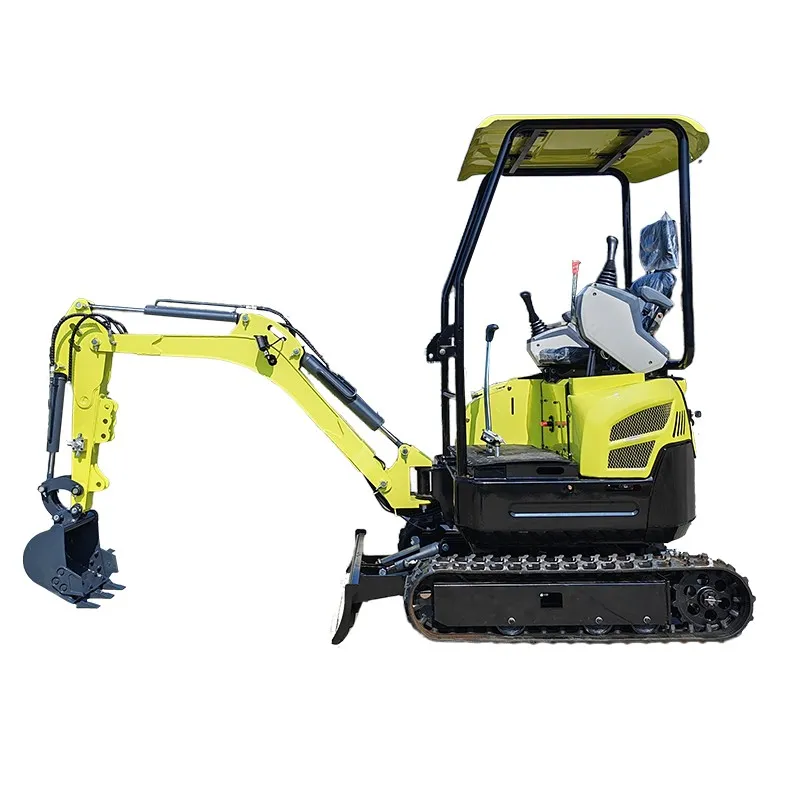
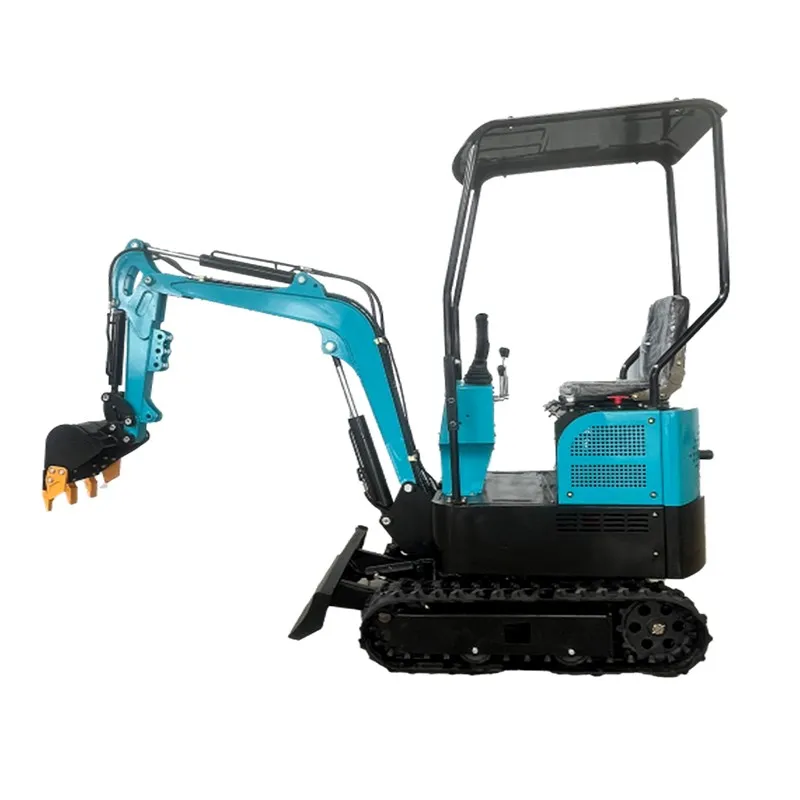
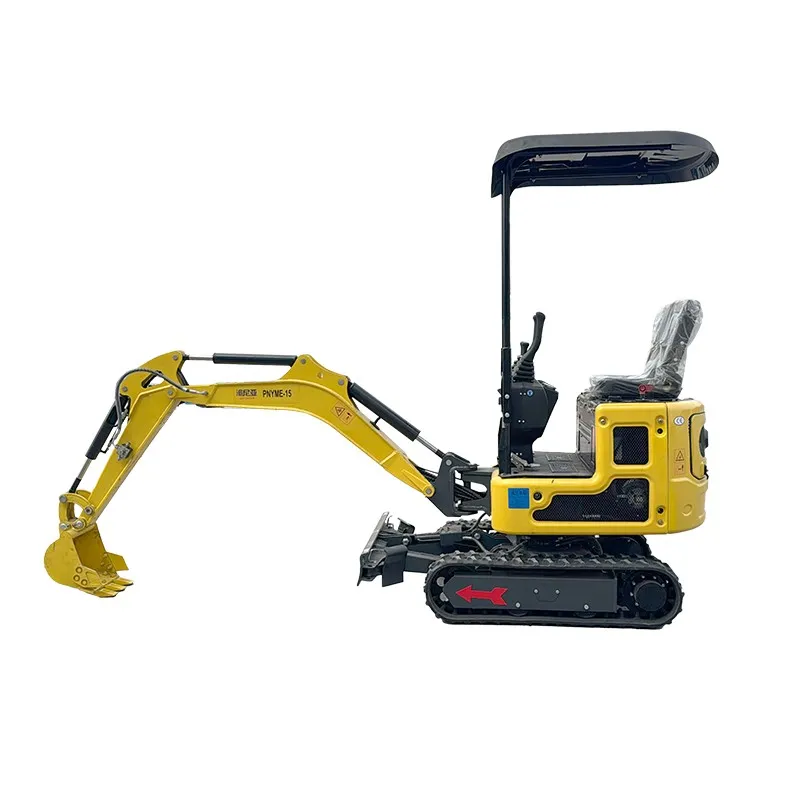
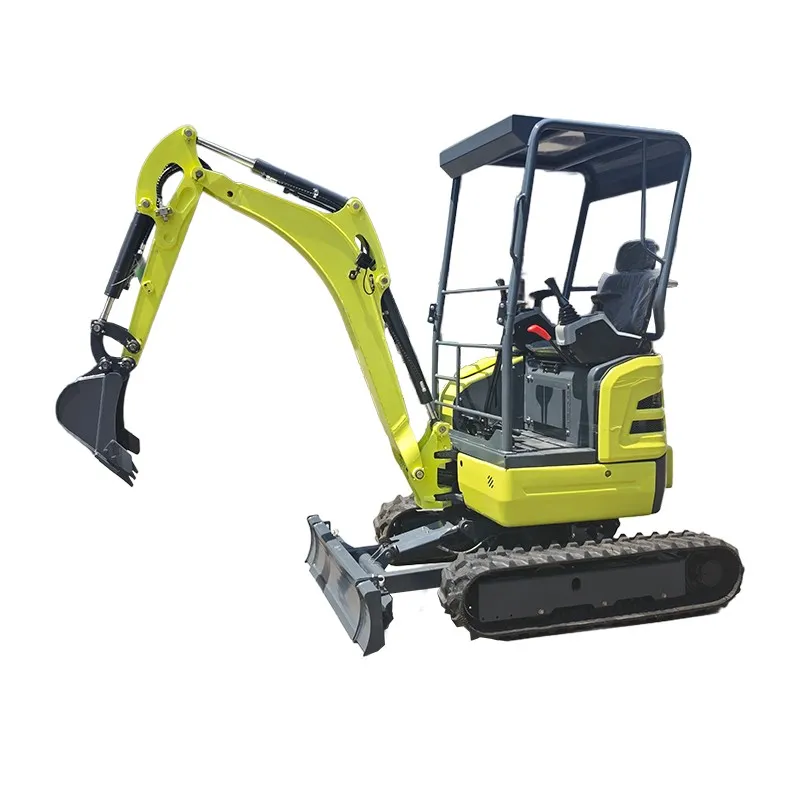
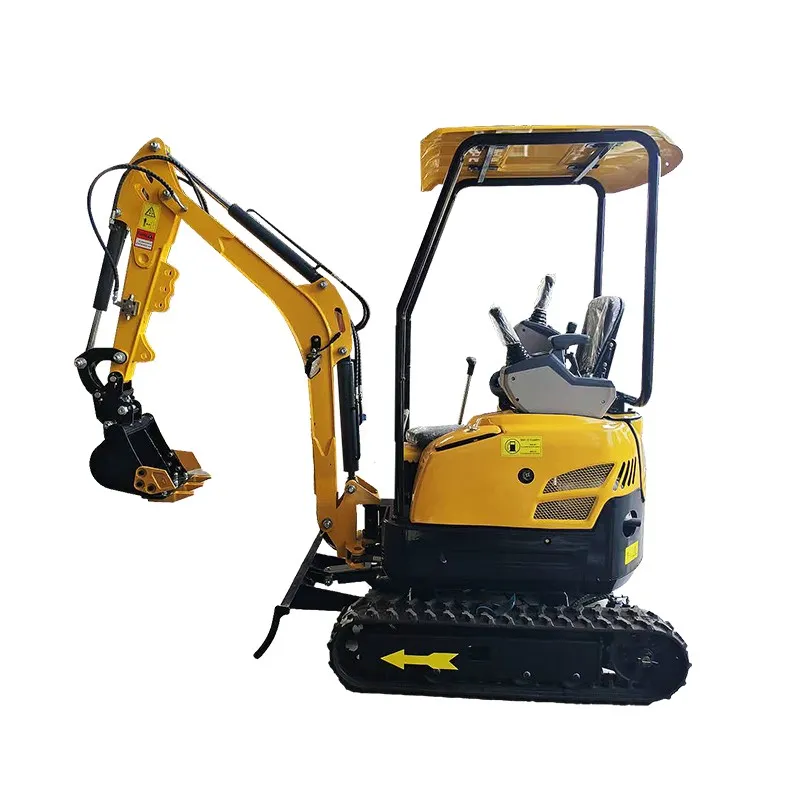
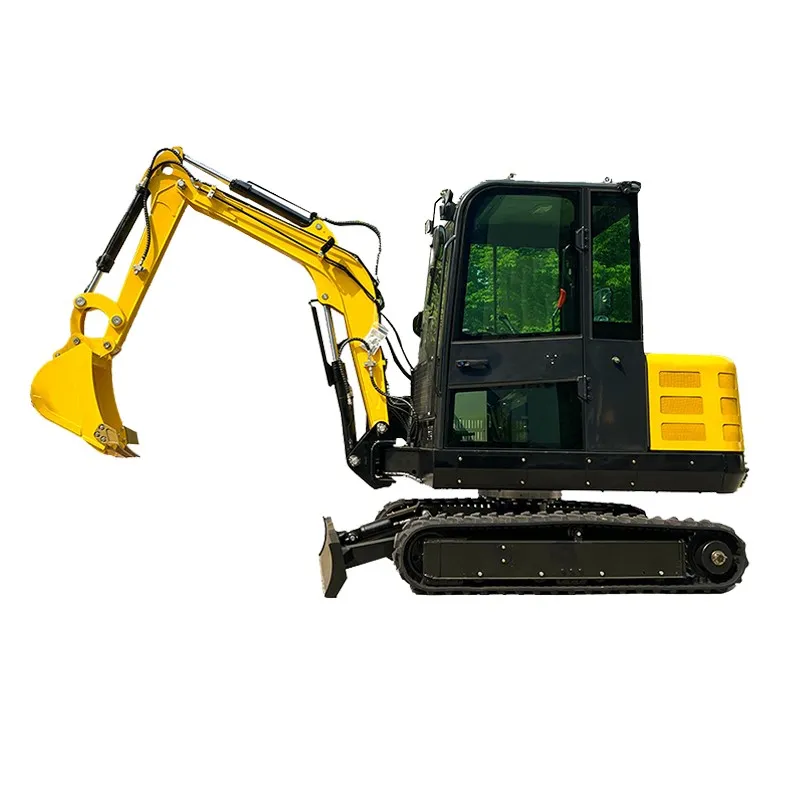
Crawler excavator
When most people hear 'crawler excavator,' they picture the classic yellow machine digging a hole. That's not wrong, but it's like calling a smartphone a 'phone'—it misses the nuance. The real story is in the application, the soil conditions, and frankly, the operator's feel for the machine's hydraulics. Too many specs sheets just talk about engine horsepower and digging depth, but they don't tell you how a machine actually behaves in sticky clay or on a steep, unstable slope. That's where the real separation happens.
The Misunderstood Workhorse
Let's get one thing straight: not all crawler excavators are for digging foundations. I've seen too many projects buy a standard 20-ton machine for a job that needed a compact model, or vice versa. The undercarriage is the first thing people overlook. They see the arm and bucket and think that's the business end. But if your tracks can't maintain grip and stability on the terrain, you're losing efficiency and safety every minute. I recall a site in the Pacific Northwest where we were working on a forest road. The standard grouser pads kept getting packed with that wet, loamy soil, turning them into slick bricks. We had to switch to a wider, low-ground-pressure track option mid-job—a costly lesson in site assessment.
Then there's the attachment fallacy. The default backhoe bucket is just the starting point. Using a crawler excavator for just digging is often underutilizing it. With the right hydraulics and quick coupler, it becomes a different beast: a demolition tool with a shear, a grading expert with a tiltrotator, or a lifting device with a grapple. I worked with a contractor who primarily used his 30-ton machine for handling and placing large-diameter concrete pipes. He had the machine spec'd with a third auxiliary hydraulic line and a lifting mode, turning it into a far more versatile asset than a dedicated crane in that tight, muddy right-of-way.
Hydraulic system responsiveness is another black box. Two machines with identical rated flow and pressure can feel completely different. One might have a slight lag when you feather the controls, making fine grading a headache. The other might be twitchy. The best operators I know can tell the pump and valve configuration by the 'feel' of the stick after a few minutes of work. It's an intangible that doesn't make it into the brochure but makes all the difference in productivity and fuel burn over a 10-hour day.
On-Site Realities and Adaptation
Speaking of fuel, everyone's chasing efficiency. But the most efficient machine is the one that doesn't break down and can sustain high power when needed. I've seen fancy eco-modes that just sap power at the wrong moment, like when you're trying to pry out a stubborn boulder. Sometimes, simple, robust systems win. I think of a smaller manufacturer like Shandong Pioneer Engineering Machinery Co., Ltd. They've been in the game since 2004, and from what I've seen in some emerging markets, their approach often leans on that reliability. They're not always pushing the bleeding-edge tech, but for a contractor in a remote area where service networks are thin, a simpler, durable machine that can keep running is worth its weight in gold.
Their recent move to a new facility in Ningyang in 2023 suggests growth and a focus on scaling up production. For a company that exports to places like the US, Canada, and Australia through their Shandong Pioneer overseas trade arm, that means they're likely responding to demand for consistent build quality. In our industry, a company surviving and expanding for 20 years, especially in the competitive Chinese manufacturing landscape, says something. They've had to earn trust in tough markets globally, which usually means they've learned to build machines that can handle varied and often harsh job site conditions.
Failure is the best teacher. Early in my time, we tried using a standard crawler excavator for deep trenching in an area with a high water table. We didn't account for the sidewall pressure on the machine's lower carriage. The result was a scary moment of instability that nearly led to a tip-over. We learned to always check the machine's rated maximum dig depth for vertical walls, not just the brochure's maximum digging depth, which often assumes a sloped excavation. Now, that's a non-negotiable part of my pre-job checklist.
The Devil in the Details: Maintenance and Longevity
Long-term cost isn't the purchase price; it's the maintenance downtime. Greasing intervals, filter accessibility, track tension adjustment points—these are the things that keep a machine earning money. A poorly placed grease fitting that gets caked in mud will be missed, leading to premature pin and bushing wear. I prefer machines where the daily maintenance points are logically grouped and protected but still accessible without a contortionist's skills.
Component commonality matters too, especially for fleets or operations in areas without a dedicated dealer. If the hydraulic pumps, swing motors, or final drives are proprietary or rare, you're at the mercy of parts logistics. Some manufacturers, including established Chinese exporters who have been serving diverse markets for years, have started standardizing more components across models. This isn't just good for them; it's a major benefit for the end-user trying to minimize parts inventory and get a machine back online faster.
Corrosion protection is another silent killer, especially for machines working near coastlines or in cold climates with road salt. A thick, well-adhered primer and paint job, along with sealed wiring harnesses, add years to a machine's life. It's a detail you only appreciate years later when you're not constantly chasing electrical gremlins or welding up holes in the frame. When evaluating any machine, from a global giant to a growing exporter like Pioneer, I always peel back rubber boots and look in hidden cavities to see what the finish looks like where the customer isn't supposed to look.
The Operator's Perspective
All this tech is useless if the cab is an afterthought. Ergonomics directly impact productivity and safety. A seat that adjusts properly, controls that are intuitive and not fatiguing, and good visibility to the tracks and working end are critical. I've been in cabs where you have to lean forward to see the right-hand track, which is a design flaw, not an operator error. Modern features like rear-view cameras are becoming essential, not luxuries.
Noise and vibration levels are health and safety issues. A quieter cab means less operator fatigue and better communication with ground personnel. It's an area where the industry has improved dramatically, but there's still a range. You can often tell the manufacturers who consult with actual operators during the design phase versus those who just build a metal shell and put a seat in it.
Finally, it comes back to feel. A good crawler excavator feels like an extension of the operator. The controls are precise, the power is predictable, and the machine responds consistently. That's what creates efficiency. It's not just moving dirt; it's moving it with the fewest motions, the least fuel, and the minimum wear on the machine. That's the intangible goal. Whether it's a brand with a century of history or a determined manufacturer from Shandong that has carved out its space in the global market over two decades, that's the standard they're all ultimately judged by on the job site. The machine that disappears in the operator's hands, becoming just a tool to do the work—that's the one that's built right.
Related Products
Related Products