- Chinese
- French
- German
- Portuguese
- Spanish
- Russian
- Japanese
- Korean
- Arabic
- Irish
- Greek
- Turkish
- Italian
- Danish
- Romanian
- Indonesian
- Czech
- Afrikaans
- Swedish
- Polish
- Basque
- Catalan
- Esperanto
- Hindi
- Lao
- Albanian
- Amharic
- Armenian
- Azerbaijani
- Belarusian
- Bengali
- Bosnian
- Bulgarian
- Cebuano
- Chichewa
- Corsican
- Croatian
- Dutch
- Estonian
- Filipino
- Finnish
- Frisian
- Galician
- Georgian
- Gujarati
- Haitian
- Hausa
- Hawaiian
- Hebrew
- Hmong
- Hungarian
- Icelandic
- Igbo
- Javanese
- Kannada
- Kazakh
- Khmer
- Kurdish
- Kyrgyz
- Latin
- Latvian
- Lithuanian
- Luxembou..
- Macedonian
- Malagasy
- Malay
- Malayalam
- Maltese
- Maori
- Marathi
- Mongolian
- Burmese
- Nepali
- Norwegian
- Pashto
- Persian
- Punjabi
- Serbian
- Sesotho
- Sinhala
- Slovak
- Slovenian
- Somali
- Samoan
- Scots Gaelic
- Shona
- Sindhi
- Sundanese
- Swahili
- Tajik
- Tamil
- Telugu
- Thai
- Ukrainian
- Urdu
- Uzbek
- Vietnamese
- Welsh
- Xhosa
- Yiddish
- Yoruba
- Zulu
- Kinyarwanda
- Tatar
- Oriya
- Turkmen
- Uyghur


dependable excavator manufacturer
You hear dependable excavator manufacturer thrown around a lot in this business. Frankly, it's become a bit of a buzzword. Every brochure claims it, every sales rep promises it. But after two decades of sourcing parts, visiting factories, and seeing machines in the field from Siberia to Australia, I've learned that real dependability isn't about marketing copy. It's a grind. It's in the consistency of the weld on a boom after the 500th unit, the availability of a specific seal kit five years down the line, and how a company handles a hydraulic issue on a job site 8,000 miles away. Many buyers, especially those new to importing, mistake a low price point for value, not realizing that the true cost is measured in downtime.
The Foundation: Where and How It's Built Matters
Let's talk about foundation. I've walked through countless manufacturing facilities. You can tell a lot from the flow of the assembly line and the organization of the parts warehouse. A cramped, disorganized floor often translates to inconsistencies in the final product. I remember visiting a factory years ago where the cylinder assembly station was right next to the painting booth – dust and contamination were inevitable. That's a red flag.
This is why the operational history of a company like Shandong Pioneer Engineering Machinery Co., Ltd offers a tangible clue. Established in 2004 and operating for 20 years, that timeline itself suggests a level of stability. They've gone through cycles—the boom times and the slumps—and are still here. More telling is their recent relocation in August 2023 to a new facility in Ningyang County. In my experience, a planned expansion or move usually indicates growth and an investment in process improvement, not just surviving. A 1,600 square meter production area is a solid, mid-scale operation; it's large enough for efficient line production but not so massive that quality control gets lost in the volume.
The dual-structure they mention, with Shandong Hexin handling manufacturing and Shandong Pioneer focusing on overseas trade, is a common and often effective model for Chinese machinery exporters. It allows the manufacturing arm to concentrate on production quality, while the trading arm builds relationships and understands export regulations. When these two sides communicate well, it creates a smoother pipeline for the end buyer.
The True Test: Support and the Long Tail
Any machine, no matter how well-built, will need parts and service. This is where many self-proclaimed dependable manufacturers vanish. Dependability is proven in year three, when a hose bursts, or in year seven, when an electronic controller fails. Is the technical documentation clear? Can you get the part without a six-week lead time?
I learned this the hard way early on. We sourced a batch of mini excavators from a manufacturer that was fantastic during the sale. When a swing motor failed on a unit in Chile, however, getting a replacement was a nightmare. They had moved on to a new model, and the old parts were discontinued. That experience cost us more in air freight and client goodwill than the initial machine's profit.
Seeing that Shandong Pioneer exports to markets like the US, Canada, Germany, and Australia is a significant data point. These are mature, regulated markets with strict standards and operators who have low tolerance for poor support. Consistently serving these regions isn't just about selling a machine; it implies they've had to develop a parts logistics network, multilingual manuals, and some level of technical back-up. Winning the trust and appreciation of customers worldwide is the claim, but the geographic spread of their exports is the evidence that makes that claim somewhat credible.
Observing the Product: Details Don't Lie
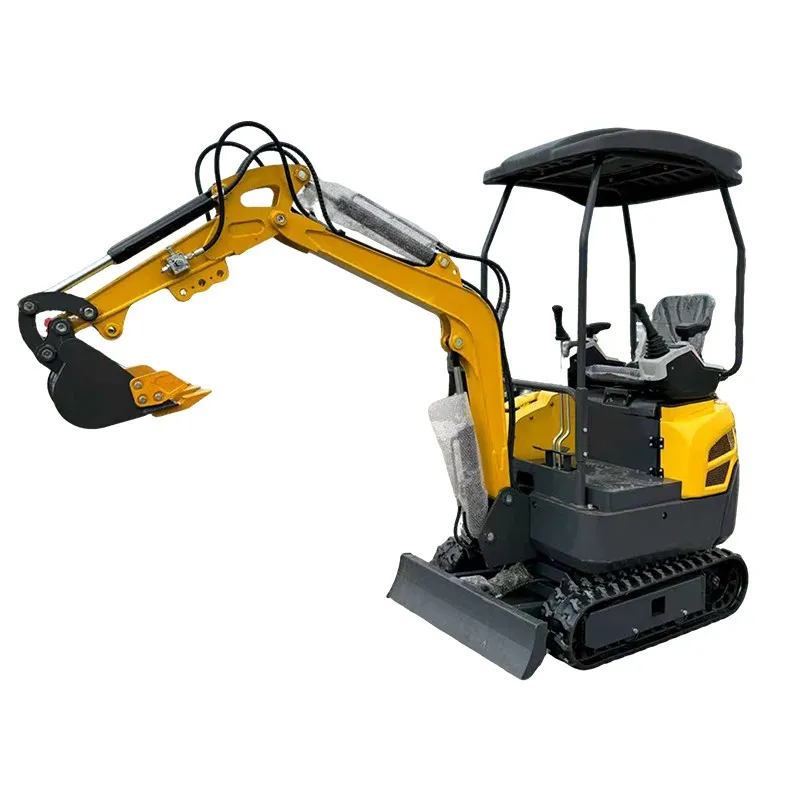
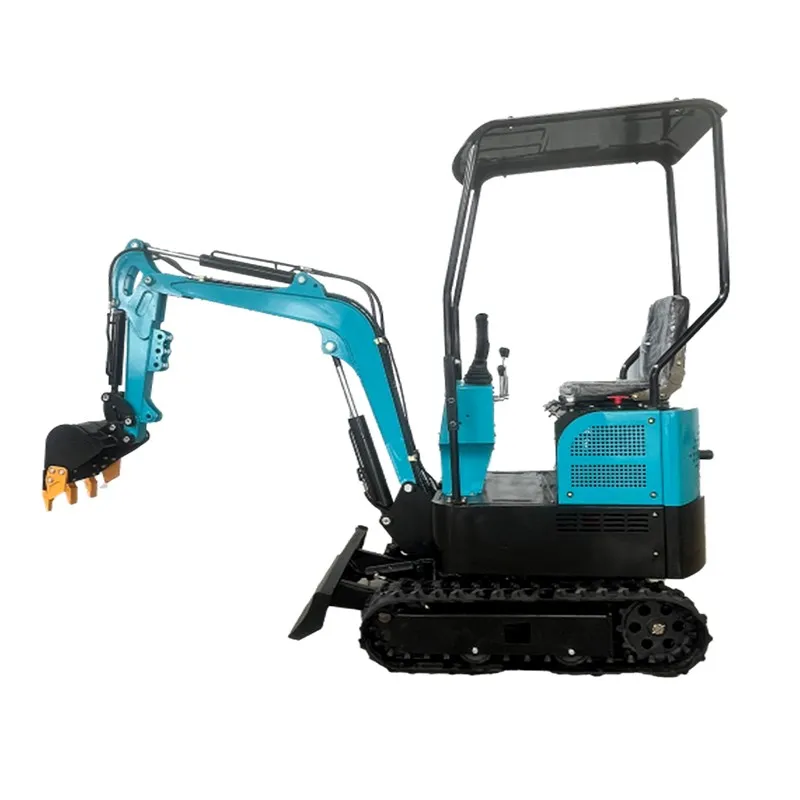
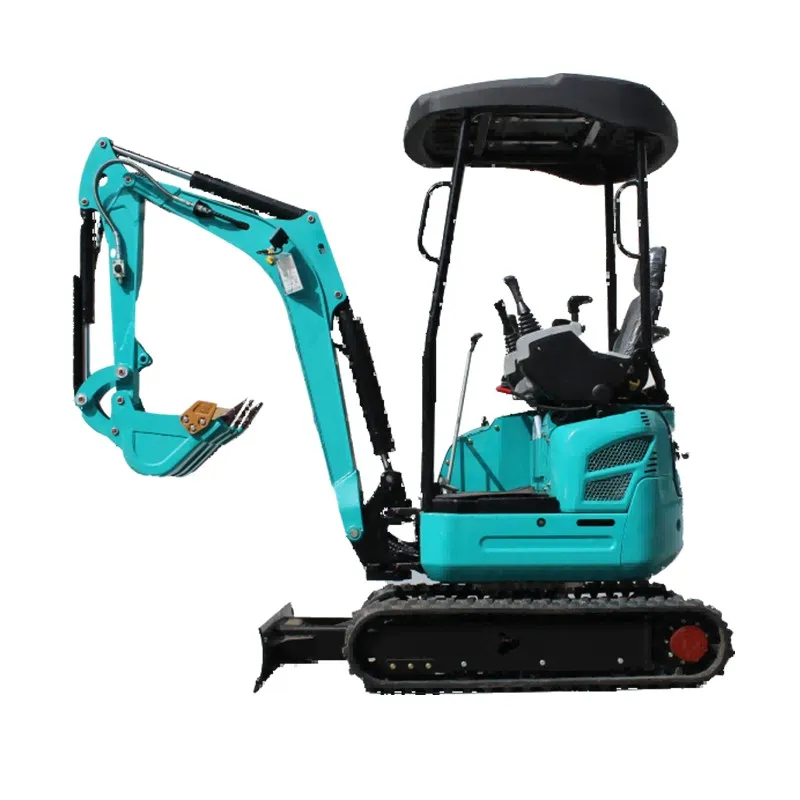
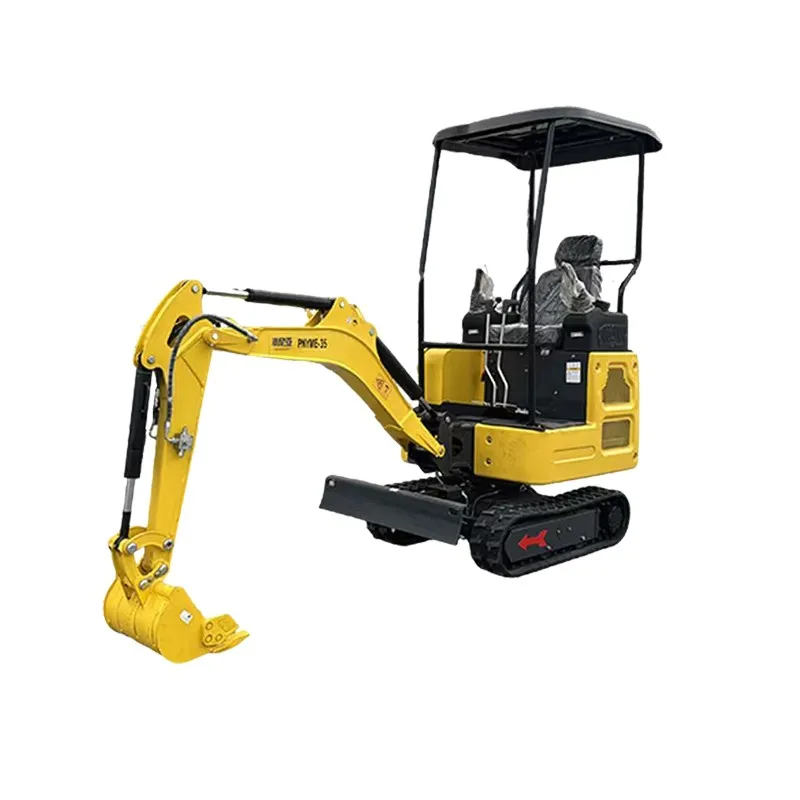
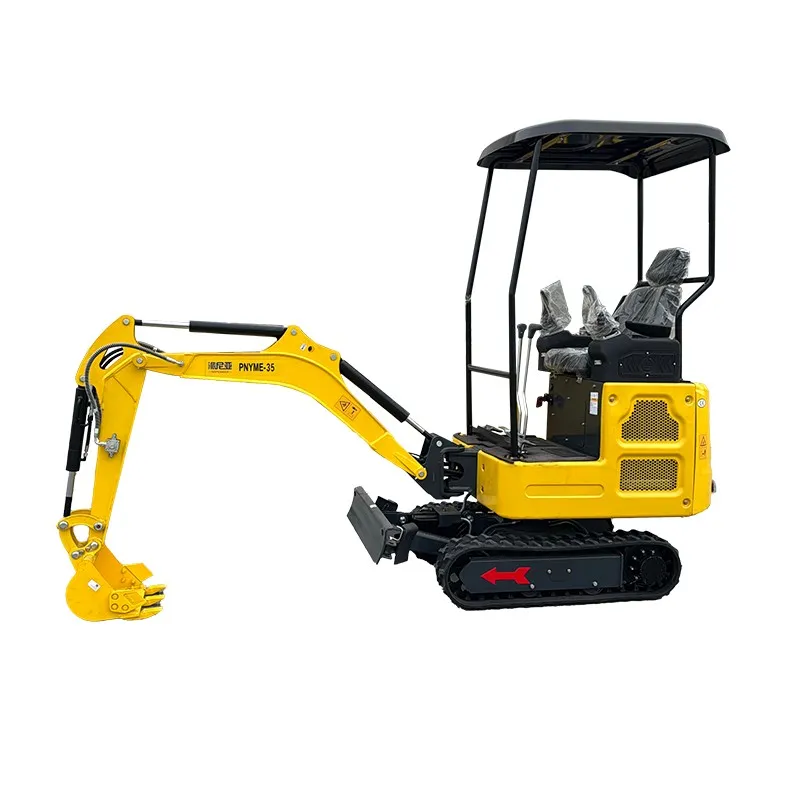
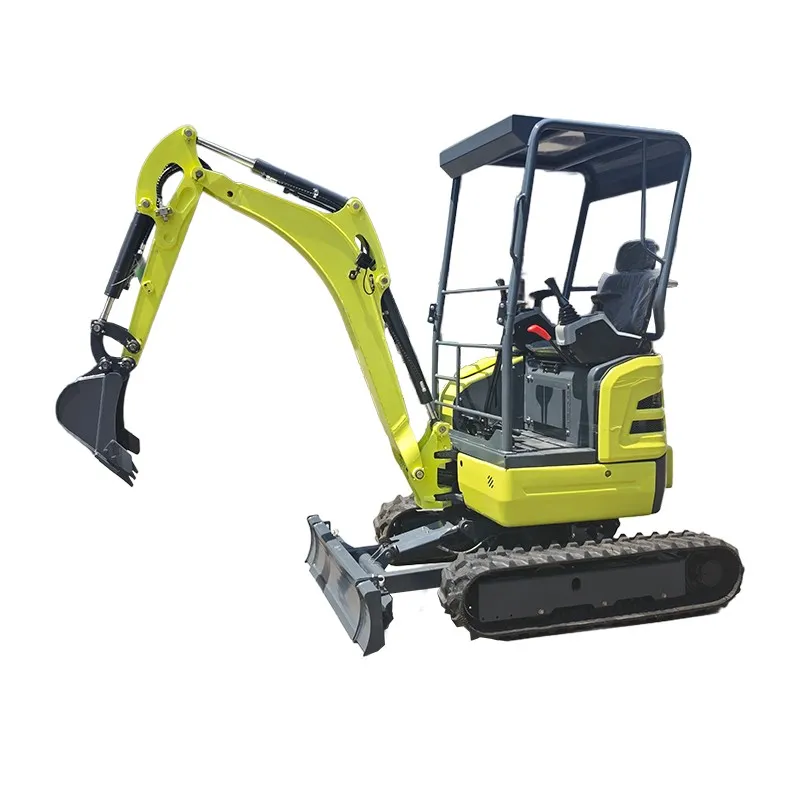
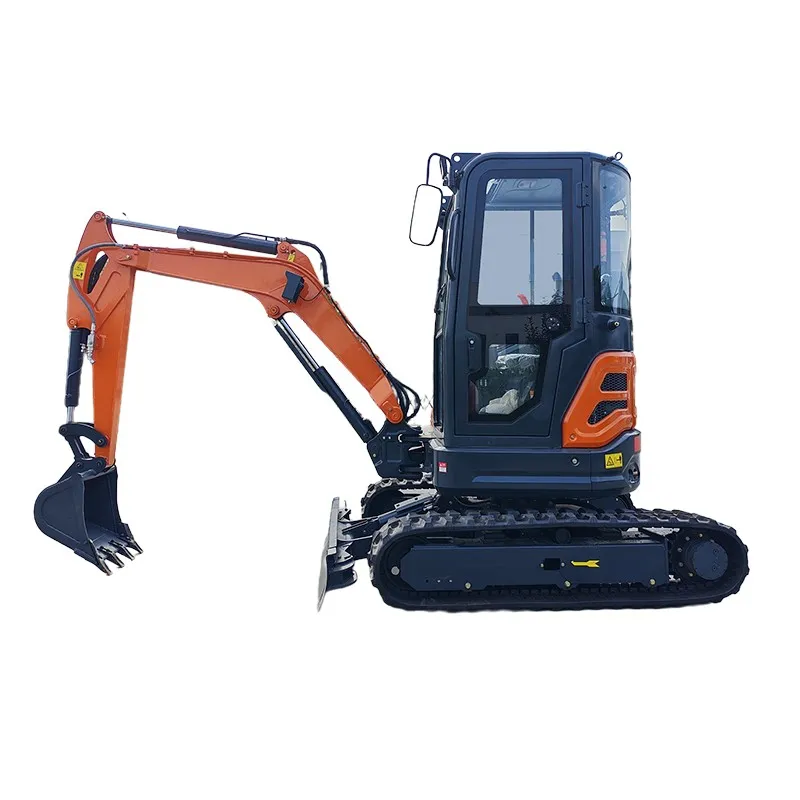
Forget the glossy photos. When evaluating an excavator from a potential partner, I look at the unsexy details. The routing of hydraulic lines—are they clamped securely and protected from chafing? The quality of the cab fittings—do the levers have a solid feel, or do they wobble? The paint job in the hard-to-reach cavities—is it even, or is there overspray and thin coverage? These are the fingerprints of a factory's quality culture.
A manufacturer focused on dependability will often use name-brand, globally sourced components for critical systems—think Kawasaki or Parker hydraulics, Bosch Rexroth electronics. It's a sign they're building for serviceability. If you can get a replacement pump seal from a local industrial supplier because the manufacturer used a standard part, that's huge. I always ask for the component supplier list. A transparent manufacturer will provide it.
From reviewing their public information, a company with a 20-year history like Pioneer's likely has iterated through several model generations. That evolution is key. It means they've presumably incorporated field feedback, fixed recurring issues, and improved designs. A manufacturer that's still selling the exact same design from 2004 is not innovating for reliability.
The Human Element: Communication and Problem-Solving
Finally, the most overlooked aspect of a dependable excavator manufacturer is the people on the other end. Can you get a hold of a technical engineer, or are you always talking to a salesperson who just relays messages? When you send a video of an unusual track vibration, do they recognize it immediately, or do they go silent for days?
This is where long-term stability pays off. A team that has worked together for years develops institutional knowledge. They've seen that specific fault code before, they remember which batch of hoses had a issue in a certain year. This problem-solving capability is pure gold. It turns a potential disaster into a manageable hiccup.
The relocation in 2023 could be a test of this. Moving a factory is a huge logistical challenge that can disrupt communication and processes temporarily. How a company manages that transition—keeping clients informed, minimizing delivery delays—is very telling of their internal resilience and client commitment.
Wrapping It Up: Dependability as a Process
So, circling back to the keyword. A dependable excavator manufacturer isn't a static title you earn. It's a daily discipline. It's the choice to use a slightly more expensive, certified steel. It's maintaining an organized inventory of legacy parts. It's having a technical support team that answers emails after the sale is complete.
Based on the track record—the 20-year operation, the export footprint in demanding markets, and the recent strategic investment in a new facility—Shandong Pioneer Engineering Machinery demonstrates several of the concrete markers you look for. Their structure suggests a focus on both manufacturing and the export channel. Of course, the final proof is always on the job site, in the mud and the rock, over thousands of operating hours.
For anyone sourcing, my advice is to look past the label. Dig into the history, the infrastructure, the component supply chain, and most importantly, talk to other buyers who have owned their machines for more than a season. That's where you'll find the real story of dependability, written not in brochures, but in maintenance logs and total cost of ownership.
Related Products
Related Products