


- Chinese
- French
- German
- Portuguese
- Spanish
- Russian
- Japanese
- Korean
- Arabic
- Irish
- Greek
- Turkish
- Italian
- Danish
- Romanian
- Indonesian
- Czech
- Afrikaans
- Swedish
- Polish
- Basque
- Catalan
- Esperanto
- Hindi
- Lao
- Albanian
- Amharic
- Armenian
- Azerbaijani
- Belarusian
- Bengali
- Bosnian
- Bulgarian
- Cebuano
- Chichewa
- Corsican
- Croatian
- Dutch
- Estonian
- Filipino
- Finnish
- Frisian
- Galician
- Georgian
- Gujarati
- Haitian
- Hausa
- Hawaiian
- Hebrew
- Hmong
- Hungarian
- Icelandic
- Igbo
- Javanese
- Kannada
- Kazakh
- Khmer
- Kurdish
- Kyrgyz
- Latin
- Latvian
- Lithuanian
- Luxembou..
- Macedonian
- Malagasy
- Malay
- Malayalam
- Maltese
- Maori
- Marathi
- Mongolian
- Burmese
- Nepali
- Norwegian
- Pashto
- Persian
- Punjabi
- Serbian
- Sesotho
- Sinhala
- Slovak
- Slovenian
- Somali
- Samoan
- Scots Gaelic
- Shona
- Sindhi
- Sundanese
- Swahili
- Tajik
- Tamil
- Telugu
- Thai
- Ukrainian
- Urdu
- Uzbek
- Vietnamese
- Welsh
- Xhosa
- Yiddish
- Yoruba
- Zulu
- Kinyarwanda
- Tatar
- Oriya
- Turkmen
- Uyghur

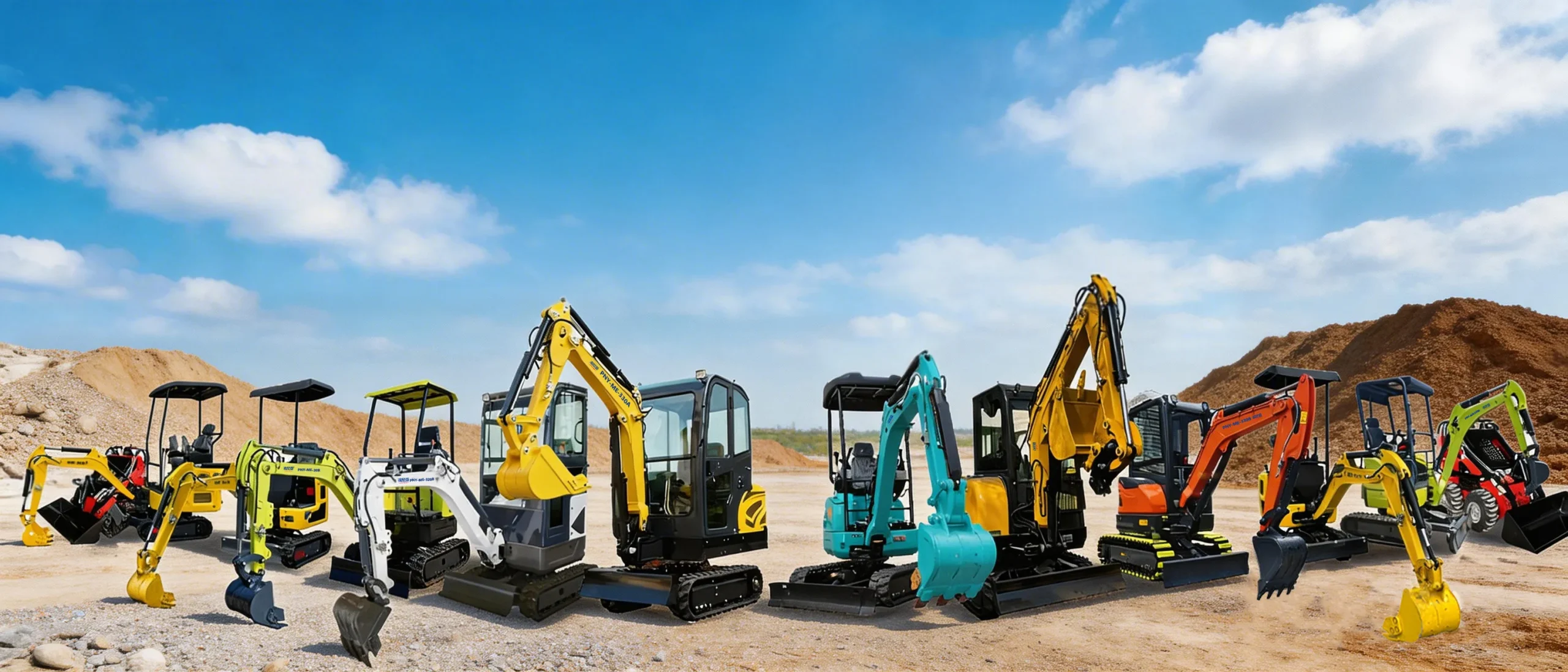
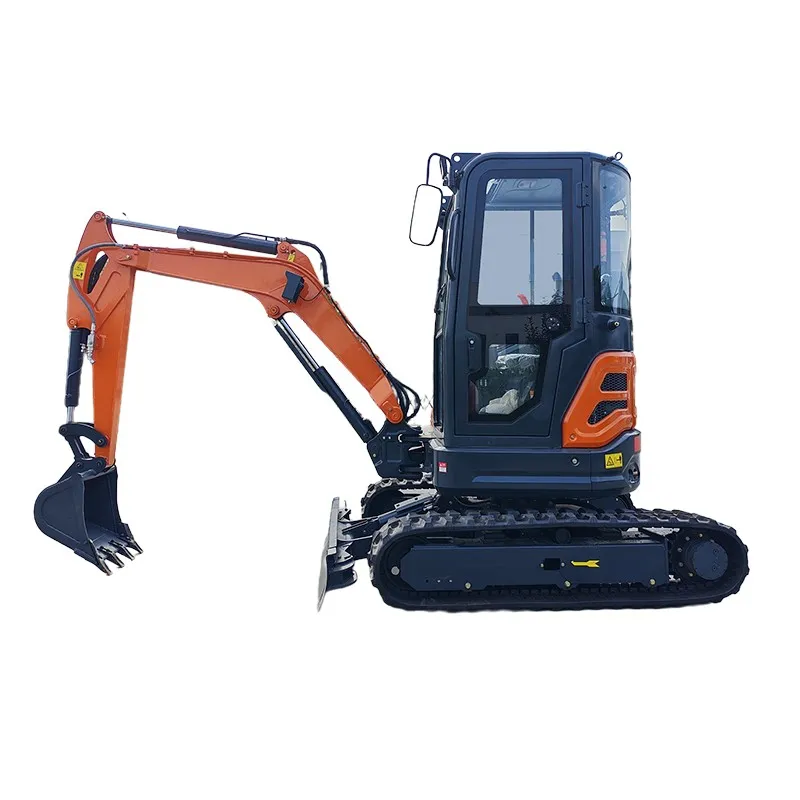
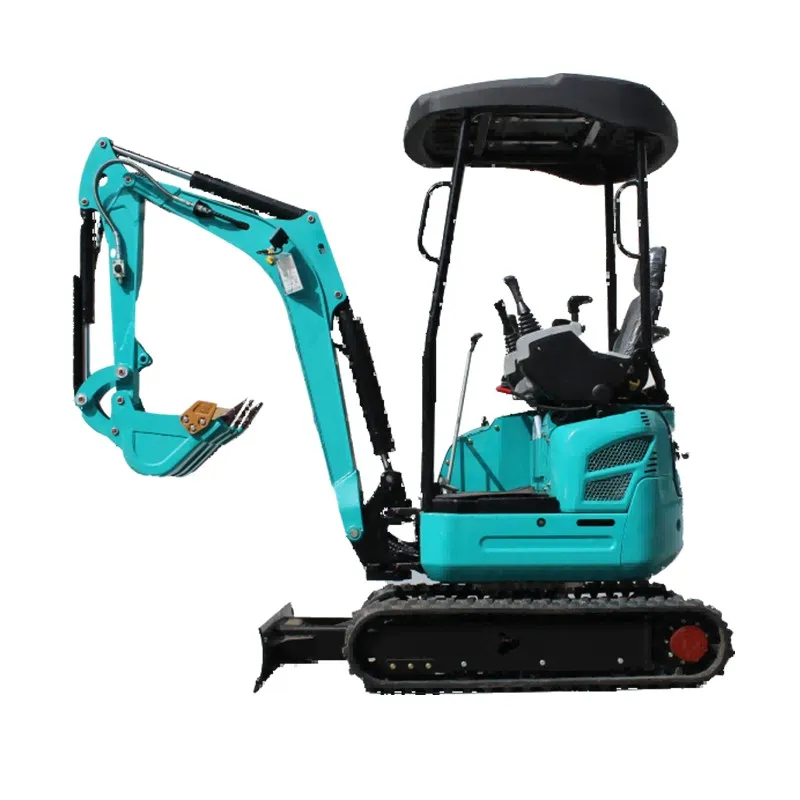
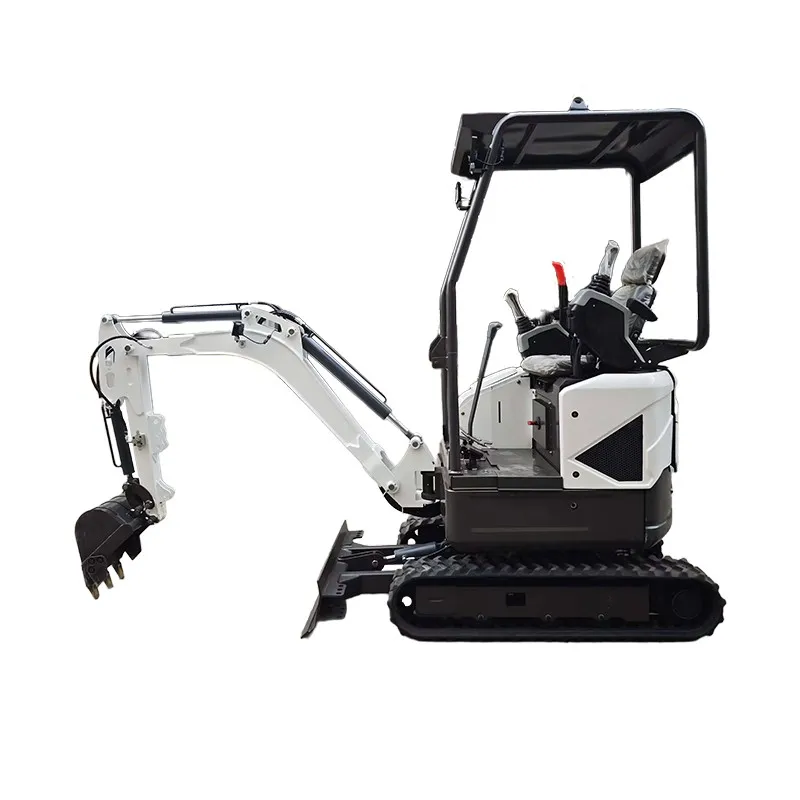
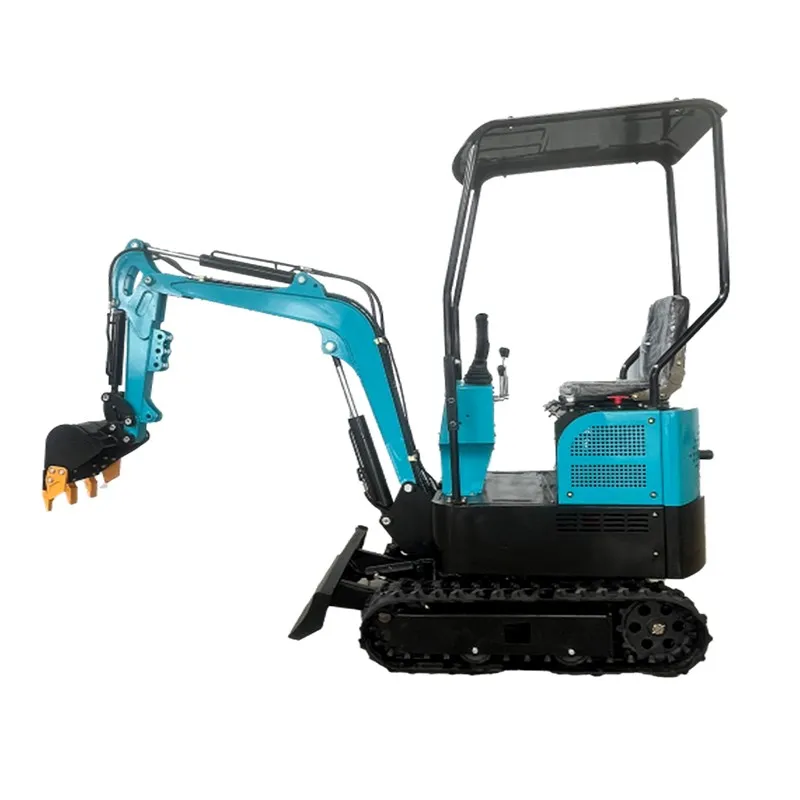
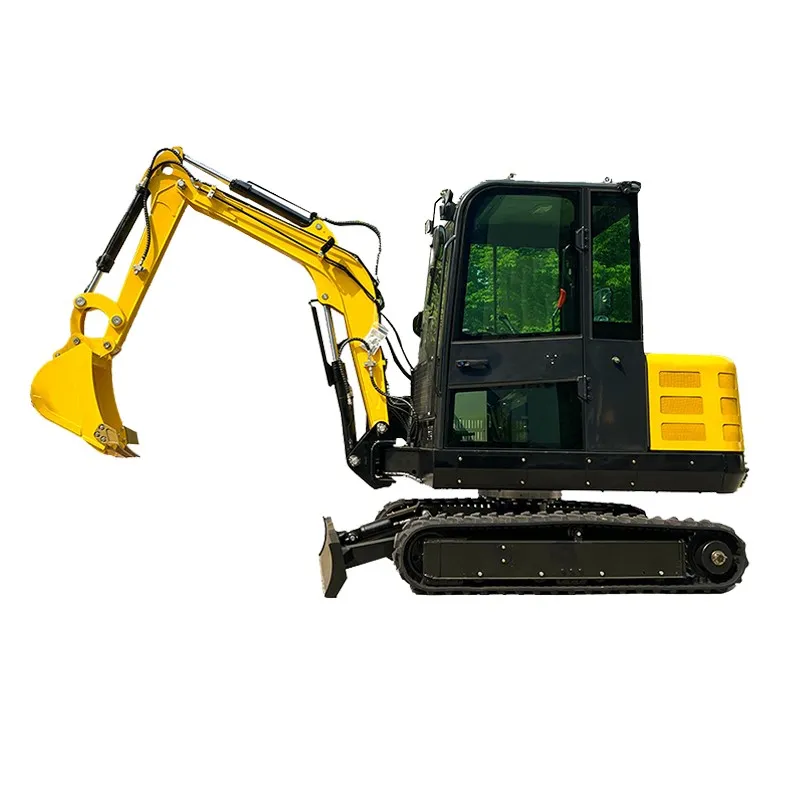
diesel compact excavator
When most people hear 'diesel compact excavator', they think it's all about digging a hole. That's the biggest misconception. The real story is about power management in a tight space, and how a machine that looks simple on paper becomes either a hero or a headache on site. I've seen too many projects where the choice came down to brand name or price per kilo, ignoring the actual interplay between the diesel engine, the hydraulic system, and the undercarriage. It's not just a tool; it's a mobile power unit that you're trusting in a confined backyard or a finished basement.
The Heart of the Matter: More Than Just a Diesel Engine
Everyone focuses on horsepower. Give me the most horsepower for the money, they say. But with a diesel compact excavator, the engine's torque curve is what you're really married to. A high-revving engine that sounds powerful on a test pad might struggle when you're simultaneously swinging the house, tracking, and trying to get a clean bite with the bucket in heavy clay. The engine needs to deliver consistent power at lower RPMs. I remember a job where we used a model with a famously high-output engine, but it kept stalling when we needed finesse for pipe bedding. The power was there, but it wasn't accessible where we needed it.
Then there's the cooling system. On a compact machine, everything is packed in tight. We learned this the hard way on a summer demolition project. The machine was working in debris, and chaff and dust completely clogged the radiator in a matter of hours. Overheating alarm went off, and we lost half a day. Now, I always check the radiator placement and the ease of access for cleaning. Some designs, like those from manufacturers who have been in the trenches for a while, often have a rear-mounted or side-mounted radiator with a reversible fan. It's a small detail that speaks volumes about real-world application.
This is where you see the difference between a catalog product and a site-tested one. A company like Shandong Pioneer Engineering Machinery Co., Ltd, which has been exporting globally for two decades, tends to get this feedback from markets like Germany or Australia where regulations and job site demands are high. Their experience, accumulated since 2004 and now operating from a new facility in Tai'an, likely forces them to look beyond just assembling parts to actually engineering for thermal management and service access. You can see some of their approach on their site at https://www.sdpioneer.com.
The Undercarriage: Where Theory Meets Mud
If the engine is the heart, the undercarriage is the legs, and this is where many budget machines show their weakness. The width of the tracks, the number of rollers, the ground clearance—these aren't just numbers. On a soggy lawn, a narrower track will sink. On a job with concrete rubble, fewer rollers mean more point load and faster wear on the track links.
I've made the mistake of choosing a machine with a lighter-duty undercarriage for a simple landscaping job. The site turned muddy after rain, and the machine just didn't have the floatation or the drive power to get itself out. We had to bring in mats, which cost time and money. A proper compact excavator for varied conditions needs a robust undercarriage that's proportional to its operating weight. It's not about being the heaviest, but about having a balanced design where the drive motors have enough grunt to power the tracks through resistance.
Another point is the track tensioning system. Grease-based systems are common, but on a compact machine that's constantly changing direction, I've come to prefer automatic or manual hydraulic tensioners. They allow for quick adjustment on the fly when you transition from soft dirt to a hard-packed driveway. It's a feature you don't appreciate until you need it.
Hydraulics: The Invisible Nervous System
This is the true separator. Two machines with identical engine specs can perform worlds apart based on their hydraulic system. It's about pump flow, valve spool design, and how responsive the controls are. The best systems provide smooth, proportional control. You can feather the controls to pick up a delicate paving slab without cracking it, then instantly get aggressive power for breaking.
A common failure in cheaper models is hydraulic lag or sponginess. You move the joystick, and there's a slight delay before the arm moves. In tight quarters, next to a foundation wall or a utility line, that lag is dangerous. It leads to over-correction and jerky movements. Good systems are crisp. I recall operating a unit where the hydraulics were so well-tuned that grading a slight slope with the bucket edge felt intuitive, almost like an extension of your arm.
Heat generation is another hydraulic killer. Inefficient systems build heat fast, which thins the hydraulic oil, reduces performance, and accelerates component wear. A well-designed system will have adequate cooling and properly sized lines and reservoirs. When you're running a machine day in and day out, you notice which ones maintain performance in the afternoon sun and which ones become sluggish. That's the real endurance test.
The Attachment Reality
Nobody just digs. A diesel compact excavator is a carrier for attachments: breakers, augers, grapples, tilt rotators. The machine's value multiplies if its auxiliary hydraulic circuit is up to the task. You need sufficient flow and pressure at the quick coupler. I've seen machines where running a hydraulic breaker would basically halt all other functions because the system couldn't cope.
Standardization of the coupler is key too. In North America, you mostly see one style; in Europe, another. A manufacturer thinking about global exports, like Shandong Pioneer which sends machines to the US, Canada, and Germany, has to account for this. They need to offer the right interfaces or provide easy adaptation kits. It's a small thing that becomes a huge logistical problem if ignored.
Then there's the plumbing for a tilt rotator. It's not just two extra hoses; it requires additional valve sections. If the machine's hydraulic block isn't designed with that in mind from the start, retrofitting it is a complex and expensive job. The most versatile compact excavators are built with the expectation that they'll be more than just a digger.
Longevity and the Feel of a Machine
This is the intangible part. After running dozens of these machines, you develop a feel for which ones are built to last. It's in the sound of the hydraulics—a consistent whine versus a strained groan. It's in the feel of the joysticks—solid and dampened versus loose and rattly. It's in how the cab mounts absorb vibration after eight hours of work.
Durability comes from choices in sourcing and assembly. A company with a long manufacturing history, like the 20-year background of Shandong Pioneer's related manufacturing entity, typically has stabilized its supply chain and assembly processes. They know which pumps last, which hoses resist abrasion, which track links hold up. This isn't something a new entrant can replicate quickly. It's earned through years of feedback and refinement, especially when serving demanding international markets that provide blunt critiques.
Ultimately, choosing the right diesel compact excavator is an exercise in matching nuanced engineering to unpredictable job sites. It's about looking past the headline specs and asking how the systems work together under stress. The right machine feels like a partner; the wrong one is a constant negotiation. And in this business, you don't have time for negotiations.
Related Products
Related Products