


- Chinese
- French
- German
- Portuguese
- Spanish
- Russian
- Japanese
- Korean
- Arabic
- Irish
- Greek
- Turkish
- Italian
- Danish
- Romanian
- Indonesian
- Czech
- Afrikaans
- Swedish
- Polish
- Basque
- Catalan
- Esperanto
- Hindi
- Lao
- Albanian
- Amharic
- Armenian
- Azerbaijani
- Belarusian
- Bengali
- Bosnian
- Bulgarian
- Cebuano
- Chichewa
- Corsican
- Croatian
- Dutch
- Estonian
- Filipino
- Finnish
- Frisian
- Galician
- Georgian
- Gujarati
- Haitian
- Hausa
- Hawaiian
- Hebrew
- Hmong
- Hungarian
- Icelandic
- Igbo
- Javanese
- Kannada
- Kazakh
- Khmer
- Kurdish
- Kyrgyz
- Latin
- Latvian
- Lithuanian
- Luxembou..
- Macedonian
- Malagasy
- Malay
- Malayalam
- Maltese
- Maori
- Marathi
- Mongolian
- Burmese
- Nepali
- Norwegian
- Pashto
- Persian
- Punjabi
- Serbian
- Sesotho
- Sinhala
- Slovak
- Slovenian
- Somali
- Samoan
- Scots Gaelic
- Shona
- Sindhi
- Sundanese
- Swahili
- Tajik
- Tamil
- Telugu
- Thai
- Ukrainian
- Urdu
- Uzbek
- Vietnamese
- Welsh
- Xhosa
- Yiddish
- Yoruba
- Zulu
- Kinyarwanda
- Tatar
- Oriya
- Turkmen
- Uyghur

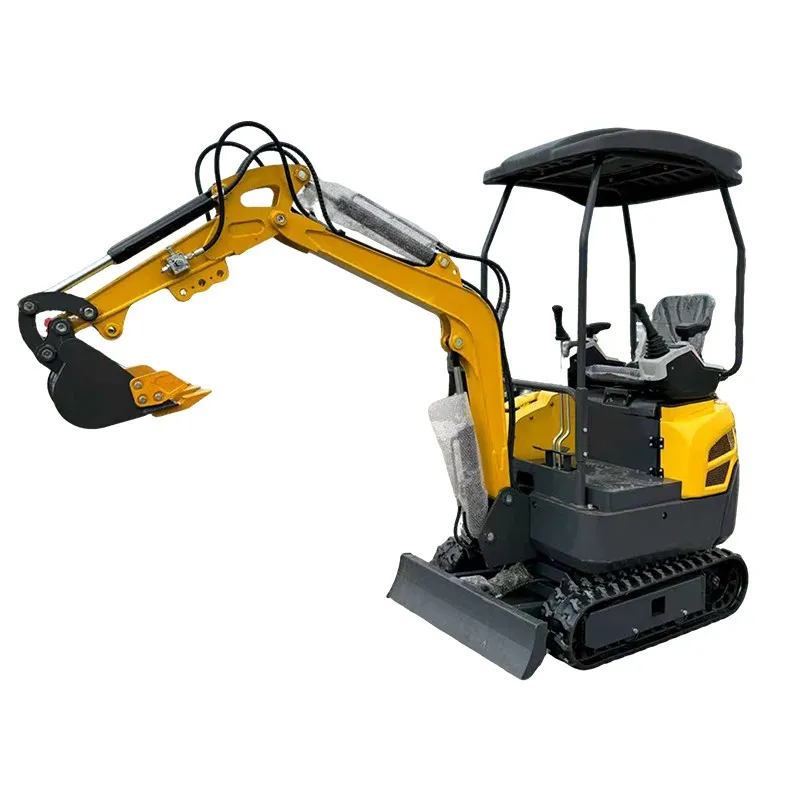
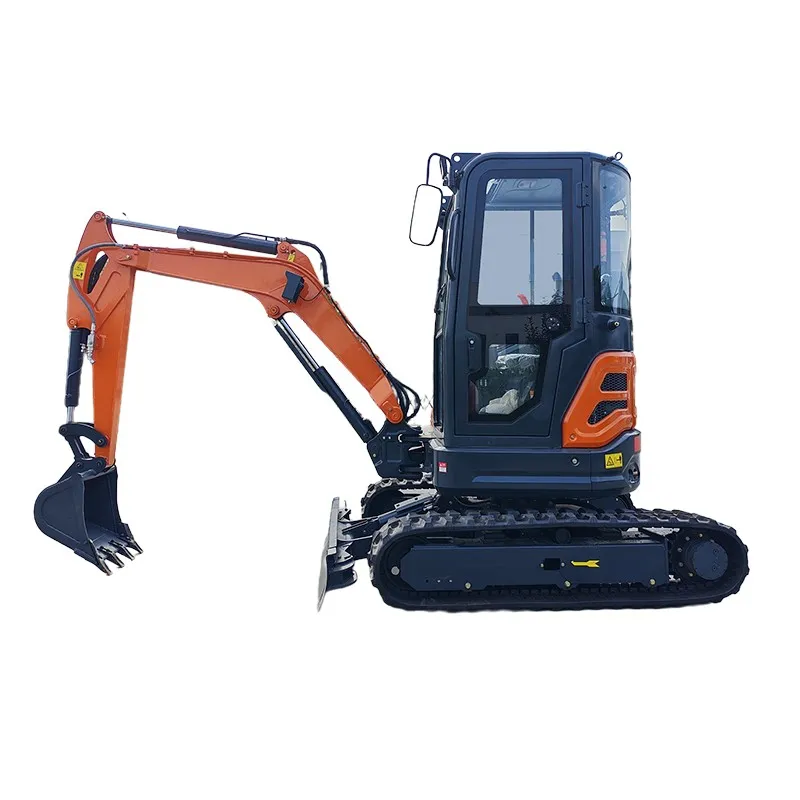
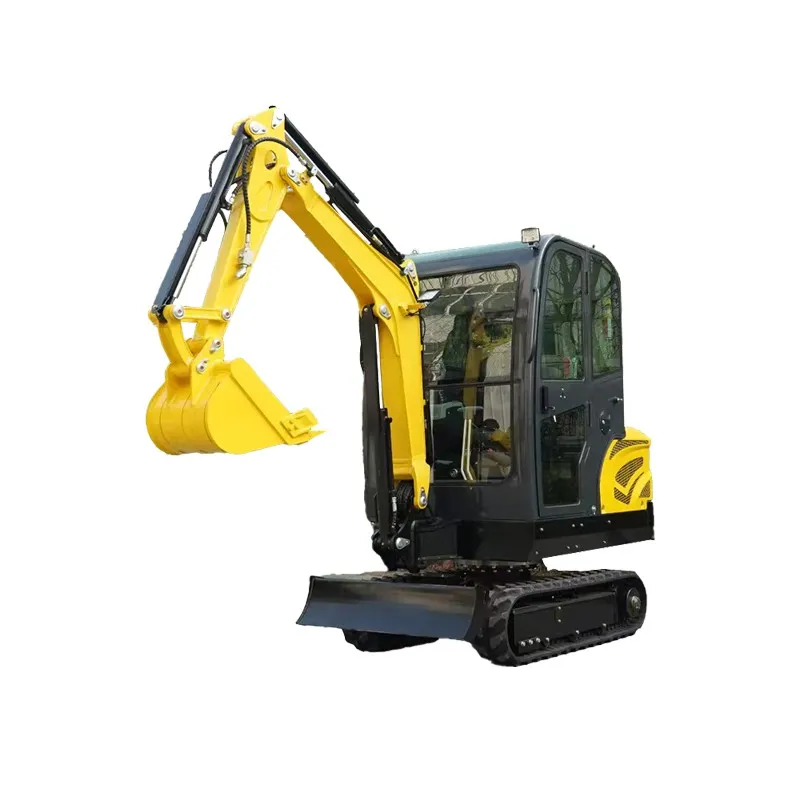
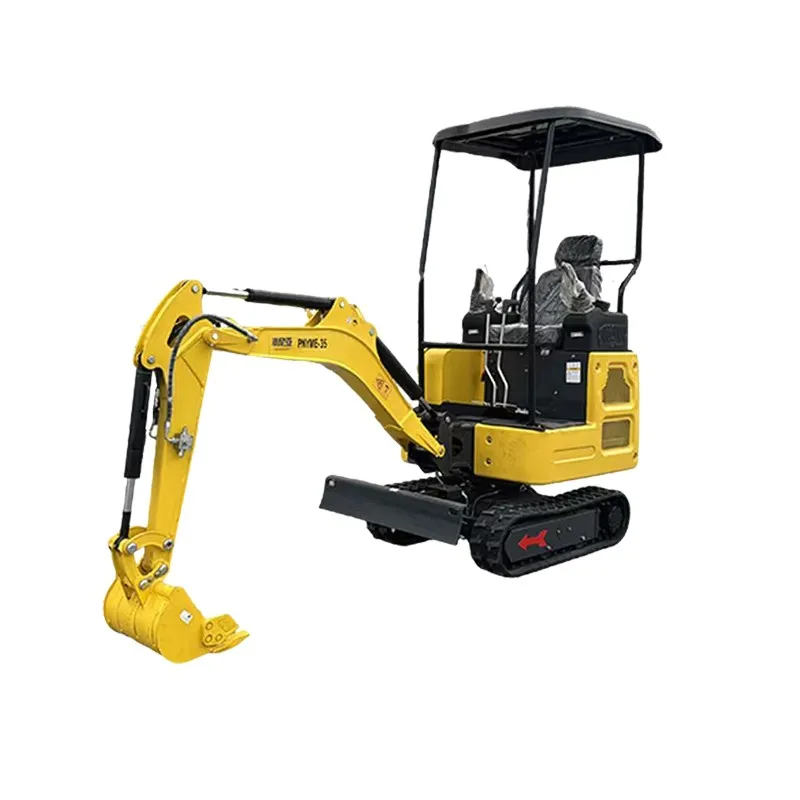
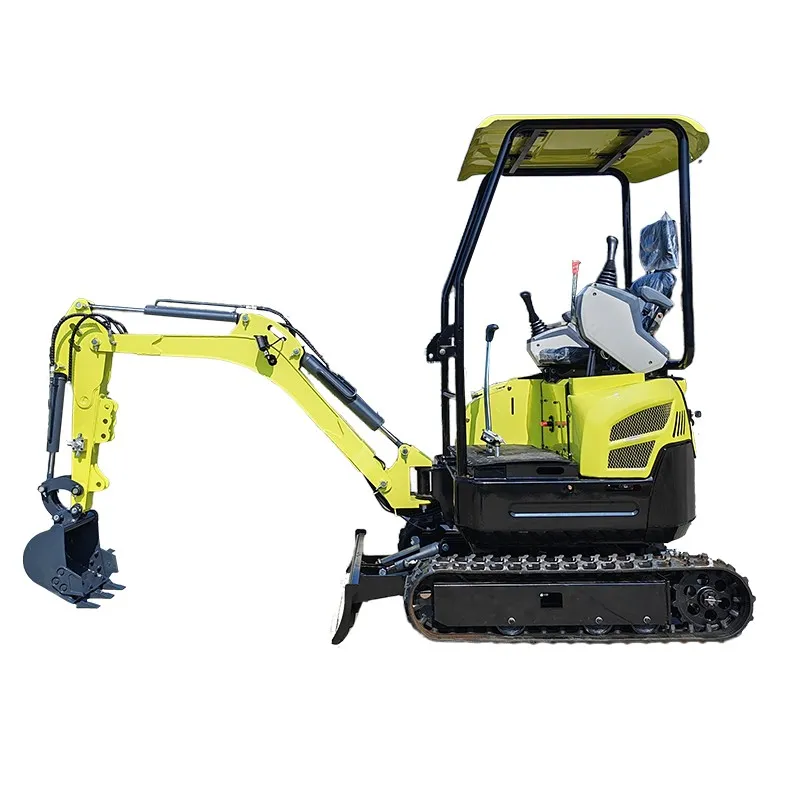
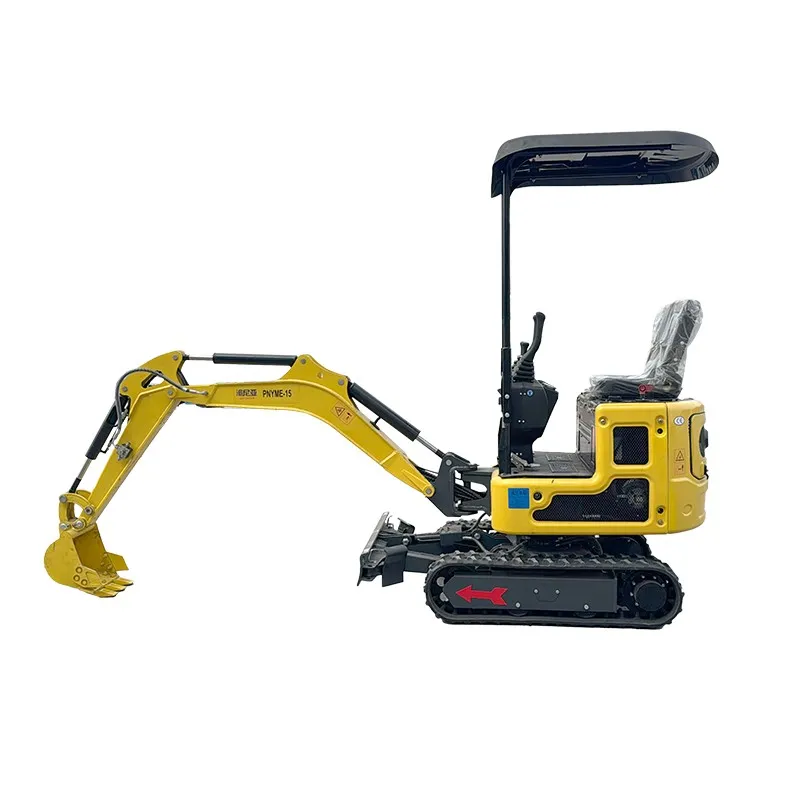
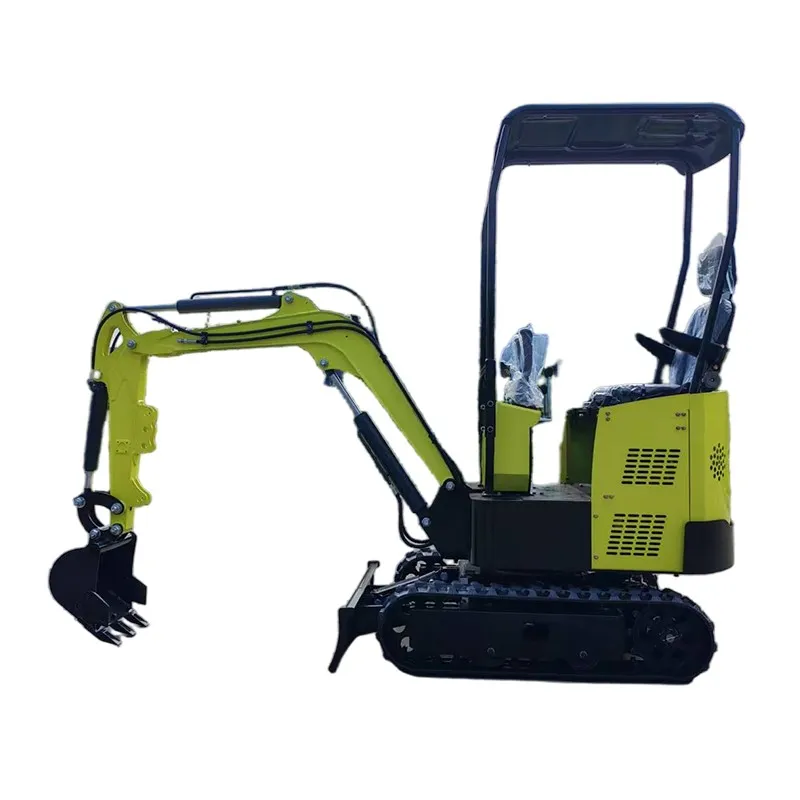
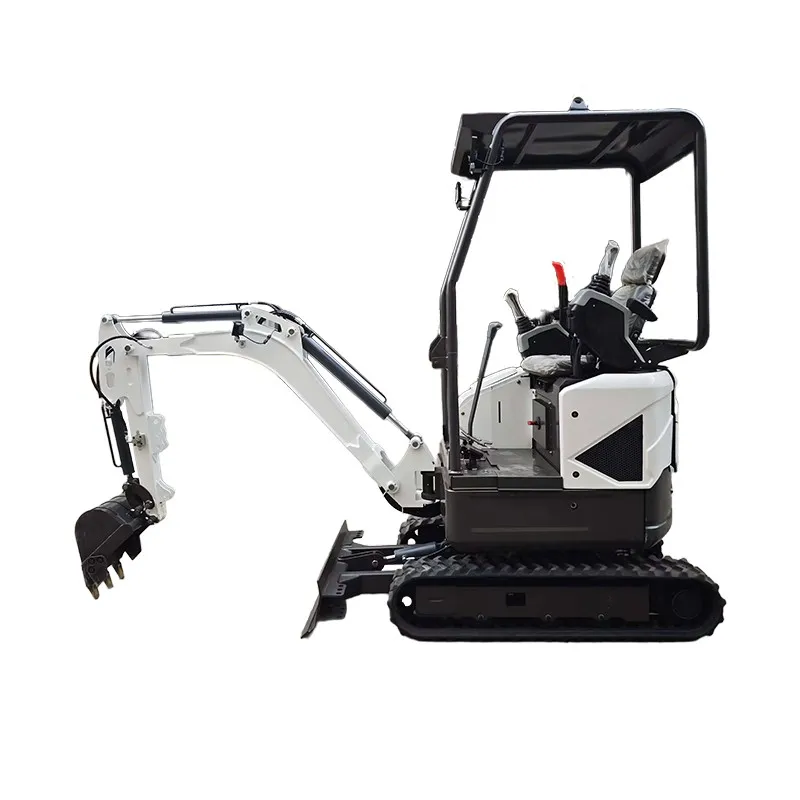
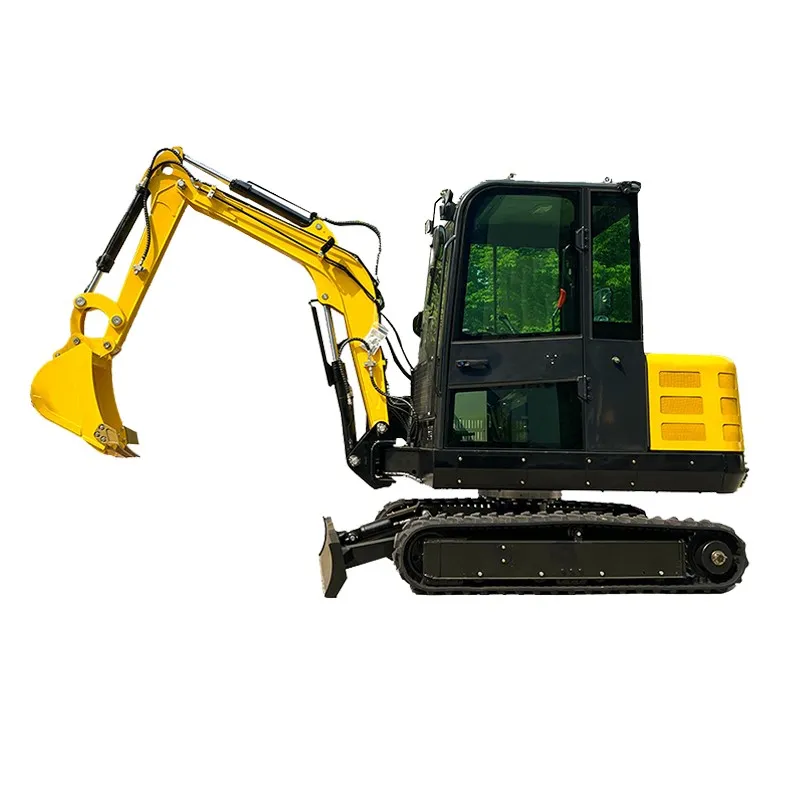
diesel engine mini excavator
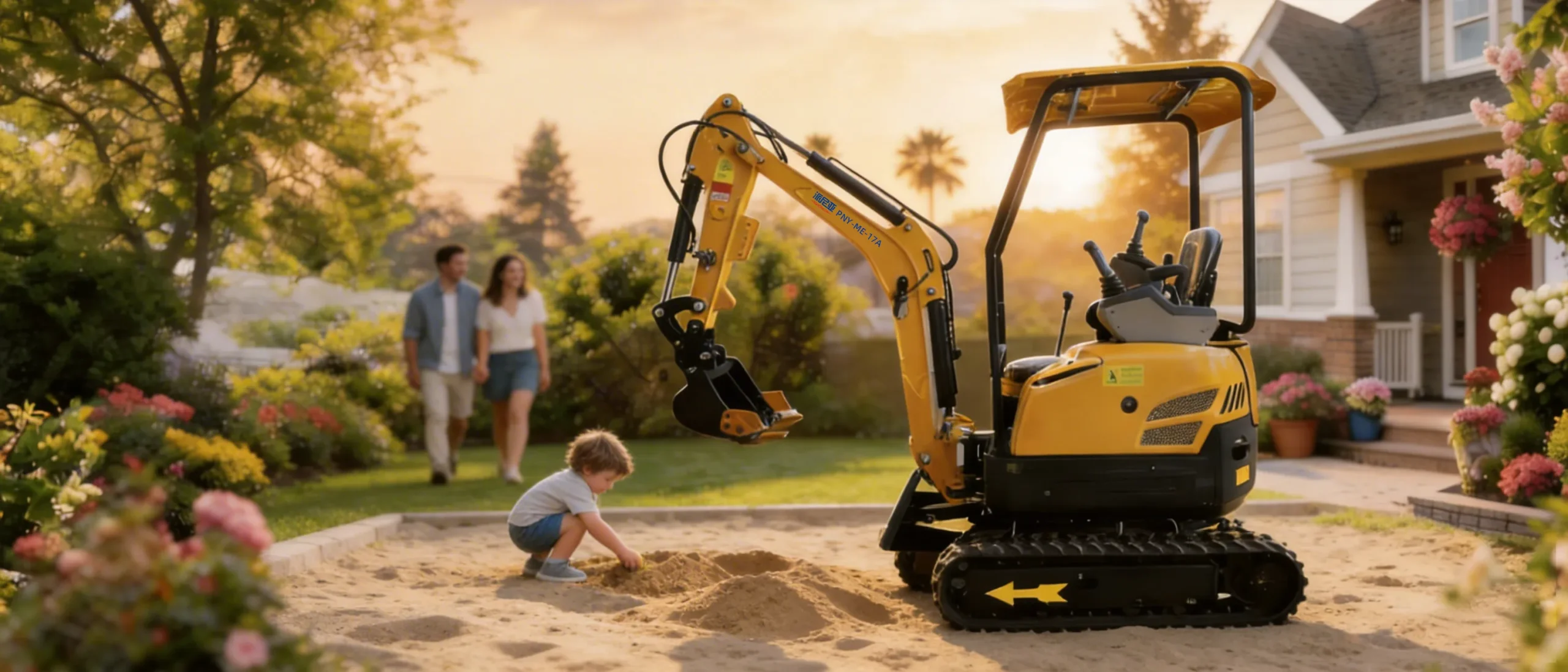
When most people hear 'diesel engine mini excavator,' they think it's just a small digger. But that's where the first mistake happens. It's not about size alone; it's about the marriage of a compact frame with a specific type of powerplant—the diesel—that defines its character, its limitations, and its real-world value on a job site. I've seen too many projects where the wrong choice here led to downtime, not because the machine failed, but because its heart wasn't suited to the task.
The Heart of the Matter: Why Diesel, and Which One?
You don't pick a diesel mini for its quiet operation or clean emissions—you pick it for torque and fuel efficiency under constant load. The key is understanding the engine tier. A common pitfall is opting for the cheapest machine with an unnamed Chinese diesel to save upfront cost. It might run fine for 500 hours, but then the real problems start: parts availability, inconsistent fuel injection performance, and overheating under sustained use. I learned this the hard way on a drainage project where we had three units from a no-name brand; two were down waiting for injectors within eight months.
That's why I started paying attention to the origin of the powertrain. Reputable assemblers, like Shandong Pioneer Engineering Machinery Co., Ltd, often integrate proven engines from recognized manufacturers like Kubota, Yanmar, or Deutz into their chassis. Visiting their facility (you can see their setup at https://www.sdpioneer.com) a while back, it was clear that their long-term development, moving to a new 1,600-square-meter production area in Ningyang, wasn't just for show. It translates to better QC on the engine mounting, cooling system routing, and hydraulic pump integration. This stuff matters more than a glossy brochure.
The difference is in the details. A well-integrated diesel in a 1.8-ton machine should allow you to run a hydraulic breaker attachment all day without the engine bogging down or the coolant temp needle creeping into the red. If it can't, the spec sheet horsepower is just a number. The real test is in the trench, in July, with the machine at a 30-degree slope.
The Chassis Dance: Stability vs. Accessibility
Another misconception is that all mini excavators are equally maneuverable. The undercarriage design—track width, length, and ground clearance—dictates everything. A narrow-track model might fit through a standard garden gate, but its stability when swinging with a full bucket of wet clay is compromised. I've had a close call where a machine nearly tipped because we prioritized gate access over a proper wider track for the soil conditions.
Manufacturers who understand application, like the team behind Shandong Pioneer and their manufacturing arm Shandong Hexin, often offer variants. They don't just sell one 3.5-ton model; they might have a standard and a wide-track version. This choice is critical. For export markets like the US or Australia, where customers might use it for everything from landscaping to light demolition, this flexibility is key. It shows they're thinking beyond just building a machine to filling a need.
Then there's the dozer blade. It seems like a simple add-on, but a robust, hydraulically angled blade is a game-changer for backfilling and leveling. A flimsy one, or one that's just manually positioned, is almost worthless. It's one of those features you only appreciate after you've tried to fine-grade a foundation base without it.
Hydraulics: The Invisible Make-or-Break System
This is where the professional machines separate from the toys. The hydraulic system's responsiveness and control are everything. A cheap, open-center system will feel jerky, make precise grading a nightmare, and waste engine power. A good load-sensing system, often found in better-built models from experienced exporters, provides smooth, proportional control. You can feather the controls. This isn't a luxury; it's what prevents you from accidentally knocking over a retaining wall block or damaging a utility line.
I recall a sewer line installation in a tight backyard. We were using a Pioneer-sourced 2.5-ton unit. The fine control allowed the operator to dig precisely along the laser guide, with minimal manual trimming needed afterward. The auxiliary hydraulic circuit (for attachments) had sufficient flow and pressure, which meant the trencher attachment we swapped in later worked at its rated efficiency. This level of integrated performance is what builds trust in a brand across diverse markets from Germany to Canada.
Maintenance access to hydraulic components is another telltale sign. Can you easily check the hydraulic fluid level? Are the filter and cooler accessible, or buried under panels? A design that considers servicing, born from 20 years of feedback, saves hours of labor costs over the machine's life.
Attachments and the Reality of Versatility
Every sales pitch talks about versatility with attachments. The reality is more nuanced. Not every diesel engine mini excavator is built to handle the constant shock loads of a breaker. The mounting bracket design, the frame reinforcement at the stick, and the auxiliary circuit's robustness determine if this is a real capability or just a marketing claim. I've seen quick-coupler plates bend under the stress of a medium-duty breaker on a machine not designed for it.
Companies that successfully export globally, as mentioned in Shandong Pioneer's background of serving numerous countries, typically engineer their attachment interfaces to common standards (like the European Eurocomach pattern or others). This foresight means a customer in the U.S. can source a standard bucket or grapple from a local supplier and know it will fit. It reduces downtime and increases the machine's utility. This interoperability is a silent but massive value-add.
The takeaway? When evaluating a machine, ask not just can it run an attachment? but what is the duty cycle for running a demanding attachment like a breaker or auger? The answer lies in the design of the front linkage and the hydraulic system's capacity for peak, sustained pressure.
The Long Game: Durability and Support
Finally, the biggest cost isn't purchase price; it's total cost of ownership. A cheap machine with a 20% lower sticker price can easily become a money pit if it needs constant repairs and parts take weeks to arrive. This is where a manufacturer's history and logistics network show their worth.
A company like Shandong Pioneer Engineering Machinery Co., Ltd, with two decades of development and a dedicated overseas trade division, has presumably navigated these challenges. Their ability to export to diverse, demanding regions suggests they've established parts pipelines and support protocols. For an end-user, knowing you can get a replacement hydraulic hose assembly or track roller within a reasonable time is what keeps a project on schedule.
Durability touches everything: the grade of steel in the boom, the sealing on the slew ring, the corrosion protection on the frame. It's hard to judge from photos, but you can look for signs—like reinforced pivot points, well-routed and protected hoses, and accessible grease points. These are the hallmarks of a design informed by field experience, not just a CAD model. In the end, the right diesel mini isn't the one with the longest list of features. It's the one whose design acknowledges the messy, demanding, unpredictable reality of a worksite, and is built to endure it. That's the machine that becomes an asset, not a liability.
Related Products
Related Products