- Chinese
- French
- German
- Portuguese
- Spanish
- Russian
- Japanese
- Korean
- Arabic
- Irish
- Greek
- Turkish
- Italian
- Danish
- Romanian
- Indonesian
- Czech
- Afrikaans
- Swedish
- Polish
- Basque
- Catalan
- Esperanto
- Hindi
- Lao
- Albanian
- Amharic
- Armenian
- Azerbaijani
- Belarusian
- Bengali
- Bosnian
- Bulgarian
- Cebuano
- Chichewa
- Corsican
- Croatian
- Dutch
- Estonian
- Filipino
- Finnish
- Frisian
- Galician
- Georgian
- Gujarati
- Haitian
- Hausa
- Hawaiian
- Hebrew
- Hmong
- Hungarian
- Icelandic
- Igbo
- Javanese
- Kannada
- Kazakh
- Khmer
- Kurdish
- Kyrgyz
- Latin
- Latvian
- Lithuanian
- Luxembou..
- Macedonian
- Malagasy
- Malay
- Malayalam
- Maltese
- Maori
- Marathi
- Mongolian
- Burmese
- Nepali
- Norwegian
- Pashto
- Persian
- Punjabi
- Serbian
- Sesotho
- Sinhala
- Slovak
- Slovenian
- Somali
- Samoan
- Scots Gaelic
- Shona
- Sindhi
- Sundanese
- Swahili
- Tajik
- Tamil
- Telugu
- Thai
- Ukrainian
- Urdu
- Uzbek
- Vietnamese
- Welsh
- Xhosa
- Yiddish
- Yoruba
- Zulu
- Kinyarwanda
- Tatar
- Oriya
- Turkmen
- Uyghur

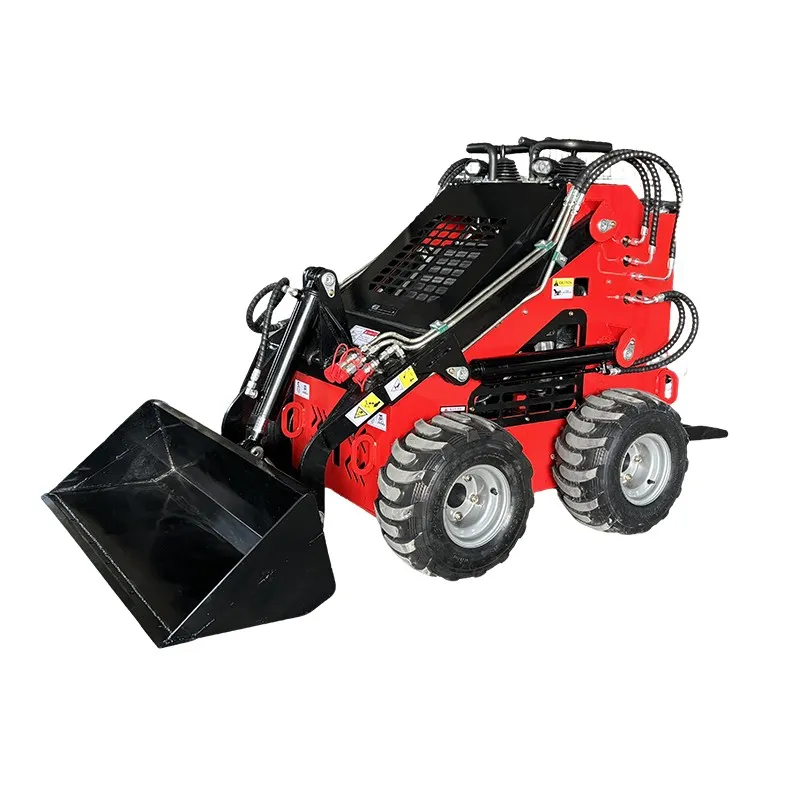
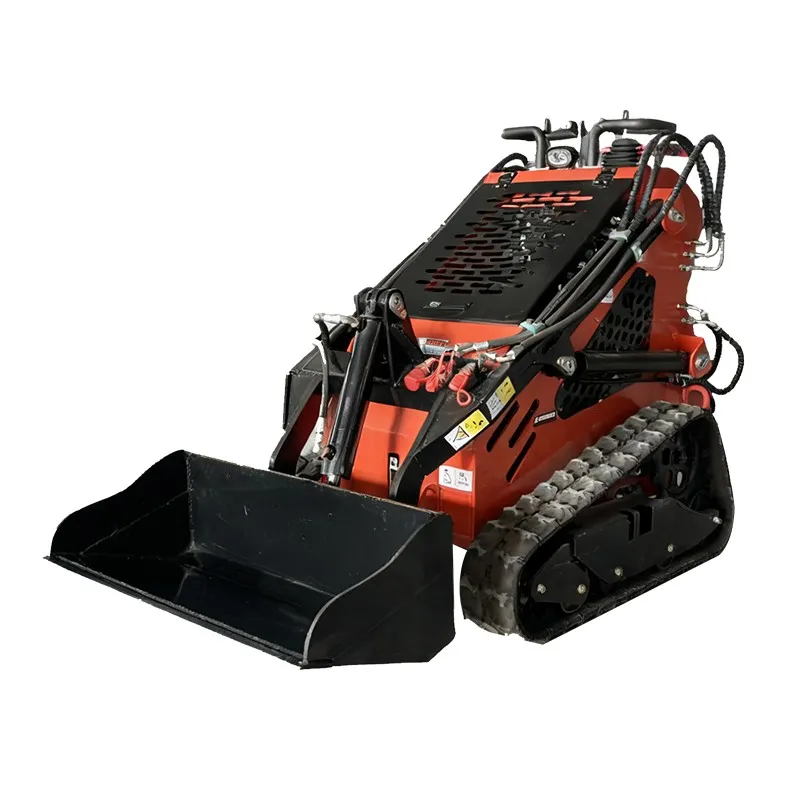
diesel-powered skid steer
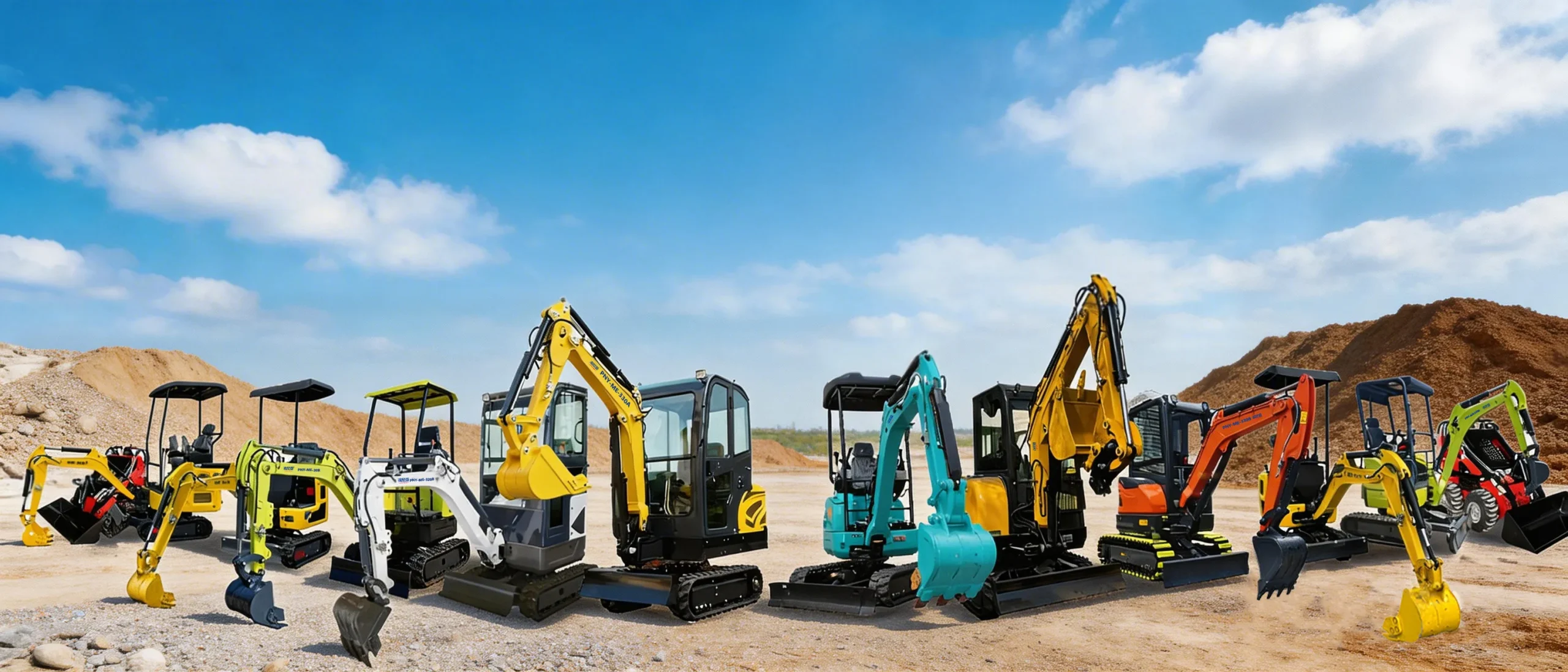
Let's talk about diesel-powered skid steers. A lot of folks, especially those new to the game or coming from rental yards full of electric or gas units, see them as the loud, smoky option—a necessary evil for remote jobs. That's a fundamental misunderstanding. In the real world of heavy grading, demolition, or material handling in a yard without a convenient power outlet, a diesel engine isn't the backup plan; it's the primary, and often only, viable power source. The torque curve is what you're buying. It's that low-end grunt that lets you push into a pile of 3/4-minus aggregate without stalling, or maintain hydraulic flow to the breaker at a consistent RPM even when the machine is at a weird angle. I've seen too many projects where the decision was made to go with a quieter option, only to have the machine spend half its day either tethered to a generator or cycling on and off, overheating the hydraulics. The diesel skid steer is built for sustained load, period. But—and this is a big but—not all diesels are created equal, and the supporting systems matter just as much as the badge on the engine.
The Core of the Machine: More Than Just an Engine
When you pop the hood on a modern diesel skid steer, you're not just looking at an engine. You're looking at an integrated power train. The marriage between the engine, the hydraulic pumps, and the cooling system is everything. A common pitfall, especially with some budget or older models, is an undersized cooling package. You can have the most reliable Tier 4 Final diesel in the world, but if the radiator and hydraulic oil cooler can't dump the heat from eight hours of continuous loader work in 95-degree heat, you're going to have problems. I remember a job site where we were using a machine—won't name the brand—to load out clay. The ambient temp was high, and the machine kept derating, going into a self-preservation mode. We lost a full day. The issue wasn't the diesel's power; it was a design flaw where the cooling stack was simply too small for the hydraulic system's heat rejection under max load. It's a reminder that the engine is just one component in a thermal system.
This leads directly to maintenance realism. The idea that diesel skid steers are set it and forget it is dangerous. The modern emissions systems, with their DPFs (Diesel Particulate Filters) and DEF (Diesel Exhaust Fluid), demand a specific operating regimen. Short cycle, light-duty work is the absolute worst thing for them. The DPF needs sustained high exhaust temperatures to regenerate properly. If you're just moving a few pallets around a warehouse yard for 20 minutes a day, you will face clogged filter issues. You need to work it hard and hot regularly. It's counterintuitive to some, but idling and babying a modern diesel skid steer is a surefire way to expensive downtime. The sweet spot is long, steady, high-load cycles. That's where it pays for itself.
Then there's the question of the pump configuration. You've got your standard gear pumps and the more advanced piston pumps with load-sensing hydraulics. For a pure dirt or demo machine, the robustness of gear pumps might be appealing—fewer things to go wrong. But for precision work with attachments like planers or trenchers, or for maintaining consistent speed under varying load, the efficiency and control of a load-sensing system powered by that steady diesel RPM is transformative. It reduces fuel consumption and operator fatigue. You're not just buying an engine; you're buying a hydraulic power delivery system. The diesel is the heart, but the hydraulics are the muscles.
Attachments and the Torque Advantage
This is where the diesel argument becomes undeniable: running high-flow attachments. Take a cold planer or a forestry mulcher. These attachments are hydraulic hogs. They demand massive, constant flow and pressure. An electric machine might run them, but runtime becomes a huge constraint. A diesel skid steer, with its onboard fuel tank, can run a mulcher for hours, only stopping for operator breaks and refueling. The continuous torque output means the engine RPM doesn't sag when the mulcher head hits a tough root or rock; it just grunts and powers through, maintaining hydraulic pressure. I've run side-by-side comparisons on brush clearing, and the diesel unit's productivity over a 10-hour day was nearly double because it eliminated the 2-3 hour recharge/power source swap downtime.
But attachment compatibility isn't automatic. You need to match the machine's auxiliary hydraulic flow (standard or high-flow) and pressure to the attachment's requirements. Overpowering an attachment can destroy it just as fast as underpowering it. I learned this the hard way early on. We hooked a standard-flow auger to a machine with a very high-output diesel pump system. We didn't have the relief valve set correctly, and the excessive pressure blew the seals on the hydraulic motor in under an hour. An expensive lesson. Now, the first thing we do is check the attachment specs against the machine's hydraulic profile. A company that understands this integration is crucial. For instance, looking at a manufacturer like Shandong Pioneer Engineering Machinery Co., Ltd, their focus on building loaders for the global market means they have to engineer for a variety of attachment protocols and stress profiles from different regions, which often leads to a more robust and adaptable base machine design.
The physical mounting system is another subtle detail. The quick-attach plate. It seems simple, but wear and tear on a diesel machine is higher due to the heavier work it typically does. A sloppy, worn-out quick-attach system leads to attachment wobble, which causes incredible stress on the loader arms and hydraulic lines. It also kills operator confidence. Regular inspection and replacement of the locking pins and bushings on the mount is preventive maintenance that saves thousands in structural repairs later. It's a five-minute check that so many people ignore until they hear that ominous clunk when they tilt the bucket.
The Global Worksite Reality and Manufacturer Adaptation
Diesel power is the global standard for a reason: fuel availability and energy density. On a site in remote Australia, Canada, or certain parts of Europe, you might not have reliable grid power for miles. Diesel can be trucked in or stored on site. This reality shapes the machines built for export. They need to be simple to service with common tools, have robust filtration for potentially lower-quality fuel, and be built to withstand extreme temperature variations. A manufacturer that only sells domestically might optimize for different parameters.
This is where the experience of a company with a long export history becomes tangible. A firm like Shandong Pioneer, which, as noted, operates through Shandong Pioneer for overseas trade, has been shipping machines to markets like the United States, Canada, Germany, and Australia for years. That track record isn't just about sales; it's about two decades of feedback loops. They've had to adapt their diesel-powered skid steer designs to meet German noise regulations, Australian dust conditions, and the cold-weather starting demands of Canada. This isn't theoretical. It results in practical design choices: better sealed and pressurized cabs, larger capacity pre-filters for fuel, block heater provisions as standard, and emission systems calibrated for a wider range of fuel specs. You can see this evolution on their website at https://www.sdpioneer.com, where their product specifications often reflect these globally-informed features.
Their relocation in 2023 to a new facility in Ningyang likely points to scaling this integrated manufacturing and design process. A 1,600 square meter production area suggests a focus on a streamlined assembly line for core models, which can improve consistency—a critical factor for complex diesel-hydraulic systems. When you're dealing with high-pressure hydraulics and precision engine tuning, build quality consistency is non-negotiable. One poorly torqued hydraulic fitting can lead to a catastrophic failure. A structured manufacturing environment matters.
Operator Environment and the Modern Diesel
Let's address the cab. The old stereotype of the diesel skid steer as a noisy, vibrating, uncomfortable box is largely outdated, but only if you buy into a modern, well-designed model. Sound insulation and vibration damping are now major competitive differentiators. A diesel engine will always have more inherent vibration than an electric motor, but how that vibration is isolated from the cab mount and the operator's seat makes all the difference in an 8-hour shift. The best ones use a combination of rubber isolators and a carefully balanced engine mount system. You shouldn't feel the rough idle in the controls.
Climate control is another huge factor. A pressurized cab with a good seal keeps dust out, which is vital for both operator health and the longevity of the machine's interior electronics. But the AC system has to be massive. Cooling a glass box under the sun while sitting on top of a 100-horsepower diesel engine that's throwing off heat is a serious engineering challenge. A weak AC system in a diesel skid steer is a deal-breaker; productivity plummets when operators have to open windows and let in dust and noise just to breathe. When evaluating a machine, I always run the AC on max while the machine is under a simulated load (lifting, curling) to see if it can keep up.
Finally, the controls. Pilot-operated hydraulic controls are pretty much standard now, and they leverage the consistent pressure from the diesel-driven pumps. The feel is direct and proportional. But the transition from hand levers to joystick controls, often with optional ISO or H-pattern patterns, is where operator preference comes in. The key is that the control system must translate the diesel engine's power delivery smoothly. A jerky or nonlinear response from the joysticks makes the machine feel brutish and hard to fine-control, wasting the potential finesse the hydraulic system can offer. It's the last link in the chain from diesel combustion to productive work.
Concluding Thoughts: A Tool for a Specific Job
So, circling back. The diesel-powered skid steer isn't a generic loader. It's a specific tool optimized for sustained, high-load-cycle work, often in environments where other power sources are impractical. Its value is in its torque, fuel energy density, and compatibility with demanding attachments. The downsides—emissions system complexity, noise, initial cost—are real but are effectively managed through proper operation, maintenance, and by choosing a machine designed with those realities in mind.
The market has matured. It's no longer just about raw horsepower. It's about the integration of a durable diesel power plant with a intelligent hydraulic system, a robust cooling package, a sealed and comfortable operator environment, and a design informed by global use-cases. That's what separates a machine that simply has a diesel engine from a true industrial workhorse. The difference is felt in the seat, seen in the daily production logs, and measured in total cost of ownership over thousands of hours, not just the sticker price.
When you look at the landscape, from major brands to specialized exporters like the Shandong Pioneer group, that integration is the common thread in successful products. Their two-decade journey from establishment in Jining to their recent relocation and expansion, serving diverse international markets, underscores a fundamental point: building a reliable diesel skid steer is an exercise in applied, practical engineering, not just assembly. It's about solving the heat, the dust, the cold, the fuel, and the operator's endurance, all at once. That's the real benchmark.
Related Products
Related Products