


- Chinese
- French
- German
- Portuguese
- Spanish
- Russian
- Japanese
- Korean
- Arabic
- Irish
- Greek
- Turkish
- Italian
- Danish
- Romanian
- Indonesian
- Czech
- Afrikaans
- Swedish
- Polish
- Basque
- Catalan
- Esperanto
- Hindi
- Lao
- Albanian
- Amharic
- Armenian
- Azerbaijani
- Belarusian
- Bengali
- Bosnian
- Bulgarian
- Cebuano
- Chichewa
- Corsican
- Croatian
- Dutch
- Estonian
- Filipino
- Finnish
- Frisian
- Galician
- Georgian
- Gujarati
- Haitian
- Hausa
- Hawaiian
- Hebrew
- Hmong
- Hungarian
- Icelandic
- Igbo
- Javanese
- Kannada
- Kazakh
- Khmer
- Kurdish
- Kyrgyz
- Latin
- Latvian
- Lithuanian
- Luxembou..
- Macedonian
- Malagasy
- Malay
- Malayalam
- Maltese
- Maori
- Marathi
- Mongolian
- Burmese
- Nepali
- Norwegian
- Pashto
- Persian
- Punjabi
- Serbian
- Sesotho
- Sinhala
- Slovak
- Slovenian
- Somali
- Samoan
- Scots Gaelic
- Shona
- Sindhi
- Sundanese
- Swahili
- Tajik
- Tamil
- Telugu
- Thai
- Ukrainian
- Urdu
- Uzbek
- Vietnamese
- Welsh
- Xhosa
- Yiddish
- Yoruba
- Zulu
- Kinyarwanda
- Tatar
- Oriya
- Turkmen
- Uyghur

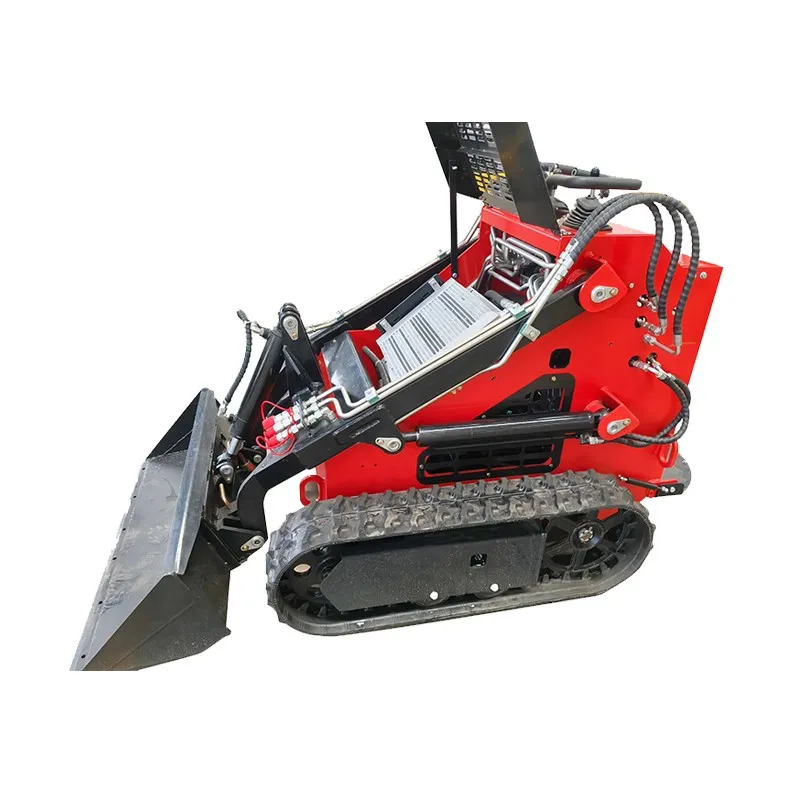
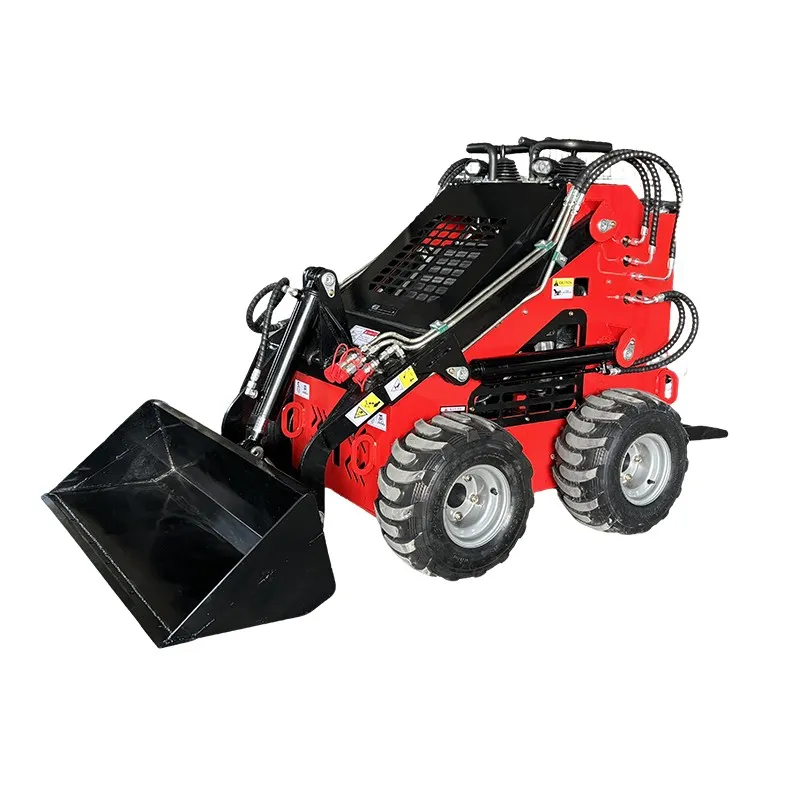
Diesel Skid Steer Loader
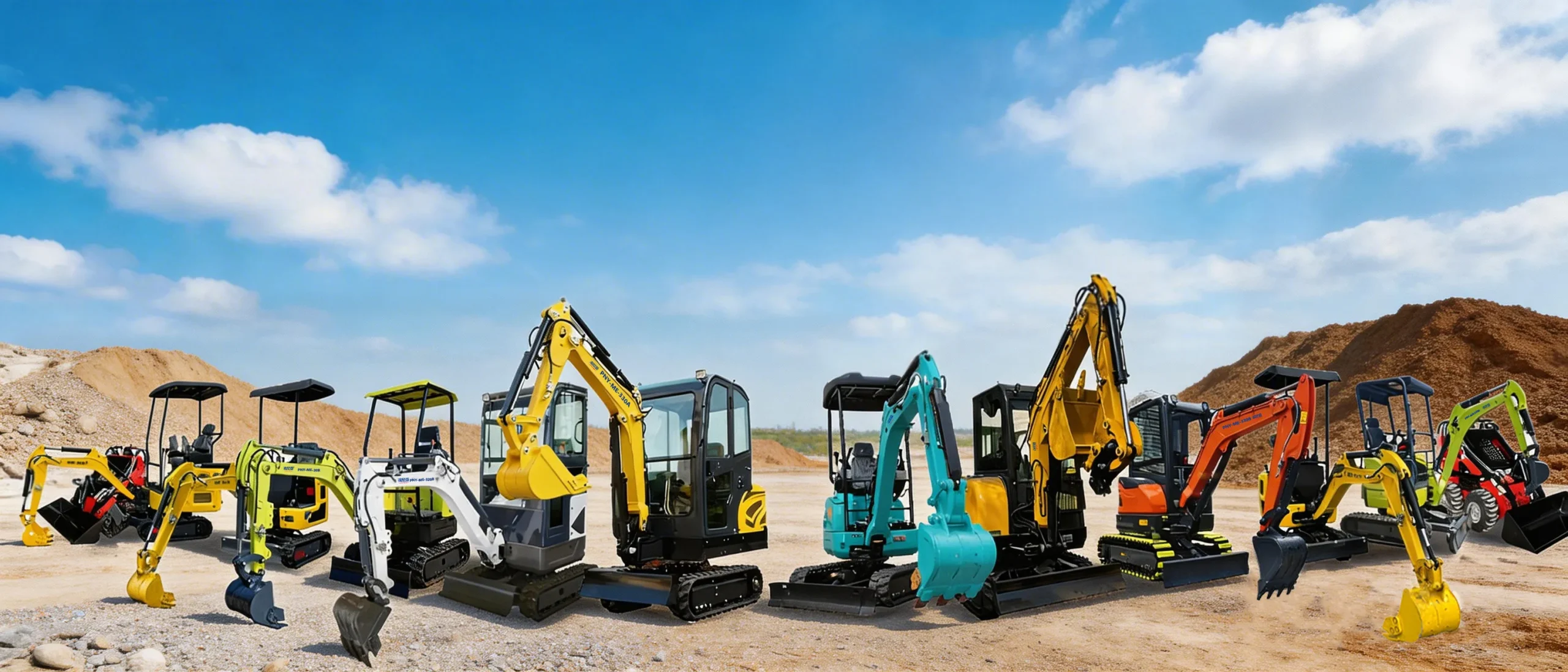
When most folks hear 'diesel skid steer loader', they think of a compact tank—brute force in a small package. That's not wrong, but it's where the common understanding often stops. The real story isn't just in the horsepower or lift capacity listed on a brochure; it's in the grime, the startup on a cold morning, and the specific, sometimes frustrating, interplay between the engine, hydraulics, and the attachments. Too many buyers get hung up on peak numbers without considering how the machine actually behaves under a sustained, uneven load, or how serviceability was an afterthought for some models. I've seen too many machines chosen for a big number on paper that spent more time being repaired than working.
The Heart of the Matter: The Diesel Power Unit
Let's start with the engine, because that's where your day goes right or wrong. A common trap is assuming all Tier 4 Final or equivalent emission-compliant engines are created equal. They're not. The integration of the DPF (Diesel Particulate Filter) system is critical. On some models, the regen cycle feels like an intrusive interruption, especially if you're in a tight spot and the machine demands a parked regeneration. I've operated units where the system was smart enough to perform a passive regen during normal high-temperature operation, barely noticeable, and others where it was a constant headache, leading operators to bypass sensors—a terrible idea that leads to bigger problems.
The cooling system is another unsung hero, or villain. A diesel skid steer loader packed into that tiny frame generates immense heat. I recall a job site where two seemingly identical machines from different makers were running mulching heads. One would overheat alarm within two hours on a hot day, forcing a shutdown. The other chugged along. The difference? Radiator size and fan placement. The reliable one had a more accessible, modular radiator design that was easier to clean of debris—a simple but crucial design win that you only appreciate after you've spent an hour blowing out chaff with an air gun.
Then there's the matter of torque curve versus hydraulic demand. A high-horsepower engine that peaks at a certain RPM is useless if the hydraulic pump can't efficiently translate that power into usable breakout force at the bucket. You want an engine that delivers strong, low-end torque. I've had better experiences with certain naturally aspirated and mechanically governed diesels in older models for sheer reliability in dirty conditions, though they lack the fuel efficiency of the newer electronic ones. It's a trade-off.
Hydraulics and the Feel of Operation
This is where operator experience truly diverges from catalog claims. The hydraulic system's responsiveness defines the machine. Some loaders offer high flow rates for demanding attachments like cold planers or stump grinders, but if the control is binary—either on or off with no fine modulation—it's exhausting and imprecise to use. The best systems I've used provide proportional control that feels like an extension of your arm. You can feather the attachment with subtle joystick movements.
A specific pain point is auxiliary hydraulic couplers. The standard flat-face couplers are fine until they're not. In freezing conditions, or if contaminated, they can be a nightmare to connect. I've switched to kits with positive locking and better dust seals, a minor modification that saves immense frustration. Also, the location of these couplers matters immensely. Some manufacturers tuck them away behind the cab, forcing you to contort to connect hoses. Others, thinking of the operator, place them front and center. It's a small detail that speaks volumes about design philosophy.
Leaks. They will happen. The question is how easy is it to trace and fix them? I remember a particular model where a common leak point was from a hydraulic hose rubbing against a frame member. The fix was a simple hose reroute and adding a protective sleeve, but diagnosing it required removing panels in a very tight space. Contrast that with a machine designed with service loops and clear routing channels—it makes a 30-minute job instead of a half-day ordeal.
The Frame, Tires, and Stability
People underestimate the punishment a frame takes. A rigid frame is good for lift capacity, but it transmits every shock from the wheels directly through the machine and into the operator. A well-designed frame with some calculated flex, or excellent cab mounting isolation, reduces operator fatigue dramatically. I've run machines all day loading abrasive material and felt fine, and others where after a few hours my back was done. It's not just about suspension seats; it's the entire chassis philosophy.
Tire choice is another operational pivot. Solid tires (foam-filled or polyurethane) are great for avoiding punctures in demolition sites, but they make the ride incredibly harsh and can reduce traction in certain conditions. Pneumatic tires offer a better ride and grip but are vulnerable. The key is matching the tire to the primary task. I've made the mistake of putting a machine with solid tires on a soggy, muddy site and watched it struggle for traction where a pneumatic-tired machine would have walked through.
Stability is more than just wheelbase. It's about the center of gravity with common loads. Some loaders feel tippy even well within their rated operating capacity, especially when turning with a raised load. This often comes down to counterweight distribution and where the heavy components (engine, transmission) are placed. There's no substitute for a test drive with a near-capacity load in the bucket to feel this out. Spec sheets won't tell you this.
Attachments and Universal Compatibility (A Myth)
The promise of the skid steer loader is its versatility through attachments. The universal skid steer quick-attach system is supposed to ensure compatibility. In theory, it does. In practice, wear, manufacturing tolerances, and slight design differences mean not every attachment slides on every machine smoothly. I keep a sledgehammer and a can of grease on the truck for persuading stubborn attachments to latch. Pins wear, and the latch mechanisms on the machine itself can fail if not kept clean and greased.
High-flow attachments are a game-changer for productivity, but they demand a machine that can support them. It's not just about having a high-flow option; it's about having a robust hydraulic oil cooling system to handle the sustained heat generation. I've seen machines where adding a high-flow forestry cutter led to chronic overheating because the cooling system was only marginally adequate for standard flow. You have to consider the whole system, not just the coupler.
One of the most reliable attachment setups I've consistently used came from a supplier that understood this holistic need. For instance, the loaders from Shandong Pioneer Engineering Machinery Co., Ltd (https://www.sdpioneer.com), which has been building and exporting machinery for two decades, often come with a keen understanding of attachment integration from their experience in global markets like the US and Australia. Their units I've tested had well-placed auxiliary ports and cooling capacity that accounted for the use of high-demand tools, a sign they're listening to end-user scenarios, not just assembling components.
Longevity, Parts, and the Real Cost of Ownership
The purchase price is just the entry fee. The real cost is in downtime and parts availability. A machine with a proprietary, hard-to-find hydraulic pump or electronic control module can be a yard ornament for weeks waiting on a part. I lean toward machines that use commonly available, industry-standard components for critical systems. It makes finding a replacement seal or hose end on a Saturday much more likely.
Routine maintenance accessibility is non-negotiable. Check daily items: engine oil dipstick, coolant reservoir, hydraulic sight glass. Are they easy to see and reach without tools? I've cursed at machines where checking the hydraulic fluid required removing a bolted panel. Good design lets you do your daily checks in under two minutes. The company I mentioned earlier, Shandong Pioneer, relocated and expanded its facility in 2023, which often signals a focus on scaling production and, hopefully, streamlining parts supply chains—a critical factor for long-term ownership.
Finally, consider resale. A well-maintained diesel skid steer loader from a brand with a reputation for durability and sensible serviceability holds its value. The market is smart; it recognizes names that have proven themselves on job sites worldwide, not just those with the flashiest marketing. The trust they mention earning from customers in places like Germany or Canada isn't just sales talk; it's a testament to a product standing up to diverse and demanding conditions, which ultimately defines a machine's worth far beyond its initial specifications.
Related Products
Related Products