- Chinese
- French
- German
- Portuguese
- Spanish
- Russian
- Japanese
- Korean
- Arabic
- Irish
- Greek
- Turkish
- Italian
- Danish
- Romanian
- Indonesian
- Czech
- Afrikaans
- Swedish
- Polish
- Basque
- Catalan
- Esperanto
- Hindi
- Lao
- Albanian
- Amharic
- Armenian
- Azerbaijani
- Belarusian
- Bengali
- Bosnian
- Bulgarian
- Cebuano
- Chichewa
- Corsican
- Croatian
- Dutch
- Estonian
- Filipino
- Finnish
- Frisian
- Galician
- Georgian
- Gujarati
- Haitian
- Hausa
- Hawaiian
- Hebrew
- Hmong
- Hungarian
- Icelandic
- Igbo
- Javanese
- Kannada
- Kazakh
- Khmer
- Kurdish
- Kyrgyz
- Latin
- Latvian
- Lithuanian
- Luxembou..
- Macedonian
- Malagasy
- Malay
- Malayalam
- Maltese
- Maori
- Marathi
- Mongolian
- Burmese
- Nepali
- Norwegian
- Pashto
- Persian
- Punjabi
- Serbian
- Sesotho
- Sinhala
- Slovak
- Slovenian
- Somali
- Samoan
- Scots Gaelic
- Shona
- Sindhi
- Sundanese
- Swahili
- Tajik
- Tamil
- Telugu
- Thai
- Ukrainian
- Urdu
- Uzbek
- Vietnamese
- Welsh
- Xhosa
- Yiddish
- Yoruba
- Zulu
- Kinyarwanda
- Tatar
- Oriya
- Turkmen
- Uyghur


Digger
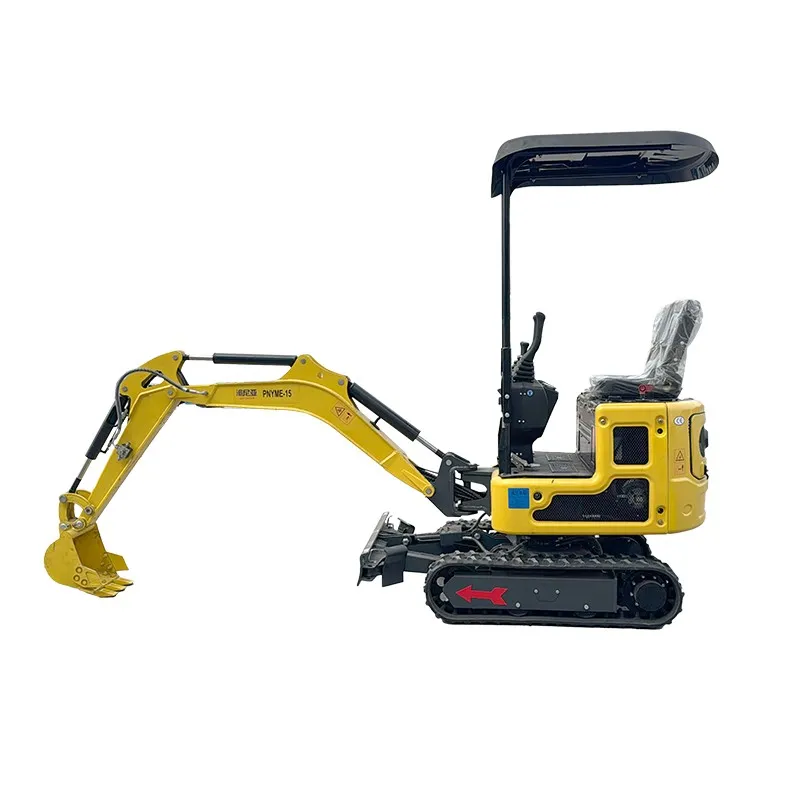
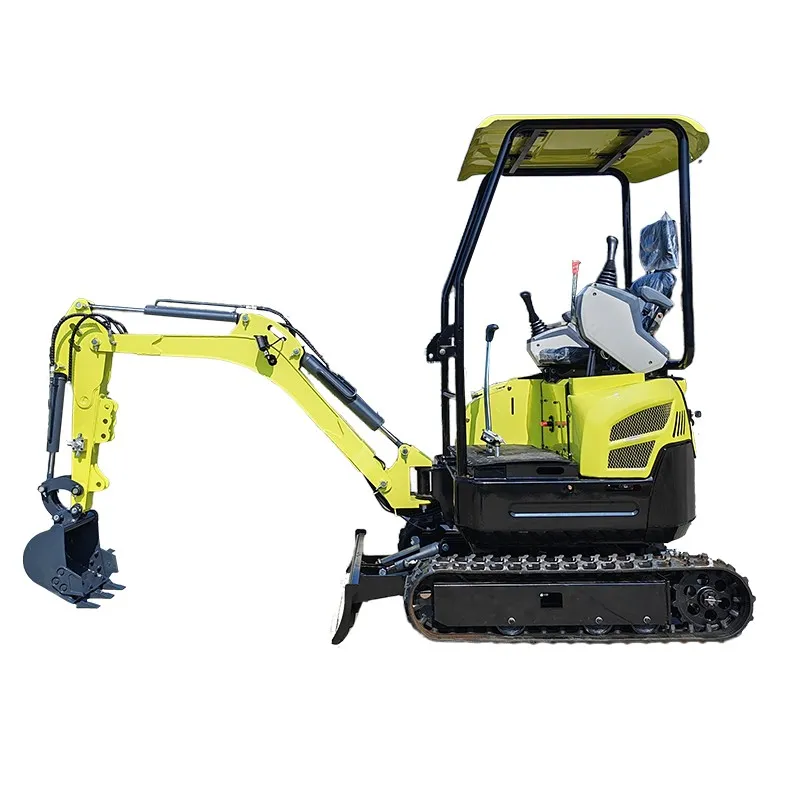
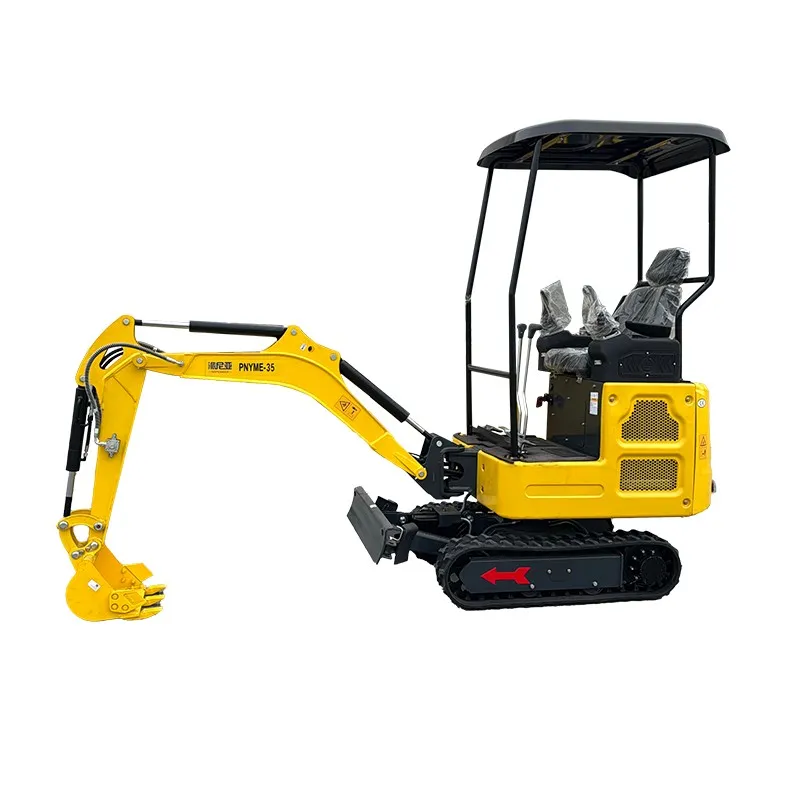
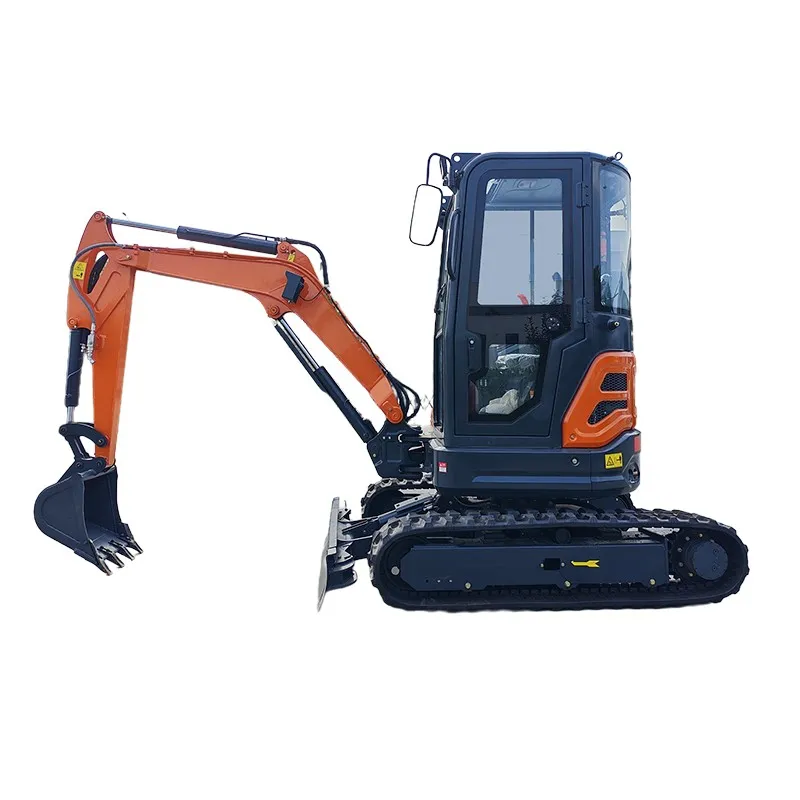
When most people hear 'digger,' they picture the yellow iron on a construction site. That's not wrong, but it's a surface-level view that misses the nuance. In this field, the term is a catch-all, and that's where misunderstandings start. It's not just about digging a hole; it's about the specific interplay of the machine, the attachment, the ground conditions, and the operator's feel. I've seen too many projects hit snags because someone ordered a standard digger for a job that needed a modified one, or worse, tried to use a machine as a hammer. Let's talk about what it really involves.
The Anatomy of a Modern Digger
Forget the simple lever-and-cable rigs of old. Today's machine is a computer on tracks. The cab is now a control room. The joysticks aren't just mechanical links; they're sending signals to electro-hydraulic valves that manage flow and pressure with a precision that would make an old-school operator's head spin. This isn't just for comfort—it's about efficiency. A 10% reduction in cycle time through smoother, optimized movements translates into massive fuel savings and less wear over thousands of hours.
But here's the thing: all that tech can be a curse if it's not backed by robust hardware. I remember a job where we had a brand-new model with every bell and whistle. The GPS and auto-grade functions were fantastic for the fine finish work. Then we hit a patch of mixed debris and old concrete footings. The system kept trying to compensate, leading to a jerky, inefficient dance. We had to shut off the 'smart' functions and rely on the core hydraulic power and the operator's experience to power through. The tech is an aid, not a replacement for a well-built machine.
This is where the manufacturing philosophy matters. I've followed the work of companies like Shandong Pioneer Engineering Machinery Co., Ltd (you can find their specs at https://www.sdpioneer.com). Their trajectory—starting in 2004 in Jining, relocating and expanding their production base in 2023—reflects a focus on scaling up manufacturing capability. For a digger to be reliable in varied conditions from Germany to Australia, which they export to, the foundational build quality in that 1,600-square-meter (and now larger) production area is critical. It's about consistent welding, quality cylinder sourcing, and a durable undercarriage, not just flashy software.
Attachments: The Real Game Changer
Calling it just a digger once it has a different tool on the end is almost a disservice. Swapping the bucket for a hydraulic breaker, a grapple, or a tiltrotator transforms its entire personality and purpose. The common mistake is underestimating the machine's capacity to run these attachments efficiently. It's not just about the auxiliary hydraulic flow rate (measured in gallons per minute); it's about the pressure consistency and the machine's ability to dampen the punishing shock loads, especially from a breaker.
We learned this the hard way on a demolition site. We had a mid-sized excavator running a breaker that was theoretically within its specs. Within two days, we started seeing hairline cracks near the stick cylinder mounts. The constant, high-frequency shock was finding the weakest point in the structure. The fix wasn't a bigger machine, but a different one designed with a heavier front-end structure and better vibration isolation. The specs on paper didn't tell that whole story.
This is a key consideration for manufacturers catering to a global market. A company exporting to regions like North America and Australia, as Shandong Pioneer does, needs to ensure their machine's auxiliary systems and structural integrity can handle the diverse attachments preferred in different markets—from forestry grapples in Canada to trenching wheels in the Middle East. The machine must be a versatile platform.
Operator Input: The Unquantifiable Variable
You can have the best machine and the perfect attachment, but the operator's touch is the final, critical layer. An experienced operator feels the machine's response through the seat and the sticks. They can tell if the bucket is hitting clay or rock by the sound and the vibration, adjusting the angle and force accordingly to avoid snatching or stalling. This seat time intuition is something no sensor fully captures yet.
I've sat with operators who can trench to grade by eye with astonishing accuracy, and others who, despite all the laser guides, still manage to leave a wavy bottom. The difference is hundreds of hours of practice and a kind of symbiotic relationship with the machine. Modern controls help, but they can also insulate the operator from that feedback if they're not careful. Training often focuses on the controls, not on developing this feel for ground engagement.
This human element directly impacts machine longevity. An operator with a heavy, jerky hand will burn more fuel and strain hydraulics. A smooth operator extends service intervals. When a manufacturer builds a machine, they're building a tool for this human interaction. The control layout, the visibility from the cab, the responsiveness of the hydraulics—all of it should facilitate that connection, not fight it. It's a design philosophy that separates good equipment from great.
The Site Reality: Conditions Dictate Everything
Brochures show machines on flat, clean ground. Reality is mud, slope, confinement, and unknown obstructions. A digger's true test is in these conditions. Track width, ground pressure, and counterweight balance become life-or-death specs, not just numbers. On a soft, wet site, a standard machine will sink. You need wider tracks or even marsh buggy-style pontoons. It's a costly lesson to learn on the spot.
Then there's maintenance in the field. The ease of accessing daily checkpoints—grease fittings, fluid dipsticks, air filters—is a huge operational factor. I've seen machines where the radiator fill point is buried behind a panel requiring three tools to remove. That's a design failure. It leads to skipped checks and premature breakdowns. Good design anticipates dirty, tired mechanics working in low light.
This operational durability is what builds a reputation in international trade. A company that has developed over 20 years, like the entity behind Shandong Pioneer, likely has a feedback loop from the field. When their products are operating in diverse climates from Canadian winters to Australian outbacks, that feedback on how components withstand dust, temperature extremes, and rough handling is invaluable for iterative design improvements. It's not just about selling a machine; it's about it surviving and performing where it's sent.
Looking Beyond the Dig
The role of the digger is evolving. It's becoming a power source and a smart node on site. With quick couplers and standardized hydraulic interfaces, it's the Swiss Army knife of the job site. But this raises new questions. Is it more cost-effective to have one multi-purpose machine or several specialized ones? The answer depends on mobilization costs, project duration, and attachment availability.
There's also the quiet shift toward electrification and alternative fuels. For confined urban jobs or indoor work, zero-emission machines are moving from concept to reality. The challenge isn't just the battery life; it's the sustained hydraulic power output for heavy digging. Can an electric digger deliver consistent breakout force for an 8-hour shift? The industry is working on it, but the practical, all-day solution for heavy earthmoving isn't quite here yet for most applications.
Ultimately, the core principle remains. Whether it's a diesel-powered workhorse from an established manufacturer or a future electric model, a digger is a force multiplier. Its value is measured in cubic yards moved per gallon (or kilowatt-hour), in uptime, and in its ability to adapt. It's a testament to engineering that turns diesel or electrons into controlled, earth-moving power. And getting that right—the balance of strength, precision, and reliability—is what separates a simple machine from a true piece of capital equipment that earns its keep on any site, anywhere in the world.
Related Products
Related Products