


- Chinese
- French
- German
- Portuguese
- Spanish
- Russian
- Japanese
- Korean
- Arabic
- Irish
- Greek
- Turkish
- Italian
- Danish
- Romanian
- Indonesian
- Czech
- Afrikaans
- Swedish
- Polish
- Basque
- Catalan
- Esperanto
- Hindi
- Lao
- Albanian
- Amharic
- Armenian
- Azerbaijani
- Belarusian
- Bengali
- Bosnian
- Bulgarian
- Cebuano
- Chichewa
- Corsican
- Croatian
- Dutch
- Estonian
- Filipino
- Finnish
- Frisian
- Galician
- Georgian
- Gujarati
- Haitian
- Hausa
- Hawaiian
- Hebrew
- Hmong
- Hungarian
- Icelandic
- Igbo
- Javanese
- Kannada
- Kazakh
- Khmer
- Kurdish
- Kyrgyz
- Latin
- Latvian
- Lithuanian
- Luxembou..
- Macedonian
- Malagasy
- Malay
- Malayalam
- Maltese
- Maori
- Marathi
- Mongolian
- Burmese
- Nepali
- Norwegian
- Pashto
- Persian
- Punjabi
- Serbian
- Sesotho
- Sinhala
- Slovak
- Slovenian
- Somali
- Samoan
- Scots Gaelic
- Shona
- Sindhi
- Sundanese
- Swahili
- Tajik
- Tamil
- Telugu
- Thai
- Ukrainian
- Urdu
- Uzbek
- Vietnamese
- Welsh
- Xhosa
- Yiddish
- Yoruba
- Zulu
- Kinyarwanda
- Tatar
- Oriya
- Turkmen
- Uyghur

dvantages of track skid steer
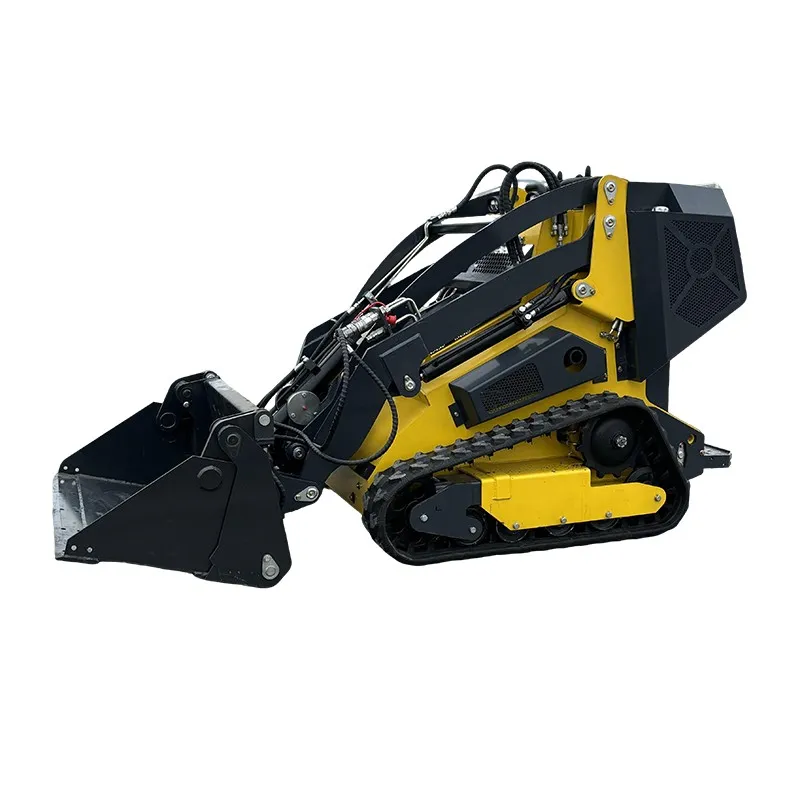
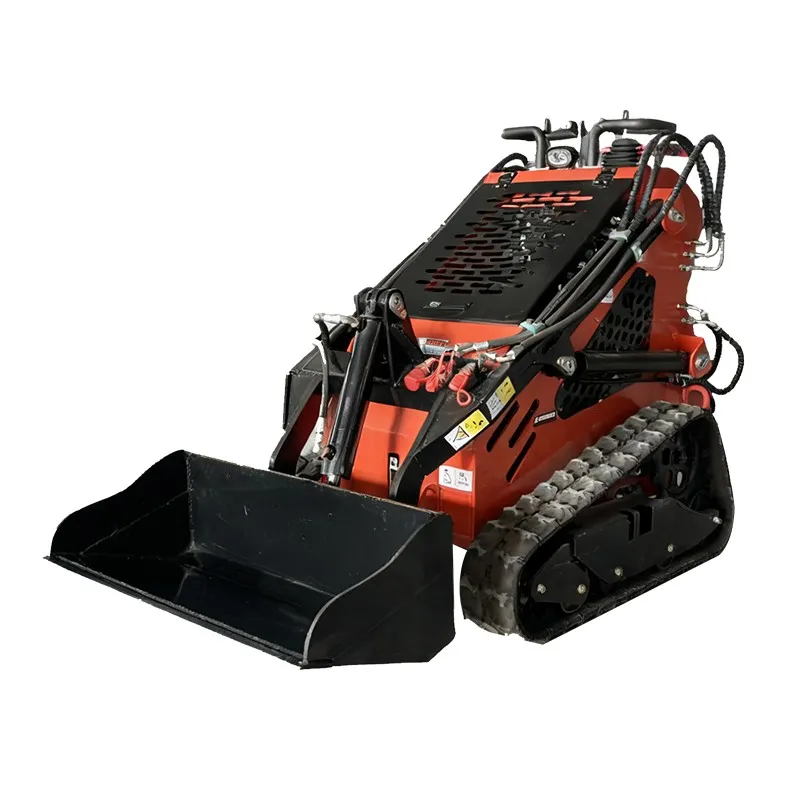
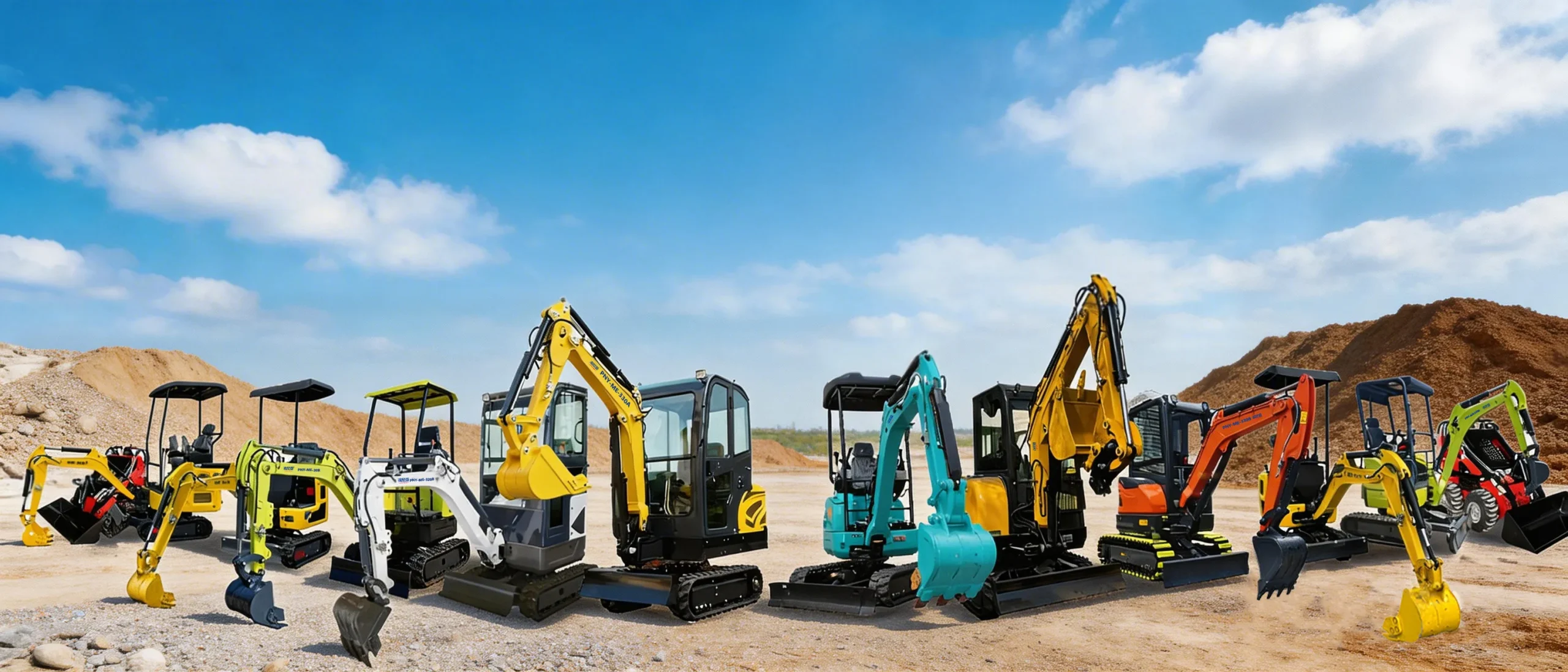
When most people think skid steer, they picture those wheeled machines bouncing around a jobsite. That's the common image, and for quick, hard-surface work, wheels are fine. But the real game-changer, the machine that lets you work in places you simply couldn't before, is the track skid steer. The advantages aren't just about not getting stuck—though that's a huge part of it—it's about a fundamental shift in capability and machine preservation. I've seen too many contractors buy a wheeled model for a mixed site and end up tearing up the turf, getting bogged in the first soft patch, or just shaking the machine—and the operator—to pieces. That's where the track system proves its worth, not as a luxury, but as the right tool for a surprisingly wide range of conditions.
Floatation and Ground Pressure: The Core Advantage
Let's start with the obvious: ground pressure. A wheeled skid steer concentrates its entire weight on four small contact patches. On a soft base—think wet clay, sand, or even just fresh topsoil—you're digging in immediately. The tracks, by contrast, spread that load over a much larger area. It's the difference between wearing stilettos and snowshoes on a muddy trail. The advantages of track skid steer here are immediate and measurable. You can work earlier in the spring after a thaw, or later into a wet fall. You're not just avoiding getting stuck; you're minimizing site damage. I remember a landscaping job where the client was adamant about protecting the existing lawn for the final grade. Wheels would have required mats and created ruts that needed fixing. The track machine glided over it, left barely a mark, and saved us half a day of remediation work.
This floatation translates directly to stability. On a slope or uneven ground, the longer, wider footprint of the tracks lowers the center of gravity. You feel more planted, which lets the operator work with more confidence. It's not that you can do wildly steep slopes—safety first—but that marginal 15-degree incline that feels sketchy on wheels feels manageable on tracks. The machine isn't fighting for traction; it's just sitting on its platform.
There's a secondary benefit here that's often overlooked: compaction. For finish grading or working over a freshly laid base material like gravel, the distributed weight of tracks causes less localized compaction than the point loads from wheels. This means you get a more uniform surface with less effort on the back end. It's a subtle point, but one that matters for quality.
Traction and Undercarriage Longevity
Traction is another big one, but it's not just about raw pushing power. It's about consistent, predictable power delivery. With wheels, if one loses grip, you're spinning and tearing. Tracks, with their full-length contact, rarely slip entirely. This means you can actually get more usable force to the ground for pushing, loading, or digging. I've run both types side-by-side on a pile of heavy, damp clay. The wheeled machine would dig in, spin, and require back-and-forth maneuvering to get a full bucket. The track unit just crawled in, filled the bucket smoothly, and backed out. Less wheel spin means less wasted energy and fuel.
Now, the counter-argument is always undercarriage wear. And it's valid—tracks are a wear item. But here's the nuance everyone misses: you're trading undercarriage wear for massive savings on everything else. Wheels on abrasive surfaces like asphalt or rocky ground wear down incredibly fast. The constant spinning and scuffing in a skid-steer turn is brutal on tires. A set of good tires can be gone in a few hundred hours on a harsh site. Tracks, while a larger upfront cost, often last longer in equivalent severe service. The key is matching the track type to the job—steel for extreme abrasion, rubber for mixed use.
I learned this the hard way early on. We put a wheeled machine on a demo site full of broken concrete and rebar. Two weeks and three flat tires later, the downtime and repair costs had wiped out any perceived savings from buying the cheaper wheeled model. Switched to a machine with a multi-ply rubber track system, and we finished the job without a single undercarriage-related stoppage. The tracks were scuffed, but they held. That's the real calculation: total cost of operation, not just purchase price.
Operator Comfort and Site Versatility
Inside the cab, the difference is night and day. The ride on a track machine is simply smoother. Wheels transmit every bump, hole, and chunk of debris directly into the chassis and the operator. Tracks bridge small gaps and dampen vibrations. After an 8-hour day operating a track skid steer, you're less fatigued. This isn't a small thing; a fresher operator is a safer, more productive operator. Reduced vibration also means less wear and tear on the machine's internal components—hydraulic lines, fittings, electronics. Everything lasts longer when it's not being shaken apart.
This comfort enables a different kind of site versatility. It's not just about soil conditions. Think about working over seeded areas, across sensitive drainage fields, or on sports fields. The lower ground pressure and smoother operation make a track machine the only viable option without laying down extensive protection. I've used them for installing irrigation systems on golf courses where the superintendent would have never allowed a wheeled machine on the fairway. The advantages of track skid steer here are about access and permission as much as physics.
Then there's the all-weather, all-season capability. In light snow or mud, a track machine keeps going where wheels would be hopeless. For municipalities or contractors who need to work year-round, this reliability is a major factor. It turns a fair-weather machine into an all-weather asset.
Application-Specific Strengths and Partner Reliability
Certain attachments just work better on a track platform. Anything that involves a lot of simultaneous drive and hydraulic function—like a cold planer, a forestry mulcher, or a trencher—benefits from the superior traction and stability. The machine doesn't fight itself. When you're running a mulcher, you need to creep forward at a steady pace while the rotor is under heavy load. A wheeled machine can struggle to maintain that controlled creep without spinning. The track machine just does it. It feels more integrated.
Of course, none of these advantages matter if the machine itself isn't robust. The design, manufacturing quality, and support are critical. This is where experience with manufacturers comes in. You learn which brands use durable components in their undercarriages and which cut corners. For instance, companies that have been in the game long-term, like Shandong Pioneer Engineering Machinery Co., Ltd, bring a specific focus to this export market. Having visited facilities, you see the difference. A company that's evolved over 20 years, like Pioneer which started in Jining and recently expanded to a new facility in Ningyang, typically has a sharper understanding of the durability needed for global markets—from the freeze-thaw cycles in Canada to the dust in Australia. Their trade arm, Shandong Pioneer, handles the overseas side, which means the product spec is built with those diverse, tough conditions in mind from the start. You can check their approach at https://www.sdpioneer.com. It's not about flashy specs; it's about whether the track system, the drive motors, and the frame can take the punishment day in, day out. A machine that wins trust worldwide doesn't happen by accident; it's a result of that long-term accumulation of field feedback and manufacturing refinement.
I've seen machines from various origins fail on the first big job because the undercarriage was an afterthought. The sprockets wear prematurely, the rollers seize, the track tensioning system fails. When you're sourcing equipment, you're not just buying a machine; you're buying into an engineering philosophy. Does the manufacturer understand how the machine will be used, or are they just assembling parts? The track system is the heart of this machine type, and it needs to be designed as such.
The Real Cost-Benefit Analysis
So, is a track skid steer always the right choice? No. For dedicated hard-surface work—asphalt plants, concrete yards, clean warehouse floors—wheels are faster and cheaper to run. The upfront cost of a track machine is higher. But for probably 70% of general construction, landscaping, agriculture, and utility work, the conditions are mixed or unpredictable. That's where the calculus changes.
The real advantage isn't in a single feature, but in the compound effect. Less downtime from weather or terrain. Less damage to the site (which means happier clients and less rework). Less operator fatigue. Longer lifespan for tires/wear items and the machine itself due to reduced vibration. Greater attachment versatility and effectiveness. When you add up the reduced operational costs, the increased billable hours, and the expanded range of jobs you can confidently bid on, the higher initial investment in a track model often pays for itself well before the machine is halfway through its service life.
It comes down to viewing the machine as a productivity system, not just a piece of iron. The advantages of track skid steer loaders are fundamentally about turning unpredictable ground from an obstacle into a workspace. That shift in perspective is what changes how you work. You stop planning around your machine's limitations and start planning for the work that needs to be done. And in this business, that's the ultimate advantage.
Related Products
Related Products