- Chinese
- French
- German
- Portuguese
- Spanish
- Russian
- Japanese
- Korean
- Arabic
- Irish
- Greek
- Turkish
- Italian
- Danish
- Romanian
- Indonesian
- Czech
- Afrikaans
- Swedish
- Polish
- Basque
- Catalan
- Esperanto
- Hindi
- Lao
- Albanian
- Amharic
- Armenian
- Azerbaijani
- Belarusian
- Bengali
- Bosnian
- Bulgarian
- Cebuano
- Chichewa
- Corsican
- Croatian
- Dutch
- Estonian
- Filipino
- Finnish
- Frisian
- Galician
- Georgian
- Gujarati
- Haitian
- Hausa
- Hawaiian
- Hebrew
- Hmong
- Hungarian
- Icelandic
- Igbo
- Javanese
- Kannada
- Kazakh
- Khmer
- Kurdish
- Kyrgyz
- Latin
- Latvian
- Lithuanian
- Luxembou..
- Macedonian
- Malagasy
- Malay
- Malayalam
- Maltese
- Maori
- Marathi
- Mongolian
- Burmese
- Nepali
- Norwegian
- Pashto
- Persian
- Punjabi
- Serbian
- Sesotho
- Sinhala
- Slovak
- Slovenian
- Somali
- Samoan
- Scots Gaelic
- Shona
- Sindhi
- Sundanese
- Swahili
- Tajik
- Tamil
- Telugu
- Thai
- Ukrainian
- Urdu
- Uzbek
- Vietnamese
- Welsh
- Xhosa
- Yiddish
- Yoruba
- Zulu
- Kinyarwanda
- Tatar
- Oriya
- Turkmen
- Uyghur


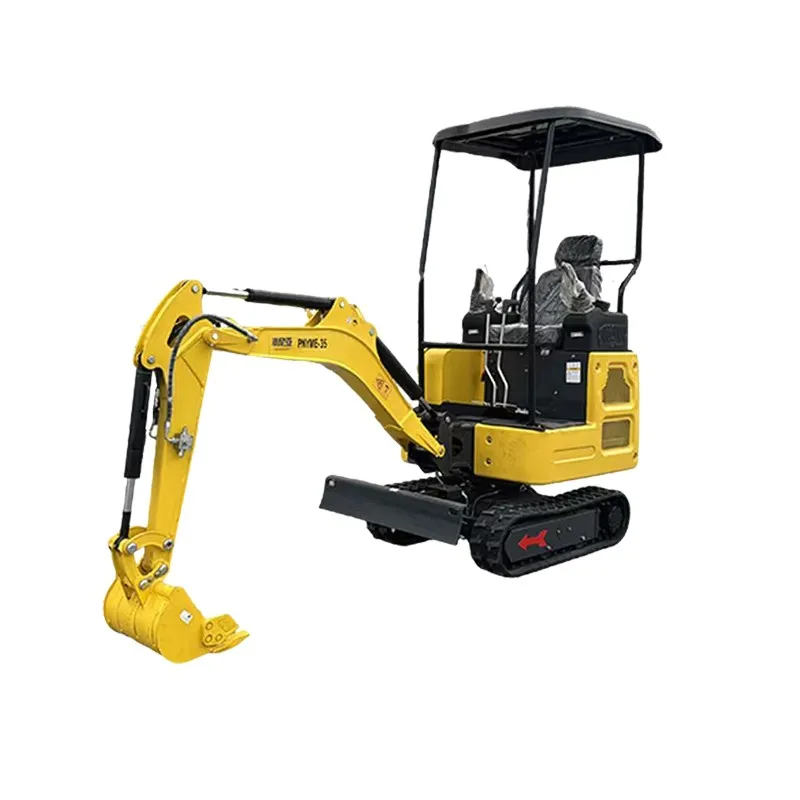
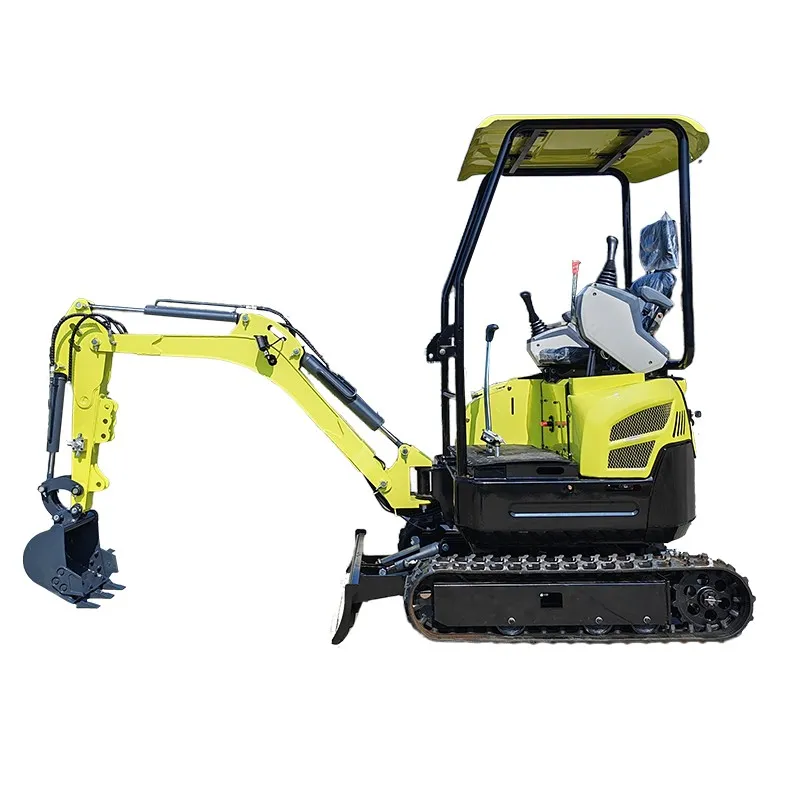
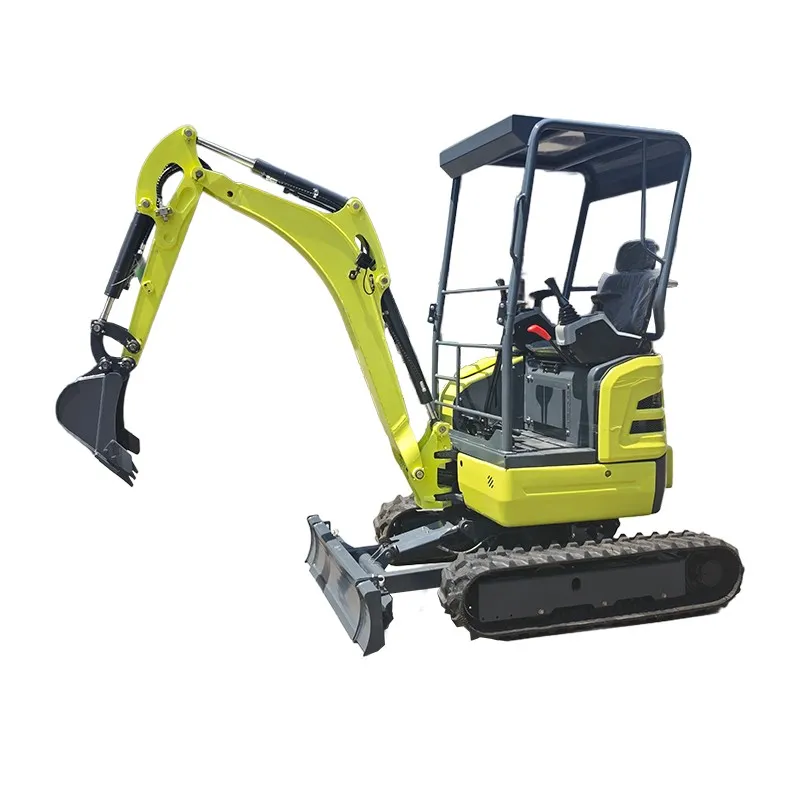
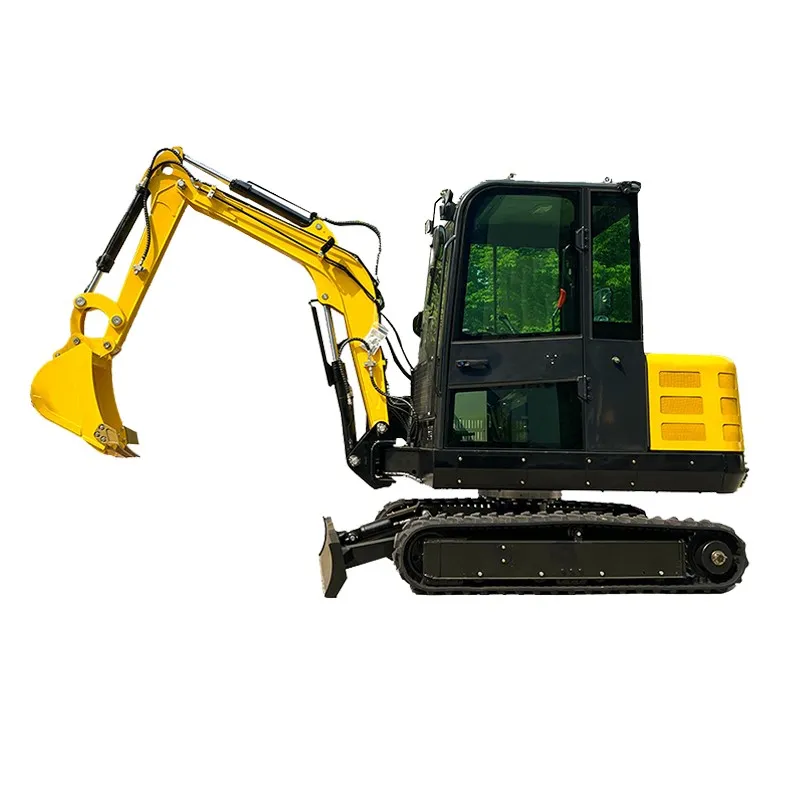
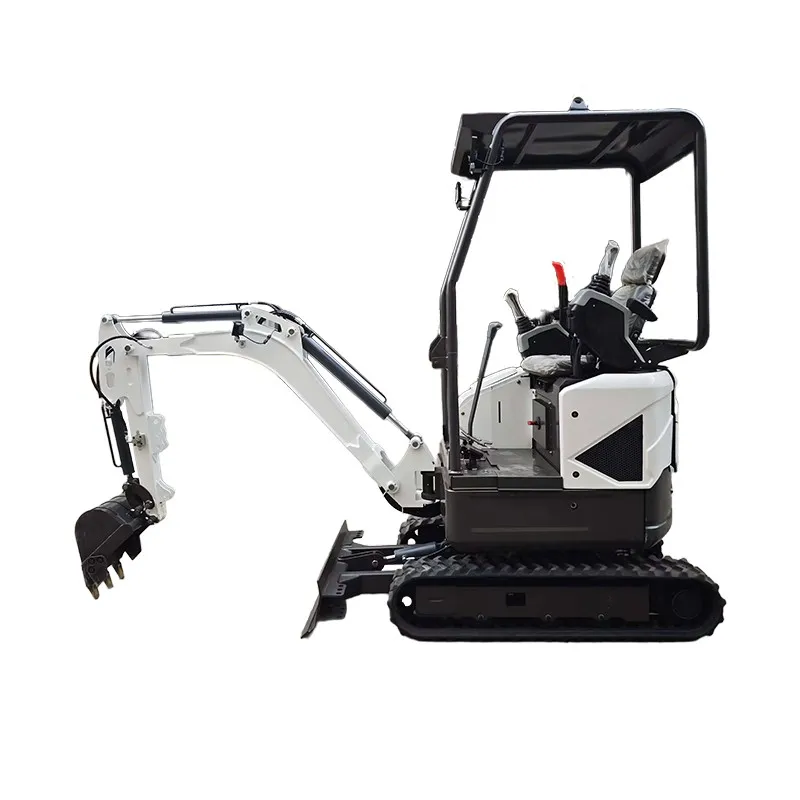
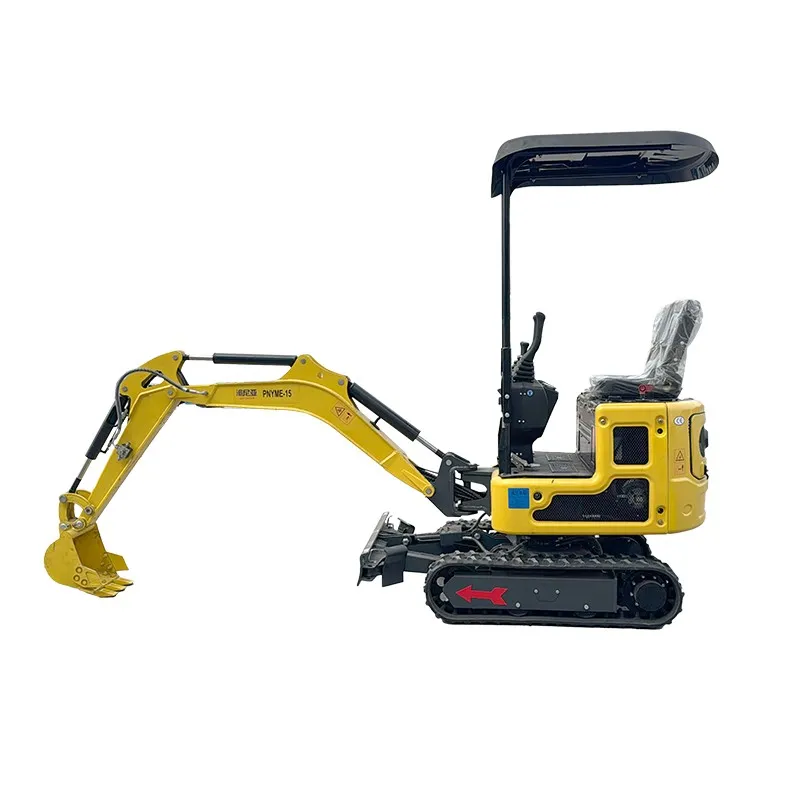
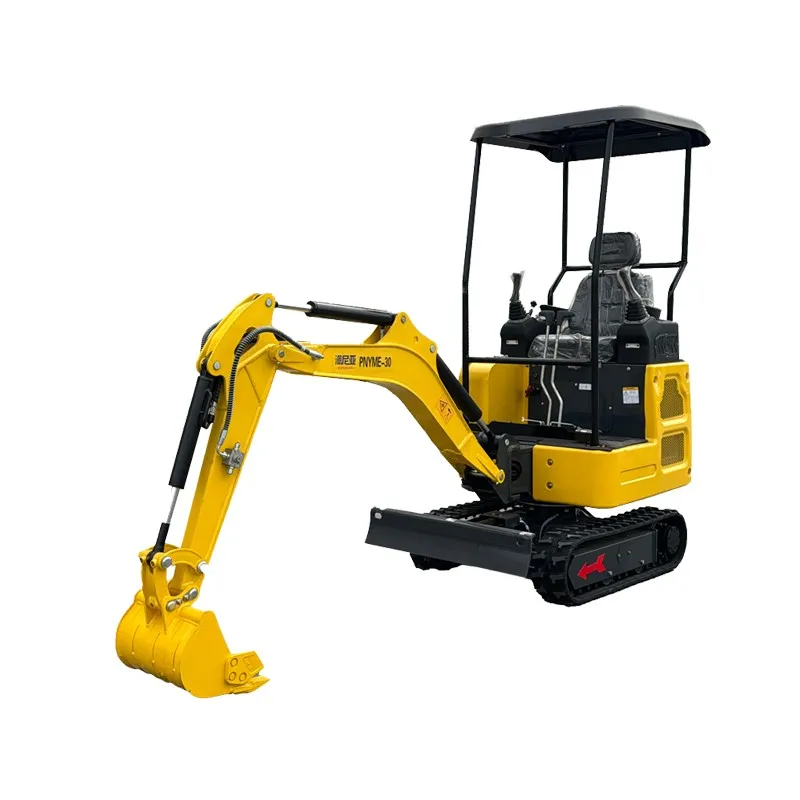
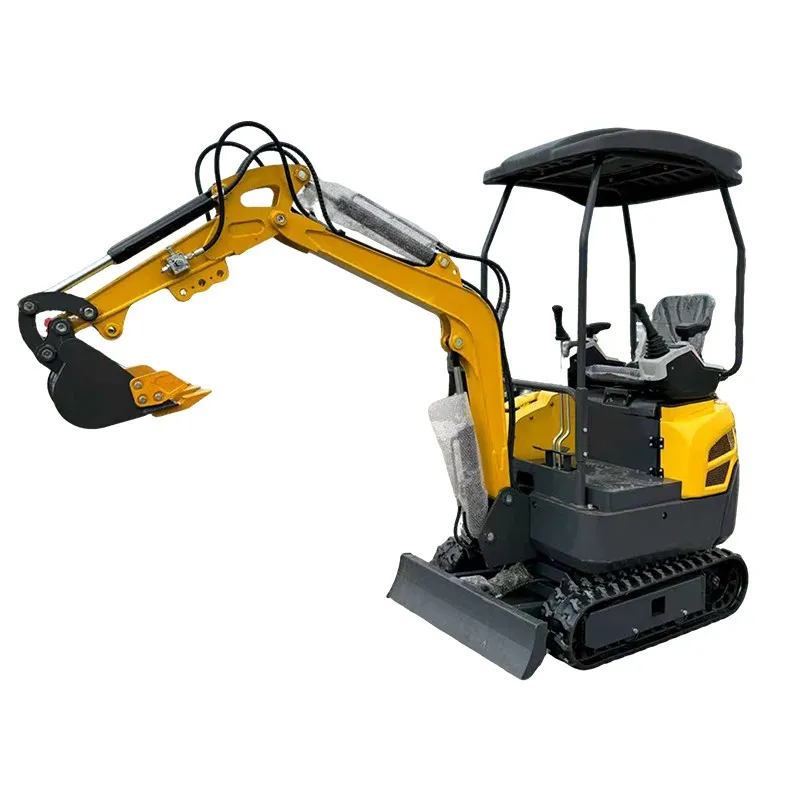
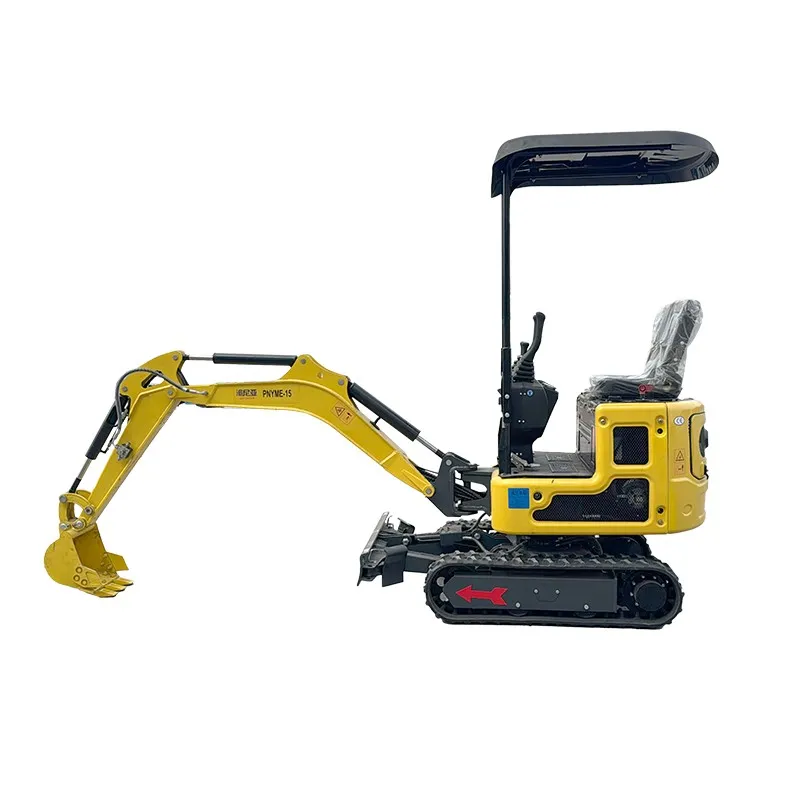
economical mini excavator
When you hear 'economical mini excavator', the first thought is often just 'cheap'. That's the biggest trap. In this business, economical isn't about the lowest sticker price; it's about total cost over five years of digging trenches, lifting pipes, and surviving small, cramped job sites. It's the machine that doesn't eat into your thin margins with constant downtime or fuel bills. I've seen too many contractors buy a 'bargain' unit only to have it sit idle waiting for parts, turning that initial savings into a massive loss. The real economy is in reliability you can bank on, day in, day out.
The Core Specs That Actually Matter
Forget the glossy brochure numbers for a second. With an economical mini excavator, the true test is in the hydraulic system's responsiveness and the undercarriage's durability. A 1.8-ton machine might look perfect on paper for utility work, but if the auxiliary hydraulics are sluggish, your operator wastes hours fighting the controls. The economy comes from smooth, precise cycles that get more work done per gallon.
I remember evaluating a model a few years back that boasted a fantastic engine but paired it with a weak hydraulic pump. The result? The machine constantly stalled under combined movements. It was 'economical' to buy, but a productivity killer. You start looking at brands that integrate their own power plants and hydraulic systems, not just assemble off-the-shelf parts. That integration is where you find the sweet spot.
Another often-overlooked spec is the standard bucket cylinder size. Some manufacturers use a thinner cylinder to save cost, but it leads to faster wear and less digging force. You want overbuilt components in the stress areas. That's a hallmark of a machine designed for real economy, not just sale price.
Where Value Gets Misinterpreted
There's a whole segment of machines marketed as value leaders. Sometimes that's true. Other times, 'value' means they cut corners on steel grade or the quality of the swing bearing. I've been on sites where a seemingly robust mini-ex developed excessive play in the swing circle within 800 hours. The repair bill and downtime erased any value proposition.
This is where a manufacturer's history matters. A company that's been through multiple product lifecycles tends to have ironed out these flaws. For instance, talking to the engineers at Shandong Pioneer Engineering Machinery Co., Ltd (https://www.sdpioneer.com), you get a sense of this evolution. They've been at this since 2004, and their current line reflects lessons from earlier models. They relocated and expanded their facility in 2023, which usually signals investment in better production processes, not just capacity. That kind of long-term presence often translates to more thoughtful engineering in pursuit of real economical mini excavator performance.
Their dual-entity structure—Shandong Hexin handling manufacturing and Shandong Pioneer managing overseas trade—is a common model that, when done right, allows the factory to focus on build quality while the trade arm deals with specific market needs. It explains how their units end up on job sites in places like Germany or Australia, where regulations and operator expectations are high. A machine doesn't survive in those markets if it's just cheap; it has to be legitimately economical.
The Service and Parts Reality Check
This is the make-or-break. An economical mini excavator is only as good as the dealer network backing it. The perfect machine doesn't exist; something will need a seal, a hose, a sensor. If you're waiting six weeks for a part from overseas, your project is dead.
We learned this the hard way on a residential development. We had a brand-new, attractively priced mini-ex. The main hydraulic valve block developed a leak at 150 hours. The dealer didn't have the part, and the manufacturer's warehouse was out of stock. Two weeks of downtime. The machine's low price became irrelevant. Now, we always ask for the parts catalog and common item stock levels before purchasing.
Companies that have been exporting globally for a while, like Pioneer, typically have established parts depots in key regions. Their website, sdpioneer.com, acts as a hub, but the real test is their local distributor's inventory. A true economical choice includes a support system that minimizes your machine's off-road time.
Operator Comfort as an Economic Factor
It sounds soft, but it's a hard cost. An uncomfortable, noisy, vibrating cab leads to a fatigued operator. A fatigued operator is slower, less precise, and more prone to making mistakes that damage the machine or the site. The economics of a mini excavator must include human factors.
Good brands spend time on cab layout, suspension seats, and reducing lever effort. It's not about luxury; it's about enabling sustained productivity over a 10-hour day. I've operated machines where you had to contort your body to see the bucket edge, and others where the sightlines were clear all around. The difference in trenching speed and accuracy was measurable.
This is another area where a manufacturer's experience shows. The controls on their latest models are likely refinements based on years of feedback from operators worldwide. That iterative improvement is a hidden form of value that pays off daily on your balance sheet.
The Verdict: Defining True Economy
So, after all this, what does an economical mini excavator mean? It's a machine whose total cost of ownership—purchase price, scheduled maintenance, unscheduled repairs, fuel consumption, and resale value—is optimized over its working life. It's rarely the absolute cheapest option upfront.
It comes from a manufacturer with a track record long enough to have learned from mistakes, like the 20-year journey of a company from its 1,600-square-meter start in Jining to a new, likely more modern facility in Ningyang. It's backed by a parts and service chain that understands time is money. And it's designed for the operator, because the operator is the one who generates your revenue with it.
When you look at it that way, the search changes. You're not just comparing tonnage and price. You're evaluating engineering philosophy, support logistics, and the subtle design choices that only reveal themselves after hundreds of hours in the dirt. That's the real search for economy.
Related Products
Related Products