- Chinese
- French
- German
- Portuguese
- Spanish
- Russian
- Japanese
- Korean
- Arabic
- Irish
- Greek
- Turkish
- Italian
- Danish
- Romanian
- Indonesian
- Czech
- Afrikaans
- Swedish
- Polish
- Basque
- Catalan
- Esperanto
- Hindi
- Lao
- Albanian
- Amharic
- Armenian
- Azerbaijani
- Belarusian
- Bengali
- Bosnian
- Bulgarian
- Cebuano
- Chichewa
- Corsican
- Croatian
- Dutch
- Estonian
- Filipino
- Finnish
- Frisian
- Galician
- Georgian
- Gujarati
- Haitian
- Hausa
- Hawaiian
- Hebrew
- Hmong
- Hungarian
- Icelandic
- Igbo
- Javanese
- Kannada
- Kazakh
- Khmer
- Kurdish
- Kyrgyz
- Latin
- Latvian
- Lithuanian
- Luxembou..
- Macedonian
- Malagasy
- Malay
- Malayalam
- Maltese
- Maori
- Marathi
- Mongolian
- Burmese
- Nepali
- Norwegian
- Pashto
- Persian
- Punjabi
- Serbian
- Sesotho
- Sinhala
- Slovak
- Slovenian
- Somali
- Samoan
- Scots Gaelic
- Shona
- Sindhi
- Sundanese
- Swahili
- Tajik
- Tamil
- Telugu
- Thai
- Ukrainian
- Urdu
- Uzbek
- Vietnamese
- Welsh
- Xhosa
- Yiddish
- Yoruba
- Zulu
- Kinyarwanda
- Tatar
- Oriya
- Turkmen
- Uyghur


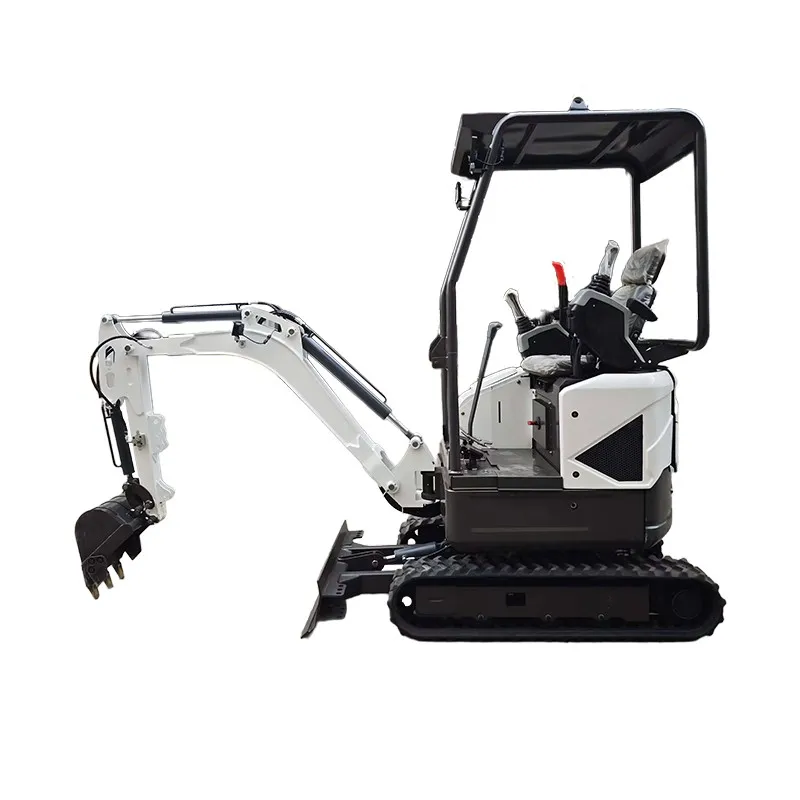
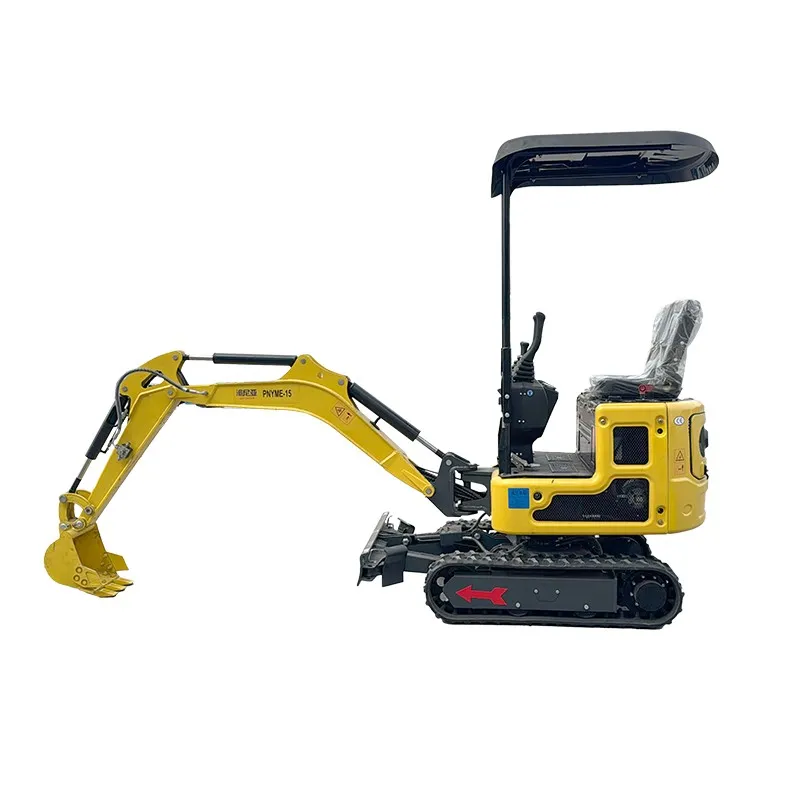
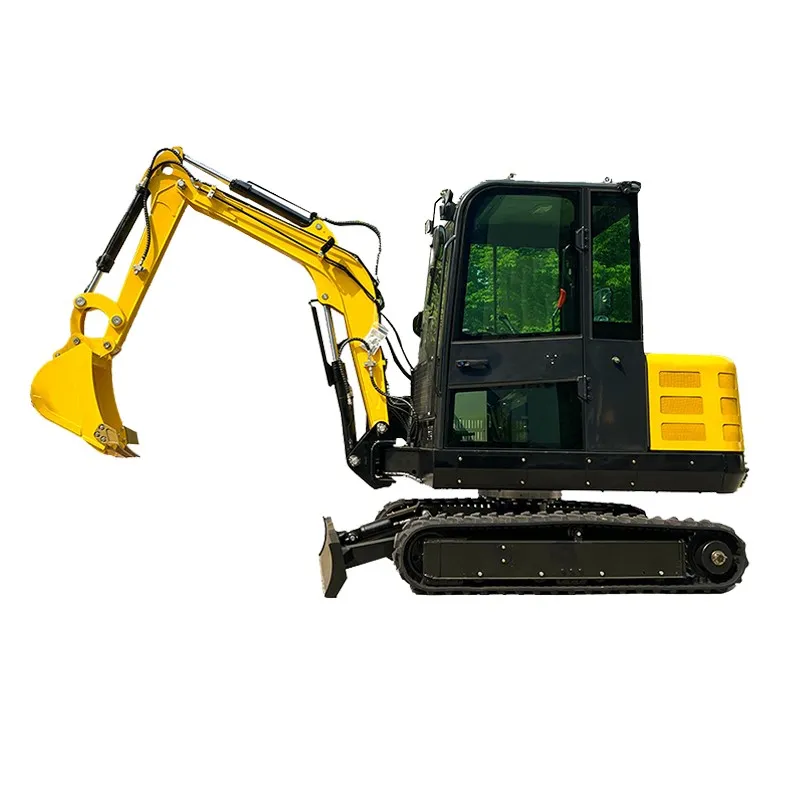
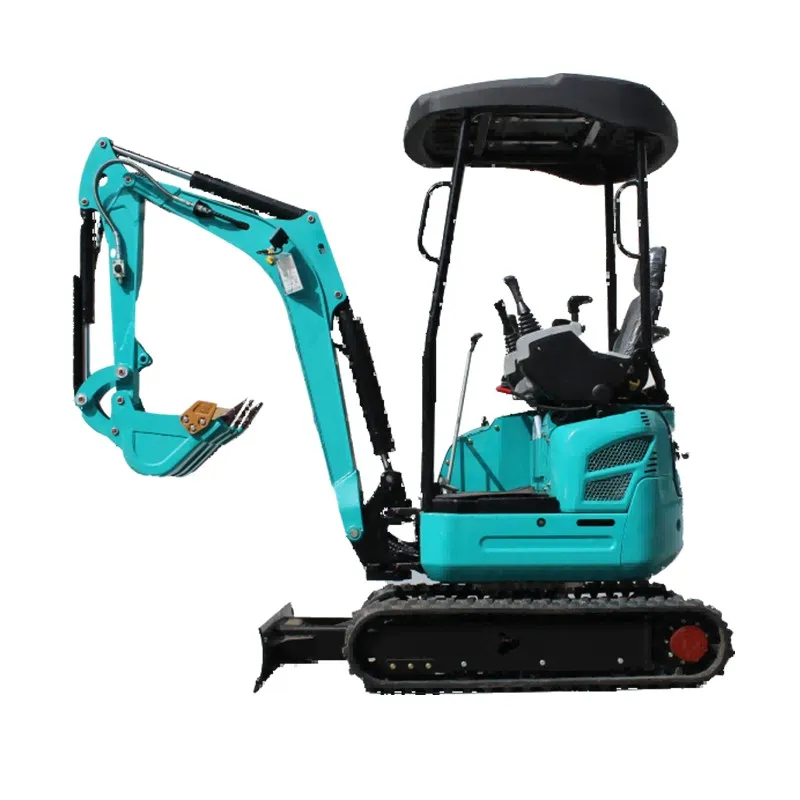
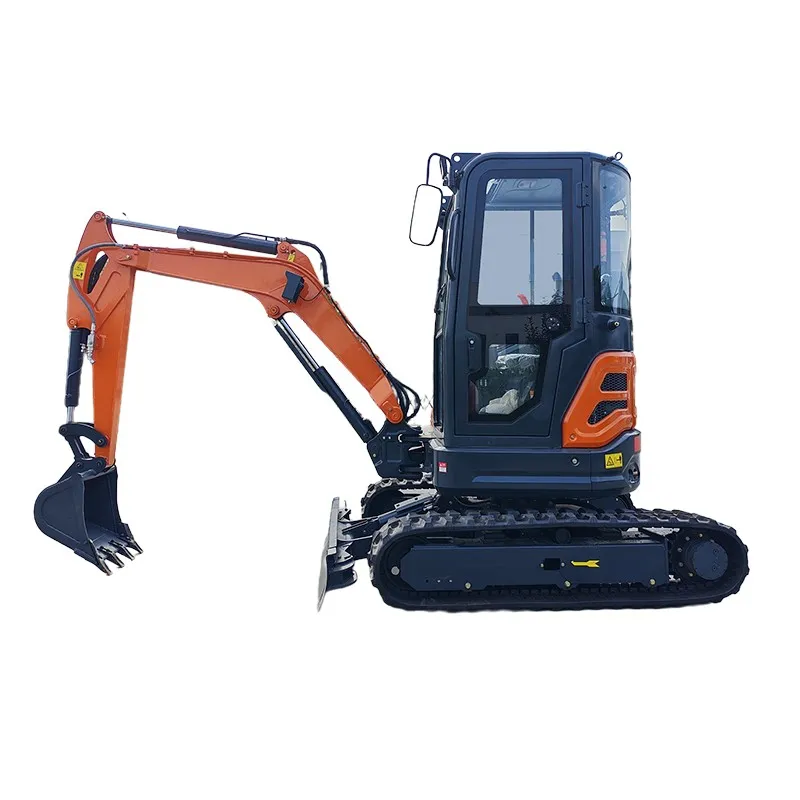
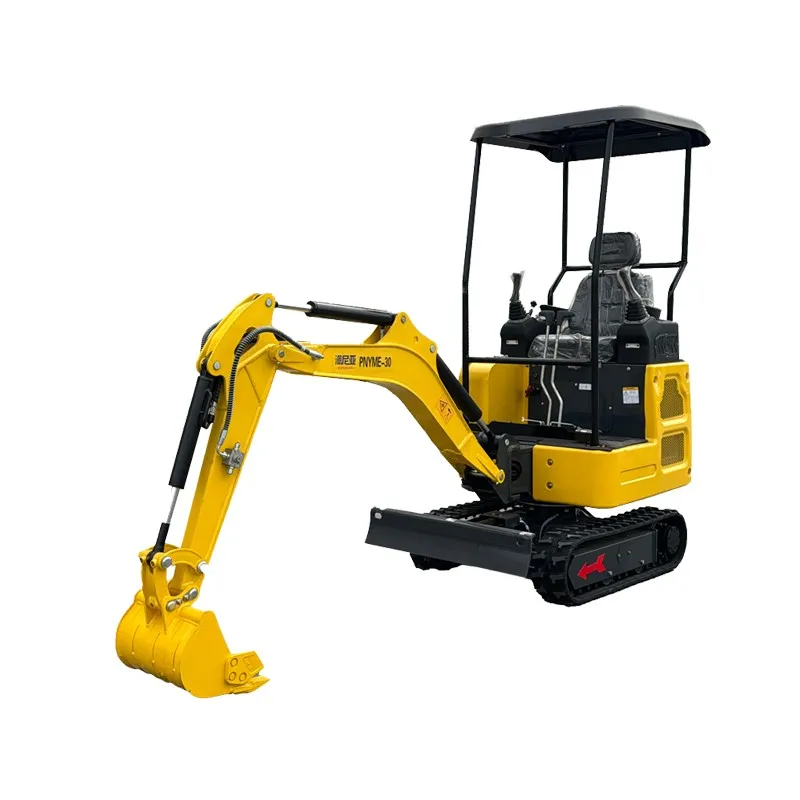
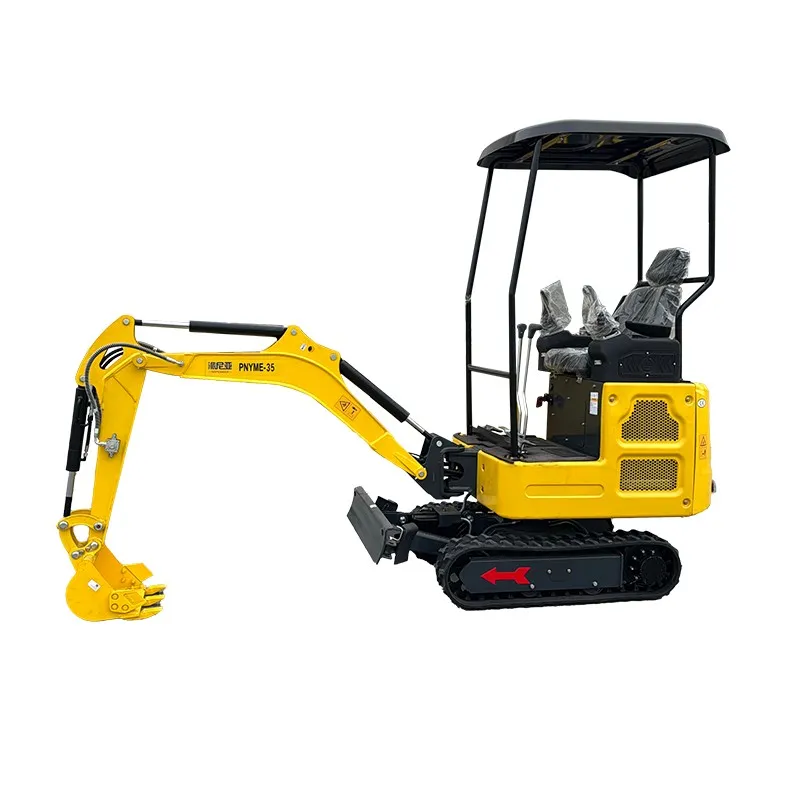
electric mini excavator
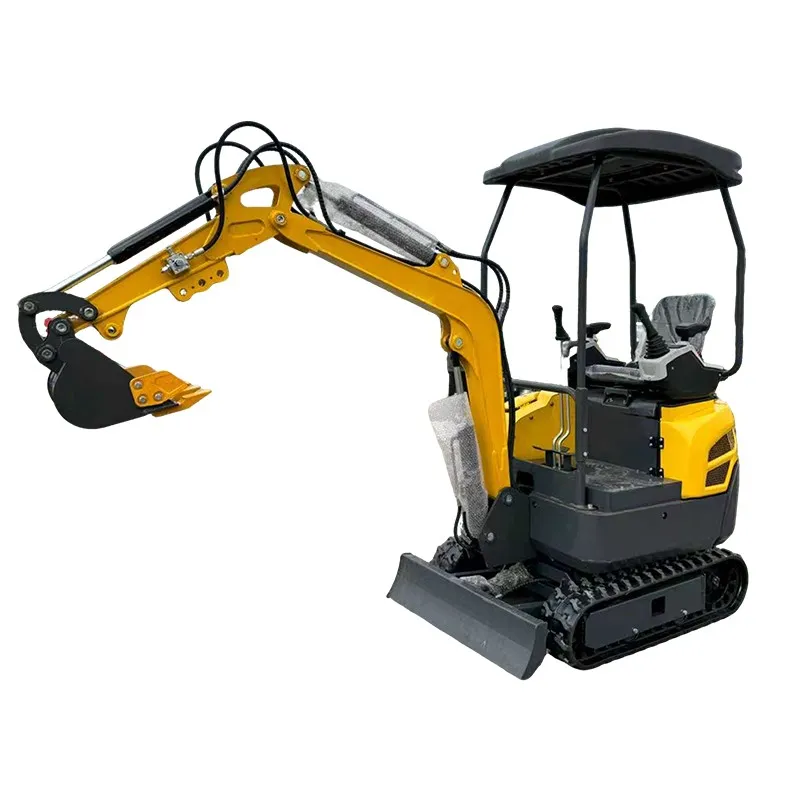
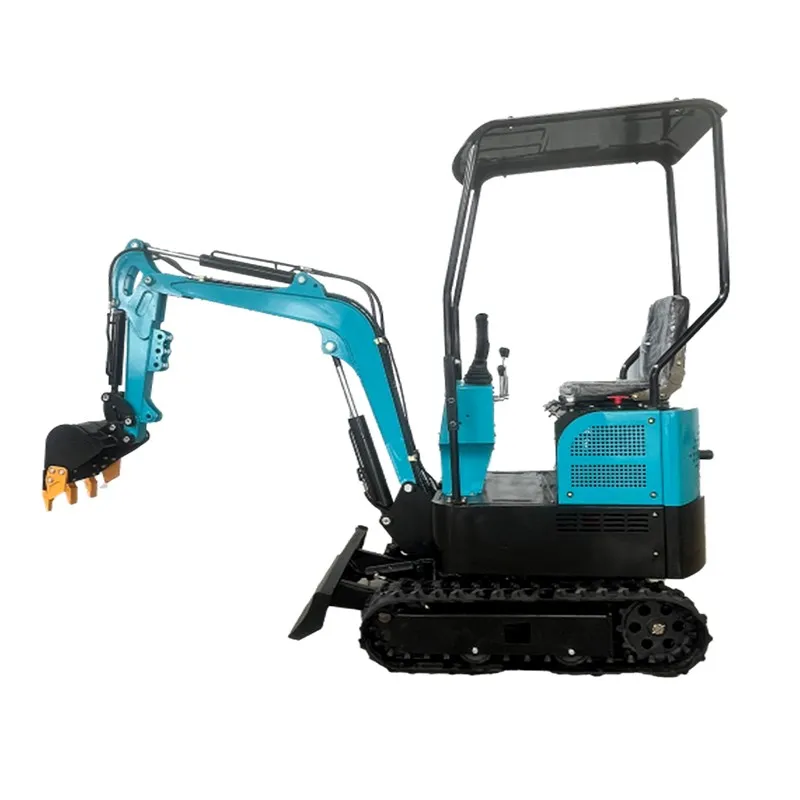
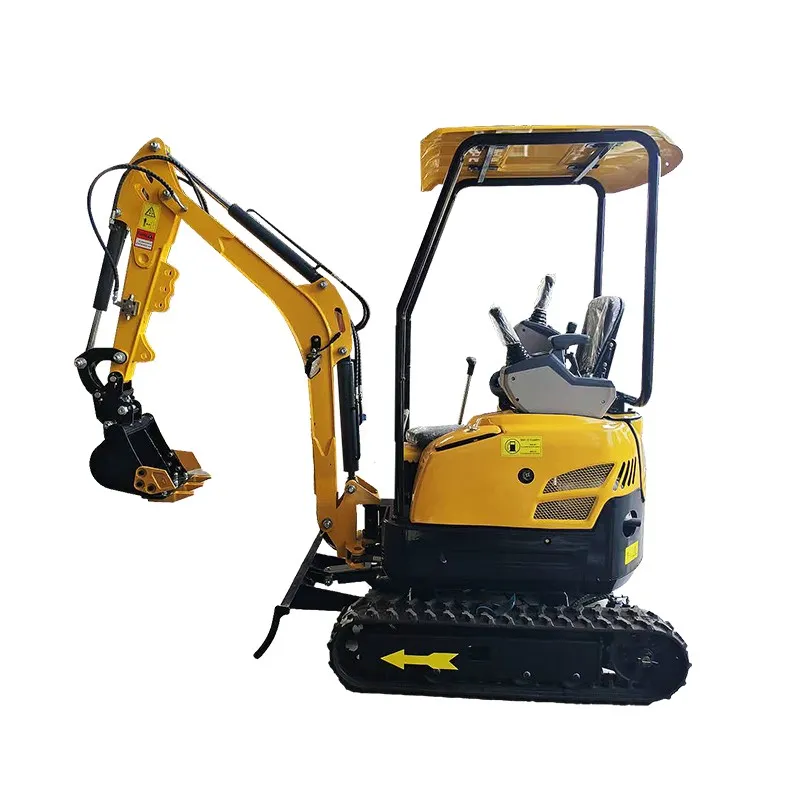
When you hear 'electric mini excavator', the first thing that comes to mind is probably zero emissions and quiet operation. That's the marketing pitch, and it's not wrong. But on a real site, that's just the entry ticket. The real conversation among operators and site managers isn't about being green; it's about whether the machine can actually do a full day's work without becoming a very expensive, static paperweight. I've seen too many people get hung up on the battery spec sheet without considering the hydraulic pump's efficiency or the controller's logic under load. The shift isn't just swapping a diesel tank for a battery pack; it's rethinking the entire workflow.
The Power Question Isn't Just About kWh
Everyone obsesses over the battery capacity—Is it 20 kWh or 40 kWh?—as if that's the only number that matters. In practice, it's almost secondary. I learned this the hard way on a landscaping job in a confined urban courtyard. We had a decently spec'd 1.8-ton electric model. The battery was ample for 6-7 hours of light work. The problem surfaced when we hit a patch of compacted, clay-heavy soil. The machine had the peak power to break it, but the continuous draw for precise, forceful digging and lifting quickly overheated the motor controller. It didn't fail completely, but it went into a derated power mode after about 20 minutes of that intense work. Suddenly, our full-day battery estimate was irrelevant. We were limited by thermal management, not charge.
This is where you see the difference between a converted design and a ground-up electric design. Some manufacturers, like Shandong Pioneer, whose units we've tested, seem to have grasped this. Looking at their newer models on their website, you can see they've started integrating the battery and motor cooling more centrally into the machine's architecture, not as an afterthought. It's a detail you only appreciate after sweating through a delay.
The other half of the power equation is the hydraulic system. An inefficient pump will drain your battery while delivering weak performance. A good electric mini excavator uses a variable-speed, electric-drive hydraulic pump. It only draws power proportional to the demand, unlike a diesel engine that runs at a constant high RPM. When you're just swinging the house or doing fine grading, the power draw is minimal. This is the secret to extending runtime, more so than just a bigger battery. You have to ask about the pump type.
The Real Cost: Acquisition vs. Total Job Cost
The upfront price still stings. No way around it. A quality electric mini ex can be 1.5 to 2 times the cost of its diesel equivalent. The financial argument hinges entirely on your operating environment. If you're working indoors, in noise-sensitive areas, or in cities with strict emissions zones, the diesel option isn't even on the table anymore—the permits and logistics kill it. The electric machine's premium is your ticket to that job.
But the calculus changes for general outdoor use. You're betting on lower maintenance (no engine oil, filters, DEF, exhaust after-treatment) and fuel cost. Charging is cheaper than diesel, but only if you have reasonable access to power. We once had to run a diesel generator to charge an excavator on a remote site, which was a farcical exercise in inefficiency. The total cost of ownership model only works if your charging infrastructure is aligned.
This is where the reliability and support chain of the manufacturer become critical. A company like Shandong Pioneer Engineering Machinery Co., Ltd, with two decades of development and a clear export footprint to markets like the US and Germany, typically has a more robust parts and support network. When we had a communication glitch with a controller on one of their earlier pilot units, their engineering team was able to diagnose it remotely and express-ship a replacement module. That depth of support is a tangible part of the total cost equation—it prevents a two-day downtime from swallowing your entire efficiency savings.
On-Site Practicalities: The Charging Hurdle
This might be the most underestimated factor. You need a 220V/380V power source, and not just any outlet. The charger needs a stable supply. On many construction sites, especially early-phase, power is unreliable or non-existent. We've adapted by using portable battery packs or scheduling digging work for the morning, then switching to lighter duties while charging from a temporary supply in the afternoon. It forces a different kind of site management.
Fast charging is touted as a solution, but it's expensive and puts more stress on the battery pack, potentially affecting its lifespan. For a firm running multiple shifts, it might be necessary. For most small to mid-sized contractors, overnight slow charging is the norm. This means the machine is essentially a single-shift asset unless you invest in multiple, swappable battery packs—an option some are now exploring, though it adds complexity and cost.
The cord itself is a tripping hazard and an operational constraint. You become acutely aware of your machine's rotation limits. Some newer models offer a brief period of cordless operation from onboard battery reserves for final positioning, which is a clever, practical touch born from real field experience.
Where It Shines (And Where It Doesn't)
After running several models, including a few from Pioneer's range, the ideal use case is clear: interior demolition, utility work in populated areas, landscaping in backyards, and any job where the peace and clean air directly translate to client satisfaction and access to more work. The ability to have a normal conversation next to the machine is a game-changer for safety and supervision.
It's less ideal, for now, for heavy, continuous trenching in tough material or for remote, off-grid jobs. The duty cycle limitations I mentioned earlier are real. You're not going to run a 2-ton electric mini excavator as a primary trenching machine for a water main in rocky soil for 10 hours straight. It's a tool for specific applications, not a universal replacement.
That said, the technology is moving fast. The machines we tested two years ago feel crude compared to what's coming out now. The integration is smoother, the software managing power is smarter, and the robustness is improving. Companies that have been in the manufacturing game, like the one behind sdpioneer.com, which consolidates both manufacturing (Hexin) and trade (Pioneer) expertise, are iterating quickly based on global feedback. You can see the evolution in their product lines.
The Verdict: A Specialist, Not a Savior
So, would I recommend an electric mini excavator? Absolutely, but not blindly. It's a fantastic specialist tool that opens doors to profitable jobs you simply cannot do with diesel. It reduces friction with clients and communities. But it requires a change in mindset. You're managing energy, not fuel.
Don't buy it based on brochure specs alone. Look at the thermal design of the drive system. Scrutinize the hydraulic efficiency. Most importantly, talk to the manufacturer about their support network and parts availability. A company with a long history like Shandong Pioneer, established in 2004 and now expanding its facilities, generally signals a commitment to the product lifecycle, not just making a quick sale.
The future is undoubtedly electric for this class of machinery. But we're in the early-adopter, refinement phase. The machines are becoming truly job-ready. The key is to match the machine's current capabilities to the right application, plan for the infrastructure, and partner with a supplier that understands the real-world grind, not just the showroom floor. That's how you make the numbers work and get the job done.
Related Products
Related Products