


- Chinese
- French
- German
- Portuguese
- Spanish
- Russian
- Japanese
- Korean
- Arabic
- Irish
- Greek
- Turkish
- Italian
- Danish
- Romanian
- Indonesian
- Czech
- Afrikaans
- Swedish
- Polish
- Basque
- Catalan
- Esperanto
- Hindi
- Lao
- Albanian
- Amharic
- Armenian
- Azerbaijani
- Belarusian
- Bengali
- Bosnian
- Bulgarian
- Cebuano
- Chichewa
- Corsican
- Croatian
- Dutch
- Estonian
- Filipino
- Finnish
- Frisian
- Galician
- Georgian
- Gujarati
- Haitian
- Hausa
- Hawaiian
- Hebrew
- Hmong
- Hungarian
- Icelandic
- Igbo
- Javanese
- Kannada
- Kazakh
- Khmer
- Kurdish
- Kyrgyz
- Latin
- Latvian
- Lithuanian
- Luxembou..
- Macedonian
- Malagasy
- Malay
- Malayalam
- Maltese
- Maori
- Marathi
- Mongolian
- Burmese
- Nepali
- Norwegian
- Pashto
- Persian
- Punjabi
- Serbian
- Sesotho
- Sinhala
- Slovak
- Slovenian
- Somali
- Samoan
- Scots Gaelic
- Shona
- Sindhi
- Sundanese
- Swahili
- Tajik
- Tamil
- Telugu
- Thai
- Ukrainian
- Urdu
- Uzbek
- Vietnamese
- Welsh
- Xhosa
- Yiddish
- Yoruba
- Zulu
- Kinyarwanda
- Tatar
- Oriya
- Turkmen
- Uyghur

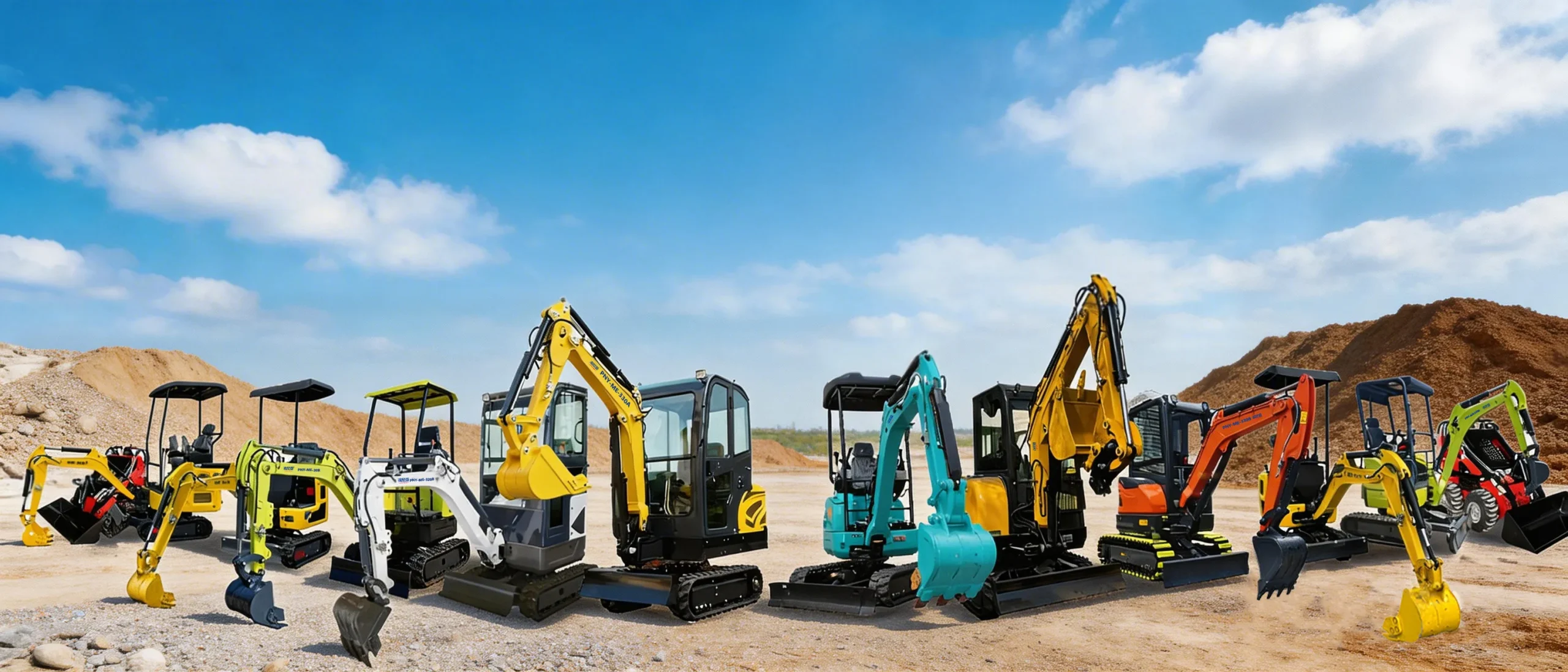
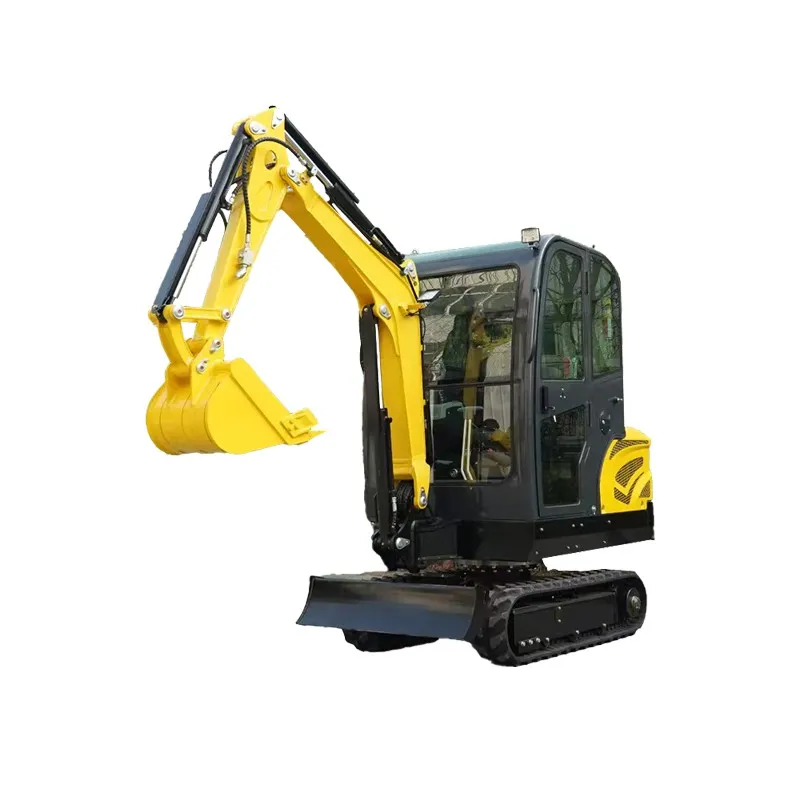
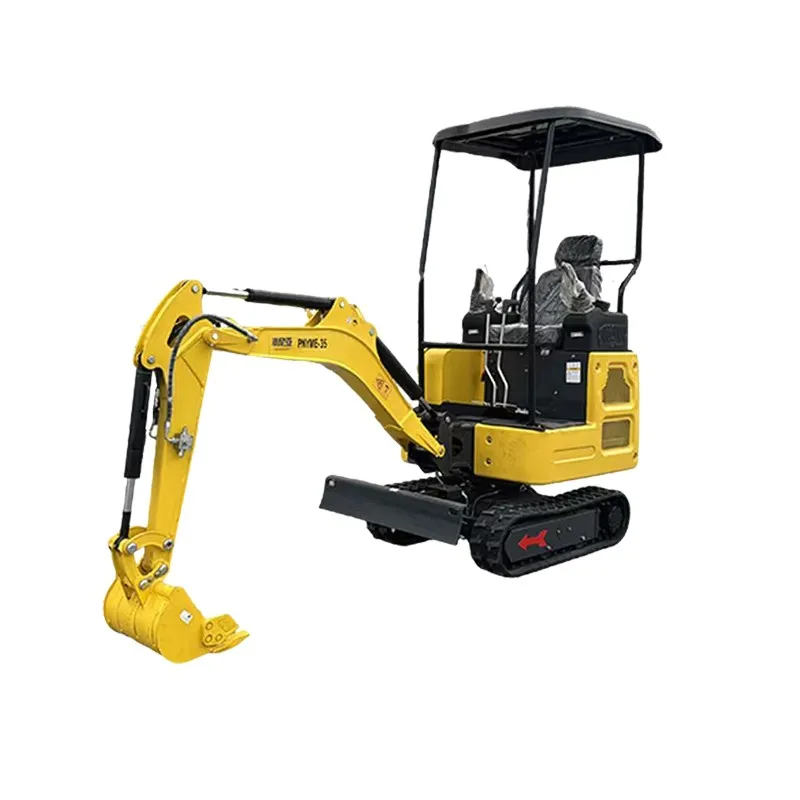
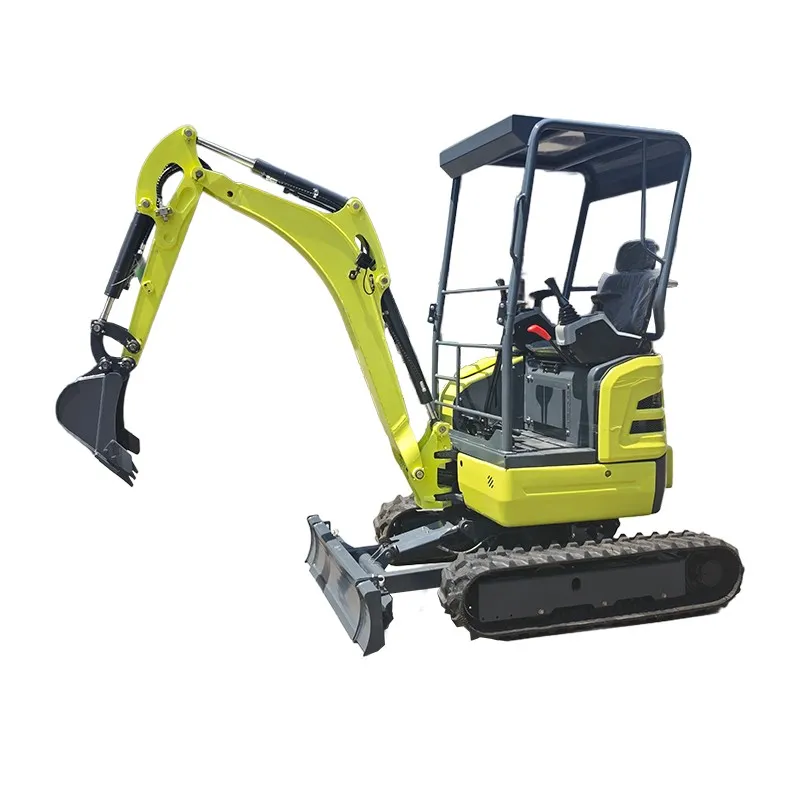
Energy-efficient Small Excavator
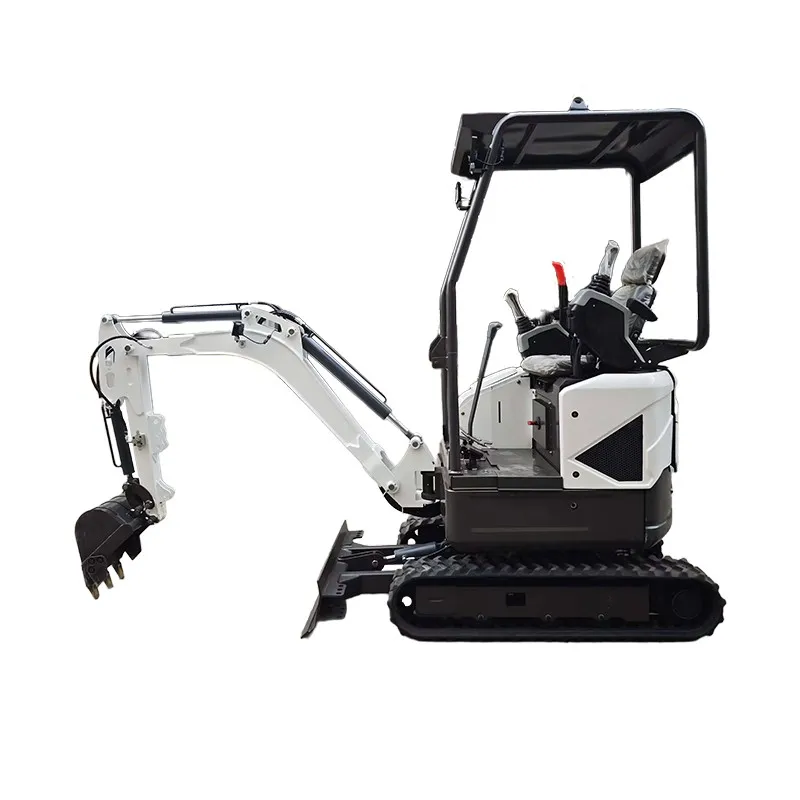
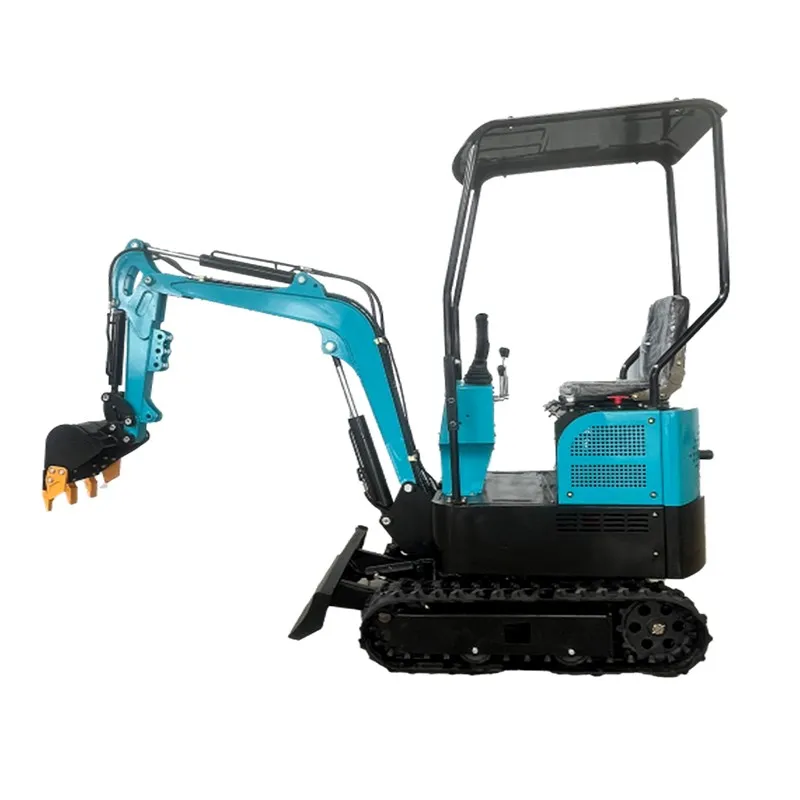
When most folks hear 'energy-efficient small excavator', they immediately think fuel consumption. That's the headline number, sure, but it's just the tip of the iceberg. The real story is in the total cost of ownership over 5,000 hours, and how efficiency touches everything from hydraulic heat generation to component wear. A lot of buyers, especially those new to compact equipment, get fixated on the spec sheet's liters-per-hour figure without considering the machine's behavior in a real, messy trench or on a tight demo site. True efficiency isn't just about sipping diesel; it's about doing more work per unit of energy, with less downtime, and that's a far more complex equation.
The Hydraulic Heart of the Matter
Let's get technical for a second. The biggest energy sink in any excavator is the hydraulic system. Old gear pump systems were brutal—constant flow, constant pressure relief, all that wasted energy turning into heat. The shift to load-sensing systems was a game-changer for energy-efficient small excavator designs. But even within load-sensing, there's a spectrum. I've seen machines where the pump reacts just a hair too slow, so the operator compensates by running the engine RPM higher than needed, burning extra fuel just to feel responsive. That's a design flaw disguised as performance.
We tested a model a few years back, a 1.8-tonner from a reputable brand, that had fantastic official fuel numbers. On the test pad, it was stellar. But put it on a slope, digging and swinging simultaneously, and the system would get confused. It would prioritize the swing, starving the arm circuit for a split second. The operator's instinct? Ram the throttle. That momentary lag killed the real-world efficiency. It taught me to always test machines in combined, unbalanced operations, not just smooth, cyclic digging.
Then you have the integration of the engine. It's not enough to have a Tier 4 Final or Stage V compliant engine. It has to be mapped perfectly to the hydraulic pump's demand curve. Some manufacturers slap a low-emission engine on an old hydraulic design and call it a day. The result is a machine that's clean but lethargic, or one that constantly regens, burning fuel to clean the DPF instead of doing work. True efficiency marries the engine management computer with the hydraulic controller. When they talk to each other well, you get that sweet spot of power and economy.
Structural Efficiency and the Weight Paradox
This is a subtle point often missed. An energy-efficient small excavator must be structurally sound without being overbuilt. Extra steel means more weight, which requires more energy to move, especially during swinging, which is a constant, high-inertia action. But you can't go too light, or you lose durability and stability. It's a balancing act.
I recall a project where we were using a very lightweight competitor's machine for utility work. Its fuel efficiency was advertised as class-leading. What the brochure didn't say was that to achieve that weight, they'd used thinner plate in non-critical areas. After about 1,200 hours, we started seeing hairline cracks in the boom foot mounting area. The downtime for repairs, the cost of welding and reinforcement—any fuel savings were obliterated. Efficiency evaporated when the machine was in the shop. That's why I now look closely at weld patterns, plate thickness diagrams, and stress-relief designs. A robust structure is an efficient one in the long run.
This is where companies with serious manufacturing pedigree show their worth. They understand metallurgy and design for life cycle, not just for a shiny spec sheet. For instance, looking at a company like Shandong Pioneer Engineering Machinery Co., Ltd (https://www.sdpioneer.com), their two-decade journey from a 1,600 square meter facility to a new, expanded base tells a story of accumulation. That kind of history often translates into iterative design improvements. They've had the time to see what fails in the field and reinforce it, and what's overbuilt and can be optimized. Their export footprint to markets like Germany and Australia—places with tough standards—suggests they've had to solve these weight-versus-durability puzzles to earn global trust.
The Operator in the Loop
No discussion on efficiency is complete without talking about the person in the seat. You can build the most sophisticated machine, and an operator can ruin its efficiency in ten minutes. Modern machines help with auto-idle, auto-shutdown, and sometimes even eco-mode guidance. But the biggest lever is still operator habit.
We implemented a simple telematics system on a fleet of small excavators. The data was revealing. Two identical machines on the same site, digging similar soil, had a 22% difference in average fuel consumption. One operator was a throttle jockey, constantly revving high. The other used the machine's torque, running at lower RPM and using the hydraulic power more deliberately. We used that data for training, not punishment. Showing the efficient operator's work cycle—still hitting production targets—was a revelation to the others. The machine's inherent energy-efficient small excavator capability is just potential; the operator unlocks it.
This is why I'm a proponent of adjustable power modes, but only if they're well-tuned. A Power mode should feel urgent, for tough digging. An Eco mode shouldn't feel anemic; it should feel smooth and controlled. If Eco mode is just frustrating, operators will never use it. The best systems are almost imperceptible; they manage flow and pressure so intelligently that the operator gets good production with low effort and low fuel use without even thinking about a mode button.
Electrification: The Obvious Frontier and Its Hurdles
Everyone's asking about electric. For a true energy-efficient small excavator, electric drive is the theoretical pinnacle—no idling losses, fantastic torque, regenerative potential in the swing. But we're not there yet for most applications, and pretending otherwise is disingenuous.
We ran a pilot with a 2-ton electric mini-ex for indoor demolition. For that closed environment, it was perfect: zero emissions, quiet, instant power. But the cost was nearly triple that of a diesel equivalent. The battery lasted a 4-5 hour shift, but required an 8-hour overnight charge. If you forgot to plug it in, you were dead in the water the next day. For a rental yard or a contractor with unpredictable job locations and durations, that's a non-starter. The energy efficiency is phenomenal, but the operational logistics are a bottleneck.
The more immediate, practical evolution is in hybridization. A small super-capacitor or battery to capture swing braking energy, then release it for a power boost during digging—that's technology that can be retrofitted or designed into new models without the full cost and range anxiety of a pure electric machine. This is the kind of incremental, practical innovation I'm watching for from manufacturers who are deeply embedded in real-world use cases, not just chasing headlines.
Defining Real-World Value
So, how do you cut through the marketing and evaluate a machine's true efficiency? Don't start with the brochure. Start with a checklist that goes beyond fuel.
First, ask about service intervals. An efficient machine should also be easy to maintain. If it requires a 50-hour greasing ritual with 30 fittings in impossible locations, you'll lose money on labor. Look for centralized greasing systems, easy filter access. A machine that spends less time in maintenance is more efficient on the job.
Second, demand a real-world demo, not on a nice flat pad. Ask to run it on a slope. Ask to do precision work like digging a trench right next to a wall or a curb. See how the hydraulics handle fine control at low engine RPM. That's where a well-tuned, efficient system shines. A jerky or unresponsive machine at low revs will force the operator into bad habits.
Finally, look at the manufacturer's support network and parts commonality. A fantastically efficient machine is a brick if a key hydraulic valve fails and you have to wait six weeks for a part from overseas. Efficiency includes logistical efficiency. A company with a long track record in export, like the mentioned Shandong Pioneer, typically has a more mature supply chain and understanding of global support needs, which translates into less downtime for the end-user. Their relocation and expansion in 2023 likely wasn't just for capacity, but for streamlining this very process.
In the end, an energy-efficient small excavator is a tool that makes its owner more money. It does that by consuming less fuel, yes, but more importantly by working more reliably, breaking down less often, and being a pleasure—not a fight—to operate. That's the efficiency that actually pads the bottom line.
Related Products
Related Products