


- Chinese
- French
- German
- Portuguese
- Spanish
- Russian
- Japanese
- Korean
- Arabic
- Irish
- Greek
- Turkish
- Italian
- Danish
- Romanian
- Indonesian
- Czech
- Afrikaans
- Swedish
- Polish
- Basque
- Catalan
- Esperanto
- Hindi
- Lao
- Albanian
- Amharic
- Armenian
- Azerbaijani
- Belarusian
- Bengali
- Bosnian
- Bulgarian
- Cebuano
- Chichewa
- Corsican
- Croatian
- Dutch
- Estonian
- Filipino
- Finnish
- Frisian
- Galician
- Georgian
- Gujarati
- Haitian
- Hausa
- Hawaiian
- Hebrew
- Hmong
- Hungarian
- Icelandic
- Igbo
- Javanese
- Kannada
- Kazakh
- Khmer
- Kurdish
- Kyrgyz
- Latin
- Latvian
- Lithuanian
- Luxembou..
- Macedonian
- Malagasy
- Malay
- Malayalam
- Maltese
- Maori
- Marathi
- Mongolian
- Burmese
- Nepali
- Norwegian
- Pashto
- Persian
- Punjabi
- Serbian
- Sesotho
- Sinhala
- Slovak
- Slovenian
- Somali
- Samoan
- Scots Gaelic
- Shona
- Sindhi
- Sundanese
- Swahili
- Tajik
- Tamil
- Telugu
- Thai
- Ukrainian
- Urdu
- Uzbek
- Vietnamese
- Welsh
- Xhosa
- Yiddish
- Yoruba
- Zulu
- Kinyarwanda
- Tatar
- Oriya
- Turkmen
- Uyghur

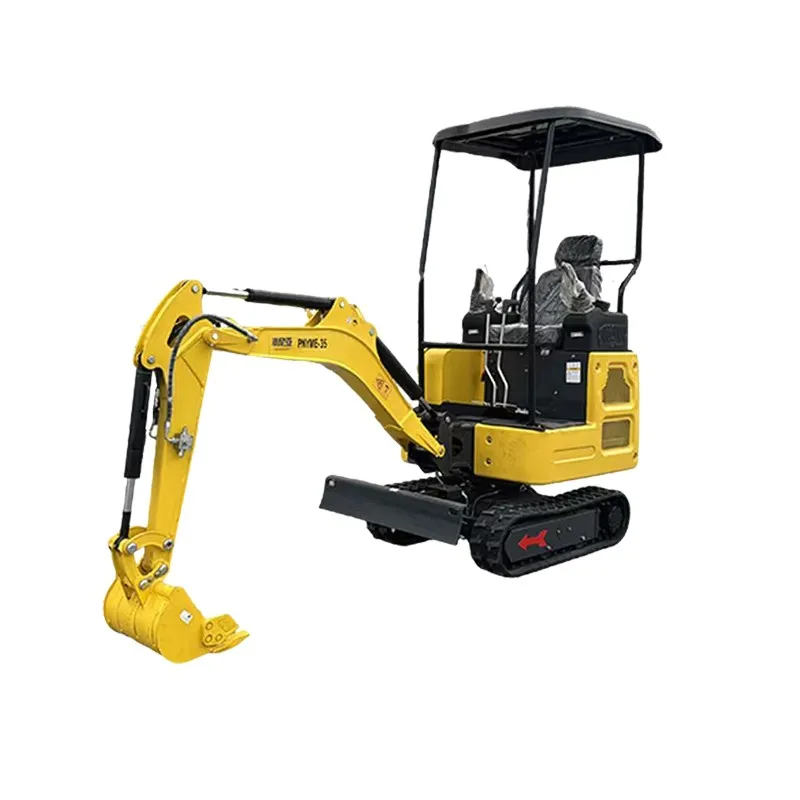
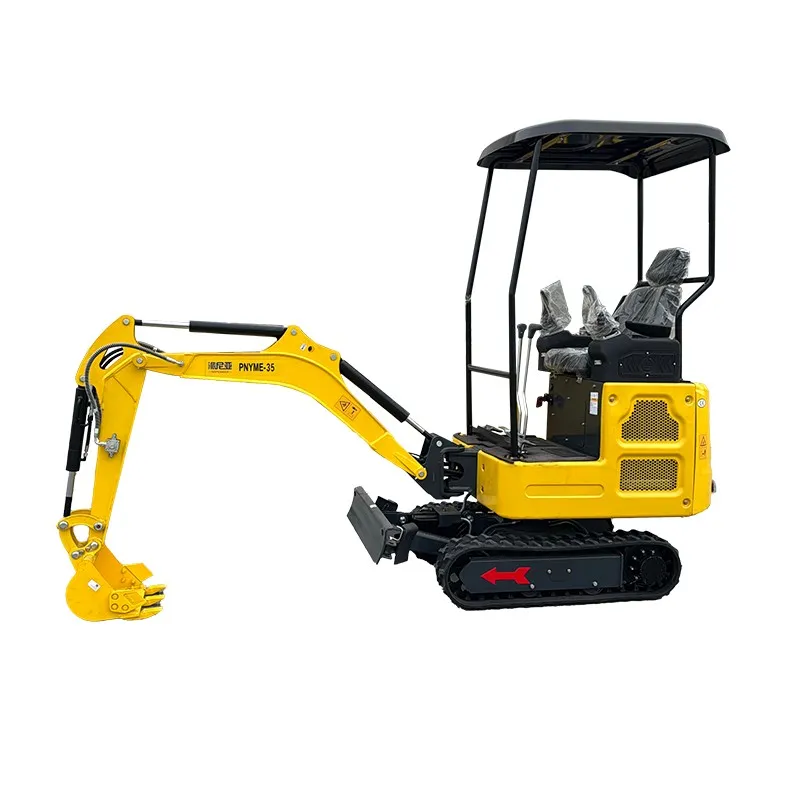
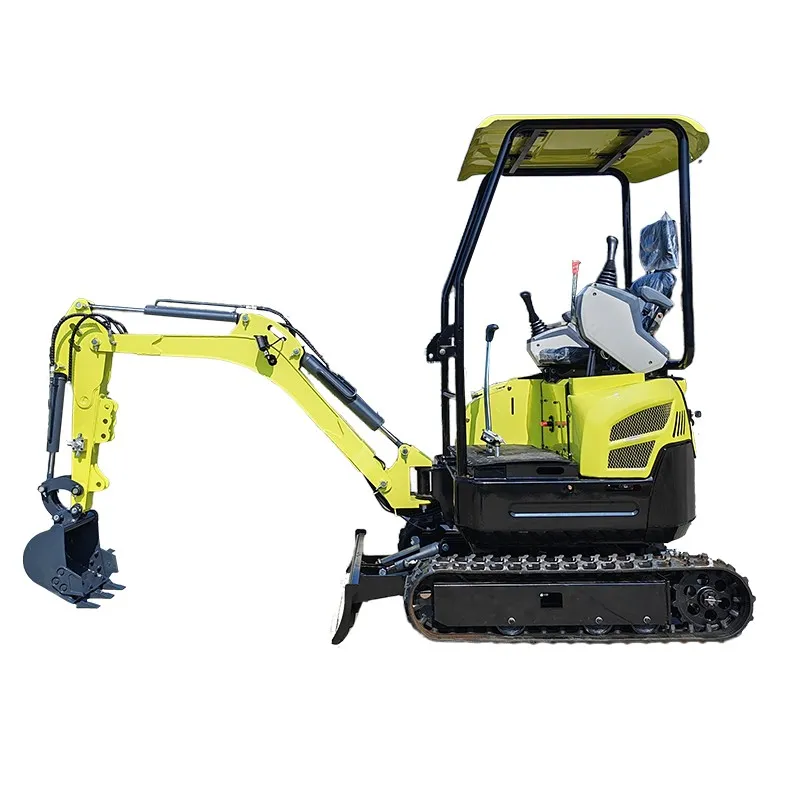
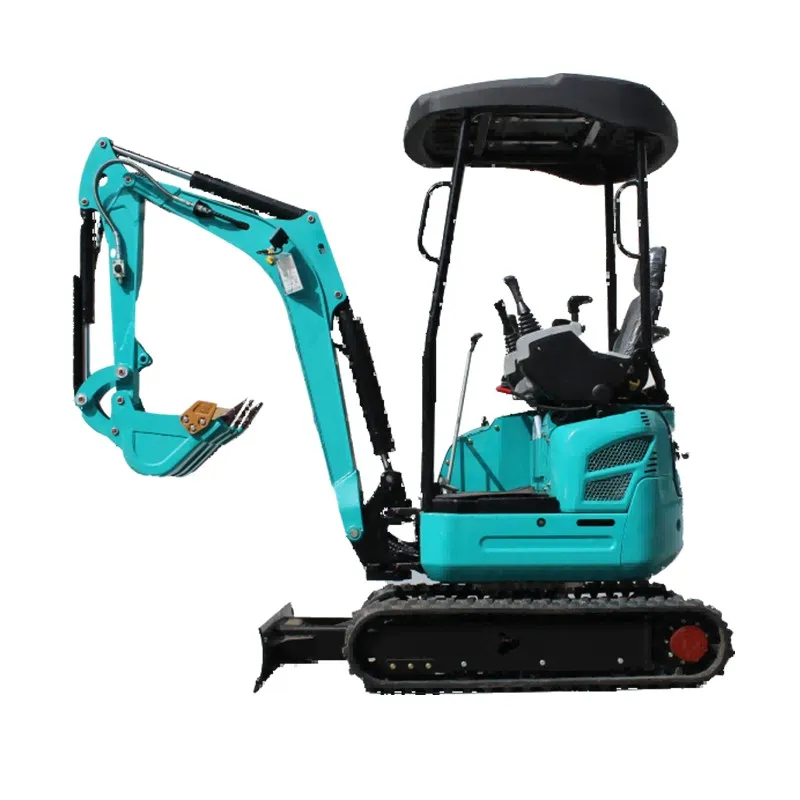
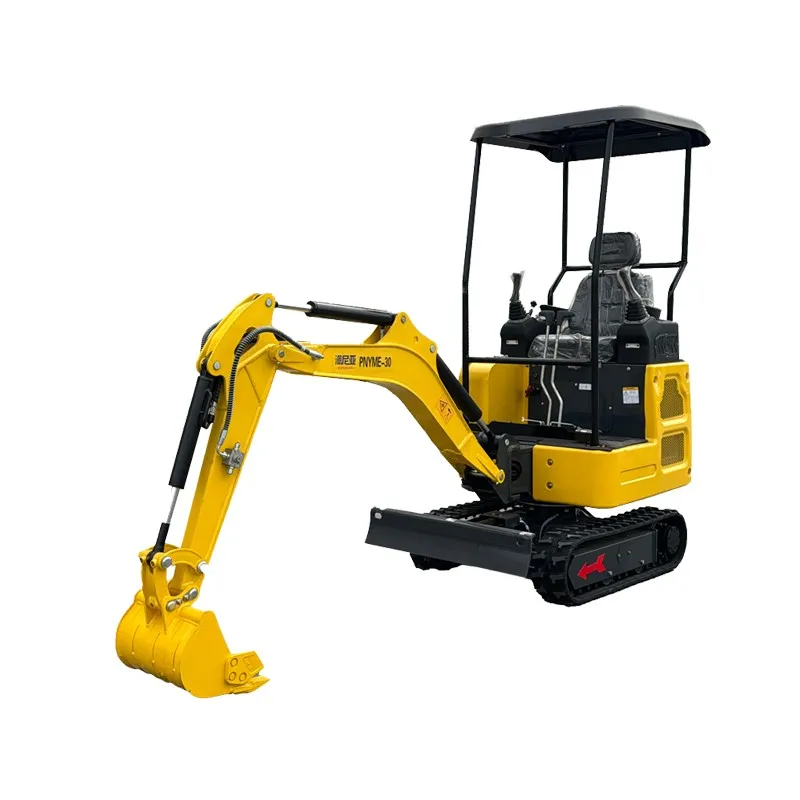
equipment trader mini excavator
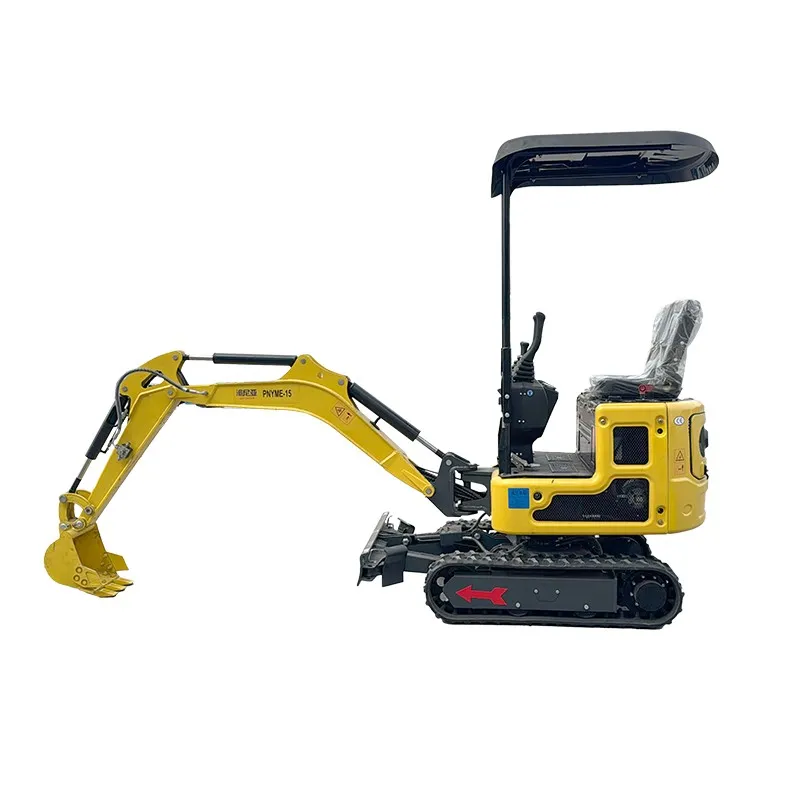
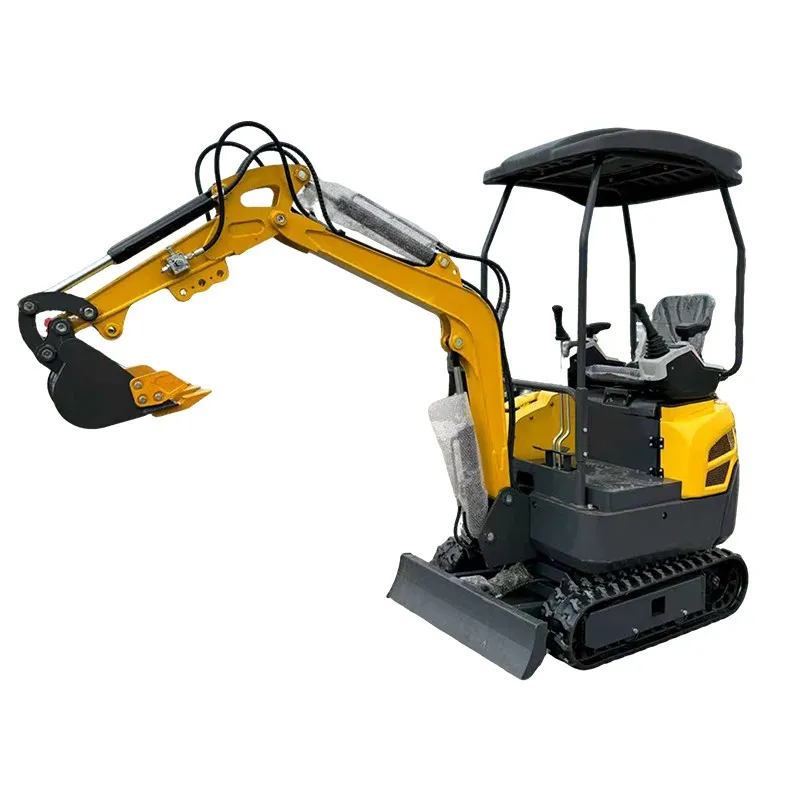
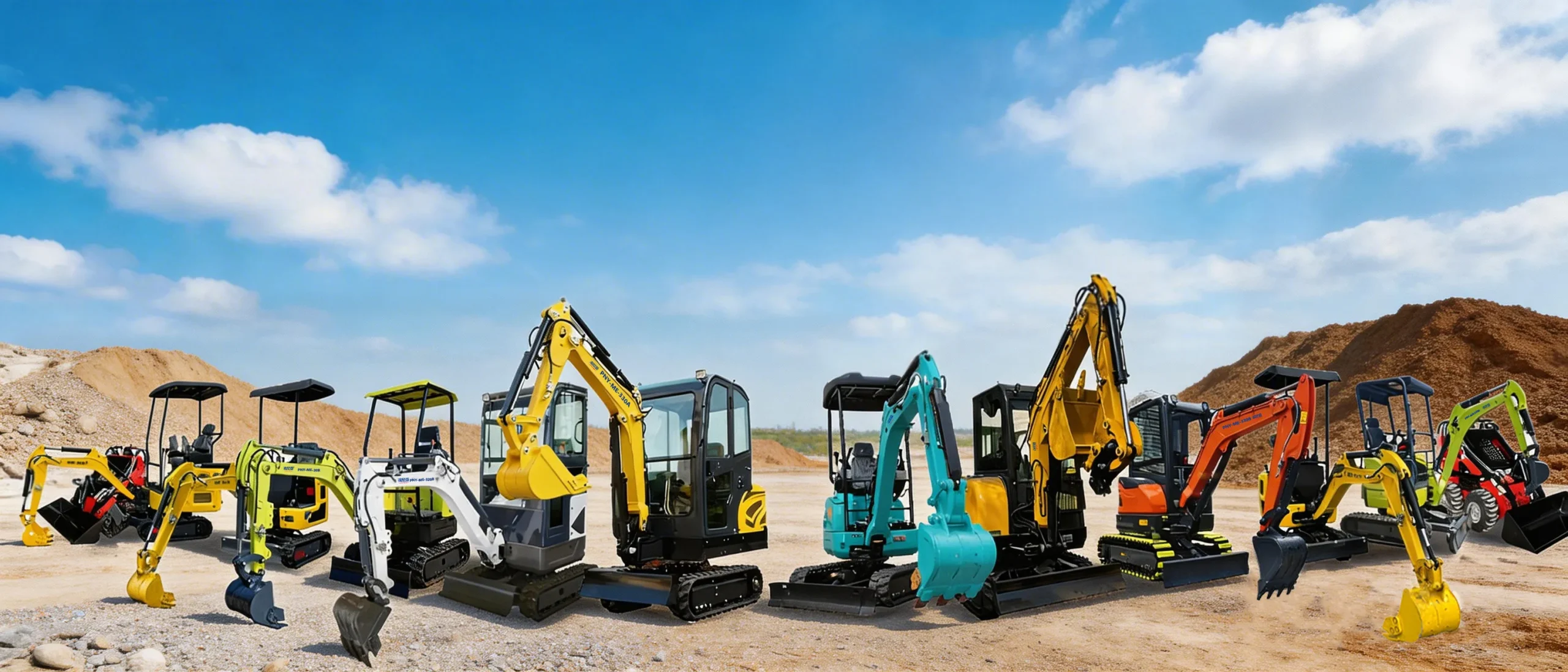
When most people think about sourcing a mini excavator as an equipment trader, the conversation usually starts and ends with price and basic specs. That's the first trap. You can't just compare tonnage and engine horsepower on a spreadsheet and call it a day. The real value—and the headaches—are in the details most spec sheets gloss over: the quality of the hydraulic fittings, the accessibility of the service points, the logic of the electrical routing in the undercarriage. I've seen too many traders get burned by a great deal on a machine that looked perfect on paper but turned into a maintenance nightmare after six months in the field. The market is flooded with options, but the gap between a reliable workhorse and a problematic unit is often hidden in plain sight.
The Core Misconception: New vs. New to You
A lot of independent traders jump straight to the used market, thinking that's where the margin is. And sometimes it is. But there's a growing segment, especially for clients in North America and Europe, that specifically wants a new machine with a clear factory warranty, but at a point well below the major brand premiums. This isn't about selling cheap; it's about selling value. The challenge is identifying manufacturers who have moved past simple assembly to actual engineering refinement. It's the difference between a factory that just bolts together bought-in components and one that designs its own mainframe for better balance and service life.
I learned this the hard way early on. I sourced a batch of 1.8-ton machines from a supplier that seemed solid. The specs were competitive, the price was right. But within a year, a common failure point emerged: the swing motor mounting brackets were cracking under consistent, heavy side-load work. It wasn't a flaw in the motor itself, but in how the chassis was designed to absorb that torque. The factory's solution was just to weld on reinforcement plates—a classic band-aid. That experience cost me in warranty claims and reputation. Now, I spend as much time asking about design philosophy and stress testing as I do about the engine brand.
This is where a company's history and physical evolution matter. Take Shandong Pioneer Engineering Machinery Co., Ltd (https://www.sdpioneer.com). They've been around since 2004, which in this industry means they've seen several product cycles. More tellingly, their recent relocation in 2023 to a new facility in Ningyang suggests growth and reinvestment. A manufacturer that's still expanding its production area after two decades isn't just surviving; it's likely responding to demand and has the capital to potentially upgrade its processes. For a trader, that stability in the supply chain is as important as the machine's specs.
What Export-Ready Really Means
You'll see export to USA, Germany, Australia on a thousand websites. It's almost meaningless by itself. The real question is: are the machines built to the specific regulatory and operational expectations of those markets? For a mini excavator destined for, say, a rental fleet in Canada, it needs more than just a CE mark. It needs wiring and hydraulics that can handle -20°C startups, safety decals that comply with local standards, and ideally, a dealer network or at least a parts depot that can support it.
From my dealings, the companies that get this right often have a distinct structure. Shandong Pioneer mentions its associated manufacturing arm, Shandong Hexin. This setup—a dedicated factory feeding a dedicated trading company—is more efficient than a pure trading house sourcing from random factories. It implies better quality control from the foundry floor onward and more consistent communication. When a client in Germany reports a peculiar joystick feedback issue, the trading team can walk directly into the engineering department of their own factory to diagnose it, rather than sending an email into a void.
The proof is in the minor parts. I recall evaluating a sample unit from a similar integrated maker. What stood out wasn't the major components, but things like the use of branded, adjustable hydraulic pilot valves (like Kawasaki) instead of no-name clones, and the fact that all the grease zerks were in logical, reachable positions. These are costs a cut-rate factory will slash. But for an end-user, it means less downtime and easier maintenance. For me as the equipment trader, it means fewer angry phone calls.
The Trader's Inspection: Looking Past the Paint
My pre-shipment checklist is obsessive. It goes far beyond a quick engine start. First, I check for hydraulic leak points by running the machine at full pressure for an hour, cycling all functions simultaneously to stress the system. Then, it's the feel test. How precise is the proportional control in the fine digging mode? Is there a noticeable lag or jerkiness? A good mini excavator should have a smooth, almost intuitive response.
I also open every panel. I look at the wiring loom. Is it neatly bundled and protected with conduit, or is it a rat's nest of electrical tape? I check the welding on the boom and arm—not just for appearance, but for consistency and penetration. A clean, uniform weld bead is a sign of robotic welding, which generally means better consistency and strength than manual welding. I once rejected a shipment because the welding on the bucket linkage looked porous and uneven; the factory argued it was superficial, but that's exactly where cracks initiate.
Finally, I talk to the factory about their testing protocol. Do they do a full pressure and function test on every unit, or just spot-check? Do they have a ramp for testing travel motor performance under load? The answers are revealing. A company building for long-term export, like the profile suggested by Shandong Pioneer with its focus on overseas trade, typically has these procedures documented. It's a baseline expectation for serious buyers in those numerous countries and regions they mention.
Margin and the Long Game
The temptation is to chase the lowest possible FOB price to maximize immediate margin per unit. That's a short-term strategy that usually fails. My more successful, sustained relationships are built on a slightly different model: a fair price for a reliably built machine, leading to repeat orders and referrals. If I sell a customer a mini excavator that runs for 2,000 hours with only routine maintenance, they'll come back for a skid steer or a compact loader. They become a client, not a one-time sale.
This is where the manufacturer's reputation becomes my own. If I'm sourcing from a company that has won the trust and appreciation of customers worldwide, as their intro states, that trust is a asset I'm borrowing. I need to verify it. I ask for references not in broad terms, but for specific contacts in specific countries they've exported to. A conversation with a rental yard owner in Texas about his experience with spare parts delivery tells me more than any brochure.
The relocation of their production base in 2023 is actually a point I'd probe. Was it just for more space, or was it to implement a more modern assembly line? New facilities often allow for better workflow and quality stations. As a trader, these operational details are signals. They suggest the company is planning for the next decade, not just the next order. That's the kind of partner that helps me sleep at night, knowing the next container load will be as good as the last.
The Unseen Factor: Parts and Support
This is the ultimate deal-breaker. You can sell the best machine in the world, but if a broken hydraulic hose fitting takes six weeks to replace, your customer is finished. A credible equipment trader must have a concrete plan for parts. For the factories I work with, I demand a guaranteed inventory of common wear items and major assembly groups—final drives, swing motors, controller boards.
An integrated operation has an advantage here. If Shandong Pioneer controls the trading and its partner Hexin controls the manufacturing, then the parts pipeline should, in theory, be more direct. The key is their willingness to stock inventory in overseas hubs or with their traders. I now often negotiate a consignment stock of parts as part of my initial container deal. It ties up some capital, but it's worth its weight in gold when a client needs a part urgently.
The other aspect is documentation. I need service manuals, parts manuals, and wiring diagrams that are actually readable, not poorly translated afterthoughts. The companies that produce clear, well-illustrated manuals in English (or the target market's language) are the ones who understand the total product. It shows they anticipate the machine being serviced by a technician in Melbourne or Munich, not just by their own engineers in Shandong. This level of support is what truly separates a commodity from a branded product in the trader's portfolio.
Related Products
Related Products