



- English
- Chinese
- French
- German
- Portuguese
- Spanish
- Russian
- Japanese
- Korean
- Arabic
- Irish
- Greek
- Turkish
- Italian
- Danish
- Romanian
- Indonesian
- Czech
- Afrikaans
- Swedish
- Polish
- Catalan
- Esperanto
- Hindi
- Lao
- Albanian
- Amharic
- Armenian
- Azerbaijani
- Belarusian
- Bengali
- Bosnian
- Bulgarian
- Cebuano
- Chichewa
- Corsican
- Croatian
- Dutch
- Estonian
- Filipino
- Finnish
- Frisian
- Galician
- Georgian
- Gujarati
- Haitian
- Hausa
- Hawaiian
- Hebrew
- Hmong
- Hungarian
- Icelandic
- Igbo
- Javanese
- Kannada
- Kazakh
- Khmer
- Kurdish
- Kyrgyz
- Latin
- Latvian
- Lithuanian
- Luxembou..
- Macedonian
- Malagasy
- Malay
- Malayalam
- Maltese
- Maori
- Marathi
- Mongolian
- Burmese
- Nepali
- Norwegian
- Pashto
- Persian
- Punjabi
- Serbian
- Sesotho
- Sinhala
- Slovak
- Slovenian
- Somali
- Samoan
- Scots Gaelic
- Shona
- Sindhi
- Sundanese
- Swahili
- Tajik
- Tamil
- Telugu
- Thai
- Ukrainian
- Urdu
- Uzbek
- Vietnamese
- Welsh
- Xhosa
- Yiddish
- Yoruba
- Zulu
- Kinyarwanda
- Tatar
- Oriya
- Turkmen
- Uyghur

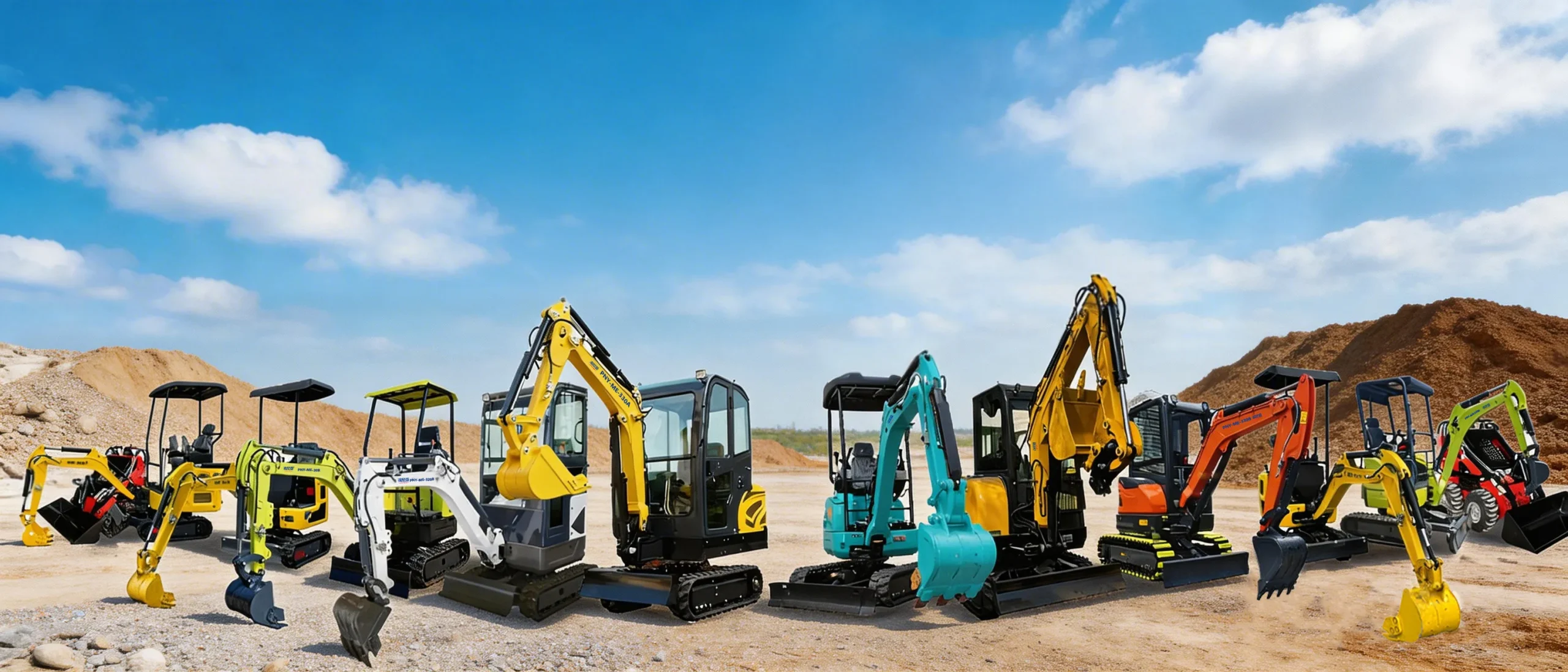
Doosan Mini Excavator Price & Specs 2026
2026-10-16
- 2026 Doosan Mini Excavator Market Overview
- Key Specifications: What to Expect in 2026 Models
- Doosan Mini Excavator Price Analysis 2026
- Operational Features and Operator Comfort
- Application Scenarios: Where Mini Excavators Excel
- Maintenance and Longevity Best Practices
- How to Choose the Right Mini Excavator
- Frequently Asked Questions (FAQ)
- Conclusion: Making the Smart Investment in 2026
Understanding the Doosan mini excavator price & specs for 2026 requires analyzing hydraulic efficiency, engine performance, and total cost of ownership. These compact machines, typically ranging from 1 to 6 tons, are engineered for urban construction, landscaping, and utility work. In 2026, buyers prioritize fuel economy, operator comfort, and attachment compatibility. While OEM prices vary by region and configuration, the market trend favors models with advanced emission-compliant engines and smart hydraulic systems. This guide details technical specifications, pricing factors, and selection criteria to help contractors and equipment managers make informed procurement decisions.
2026 Doosan Mini Excavator Market Overview
The compact excavator sector has evolved significantly heading into 2026. Demand is driven by infrastructure renewal projects and strict urban noise regulations. Doosan (now part of HD Hyundai Construction Equipment) continues to refine its lineup to meet these challenges. The focus has shifted from raw power to precision control and operational efficiency.
For international buyers, especially in North America, Europe, and Australia, the definition of value has changed. It is no longer just about the initial purchase price. Buyers are evaluating lifecycle costs, including maintenance intervals, fuel consumption per hour, and resale value. The integration of telematics and easier service access points are now standard expectations rather than premium features.
This shift impacts how distributors and manufacturers approach the supply chain. Companies with strong manufacturing backbones, such as Shandong Hexin and its overseas trade arm Shandong Pioneer, have adapted by ensuring that component quality matches global OEM standards. With a production history dating back to 2004 and a recent relocation to a larger facility in Tai’an City in 2023, such manufacturers support the broader ecosystem by supplying high-precision arms, booms, and buckets that meet the rigorous demands of modern mini excavators.
Key Specifications: What to Expect in 2026 Models
When evaluating a Doosan mini excavator, specific technical parameters determine suitability for your job site. The 2026 lineup generally falls into three weight classes: micro (1-2 tons), standard mini (3-4 tons), and large mini (5-6 tons). Each class serves distinct operational needs.
Engine Performance and Emissions
Modern mini excavators must comply with stringent emission standards, such as EPA Tier 4 Final in the US and Stage V in Europe. The 2026 models utilize advanced diesel engines that balance power output with fuel efficiency. Key features include:
- Auto-Idle System: Reduces engine RPM when hydraulics are not in use, saving up to 10% in fuel costs.
- Eco Mode: Optimizes hydraulic flow for lighter tasks, reducing unnecessary energy consumption.
- Cold Start Capability: Enhanced pre-heating systems ensure reliable starts in sub-zero temperatures, crucial for Canadian and Northern European markets.
Hydraulic System Efficiency
The heart of any excavator is its hydraulic system. Doosan’s variable displacement piston pumps provide smooth, simultaneous movement of the boom, arm, and bucket. In 2026, the focus is on “flow sharing” technology, which prioritizes hydraulic pressure to the function requiring the most power. This results in faster cycle times and more precise control during delicate lifting or digging operations.
Dimensions and Reach
Compactness is the primary selling point of mini excavators. However, reach and digging depth cannot be compromised. The 2026 specs emphasize an optimized center of gravity, allowing for greater stability without increasing the machine’s footprint. This enables operation in confined spaces, such as residential backyards or indoor demolition sites, while still achieving competitive digging depths.
| Model Class | Operating Weight (kg) | Engine Power (kW) | Max Digging Depth (mm) | Bucket Capacity (m³) |
|---|---|---|---|---|
| Micro (1-2T) | 1,000 – 2,000 | 10 – 15 | 1,500 – 2,200 | 0.02 – 0.05 |
| Standard Mini (3-4T) | 3,000 – 4,500 | 18 – 26 | 2,800 – 3,200 | 0.06 – 0.12 |
| Large Mini (5-6T) | 5,000 – 6,500 | 30 – 37 | 3,500 – 4,000 | 0.13 – 0.20 |
Doosan Mini Excavator Price Analysis 2026
Pricing for mini excavators in 2026 is influenced by several dynamic factors. While base models offer essential functionality, fully equipped units with cabs, air conditioning, and advanced telemetry command higher premiums. Understanding the cost structure helps in budgeting and negotiation.
Factors Influencing Price
- Configuration: Open canopy vs. enclosed cab with HVAC. An enclosed cab can add $3,000 to $5,000 to the base price but is essential for year-round operation in extreme climates.
- Attachments: Standard buckets are included, but hydraulic thumbs, augers, and breakers are optional. A complete attachment package can increase the total investment by 15-20%.
- Undercarriage Type: Steel tracks are standard for durability, but rubber tracks are preferred for urban surfaces to prevent damage. Rubber tracks often incur an additional cost.
- Regional Compliance: Machines built to meet specific regional safety and emission standards may have different pricing structures due to varying component costs.
New vs. Used Market Dynamics
The used market for mini excavators remains robust. However, with tighter emission regulations, older models (pre-Tier 4/Stage V) face restrictions in certain cities. This drives demand for newer 2026 models that are compliant everywhere. For businesses considering total cost of ownership, the higher upfront cost of a new machine is often offset by lower maintenance requirements and better fuel efficiency.
Supply chain stability also plays a role. Manufacturers with vertical integration, such as those producing their own key components like booms and arms, can offer more competitive pricing. For instance, established manufacturing entities like Shandong Hexin, which supplies components to major global brands, demonstrate how integrated production lines help stabilize costs. Their ability to produce over 300 types of key components ensures that parts availability remains high, indirectly supporting the resale value and maintainability of the equipment they support.
Operational Features and Operator Comfort
Operator fatigue directly impacts productivity and safety. The 2026 Doosan mini excavator designs prioritize ergonomics. The cab layout is intuitive, with controls positioned to minimize reach and strain. Digital monitors provide real-time data on fuel levels, engine temperature, and maintenance alerts.
Vibration and Noise Control
Reduced vibration levels are a key improvement in recent models. Enhanced mounting systems for the cab and engine isolate the operator from mechanical vibrations. Noise reduction technologies, including improved insulation and quieter hydraulic pumps, create a safer working environment. This is particularly important for projects in noise-sensitive areas like hospitals or schools.
Visibility and Safety
Large glass areas and strategically placed mirrors provide 360-degree visibility. Rear-view cameras are increasingly standard, aiding in safe maneuvering in tight spaces. The low-profile design of the counterweight allows operators to see close to the machine, reducing blind spots during precise digging tasks.
Application Scenarios: Where Mini Excavators Excel
Mini excavators are versatile tools suited for a wide range of applications. Their compact size and power make them ideal for jobs where larger machinery cannot operate.
Urban Construction and Utility Work
In city environments, space is limited. Mini excavators can navigate narrow alleys and fit through standard gateways. They are extensively used for laying water, gas, and electrical lines. The ability to use various attachments, such as trenching buckets and compaction wheels, makes them a single-machine solution for utility crews.
Landscaping and Residential Projects
Homeowners and landscapers prefer mini excavators for their minimal ground disturbance. Rubber tracks protect lawns and driveways. Tasks include digging ponds, planting trees, removing stumps, and grading terrain. The precision of the hydraulic system allows for fine grading work that would be difficult with larger equipment.
Agricultural and Farm Maintenance
Farms utilize mini excavators for ditch cleaning, fence post digging, and barn cleanup. Their ease of transport on small trailers allows farmers to move them between fields quickly. The durability of the undercarriage is critical in muddy and uneven agricultural terrains.
Maintenance and Longevity Best Practices
Proper maintenance extends the life of a mini excavator and preserves its value. The 2026 models are designed with serviceability in mind, featuring easy-access grease points and filter locations.
- Daily Checks: Inspect hydraulic hoses for leaks, check fluid levels, and clean air filters. Ensure tracks are tensioned correctly to prevent premature wear.
- Regular Servicing: Follow the manufacturer’s schedule for oil and filter changes. Use only recommended fluids to maintain warranty validity.
- Undercarriage Care: Clean tracks daily to remove mud and debris. Inspect rollers and idlers for wear. Proper undercarriage maintenance can significantly reduce long-term repair costs.
- Storage: If storing for extended periods, park on a flat surface, lower the bucket to the ground, and cover the machine to protect it from the elements.
The reliability of these maintenance routines is supported by the quality of the underlying components. Manufacturers that specialize in high-wear parts, such as the arms and buckets produced by facilities like Shandong Hexin, ensure that replacement parts meet original equipment specifications. This compatibility is vital for maintaining the structural integrity and performance of the excavator over its lifespan.
How to Choose the Right Mini Excavator
Selecting the right model involves matching machine capabilities to project requirements. Consider the following steps:
Step 1: Define Job Requirements
Determine the maximum digging depth and reach needed. Assess the type of material to be dug (soil, rock, clay) to choose the appropriate bucket and hydraulic power. Consider the transportation method; ensure the machine’s width and weight fit your trailer and truck capacity.
Step 2: Evaluate Attachment Needs
Identify necessary attachments. If you need to use a breaker or auger, ensure the machine has auxiliary hydraulic lines. Check the flow rate and pressure compatibility of the excavator with your intended attachments.
Step 3: Assess Operator Environment
Consider the working conditions. For cold climates, an enclosed cab with heating is essential. For hot environments, air conditioning is a productivity necessity. If working in noisy urban areas, prioritize models with superior sound insulation.
Step 4: Review Dealer Support
Choose a brand with a strong local dealer network. Availability of parts and technical support is crucial for minimizing downtime. Verify the warranty terms and the availability of training for operators and maintenance staff.
Frequently Asked Questions (FAQ)
What is the average lifespan of a Doosan mini excavator?
With proper maintenance, a Doosan mini excavator can last between 10,000 to 15,000 operating hours. Regular servicing and timely replacement of wear parts like tracks and buckets are key to achieving this lifespan.
Are Doosan mini excavators fuel-efficient?
Yes, the 2026 models feature eco-modes and auto-idle systems that optimize fuel consumption. Compared to previous generations, users can expect a 10-15% improvement in fuel efficiency depending on the application.
Can I use third-party attachments on a Doosan mini excavator?
Most Doosan mini excavators are compatible with standard universal attachments. However, it is essential to verify the hydraulic flow and pressure requirements. Using high-quality attachments from reputable manufacturers ensures optimal performance and safety.
What is the difference between steel and rubber tracks?
Steel tracks offer better durability and traction in rough, rocky, or muddy terrain. Rubber tracks are quieter and protect paved surfaces, making them ideal for urban and residential work. The choice depends on the primary working environment.
How does the resale value of Doosan mini excavators compare?
Doosan excavators generally hold their value well due to their reputation for reliability and widespread parts availability. Maintaining service records and keeping the machine in good cosmetic condition further enhances resale value.
Conclusion: Making the Smart Investment in 2026
Investing in a Doosan mini excavator in 2026 is a strategic decision for contractors and businesses aiming for efficiency and versatility. The combination of advanced hydraulic technology, fuel-efficient engines, and operator-centric design makes these machines a top choice for diverse applications. Whether for urban utility work, landscaping, or agricultural maintenance, the right mini excavator can significantly boost productivity.
When considering your purchase, look beyond the sticker price. Evaluate the total cost of ownership, including fuel efficiency, maintenance ease, and resale potential. Partnering with suppliers and manufacturers who understand the global supply chain and component quality, such as those with a proven track record in exporting to markets like the US, Canada, and Germany, ensures long-term support and reliability.
For detailed specifications, custom configuration options, or to discuss how these machines can fit into your specific operational workflow, contact our team today. We provide comprehensive solutions tailored to your project needs.


Please leave us a message