



- English
- Chinese
- French
- German
- Portuguese
- Spanish
- Russian
- Japanese
- Korean
- Arabic
- Irish
- Greek
- Turkish
- Italian
- Danish
- Romanian
- Indonesian
- Czech
- Afrikaans
- Swedish
- Polish
- Catalan
- Esperanto
- Hindi
- Lao
- Albanian
- Amharic
- Armenian
- Azerbaijani
- Belarusian
- Bengali
- Bosnian
- Bulgarian
- Cebuano
- Chichewa
- Corsican
- Croatian
- Dutch
- Estonian
- Filipino
- Finnish
- Frisian
- Galician
- Georgian
- Gujarati
- Haitian
- Hausa
- Hawaiian
- Hebrew
- Hmong
- Hungarian
- Icelandic
- Igbo
- Javanese
- Kannada
- Kazakh
- Khmer
- Kurdish
- Kyrgyz
- Latin
- Latvian
- Lithuanian
- Luxembou..
- Macedonian
- Malagasy
- Malay
- Malayalam
- Maltese
- Maori
- Marathi
- Mongolian
- Burmese
- Nepali
- Norwegian
- Pashto
- Persian
- Punjabi
- Serbian
- Sesotho
- Sinhala
- Slovak
- Slovenian
- Somali
- Samoan
- Scots Gaelic
- Shona
- Sindhi
- Sundanese
- Swahili
- Tajik
- Tamil
- Telugu
- Thai
- Ukrainian
- Urdu
- Uzbek
- Vietnamese
- Welsh
- Xhosa
- Yiddish
- Yoruba
- Zulu
- Kinyarwanda
- Tatar
- Oriya
- Turkmen
- Uyghur

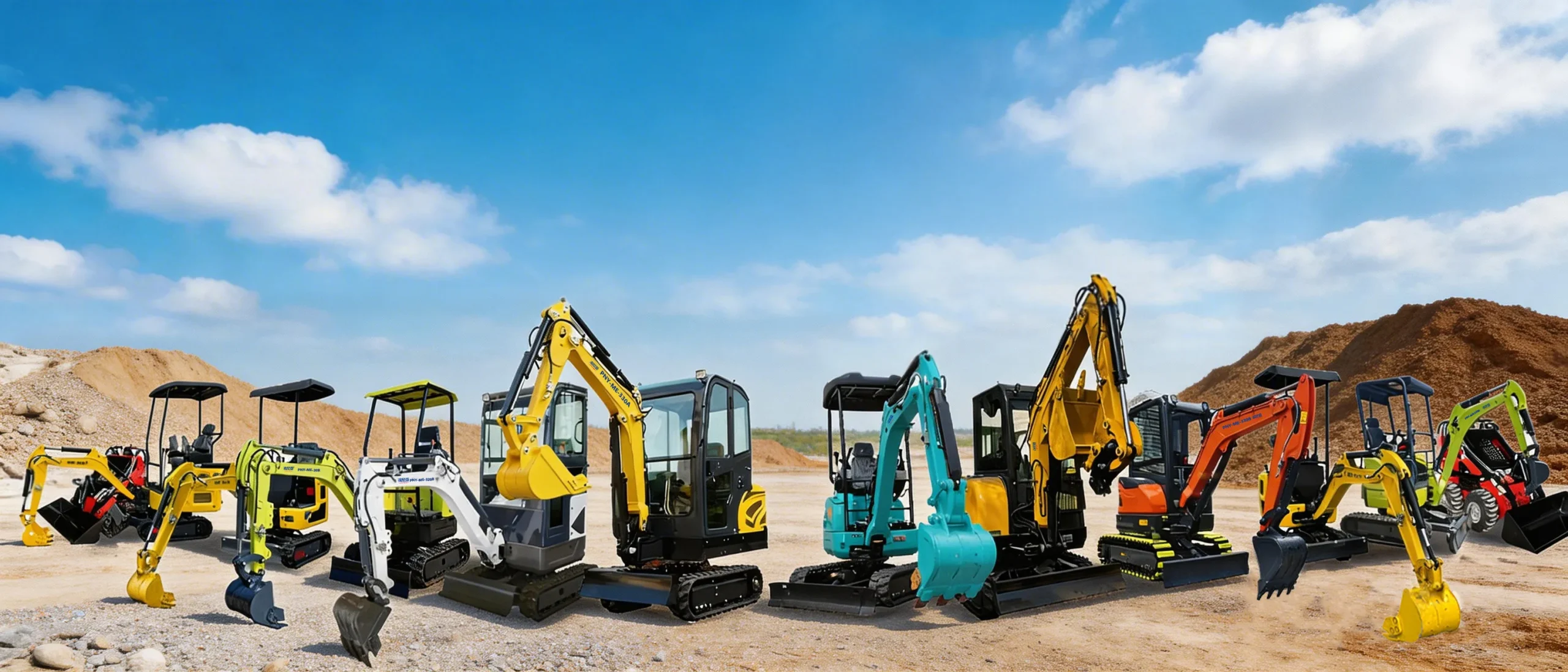
Mini Excavator Near Me: 2026 Rental & Sales Guide
2026-10-15
- Understanding the 2026 Mini Excavator Market: Rental vs. Sales
- How to Choose the Right Mini Excavator Size
- Essential Features to Evaluate in 2026 Models
- Manufacturing Excellence: The Role of Global Supply Chains
- Common Applications for Mini Excavators
- Step-by-Step Guide to Inspecting a Used Mini Excavator
- Frequently Asked Questions (FAQ)
- Maintenance Tips for Longevity
- Conclusion: Making the Smart Choice in 2026
Searching for a mini excavator near me in 2026 requires balancing immediate availability with long-term value. Whether you need a compact machine for tight residential spaces or a robust unit for commercial landscaping, understanding the distinction between rental flexibility and ownership benefits is crucial. This guide details how to select the right tonnage, evaluate hydraulic performance, and choose between local rental yards or direct manufacturing sources like Shandong Hexin, ensuring you secure equipment that meets strict project deadlines and budget constraints.
Understanding the 2026 Mini Excavator Market: Rental vs. Sales
The demand for compact construction machinery has evolved significantly. In 2026, buyers and renters are no longer just looking for “digging power.” They prioritize fuel efficiency, operator comfort, and technological integration. When you search for a mini excavator nearby, you are typically facing two distinct paths: short-term rental for specific projects or purchasing for ongoing operational needs.
Rental options provide immediate access without capital expenditure, ideal for one-off jobs. However, frequent rentals accumulate costs rapidly. Purchasing, particularly from established manufacturers with global supply chains, offers lower long-term costs and asset retention. The key is identifying which model aligns with your annual usage hours.
Key Factors Influencing Your Decision
- Project Duration: Projects lasting less than two weeks often favor rental. Longer durations justify purchase.
- Storage Capacity: Do you have secure, dry storage for owned equipment? Weather exposure accelerates wear.
- Maintenance Capability: Ownership requires basic maintenance knowledge or a service contract.
- Resale Value: High-quality brands retain value better, offsetting initial purchase costs.
How to Choose the Right Mini Excavator Size
Selecting the correct size is the most critical technical decision. Mini excavators are generally categorized by operating weight, ranging from 1 ton to 8 tons. Using an undersized machine leads to inefficiency, while an oversized unit may damage delicate landscapes or fail to fit through gateways.
1-Ton to 2-Ton Class: Micro Excavators
These ultra-compact machines are designed for extreme accessibility. They can pass through standard residential doorways and operate in backyards with limited gate access. Ideal for indoor demolition, pool installation, and utility work in confined spaces. Despite their size, modern 1.5-ton models offer significant breakout force, sufficient for breaking concrete slabs and digging trench lines for irrigation.
3-Ton to 5-Ton Class: The Versatile Standard
This category represents the most popular segment for general contractors and landscapers. A 3.5-ton or 5-ton excavator provides a balance of stability and mobility. They feature wider tracks for better lifting capacity and deeper digging depths compared to micro units. These machines are suitable for foundation digging, large-scale landscaping, and light forestry work. Most models in this range offer expandable undercarriages, allowing operators to widen the track stance for stability during lifting operations.
6-Ton to 8-Ton Class: Heavy-Duty Compact
Approaching the boundary of mid-size excavators, these units deliver higher hydraulic flow rates, enabling the use of powerful attachments like hydraulic breakers and augers. They are best suited for commercial construction sites where speed and depth are prioritized over extreme maneuverability.
| Weight Class | Typical Width (Retracted) | Max Digging Depth | Best Application |
|---|---|---|---|
| 1-2 Ton | < 1 meter | 2.0 – 2.5 meters | Indoor work, tight backyards, utilities |
| 3-5 Ton | 1.5 – 1.8 meters | 3.0 – 3.5 meters | Landscaping, pools, foundations |
| 6-8 Ton | 2.0 – 2.3 meters | 4.0+ meters | Commercial grading, heavy trenching |
Essential Features to Evaluate in 2026 Models
Modern mini excavators incorporate advanced engineering to enhance productivity and reduce operator fatigue. When evaluating equipment, look beyond the bucket size. The hydraulic system, engine type, and cabin ergonomics define the machine’s true capability.
Hydraulic System Efficiency
The heart of any excavator is its hydraulic pump. Variable displacement pumps are now standard in quality machines, adjusting flow based on demand. This technology reduces fuel consumption and heat generation. Look for machines with auxiliary hydraulic lines as standard. These lines allow you to connect attachments like thumbs, grapples, and augers without costly aftermarket modifications. Quick-coupler systems further enhance versatility, enabling rapid attachment changes directly from the cab.
Engine Emissions and Fuel Economy
In 2026, emission regulations are stringent. Ensure the excavator complies with local environmental standards, such as EPA Tier 4 Final in the US or Euro Stage V in Europe. Modern diesel engines equipped with Common Rail Direct Injection provide smoother power delivery and better fuel economy. For indoor or sensitive environments, consider electric mini excavators. While battery technology is still evolving, electric models offer zero emissions and reduced noise, making them ideal for urban centers and enclosed spaces.
Operator Comfort and Safety
Productivity drops when an operator is uncomfortable. A high-quality cab features adjustable seating, intuitive joystick controls, and excellent visibility. Air conditioning and heating are essential for year-round operation. Safety features like automatic swing brakes and travel alarms prevent accidents on busy job sites. ROPS (Roll-Over Protective Structure) certification is a non-negotiable safety standard.
Manufacturing Excellence: The Role of Global Supply Chains
While local dealers provide convenience, understanding the manufacturing source ensures you get reliable equipment. Many leading global brands rely on specialized component manufacturers for their core structural integrity. This is where expertise in production matters.
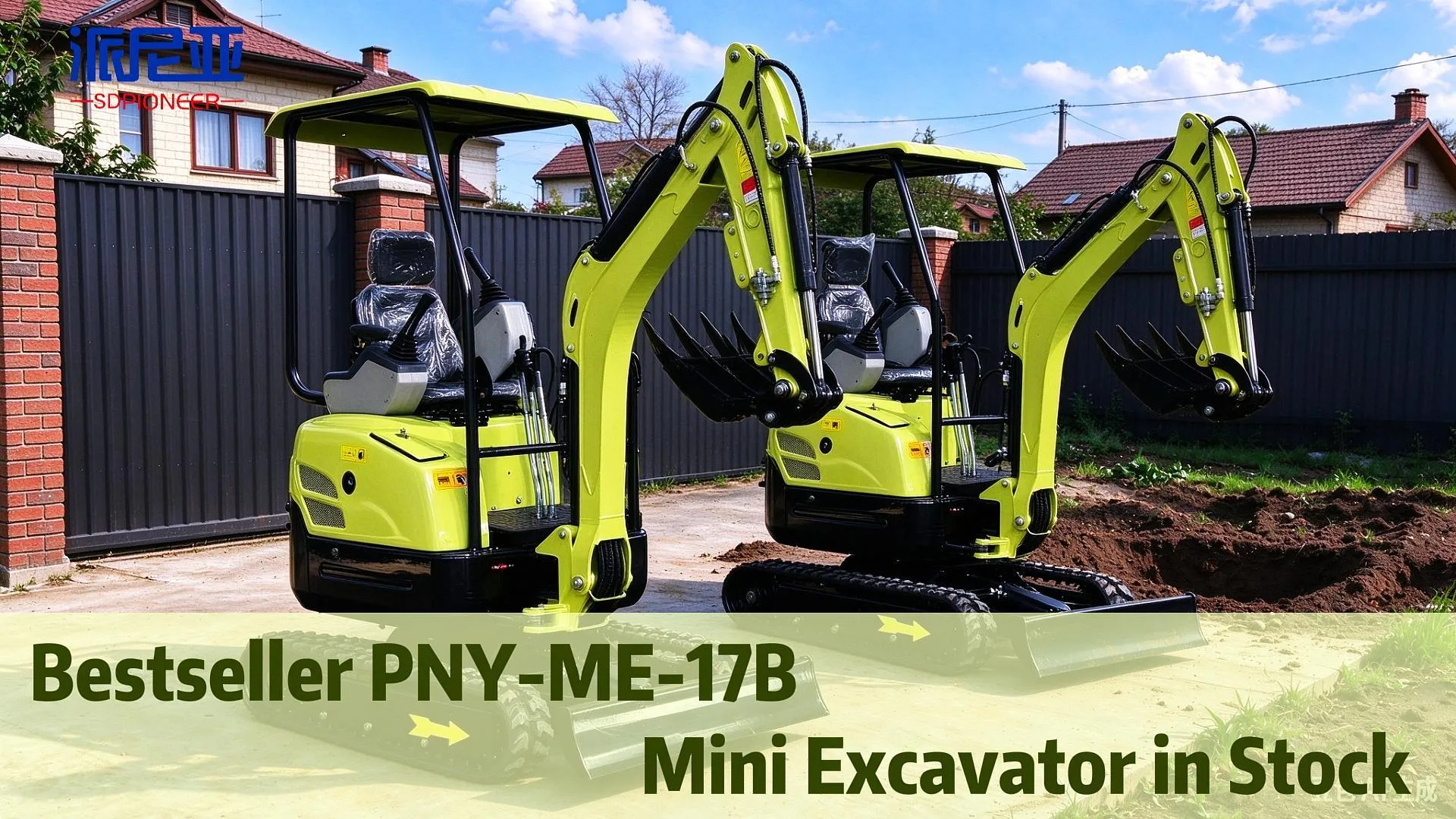
For instance, Shandong Hexin, established in July 2004 in Jining, Shandong Province, has spent two decades refining the production of critical excavator components. With a production area of 1,600 square meters, the company initially focused on perfecting arms, booms, and buckets. In August 2023, the company relocated to Ningyang County, Tai’an City, expanding its capabilities to include complete equipment assembly and intelligent energy storage systems.
This deep manufacturing heritage is crucial. Shandong Hexin and its overseas trade arm, Shandong Pioneer, do not just assemble parts; they engineer them. Their products are exported to the United States, Canada, Germany, and Australia, serving major clients like Komatsu, Caterpillar, and XCMG. When you choose equipment backed by such manufacturing rigor, you benefit from components tested against Fortune Global 500 standards. This level of quality control ensures that the mini excavator you buy or rent maintains structural integrity under heavy stress, reducing downtime and repair costs.
Why Component Quality Matters
- Durability: High-grade steel in booms and arms resists cracking and deformation.
- Precision: Tight tolerances in hydraulic cylinders prevent leaks and ensure smooth movement.
- Compatibility: Standardized parts make future repairs easier and cheaper.
Common Applications for Mini Excavators
Understanding how these machines are used helps in selecting the right configuration. Mini excavators are versatile tools across various industries.
Residential Landscaping and Hardscaping
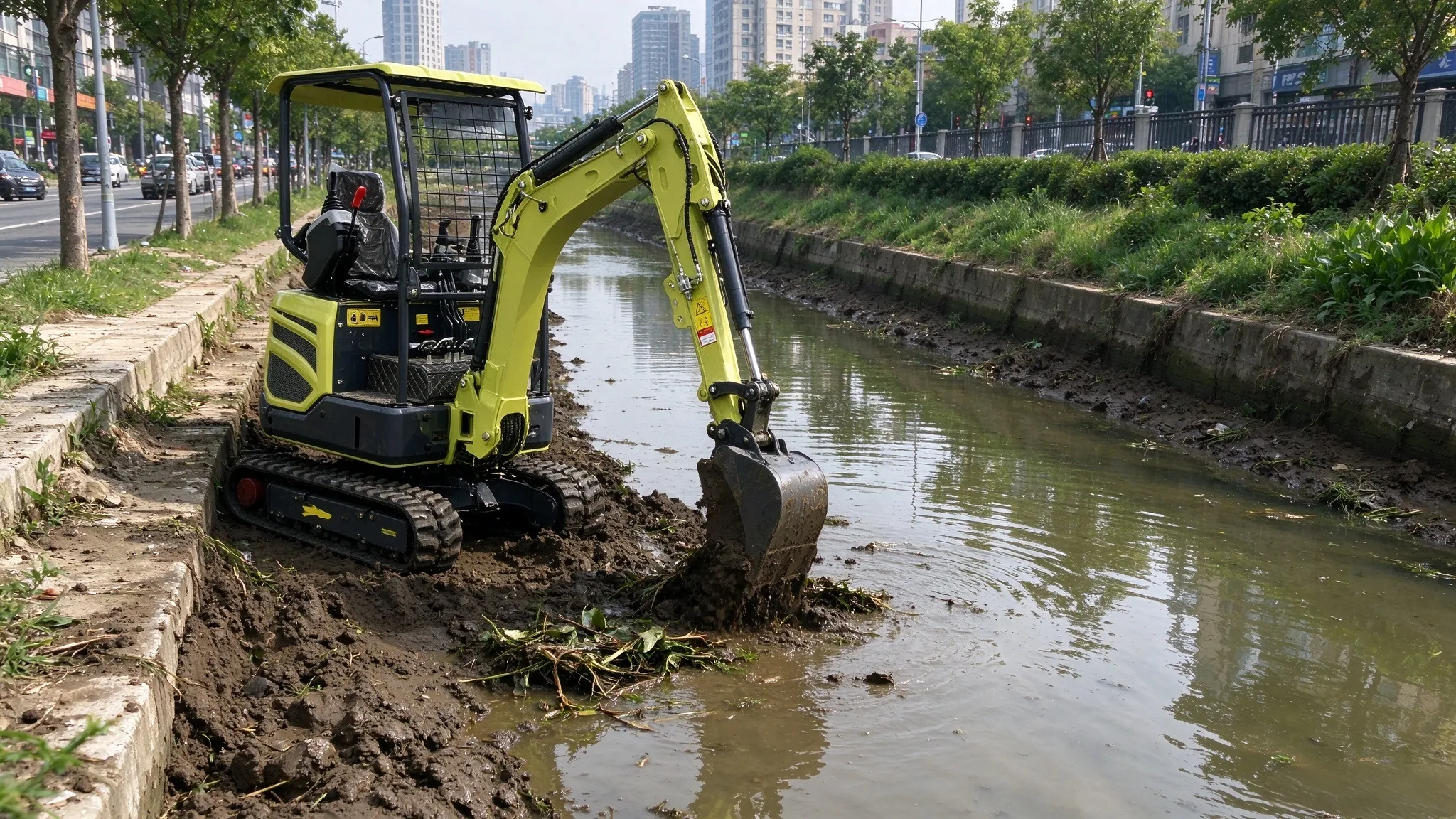
Homeowners and landscapers use mini excavators for planting trees, digging pond holes, and installing retaining walls. The ability to rotate 360 degrees within a compact footprint allows work in fenced yards where larger machinery cannot enter. Rubber tracks are often preferred here to minimize damage to existing lawns and driveways.
Utility Installation and Repair
Plumbers and electricians rely on mini excavators for trenching water lines, sewage pipes, and electrical conduits. The precision of a mini excavator allows for narrow trenches, reducing the amount of soil to be backfilled. Auger attachments are frequently used for drilling post holes for fences and decks.
Demolition and Site Cleanup
With a hydraulic thumb or grapple, a mini excavator becomes a powerful demolition tool. It can tear down small structures, remove stumps, and sort debris efficiently. The controlled power of the hydraulic system prevents accidental damage to adjacent structures that need to remain standing.
Step-by-Step Guide to Inspecting a Used Mini Excavator
If you decide to buy used, thorough inspection is vital to avoid costly repairs. Follow this checklist to assess the machine’s condition.
- Check Undercarriage Wear: Measure the track chain elongation. Excessive wear indicates heavy use and potential sprocket damage. Inspect rollers and idlers for leaks or flat spots.
- Inspect Hydraulic Cylinders: Look for oil leaks around the rod seals. Minor seepage might be manageable, but active dripping suggests seal failure. Check cylinder rods for pitting or scratches, which can destroy seals quickly.
- Test Hydraulic Performance: Start the engine and operate all functions. Listen for unusual noises. The boom should lift smoothly without jerking. Check for “drift” – if the boom lowers slightly when held up, the holding valves may be faulty.
- Examine Structural Integrity: Look closely at the boom, arm, and bucket connections. Cracks or weld repairs in these high-stress areas are red flags. Ensure the bucket teeth are not excessively worn.
- Review Maintenance Records: Ask for service logs. Regular oil and filter changes are indicators of a well-cared-for machine. Missing records increase risk.
Frequently Asked Questions (FAQ)
What is the average cost to rent a mini excavator?
Rental rates vary by region and machine size. In 2026, expect to pay between $200 and $400 per day for a 3-5 ton model. Weekly rates often offer discounts, averaging $800 to $1,200. Always inquire about delivery fees, which can add significant cost if the rental yard is not nearby.
Can I operate a mini excavator without certification?
Regulations depend on your location. In many places, private property use does not require certification. However, commercial job sites often mandate OSHA-compliant training or equivalent local safety certification. Insurance providers may also require proof of competency.
How often should I change the hydraulic fluid?
Most manufacturers recommend changing hydraulic fluid every 1,000 to 2,000 operating hours, or annually, whichever comes first. Regular sampling can extend this interval if the fluid remains clean. Always refer to the specific operator’s manual for your model.
Are Chinese-manufactured mini excavators reliable?
Yes, provided they come from reputable manufacturers with established quality control. Companies like Shandong Hexin, which supply components to top-tier global brands, adhere to strict international standards. The key is verifying the manufacturer’s export history and client portfolio. Avoid no-name brands with no service support network.
What attachment is most useful for a mini excavator?
A hydraulic thumb is widely considered the most versatile addition. It turns the bucket into a grapple, allowing you to pick up rocks, logs, and debris. For fencing and deck work, an auger is indispensable. For demolition, a hydraulic breaker is essential.
Maintenance Tips for Longevity
Proper maintenance extends the life of your mini excavator and preserves its resale value. Daily checks should include inspecting fluid levels, checking for leaks, and greasing all pivot points. Use high-quality lithium-based grease for pins and bushings. Keep the radiator clean to prevent overheating, especially in dusty conditions. Store the machine indoors or under a cover to protect rubber seals and hoses from UV degradation.
Regularly tension the tracks according to the manual. Loose tracks can derail, while overly tight tracks increase wear on rollers and sprockets. Replace filters on schedule, using OEM-spec equivalents to ensure proper filtration.
Conclusion: Making the Smart Choice in 2026
Finding the right mini excavator near me involves more than a simple location search. It requires a strategic assessment of your project needs, budget, and long-term goals. Whether you choose to rent for flexibility or buy for equity, prioritizing machine quality and manufacturer reputation is paramount.
For those considering purchase, partnering with manufacturers who have a proven track record in global markets ensures reliability. Companies like Shandong Hexin and Shandong Pioneer demonstrate how decades of specialized manufacturing experience translate into durable, high-performance machinery. Their collaboration with industry giants underscores the importance of component quality and engineering precision.
Evaluate your specific application, consider the total cost of ownership, and inspect equipment thoroughly. By focusing on verified quality and appropriate sizing, you can enhance your productivity and achieve superior results in your construction or landscaping projects.
Ready to explore high-quality mini excavators and components? View our product range and technical specifications to find the perfect match for your operational needs.

Please leave us a message