



- English
- Chinese
- French
- German
- Portuguese
- Spanish
- Russian
- Japanese
- Korean
- Arabic
- Irish
- Greek
- Turkish
- Italian
- Danish
- Romanian
- Indonesian
- Czech
- Afrikaans
- Swedish
- Polish
- Catalan
- Esperanto
- Hindi
- Lao
- Albanian
- Amharic
- Armenian
- Azerbaijani
- Belarusian
- Bengali
- Bosnian
- Bulgarian
- Cebuano
- Chichewa
- Corsican
- Croatian
- Dutch
- Estonian
- Filipino
- Finnish
- Frisian
- Galician
- Georgian
- Gujarati
- Haitian
- Hausa
- Hawaiian
- Hebrew
- Hmong
- Hungarian
- Icelandic
- Igbo
- Javanese
- Kannada
- Kazakh
- Khmer
- Kurdish
- Kyrgyz
- Latin
- Latvian
- Lithuanian
- Luxembou..
- Macedonian
- Malagasy
- Malay
- Malayalam
- Maltese
- Maori
- Marathi
- Mongolian
- Burmese
- Nepali
- Norwegian
- Pashto
- Persian
- Punjabi
- Serbian
- Sesotho
- Sinhala
- Slovak
- Slovenian
- Somali
- Samoan
- Scots Gaelic
- Shona
- Sindhi
- Sundanese
- Swahili
- Tajik
- Tamil
- Telugu
- Thai
- Ukrainian
- Urdu
- Uzbek
- Vietnamese
- Welsh
- Xhosa
- Yiddish
- Yoruba
- Zulu
- Kinyarwanda
- Tatar
- Oriya
- Turkmen
- Uyghur

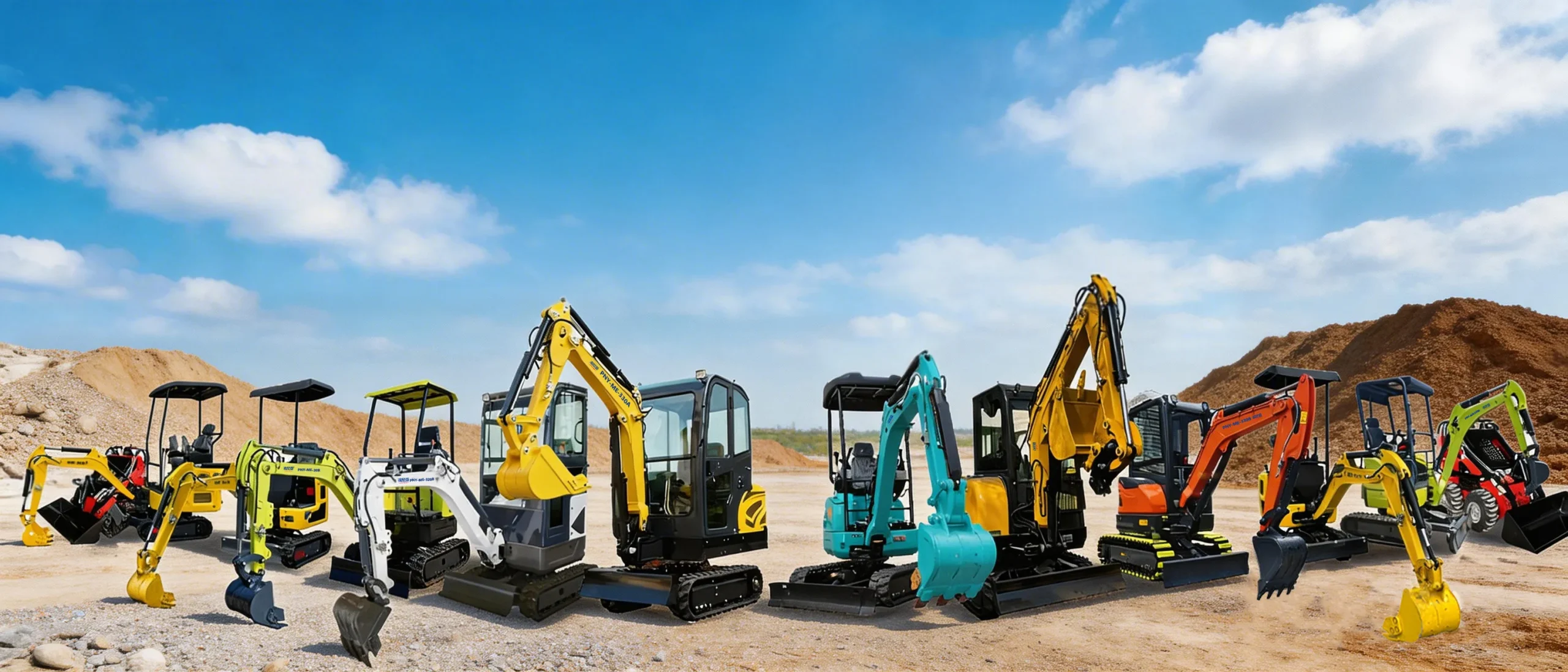
Top 5 Cheapest Mini Excavator Suppliers: Factory Direct Price
2026-07-03
- Understanding the Market for the Cheapest Mini Excavator Options
- Top 5 Cheapest Mini Excavator Suppliers: Factory Direct Analysis
- Comparative Analysis of Budget Mini Excavator Features
- Operational Guide: How to Source and Import Directly
- Pros and Cons of Buying Factory Direct Mini Excavators
- Application Scenarios for Budget Mini Excavators
- Frequently Asked Questions (FAQ)
- Conclusion and Strategic Recommendations
Finding the cheapest mini excavator requires identifying suppliers who eliminate middlemen and offer factory-direct pricing. The most cost-effective solutions currently come from specialized manufacturers in China that focus on compact hydraulic machinery for agriculture, landscaping, and utility work. By sourcing directly from these factories, buyers can reduce costs by 30% to 50% compared to local dealership markups while maintaining access to essential features like auxiliary hydraulics and standard safety certifications.
Understanding the Market for the Cheapest Mini Excavator Options
The global demand for compact excavation equipment has surged due to rising labor costs and the need for precision in confined spaces. When searching for the cheapest mini excavator, it is crucial to distinguish between low-quality imitations and genuine factory-direct value. The current market landscape is dominated by manufacturers who have optimized their supply chains to produce reliable machines at competitive price points.
Industry experts note that “cheap” should not equate to “disposable.” The leading suppliers in this sector achieve low prices through economies of scale, streamlined production lines, and direct shipping models. These factories often supply components to major global brands but sell their own branded units at a fraction of the cost. Understanding this dynamic is key to securing a machine that offers long-term reliability without the premium price tag.
A prime example of this evolution is found in Shandong Province, a hub for heavy industry. Consider the trajectory of a manufacturer established in Jining in 2004, which spent two decades refining its craft before expanding to a new facility in Ningyang County in 2023. Operating under the entities Shandong Hexin (manufacturing) and Shandong Pioneer (overseas trade), this company exemplifies the shift from component supplier to complete equipment assembler. With a production area exceeding 1,600 square meters, they now export to over 30 countries, including the US, Canada, Germany, and Australia. Their credibility is bolstered by a client list featuring Fortune Global 500 giants like Caterpillar, Komatsu, and XCMG, for whom they produce over 300 types of key components such as arms, booms, and buckets. This depth of experience allows them to offer micro construction machinery and intelligent energy storage systems that rival premium brands in quality while maintaining factory-direct pricing.
Recent trends indicate a shift towards electric and hybrid mini excavators, yet diesel-powered units remain the most affordable option for general contractors. The definition of a mini excavator typically includes machines under 6 tons, featuring a zero-tail swing design for urban environments. Buyers focusing on the cheapest mini excavator must evaluate total cost of ownership, including fuel efficiency, part availability, and resale value, rather than just the initial purchase price.
Why Factory Direct Pricing Matters
Purchasing through traditional dealerships often involves multiple layers of distribution, each adding a margin to the final cost. A factory-direct approach removes these intermediaries. This model allows manufacturers to pass savings directly to the end-user. For businesses operating on tight margins, this difference can determine project profitability.
- Elimination of Dealer Markups: Direct sales remove the typical 20-40% markup added by regional distributors.
- Customization Flexibility: Factories can often modify bucket sizes, arm lengths, or hydraulic configurations before shipping.
- Transparent Communication: Dealing directly with engineers ensures technical questions are answered accurately.
- Faster Lead Times: Without warehouse bottlenecks, production and shipping schedules are more predictable.
Furthermore, factory-direct suppliers are increasingly offering comprehensive after-sales support packages. These include video-guided maintenance, readily available spare parts catalogs, and warranty terms that rival established Western brands. This evolution has made the cheapest mini excavator a viable primary asset for small construction firms rather than just a backup machine.
Top 5 Cheapest Mini Excavator Suppliers: Factory Direct Analysis
Identifying the right supplier is the most critical step in acquiring affordable equipment. Based on current industry data, export volume, and customer feedback regarding price-to-performance ratios, five specific manufacturing hubs and their representative factory types stand out. These entities represent the pinnacle of value engineering in the compact equipment sector.
It is important to note that while specific brand names fluctuate in popularity, the manufacturing clusters in Shandong, Jiangsu, and Henan provinces consistently produce the world’s most competitive mini excavators. The following analysis focuses on the types of factories within these regions that define the category of the cheapest mini excavator.
1. High-Volume Agricultural Machinery Manufacturers
The first category comprises large-scale factories originally dedicated to agricultural tractors and implements. These facilities have diversified into mini excavation due to shared hydraulic technologies and casting capabilities. Their massive production volumes allow them to source steel and engines at significantly lower costs than niche excavator builders.
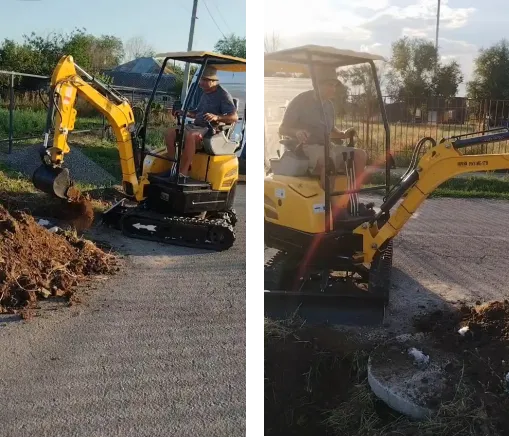
These suppliers excel in producing entry-level models ranging from 0.8 to 1.8 tons. They are ideal for farmers needing trenching capabilities for irrigation or fence post installation. The machinery produced here prioritizes simplicity and durability over high-tech electronics, which keeps the price floor extremely low. Buyers looking for the cheapest mini excavator for seasonal agricultural use often find the best value in this segment.
Key advantages include robust undercarriages designed for rough terrain and compatibility with a wide range of farm attachments. Since these factories operate year-round with high capacity utilization, their unit costs remain stable even during raw material price fluctuations. This stability translates to consistent pricing for international buyers.
2. Specialized Compact Equipment Exporters
The second group consists of manufacturers who specifically target the export market with mini excavators. Unlike domestic-focused plants, these factories are certified to meet CE, EPA, and ISO standards required for North American and European entry. Their entire production line is optimized for container loading and overseas shipping logistics.
These suppliers often offer the best balance between price and compliance. They understand the regulatory landscape deeply, ensuring that the cheapest mini excavator they sell will not be rejected at customs due to emission non-compliance. Their product lines usually span from 1 ton to 5 tons, covering the most popular weight classes for rental fleets and utility companies.
- Standardized Features: Most units come with canopy options, auxiliary hydraulics, and quick couplers as standard.
- Engine Choices: They frequently offer a choice between reputable Chinese engine brands and licensed Japanese designs.
- Documentation: Complete English manuals and parts diagrams are provided, reducing downtime risks.
By focusing exclusively on exports, these factories have refined their packaging to minimize damage during transit. This attention to detail reduces the hidden costs associated with repairs upon arrival, making them a smarter financial choice despite a potentially slightly higher sticker price than non-compliant units.
3. Integrated Component Assembly Plants
A third distinct type of supplier operates as an assembly hub, sourcing high-quality components like pumps, motors, and tracks from tier-one suppliers while manufacturing the boom, arm, and chassis in-house. This hybrid model allows them to control the quality of critical wear parts while keeping structural costs low.
This approach is particularly effective for buyers seeking the cheapest mini excavator that does not compromise on hydraulic performance. By using established brand components for the heart of the machine, these factories ensure longevity while saving money on the frame fabrication. This strategy has gained significant traction among professional contractors who cannot afford frequent hydraulic failures.
These plants are highly flexible regarding customization. Because they assemble rather than cast every single part, they can easily swap out components to meet specific client requests. For instance, a buyer might request a specific brand of track motor or a different joystick configuration without incurring prohibitive retooling costs. This adaptability makes them a preferred partner for specialized rental companies.
4. Emerging Electric Mini Excavator Factories
While traditionally diesel-dominated, a new wave of manufacturers specializing in electric mini excavators is emerging as a cost leader for specific applications. In regions with high diesel costs or strict indoor air quality regulations, the total cost of ownership for these electric units is becoming lower than their diesel counterparts.
These factories benefit from the booming battery supply chain, allowing them to produce electric mini excavators at increasingly competitive prices. For urban contractors working in basements, tunnels, or noise-sensitive residential areas, these machines represent the cheapest mini excavator solution when factoring in fuel savings and lack of exhaust ventilation requirements.
The operational simplicity of electric models also reduces maintenance costs. There are no oil changes, fuel filters, or complex emission systems to manage. Factories producing these units often offer simplified warranties focused on the battery and motor, providing peace of mind. As battery technology matures, the upfront price gap between electric and diesel continues to narrow rapidly.
5. Regional Heavy Industry Conglomerates
The final category includes massive heavy industry groups that have mini excavator divisions. While known for large-scale mining equipment, their mini excavator lines benefit from the parent company’s immense purchasing power and R&D resources. They can absorb short-term market volatility better than smaller players, offering stable pricing.
Buying from these conglomerates often means accessing a broader network of service support and parts distribution. Even if their base price is marginally higher than the smallest workshops, the reduced risk of obsolescence makes them a top contender for the title of best value. For enterprises planning to scale their fleet, the consistency offered by these giants is invaluable.
These suppliers are increasingly integrating telematics and remote monitoring into their budget lines, features previously reserved for premium segments. This addition helps fleet managers track usage and schedule maintenance proactively, further lowering the lifetime cost of the cheapest mini excavator in their inventory.
Comparative Analysis of Budget Mini Excavator Features
To make an informed decision, buyers must compare the specifications offered by different factory types. The table below outlines the typical feature sets found in the lowest price brackets versus mid-range factory direct options. This comparison highlights where cost savings occur and what trade-offs might exist.
| Feature Category | Entry-Level Factory Direct | Standard Export Model | Premium Budget Line |
|---|---|---|---|
| Engine Origin | Generic Domestic Brand | Licensed Japanese Design or Top Chinese Brand | Imported International Brand (Optional) |
| Hydraulic System | Basic Gear Pumps | Piston Pumps with Load Sensing | Advanced Variable Displacement Pumps |
| Undercarriage | Standard Steel Tracks | Reinforced Steel with Sealed Rollers | Rubber Tracks Option Available |
| Certifications | Basic ISO | CE, EPA, ROHS Compliant | Full Global Compliance + Safety Certs |
| Warranty Period | 6 Months – 1 Year | 1 Year – 2 Years | 2 Years + Extended Options |
| Price Range Relative | Lowest ($) | Moderate ($$) | Value-High ($$$) |
The data suggests that while the entry-level options offer the lowest upfront cost, the Standard Export Model often provides the best long-term value. The inclusion of load-sensing hydraulics and better engines significantly improves fuel efficiency and cycle times. For a business calculating return on investment, the slight price increase for a standard export model is often recouped within the first year of operation through increased productivity and reduced fuel consumption.
Moreover, the certification aspect cannot be overlooked. An uncertified machine may be the cheapest mini excavator initially, but if it cannot be legally operated on job sites in regulated jurisdictions, its value drops to zero. Therefore, the “Standard Export Model” category frequently emerges as the practical choice for professional use.
Key Technical Specifications to Evaluate
When reviewing quotes from these top 5 supplier types, specific technical parameters should take precedence. Do not rely solely on the advertised operating weight. Digging depth, reach, and lift capacity are the true indicators of a machine’s capability. A lighter machine might be cheaper but could fail to meet the depth requirements of a specific project.
- Digging Depth: Ensure the maximum digging depth meets your deepest trench requirement with a safety margin.
- Breakout Force: This determines the ability to penetrate hard soil or frost; higher is generally better for versatility.
- Flow Rate (GPM/LPM): Critical for powering attachments like breakers or augers; insufficient flow renders attachments useless.
- Track Width: Wider tracks provide better stability on soft ground, while narrower tracks access tighter spaces.
Factory direct suppliers often allow buyers to specify these parameters within certain limits. For example, requesting a longer arm for deeper digging might be possible without changing the base model. This flexibility is a distinct advantage over buying off-the-shelf from a local dealer who only stocks fixed configurations.
Operational Guide: How to Source and Import Directly
Securing the cheapest mini excavator involves more than just finding a low price; it requires a structured approach to sourcing and importing. Navigating international trade can be daunting, but following a step-by-step process ensures a smooth transaction and minimizes risks associated with cross-border purchases.
Step 1: Define Requirements and Budget
Before contacting suppliers, clearly outline your needs. Determine the necessary weight class, attachment compatibility, and engine emission standards for your region. Establish a total budget that includes the machine cost, shipping, insurance, customs duties, and port handling fees. This holistic view prevents surprise expenses that could negate the savings of buying direct.
Step 2: Supplier Verification and Communication
Contact multiple factories from the identified categories. Request detailed quotations (Proforma Invoices) that break down all costs. Ask for video demonstrations of the specific model running, preferably showing it performing tasks similar to your intended use. Verify their business license and export history. Reputable factories will readily provide references or case studies of previous exports to your country.
Step 3: Negotiate Terms and Customization
Use the competitive nature of the market to your advantage. Discuss potential customizations such as paint color, logo placement, or specific attachment inclusions. Negotiate payment terms; while full upfront payment is common for the lowest prices, some factories accept a deposit with the balance against copy of the Bill of Lading. Ensure the warranty terms and claim procedures are explicitly stated in the contract.
Step 4: Logistics and Shipping Arrangement
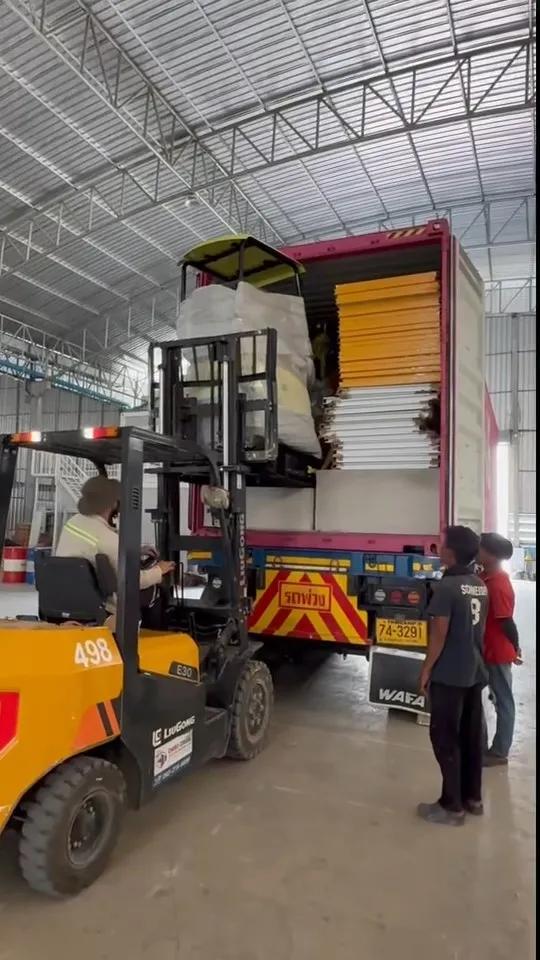
Decide on the Incoterms. FOB (Free on Board) gives you control over the freight forwarder, often resulting in better shipping rates and transparency. CIF (Cost, Insurance, and Freight) is simpler but may hide costs. For mini excavators, Less than Container Load (LCL) is common for single units, while Full Container Load (FCL) is cost-effective for multiple units. Ensure proper crating and waterproofing are included to prevent sea damage.
Step 5: Customs Clearance and Delivery
Prepare all necessary documentation for customs clearance in advance. This includes the Commercial Invoice, Packing List, Bill of Lading, and Certificate of Origin. Depending on your country, you may need specific forms for machinery imports or emission compliance proof. Hiring a licensed customs broker can streamline this process and ensure the cheapest mini excavator clears port without delays.
Pros and Cons of Buying Factory Direct Mini Excavators
Every procurement strategy has its trade-offs. Understanding the advantages and disadvantages of buying directly from the top 5 cheapest suppliers helps in setting realistic expectations and preparing for potential challenges.
Advantages of Direct Sourcing
The primary benefit is undoubtedly cost savings. By cutting out the distribution chain, buyers can access prices that are unmatchable locally. This capital efficiency allows small businesses to expand their fleet or invest in additional attachments. Furthermore, the direct line of communication fosters a relationship where specific technical needs can be addressed personally by the manufacturing team.
Another significant pro is the transparency of the supply chain. Buyers know exactly where the machine comes from and how it was built. There is no ambiguity about the origin of components. Additionally, the ability to customize the machine to fit niche applications is a powerful tool for specialized contractors who cannot find suitable off-the-shelf solutions locally.
Challenges and Mitigation Strategies
The most cited concern is after-sales support. Unlike a local dealer who might send a technician the next day, factory support relies on remote guidance and shipping parts. However, this risk is mitigated by ordering a “spare parts kit” alongside the machine. Most experienced exporters recommend purchasing wearing parts like seals, filters, and buckets upfront to minimize future downtime.
Language barriers and time zone differences can also pose communication hurdles. To overcome this, insist on having a dedicated English-speaking sales engineer assigned to your account. Utilizing clear, written communication with photos and videos helps bridge gaps. Patience is also required, as shipping times can vary based on global logistics conditions.
Finally, there is the issue of resale value. Machines from unknown factory brands may not hold their value as well as established heritage brands. However, given the significantly lower acquisition cost, the depreciation impact is often less severe in absolute dollar terms. For many owners, the machine is a workhorse intended to be used until the end of its life rather than flipped for profit.
Application Scenarios for Budget Mini Excavators
The cheapest mini excavator is not just a compromise; it is a strategic asset for various industries. Its compact size and affordability open up opportunities that were previously inaccessible for small operators or individual entrepreneurs.
Landscaping and Hardscaping
In the landscaping sector, these machines are indispensable for digging tree holes, installing retaining walls, and grading yards. The zero-tail swing feature found in many budget models allows operators to work close to fences and structures without damage. For landscaping crews, owning a fleet of affordable mini excavators means taking on more jobs simultaneously without the burden of high loan payments.
Utility and Pipeline Work
Municipalities and utility contractors utilize these excavators for burying cables, water lines, and gas pipes. The precision of mini excavators minimizes surface disruption, reducing restoration costs. In dense urban environments, the ability to transport these machines on small trailers and maneuver them through narrow gates is a critical operational advantage. The low cost allows municipalities to deploy more units across different districts efficiently.
Agricultural Operations
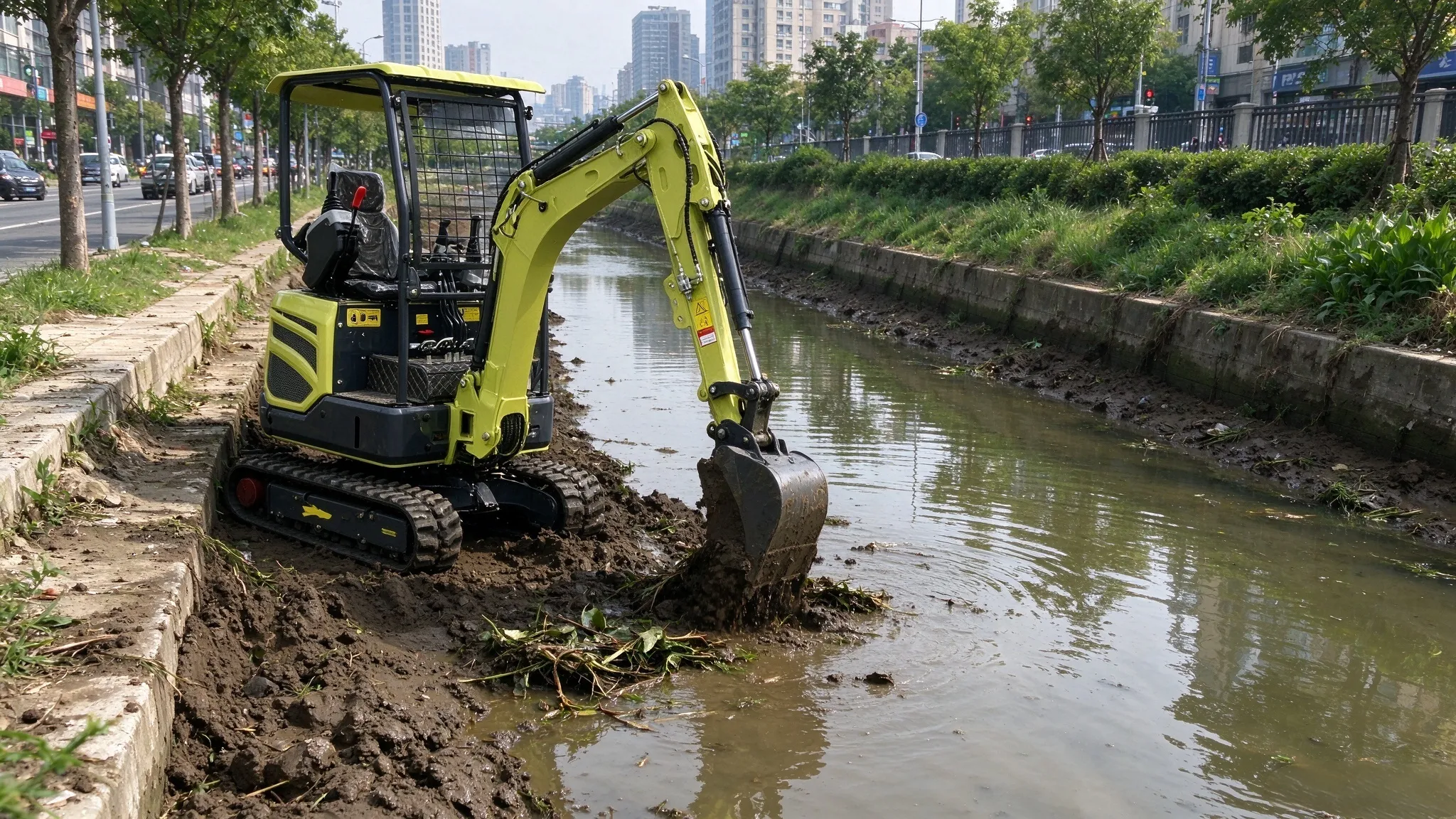
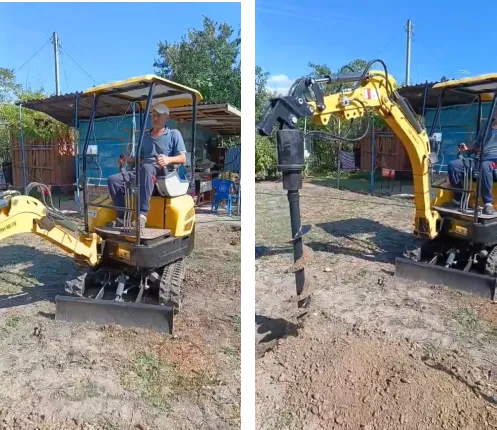
Farmers use mini excavators for cleaning ditches, digging ponds, and managing livestock pens. The versatility of attaching augers for fencing or grapples for clearing brush makes them a multi-purpose tool. For agricultural users, the durability and ease of repair of factory-direct models are particularly appealing, as they often perform maintenance themselves.
Residential Construction and Renovation
Home builders and renovators rely on mini excavators for foundation digging, basement underpinning, and pool installation. The affordability of these machines enables smaller construction firms to compete with larger companies by reducing their overhead. Indoor demolition projects also benefit from electric mini excavator variants, which produce no emissions and minimal noise.
Frequently Asked Questions (FAQ)
Addressing common concerns helps clarify the process of acquiring the cheapest mini excavator and builds confidence in the factory-direct model.
Are cheap mini excavators reliable for daily commercial use?
Yes, provided they are sourced from reputable factories with quality control standards. The “cheap” label often refers to the lack of brand markup rather than poor build quality. Many factories use standard, globally available components that are easy to service. Regular maintenance is key to longevity, regardless of the brand.
What is the typical lead time for factory direct orders?
Lead times vary but typically range from 15 to 30 days for production, plus shipping time. Sea freight can take another 30 to 45 days depending on the destination. Some suppliers keep popular models in stock for immediate shipment, which can significantly reduce the waiting period.
Can I get spare parts easily if something breaks?
Most export-oriented factories maintain inventories of spare parts and can ship them via air courier within days. It is highly recommended to purchase a starter pack of consumable parts (filters, seals, O-rings) with the initial order. Additionally, many hydraulic and engine components are standard sizes available locally in most countries.
Do these machines come with a warranty?
Standard warranties usually cover major components like the engine, pump, and motor for 12 months. Structural components may have longer coverage. The warranty terms are defined in the sales contract. While onsite service is rare, factories typically support warranty claims by sending replacement parts free of charge.
Is financing available for international direct purchases?
Direct factory financing is uncommon for international individual buyers. Most transactions require wire transfers or letters of credit. However, buyers can often secure equipment loans from their local banks using the Proforma Invoice and ownership documents as collateral. Some third-party trade finance platforms also facilitate these transactions.
Conclusion and Strategic Recommendations
Navigating the market for the cheapest mini excavator reveals a landscape rich with opportunity for those willing to look beyond traditional dealerships. The top 5 supplier categories—ranging from high-volume agricultural manufacturers to specialized export plants—offer compelling value propositions that combine affordability with functional reliability. By leveraging factory-direct pricing, businesses can significantly lower their barrier to entry and enhance their operational flexibility.
The key to success lies in diligent supplier verification and a clear understanding of total cost of ownership. While the initial price tag is attractive, the true value emerges from selecting a machine that matches your specific application needs, complies with local regulations, and comes with a solid plan for maintenance and parts supply. The era of assuming “cheap means bad” is over; today, smart sourcing means accessing global manufacturing efficiency.
Who is this for? This approach is ideal for small to medium-sized construction firms, landscaping businesses, agricultural operators, and equipment rental startups looking to maximize their ROI. It is also suitable for individual contractors who need a dependable tool without the debt burden of premium brands.
Next Steps: Begin by defining your exact technical requirements and budget. Reach out to multiple suppliers within the identified categories to request quotes and video demos. Prioritize those who demonstrate transparency, hold relevant certifications, and offer clear communication channels. With the right partner, acquiring a high-value mini excavator at a factory-direct price is a straightforward path to growing your business capabilities.

Please leave us a message