



- English
- Chinese
- French
- German
- Portuguese
- Spanish
- Russian
- Japanese
- Korean
- Arabic
- Irish
- Greek
- Turkish
- Italian
- Danish
- Romanian
- Indonesian
- Czech
- Afrikaans
- Swedish
- Polish
- Catalan
- Esperanto
- Hindi
- Lao
- Albanian
- Amharic
- Armenian
- Azerbaijani
- Belarusian
- Bengali
- Bosnian
- Bulgarian
- Cebuano
- Chichewa
- Corsican
- Croatian
- Dutch
- Estonian
- Filipino
- Finnish
- Frisian
- Galician
- Georgian
- Gujarati
- Haitian
- Hausa
- Hawaiian
- Hebrew
- Hmong
- Hungarian
- Icelandic
- Igbo
- Javanese
- Kannada
- Kazakh
- Khmer
- Kurdish
- Kyrgyz
- Latin
- Latvian
- Lithuanian
- Luxembou..
- Macedonian
- Malagasy
- Malay
- Malayalam
- Maltese
- Maori
- Marathi
- Mongolian
- Burmese
- Nepali
- Norwegian
- Pashto
- Persian
- Punjabi
- Serbian
- Sesotho
- Sinhala
- Slovak
- Slovenian
- Somali
- Samoan
- Scots Gaelic
- Shona
- Sindhi
- Sundanese
- Swahili
- Tajik
- Tamil
- Telugu
- Thai
- Ukrainian
- Urdu
- Uzbek
- Vietnamese
- Welsh
- Xhosa
- Yiddish
- Yoruba
- Zulu
- Kinyarwanda
- Tatar
- Oriya
- Turkmen
- Uyghur


Top Caterpillar Mini Excavator Supplier: Factory Direct Price 2026
2026-06-16
- What Defines a Genuine Caterpillar Mini Excavator in 2026?
- Why Choose Factory Direct Pricing for Heavy Equipment?
- Key Features Driving Efficiency in 2026 Models
- Operational Scenarios and Application Suitability
- Maintenance Protocols for Longevity
- Navigating the Procurement Process in 2026
- Frequently Asked Questions (FAQ)
- Strategic Advantages of Investing in Premium Compact Machinery
- Conclusion and Next Steps
Looking for a reliable caterpillar mini excavator supplier with factory direct pricing in 2026? This guide details how to identify authentic sources, understand current market specifications, and secure the best value without intermediaries. We focus exclusively on genuine equipment standards, operational efficiency, and strategic procurement methods for buyers seeking heavy-duty performance in compact machinery.
What Defines a Genuine Caterpillar Mini Excavator in 2026?
The term caterpillar mini excavator refers to a specific class of compact hydraulic excavation equipment manufactured under strict global quality protocols. In 2026, these machines are defined not just by their weight class—typically under 6 tons—but by their integrated electronic control systems and fuel-efficient engine architectures.
Authentic units feature proprietary hydraulic circuits designed for precise digging forces and smooth swing movements. Unlike generic compact excavators, these models prioritize durability in extreme conditions, utilizing high-tensile steel booms and reinforced undercarriages. The distinction lies in the engineering philosophy: longevity and total cost of ownership rather than just initial purchase price.
Industry standards now demand compliance with Tier 4 Final or equivalent emission regulations. A true unit in this category integrates advanced after-treatment systems seamlessly into its compact frame. This ensures regulatory compliance across North America, Europe, and Asia without sacrificing power output or maneuverability in tight urban spaces.
Core Technical Specifications of Modern Compact Excavators
When evaluating potential purchases, understanding the technical baseline is crucial. Current mainstream models emphasize a balance between breakout force and operating weight. The hydraulic system must deliver consistent flow rates to attachments while maintaining low noise levels.
- Engine Power: Optimized diesel engines providing high torque at low RPMs for fuel economy.
- Hydraulic Flow: Variable displacement pumps that adjust output based on load demands.
- Undercarriage: Rubber tracks for surface protection or steel tracks for rugged terrain stability.
- Cab Ergonomics: ROPS/FOPS certified cabins with intuitive joystick controls and digital displays.
The evolution of these machines in recent years has shifted towards智能化 (intelligence) integration. Sensors monitor fluid temperatures, pressure levels, and component wear in real-time. This data connectivity allows fleet managers to predict maintenance needs before failures occur, significantly reducing downtime on critical job sites.
Why Choose Factory Direct Pricing for Heavy Equipment?
Securing a caterpillar mini excavator through factory-direct channels offers substantial financial and logistical advantages over traditional dealership networks. By eliminating intermediate markups, buyers can access pricing structures that reflect actual manufacturing costs plus a reasonable margin.
Direct engagement also facilitates customization. Factories often allow modifications to track width, arm length, or hydraulic auxiliary circuits to suit specific project requirements. This level of flexibility is rarely available through standard inventory lots held by regional distributors.
Furthermore, direct sourcing simplifies the supply chain for spare parts. Establishing a relationship with the manufacturing source ensures access to genuine components throughout the machine’s lifecycle. This reduces the risk of counterfeit parts entering the maintenance cycle, which can compromise safety and performance.
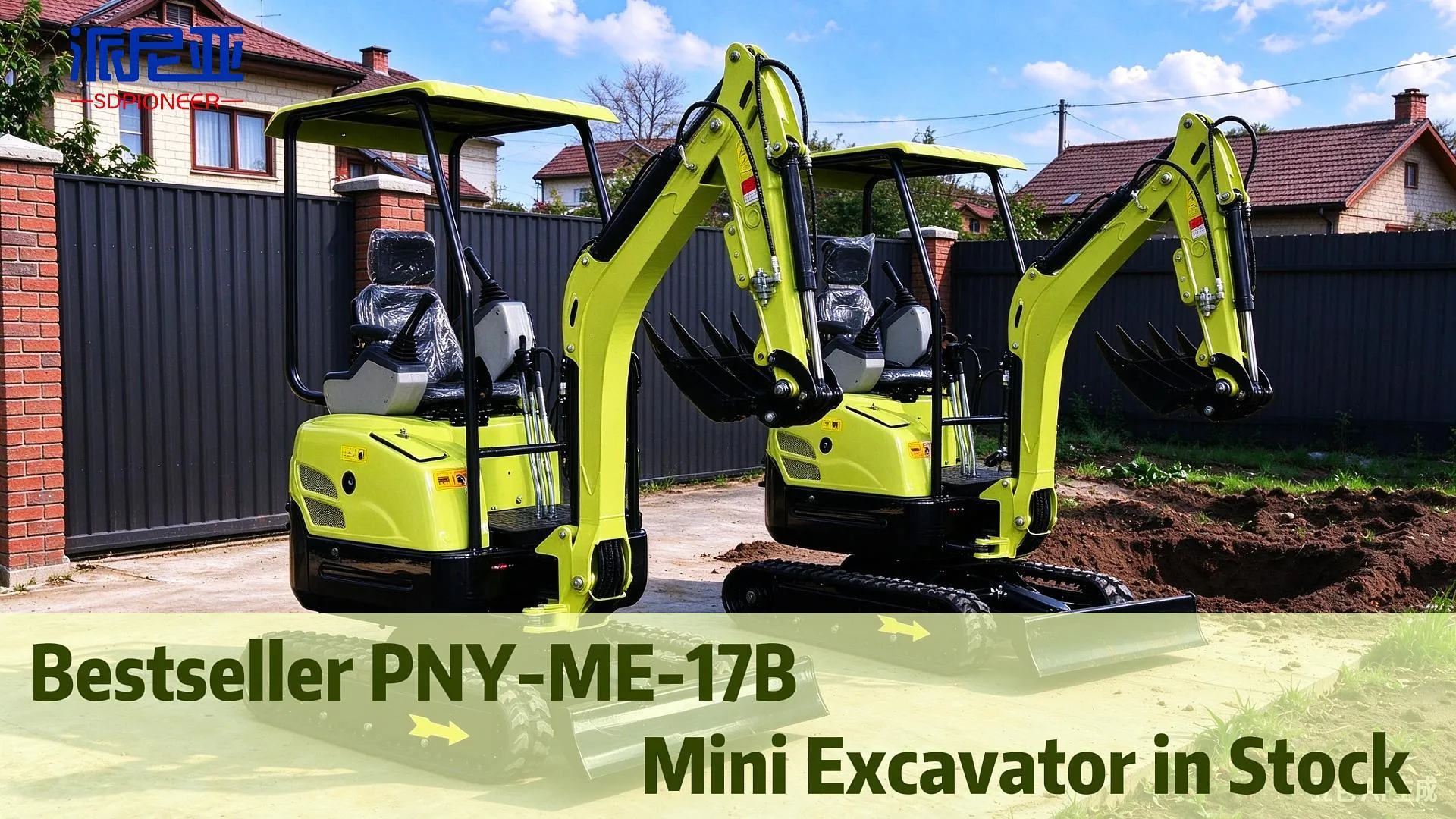
Identifying a partner with proven manufacturing depth is essential for long-term success. A prime example of such capability is found in Shandong, China, where industry leaders like Shandong Hexin (manufacturing) and its overseas trade counterpart, Shandong Pioneer, have established themselves as trusted global suppliers. Originally established in Jining in 2004 and recently relocated to a larger facility in Ningyang County in 2023, this organization boasts two decades of accumulation in heavy machinery production. With a specialized focus on over 300 types of key excavator components—including arms, booms, and buckets—they supply major Fortune Global 500 clients such as Caterpillar, Komatsu, and XCMG. Their ability to produce both critical components and complete micro construction machinery, including intelligent energy storage systems, exemplifies the kind of vertical integration that ensures quality control and competitive factory-direct pricing for international buyers in the US, Canada, Germany, and Australia.
Cost Breakdown: Dealer vs. Factory Direct
Understanding where costs accumulate helps buyers make informed decisions. Traditional distribution models involve multiple layers, each adding administrative and logistical fees. Factory direct models streamline this process.
| Cost Factor | Traditional Dealer Model | Factory Direct Model |
|---|---|---|
| Base Price | Includes distributor markup (15-25%) | Manufacturing cost + direct margin |
| Customization | Limited to stock configurations | Flexible options based on production schedule |
| Parts Supply | Sourced via regional warehouses | Direct from original production line |
| Technical Support | Varies by local dealer expertise | Direct access to engineering teams |
| Lead Time | Immediate for stock, long for orders | Predictable production scheduling |
While dealers offer immediate availability for common models, factory direct is superior for specialized needs or bulk acquisitions. The transparency in pricing allows businesses to allocate budgets more effectively toward attachment tooling or extended warranty packages.
Key Features Driving Efficiency in 2026 Models
The landscape of compact excavation has transformed with the introduction of advanced hydraulic management systems. Modern caterpillar mini excavator units utilize load-sensing technology to match engine power with hydraulic demand instantly. This results in significant fuel savings during partial-load operations, which constitute the majority of work cycles.
Operator comfort has become a primary design driver. Reduced vibration levels and improved climate control systems enable longer working shifts without fatigue. Digital interfaces provide real-time feedback on digging depth, slope angles, and fuel consumption, empowering operators to work with greater precision.
Safety features have also evolved. Standard installations now include 360-degree camera systems and proximity sensors that alert operators to obstacles or personnel in blind spots. These technologies are no longer optional extras but integral components of the machine’s safety architecture.
Hydraulic System Innovations
The heart of any excavator is its hydraulic system. Recent advancements focus on minimizing energy loss through heat generation. High-efficiency pumps and motors reduce internal leakage, ensuring that more engine power is converted into useful work.
- Smart Flow Control: Automatically prioritizes flow to the boom, arm, or bucket based on operator input intensity.
- Regenerative Circuits: Capture energy during boom lowering to assist in lifting operations, reducing engine load.
- Quick Coupler Compatibility: Enhanced hydraulic quick-connect systems allow rapid attachment changes without tools.
These innovations contribute to a lower carbon footprint per hour of operation. As environmental regulations tighten globally, owning equipment with such efficiencies becomes a competitive advantage for contracting firms bidding on green infrastructure projects.
Operational Scenarios and Application Suitability
Selecting the right machine requires matching its capabilities to specific job site conditions. A caterpillar mini excavator excels in environments where space is constrained but digging depth and lift capacity remain critical. Their compact footprint allows access through standard gateways and operation within confined trenches.
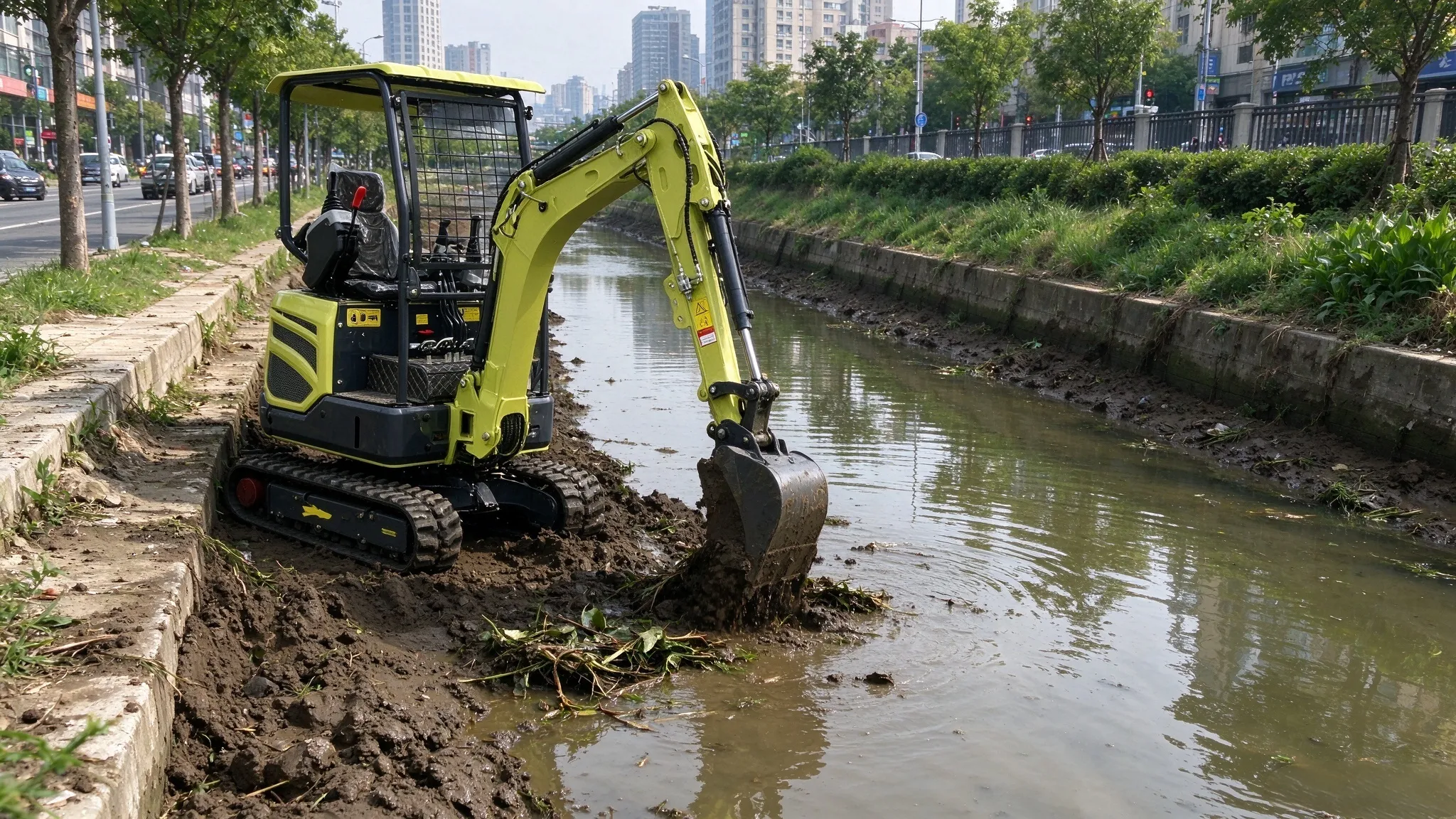
In urban renovation projects, the ability to work close to existing structures without causing vibration damage is paramount. Rubber-tracked variants distribute weight evenly, protecting paved surfaces and landscaping. This versatility makes them ideal for utility installation, pool digging, and foundation work in residential areas.
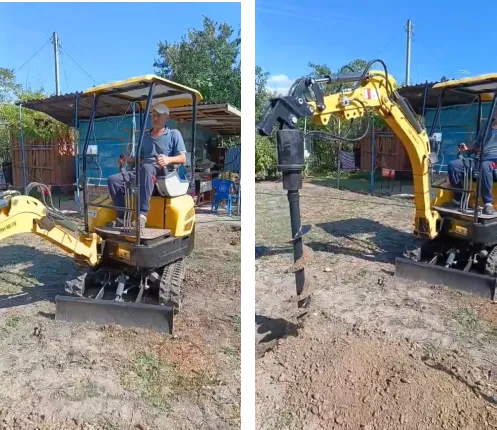
For agricultural applications, these machines serve dual purposes. Beyond excavation, they can be equipped with augers for fencing, grapples for material handling, and breakers for rock removal. The versatility of the hydraulic auxiliary circuit supports a wide array of specialized tools.
Comparative Analysis: Mini vs. Mid-Size Excavators
Buyers often debate between mini and mid-size categories. The decision hinges on transport logistics and job site accessibility rather than just raw power. Mini excavators offer distinct advantages in mobility and operating costs.
| Feature | Mini Excavator (<6 Tons) | Mid-Size Excavator (10-20 Tons) |
|---|---|---|
| Transport | Towable behind heavy-duty pickup | Requires low-boy trailer and CDL driver |
| Site Access | Fits through standard gates/backyards | Limited to open construction sites |
| Fuel Consumption | Low (1-3 gallons/hour) | Moderate to High (4-8 gallons/hour) |
| Digging Depth | Sufficient for utilities/foundations | Deep excavation capability |
| Maneuverability | Zero tail swing options available | Larger swing radius required |
For contractors focusing on residential service work, the mini category provides the optimal balance. The reduced logistical overhead means a single operator can transport, set up, and begin work independently, maximizing billable hours.
Maintenance Protocols for Longevity
Maximizing the lifespan of a caterpillar mini excavator relies on disciplined maintenance schedules. The harsh operating environment of construction sites accelerates wear on moving parts. Proactive care prevents minor issues from escalating into major mechanical failures.
Daily inspections should focus on fluid levels, track tension, and visible leaks. Checking the air filter restriction indicator is vital, as dust ingestion is a leading cause of engine wear. Keeping the undercarriage clean of packed mud and debris extends track life significantly.
Periodic servicing involves changing hydraulic filters and analyzing oil samples. Oil analysis can detect microscopic metal particles, indicating internal wear before it becomes audible or visible. This predictive approach aligns with modern fleet management best practices.
Step-by-Step Daily Inspection Guide
A structured daily routine ensures nothing is overlooked. Operators should follow a consistent path around the machine to build a habit of thoroughness.
- Step 1: Walk around the machine to check for fluid puddles or loose hardware.
- Step 2: Inspect track tension and look for damaged links or excessive wear on rubber pads.
- Step 3: Check engine oil, coolant, and hydraulic fluid levels using dipsticks and sight glasses.
- Step 4: Grease all pivot points on the boom, arm, and bucket linkage to prevent seizing.
- Step 5: Test safety systems including horns, lights, and emergency stop functions before starting the engine.
Adhering to this checklist takes less than fifteen minutes but can save thousands in repair costs annually. Documentation of these checks also enhances resale value, providing potential buyers with a verified history of care.
Navigating the Procurement Process in 2026
Purchasing heavy equipment in the current market requires due diligence. With the rise of online marketplaces, verifying the authenticity of a caterpillar mini excavator supplier is more important than ever. Buyers must distinguish between authorized channels and unauthorized resellers.
Verification starts with checking serial numbers against manufacturer databases. Authentic units will have clear documentation regarding their origin, compliance certifications, and warranty status. Be wary of prices that seem too good to be true, as they often indicate refurbished units sold as new or gray market imports lacking local support.
Engaging directly with manufacturing representatives allows for clarification on warranty terms and after-sales support networks. Ensure that the supplier has a proven track record of delivering spare parts within a reasonable timeframe. Downtime due to parts unavailability can cripple a contracting business.
Evaluating Supplier Credibility
Not all suppliers operate with the same level of integrity. Professional buyers look for specific indicators of reliability when selecting a partner for capital equipment investment.
- Transparency: Willingness to provide detailed spec sheets and compliance certificates upfront.
- Inventory Depth: Ability to demonstrate stock availability or clear production timelines.
- Technical Knowledge: Staff who can answer detailed questions about hydraulic schematics and engine specs.
- Customer References: Verifiable testimonials from other contractors in the region.
A credible supplier acts as a long-term partner rather than a one-time vendor. They invest in understanding your specific operational needs and recommend configurations that optimize productivity. This consultative approach is a hallmark of top-tier industry players.
Frequently Asked Questions (FAQ)
Addressing common queries helps clarify misconceptions surrounding the acquisition and operation of compact excavators. These answers reflect current industry consensus and technical realities.
What is the typical lifespan of a mini excavator?
With proper maintenance, a high-quality unit can operate for 10,000 to 15,000 hours before requiring major component overhaul. Factors such as operating intensity, soil abrasiveness, and adherence to service intervals heavily influence this duration. Regular oil changes and filter replacements are the most critical factors in extending life.
Can I use non-genuine parts for maintenance?
While aftermarket parts are available, using non-genuine components voids warranties and risks compatibility issues. Genuine parts are engineered to exact tolerances, ensuring optimal performance and safety. The slight cost saving of aftermarket parts often leads to higher long-term costs due to premature failure or damage to adjacent components.
How do I determine the right size for my business?
Assess your typical job site constraints and transport capabilities. If you frequently work in backyards or need to tow the machine with a standard truck, a sub-3-ton model is ideal. For deeper foundations and heavier lifting, a 5-to-6-ton model offers better stability and reach without compromising transportability significantly.
Are electric mini excavators viable alternatives?
Electric models are gaining traction for indoor demolition and noise-sensitive zones. However, for general outdoor construction in 2026, diesel remains the dominant choice due to refueling speed and continuous power delivery. Electric options are best viewed as complementary assets for specific niches rather than full replacements yet.
What warranty coverage should I expect?
Standard warranties typically cover major structural components and powertrain elements for 12 to 24 months. Extended warranties are often available for purchase. Always read the fine print regarding what constitutes “normal wear” versus “defect,” as items like tracks and teeth are usually excluded from long-term coverage.
Strategic Advantages of Investing in Premium Compact Machinery
Investing in a premium caterpillar mini excavator is a strategic decision that impacts a contractor’s bottom line beyond the initial purchase price. The residual value of well-maintained branded equipment remains robust in the secondary market. This liquidity provides a financial safety net should business needs change.
Productivity gains derived from superior ergonomics and hydraulic responsiveness translate directly into revenue. Operators complete tasks faster and with less fatigue, allowing for more jobs per week. In a competitive bidding environment, this efficiency enables contractors to submit more aggressive yet profitable bids.
Moreover, the reputation of using reliable, high-standard equipment enhances a company’s brand image. Clients associate professional-grade machinery with competence and reliability. This perception can be the deciding factor in winning contracts against competitors using aging or inferior fleets.
Future-Proofing Your Fleet
The construction industry is rapidly evolving towards digitization and sustainability. Purchasing modern equipment ensures compatibility with future telematics platforms and emission zones. Machines bought today in 2026 are designed with upgrade paths in mind, protecting your investment against obsolescence.
- Data Integration: Ready for fleet management software integration to track utilization and location.
- Regulatory Compliance: Meets upcoming emission standards in major global markets.
- Resale Appeal: High demand for late-model, compliant machines in the used market.
Forward-thinking businesses view equipment acquisition as a long-term asset strategy. By choosing factory-direct sources for authentic, high-specification units, they secure a competitive edge that persists through economic fluctuations and market shifts.
Conclusion and Next Steps
Securing a caterpillar mini excavator at factory direct prices in 2026 represents a smart move for contractors seeking efficiency, reliability, and cost-effectiveness. The key lies in identifying authentic suppliers, understanding the technical nuances of modern hydraulic systems, and committing to rigorous maintenance protocols.
This equipment is ideally suited for urban construction firms, utility contractors, and agricultural businesses requiring versatile, compact power. Those prioritizing long-term total cost of ownership over short-term savings will find the most value in genuine, factory-sourced units.
To proceed, buyers should compile a list of specific operational requirements, verify supplier credentials through industry databases, and request detailed quotations that include shipping and warranty terms. Taking these informed steps ensures the acquisition of a machine that will serve as a cornerstone of productivity for years to come.

Please leave us a message


