



- English
- Chinese
- French
- German
- Portuguese
- Spanish
- Russian
- Japanese
- Korean
- Arabic
- Irish
- Greek
- Turkish
- Italian
- Danish
- Romanian
- Indonesian
- Czech
- Afrikaans
- Swedish
- Polish
- Catalan
- Esperanto
- Hindi
- Lao
- Albanian
- Amharic
- Armenian
- Azerbaijani
- Belarusian
- Bengali
- Bosnian
- Bulgarian
- Cebuano
- Chichewa
- Corsican
- Croatian
- Dutch
- Estonian
- Filipino
- Finnish
- Frisian
- Galician
- Georgian
- Gujarati
- Haitian
- Hausa
- Hawaiian
- Hebrew
- Hmong
- Hungarian
- Icelandic
- Igbo
- Javanese
- Kannada
- Kazakh
- Khmer
- Kurdish
- Kyrgyz
- Latin
- Latvian
- Lithuanian
- Luxembou..
- Macedonian
- Malagasy
- Malay
- Malayalam
- Maltese
- Maori
- Marathi
- Mongolian
- Burmese
- Nepali
- Norwegian
- Pashto
- Persian
- Punjabi
- Serbian
- Sesotho
- Sinhala
- Slovak
- Slovenian
- Somali
- Samoan
- Scots Gaelic
- Shona
- Sindhi
- Sundanese
- Swahili
- Tajik
- Tamil
- Telugu
- Thai
- Ukrainian
- Urdu
- Uzbek
- Vietnamese
- Welsh
- Xhosa
- Yiddish
- Yoruba
- Zulu
- Kinyarwanda
- Tatar
- Oriya
- Turkmen
- Uyghur


Top JCB Mini Excavator Supplier: Best Factory Price 2026
2026-07-21
- What Defines a Top JCB Mini Excavator Supplier in 2026?
- Understanding JCB Mini Excavator Pricing Structures
- Comprehensive Model Comparison for 2026
- Operational Advantages and Technical Features
- Strategic Applications Across Industries
- Step-by-Step Guide to Selecting the Right Configuration
- Frequently Asked Questions (FAQ)
- Conclusion: Securing Your Competitive Edge
Looking for a reliable jcb mini excavator supplier with the best factory price in 2026? Our facility delivers authentic, high-performance compact excavation machinery directly to global buyers. We specialize in providing genuine equipment that meets rigorous industry standards, ensuring you get superior durability and efficiency without inflated middleman costs. This guide details how to identify top-tier sources, understand pricing structures, and select the ideal model for your specific construction or landscaping needs.
What Defines a Top JCB Mini Excavator Supplier in 2026?
Identifying a premier supplier requires more than just checking a price list. In the current market landscape, a top-tier partner distinguishes itself through direct factory access, verified authenticity, and comprehensive after-sales support. The demand for compact excavation solutions has surged, making it crucial to source from entities that maintain strict quality control protocols.
A genuine supplier offers transparent documentation regarding the machine’s origin and specifications. They do not merely sell a product; they provide a solution backed by engineering expertise. When evaluating potential partners for a jcb mini excavator, buyers should prioritize those who demonstrate deep technical knowledge of the hydraulic systems and engine configurations specific to this brand.
Furthermore, leading suppliers in 2026 have adapted to global supply chain dynamics by maintaining robust inventory levels. This ensures minimal downtime for clients who require immediate deployment of machinery. The ability to offer factory-direct pricing while maintaining full warranty validity is a hallmark of an authoritative source in the heavy equipment sector.
Key Indicators of Factory-Direct Authenticity
Verifying the authenticity of your source is the first step in securing a valuable investment. Many intermediaries claim factory status but lack the direct lineage to the manufacturing floor. True factory-direct suppliers can provide specific serial number tracking and original certification documents upon request.
- Direct Manufacturing Link: The supplier must demonstrate a clear, unbroken chain from the assembly line to the customer, bypassing unauthorized distributors.
- Technical Transparency: Genuine partners willingly share detailed technical schematics and maintenance logs relevant to the specific model series.
- Global Compliance: Equipment supplied meets international safety and emission standards, such as Stage V or Tier 4 Final, depending on the destination region.
- Dedicated Support Teams: Access to engineers who understand the nuances of the brand’s proprietary technology is essential for long-term operational success.
Buyers should be wary of offers that seem too good to be true, as they often indicate refurbished units sold as new or unauthorized modifications. A reputable supplier prioritizes the longevity of the machine over a quick sale, aligning their interests with the client’s operational continuity.
Our Legacy: Two Decades of Manufacturing Excellence
Trust is built on a foundation of proven experience and tangible results. Our journey began in July 2004 in Jining, Shandong Province, starting with a focused production area of 1,600 square meters. Over the past 20 years, we have evolved from a specialized component manufacturer into a comprehensive provider of micro construction machinery and complete equipment assembly. In August 2023, to meet growing global demand and enhance our production capabilities, we relocated to a state-of-the-art facility in Ningyang County, Tai’an City, Shandong Province.
Operating under the dual entities of Shandong Hexin for manufacturing and Shandong Pioneer for overseas trade, we have successfully exported our products to numerous countries, including the United States, Canada, Germany, and Australia. Our commitment to quality has earned us the trust of Fortune Global 500 giants such as Komatsu, Caterpillar, XCMG, Shantui, Sumitomo, and Sinotruk. While we are renowned for producing over 300 types of critical excavator components—such as arms, booms, and buckets—our expertise now extends to delivering fully assembled, intelligent mini excavators that adhere to the same rigorous standards demanded by our major industrial partners.
Understanding JCB Mini Excavator Pricing Structures
Pricing for compact excavators varies significantly based on configuration, attachment packages, and regional compliance requirements. In 2026, the “best factory price” does not simply mean the lowest sticker cost; it represents the optimal balance between upfront investment and total cost of ownership. Understanding these variables is key to making an informed financial decision.
Factory pricing eliminates the markup typically added by regional dealerships and third-party brokers. However, the final quote will still reflect the specific capabilities required for your projects. Factors such as hydraulic flow rates, cab comfort features, and undercarriage type all influence the base price of a jcb mini excavator.
It is also important to consider the volatility of raw material costs and logistics. While factory prices offer stability, they are subject to adjustments based on global steel prices and shipping container availability. A professional supplier will provide a breakdown of these costs, ensuring there are no hidden fees that could impact your budget later.
Factors Influencing Final Cost
To navigate the pricing landscape effectively, buyers must understand the components that drive value. These factors determine not only the purchase price but also the resale value and operational efficiency of the machine over its lifecycle.
- Engine Specifications: Models equipped with newer, more fuel-efficient engines compliant with latest emission norms may carry a premium but offer significant savings in fuel consumption.
- Attachment Compatibility: The versatility of the machine depends on its auxiliary hydraulic circuits. High-flow options for breakers or augers add to the initial cost but expand application possibilities.
- Undercarriage Options: Choosing between steel tracks, rubber tracks, or wheels affects traction, ground pressure, and price. Rubber tracks are often preferred for urban work to protect surfaces.
- Technology Packages: Advanced features like GPS integration, camera systems, and ergonomic joystick controls contribute to operator efficiency and safety, influencing the overall price point.
By analyzing these elements, purchasers can tailor their orders to match their specific budgetary constraints without compromising on critical performance metrics. A transparent supplier will help configure the machine to hit the sweet spot between capability and cost.
Comprehensive Model Comparison for 2026
Selecting the right model within the mini excavator range is a critical decision that impacts project efficiency. The lineup typically spans from ultra-compact units designed for indoor demolition to slightly larger models capable of heavier digging tasks. Each tier serves a distinct purpose in the construction ecosystem.
The evolution of these machines in recent years has focused on increasing power density while reducing the physical footprint. This allows operators to work in confined spaces without sacrificing lifting capacity or digging depth. Understanding the subtle differences between model classes is essential for optimizing fleet composition.
Below is a detailed comparison of the primary categories available through our factory channel. This table highlights the core distinctions to assist in matching the machine to your operational requirements.
| Model Category | Operating Weight Range | Primary Application | Key Advantage | Ideal User Profile |
|---|---|---|---|---|
| Ultra-Compact (1-Ton Class) | 1,000 – 1,500 kg | Indoor renovation, landscaping, tight alleyways | Zero tail swing, fits through standard doorways | Residential contractors, utility workers |
| Standard Mini (2-3 Ton Class) | 2,000 – 3,500 kg | General excavation, trenching, foundation work | Balanced power and maneuverability, versatile attachments | Small to medium construction firms |
| Large Mini (5-6 Ton Class) | 5,000 – 6,500 kg | Heavy digging, loading trucks, site preparation | Higher breakout force, increased lift capacity | Infrastructure developers, rental yards |
This structured overview simplifies the selection process by correlating machine specs with real-world applications. It ensures that buyers invest in equipment that is neither underpowered for the task nor excessively large for the workspace, maximizing return on investment.
Detailed Analysis of Ultra-Compact Solutions
The ultra-compact segment has seen remarkable innovation, particularly in zero-tail-swing technology. These machines allow the upper structure to rotate fully within the width of the tracks, eliminating the risk of striking obstacles behind the operator. This feature is indispensable for working alongside walls, fences, or in crowded urban environments.
Despite their small size, these units are engineered with robust hydraulics capable of powering a variety of attachments. From hydraulic breakers to tilt rotators, the versatility of the 1-ton class belies its dimensions. They are increasingly becoming the go-to choice for interior demolition projects where larger machinery cannot access.
Operators appreciate the intuitive controls and enhanced visibility offered by modern designs. The compact radius does not compromise the operator’s comfort, with many models featuring adjustable seats and climate-controlled cabs even in this smallest category. This focus on ergonomics reduces fatigue during long shifts in confined spaces.
Evaluating the Standard and Large Mini Segments
Moving up to the 2-to-6-ton range introduces greater digging depth and lifting capacity. These machines serve as the backbone for many general contracting operations. They are powerful enough to handle substantial earthmoving tasks yet agile enough to navigate typical job sites without causing excessive ground disturbance.
The larger mini excavators often come with extendable booms, allowing for deeper trenching capabilities essential for utility installation. Their increased weight provides better stability when using heavy attachments like hammer breakers or grapples. This makes them suitable for a wider array of materials, including rocky soil and concrete.
Fuel efficiency remains a priority across these segments. Modern engines are tuned to deliver peak torque at lower RPMs, reducing consumption and noise levels. For rental businesses, these models offer the highest utilization rates due to their adaptability to diverse client requests, from residential pool digging to commercial site grading.
Operational Advantages and Technical Features
The engineering philosophy behind these mini excavators centers on reliability and ease of maintenance. In an industry where downtime translates directly to lost revenue, the design choices made by the manufacturer play a pivotal role. The 2026 models incorporate lessons learned from decades of field data to enhance durability.
One of the standout features is the simplified service architecture. Critical components such as filters, fluid checkpoints, and grease points are strategically placed for easy access. This design minimizes the time required for routine inspections, allowing operators to perform daily checks quickly and efficiently without specialized tools.
Hydraulic system precision is another area of focus. Advanced load-sensing technology ensures that hydraulic flow is directed exactly where needed, improving responsiveness and reducing energy waste. This results in smoother operation, whether the operator is performing delicate grading or aggressive breaking.
Maintenance Efficiency and Durability
Long-term ownership costs are heavily influenced by maintenance requirements. The structural integrity of the boom, arm, and bucket is reinforced to withstand high-stress cycles. High-quality steel alloys are used in wear areas to extend the life of the machine before repairs become necessary.
- Extended Service Intervals: Engine oil and filter change intervals have been optimized to reduce the frequency of maintenance stops, keeping the machine working longer.
- Sealed Undercarriages: Enhanced sealing protects rollers and idlers from debris and moisture, common causes of premature undercarriage failure in muddy or dusty conditions.
- Diagnostic Systems: Integrated onboard diagnostics alert operators to potential issues before they become critical failures, enabling proactive maintenance scheduling.
- Corrosion Resistance: Advanced coating technologies protect the chassis and external components from rust, extending the aesthetic and structural life of the equipment.
These features collectively contribute to a lower total cost of ownership. By reducing the frequency and complexity of maintenance tasks, owners can allocate resources more effectively toward revenue-generating activities rather than repairs.
Operator Comfort and Safety Innovations
Human factors engineering is integral to the design of modern mini excavators. A comfortable operator is a productive and safe operator. Cab designs have evolved to include better suspension seats, reduced vibration levels, and improved climate control systems to handle extreme weather conditions.
Safety features are paramount, with standard inclusion of ROPS (Roll-Over Protective Structure) and FOPS (Falling Object Protective Structure) certifications. Additionally, advanced camera systems provide 360-degree visibility, eliminating blind spots and enhancing safety when working near pedestrians or other vehicles.
Ergonomic control layouts reduce operator strain, allowing for precise movements with minimal effort. Joystick patterns can often be customized to suit individual preferences, facilitating a smoother transition for operators switching between different machines. This attention to detail fosters a safer and more efficient working environment.
Strategic Applications Across Industries
The versatility of the jcb mini excavator makes it a vital asset across a broad spectrum of industries. Its ability to navigate tight spaces while delivering significant power opens up opportunities that larger machinery cannot access. Understanding these applications helps businesses leverage the equipment for maximum profitability.
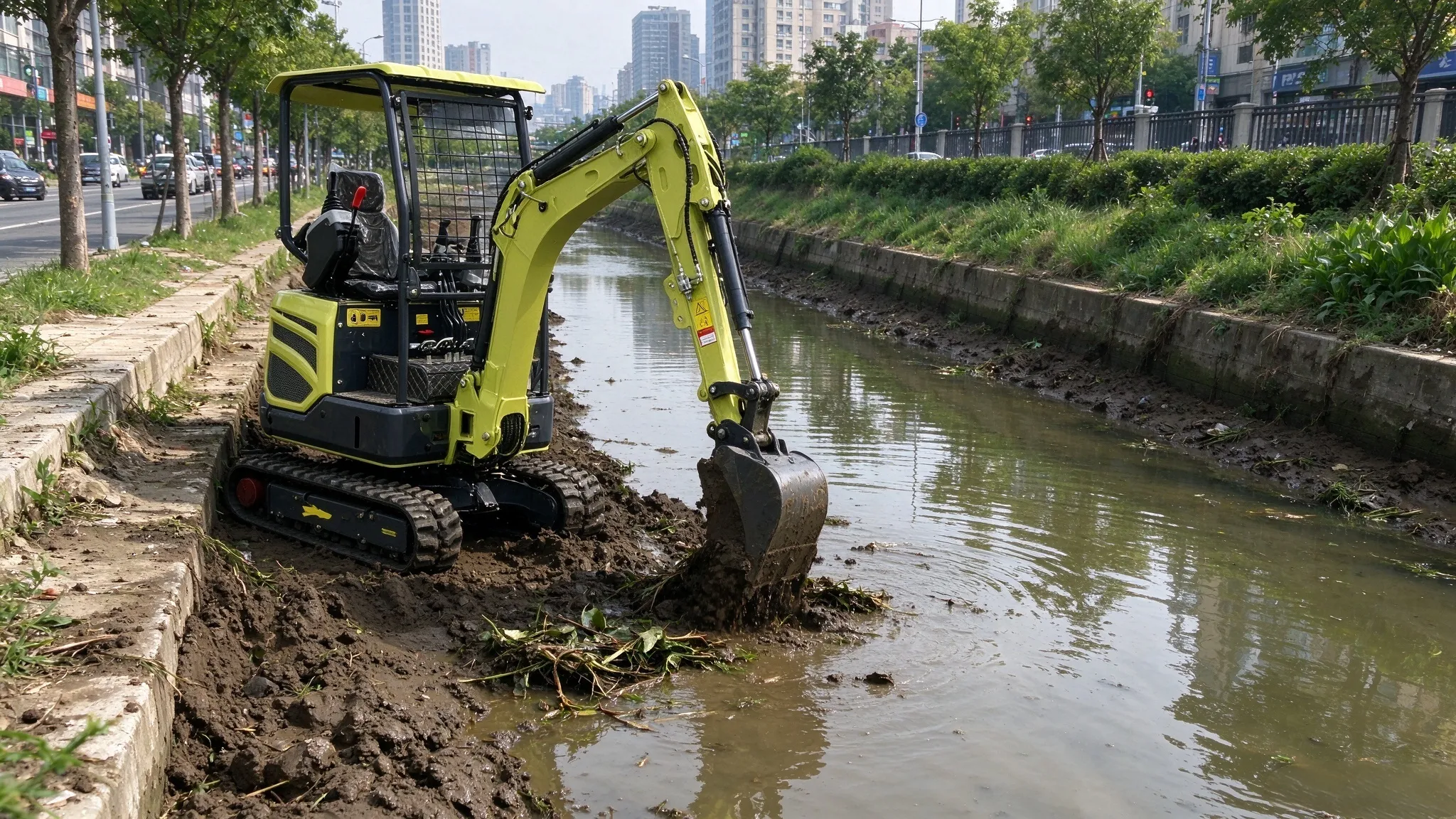
In the residential construction sector, these machines are indispensable for foundation digging, pool installation, and backyard landscaping. Their small footprint ensures that gardens and driveways remain intact during the excavation process, preserving the property’s aesthetics while completing the necessary groundwork.
Municipalities and utility companies rely on mini excavators for infrastructure maintenance. From repairing water lines to installing fiber optic cables, the precision and agility of these units allow work to be conducted with minimal disruption to traffic and daily life. This social license to operate is increasingly important in urban planning.
Urban Construction and Renovation
Urban environments present unique challenges, including limited space, strict noise regulations, and sensitive surrounding structures. Mini excavators are specifically engineered to thrive in these conditions. The zero-tail-swing models are particularly effective here, allowing rotation without encroaching on adjacent properties or sidewalks.
Demolition projects in city centers often require the selective dismantling of structures. The precision control of the hydraulic thumb and breaker attachments enables operators to remove specific sections of a building without compromising the integrity of the remaining structure. This selective approach is safer and more cost-effective than wholesale demolition.
Furthermore, the ability to transport these machines on smaller trailers reduces logistical hurdles. Urban contractors can move equipment between sites quickly without requiring oversized load permits or heavy-duty transport vehicles, streamlining operations and reducing transit costs.
Agriculture and Landscaping Utility
Beyond construction, the agricultural sector benefits greatly from the multifunctionality of mini excavators. Farmers use them for digging irrigation ditches, clearing land, and managing fencing projects. The ability to switch attachments rapidly allows a single machine to perform multiple roles throughout the seasons.
Landscapers utilize these excavators for creating ponds, planting large trees, and shaping terrain. The gentle pressure exerted by rubber tracks prevents damage to established lawns and hardscapes. This care for the existing landscape is a selling point for high-end residential landscaping contracts.
The durability of these machines also suits the rugged conditions of farm work. They can handle rough terrain and muddy conditions that would stall lesser equipment. Regular maintenance ensures they remain reliable partners during critical planting and harvesting windows.
Step-by-Step Guide to Selecting the Right Configuration
Choosing the correct configuration for your jcb mini excavator involves a systematic evaluation of your project needs. Following a structured approach ensures that you do not overspend on unnecessary features or underestimate the power required for your tasks. This process maximizes the utility of your investment.
Begin by assessing the typical job site conditions. Consider the space constraints, soil types, and accessibility issues. Next, determine the primary attachments you will need, as this dictates the hydraulic requirements. Finally, evaluate the transport logistics to ensure the machine fits your existing trailer and towing capacity.
Engaging with a knowledgeable supplier during this phase is crucial. They can provide insights into which configurations offer the best value for your specific scenario. Their experience with similar clients can help avoid common pitfalls in machine selection.
- Assess Site Constraints: Measure gate widths, ceiling heights for indoor work, and turning radii. Determine if a zero-tail-swing model is mandatory.
- Define Task Requirements: List the primary tasks (e.g., trenching, lifting, breaking). Calculate the required digging depth and lift height based on project blueprints.
- Select Attachment Package: Choose the necessary buckets, hammers, or augers. Verify the auxiliary hydraulic flow rate matches the attachment specifications.
- Evaluate Transport Logistics: Confirm the operating weight aligns with your trailer’s GVWR and your vehicle’s towing capacity. Check local regulations for transport permits.
- Review Operator Needs: Consider the experience level of your operators. Decide on cab features like air conditioning, heating, and advanced display screens.
This checklist serves as a practical framework for decision-making. By addressing each point methodically, buyers can configure a machine that is perfectly tailored to their operational reality, ensuring immediate productivity upon delivery.
Frequently Asked Questions (FAQ)
Addressing common queries helps clarify uncertainties regarding the procurement and operation of mini excavators. These answers are derived from industry standards and frequent client interactions, providing reliable guidance for prospective buyers.
What is the typical lead time for factory-direct orders?
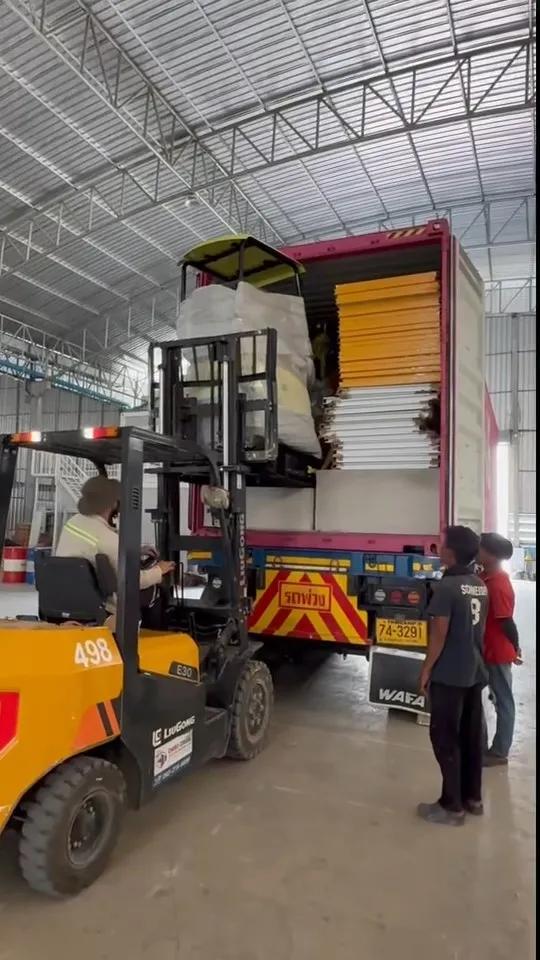
Lead times vary depending on the specific model configuration and current production schedules. Generally, standard models are available for immediate shipment from stock, while customized configurations may require a few weeks for assembly. Our team provides real-time updates on inventory status to manage expectations accurately.
Are spare parts readily available for these models?
Yes, genuine spare parts are maintained in strategic global warehouses to ensure quick availability. Leveraging our two decades of experience supplying components to major brands like Caterpillar and Komatsu, we maintain an extensive inventory of arms, booms, buckets, and wear parts. The modular design of the jcb mini excavator also facilitates easy sourcing of common wear parts. We recommend establishing a preventive maintenance plan with included spare kits to minimize any potential downtime.
Can these machines operate in extreme weather conditions?
These excavators are engineered to perform in a wide range of environmental conditions. Features like pre-heaters for cold climates and enhanced cooling systems for hot environments ensure reliable operation. However, proper winterization or summer-specific maintenance routines are recommended to optimize performance in extremes.
Is financing available for international buyers?
We collaborate with various financial institutions to offer flexible financing solutions for qualified international buyers. Terms and conditions depend on the buyer’s location and credit profile. Our sales team can connect you with financial partners who specialize in heavy equipment leasing and loans.
How does the warranty coverage work for exported units?
Warranty coverage is comprehensive and valid globally through authorized service networks. It covers major components including the engine, hydraulic pump, and swing motor. Detailed terms are provided with the purchase agreement, outlining the claims process and supported service centers in your region.
Conclusion: Securing Your Competitive Edge
Investing in a high-quality jcb mini excavator from a verified factory supplier is a strategic move for any construction, landscaping, or utility business. The combination of factory-direct pricing, authentic engineering, and robust support creates a compelling value proposition that drives long-term profitability. In 2026, the market rewards those who prioritize reliability and efficiency over short-term cost savings.
With our headquarters in Shandong and a legacy of serving Fortune 500 companies, we bring world-class manufacturing standards to every unit we produce. Whether you are navigating tight urban streets or managing large-scale site preparations, the right mini excavator configuration will elevate your operational capabilities. The key lies in selecting a partner who understands your specific needs and delivers a tailored solution.
To take the next step, evaluate your current fleet gaps and project pipeline. Identify the specific tonnage and attachment requirements that will unlock new revenue streams. Reach out to our expert team today to discuss your custom configuration and secure the best factory price available. Empower your business with machinery built to last and perform.

Please leave us a message


