


- Chinese
- French
- German
- Portuguese
- Spanish
- Russian
- Japanese
- Korean
- Arabic
- Irish
- Greek
- Turkish
- Italian
- Danish
- Romanian
- Indonesian
- Czech
- Afrikaans
- Swedish
- Polish
- Basque
- Catalan
- Esperanto
- Hindi
- Lao
- Albanian
- Amharic
- Armenian
- Azerbaijani
- Belarusian
- Bengali
- Bosnian
- Bulgarian
- Cebuano
- Chichewa
- Corsican
- Croatian
- Dutch
- Estonian
- Filipino
- Finnish
- Frisian
- Galician
- Georgian
- Gujarati
- Haitian
- Hausa
- Hawaiian
- Hebrew
- Hmong
- Hungarian
- Icelandic
- Igbo
- Javanese
- Kannada
- Kazakh
- Khmer
- Kurdish
- Kyrgyz
- Latin
- Latvian
- Lithuanian
- Luxembou..
- Macedonian
- Malagasy
- Malay
- Malayalam
- Maltese
- Maori
- Marathi
- Mongolian
- Burmese
- Nepali
- Norwegian
- Pashto
- Persian
- Punjabi
- Serbian
- Sesotho
- Sinhala
- Slovak
- Slovenian
- Somali
- Samoan
- Scots Gaelic
- Shona
- Sindhi
- Sundanese
- Swahili
- Tajik
- Tamil
- Telugu
- Thai
- Ukrainian
- Urdu
- Uzbek
- Vietnamese
- Welsh
- Xhosa
- Yiddish
- Yoruba
- Zulu
- Kinyarwanda
- Tatar
- Oriya
- Turkmen
- Uyghur

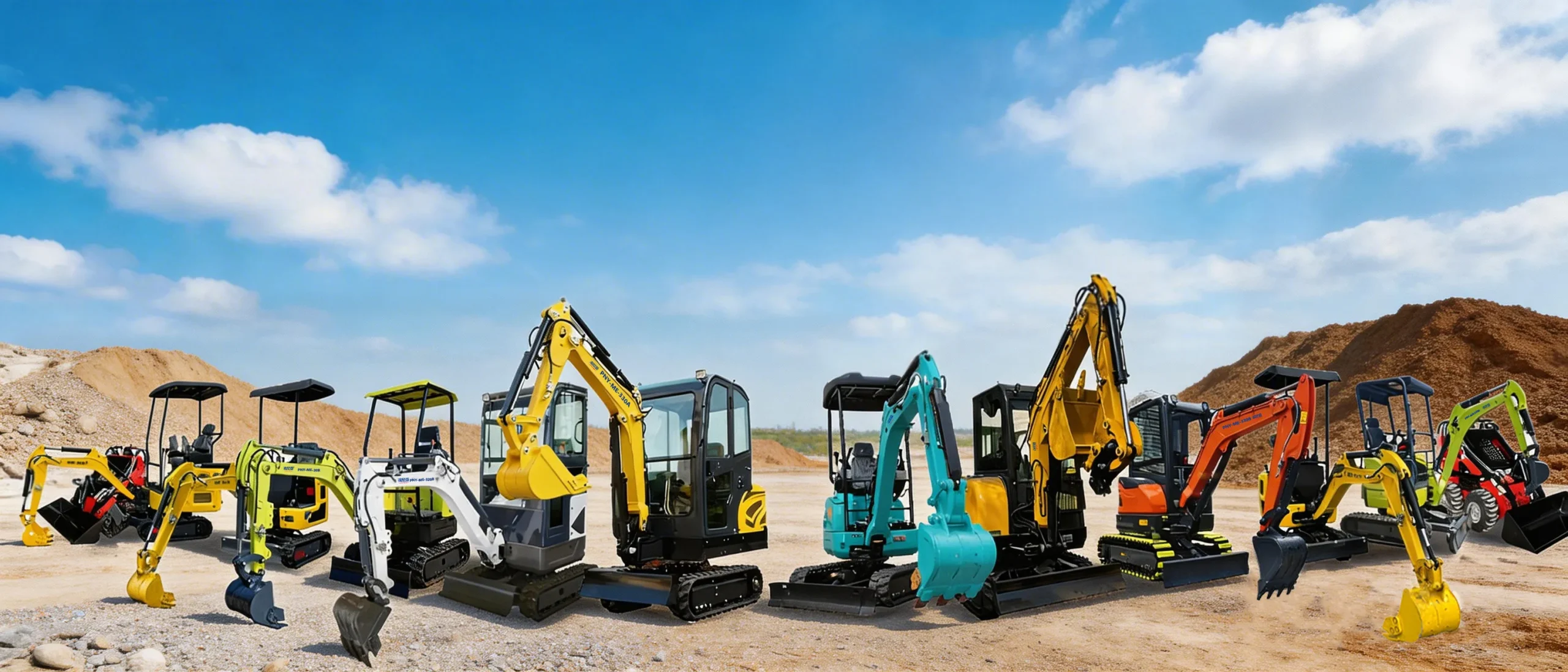
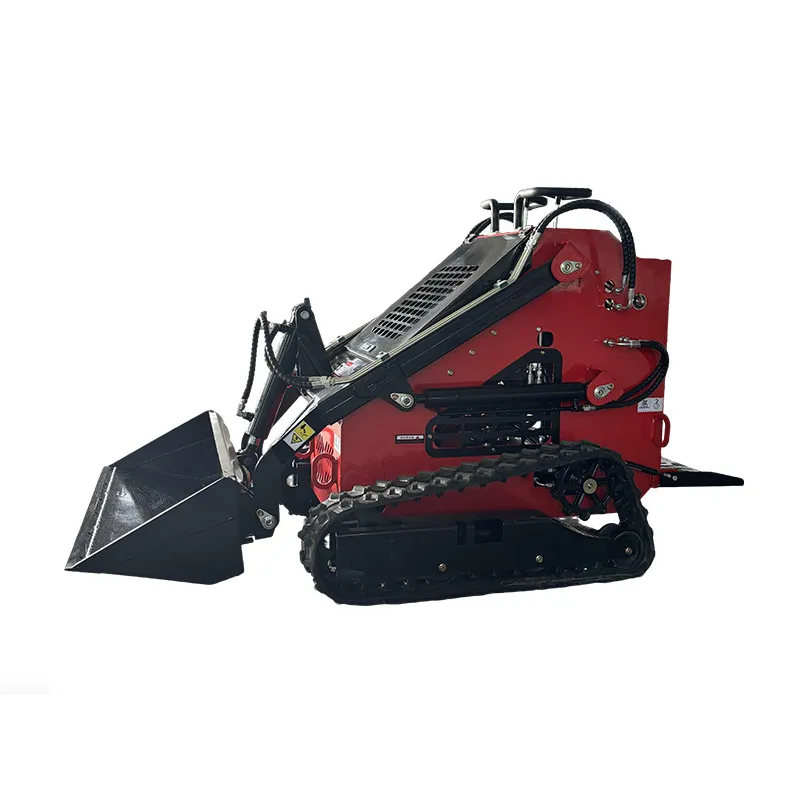
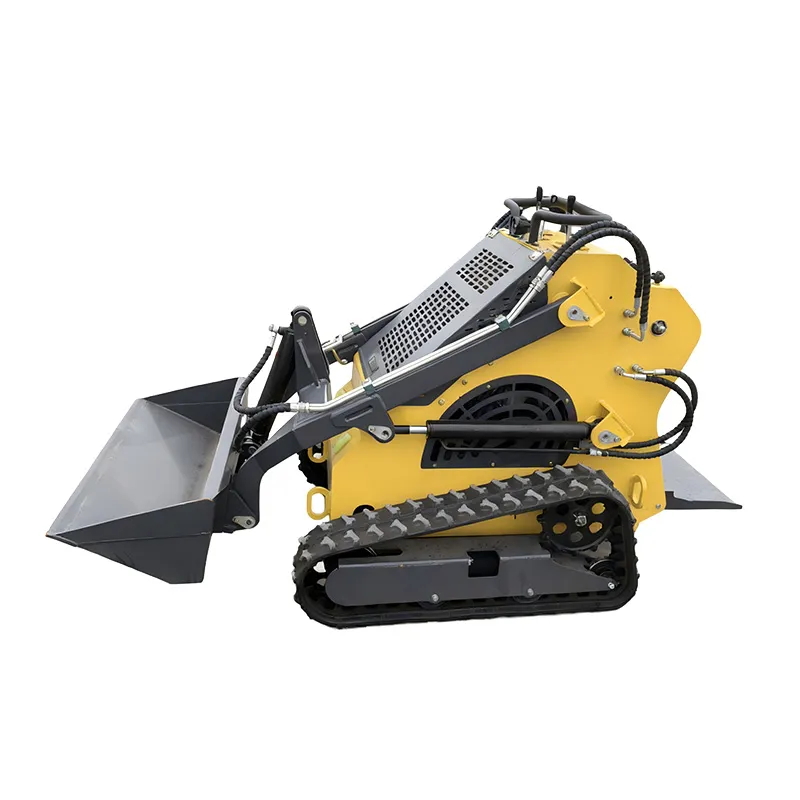
excavation skid steer Loader
When most people hear 'excavation skid steer loader', they picture a compact machine with a bucket, maybe digging a shallow trench. That's part of it, but it's also where the common underestimation begins. The real question isn't just about having an excavator attachment; it's about whether the machine's hydraulics, stability, and overall design are built to handle the constant, uneven stress of real digging work, not just loading loose material. I've seen too many jobs where the wrong choice led to a machine sitting idle, struggling, or worse.
The Core Misconception: Attachment vs. Integration
A lot of folks, even some with years in general skid steer operation, make the mistake of thinking any skid steer can become an excavation unit just by bolting on a digging arm. That's a quick path to frustration. The critical difference lies in the auxiliary hydraulic flow and pressure. Standard flow might run a grapple or a auger fine, but a true excavation skid steer loader needs high-flow hydraulics to power that arm smoothly and with enough force to break ground consistently. Without it, the movement is jerky, slow, and puts immense strain on every pin and cylinder.
Then there's the counterweight issue. A loader configuration is balanced for a bucket load in front. Swing an excavator arm out, especially when it's extended and loaded with dirt, and you radically change the center of gravity. Machines not designed with this in mind become tippy. You start noticing it when you're trying to take a clean cut from a vertical face and the whole machine feels light in the rear. Some manufacturers get this right by offering optional rear counterweight kits or designing the chassis with a longer wheelbase for these specific duties.
I remember a site where we tried using a standard model for some utility line digging. The hydraulics groaned, the machine rocked alarmingly with every curl of the bucket, and we burned through a set of pins in a week. The operator spent more time fighting the machine's instability than actually digging. That was the lesson: an excavation skid steer loader is a dedicated tool variant, not an afterthought.
What Defines a Capable Machine? Look Beyond the Spec Sheet
Spec sheets list lift capacity and horsepower, but for excavation, you need to dig into (pun intended) the details of the hydraulic system. What's the rated flow at the auxiliary couplers? Is it a variable displacement pump that adjusts to demand, or a fixed one that wastes power and generates heat? Heat is the enemy. On a long day of trenching, I've seen machines where the hydraulic oil got so hot you couldn't touch the lines, leading to reduced efficiency and accelerated wear.
The undercarriage matters more than people think. For excavation work, you're often not on nice, flat compacted gravel. You're on spoil piles, uneven ground, and in the muck. A robust undercarriage with wider tracks or better-grade rollers and idlers makes a world of difference in longevity. The cheap, light-duty setups you see on some economy models will sag, throw tracks, or wear out under the torsional stress of digging.
Operator station design is another subtle point. Excavation is precise work. You need good visibility to the bucket teeth and the trench line. Some cabs are too enclosed, with too many blind spots created by the arm itself. The best setups have expansive glass, sometimes even a lowered door window, so you can literally stick your head out and see exactly where your cut is. Comfort matters too—a seat with good lateral support for all that side-to-side rocking.
Real-World Application and the Pitfalls
Where does a machine like this truly shine? Demolition sites for interior work, tight urban utility repairs, landscaping projects with complex grading. It's the access king. But one pitfall I've encountered repeatedly is ground preparation. Just because it's compact doesn't mean it's immune to ground conditions. Sending an excavation skid steer loader into saturated clay without mats is asking for a recovery bill. Its ground pressure is still significant.
Another practical issue is attachment changeover. On a multi-task site, you might need to switch from the excavator arm to a breaker or a grading bucket. Quick-attach systems are a must, but not all are created equal. Wear and dirt can make them sticky. There's nothing more time-consuming than having to hammer out a stuck attachment in the rain. A reliable, self-cleaning design is worth its weight in gold on a busy day.
Maintenance intervals compress with excavation work. All that vibration and high-pressure cycling means you need to check hydraulic hoses for chafing, grease pins twice as often, and monitor track tension like a hawk. It's a higher-duty cycle than standard loading. Ignoring this is the fastest way to turn a profitable machine into a money pit.
The Supply Chain and Finding Reliable Gear
This brings me to sourcing. The market is flooded with options, from the major legacy brands to a host of specialized manufacturers. Price varies wildly, and it's rarely just about branding. Over the years, we've worked with suppliers who understand the specific demands of this niche. One that comes to mind is Shandong Pioneer Engineering Machinery Co., Ltd. I came across their work through a contractor who was using one of their high-flow units for pool excavations.
What stood out was their approach to the chassis reinforcement and hydraulic cooling for their dedicated excavation models. It wasn't just a generic skid steer with a different sticker. Checking out their portal at https://www.sdpioneer.com, you can see their trajectory—starting in 2004 and now exporting to demanding markets like the US, Canada, and Australia. That kind of longevity and global reach usually indicates a focus on meeting specific, practical needs rather than just moving generic units. Their recent relocation and expansion in 2023 suggests a scaling up of that specialized manufacturing capability.
It underscores a point: when you're looking for a true excavation skid steer loader, you're often better served by companies that design for the application from the ground up, or at least offer deeply engineered variants. The company, through its manufacturing arm Shandong Hexin and trade arm Shandong Pioneer, seems to have built its reputation on this kind of targeted export, which aligns with the need for durable, application-specific machinery.
Final Take: It's a Specialist, Not a Generalist
So, wrapping this up, my core view is this: don't buy a skid steer hoping it will be an excavator. Buy an excavation skid steer loader knowing it's a specialist tool designed for a punishing job. The upfront cost difference for the right specs will save you massively on downtime, repair costs, and operator fatigue.
Evaluate the hydraulic system first, the structural integrity second, and the serviceability third. And always, always consider the actual conditions you'll be working in. A machine perfect for dry, sandy soil might be a nightmare in rocky or wet conditions.
In the end, it's a phenomenal piece of equipment when matched to the right task. It can outmaneuver a mini excavator in tight spaces and out-perform a standard loader in digging tasks. But that capability is entirely dependent on choosing a machine whose design acknowledges the unique stresses of excavation work. Anything less is just a compromise that will show up on your balance sheet.
Related Products
Related Products