- Chinese
- French
- German
- Portuguese
- Spanish
- Russian
- Japanese
- Korean
- Arabic
- Irish
- Greek
- Turkish
- Italian
- Danish
- Romanian
- Indonesian
- Czech
- Afrikaans
- Swedish
- Polish
- Basque
- Catalan
- Esperanto
- Hindi
- Lao
- Albanian
- Amharic
- Armenian
- Azerbaijani
- Belarusian
- Bengali
- Bosnian
- Bulgarian
- Cebuano
- Chichewa
- Corsican
- Croatian
- Dutch
- Estonian
- Filipino
- Finnish
- Frisian
- Galician
- Georgian
- Gujarati
- Haitian
- Hausa
- Hawaiian
- Hebrew
- Hmong
- Hungarian
- Icelandic
- Igbo
- Javanese
- Kannada
- Kazakh
- Khmer
- Kurdish
- Kyrgyz
- Latin
- Latvian
- Lithuanian
- Luxembou..
- Macedonian
- Malagasy
- Malay
- Malayalam
- Maltese
- Maori
- Marathi
- Mongolian
- Burmese
- Nepali
- Norwegian
- Pashto
- Persian
- Punjabi
- Serbian
- Sesotho
- Sinhala
- Slovak
- Slovenian
- Somali
- Samoan
- Scots Gaelic
- Shona
- Sindhi
- Sundanese
- Swahili
- Tajik
- Tamil
- Telugu
- Thai
- Ukrainian
- Urdu
- Uzbek
- Vietnamese
- Welsh
- Xhosa
- Yiddish
- Yoruba
- Zulu
- Kinyarwanda
- Tatar
- Oriya
- Turkmen
- Uyghur


excavator factory
When most people hear 'excavator factory,' they picture a vast, robotic assembly line churning out identical yellow machines. That's the glossy brochure version. The reality, especially for a mid-sized operation like ours, is messier, more hands-on, and far more interesting. It's less about massive automation and more about solving a thousand small problems every day—weld quality on a boom, hydraulic hose routing that doesn't chafe, sourcing a reliable valve block when the usual supplier is backlogged. The factory isn't just a production site; it's a constant negotiation between design, procurement, shop floor skill, and what the customer actually needs in the field, which is often two different things.
The Foundation: More Than Just Square Meters
Our own move last year drove this home. We operated from a 1,600 sqm facility in Jining for nearly two decades. That space held our entire history—the first prototype, the first export order. But growth forces change. In August 2023, we relocated to a new site in Ningyang County. The number—the new square footage—isn't the point. The point was redesigning the workflow. In the old plant, the painting booth was too close to final assembly, causing dust issues. We lived with it for years. The new layout was a chance to correct that, to sequence processes logically. It's a headache, moving a factory. You risk disrupting production for months. But getting the flow right is a long-term investment in quality that no customer sees but every operator feels.
This ties back to a common industry misconception: that a bigger factory automatically means better or more excavators. Not true. I've seen sprawling facilities with terrible throughput because of poor logistics. Efficiency is about intelligent design, not sheer size. Our focus at Shandong Pioneer Engineering Machinery Co., Ltd has always been on a leaner, more controllable process. You can track a machine from the welding station to testing more easily. When a problem arises—say, a slight leak in a final drive—you can trace it back in hours, not days. That control is what builds reliability.
The website, https://www.sdpioneer.com, lists our establishment date and journey. What it doesn't show is the physical evolution. That 2004 start was essentially a large workshop. Today, the operation is segmented: Shandong Hexin handles the core manufacturing, the grit of bending steel and assembling cylinders. Shandong Pioneer manages the overseas trade. This separation isn't administrative; it forces specialization. The manufacturing team's KPIs are about weld penetration and torque specs. The trade team's are about understanding whether Australian mine sites need different bucket teeth than German utility contractors. This structure prevents the factory from becoming insular.
The Product: Where Specs Meet Dirt
Talking about an excavator's specs—digging force, engine horsepower—is easy. The real test is in the connection points. The pin-and-bush assembly on the stick, for instance. We learned early on that saving $50 on a set of lower-grade pins is a catastrophic mistake. They wear out in a few hundred hours, causing slop in the linkage, which then misaligns the hydraulic cylinder, leading to seal failure. A chain reaction. Now, we over-spec on pins and bushes. It's a cost we absorb, but it eliminates one of the top causes of premature wear. This isn't in any sales manual; it's a lesson from field failure reports.
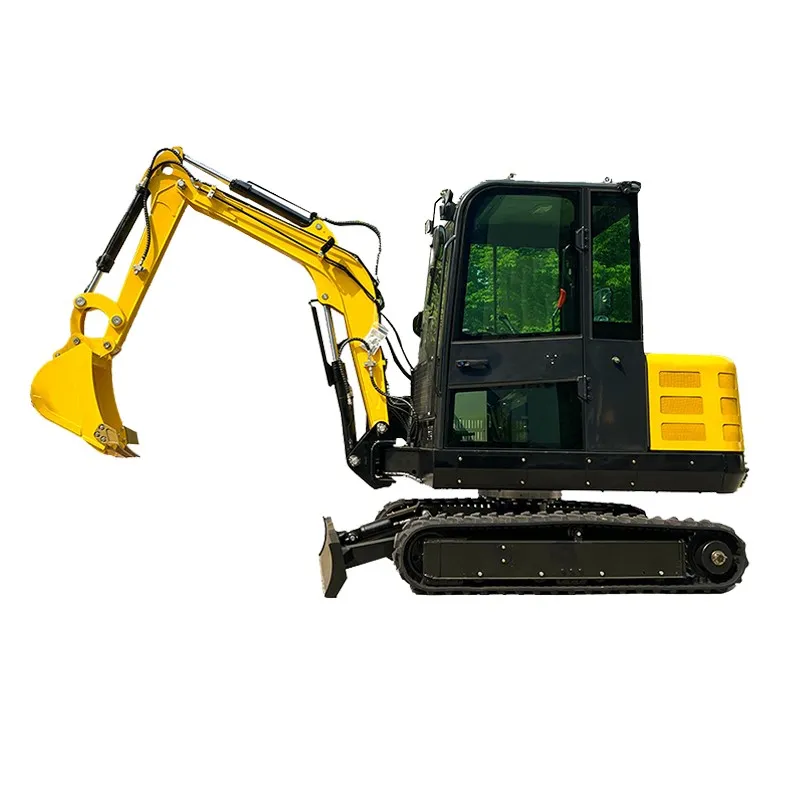
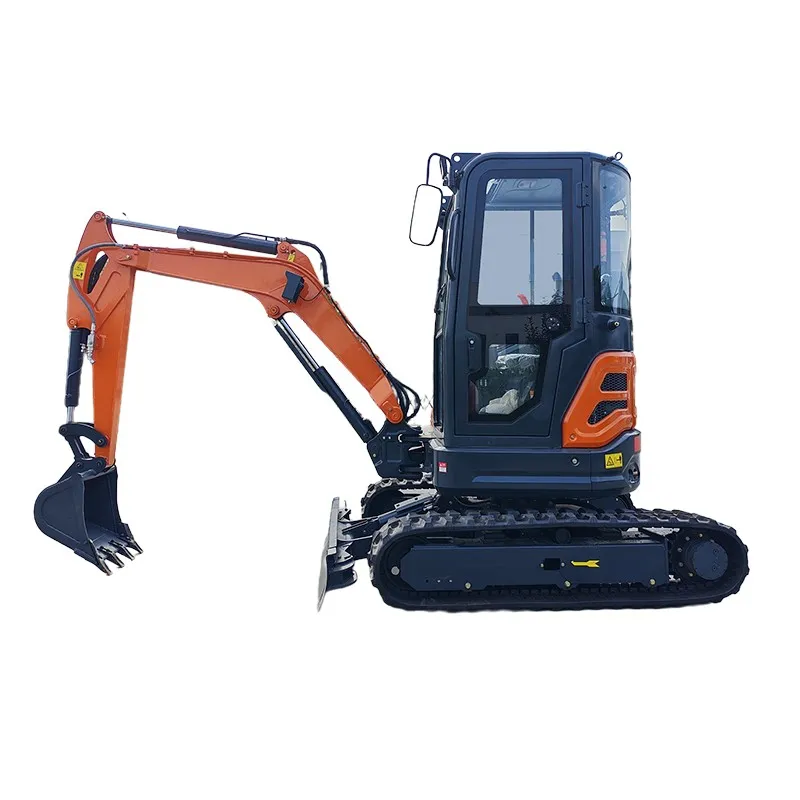
We produce a range, but our focus has gravitated towards the 20-ton class and compact models. Why? The 20-tonner is the universal workhorse. It's big enough for serious excavation but transportable without special permits in many markets. For these, the undercarriage is everything. We source track links from a specialized foundry, but even then, every batch gets a hardness test. I recall a shipment last year where the hardness was technically within tolerance but at the very low end. We debated. Do we use them? Risk it? We rejected the batch. It delayed production for two weeks, but the alternative was potentially cracked links in a Canadian winter. That's a decision you make on the factory floor, not in a boardroom.
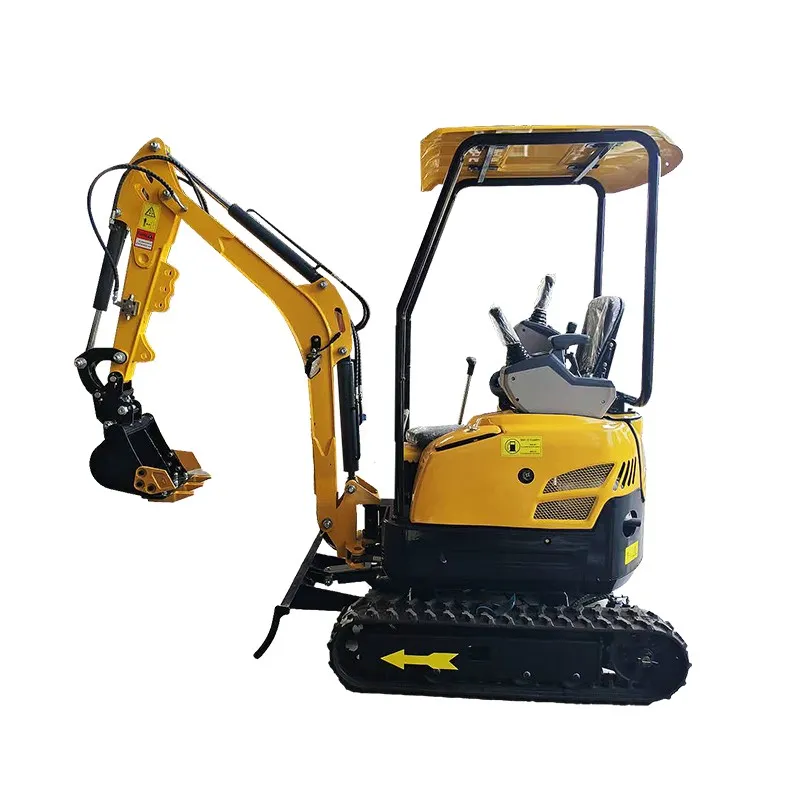
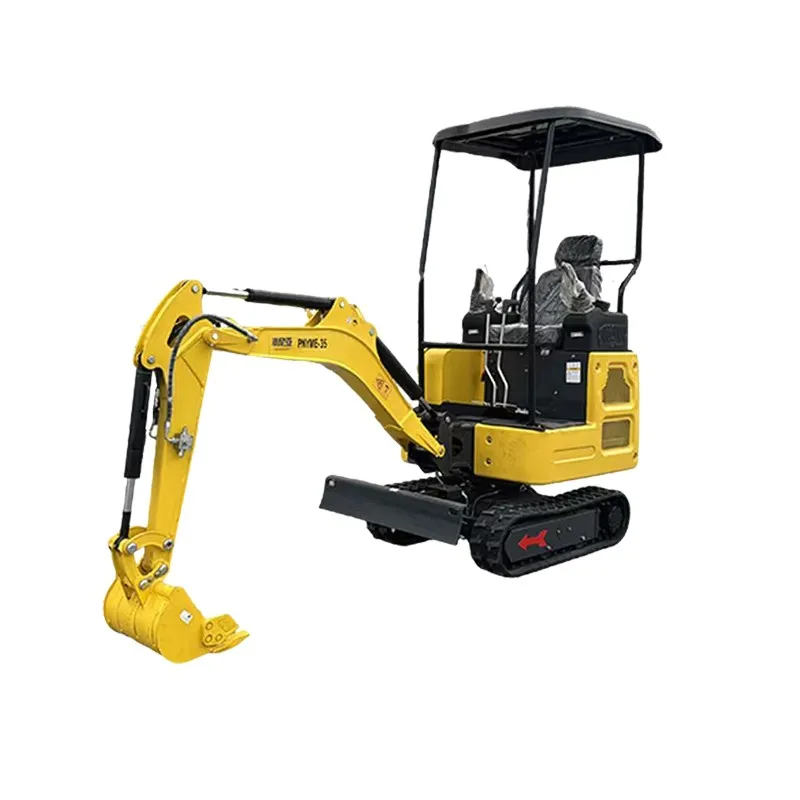
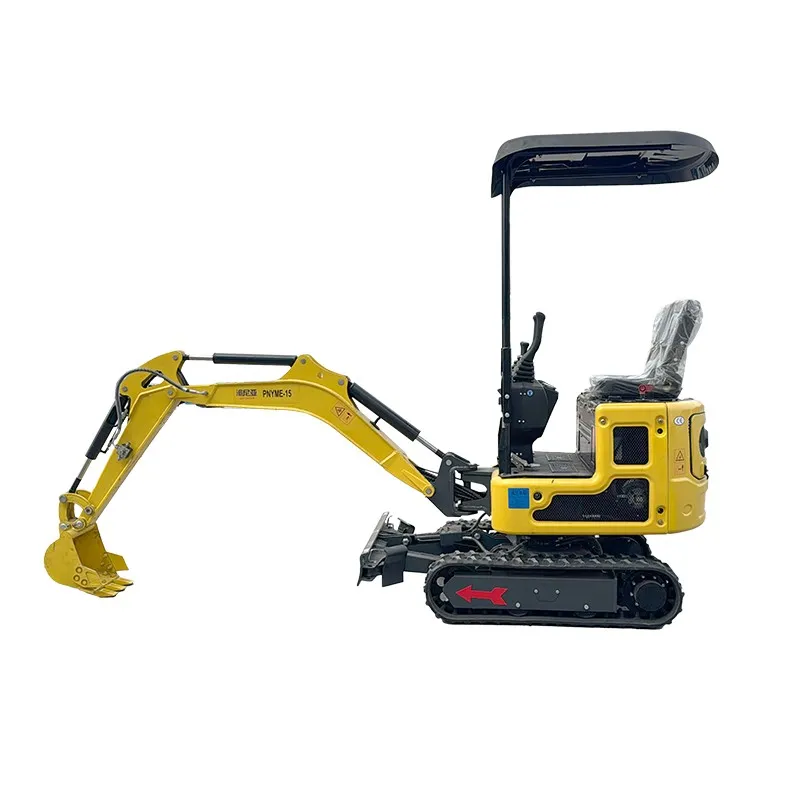
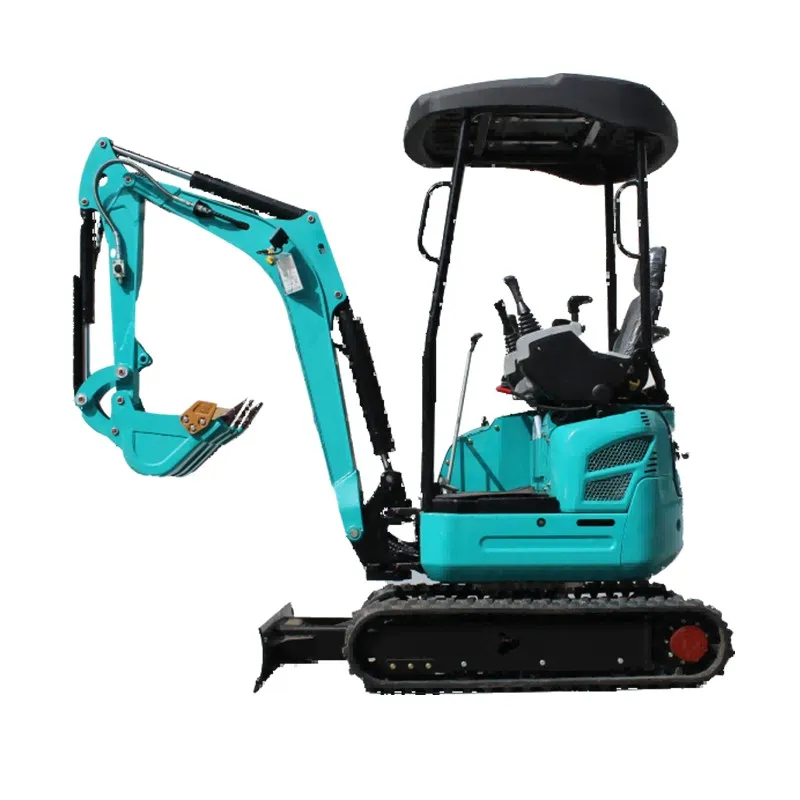
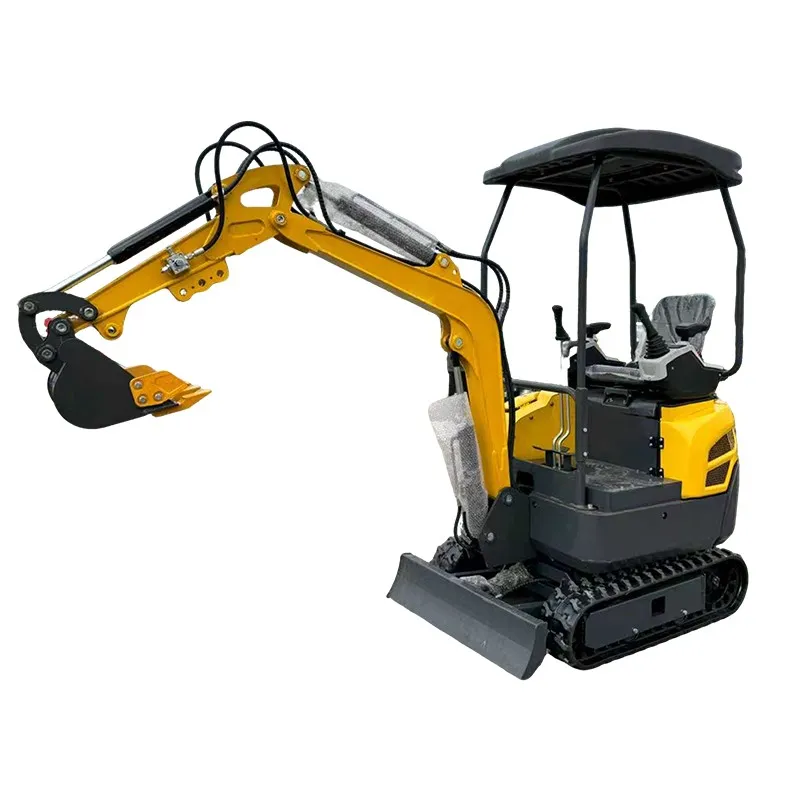
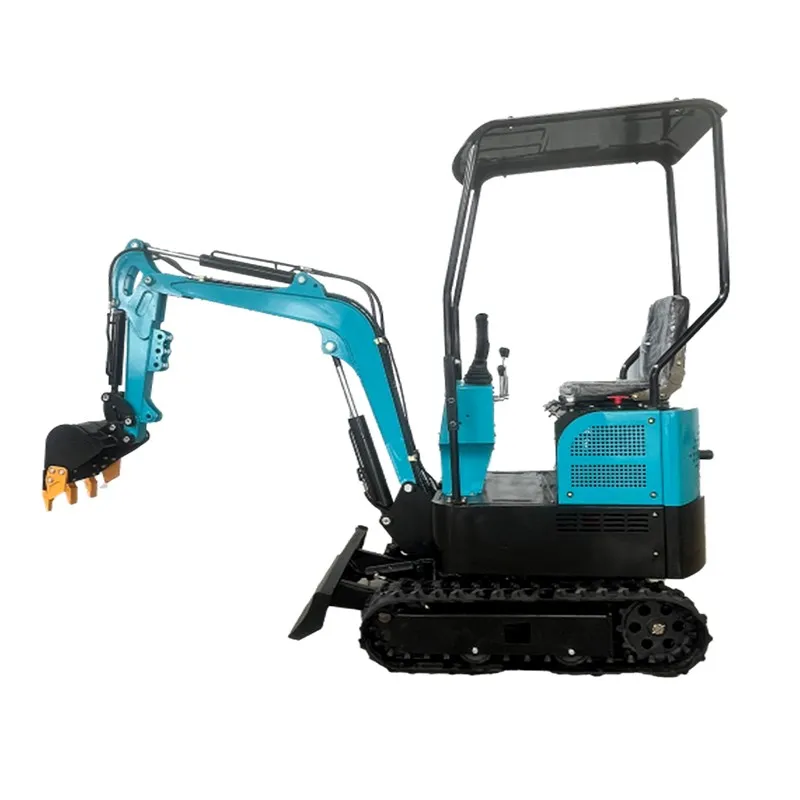
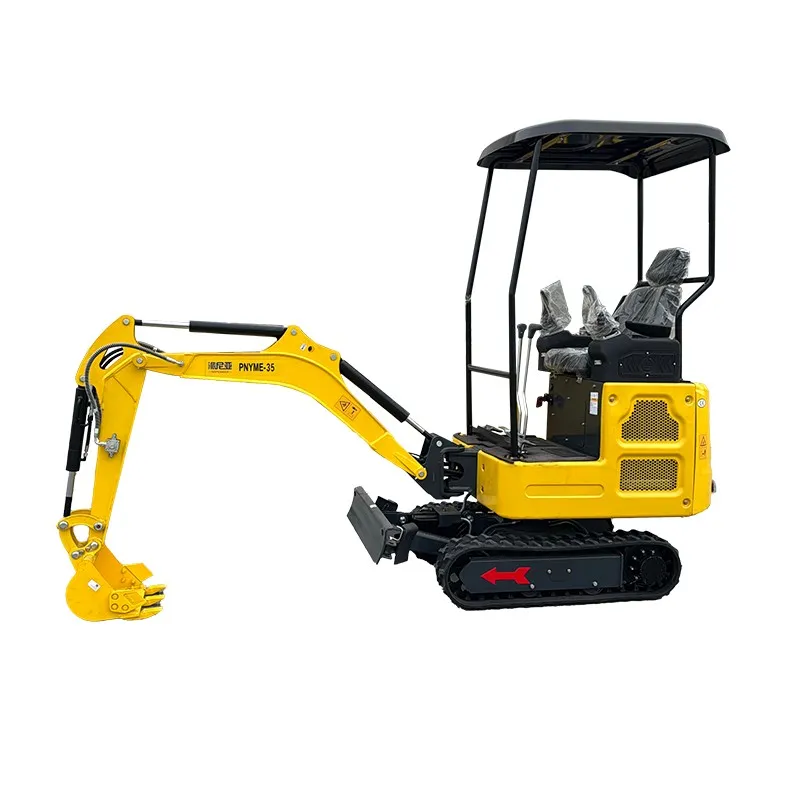
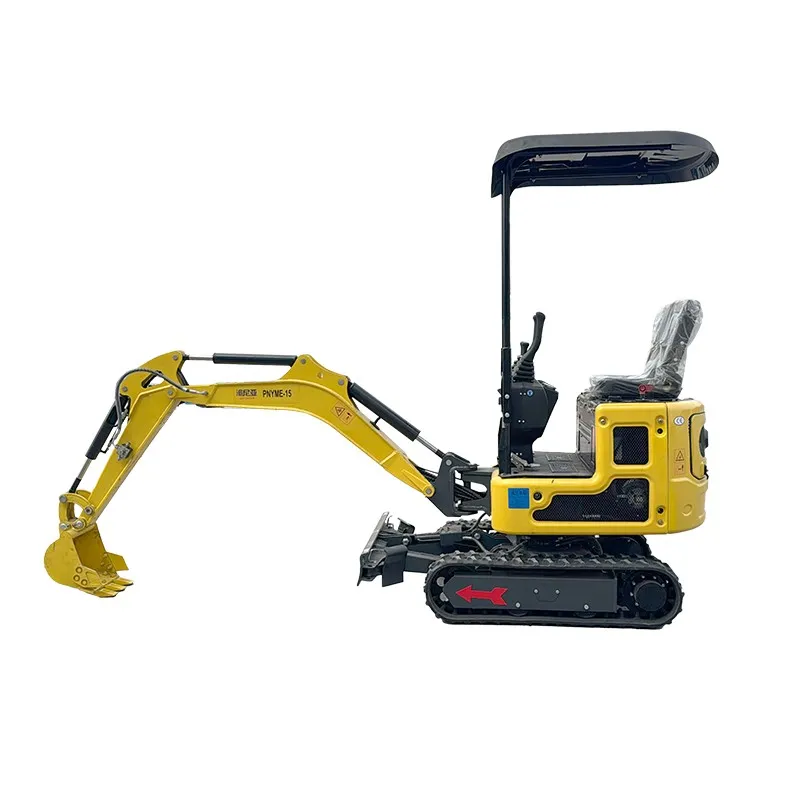
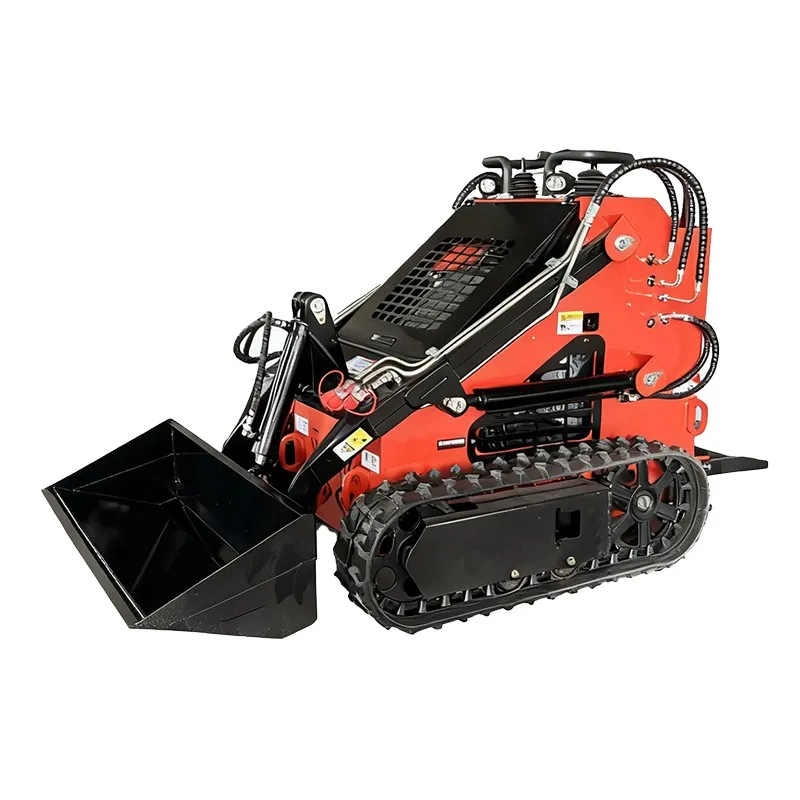
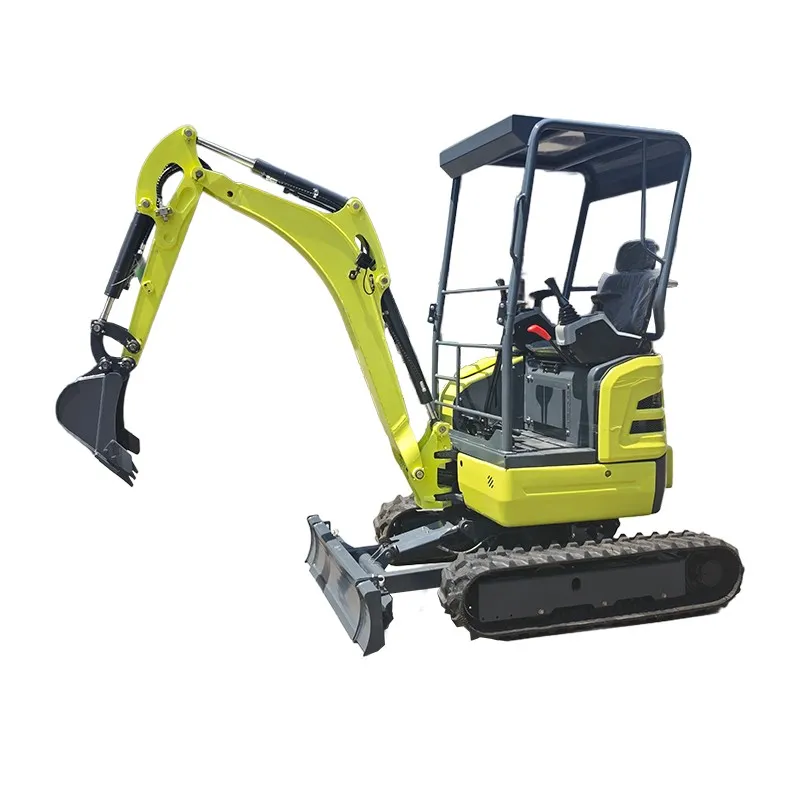
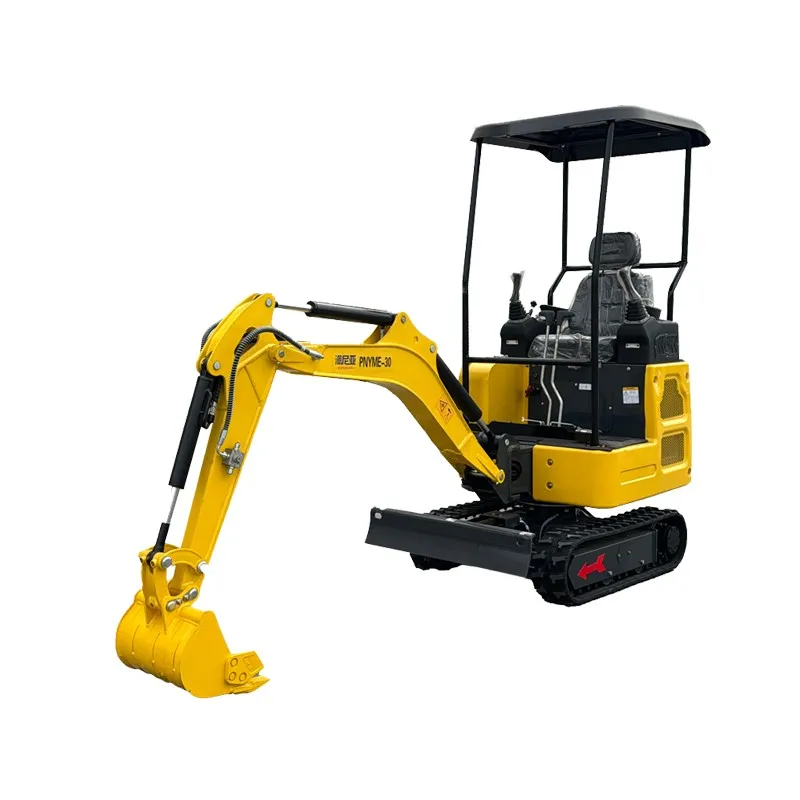
Then there are the compacts. The demand for mini excavators in Europe and North America is huge, but it's a different game. It's less about raw power and more about precision, auxiliary hydraulic circuits for attachments, and operator comfort. One of our failures was an early compact model where we used the same seat as in a larger machine. Feedback from Germany was brutal: operators on a 3-ton machine doing landscaping work are in the seat all day; comfort is critical. We had to retrofit a new, suspension-style seat. A small detail that cost us the entire profit margin on that first batch. Now, we partner with a seat supplier from the start.
The Global Test: Export is the Ultimate QC
Selling locally is one thing. Exporting to markets like the United States, Canada, Germany, and Australia is your quality control audit. These customers have alternatives—Japanese, Korean, American brands. They are unforgiving. Our first few containers to Australia taught us about rust prevention. Sea voyage, high humidity—we had surface rust on some cylinder rods upon arrival. Not functional, but it looked terrible. Now, our packaging includes VCI (Vapor Corrosion Inhibitor) paper and desiccants as standard. It's a tiny line item in the cost sheet, but it signals care.
The trust we've won, as noted in our company's track record, isn't from being the cheapest. It's from consistency and post-sales support. A dealer in Texas doesn't care if your factory is state-of-the-art; he cares if he can get a replacement joystick controller in three days. This forced us to build a parts inventory system that feels disconnected from the factory's production goals. You have to stock slow-moving parts for machines sold five years ago. It ties up capital, but it's the cost of credibility. The factory, therefore, isn't just building new machines; it's also the source for sustaining the old ones.
Germany was another lesson. They have incredibly strict emissions regulations (Stage V). We initially thought adapting our engines would be a straightforward certification process. It was a nightmare of software integration, Diesel Particulate Filter (DPF) regeneration cycles, and sensor calibration. We almost gave up on that market. The breakthrough came not from our engineers alone, but from a tight collaboration with our engine supplier's German tech team. We had to learn to speak their language—literally and technically. Now, that expertise feeds back into all our products, making them cleaner and more efficient across the board.
The Human Element: Welders and Wrenches
You can have the best CNC cutting machine, but if your welders aren't artists, the structure will fail. The heart of our excavator factory is the welding bay. We've moved from basic manual welding to a mix of manual for complex joints and robotic arms for long, consistent seams on the boom. But the robot is just a tool. The programmer who sets its path speed and wire feed rate is the key. He was a manual welder for 15 years. His feel for the metal translates into code. That's an irreplaceable kind of knowledge.
Training is constant. A new hire might know how to lay a bead, but does he understand heat input and its effect on the HAZ (Heat-Affected Zone)? We started doing small, weekly workshops right on the floor. We'd cut through a test weld to examine penetration. It slowed down production initially, but the defect rate on critical joints dropped by maybe 30%. That's a tangible factory-floor win. It also gave the crew a sense of ownership. They're not just assembling; they're building something that has to last.
Then there's final inspection and testing. Every machine gets a functional test. But it's not just a checklist. The test operator, an old-timer named Wang, can tell if a hydraulic pump is noisy in a way the sensors can't. He feels a slight hesitation in the swing that might indicate trapped air in the line. This subjective, experiential judgment is our last line of defense. We tried to replace some of this with pure data logging, but we lost nuance. Now, we combine both. Wang's notes go into the digital record for that machine's serial number.
Looking Ahead: The Factory as an Ecosystem
So, where does this leave the idea of a factory? It's an ecosystem. It starts with steel at the receiving dock and ends with a tested machine ready for shipment, but in between, it's a living system of people, decisions, and adapted processes. The relocation to Ningyang wasn't just a change of address; it was a physical manifestation of two decades of accumulated lessons. The new space lets us implement the flow we always wanted.
The future pressure points are clear: electrification and even smarter machines. We're dabbling in battery-electric prototypes for the compact range. The factory challenge here is completely different—battery packs, high-voltage wiring, thermal management systems instead of diesel engines and radiators. It requires a different set of supplier relationships and technician skills. We might need a dedicated, isolated bay for high-voltage work. It's a puzzle we're just starting to solve.
Ultimately, an excavator factory like ours survives on its adaptability. It's not about pouring concrete and buying robots. It's about building a culture that listens to the guy operating the machine in a muddy pit in Alberta, that can reject a batch of subpar track links, and that sees a relocation not as a disruption but as a chance to fix old mistakes. The product is the excavator, but the factory's real output is trust. And that's built one weld, one hose clamp, and one tough decision at a time.
Related Products
Related Products