- Chinese
- French
- German
- Portuguese
- Spanish
- Russian
- Japanese
- Korean
- Arabic
- Irish
- Greek
- Turkish
- Italian
- Danish
- Romanian
- Indonesian
- Czech
- Afrikaans
- Swedish
- Polish
- Basque
- Catalan
- Esperanto
- Hindi
- Lao
- Albanian
- Amharic
- Armenian
- Azerbaijani
- Belarusian
- Bengali
- Bosnian
- Bulgarian
- Cebuano
- Chichewa
- Corsican
- Croatian
- Dutch
- Estonian
- Filipino
- Finnish
- Frisian
- Galician
- Georgian
- Gujarati
- Haitian
- Hausa
- Hawaiian
- Hebrew
- Hmong
- Hungarian
- Icelandic
- Igbo
- Javanese
- Kannada
- Kazakh
- Khmer
- Kurdish
- Kyrgyz
- Latin
- Latvian
- Lithuanian
- Luxembou..
- Macedonian
- Malagasy
- Malay
- Malayalam
- Maltese
- Maori
- Marathi
- Mongolian
- Burmese
- Nepali
- Norwegian
- Pashto
- Persian
- Punjabi
- Serbian
- Sesotho
- Sinhala
- Slovak
- Slovenian
- Somali
- Samoan
- Scots Gaelic
- Shona
- Sindhi
- Sundanese
- Swahili
- Tajik
- Tamil
- Telugu
- Thai
- Ukrainian
- Urdu
- Uzbek
- Vietnamese
- Welsh
- Xhosa
- Yiddish
- Yoruba
- Zulu
- Kinyarwanda
- Tatar
- Oriya
- Turkmen
- Uyghur


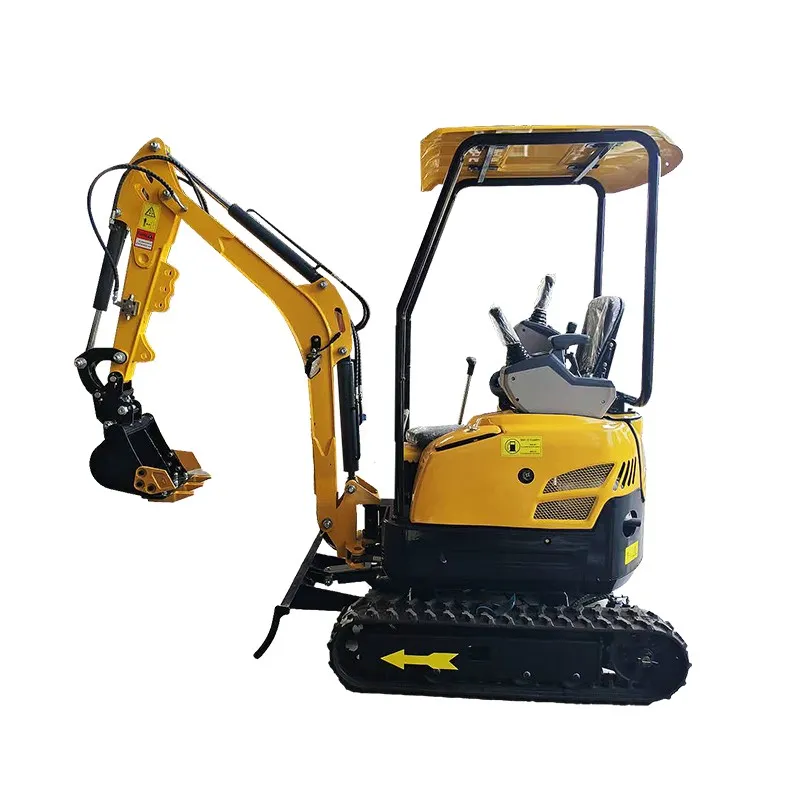
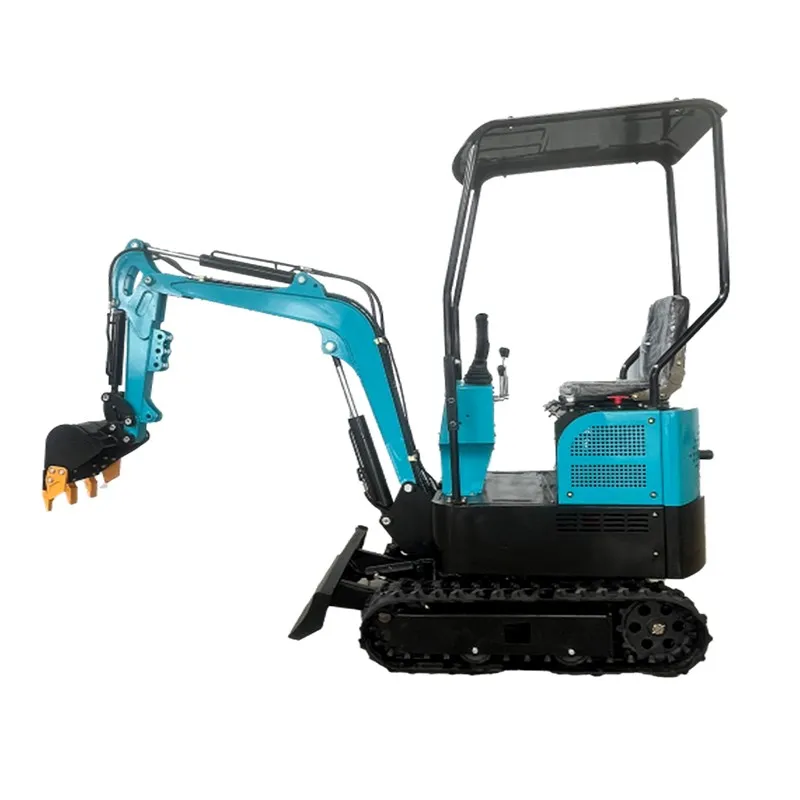
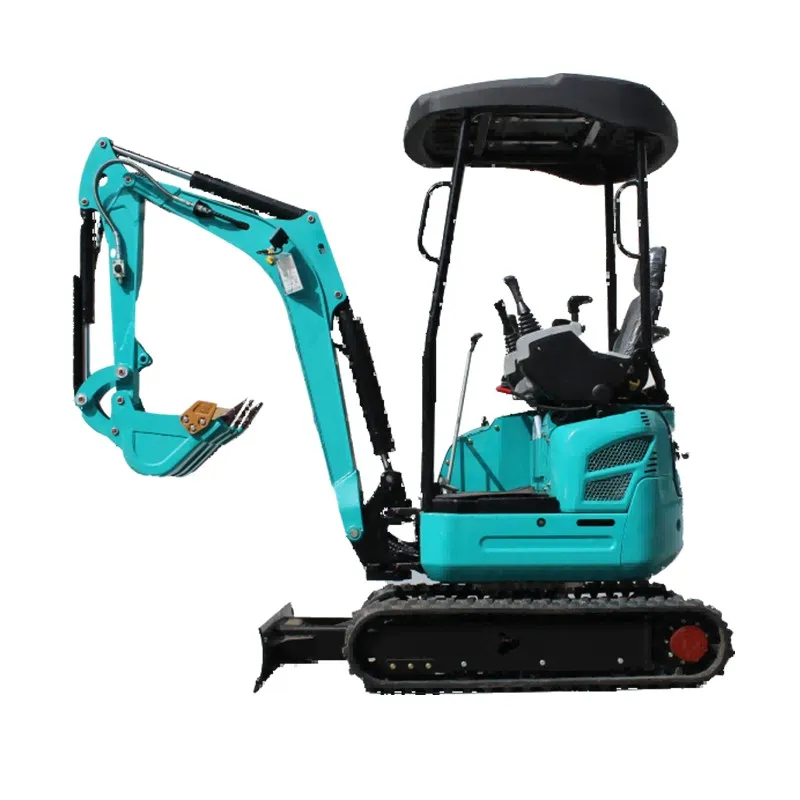
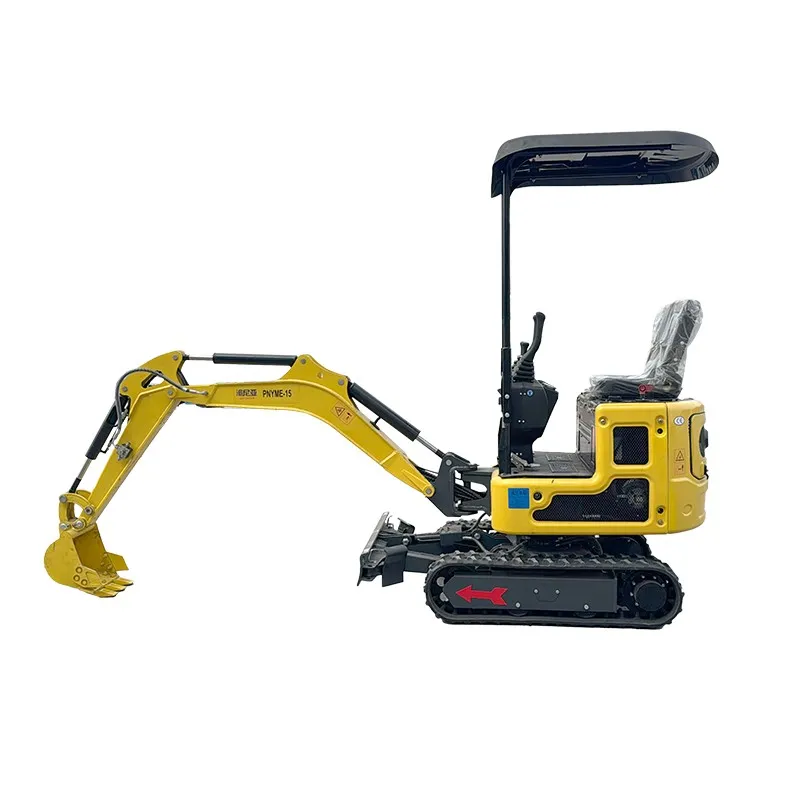
Excavator for municipal use
When most people hear excavator for municipal use, they picture a small, tidy machine digging a neat trench for a water line. That's part of it, sure, but it's a surface-level view that misses the real complexity. The municipal environment isn't a controlled construction site; it's a live network of utilities, public traffic, tight budgets, and unpredictable ground conditions. The choice of machine here isn't just about digging force or bucket size—it's about fitting into a chaotic, constrained ecosystem. I've seen too many projects where the wrong machine, even if it was technically an excavator, created more problems than it solved, from shearing a fiber optic line buried six inches off the marked map to causing traffic snarls that drew council complaints. The real expertise lies in understanding that the machine is just one component in a high-stakes, low-margin puzzle.
The Core Misconception: Size Isn't Everything
There's a persistent idea that municipal work automatically means mini excavators. For sidewalk repairs or planting trees, that's true. But for a significant portion of the work—like rehabilitating a century-old brick sewer main under a downtown street—you need a machine with enough power and stability to handle deep, precise digs, yet with configurations that prioritize control over raw power. A standard 20-tonner is often too bulky and its tracks too aggressive for sensitive pavement. The sweet spot tends to be in the 13 to 16-ton range, but with critical modifications: a variable gauge undercarriage is non-negotiable for navigating between parked cars and work zones, and a hydraulic system tuned for smooth, low-impulse movement when working over live gas or water mains.
I recall a project in an old district where we were replacing a storm drain. The specs called for a 10-ton mini, but the soil, once we got past the asphalt, was a mix of rubble and wet clay. The mini just didn't have the weight or hydraulic flow to both break up the compacted rubble and efficiently handle dewatering. We lost two days before switching to a 14-ton model from Shandong Pioneer Engineering Machinery Co., Ltd. It had the right balance—enough heft to stay planted in the muck, but with a footprint narrow enough to keep two lanes of traffic flowing. That's the kind of nuance you learn on-site, not from a spec sheet. You can see their approach to these balanced designs on their site at https://www.sdpioneer.com.
The attachment ecosystem is where the true municipal specialization happens. It's not just a bucket. It's a hydraulic-powered vacuum excavator for non-destructive potholing to locate utilities, a compaction wheel for backfilling trenches to 95% Proctor density on the first pass, and a tiltrotator that allows the operator to angle a breaker or a grading bucket without constantly repositioning the machine. Investing in these attachments upfront saves countless man-hours and reduces the risk of costly utility strikes. A common failure is trying to make a standard digging bucket do all these jobs, which leads to sloppy work and rework.
Downtown Realities: Noise, Emissions, and the Public Eye
Municipal contracts now almost always have strict clauses for noise and emissions, especially in residential or commercial zones. You can't just roll in with an older Tier 3 engine machine anymore. The low-emission excavator for municipal use is a financial and operational necessity. But it's more than compliance. A quieter machine means you can start work earlier without violating local ordinances, effectively extending your productive day. Electric and hybrid models are entering the conversation, but for now, the reliability and runtime of a modern, quiet diesel—like those in the units exported by Shandong Pioneer to markets with strict regulations like Germany and Canada—are the pragmatic choice for a full 10-hour shift.
The public interaction element is huge. An excavator operator in a city is a de facto ambassador for the project. I've trained operators to use the machine's smooth controls to perform almost delicate tasks—like using the back of the bucket to gently tamp down asphalt patch around a manhole, or using the arm to carefully lift a section of concrete curb without cracking it. A jerky, aggressive operator draws complaints. A smooth, precise one can sometimes even get a nod from a passing city inspector. This soft skill of machine operation is critical for municipal reputation and getting repeat contracts.
Traffic management integration is another overlooked detail. The machine's lighting package needs to be robust—not just for the operator, but to meet MUTCD standards for work zone illumination. Strobes, beacon lights, and enough rear-facing lights to alert traffic. We learned this the hard way on an early morning job where our machine's silhouette wasn't visible enough to a speeding commuter, leading to a near-miss. Now, specifying high-output, multi-mode light packages is a standard part of our procurement checklist.
The Supply Chain and Long-Term View
Municipalities operate on tight, taxpayer-funded budgets. The initial purchase price is just the entry ticket. The total cost of ownership—fuel efficiency, part availability, serviceability—dictates the real value. This is where partnering with a manufacturer with a proven export and support network matters. A company like Shandong Pioneer, which has been developing and manufacturing for 20 years and now exports to demanding markets like the United States and Australia, typically structures its machines with service access in mind. Can you easily get to the hydraulic filter? Is the common wear part on the slew ring a standard size or a proprietary nightmare?
Their relocation in 2023 to a new facility in Ningyang County likely signals a scaling up of production and R&D capacity. For a municipal fleet manager, that translates into better parts availability and potentially more model options tailored to specific municipal niches over the long term. It's a factor worth considering against more established brands.
Finally, there's the adaptability factor. A municipal department might buy an excavator primarily for water main work, but then a major snowstorm hits. Can that machine be quickly fitted with a snow plow or a material handler bucket for debris removal? The versatility of the quick-coupler system and the machine's hydraulic capacity to run various tools determine its year-round utilization rate. A machine that sits idle for months is a budget drain. The goal is a multi-role asset, and that requires foresight in the initial specifications.
Case in Point: A Lesson in Ground Conditions
Let me give a concrete example. We were tasked with installing new signage foundations along a historic boulevard. The soil maps showed loam. Simple job for a 5-ton mini. On the first dig, the bucket hit what felt like solid rock at 18 inches. It turned out to be a forgotten, compacted road base from the 1920s. The mini was inadequate. We didn't need a massive machine, but we needed one with a higher break-out force and the ability to handle a hydraulic hammer efficiently without shaking itself apart.
We switched to a more robust 8-ton model, but one still compact enough for the space. The key was its enhanced hydraulic flow and a reinforced boom structure. It handled the breaker, chewed through the compacted base, and allowed us to finish the foundations without needing to bring in a larger, more disruptive machine. The takeaway? Always budget for a machine one class more capable than the initial site survey suggests for municipal work. History is buried everywhere in cities, and it's rarely on the maps.
This is why dialogue with manufacturers who understand these on-the-ground challenges is crucial. It's not about selling the biggest machine, but the right one. When you look at a supplier's portfolio, like that of Shandong Pioneer, you're looking for evidence that they build for unpredictable conditions and value total operational cost—a necessity for winning the trust of municipal clients worldwide, from routine maintenance to complex urban upgrades.
Wrapping It Up: The Machine as a System Node
So, an excavator for municipal use is far from a generic asset. It's a specialized node in a complex urban system. Its value is measured not in cubic yards of dirt moved per hour, but in its ability to complete a precise, compliant, and socially acceptable job in a constrained, unpredictable, and politically sensitive environment. The right machine minimizes public disruption, avoids infrastructure damage, and operates cleanly and quietly.
The choice ultimately hinges on a deep understanding of the municipality's specific blend of tasks, legacy infrastructure, and operational constraints. It's about specs, yes, but also about serviceability, attachment versatility, and the manufacturer's commitment to supporting the machine over a decade-long lifespan. The trend is toward smarter, cleaner, and more adaptable machines—tools that help crews do more with less space and less fuss.
In the end, the best municipal excavator is the one you stop noticing. It doesn't become the story. It doesn't cause the headache. It just gets the unglamorous, essential work done, day after day, allowing the city to function and renew itself. That's the real benchmark for success in this niche.
Related Products
Related Products