


- Chinese
- French
- German
- Portuguese
- Spanish
- Russian
- Japanese
- Korean
- Arabic
- Irish
- Greek
- Turkish
- Italian
- Danish
- Romanian
- Indonesian
- Czech
- Afrikaans
- Swedish
- Polish
- Basque
- Catalan
- Esperanto
- Hindi
- Lao
- Albanian
- Amharic
- Armenian
- Azerbaijani
- Belarusian
- Bengali
- Bosnian
- Bulgarian
- Cebuano
- Chichewa
- Corsican
- Croatian
- Dutch
- Estonian
- Filipino
- Finnish
- Frisian
- Galician
- Georgian
- Gujarati
- Haitian
- Hausa
- Hawaiian
- Hebrew
- Hmong
- Hungarian
- Icelandic
- Igbo
- Javanese
- Kannada
- Kazakh
- Khmer
- Kurdish
- Kyrgyz
- Latin
- Latvian
- Lithuanian
- Luxembou..
- Macedonian
- Malagasy
- Malay
- Malayalam
- Maltese
- Maori
- Marathi
- Mongolian
- Burmese
- Nepali
- Norwegian
- Pashto
- Persian
- Punjabi
- Serbian
- Sesotho
- Sinhala
- Slovak
- Slovenian
- Somali
- Samoan
- Scots Gaelic
- Shona
- Sindhi
- Sundanese
- Swahili
- Tajik
- Tamil
- Telugu
- Thai
- Ukrainian
- Urdu
- Uzbek
- Vietnamese
- Welsh
- Xhosa
- Yiddish
- Yoruba
- Zulu
- Kinyarwanda
- Tatar
- Oriya
- Turkmen
- Uyghur

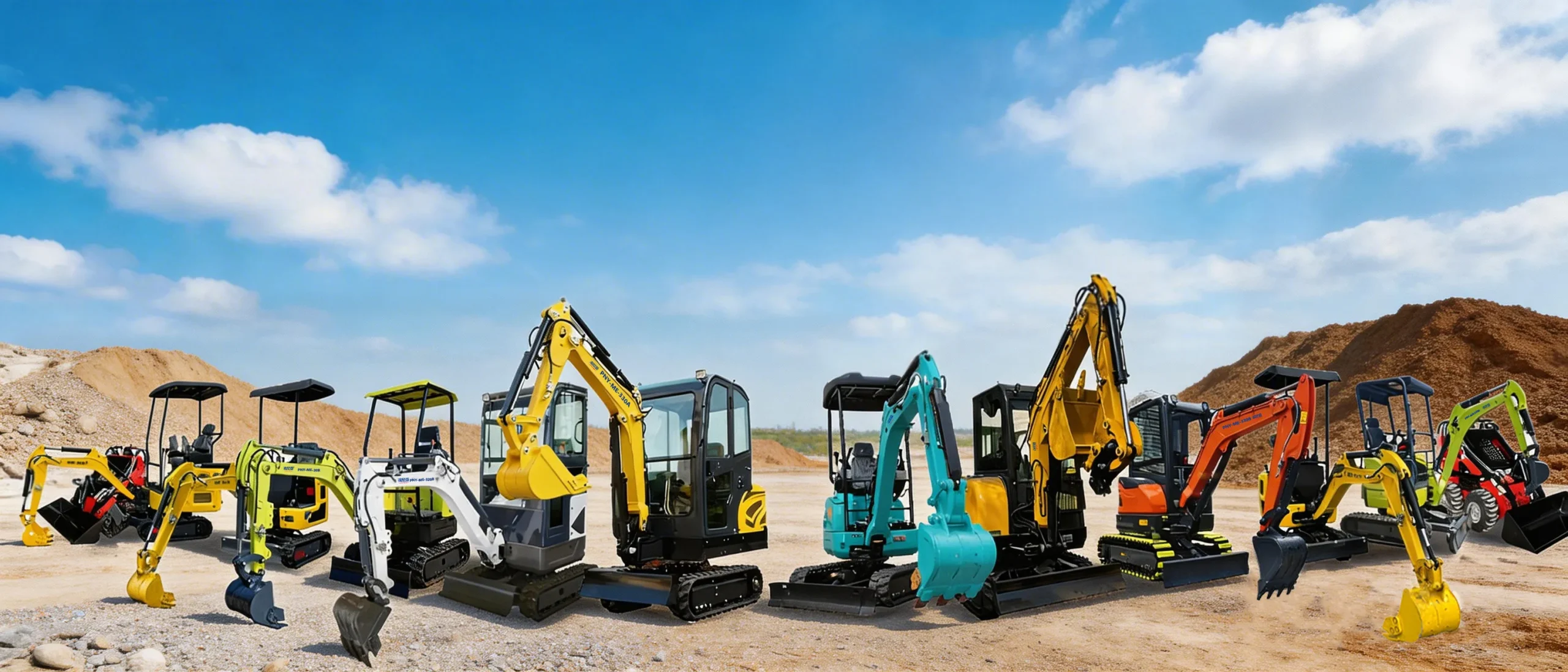
Excavator for road repair
When most people hear 'excavator for road repair,' they picture a machine just tearing up old asphalt. That's the biggest misconception. In reality, its role is nuanced, almost surgical. It's not just about demolition; it's about precision excavation, careful material handling, and often, being the versatile backbone of the entire patch-up operation before the pavers even roll in. I've seen too many projects waste time and budget by treating the excavator as a simple brute-force tool.
The Right Tool for the Job Isn't Always Obvious
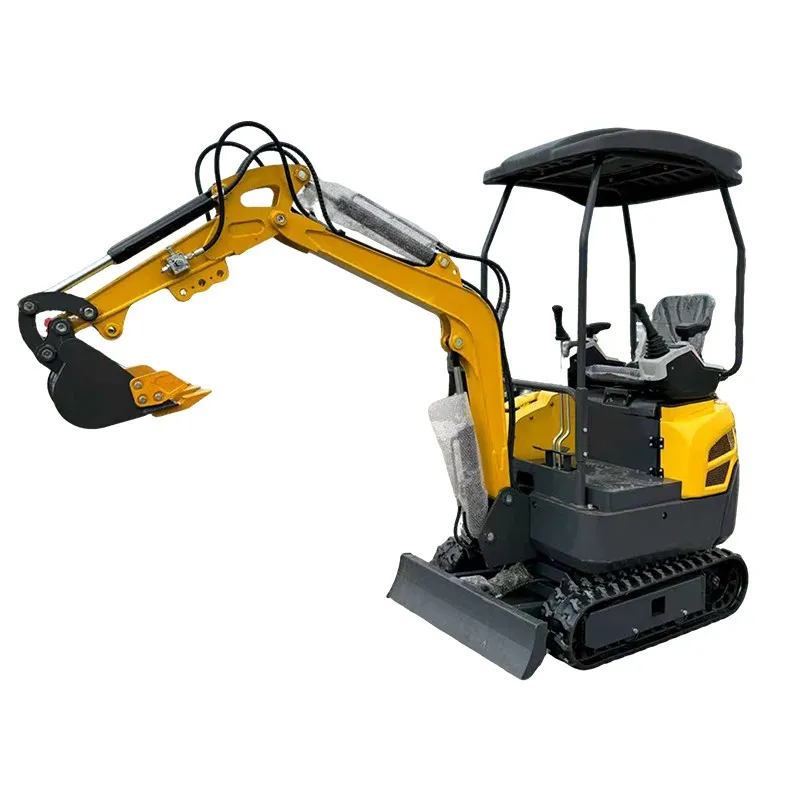
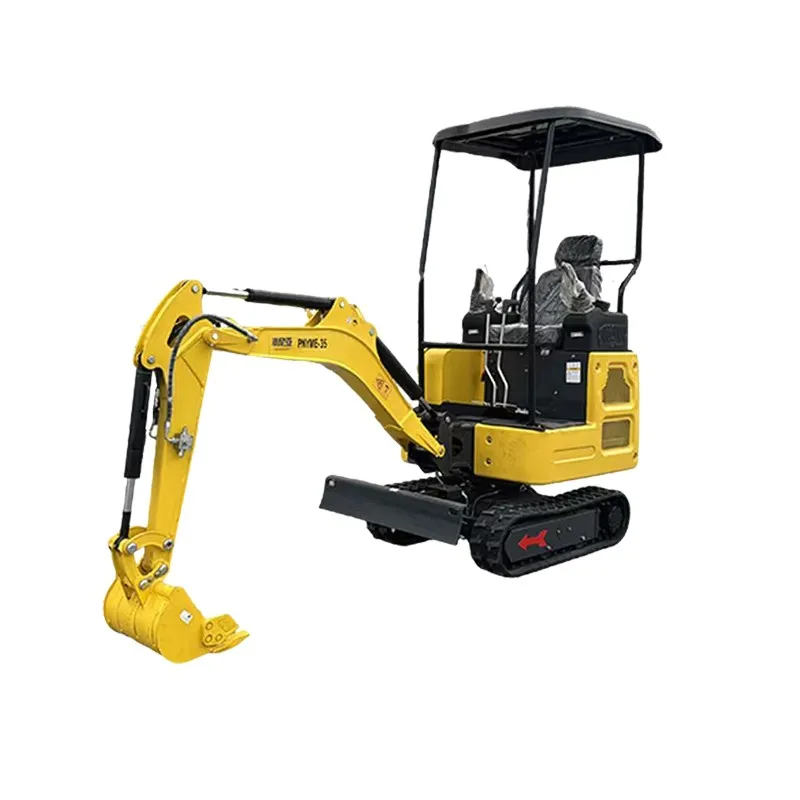
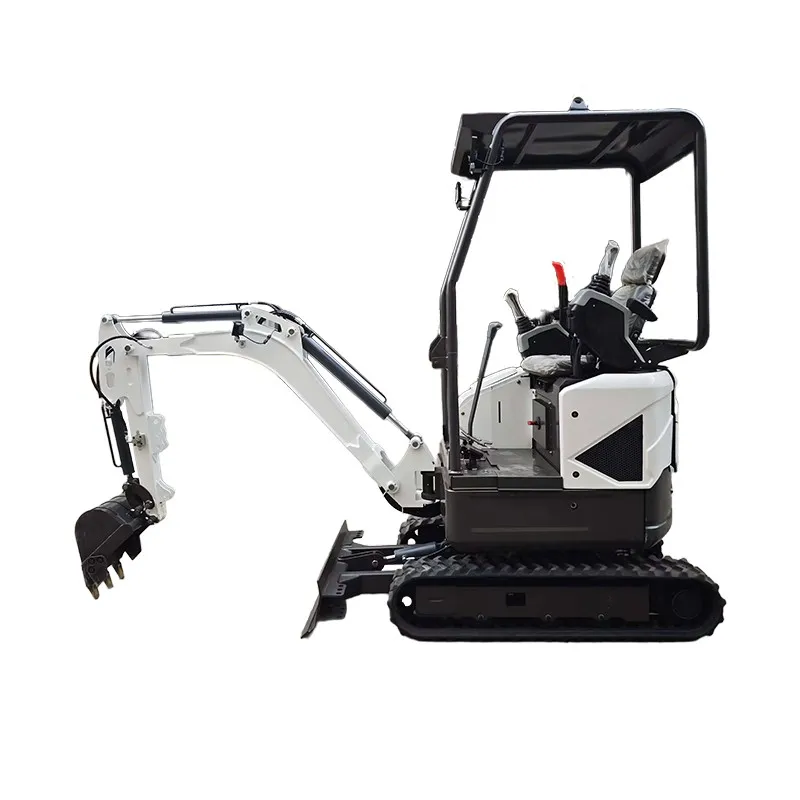
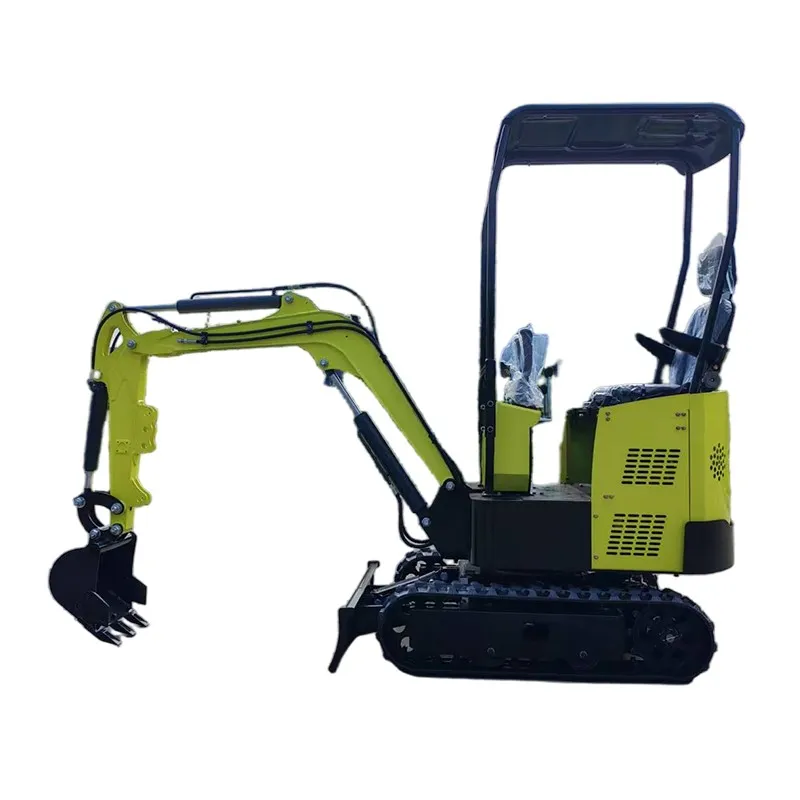
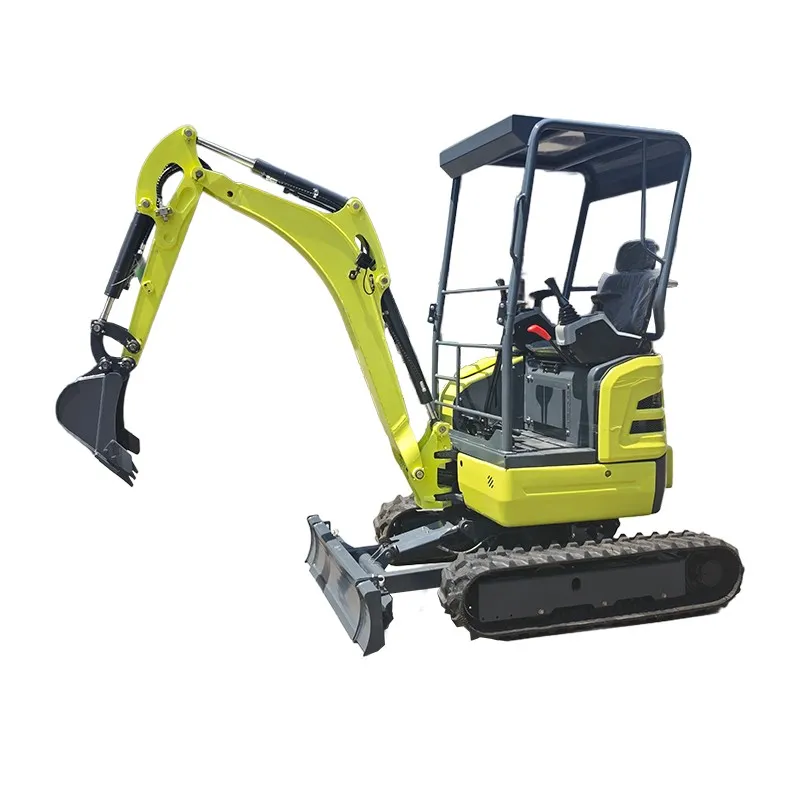
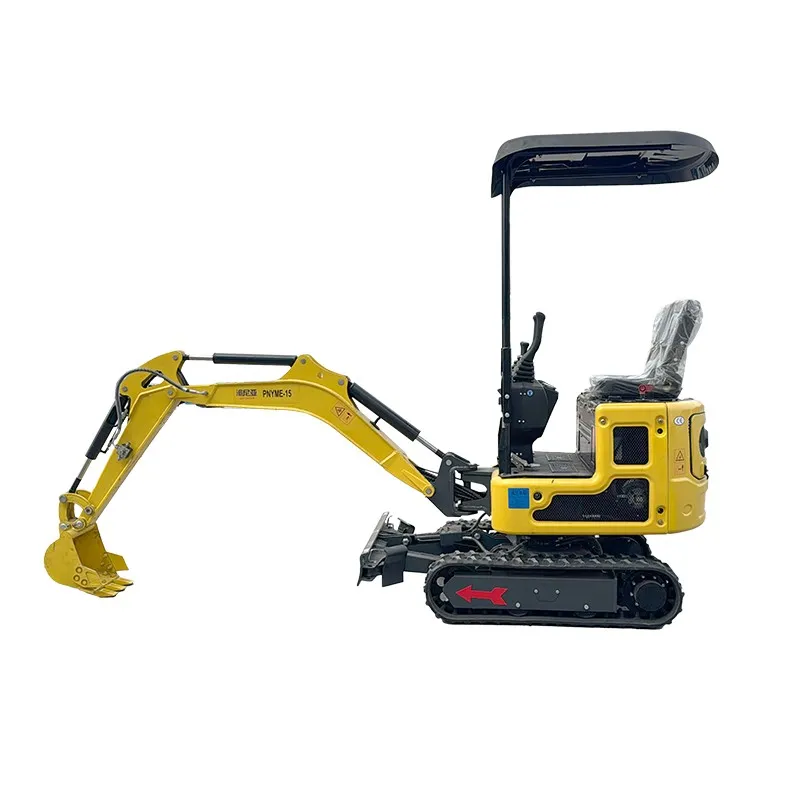
You wouldn't use a 35-ton mining excavator to fix a pothole on a suburban street. Scale matters immensely. For most municipal repair work, compact or midi excavators—think 1.5 to 8 tons—are the real workhorses. Their size allows them to work in confined spaces, their tracks distribute ground pressure to avoid damaging the intact road base, and their 360-degree rotation is indispensable. I remember a job repairing a utility trench on a busy downtown avenue. We initially tried with a backhoe loader, but the limited swing radius kept blocking a lane. Swapping to a 5-ton compact excavator let us tuck into the work zone neatly, keeping traffic flowing. That single decision saved hours of traffic management headaches.
The attachment choice is where the real finesse comes in. A standard bucket is for bulk removal. But for precise trenching to expose a broken water line under the road, you switch to a narrow trenching bucket or even a hydraulic breaker mounted on the arm to deal with reinforced concrete. For final grading of the sub-base before new asphalt is laid, a tiltrotator or a laser-guided grading bucket can be a game-changer. It’s these details that separate a quick, lasting repair from a patch that fails in six months.
One failure that sticks with me was on a rural road resurfacing project. The subgrade was wet clay, and we used a standard wide bucket for excavation. It kept gumming up, creating a messy, uneven base. We lost a day before the foreman insisted on switching to a skeleton bucket (or a mud bucket). It allowed the clay to fall through, leaving the larger rocks to stabilize the trench bottom. Lesson learned: the soil condition dictates the tool as much as the task itself.
On-Site Challenges You Don't Learn in a Manual
Operating an excavator for road repair in a live traffic environment is a high-stress ballet. Your focus is split between the trench, the grade, and the constant flow of vehicles and pedestrians just meters away. Spotters are non-negotiable. The machine's controls become an extension of your hands; you develop a feel for the hydraulic response, knowing when the bucket hits solid sub-base versus a void or a forgotten pipe.
Then there's the issue of existing infrastructure. Utility strikes are the nightmare scenario. Before any tooth bites into the pavement, you're cross-referencing utility maps (which are often outdated) and using ground-penetrating radar if the budget allows. I've uncovered uncharted telecom conduits and even old, abandoned streetcar rails. Each surprise means a pause, a call to the utility company, and a delicate hand-digging operation around the find. This is where an operator's patience and a machine's fine control are tested.
Weather is another silent factor. Operating on a hot day, the asphalt is pliable and easier to cut, but the machine can overheat. In cold conditions, the material is brittle, but hydraulics are sluggish. Rain turns everything to mud, compromising the stability of the excavation walls. There's no perfect condition, just constant adaptation.
The Support Ecosystem: Parts, Service, and Trust
A machine is only as good as the support behind it. Downtime is catastrophic when you have lane closures permitted for a fixed time. This is why the source of your equipment matters. You need a supplier that understands the grueling demands of road maintenance, not just general construction.
I've had positive experiences with machinery from companies that specialize in this niche. For instance, the reliability we've seen from units sourced through Shandong Pioneer Engineering Machinery Co., Ltd has been notable. You can check their range at https://www.sdpioneer.com. Their background, with Shandong Hexin handling manufacturing and Pioneer focusing on overseas trade, means the machines are built for durability and adapted for the global market. Knowing they export to places with strict standards like Germany and Australia gives you confidence that the components can handle diverse job site conditions. It’s this kind of specialized, long-term industry presence—they've been at it since 2004—that builds trust. You're not just buying a machine; you're buying into a support network that knows what a road crew needs.
It’s about more than specs on a page. It’s about whether a final-drive motor can be sourced and replaced within 48 hours, or if the dealer understands the specific wear patterns on undercarriage parts from constant asphalt work. This operational peace of mind is a huge, often overlooked, part of the equation.
Beyond the Patch: The Operator's Role
The best excavator for road repair is useless without a skilled operator. This isn't just about moving dirt. A good operator works with the ground crew, understands the paving process that comes next, and can communicate issues in real-time. They can read the soil layers as they excavate, identifying poor drainage or unstable material that the engineer might need to know about.
Efficiency is key. An experienced operator can make a cut, place the spoil exactly where the truck can load it without repositioning, grade the base, and even place pre-cut asphalt patches with a thumb attachment, all in a fluid sequence. This reduces the time the road is partially closed and minimizes the exposure of the open trench to the elements or traffic.
It's a thinking person's job. You're constantly making micro-judgments: Is this vibration from a rock or a pipe? Is the trench wall stable, or do I need to slope it more? Can I get one more bucket load without risking a cave-in? This on-the-fly analysis is what you pay for with a seasoned operator; it prevents costly mistakes and rework.
The Future is Already on Site (In Bits and Pieces)
Technology is creeping in, slowly. You're starting to see more machines with grade control systems, where sensors on the bucket arm relay its position to a screen in the cab, showing the operator exactly how deep they are relative to the design grade. This eliminates a lot of the measure with a stick, take a cut, measure again cycle. It's fantastic for achieving the precise sub-base elevation critical for a long-lasting road surface.
Telematics is another big one. Fleet managers can now monitor machine location, fuel consumption, idle time, and maintenance alerts remotely. For a road repair department managing dozens of sites, this data is gold. It helps schedule preventive maintenance before a failure occurs on a critical job and improves overall fleet utilization.
That said, the core machine—the hydraulic excavator—isn't going to be replaced anytime soon. The fundamental principles of its power, reach, and versatility are perfectly suited to the messy, unpredictable, and varied world of road repair. The technology will just make it a more precise, connected, and efficient partner in the never-ending battle to keep our roads drivable.
Related Products
Related Products