- Chinese
- French
- German
- Portuguese
- Spanish
- Russian
- Japanese
- Korean
- Arabic
- Irish
- Greek
- Turkish
- Italian
- Danish
- Romanian
- Indonesian
- Czech
- Afrikaans
- Swedish
- Polish
- Basque
- Catalan
- Esperanto
- Hindi
- Lao
- Albanian
- Amharic
- Armenian
- Azerbaijani
- Belarusian
- Bengali
- Bosnian
- Bulgarian
- Cebuano
- Chichewa
- Corsican
- Croatian
- Dutch
- Estonian
- Filipino
- Finnish
- Frisian
- Galician
- Georgian
- Gujarati
- Haitian
- Hausa
- Hawaiian
- Hebrew
- Hmong
- Hungarian
- Icelandic
- Igbo
- Javanese
- Kannada
- Kazakh
- Khmer
- Kurdish
- Kyrgyz
- Latin
- Latvian
- Lithuanian
- Luxembou..
- Macedonian
- Malagasy
- Malay
- Malayalam
- Maltese
- Maori
- Marathi
- Mongolian
- Burmese
- Nepali
- Norwegian
- Pashto
- Persian
- Punjabi
- Serbian
- Sesotho
- Sinhala
- Slovak
- Slovenian
- Somali
- Samoan
- Scots Gaelic
- Shona
- Sindhi
- Sundanese
- Swahili
- Tajik
- Tamil
- Telugu
- Thai
- Ukrainian
- Urdu
- Uzbek
- Vietnamese
- Welsh
- Xhosa
- Yiddish
- Yoruba
- Zulu
- Kinyarwanda
- Tatar
- Oriya
- Turkmen
- Uyghur


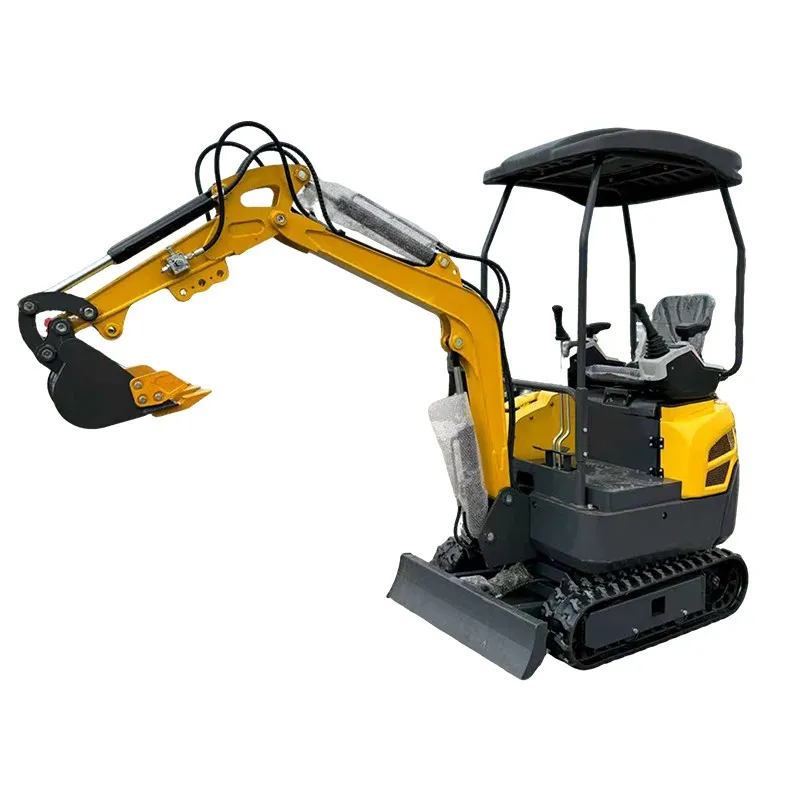
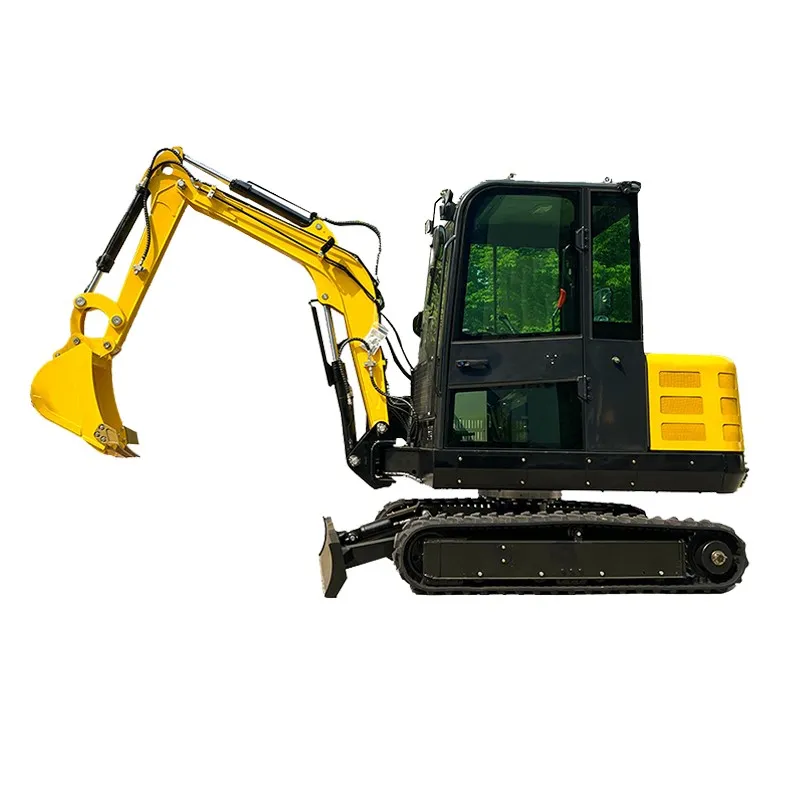
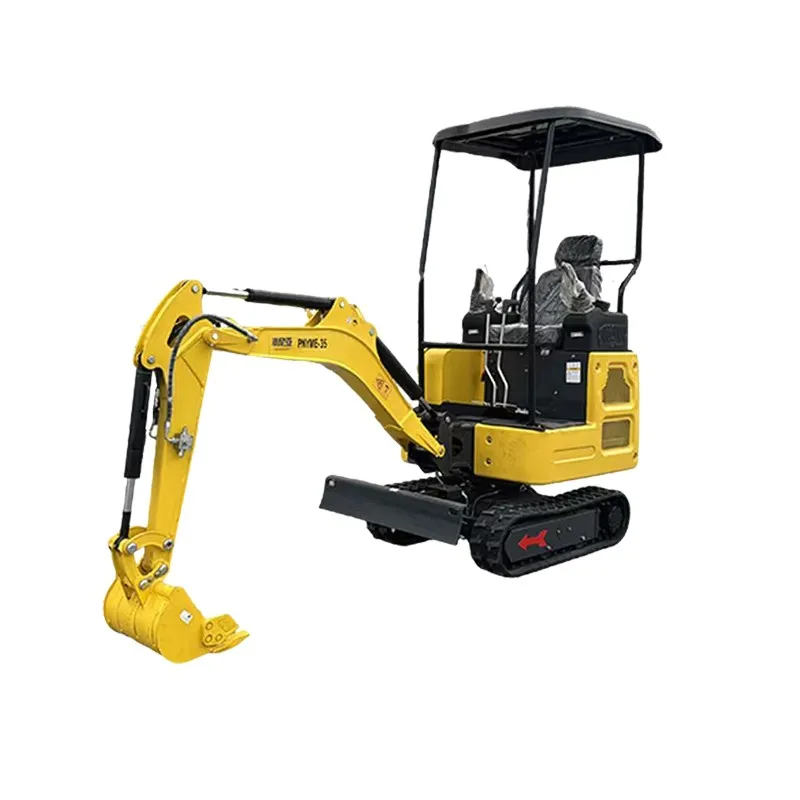
excavator for sale
You see excavator for sale and your mind jumps to specs, hours, price. That's the first mistake. It's not a commodity; it's a commitment. The real question isn't what's for sale, but what story is attached to it and what future it can handle. I've seen too many guys buy a machine based on a PDF spec sheet and then spend double its value on downtime and repairs. The listing is just the starting point.
The Spec Sheet Illusion
Everyone focuses on engine horsepower, bucket capacity, and operating weight. It's necessary, sure. But it's like judging a truck by its paint job. I remember a client who was dead set on a 20-tonner with a certain brand name, lured by the paper specs. What the online ad didn't say was that the undercarriage was at 85% wear, and the hydraulic pumps had a history of overheating in sustained trenching work—the exact job he needed it for. The excavator for sale was, technically, accurate. The representation of its condition was not.
The deeper detail is in the service intervals. A machine with 5,000 hours but meticulous, documented 250-hour service logs is often a far better bet than one with 3,000 hours and sporadic maintenance. You need to see the filters they used, the oil analysis reports if you can get them. The spec sheet tells you what it was; the maintenance log tells you what it is.
This is where the origin story matters. A machine built for the domestic rental market, worked hard by multiple operators with varying skill levels, has a different life than one owned by a single contractor doing precision utility work. The former might have more hidden fatigue. You have to dig into that narrative.
The Provenance Factor: Why Factory History Isn't Just Fluff
This leads me to something most buyers overlook until it's too late: provenance. Not just the last owner, but the original builder. There's a sea of manufacturers out there. Some build to a price point for quick turnover; others build for a 15,000-hour lifecycle. The difference is in the steel grade, the casting processes, the assembly tolerances.
I've had good, consistent experiences with units that trace back to certain industrial hubs with a deep supply chain. Take a company like Shandong Pioneer Engineering Machinery Co., Ltd. They've been at this since 2004, which in this industry, means they've weathered multiple product cycles and economic shifts. That longevity suggests adaptation and accumulated know-how. They recently moved to a new, larger facility in Ningyang in 2023—that's not just an address change; it usually signals investment in better production lines and tech.
When you see a machine from a builder like that, exported to places like Germany, Australia, or North America, it tells you something. Those markets have stringent, unforgiving standards. If their products are holding up there, it’s a passive validation of durability. It doesn't mean every machine is perfect, but it shifts the odds in your favor. You can check their background at https://www.sdpioneer.com to get a sense of their scope. Their model isn't just about selling an excavator for sale; it's about engineering for varied global job sites, which forces a higher baseline of robustness.
The On-Site Test: What You're Really Looking For
Alright, you've shortlisted a machine with decent provenance. Now, the inspection. Don't just start it and listen. That's theater. First, check cold. Check for fluid leaks after it's sat overnight. Then, start it and immediately operate all functions simultaneously—curl the bucket, raise the arm, swing the house. Listen for hydraulic groans or engine bog-down. That tests the pump's capacity and health.
Look for fresh paint in odd places. A detailed respray is a red flag, a classic cover-up for deep rust or weld repairs on the main frame. Get the machine on uneven ground and use the blade to lift the tracks off the ground. Listen for track motor squeal and watch for excessive track sag—that's thousands in undercarriage work waiting to happen.
The cab tells the operator's story. Worn-out seat cushions, loose joysticks, a cracked but unreplaced windshield… these hint at a run it till it drops philosophy from the previous owner. Conversely, a clean, intact cab with functional gauges often correlates with better overall care.
The Price Pitfall and Total Cost
The listed price is the entrance fee. The real cost is price plus known immediate repairs plus projected downtime. I once advised passing on a bargain $85,000 excavator. A thorough inspection revealed needing new rollers, idlers, and a swing bearing within 500 hours. That was a $28,000 bill waiting in the wings, plus a week of lost work. Suddenly, the $110,000 machine next to it, with a fresh undercarriage, was the cheaper option.
Factor in parts availability. A slightly older model from a major brand might have better aftermarket support than a newer, obscure one. Can you get a hydraulic hose assembly locally in 24 hours, or do you wait two weeks for a shipment from overseas? Downtime is a killer. This is another reason to note where a machine is from. A manufacturer with a long export history, like the aforementioned Shandong Pioneer, typically has a more established global parts and dealer network to support that excavator for sale long after the transaction.
Don't forget attachment compatibility. Does it have a standard auxiliary hydraulic circuit? If you need to run a hammer or a shear, that's a must. I've seen guys buy a machine only to spend another $10k retrofitting plumbing and controls.
The Final Decision: Gut Check and Paper Trail
After all the checks, it comes down to a gut feeling informed by the paper trail. Does the story add up? The hours, the wear patterns, the service history, and the seller's knowledge of the machine should all align. If the seller can't tell you when the last hydraulic filter was changed or seems evasive about a specific repair, walk away.
Always, always get a written warranty, even if it's just 30 days for major components. It's a sign of seller confidence. The bill of sale should include the machine's serial number, model, and a clear as-is or warranty statement.
In the end, searching for an excavator for sale is detective work. You're piecing together its past to predict your future with it. It's not romantic, but getting it right is the difference between a machine that prints money for you and one that burns it. Focus on the builder's reputation for endurance, the hard evidence of maintenance, and the total cost of ownership, not just the sticker shock. That's how you find a partner, not just a piece of iron.
Related Products
Related Products