- Chinese
- French
- German
- Portuguese
- Spanish
- Russian
- Japanese
- Korean
- Arabic
- Irish
- Greek
- Turkish
- Italian
- Danish
- Romanian
- Indonesian
- Czech
- Afrikaans
- Swedish
- Polish
- Basque
- Catalan
- Esperanto
- Hindi
- Lao
- Albanian
- Amharic
- Armenian
- Azerbaijani
- Belarusian
- Bengali
- Bosnian
- Bulgarian
- Cebuano
- Chichewa
- Corsican
- Croatian
- Dutch
- Estonian
- Filipino
- Finnish
- Frisian
- Galician
- Georgian
- Gujarati
- Haitian
- Hausa
- Hawaiian
- Hebrew
- Hmong
- Hungarian
- Icelandic
- Igbo
- Javanese
- Kannada
- Kazakh
- Khmer
- Kurdish
- Kyrgyz
- Latin
- Latvian
- Lithuanian
- Luxembou..
- Macedonian
- Malagasy
- Malay
- Malayalam
- Maltese
- Maori
- Marathi
- Mongolian
- Burmese
- Nepali
- Norwegian
- Pashto
- Persian
- Punjabi
- Serbian
- Sesotho
- Sinhala
- Slovak
- Slovenian
- Somali
- Samoan
- Scots Gaelic
- Shona
- Sindhi
- Sundanese
- Swahili
- Tajik
- Tamil
- Telugu
- Thai
- Ukrainian
- Urdu
- Uzbek
- Vietnamese
- Welsh
- Xhosa
- Yiddish
- Yoruba
- Zulu
- Kinyarwanda
- Tatar
- Oriya
- Turkmen
- Uyghur


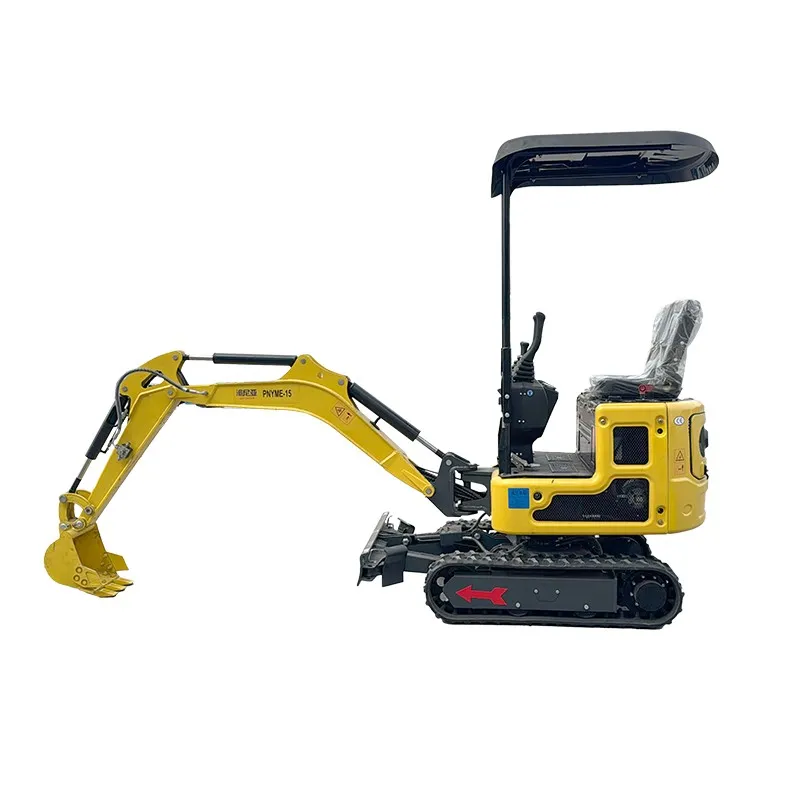
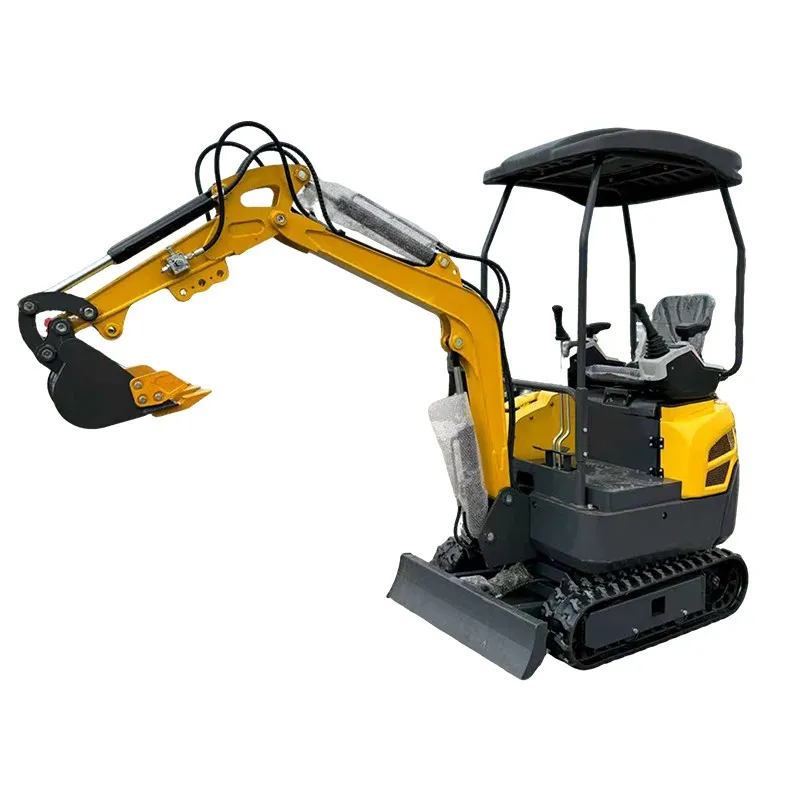
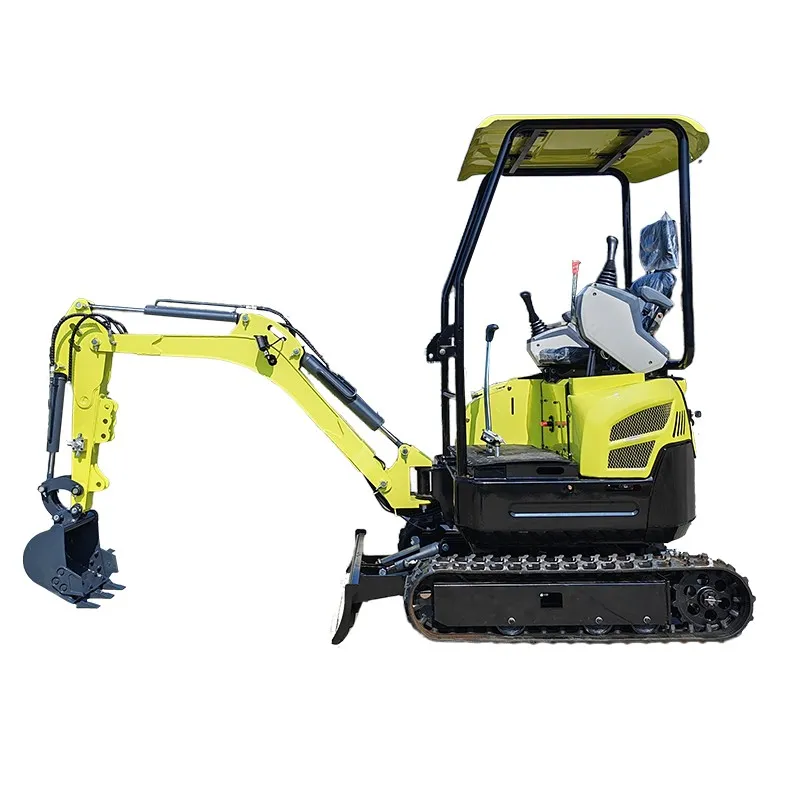
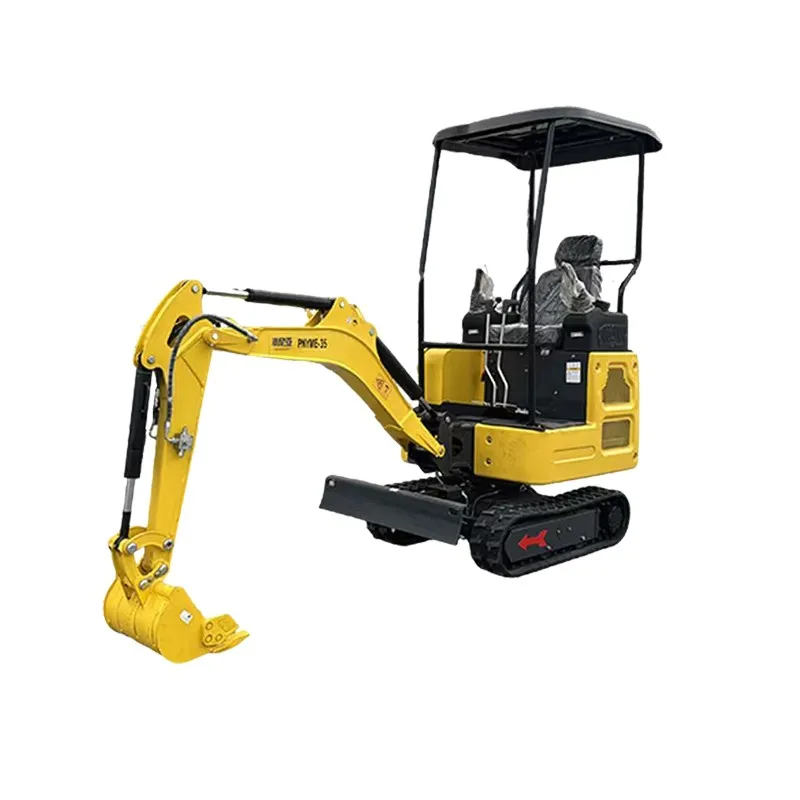
Excavator for vegetable greenhouse
When you first hear excavator for vegetable greenhouse, most people picture a standard mini excavator just driven inside. That's the biggest misconception. It's not about the machine being small; it's about it being right for the environment. The real challenge is adapting heavy machinery to a delicate, controlled ecosystem without causing more problems than you solve.
The Core Problem: It's a Chemistry Set, Not a Dirt Lot
You can't treat a modern poly-tunnel or glasshouse like a standard construction site. The subsurface is a mess of irrigation lines, heating pipes, and sometimes even substrate bags or nutrient delivery systems. One wrong bucket curl can sever a main water line for an entire bay, setting back a crop cycle by weeks. The soil itself is often a carefully balanced medium, not just dirt. Compaction from a machine with the wrong track configuration or ground pressure can ruin soil structure for seasons, affecting drainage and root growth. I've seen operations where they brought in a standard 1.8-ton mini excavator for foundation work for a new greenhouse section, and the compaction along the access path altered the water table flow for adjacent growing beds. The fix cost more than the excavation work itself.
Then there's the air. You're working in an enclosed or semi-enclosed space. A standard diesel engine's exhaust fumes—the particulate matter and ethylene—are toxic to many plants. Tomatoes, cucumbers, they're especially sensitive. You might finish the digging job perfectly, but a week later, the plants along the path of the machine show stunted growth or leaf curl. The damage is done, and it's subtle. It's not like the machine ran over them; it's a chemical burn from the air. So, the powertrain choice isn't just about power; it's about plant health. Electric or advanced emission-controlled engines aren't a luxury here; they're a necessity for in-operation greenhouses.
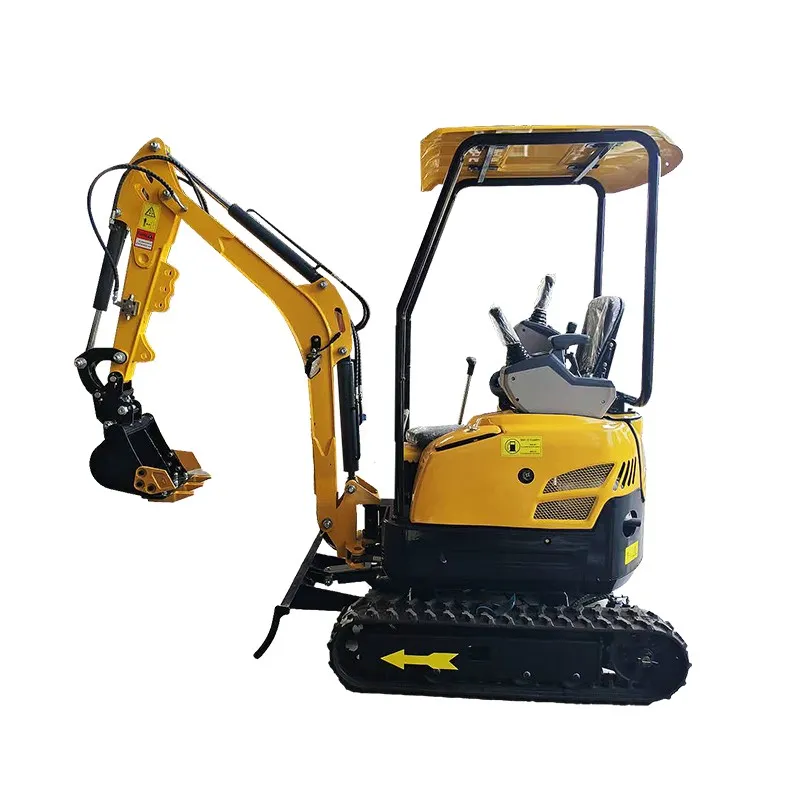
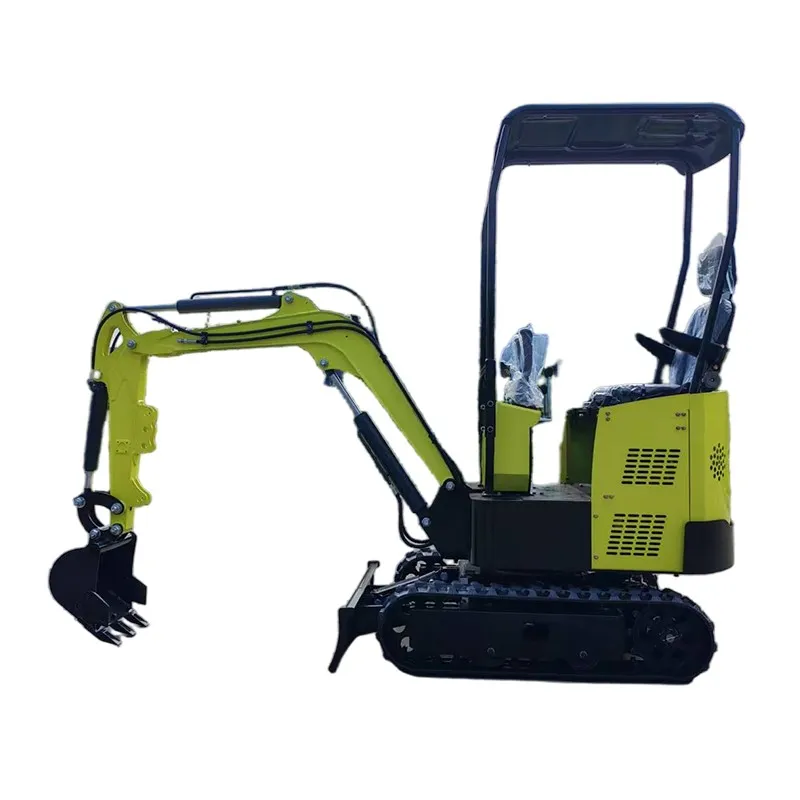
This is where the spec list gets specific. You're looking for ultra-low ground pressure, often below 20 kPa. You need a variable-width undercarriage, sometimes as narrow as 800mm to fit between standard bed rows, but that can be widened for stability when actually digging. The boom and arm kinematics need to allow for precise, shallow digging—think 30 to 50 cm deep for trenching for pipes or leveling beds—without needing the machine to reposition constantly. A standard long-arm configuration is often useless here; you need a short, powerful arm for close-quarter, finesse work.
Real-World Adaptation: The Greenhouse Special Modifications
Off-the-shelf rarely works perfectly. Most successful setups I've encountered involve base machines from manufacturers who understand these niche needs, then further customized. For instance, rubber track pads are a given, but the compound matters. You want a non-marking, smooth rubber that won't tear the protective poly-film floorings many greenhouses use. I recall a Dutch grower who used a modified Kubota U17-3, but the key was the custom-made spade-style bucket. It wasn't a standard tooth bucket. It had a rounded, almost blunt leading edge, designed to slice through the soil medium and lift it cleanly, minimizing disturbance to the surrounding area, almost like a giant trowel. It was terrible for rocky soil, but perfect for his peat-based mix.
Another critical mod is the hydraulic circuit. You need exceptionally fine control at the lower end of the joystick movement. Digging around a 2-inch PVC pipe requires feather-like movements. Some operators install aftermarket proportional control valves to achieve this. The default factory settings are often too jumpy for this level of precision work. I learned this the hard way on an early job, nicking a line. The client wasn't mad about the pipe—that was a $20 fix—but about the downtime and labor to access and repair it. The labor cost dwarfed the part cost.
Attachments are where the real versatility comes in. The quick coupler is essential. In a single afternoon, the same machine might need to switch from a narrow trenching bucket, to a hydraulic drill for post holes, to a grapple for moving old substrate bags, and maybe even to a broom attachment for cleanup. The ability to do this without leaving the greenhouse is huge for efficiency and containment. You don't want to be tracking internal soil outside and external pests inside.
A Case in Point: Sourcing and the Supply Chain Reality
Finding a company that gets this isn't easy. Many machinery manufacturers build for volume: construction, landscaping. The greenhouse sector is a sliver of the market. You need a supplier that listens to these specific pain points and can engineer solutions, not just sell a stock unit. This is where specialized exporters with engineering capacity become valuable. I've followed the work of a company like Shandong Pioneer Engineering Machinery Co., Ltd for a while. Their model is interesting. They operate with Shandong Hexin handling manufacturing and Pioneer focusing on overseas trade. Their relocation to a larger facility in Ningyang in 2023 suggests a scaling-up of this bespoke capability. For a niche buyer in, say, Canada or Australia, the value isn't just in a cheap machine; it's in their willingness to customize. Can they build a machine with a specific track width, a factory-installed three-pump hydraulic system for super-fine control, and a factory-approved electric drive option? That's the conversation you need to have. Their export history to demanding markets like Germany and the US indicates they're used to specifications and compliance, which is a good baseline. You can check their approach on their site at https://www.sdpioneer.com.
The process is rarely buy this model. It's more of a collaboration. You send them the layout of your greenhouse bays, the height of your door headers, the composition of your growing medium, and the primary tasks. They should come back with a base machine recommendation and a list of modification options. If they just send you a standard brochure, walk away. The trust from global customers they mention on their site would have been built on this kind of project-specific problem-solving, not just moving boxes.
Cost is a factor, but the calculus is different. The capital outlay for a proper greenhouse-adapted excavator is higher than for a standard mini digger. But the total cost of ownership is lower. You prevent one subsurface infrastructure disaster, and the machine pays for itself. You avoid crop damage from compaction or fumes, and it pays for itself again. The ROI is in risk mitigation and precision.
Operational Nuances: The Human Factor
Even with the perfect machine, the operator is key. It's a different mindset. You're not digging to depth; you're sculpting with weight. You need to be constantly aware of overhead obstacles—trusses, heaters, light rails. The confined space means spatial awareness is paramount. I've trained operators who were brilliant on open sites but became nervous and jerky inside a greenhouse. The noise reverberates, the space feels tight. It takes a specific temperament: patient, meticulous, almost gentle.
Protocols for entry and exit are also part of the job. You often need to pass through a bio-security wash station. The machine's tracks and undercarriage need to be cleaned and sometimes disinfected before entering a clean growing zone to prevent spreading pests or diseases from one bay to another. This adds time to the work cycle but is non-negotiable in modern high-value horticulture.
Maintenance inside the greenhouse is also a consideration. You can't have major fluid leaks. Using biodegradable hydraulic fluid is a smart, albeit more expensive, precaution. Daily checks for leaks and loose hoses become even more critical. A small hydraulic oil leak on an outdoor site is a nuisance; on a greenhouse floor, it's a contamination event.
Looking Forward: The Trajectory of the Tool
The future is electric, without a doubt. Not just for emissions, but for control and heat. A silent, zero-local-emission machine that can be charged via the greenhouse's own solar array is the ideal. We're already seeing prototypes with cable-free battery swaps. The reduced heat output compared to a diesel engine is also a major benefit for climate-controlled environments.
Automation is on the horizon, but slowly. The variability of tasks—from trenching to material handling—makes full autonomy difficult. However, assisted operation features are a natural fit. Imagine boundary limits programmed into the machine's hydraulics, preventing the bucket from swinging into a known support column or digging below a predefined depth where pipes are known to be. This is low-hanging fruit for manufacturers who understand the sector.
Ultimately, the excavator for a vegetable greenhouse is a perfect example of how industrial tools must evolve to serve biology, not just move earth. It's a hybrid device, part construction equipment, part agricultural implement. Its success isn't measured in cubic yards per hour, but in millimeters of precision and the absence of negative consequences on a living, productive system. Getting it right is a quiet triumph of applied engineering; getting it wrong is a costly, sometimes invisible, failure.
Related Products
Related Products