- Chinese
- French
- German
- Portuguese
- Spanish
- Russian
- Japanese
- Korean
- Arabic
- Irish
- Greek
- Turkish
- Italian
- Danish
- Romanian
- Indonesian
- Czech
- Afrikaans
- Swedish
- Polish
- Basque
- Catalan
- Esperanto
- Hindi
- Lao
- Albanian
- Amharic
- Armenian
- Azerbaijani
- Belarusian
- Bengali
- Bosnian
- Bulgarian
- Cebuano
- Chichewa
- Corsican
- Croatian
- Dutch
- Estonian
- Filipino
- Finnish
- Frisian
- Galician
- Georgian
- Gujarati
- Haitian
- Hausa
- Hawaiian
- Hebrew
- Hmong
- Hungarian
- Icelandic
- Igbo
- Javanese
- Kannada
- Kazakh
- Khmer
- Kurdish
- Kyrgyz
- Latin
- Latvian
- Lithuanian
- Luxembou..
- Macedonian
- Malagasy
- Malay
- Malayalam
- Maltese
- Maori
- Marathi
- Mongolian
- Burmese
- Nepali
- Norwegian
- Pashto
- Persian
- Punjabi
- Serbian
- Sesotho
- Sinhala
- Slovak
- Slovenian
- Somali
- Samoan
- Scots Gaelic
- Shona
- Sindhi
- Sundanese
- Swahili
- Tajik
- Tamil
- Telugu
- Thai
- Ukrainian
- Urdu
- Uzbek
- Vietnamese
- Welsh
- Xhosa
- Yiddish
- Yoruba
- Zulu
- Kinyarwanda
- Tatar
- Oriya
- Turkmen
- Uyghur


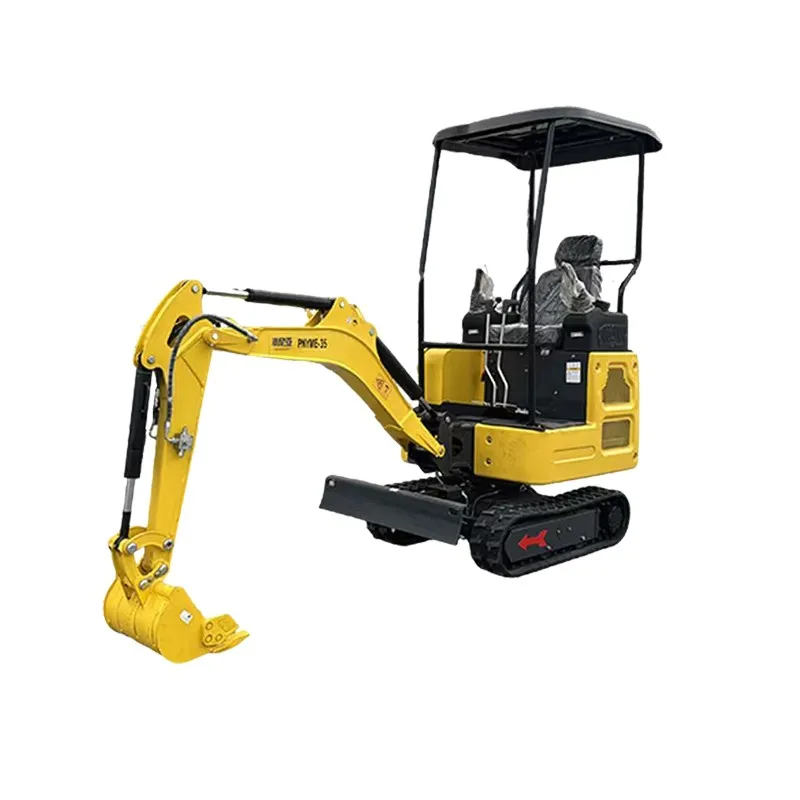
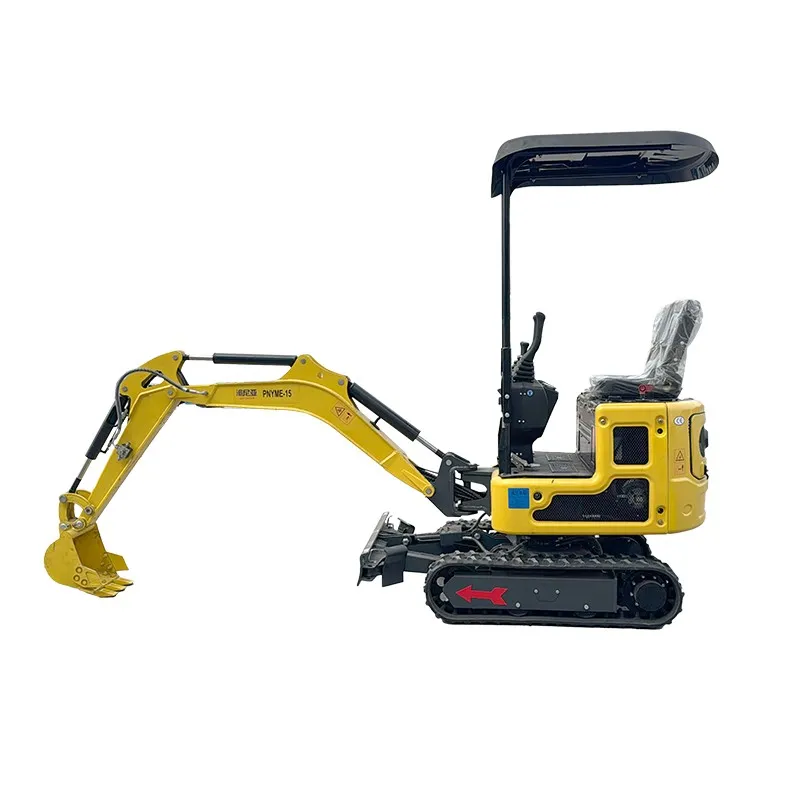
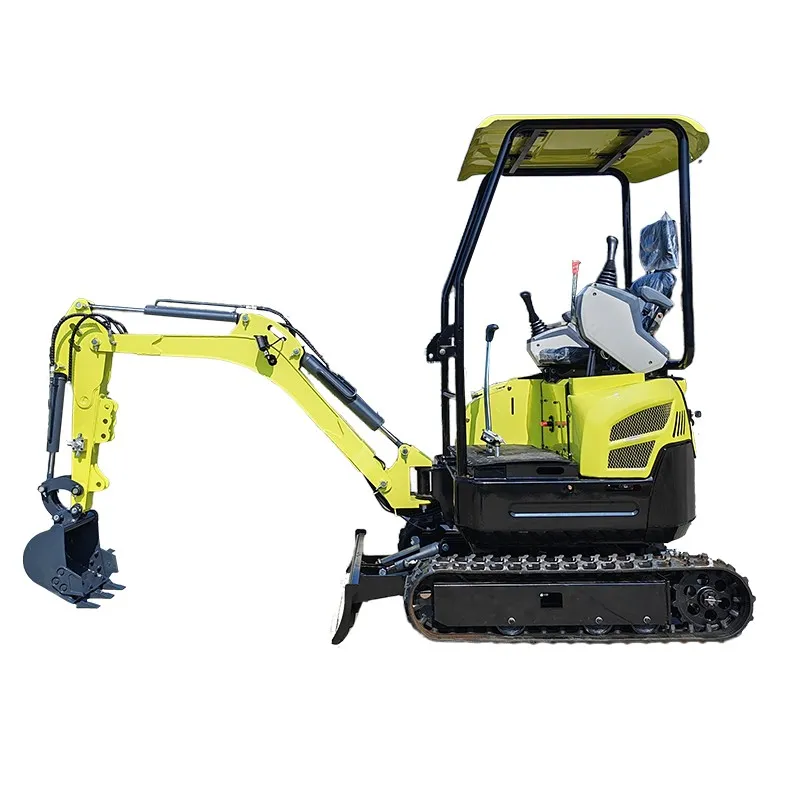
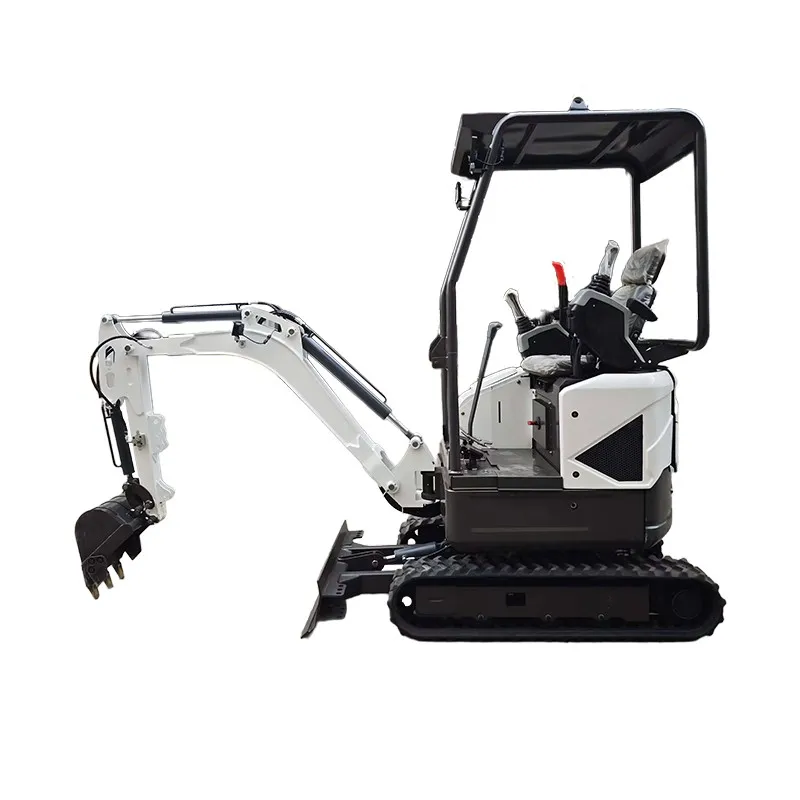
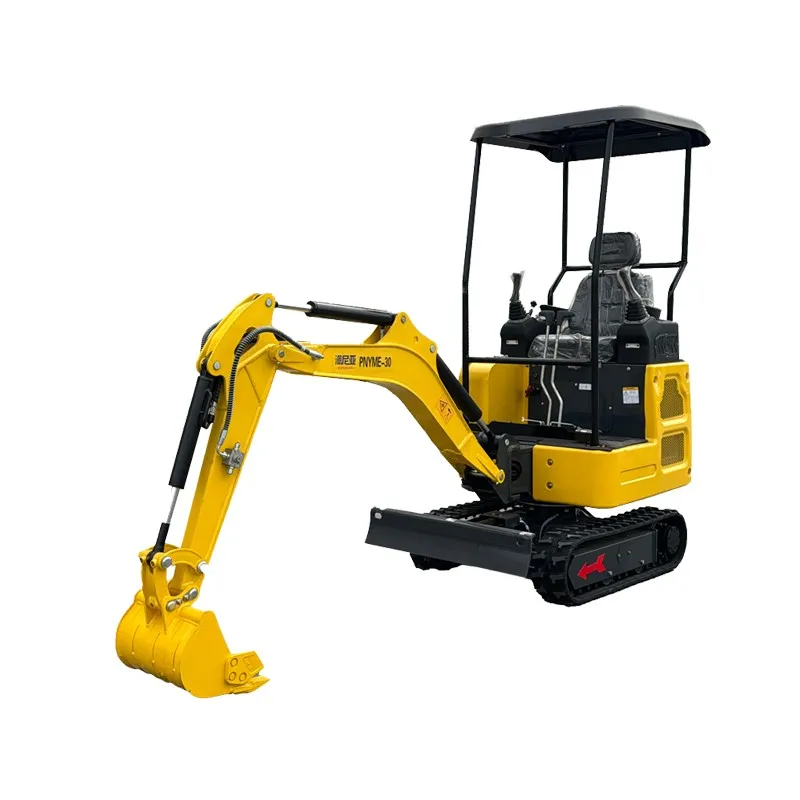
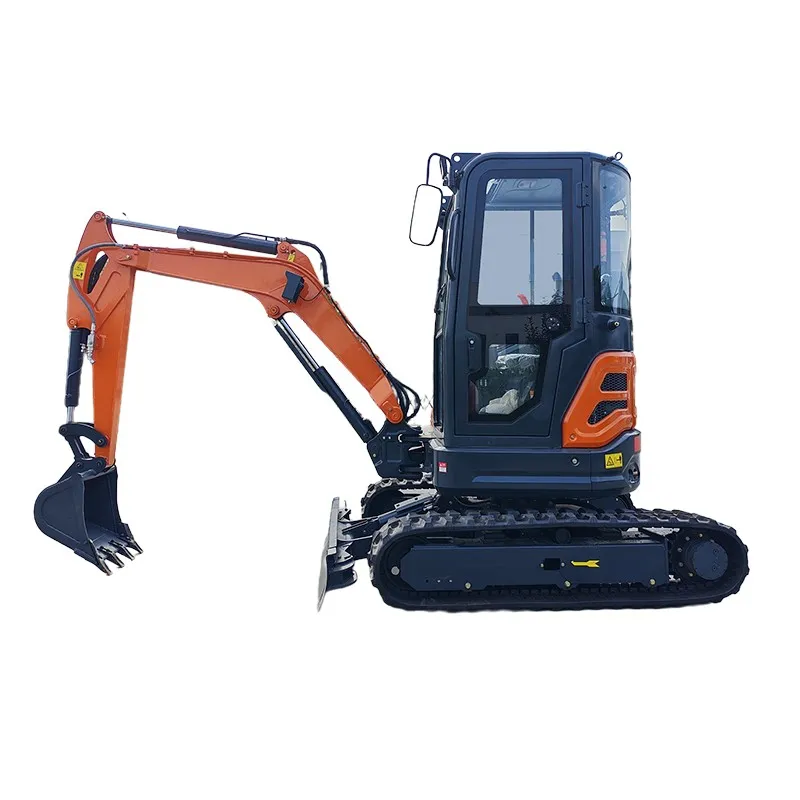
excavator manufacturer
When most people hear 'excavator manufacturer,' they picture a giant industrial complex robotically stamping out identical yellow machines. That's the first misconception. The reality, especially for firms like us who've grown from the ground up, is far messier, more hands-on, and frankly, more interesting. It's not just about building a machine; it's about building a tool that has to survive in mud, rock, dust, and under the pressure of a project's deadline. The spec sheet is the starting point, not the finish line.
The Foundation: It Starts with the Frame, Not the Fancy Stuff
Early on, we learned this the hard way. You can source the best hydraulic pumps from Germany or Japan, but if the main frame—the backbone of the whole machine—has even a minor flaw in the welding or stress relief, it'll haunt you. I remember a batch, must have been around 2010, where we had premature cracking in the boom mounting area. The design was fine on paper, but the fabrication process, the sequence of welds, wasn't right. We spent months on site with customers, reinforcing, repairing, learning. That pain taught us more than any textbook. Now, our production, whether at our original 1,600 sq meter facility or the new expanded site, treats the frame shop as the heart of the operation. It's where the excavator manufacturer proves its mettle before a single hose is connected.
This focus on fundamentals is why relocation and expansion, like our move to Ningyang County in 2023, isn't just about more space. It's about integrating better process control from the very first cut of steel. You're not just moving machines; you're re-engineering the workflow to eliminate those old, costly mistakes. The goal is to make the structural integrity so reliable it becomes a non-issue for the buyer, something they almost take for granted. That's a quiet win.
And it ties directly into the brand split we operate under: Shandong Hexin handles the rigorous manufacturing side, while Shandong Pioneer manages the overseas trade. This structure forces a clarity of purpose. The factory team's KPI is durability and precision; the trade team's is understanding whether a contractor in Australia needs different bucket teeth configurations than one in British Columbia. Both sides have to speak to each other constantly, otherwise, you're just shipping metal boxes.
The Good Enough Hydraulic Trap
Hydraulic systems are another area ripe for misunderstanding. There's a constant tension between performance, cost, and reliability. Some manufacturers, especially when competing on pure price, will opt for a good enough hydraulic package. It might pass factory tests, but put it under sustained heavy load in a cold Canadian winter or a scorching Australian outback, and the weaknesses show: overheating, sluggish response, seal failures.
We've been there. We tried a cost-competitive valve block from a new supplier about five years back, lured by the margin improvement. Field feedback from our partners in the US was swift and brutal. The machines worked, but they lacked the feel, the precise control that experienced operators demand. You lose that, you lose credibility. We switched back to our tier-one suppliers, absorbed the cost hit, and learned that in hydraulics, good enough is a failing grade. The details on our platform, https://www.sdpioneer.com, might list flow rates and pressure, but what we're really selling is predictable, smooth power that an operator can trust after a 10-hour shift.
This is where being a specialized excavator manufacturer matters. A company that makes loaders and graders and excavators might standardize hydraulics across platforms for efficiency. We focus on excavators, so we can tune the system specifically for the digging, lifting, and swinging dynamics unique to this machine. It's a subtle difference that ends up defining the user experience.
Export Isn't a Department; It's a Mindset
Selling to markets like Germany or the United States isn't just about translating a manual. It's a complete mindset shift. The compliance hurdles are obvious—CE, EPA Tier standards. But the subtler part is the application. A machine destined for urban utility work in Europe needs a different setup (more auxiliary hydraulic circuits, tighter tail-swing designs) than one for farm drainage in the Midwest US.
Our entity, Shandong Pioneer, exists for this. Their entire function is to translate the physical product from Hexin manufacturing into a solution that fits a specific market's niche. It's not uncommon for a request from Canada to come in asking for a modification—say, a different pattern of track pads for icy conditions—and for that feedback to loop directly back into the manufacturing planning. This loop is critical. Without it, you're just a catalog excavator manufacturer.
The trust we've earned globally, mentioned in our intro, wasn't won by having the lowest price. It was won by having a service manager on a plane to help troubleshoot an on-site issue, or by customizing a control pattern for an operator used to a different brand. It's grunt work, relationship work, far removed from the glamour of a trade show booth.
The Relocation: More Than an Address Change
The move to Ningyang in August 2023 was a major inflection point. After nearly two decades of development, you outgrow not just space, but old layouts and limitations. The new site was planned with a cellular manufacturing flow in mind. The goal is to reduce the travel distance of a major component like the revolving frame from welding, to machining, to paint, to final assembly.
In the old setup, logistics within the plant ate up time and increased handling damage risks. Now, it's a more linear, controlled process. This directly impacts quality consistency. It also lets us experiment more easily with pre-assembly of modules, like the entire operator's cab with its wiring harness, before it's married to the machine. This is the kind of operational detail that separates a mature excavator manufacturer from a workshop that assembles excavators.
Of course, the move was a massive disruption. Production schedules slipped, supply chains for the new location had to be re-established, and training the expanded workforce was a six-month headache. Anyone who says such a transition is smooth is lying. But the long-term gain in control, efficiency, and ultimately, product robustness, makes the short-term pain necessary. It's an investment in the next twenty years.
The Real Product is Uptime
At the end of the day, a contractor doesn't buy an excavator. They buy uptime. They buy a machine that starts at 7 AM, digs all day, and doesn't leak oil or throw error codes. Every decision we make—from steel grade to solenoid vendor to the training of our final inspection team—filters through this lens: will this increase or protect the customer's uptime?
This philosophy shapes our after-sales support structure. Having a local dealer is great, but as the manufacturer, we need to support that dealer with deep technical knowledge and parts availability. Our website, SDPioneer.com, serves as a hub for this, but it's the backend systems that matter. Can we get a specific pump to a port in Australia within five days if we have to? That logistics capability is as much a part of our product as the excavator's digging force.
Looking back on the journey from that 2004 start-up, the core hasn't changed. We're still problem-solvers for people who move earth. The scale, the technology, and the geographic reach have evolved, but the job of a true excavator manufacturer remains: to build a machine that disappears into the job, becoming just a reliable, powerful extension of the operator's will. Everything else is just noise.
Related Products
Related Products